Discover Vermont, One Story at a Time 🏔️

Local culture, season adventures, small towns,
and the honest side of life in the Green Mountains


Category: Real Estate in Vermont

Explore Vermont’s real estate landscape through local eyes. Learn what it means to find home in the Green Mountains and uncover the connection between community, lifestyle, and place. Each story highlights the character and beauty that make living here special.

  • Embracing Vermont’s Winter Warmth

    Embracing Vermont’s Winter Warmth

    The Secret to Vermont’s Winter Warmth

    Step into a Vermont home on a snowy evening and you will notice something different. The air feels softer, the light seems to glow a little warmer, and time moves just a bit slower. It is not only the heat from the woodstove or the hum of a baseboard heater. It is a kind of warmth that reaches beyond the walls, created by the way Vermonters build, live, and gather through long winter months.

    This feeling of comfort is part of what makes life in Vermont so special. Visitors often say they feel instantly at home here, even if they have only just arrived. There is something grounding about a Vermont winter where the snow outside and the glow inside meet in peaceful balance.

    The Heart of the Home – More Than Just a Fireplace

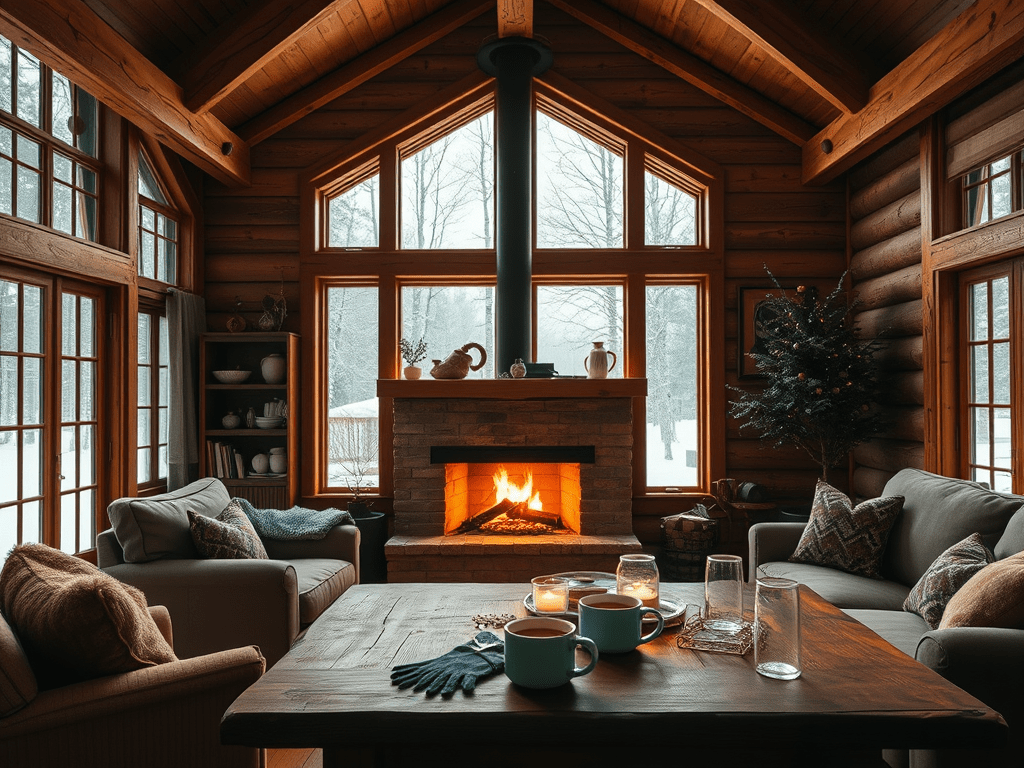
    Fireplaces and woodstoves are more than features in Vermont homes. They are the heartbeat of winter living. In a state where wood heat remains both practical and cherished, the fire becomes a gathering point. It is where mittens dry, coffee steams, and long conversations stretch into the night.

    Many homes still rely on locally sourced firewood, connecting people to the land around them. The ritual of stacking wood in autumn feels like preparation for something sacred. It is a quiet promise that no matter how deep the snow gets, there will always be warmth waiting inside.

    But the real magic is not only in the fire itself. It is in the way Vermont homes are designed around it, with open layouts that let the heat flow and thick walls that hold it close. The fireplace does not simply warm the room; it warms the rhythm of daily life.

    Building for Warmth – How Vermont Architecture Works With Nature

    Old Traditions Meet Modern Craftsmanship

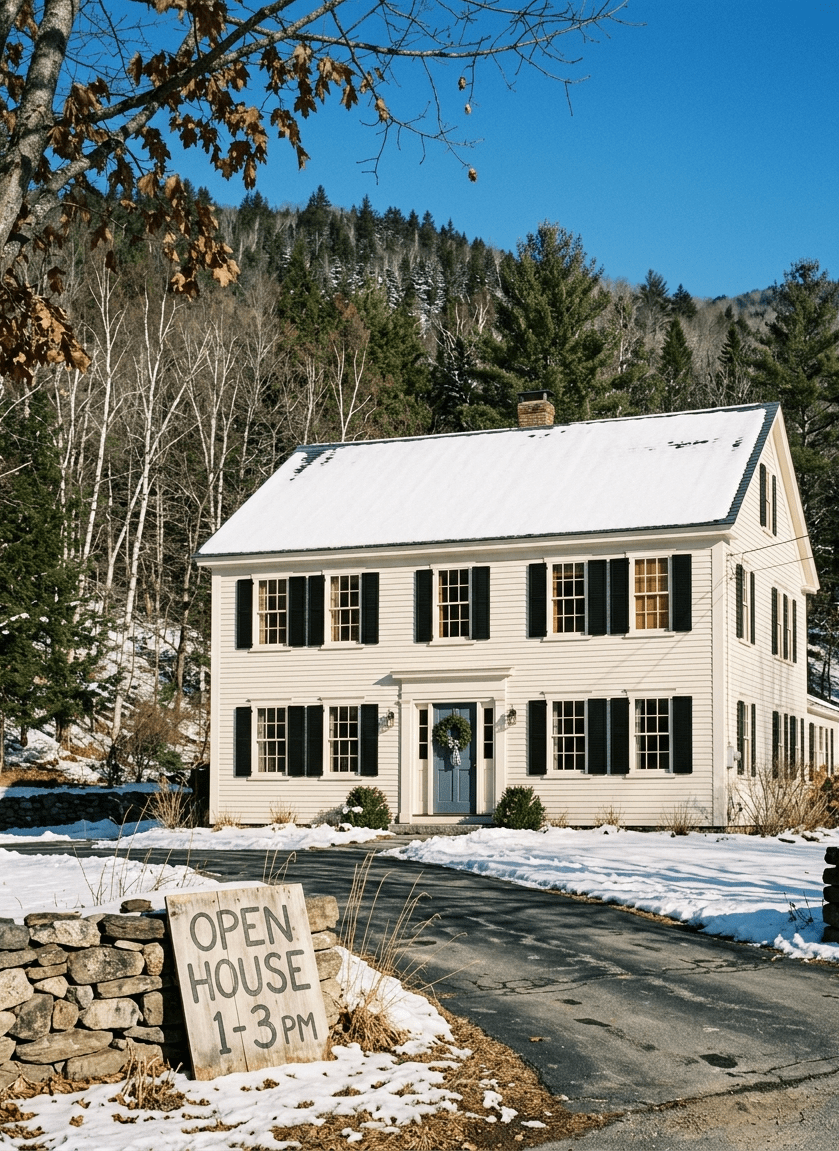
    Vermont architecture has always been shaped by the seasons. From colonial farmhouses to energy-efficient cabins, the goal has remained the same: to keep the cold out and the comfort in. Many of the oldest homes in Vermont still stand strong because they were built with care and purpose, using stone foundations, deep sills, and layouts that conserve heat naturally.

    Modern builders continue this legacy, blending traditional methods with modern efficiency. Many new homes use passive solar design, dense insulation, and reclaimed wood to stay cozy through the harshest months. South-facing windows draw in low winter sunlight, while timber frames bring strength and natural beauty. The balance between old and new keeps Vermont architecture warm, both literally and emotionally.

    Natural Materials That Hold in Heat

    Wood is everywhere in Vermont homes. Pine beams, maple floors, and cedar trim all help to retain heat and add character. Stone hearths and slate floors store the warmth of the day and release it slowly into the night. Each material plays a part in creating comfort that feels natural and lasting.

    Even new construction often includes reclaimed barn wood or stone from nearby quarries. These choices are about more than looks. They are about connection, sustainability, and respect for the landscape. When your home is built with materials from your own backyard, it holds the warmth of the place itself.

    The Interior Feel – Layers of Comfort

    Warmth Through Texture and Design

    Inside a Vermont home, warmth is found in every detail. Wool blankets folded on a couch, woven rugs over creaking floorboards, flannel sheets, and handmade quilts all bring layers of softness. Lighting is gentle and golden, with candles and lamps that cast a soft glow across wood and fabric.

    The design style often blends Scandinavian simplicity with farmhouse charm. The spaces feel real, lived in, and welcoming. It is a kind of design that does not demand perfection. It simply invites you to stay awhile.

    The Color of Comfort

    While the landscape outside turns white and silver, Vermont interiors lean into warm colors. Honey-toned wood, creamy whites, forest greens, and deep reds appear throughout the home. These earthy tones help balance the chill outdoors and make every corner feel grounded.

    Even in modern homes, color palettes reflect the seasons. A splash of plaid, a knit pillow, or a worn oak table brings visual warmth. Vermont homes often feel like an extension of the outdoors, but with all the softness and shelter that winter requires.

    The Spirit Inside – What Truly Makes a Vermont Home Warm

    The real warmth of a Vermont home comes from the people inside. In small towns, winter has a way of drawing everyone closer. Neighbors check in after storms, share soup or baked goods, and lend a hand with shoveling. That sense of community creates comfort that goes far beyond the temperature on the thermostat.

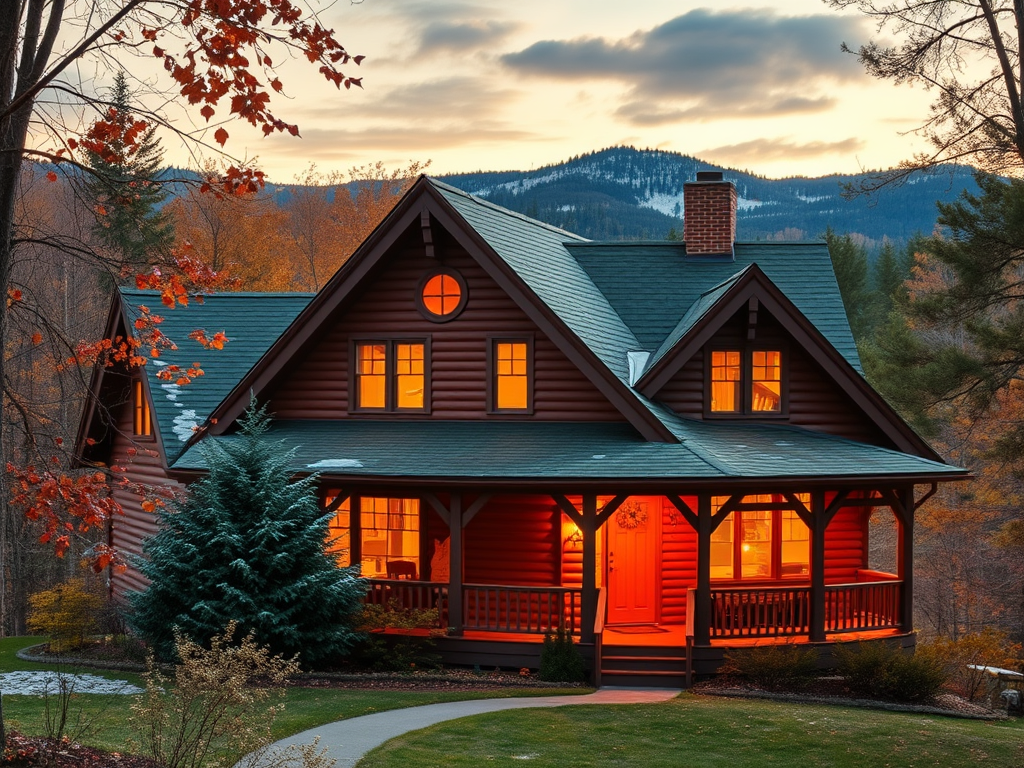
    It is common to see porch lights glowing through the dark as quiet signs of welcome. Even when the snow piles high, Vermonters find ways to connect. Inside those glowing homes are laughter, storytelling, and the steady rhythm of life lived with care.

    Everyday Rituals That Keep the Chill Away

    Part of Vermont’s winter magic comes from the small rituals that fill each day. The first cup of hot coffee before sunrise, the sound of a kettle, the smell of maple syrup or baking bread — these are the comforts that turn cold mornings into something peaceful.

    • Hot drinks: From mulled cider to maple lattes, something warm is always close by.
    • Comfort food: Stews, soups, and fresh bread bring the kitchen to life.
    • Soft light: Candles, lanterns, and string lights keep long evenings cozy.
    • Outdoor rhythm: Even chores like stacking wood or shoveling snow can be grounding and satisfying.

    These simple acts remind people that warmth is something you create, not something you wait for. In Vermont, winter is not an obstacle. It is a way of life.

    Why Tourists Feel It Too

    Visitors often notice the difference right away. Whether they stay in a log cabin in Stowe, a farmhouse near Woodstock, or a small inn along Route 100, they feel the same quiet comfort that locals do. Vermont hospitality is warm without being polished, friendly without being forced.

    Every detail reflects care. Handmade signs, local pottery, shelves lined with syrup or homemade jam; these are not decorations, but expressions of pride. Even short-term rentals carry that same heart. The result is a kind of welcome that cannot be manufactured.

    Finding Your Own Warmth in Vermont

    Many people who visit Vermont find that the feeling lingers long after they leave. Some return year after year. Others decide to make it home. The slower rhythm, the deep connection to nature, and the peace of small-town life are powerful draws.

    You do not have to live here to feel it, though. Anyone can bring a bit of Vermont warmth into their own space. Light a candle in the evening, cook something slowly, or add texture and natural color to your home. Warmth, after all, is about intention as much as heat.

    Closing Reflection

    On a still winter night in Vermont, when snow piles against the windows and the fire burns low, there is a kind of quiet that feels timeless. Maybe that is the true secret. Warmth here is not something you find; it is something you build, one log and one moment at a time.

    Shop Green Mountain Peaks on Etsy

    Bring a little piece of Vermont into your home with our curated collection of gifts, apparel, and seasonal favorites. From cozy hoodies and crewnecks to Vermont-themed gift boxes and cookbooks, each item is designed to celebrate the Green Mountain spirit.

    • Vermont-inspired designs and gift sets
    • Printed and packaged with care
    • Ships directly to your door
    Visit Our Etsy Shop

    Discover gifts, apparel, and Vermont treasures made to share and enjoy year-round.
  • The Seasons of Belonging: Home in Vermont

    The Seasons of Belonging: Home in Vermont

    There is something unmistakable about the feeling of home. In Vermont, it rarely begins with a building or a mailing address. It starts with a view of the Green Mountains, the rhythm of the seasons, and the people who make even the smallest towns feel welcoming. Home in Vermont is found through a sense of belonging rather than a set of coordinates.

    Why Vermont Feels Like Home

    When you arrive in Vermont, you notice the mountains, the lakes, and the quiet roads first. Then you begin to feel something deeper. The air feels slower, the conversations feel warmer, and life takes on a steady, natural pace. In Vermont, people wave when they drive by. They stop to talk in the post office line. The state invites you to live at a tempo that feels real.

    Finding home here is not about luxury or convenience. It is about rhythm, connection, and purpose. It is the understanding that where you live can also shape how you live. Vermont gives you permission to slow down and look around.

    The Seasons of Belonging

    Spring and Mud Season

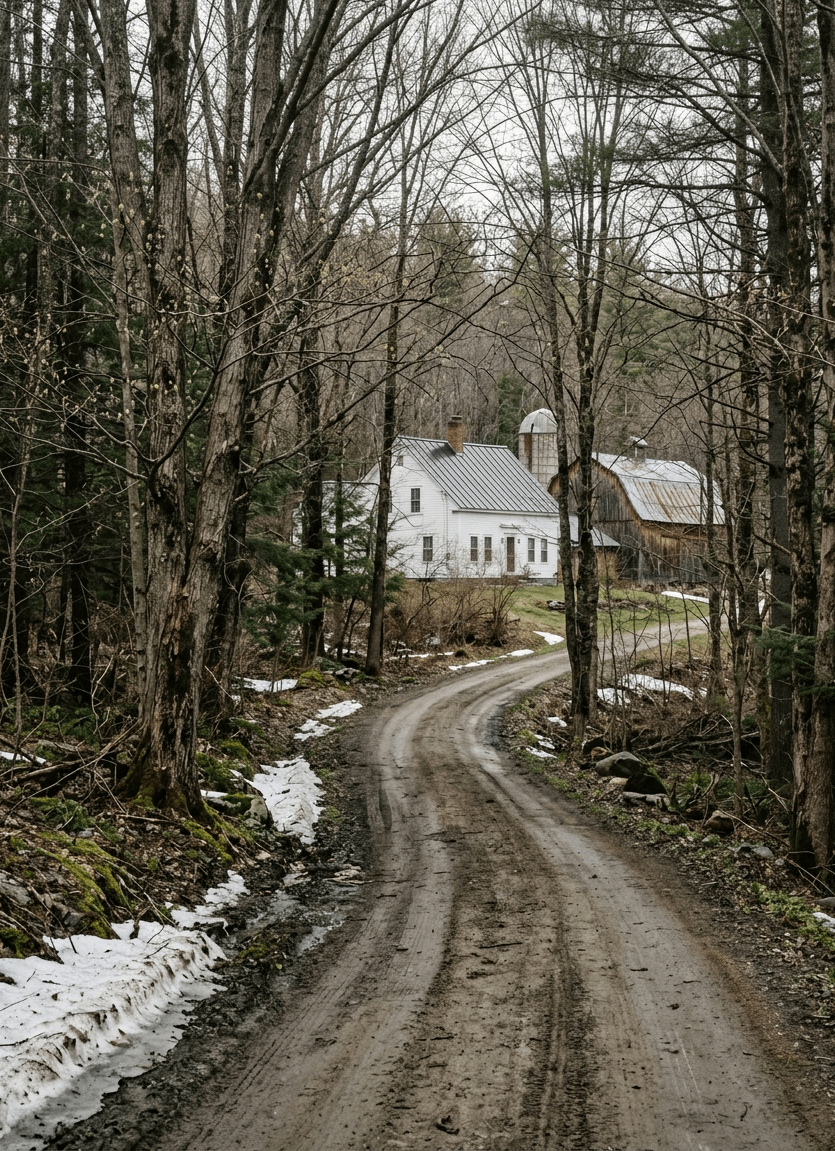
    Spring in Vermont is part patience and part celebration. The snow melts, the ground softens, and the sap starts to run. Birds return, buds appear, and people start to come outside again. Mud season can be messy, but it reminds everyone that home is not always polished. It is about noticing change and being part of it.

    Summer and Lake Days

    Summer brings lake swims, local farm stands, and long porch dinners. You can spend Saturdays at farmers markets, hike through green trails, and watch the sun dip behind the hills. Communities gather for concerts, festivals, and town parades. It is the season when Vermont feels like an open invitation to slow down and enjoy what is right in front of you.

    Fall and Foliage

    Fall is the season that makes Vermont famous. The mountains turn into a patchwork of color, the air becomes crisp, and towns celebrate the harvest with fairs, markets, and apple picking. There is something grounding about watching the leaves change. It makes you feel connected to the place and its cycles, even if you are only passing through.

    Winter and Snow Time

    Winter can be long, but it also brings a quiet beauty. Snow-covered trees, fireplaces glowing, ski trails groomed for early mornings. Vermont winters remind you what it means to create warmth for yourself and others. When the snow piles up, neighbors help each other dig out. Community takes on a stronger meaning when you face the cold together.

    Small Towns, Big Heart

    Every Vermont town has its own character, but what they share is heart. Small towns are the backbone of Vermont life. There is usually a general store where everyone gathers, a library that still hosts events, and a café that feels like a living room. You are never far from someone who will lend a hand or share a story.

    Living in a Vermont town means more than having a home address. It means being part of something. You might join a committee, volunteer at the harvest dinner, or simply show up at the annual parade. The sense of community is what turns a place into a home.

    Real Estate and Finding Your Place

    Buying a home in Vermont is about more than square footage. Many homes here come with character: stone foundations, wide beams, or land that tells a story. When you buy in Vermont, you often buy history too. It can take time to understand the quirks of rural properties, but that is part of the charm.

    Before buying, it helps to learn about wells, septic systems, and heating needs. Winters can be long, so insulation and maintenance matter. Working with a local agent can make a world of difference. They know the roads, the rhythms, and the stories that listings do not tell.

    Choosing a home here is not just about what you own but how you fit in. Finding your place means saying yes to the land and the lifestyle that come with it.

    Community, Culture, and Local Roots

    Home in Vermont is not only about the house you live in but the life you build around it. Farmers markets, sugarhouses, craft fairs, live music in a barn, and maple season all bring people together. These gatherings define Vermont’s culture of connection and creativity.

    Many newcomers are drawn by the scenery and stay for the people. Over time, you learn the names of your neighbors, the backroads that lead to hidden waterfalls, and the rhythm of each town’s calendar. You do not have to be born here to belong. You only need to care about the place and the people in it.

    Challenges and What It Really Takes to Settle In

    Life in Vermont has its realities. The cost of living can be higher than expected, winter weather can test your patience, and rural infrastructure can make daily life a little slower. But these same things often deepen the feeling of home. They create resilience and connection.

    Finding home here takes patience. It means understanding that you may shovel your own driveway, check on your neighbors during a storm, or plan ahead for errands. Vermont rewards effort with peace and belonging.

    What Home Looks Like for You

    Everyone finds home differently. Visitors often feel it during their first trip. It might be while sitting beside a lake, hiking through the woods, or sharing cider at a roadside stand. Even a weekend can feel like coming home if you slow down enough to see it.

    For lifelong Vermonters, home is often rediscovered in small moments. Watching children sled down the same hill they grew up on. Greeting the same faces year after year at the fair. Finding joy in the familiar.

    For those thinking of moving to Vermont, finding home takes intention. Explore towns, meet locals, and visit in every season before deciding. Ask yourself questions like:

    • Does this town make me feel comfortable?
    • Can I see myself here in every season?
    • Will I enjoy being part of a small community?
    • Does this lifestyle match the pace I want to live at?

    The right town will not just look beautiful. It will feel right.

    Bringing It All Together: Home in Vermont Means More Than a Roof

    Home in Vermont is something you feel long before you own it. It might arrive as the smell of maple in spring, the quiet sound of snow at night, or the hum of a summer festival. It comes in layers of landscape, weather, and connection. It is found in the people who live with intention and gratitude.

    Whether you are here for a weekend, a few years, or a lifetime, Vermont offers you a chance to redefine what home means. It shows that home is not about perfection but about belonging. The Green Mountains have a way of reminding you that sometimes, finding home is really about finding peace with where you are.

    May you find your version of home here in the Green Mountains.

  • What Makes Home Special for Vermonters

    What Makes Home Special for Vermonters

    There is something different about the way people in Vermont talk about home. It is more than a place where you live. It is the smell of woodsmoke on a cold autumn night, the silence after fresh snow, the way a neighbor always waves when you drive by. Whether you live here, visit often, or dream of moving someday, understanding how Vermonters define home helps you see why this state captures so many hearts.

    What Home Means in Vermont

    Home in Vermont is not simply a house. It is a feeling of belonging that ties together land, people, and the passage of seasons. Mountains, lakes, forests, and small towns shape daily life and become part of your sense of self. The pace is slower, the priorities simpler, and the meaning of home stretches far beyond the front door.

    Visitors and newcomers often notice how Vermonters talk about home as a relationship rather than a location. It is where you know the rhythm of maple season, where you can name the hills around you, and where your community knows your story.

    Roots and Real Life: Family, Community, Landscape

    Family history and tradition

    Many families have lived in the same town for generations. Houses, farms, and small plots of land are passed down, carrying memories that stretch back decades. Even for those who arrive from elsewhere, that sense of history adds depth to what home means. The land holds stories, and being part of it feels like joining a long conversation that started long before you.

    The community connection

    Home in Vermont is also about people. You might meet your neighbors at the general store, at a local farmstand, or at a Friday night game. Town meetings and volunteer days keep people connected. Neighbors lend tools, help shovel driveways, or drop off fresh eggs when they have extras. Being known and being needed are both part of the definition of home here.

    The landscape as part of home

    In Vermont, the natural world is part of daily life. The woods behind the house, the pond down the road, or the mountain in view become familiar companions. Each season brings a shift in light and color that reminds you of where you are. The rhythm of snow, thaw, mud, and bloom becomes a kind of calendar that marks life at home.

    The Home Structure: What the House Looks and Feels Like

    Vermont architecture

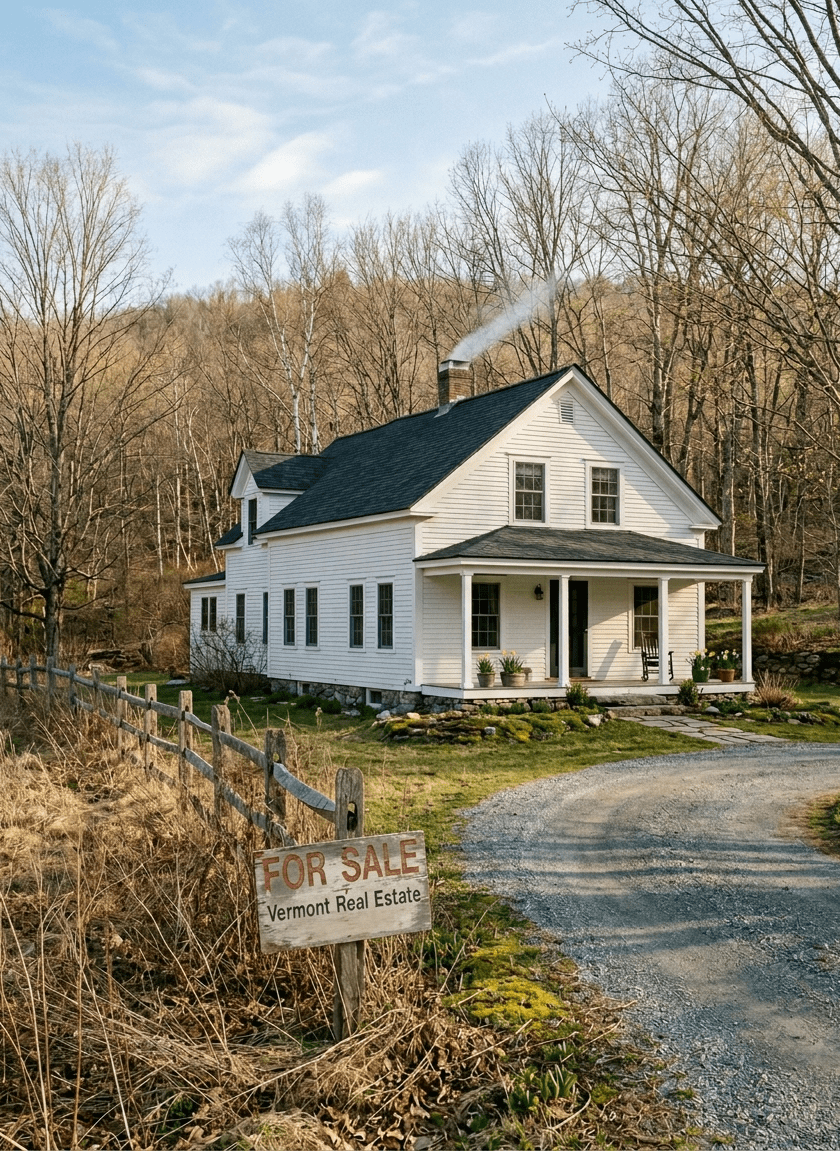
    Vermont homes are built with practicality and comfort in mind. Steep roofs shed heavy snow, wide porches welcome neighbors in summer, and wood stoves become the heart of winter living. Local builders design with the land and weather in mind, blending old traditions with sustainable materials and simple beauty.

    Daily life inside

    Step into most Vermont homes and you will find a mudroom with lined-up boots and jackets. Kitchens are gathering spaces, living rooms are cozy and filled with warmth from a fire, and windows open toward views of forest or field. Life here changes with the seasons, and so do the spaces inside. Home feels lived in, not staged.

    Affordability and trends

    In recent years, buying a home in Vermont has become more difficult. Rising prices and limited housing stock have challenged many families. Communities are exploring new solutions such as smaller homes, accessory units, and missing-middle designs that fit naturally into existing neighborhoods. These shifts are changing what “home” looks like while keeping its meaning intact.

    For Visitors and Newcomers: Finding What Feels Like Home

    If you are thinking about moving to Vermont or spending more time here, finding a place that feels like home takes more than loving the view. Home depends on rhythm, routine, and belonging. Ask yourself what daily life would look like here. Would you feel connected to your neighbors? Would you embrace the slower pace of winter or the early mornings of sugaring season?

    Those who find the deepest sense of home often look beyond the postcard version of Vermont. They join local events, volunteer, and take part in the community year-round. Treating Vermont like a vacation spot is easy. Living here is what makes it real.

    Home in Changing Times: Remote Work, Second Homes, Tiny Homes

    Remote work and new arrivals

    Remote work has allowed many people to move to Vermont while keeping jobs elsewhere. The result is a growing blend of new residents and long-time locals. Small towns are adapting, and in many ways this has breathed new life into rural areas. Yet it also raises questions about how to keep communities balanced and affordable.

    Seasonal homes

    Vermont has always had its share of second homes and seasonal residents. Owning a vacation property can be wonderful, but home means more than a few weekends each year. It grows out of showing up through mud season, supporting local shops, and taking part in the life of the town. Presence builds roots.

    Tiny homes and simplicity

    Tiny homes and small cabins are becoming more common across Vermont. These smaller spaces appeal to those who want a simpler, lower-impact lifestyle. Regulations vary by town, but the desire behind them is the same: to live more closely with nature and reduce what is unnecessary. A small home can hold just as much meaning as a large one when it is filled with intention and care.

    Making Vermont Feel Like Home

    Creating a sense of home here takes time and attention. Join something local. Attend a community supper or volunteer at a farmers market. Learn the trail network, visit the library, or help with a fundraiser. Each act of involvement brings you closer to the rhythm of the place.

    Let the outdoors guide your sense of belonging. Walk in the woods in spring, swim in a lake in summer, watch leaves drift across a pond in autumn, and enjoy the quiet of a snowy morning in winter. The more you move with the seasons, the more at home you feel.

    Home takes patience. It might be a year before you feel like a true part of the community. One day you will realize you are waving to familiar faces and you know which back road will get you home faster. That is when it starts to feel real.

    Conclusion: Home as a Journey

    In Vermont, home is a blend of people, place, and purpose. It is where neighbors look out for each other, where the seasons shape your days, and where the landscape becomes part of your identity. It is something you build over time rather than something you buy.

    Whether you are staying for a season or a lifetime, Vermont invites you to slow down, pay attention, and create your own version of home. In the end, that feeling of belonging is what keeps people here, generation after generation.