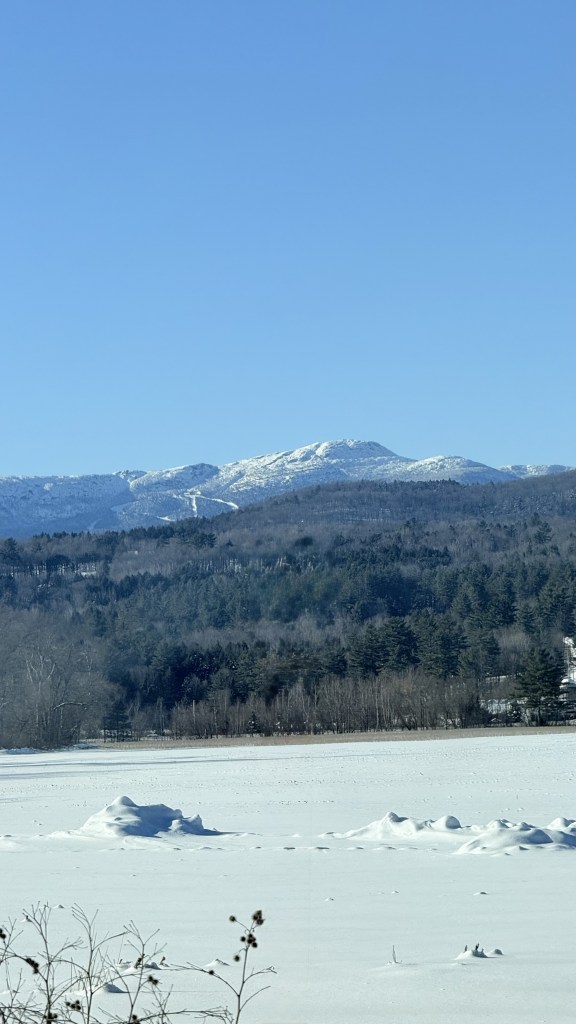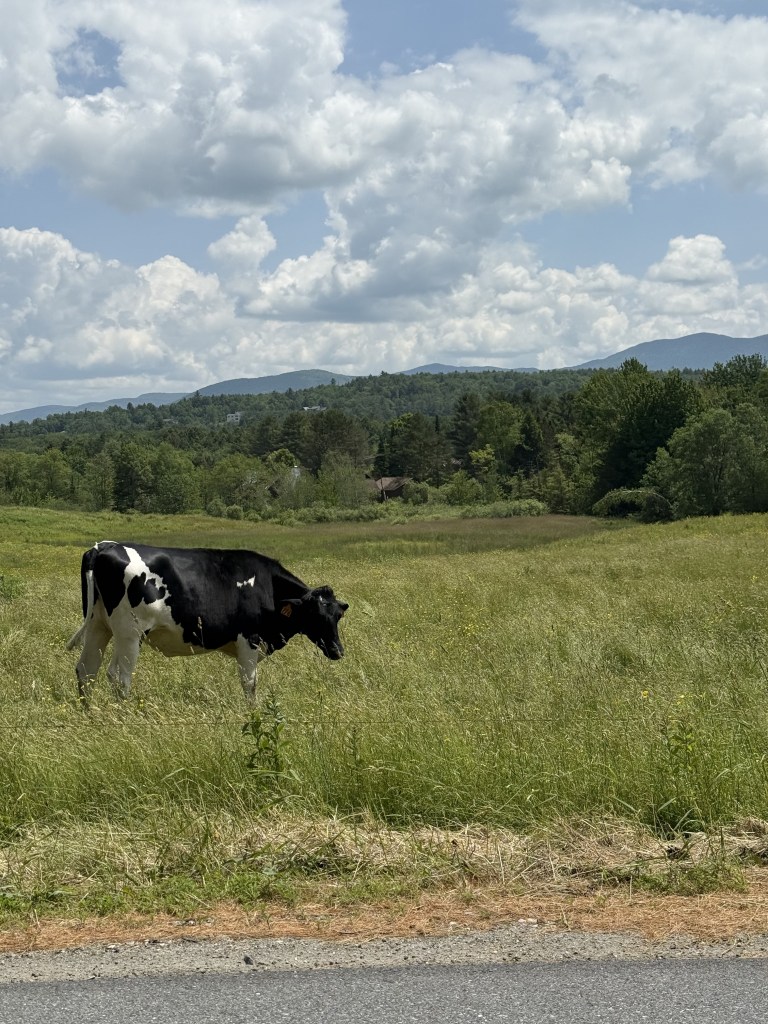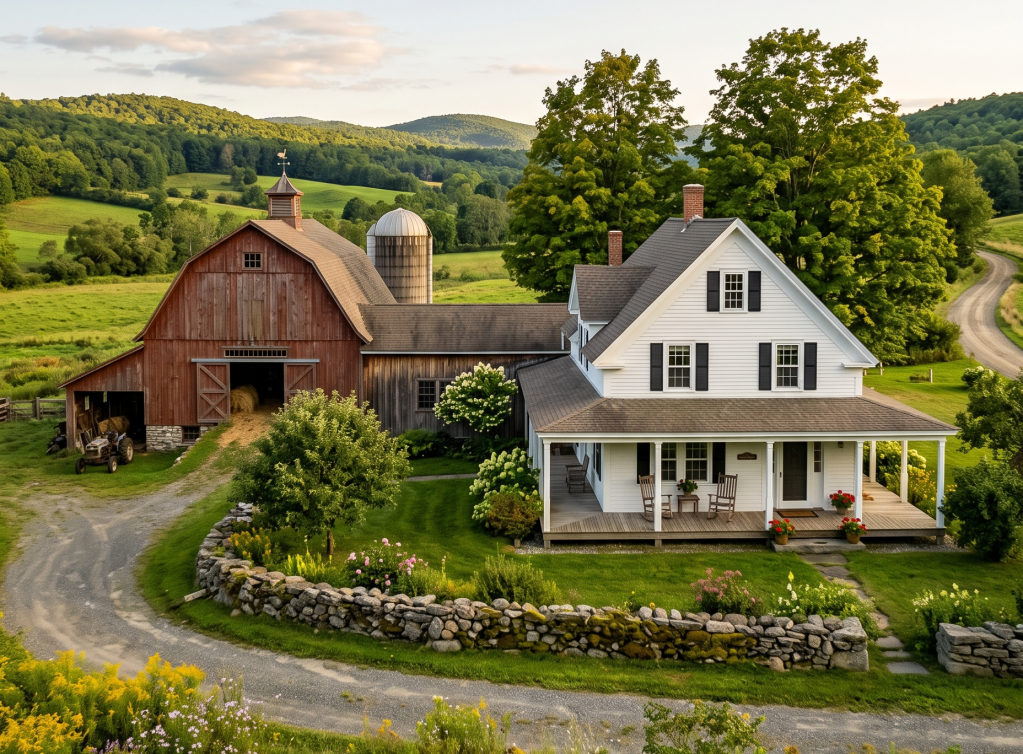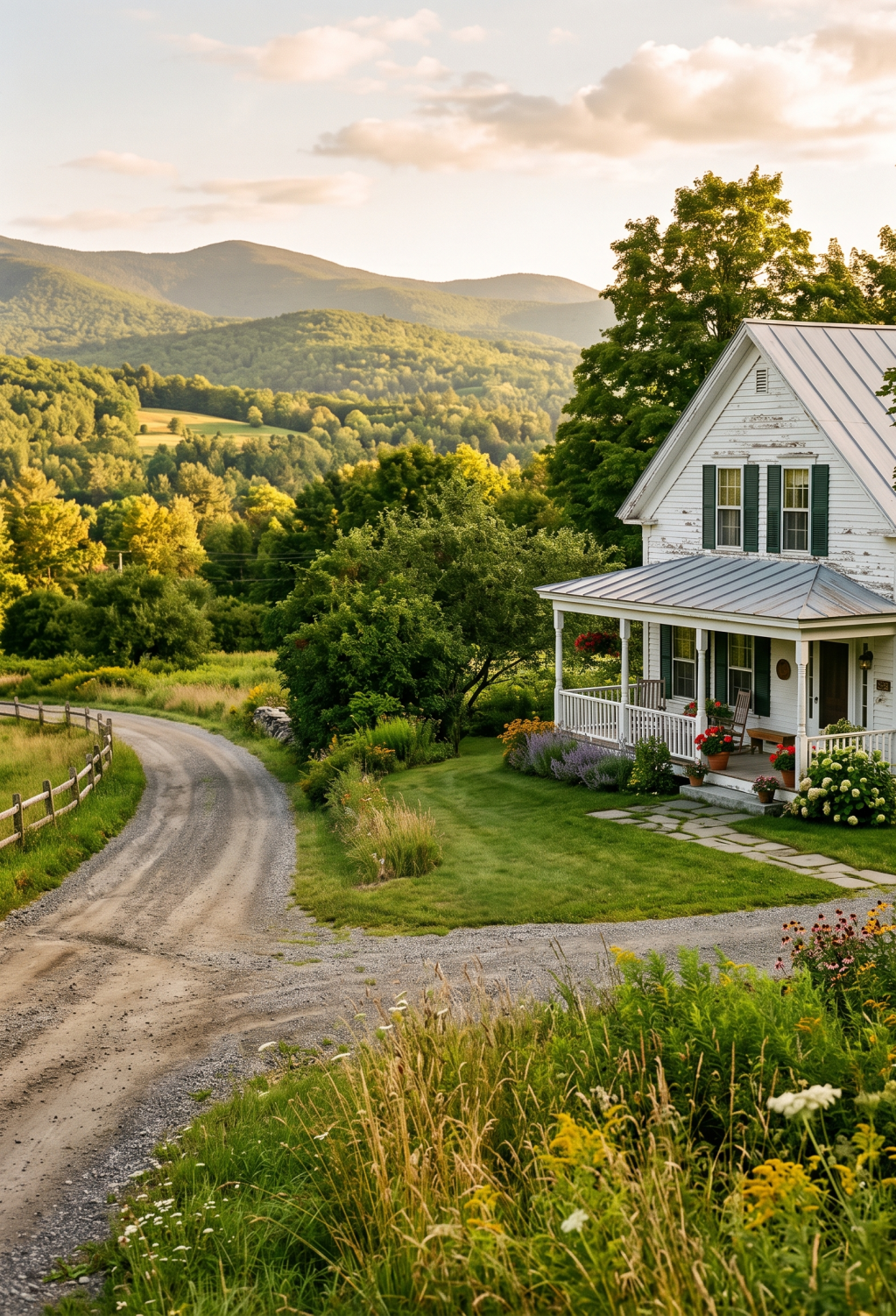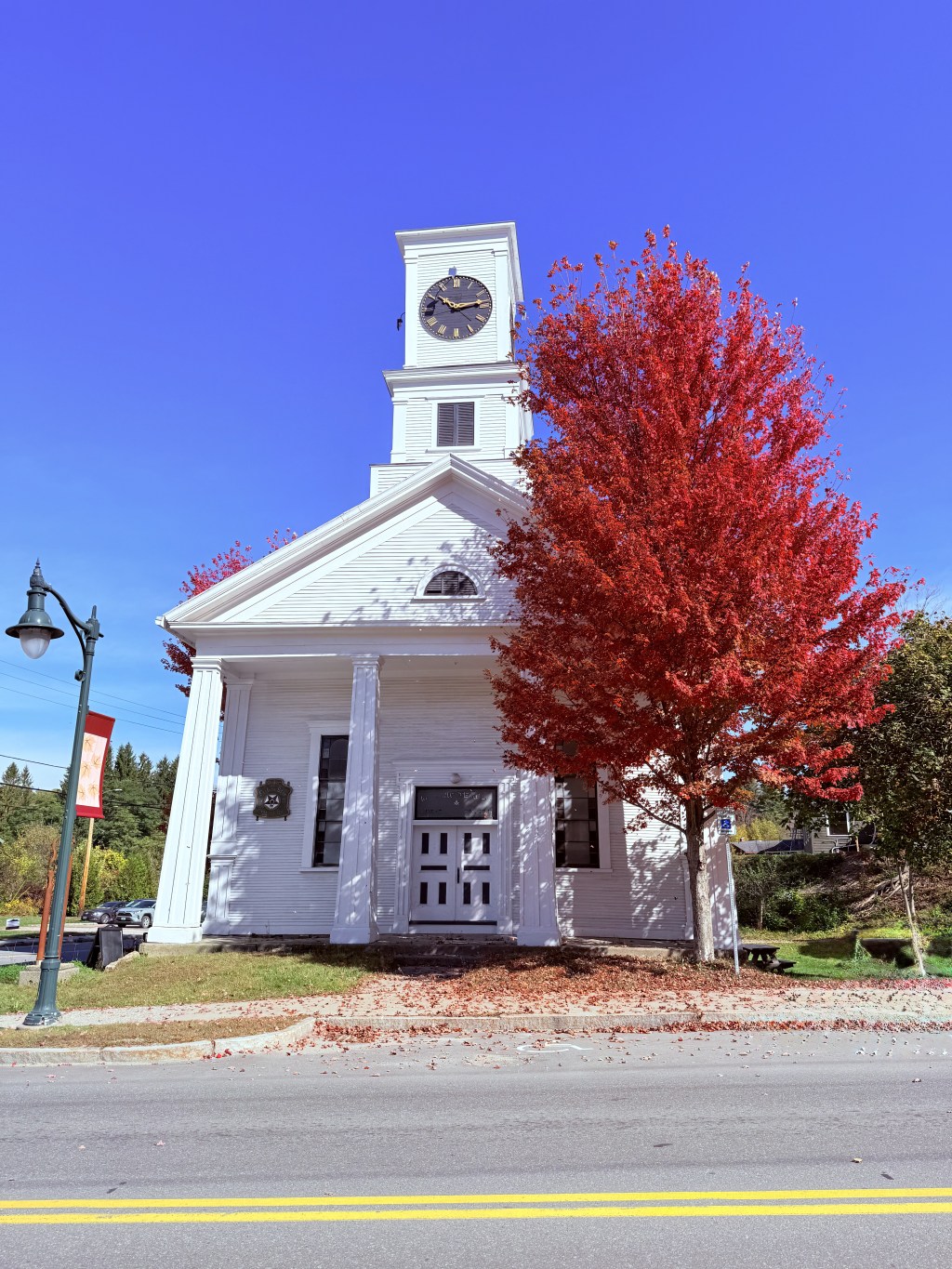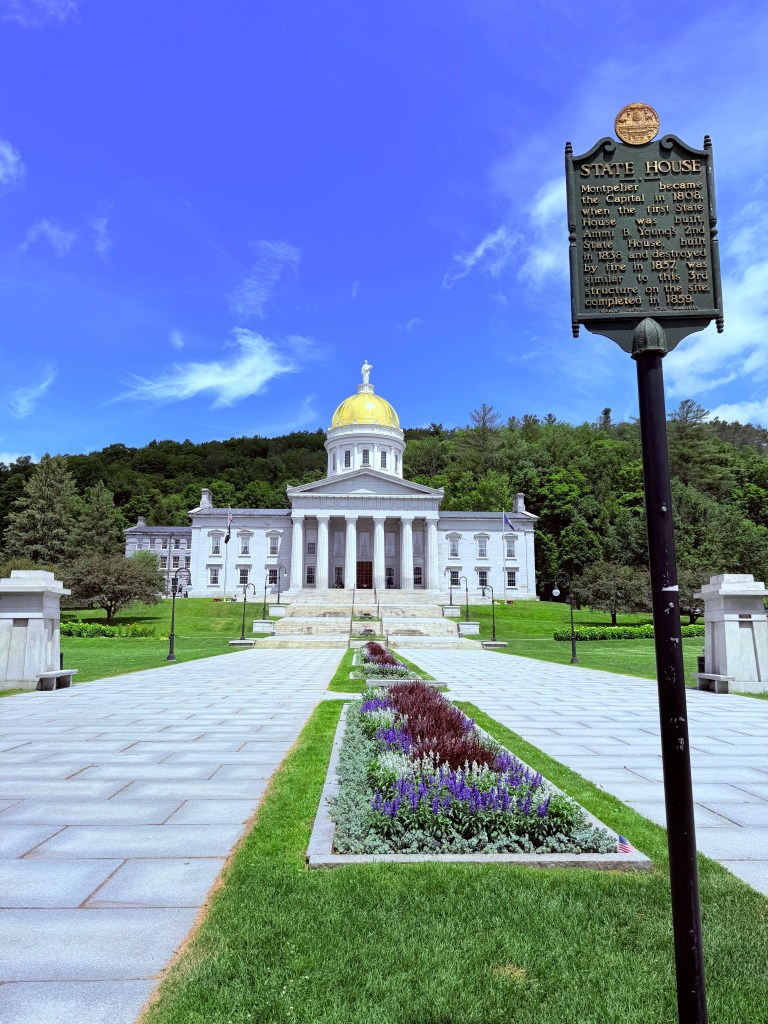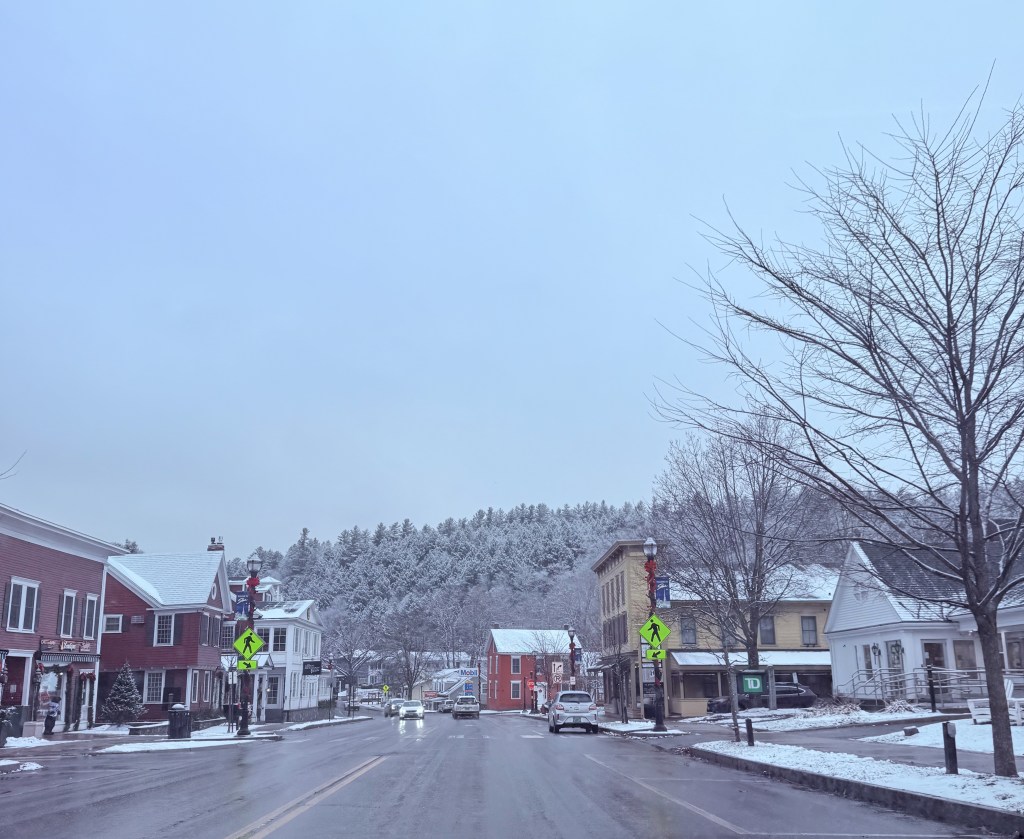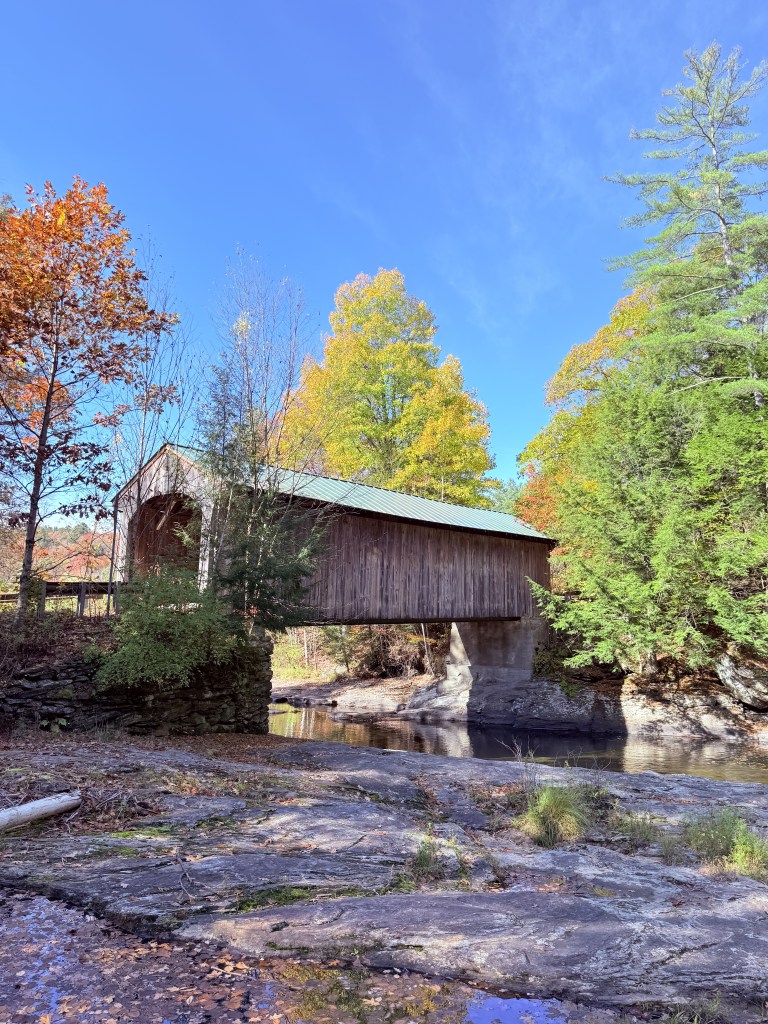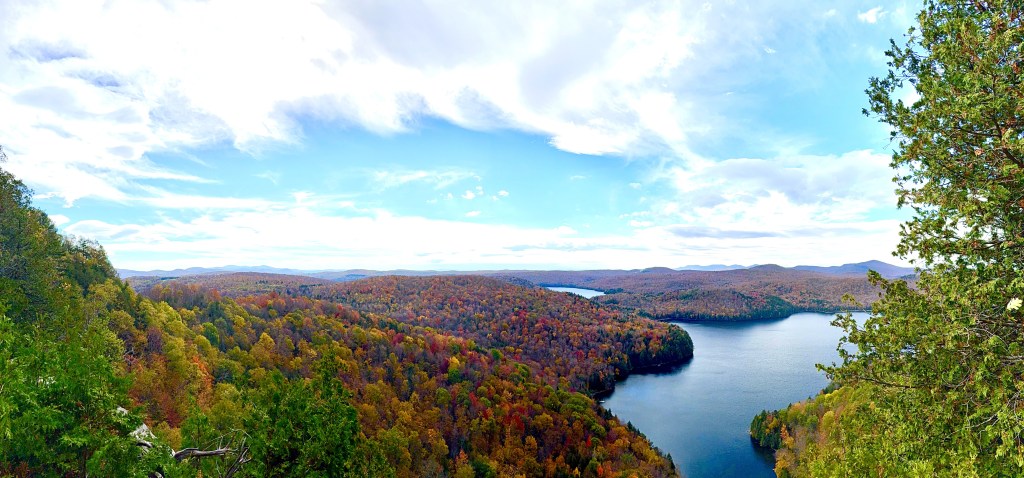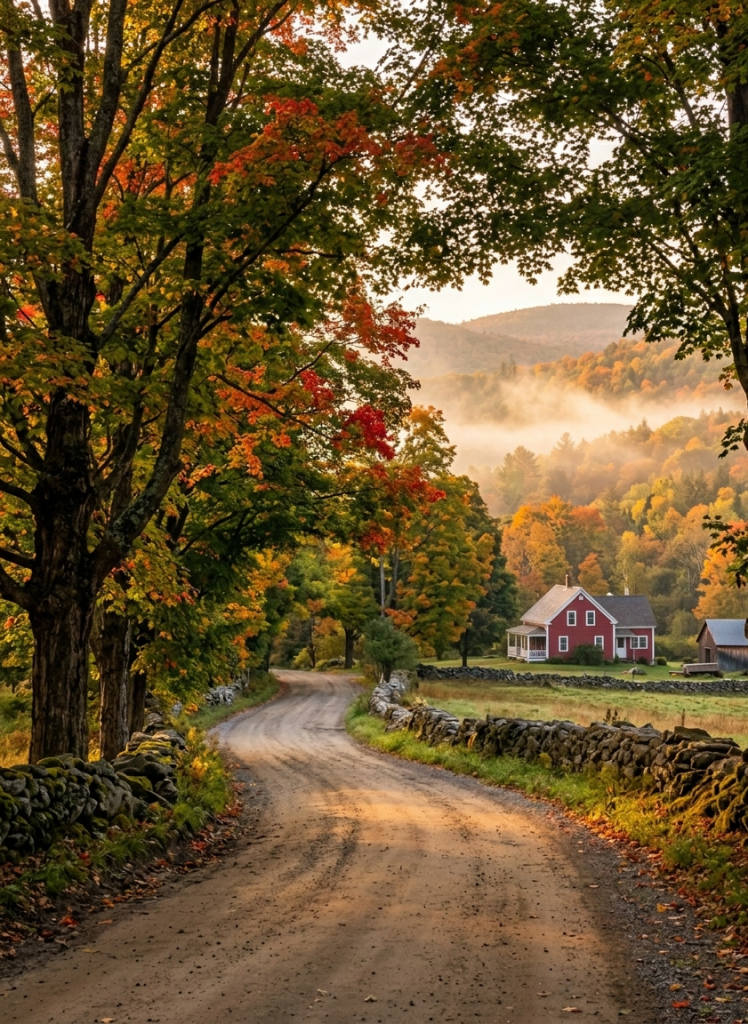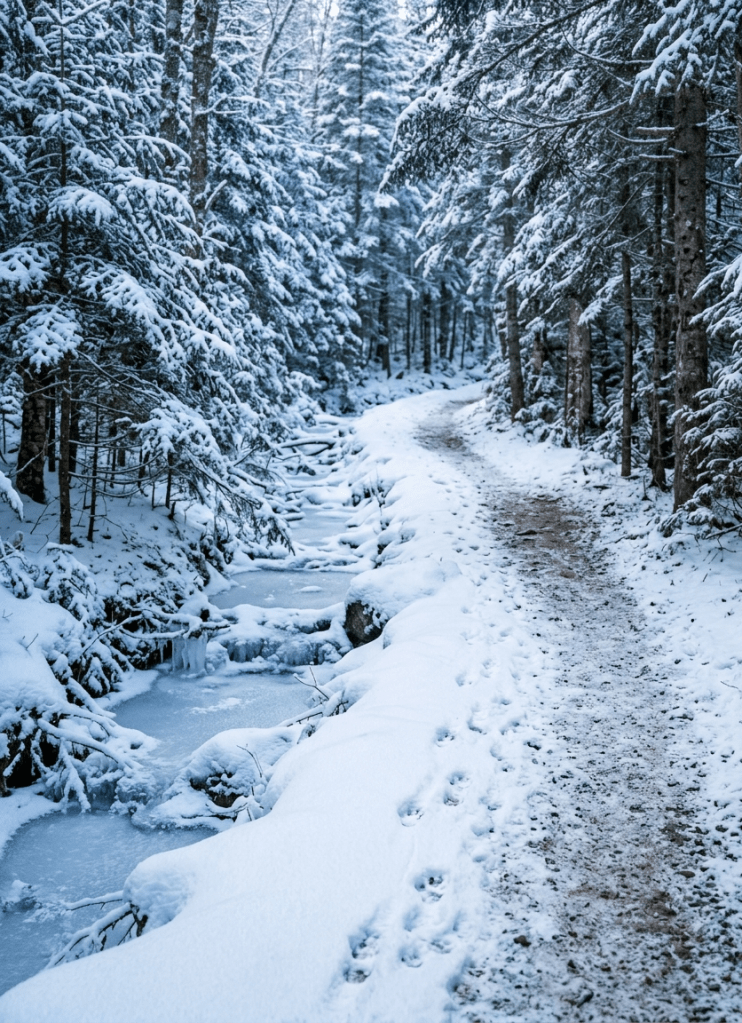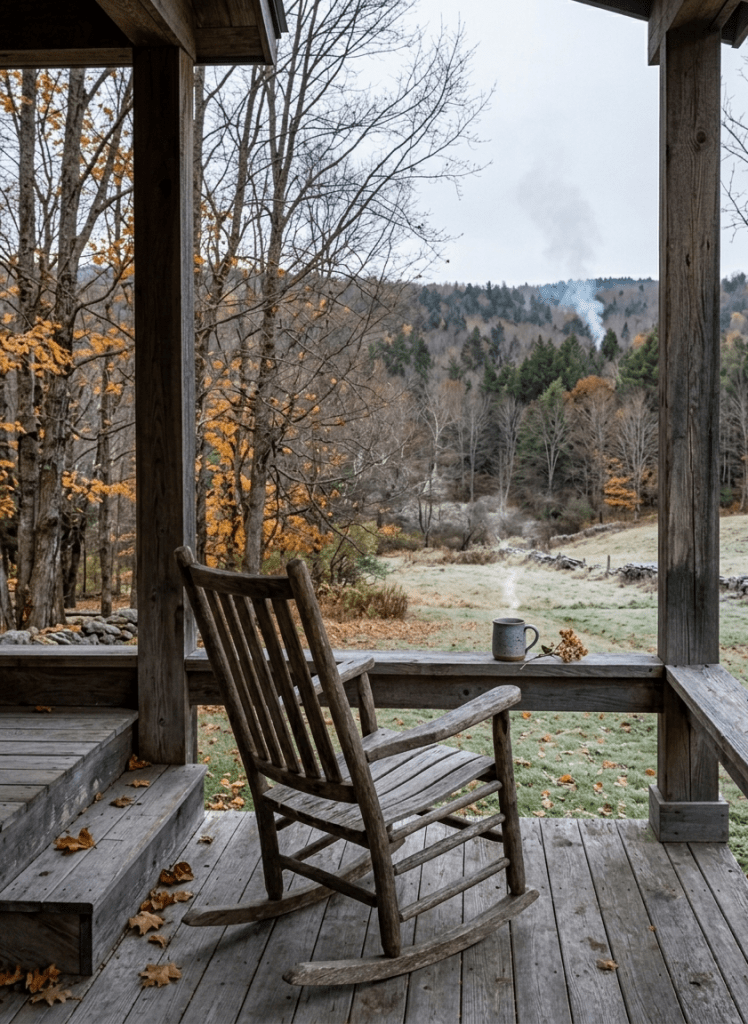
Discover Vermont, One Story at a Time 🏔️

Local culture, season adventures, small towns,
and the honest side of life in the Green Mountains


Category: Real Estate in Vermont

Explore Vermont’s real estate landscape through local eyes. Learn what it means to find home in the Green Mountains and uncover the connection between community, lifestyle, and place. Each story highlights the character and beauty that make living here special.

  • Moving to Vermont: Essential Insights for New Residents

    Moving to Vermont: Essential Insights for New Residents

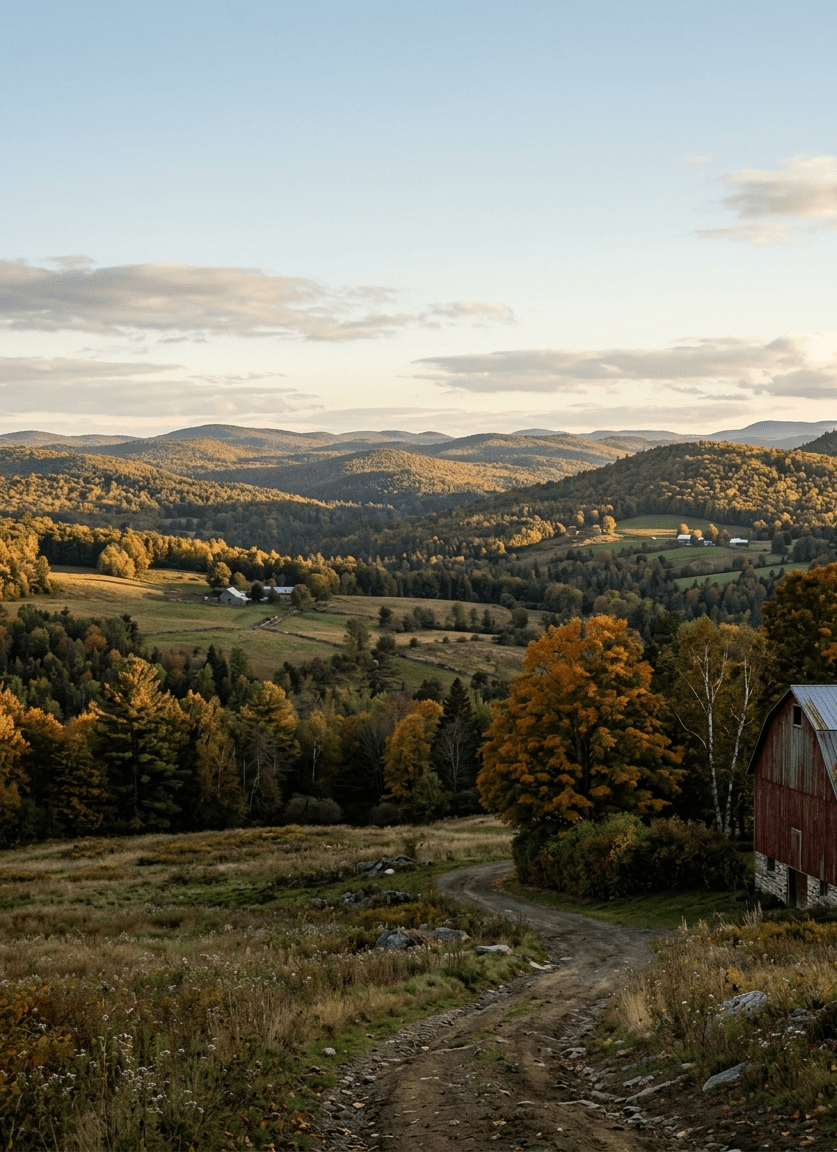
    Vermont has a way of getting into people’s heads. You visit once, maybe during peak foliage or on a ski trip in January, and something clicks. The air feels different. The pace feels right. The mountains look like something out of a painting, and the little towns seem too good to be real.

    Then you start looking at real estate listings.

    The idea of actually moving to Vermont is one thing. The reality of doing it is another. Not because Vermont disappoints, but because it surprises you in ways that no blog post, no relocation guide, and no weekend visit quite prepares you for. This is the version of the conversation that tends to get skipped over.

    Vermont Is Not What You Think It Is (And That’s the Point)

    Most people arrive in Vermont with a mental image pulled from October foliage photos, Ben and Jerry’s cartons, and ski resort brochures. That Vermont is real. It exists. But it’s one layer of a much thicker place.

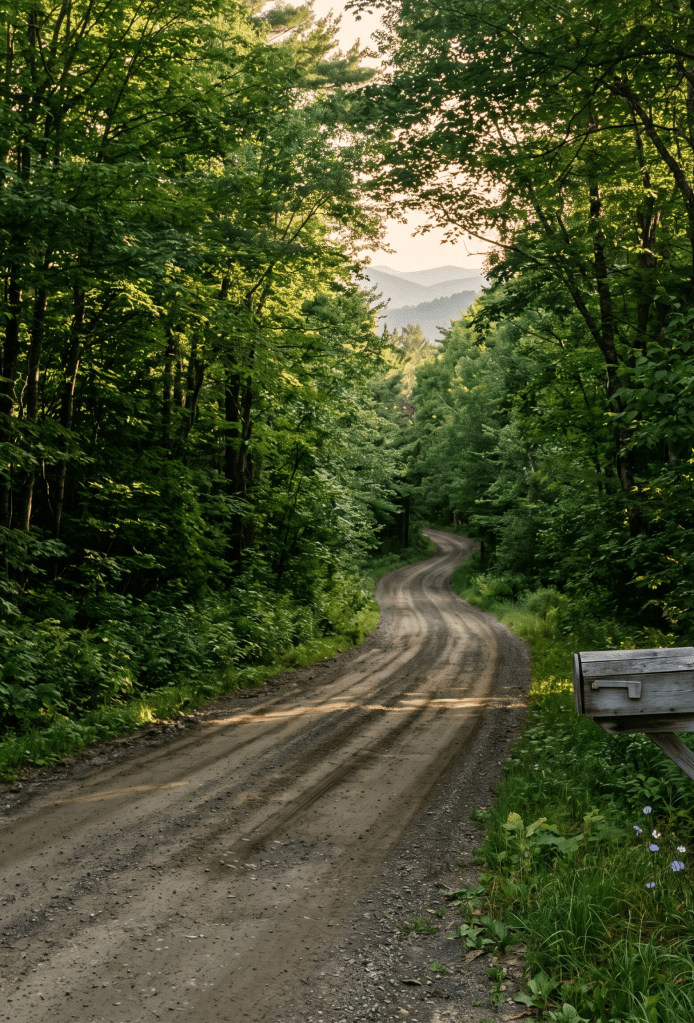
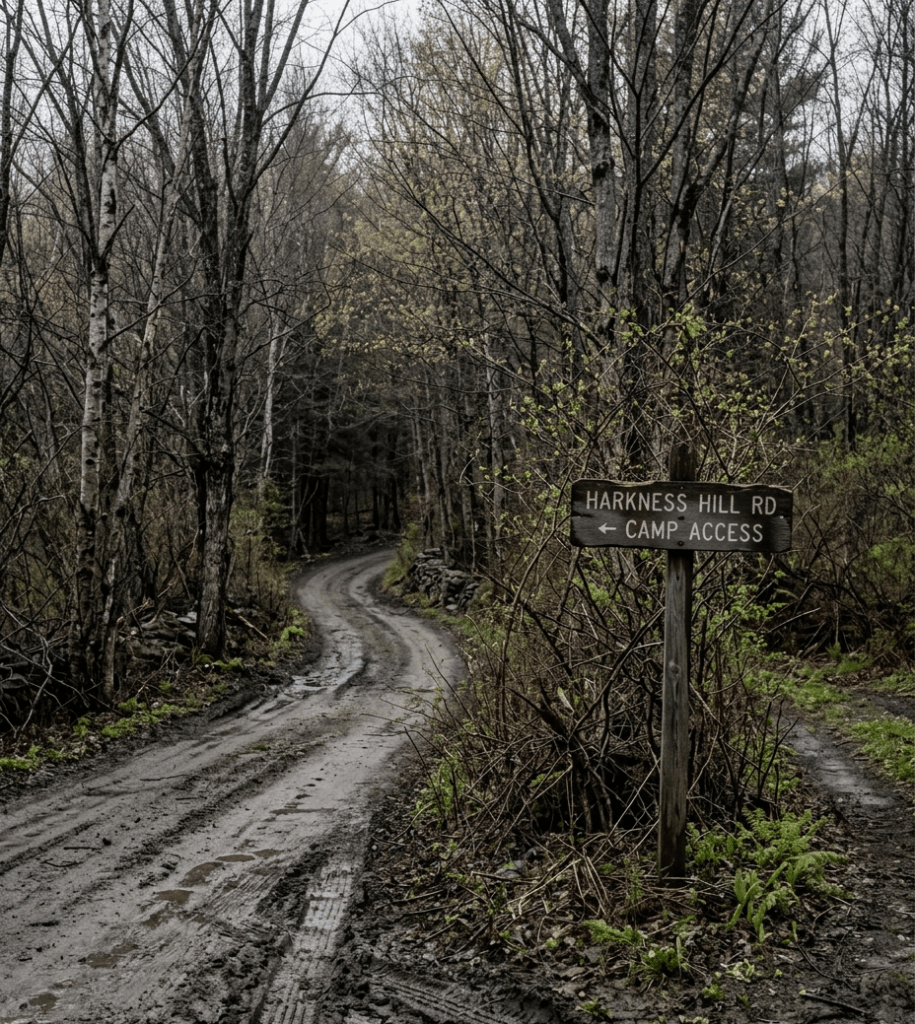
    The Vermont people actually live in is quieter, more rural, and more demanding than the postcard version. Grocery stores close earlier than you’re used to. The nearest urgent care might be 40 minutes away. Cell service drops out between towns. Some roads turn to mud in April and become nearly impassable.

    None of that is a criticism. It’s just the full picture. Vermont’s pace and its wildness are exactly why people love it here. But loving it from the outside and choosing it as your permanent address are two different decisions, and they deserve two different levels of honesty.

    The Housing Market Moves Fast and Inventory Stays Low

    If you’re planning to relocate to Vermont and buy a home, you need to understand one thing right away: the market does not wait for you. Good homes in desirable areas, especially in Lamoille County, Washington County, and communities along the I-89 corridor, often go under contract within days of listing. Sometimes within hours.

    Vermont’s housing inventory has been tight for years. The pandemic-era surge of out-of-state buyers accelerated that trend significantly, and the market hasn’t fully exhaled since. Properties that would have sat for weeks in other states get multiple offers here, and buyers who aren’t prepared tend to lose out repeatedly before they adjust their strategy.

    Getting pre-approved before you start touring is not optional. It’s the baseline. Sellers in Vermont, especially in rural areas with limited comparable sales, want to see that you’re serious and financially ready before they take their home off the market.

    One more thing about listings: “as-is” in Vermont real estate often means exactly what it says. Many older homes carry decades of deferred maintenance, and sellers may not be in a position to negotiate repairs. Going in with clear eyes about what you can take on, and what you can’t, saves a lot of heartache.

    What Vermont Buyers Need to Know About Septic and Well Systems

    A large percentage of homes in Vermont, particularly outside of larger towns like Burlington, Montpelier, and Barre, are on private well and septic systems. This is not unusual for rural New England, but if you’re coming from a suburban background, it may be new territory.

    A thorough inspection of both systems is non-negotiable. Well water should be tested for arsenic, bacteria, and other contaminants that can vary significantly by location. Septic systems have a lifespan, and replacing one can run anywhere from $15,000 to $40,000 or more depending on soil conditions and system type. Know what you’re buying before you close.

    Vermont Winters Are a Lifestyle, Not a Season

    People who grew up in cold climates sometimes underestimate Vermont winters. People who didn’t grow up in cold climates almost always underestimate them. Winter here isn’t just a few months of inconvenience. It’s a rhythm that shapes everything, including how you shop, how you drive, how you heat your home, and how you budget.

    Mud season deserves its own paragraph. From roughly mid-March through early May, the ground thaws unevenly and unpredictably. Dirt roads can become soft enough that heavy vehicles get stuck. Some rural driveways become genuinely difficult to navigate. If you’re buying a home on a dirt road or at the end of a long private drive, visit during mud season before you commit.

    Road maintenance matters more here than almost anywhere else. Find out who maintains the road your potential home sits on. Is it a town road, a private road, or a Class 4 highway? Class 4 roads in Vermont are legally maintained by the town only to the minimum standard, which in practice can mean they’re not plowed at all in winter. That’s a detail that can completely change a property’s livability.

    Propane, Pellets, and Wood: Know Your Heat Source

    Vermont homes run on a wider variety of heating systems than most buyers expect. Propane, fuel oil, wood pellets, cord wood, heat pumps, and radiant floor systems are all common. Some older homes have multiple systems running in combination.

    Before you make an offer, find out what fuel the home runs on and get an honest estimate of annual heating costs. A house heated by propane can cost significantly more to heat in a Vermont winter than the same house on a different system. Weatherization matters too. Older homes with minimal insulation and single-pane windows can send your heating bill somewhere uncomfortable in a hurry.

    Vermont has excellent weatherization programs through Efficiency Vermont. They’re worth exploring if you end up in an older home that needs some help.

    The Cost of Living in Vermont Is More Nuanced Than the Headlines

    Vermont regularly appears near the top of lists measuring state tax burden, and that reputation is not entirely wrong. Property taxes are high relative to the national average, and Vermont has a progressive income tax structure that affects higher earners meaningfully. These are real factors worth building into your financial planning.

    But the full picture is more complicated. Vermont doesn’t have a sales tax on groceries or clothing, which matters for everyday expenses. Housing costs outside of Chittenden County are often much lower than comparable markets in the Northeast. And the cost of what you get, the quality of life, the outdoor access, the community scale, tends to feel reasonable to people who actually live here.

    Remote workers should also understand how Vermont’s income tax applies to them specifically, particularly if they’re still employed by an out-of-state company. It’s worth a conversation with an accountant who knows Vermont tax law before you finalize a move.

    Community Takes Time, But It’s Worth It

    Vermont communities are some of the most genuine places you’ll find. They’re also some of the most initially opaque. If you move to a small Vermont town and expect to be welcomed with open arms the first week, you may find the experience a little quieter than you hoped.

    That’s not unfriendliness. It’s caution. Vermont towns have a long history of watching people arrive with big ideas and leave before they put down roots. The community opens up when it trusts that you’re staying. And the best way to demonstrate that you’re staying is to show up, repeatedly, without an agenda.

    Farmers markets, town meetings, local volunteer fire departments, community events at the library or the town hall, these are the places where people actually connect in rural Vermont. They’re not networking events. They’re just life. Show up for life and the rest follows.

    Remote Work and Vermont: A Real Conversation

    Vermont has actively recruited remote workers for several years now. The state’s Worker Relocation Incentive Program offers up to $7,500 to eligible remote workers who relocate to Vermont and work for an out-of-state employer. You can find current program details and eligibility requirements at ThinkVermont.com. It’s a real program and worth looking into if your work situation qualifies.

    What the promotional materials don’t always lead with is the broadband situation. Internet access in Vermont is improving, but it is not uniform. Coverage varies enormously from one town to the next, sometimes from one road to the next. Before you fall in love with a particular property, check the actual available service at that address. Don’t assume. Ask. Test if you can.

    Some of the most beautiful and affordable properties in Vermont are in areas where the internet infrastructure is still catching up. That tradeoff may be perfectly acceptable to you, or it may be a dealbreaker. Either way, you want to know before closing, not after.

    What Vermonters Wish More Movers Understood

    Vermont has a strong culture of conservation, land stewardship, and respect for the natural environment. That shows up in formal ways, Act 250 land use regulations, local conservation commissions, strict zoning in many towns, and in informal ones. People here take care of the land because they’ve watched what happens when it isn’t taken care of.

    Supporting local businesses isn’t just a nice idea in Vermont. It’s part of how the economy actually functions. Many small Vermont towns exist because the people in them make a conscious choice to buy local, hire local, and keep money circulating in the community. That ethic is worth understanding and participating in, not because anyone is watching, but because it genuinely matters here.

    The “flatlander” label isn’t always meant harshly, but it does carry meaning. It marks someone as an outsider, someone who hasn’t yet learned how Vermont works. The fastest way to shed that label isn’t to pretend you know things you don’t. It’s to ask honest questions, admit what you’re still learning, and stay.

    So, Should You Move to Vermont?

    Yes, if you’re someone who genuinely wants to slow down and means it. Yes, if you’re drawn to four real seasons and you understand what that phrase actually contains. Yes, if you’re willing to learn how a place works on its own terms rather than trying to replicate what you left behind.

    Vermont rewards people who lean into its rhythms. The ones who figure out how to get their driveway plowed and their firewood stacked and their neighbors’ names learned tend to find exactly what they came looking for. The ones who fight the winters and mourn the lack of conveniences tend to leave within a few years.

    If you’re seriously considering a move, try to visit in April. Not foliage season, not ski season. April. Mud season. If Vermont still looks right to you in April, with the gray skies and the soft roads and the sugar shacks wrapped in steam, then you’re probably ready for the real thing.

    Vermont is not for everyone. It’s very much for some people. The good news is that it’s usually pretty clear which category you’re in, once you’ve seen it in all the seasons it actually has.

    Shop Green Mountain Peaks on Etsy

    Bring a little piece of Vermont into your home with our curated collection of gifts, apparel, and seasonal favorites. From cozy hoodies and crewnecks to Vermont-themed gift boxes and cookbooks, each item is designed to celebrate the Green Mountain spirit.

    • Vermont-inspired designs and gift sets
    • Printed and packaged with care
    • Ships directly to your door
    Visit Our Etsy Shop

    Discover gifts, apparel, and Vermont treasures made to share and enjoy year-round.

  • Essential Tips for Home Buyers in Northern Vermont

    Essential Tips for Home Buyers in Northern Vermont

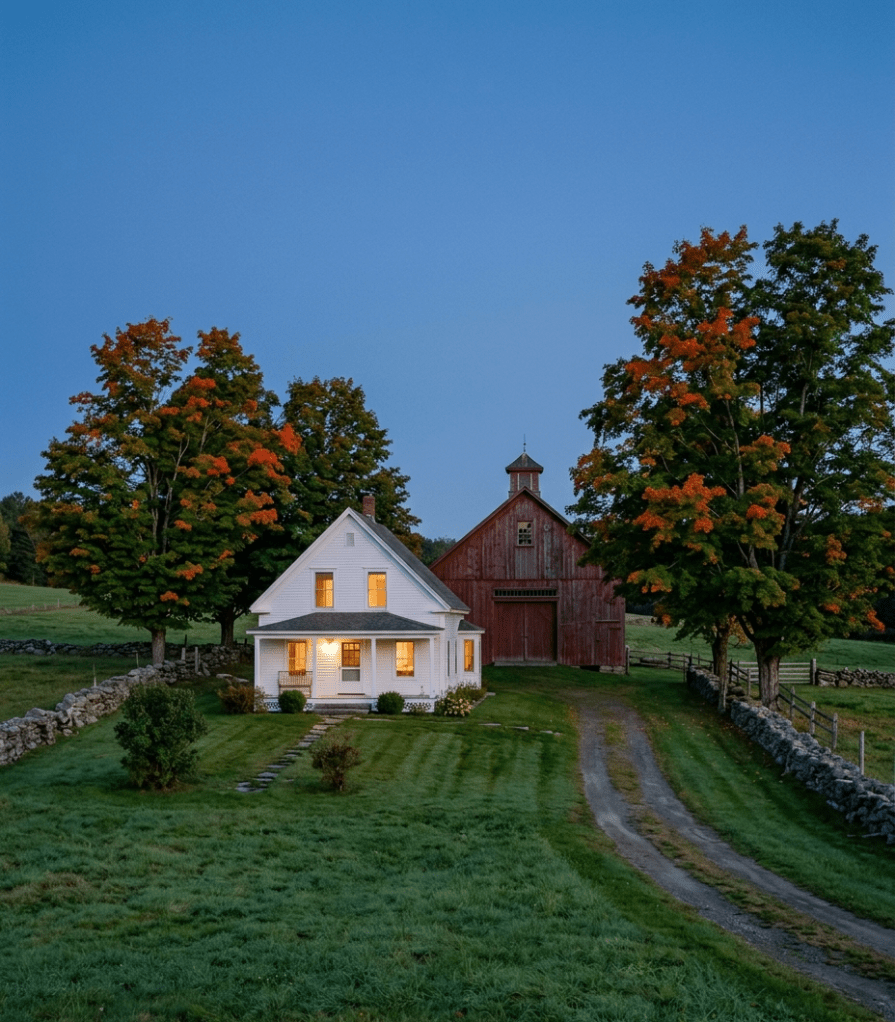
    There is a version of buying a home in northern Vermont that looks like a magazine spread. A white farmhouse with green shutters, a barn out back, a sugar maple dropping leaves onto the front walk. And that house exists. People buy it. But the process of getting there is a lot more interesting than the magazine makes it look.

    If you are seriously thinking about buying property up here, whether you are relocating from out of state, looking for a weekend place, or finally making the move you have been talking about for years, here is what the experience actually looks like from the inside.

    The Northern Vermont Housing Market Is Not Like Anywhere Else

    The first thing most buyers figure out quickly is that northern Vermont does not have the kind of inventory they are used to seeing in other markets. There are fewer homes for sale at any given time, and the ones that are good tend to go fast. In desirable areas near Stowe, the Northeast Kingdom, or towns along the Lamoille River corridor, it is not unusual for a well-priced home to have multiple offers within the first week.

    That is not always the case. Pricing, condition, and timing all factor in. But if you come into this market thinking you will have weeks to make up your mind, you might be disappointed more than once before you adjust your approach.

    Seasonality also plays a bigger role here than in most places. Spring is the traditional peak buying season, and properties that have sat through a Vermont winter sometimes show up in April or May with new listings. Fall can bring motivated sellers before the snow hits. Winter inventory is thin, but so is the competition. Each season has its own logic and it is worth understanding before you start.

    What Buyers Need to Know Before They Start Looking

    Getting pre-approved before you look at a single house is not optional here. Vermont agents, especially the good local ones, are not going to spend a Saturday driving you around without knowing you are a serious buyer. And in a market where things move fast, showing up without financing lined up means you are already a step behind.

    One thing worth knowing: local Vermont lenders often have a real advantage over national banks in this market. They understand rural property quirks, they know the local appraisers, and they are easier to reach when something unexpected comes up at the last minute before closing. It is worth at least getting a quote from a Vermont-based credit union or community bank alongside whatever your existing bank offers.

    The Well and Septic Reality

    Outside of Burlington, Montpelier, and a handful of small city centers, the majority of Vermont homes run on private wells and septic systems. This is completely normal and nothing to be afraid of, but buyers who are used to municipal water and sewer need to understand what they are getting into.

    A well inspection and water quality test should be on your list for any property on private water. Septic systems should be inspected and, if possible, pumped and evaluated before closing. Ask the seller directly when it was last pumped and whether it has ever had issues. A good inspector will walk you through what they find. If a seller resists inspection access to these systems, that is a red flag worth paying attention to.

    Budget for the possibility that an older septic system may need updates at some point. It is not always urgent, but knowing the age and condition going in keeps you from being surprised later.

    Heating Systems and Winter Costs

    Northern Vermont winters are real. Heating your home is a significant line item in the budget and the type of system your house uses will have a meaningful impact on what you spend each year. Oil heat is still common in older homes. Propane is used widely in areas not served by natural gas. Wood stoves and pellet stoves are everywhere and people here genuinely love them. Cold-climate heat pumps are increasingly common and they work surprisingly well even when the temperature drops hard.

    When you are looking at homes, ask about average annual heating costs. Most sellers have a rough number. Older homes with minimal insulation and oil heat can run well over three thousand dollars a year in fuel alone. A newer, better-insulated home with a modern heating system will cost you more upfront but less every winter. That math matters over time.

    Working With a Vermont Real Estate Agent

    A good local real estate agent is not a luxury in Vermont. It is genuinely one of the most valuable parts of the process. Local agents know about properties before they hit the MLS. They know the history of specific neighborhoods, which roads flood in mud season, which town has a new school principal everyone loves, and which listing has been sitting because of a problem the photos do not show.

    Zillow and Realtor.com exist and people use them. But in a smaller market like northern Vermont, a lot of the best transactions happen because a buyer’s agent made a call to someone they knew. That kind of relationship takes a little time to build but it is worth it.

    Look for an agent who actually lives and works in the area you are targeting. Someone based in Burlington covering a Craftsbury property is not the same as someone who has sold homes in that town for fifteen years. Ask about their recent transactions, ask how they like to communicate, and pay attention to whether they ask good questions about what you actually need.

    The Timeline: It Takes Longer Than You Think

    Out-of-state buyers especially tend to underestimate how long the process takes here. From the point where you start seriously looking to the day you close, six months is reasonable for a typical buyer. A year or more is not unusual if you are being selective about location, condition, or price.

    Vermont’s closing process involves a title search that can surface old easements, right-of-way issues, or deed complications that take time to sort out. Depending on the property and what you plan to do with it, Act 250, Vermont’s land use law, may also be relevant. Your agent and attorney will help you understand if that applies, but it is worth knowing it exists.

    Contingencies are your friend here. Do not let anyone talk you out of a proper inspection contingency or a financing contingency. Vermont’s market moves fast sometimes, but the homes that have real problems have them year-round, and an inspection is cheap compared to the alternative.

    The Towns That Are Actually Worth Considering in Northern Vermont

    Northern Vermont covers a lot of ground and each pocket has its own feel. Here is a rough sketch of some towns that come up often for buyers.

    • Stowe is beautiful, well-known, and priced accordingly. If you can afford it, the infrastructure and community are exceptional.
    • Morrisville sits just down the road from Stowe with a much more accessible price point. It has a real working-town feel and a genuinely tight-knit community.
    • Hyde Park and Johnson offer rural Vermont character with reasonable prices and access to the Lamoille Valley Rail Trail.
    • Hardwick has become something of a food and farming hub over the last fifteen years. It punches above its weight for a town its size.
    • St. Johnsbury is the commercial center of the Northeast Kingdom. More services, lower prices, and a lot of architectural character in the older housing stock.
    • Newport sits right on Lake Memphremagog at the Canadian border. Waterfront property here costs a fraction of what comparable lake property costs almost anywhere else in the northeast.

    None of these towns is the right fit for everyone. The best way to know is to spend time in a place before you commit to buying there. Drive around on a Tuesday afternoon in February and see how you feel about it.

    What No One Tells You Until You’ve Already Moved Here

    Vermont towns have a culture around showing up. Showing up to town meeting, to the school board, to the local volunteer fire department. New residents who engage with their community are welcomed warmly. People who move in and stay behind the property line tend to remain outsiders for a very long time. Neither is wrong, but knowing that dynamic exists helps you understand what kind of neighbor you want to be.

    Mud season is not a punchline. It is a genuinely disruptive part of the calendar that affects your driveway, your road access, and sometimes your mood. Homes on Class 4 or private dirt roads can become difficult to access in late March and April. Ask about road conditions before you fall in love with a property that is three miles down an unpaved lane.

    The cost of living math here is different from what people expect. Home prices are lower than in coastal markets, but property taxes, heating fuel, and maintenance on older homes can add up. The calculation works out well for a lot of people, especially remote workers who are trading a high cost-of-living city for Vermont on the same income. But it requires honest budgeting upfront.

    Is Buying in Northern Vermont Worth It?

    That depends on what you are looking for. If you want community, outdoor access, a slower pace, and a place that has real character and history, the answer is often yes. The people who buy here and take the time to understand the place almost universally say they are glad they did.

    Vermont real estate is not a get-rich-quick investment. Values tend to be stable and the market rewards patience more than speculation. But for the right buyer, buying a home in northern Vermont is not just a financial decision. It is a lifestyle decision, and one that tends to age well.

    If you are still in the research phase, take your time. Come up in different seasons. Talk to people who live here. The more you know about what daily life actually looks like, the better your decision will be.

    Vermont has a way of making people feel like they have finally found the place they were looking for. That is worth something that does not show up on any spreadsheet.

    ← Back

    Thank you for your response. ✨

  • Why Small-Town Vermont is the New City Escape

    Why Small-Town Vermont is the New City Escape

    There is something quietly magnetic about Vermont’s small towns. Maybe it is the glow of autumn leaves drifting across country roads or the chatter inside a cozy café on a Saturday morning. Whatever it is, more people are leaving the rush of city life behind and finding comfort in the slower rhythm of Vermont’s countryside. For visitors, locals, and those dreaming about making the move, here is a closer look at why small-town Vermont is winning hearts across the map.

    The Rise of the Small-Town Move in Vermont

    Across the country, more people are rethinking what home looks like. Cities that once promised opportunity now feel crowded and disconnected from nature. Vermont, with its open spaces and deep sense of community, feels like a natural alternative.

    Remote work has helped make this possible. People who can work from anywhere are realizing they want to live somewhere that feels grounded and human. In Vermont, that often means a town with a slower pace, beautiful surroundings, and a population that values both independence and connection.

    What “Small-Town Vermont” Means

    Defining small-town Vermont

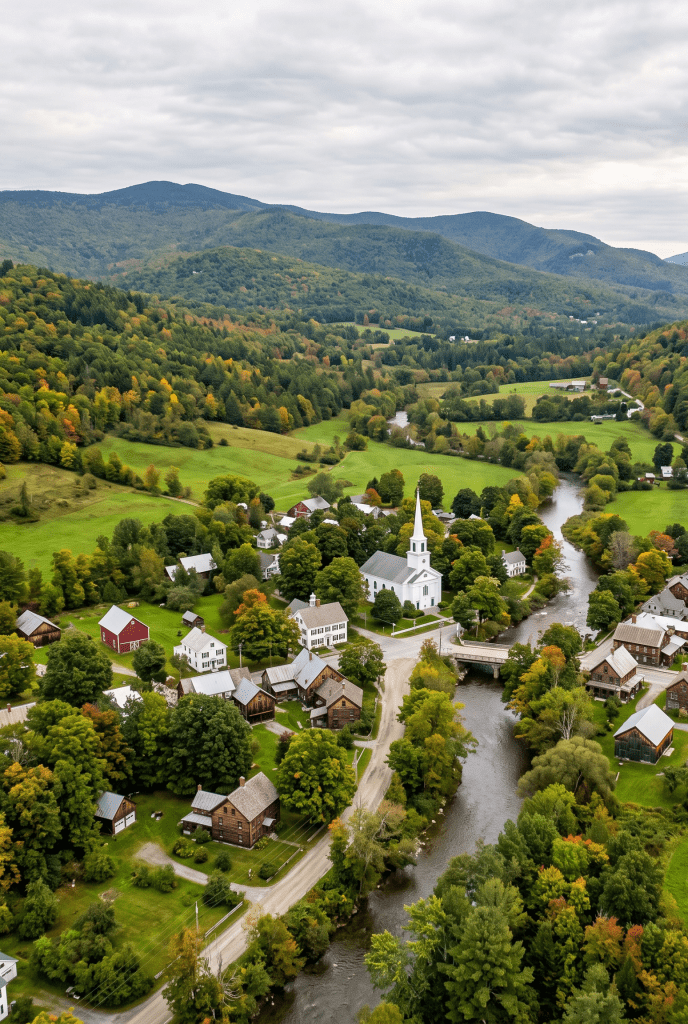
    When people talk about small-town Vermont, they usually mean places with a few thousand residents at most. These towns often have a walkable main street, a general store, a café or two, and a real sense of pride in the land and history. Neighbors wave to each other, and local events are community-wide gatherings rather than big-city spectacles.

    What you find in these towns

    • Immediate access to nature, whether it is hiking, skiing, or quiet forest walks
    • Locally owned businesses that shape the town’s character
    • Historic charm, where buildings tell the story of generations past

    Top Reasons People Are Making the Move

    There are many reasons why people are trading high-rises for hilltops. Here are a few of the most common ones.

    • Slower pace of life: Time moves differently here. There is space to breathe, and days feel more deliberate.
    • Connection with nature: Mountains, lakes, and forests are part of daily life, not occasional escapes.
    • Strong community ties: In small towns, people know one another. A familiar face at the post office or co-op can make a big difference in feeling at home.
    • Affordability and housing: While Vermont is not the cheapest state, smaller towns often provide more space and character for the money than urban markets.
    • Remote work opportunities: Many new residents have found that their jobs travel well. Reliable broadband in more areas has made that possible.

    Real-Life Vermont Appeal: What Locals See

    What makes life in small-town Vermont special often goes beyond the obvious scenery. It is the people, the traditions, and the unhurried rhythm that defines daily living.

    Locally owned businesses are the heart of these towns. General stores double as gathering places. Farmers markets, coffee shops, and art co-ops keep conversations flowing year-round. The food scene, often built around farm-to-table principles, is as much about community as it is about taste.

    Each season brings its own rhythm. Autumn paints the hills in gold and red. Winter invites skiing and woodstove gatherings. Spring means maple sugaring and muddy boots. Summer is for lake swims and long evenings outdoors. These rhythms shape not only the landscape but also the way people live here.

    What to Consider Before You Make the Move

    Life in a Vermont town can feel idyllic, but it also comes with realities worth planning for. A move like this is about more than scenery. It is about adjusting expectations and routines.

    • Employment and income: Make sure your career or remote work fits the slower infrastructure of rural areas.
    • Housing market: Inventory can be limited, and demand in some popular towns has increased significantly. Do your research early.
    • Services and amenities: Some areas may have fewer hospitals, schools, or large stores. That simplicity is part of the appeal for many, but it takes planning.
    • Weather: Vermont winters are beautiful but long. Snow tires, firewood, and patience become part of daily life.
    • Becoming part of the community: Vermonters appreciate sincerity. Join local events, volunteer, and be present. It makes all the difference in feeling at home.

    Choosing the Right Vermont Town for You

    Every Vermont town has its own character. Some have lively main streets, and others are peaceful rural enclaves surrounded by mountains. The best way to find the right one is to match your lifestyle to your surroundings.

    • Know what you value: Do you want proximity to ski areas or quiet lakeside living? Are you looking for walkability or wide-open views?
    • Consider access: Distance to healthcare, groceries, and high-speed internet varies from town to town.
    • Visit for a season: Experience both winter and summer to see how life changes. A town that feels cozy in July might feel isolated in February.
    • Talk to locals: Conversations at the general store or café can reveal what daily life truly feels like.

    From Stowe and Waitsfield to smaller communities like Craftsbury or Rochester, there is a Vermont town that fits nearly every personality.

    Why the City Still Has Its Pull and How Small Towns Offer Balance

    Cities have their appeal. They offer vibrant art scenes, diverse food, and constant motion. But many are realizing that the things they love about the city can be found, in smaller ways, here too.

    Small-town Vermont provides balance. You might trade a subway for a snow-covered trail, but you gain time, peace, and connection. Many residents find that they can still access good dining, culture, and creativity while surrounding themselves with natural beauty and friendly neighbors.

    Final Thought: Embracing Vermont’s Small-Town Way

    Moving to Vermont is not about escaping the city. It is about finding a different rhythm. Life here unfolds with the seasons, and the rewards are as simple as they are meaningful. Quiet mornings, familiar faces, and scenery that still takes your breath away.

    If you are considering the move, spend time here first. Explore, meet people, and let the pace sink in. You might discover that what you were looking for was never about more, but about less. And that less, in Vermont, often feels like more than enough.

    Shop Green Mountain Peaks on Etsy

    Bring a little piece of Vermont into your home with our curated collection of gifts, apparel, and seasonal favorites. From cozy hoodies and crewnecks to Vermont-themed gift boxes and cookbooks, each item is designed to celebrate the Green Mountain spirit.

    • Vermont-inspired designs and gift sets
    • Printed and packaged with care
    • Ships directly to your door
    Visit Our Etsy Shop

    Discover gifts, apparel, and Vermont treasures made to share and enjoy year-round.

  • Embracing Vermont’s Winter Warmth

    Embracing Vermont’s Winter Warmth

    The Secret to Vermont’s Winter Warmth

    Step into a Vermont home on a snowy evening and you will notice something different. The air feels softer, the light seems to glow a little warmer, and time moves just a bit slower. It is not only the heat from the woodstove or the hum of a baseboard heater. It is a kind of warmth that reaches beyond the walls, created by the way Vermonters build, live, and gather through long winter months.

    This feeling of comfort is part of what makes life in Vermont so special. Visitors often say they feel instantly at home here, even if they have only just arrived. There is something grounding about a Vermont winter where the snow outside and the glow inside meet in peaceful balance.

    The Heart of the Home – More Than Just a Fireplace

    Fireplaces and woodstoves are more than features in Vermont homes. They are the heartbeat of winter living. In a state where wood heat remains both practical and cherished, the fire becomes a gathering point. It is where mittens dry, coffee steams, and long conversations stretch into the night.

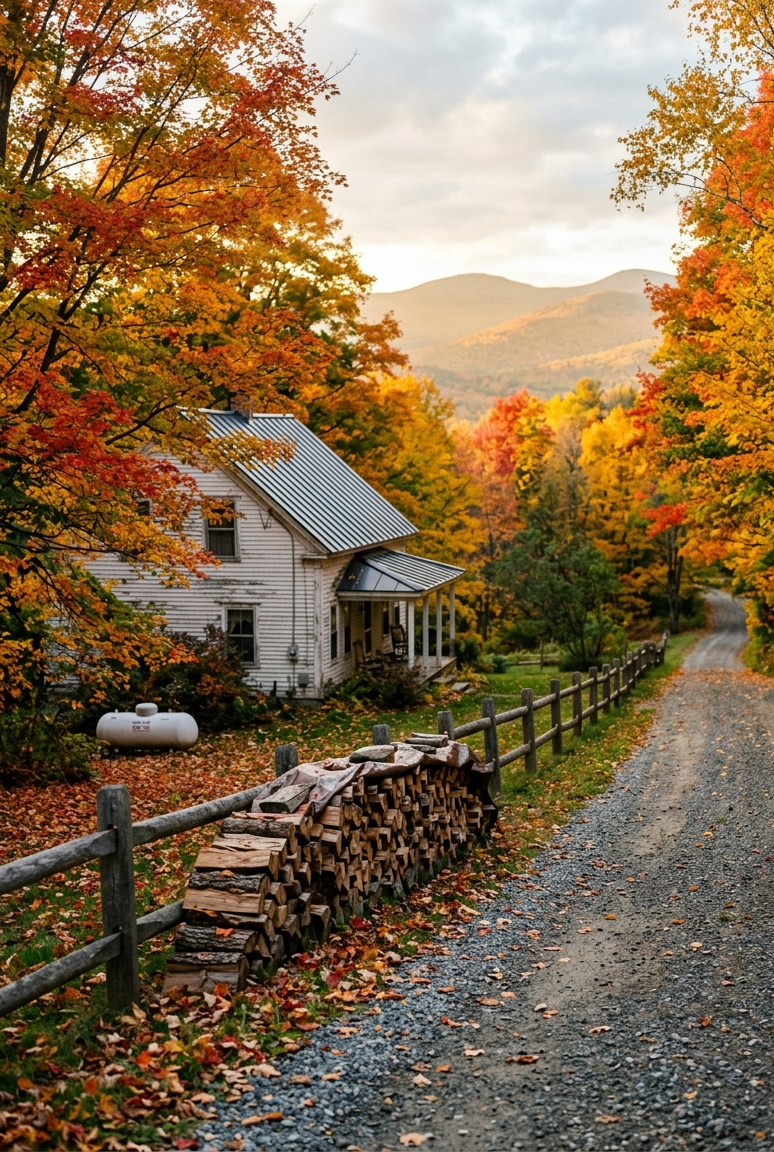
    Many homes still rely on locally sourced firewood, connecting people to the land around them. The ritual of stacking wood in autumn feels like preparation for something sacred. It is a quiet promise that no matter how deep the snow gets, there will always be warmth waiting inside.

    But the real magic is not only in the fire itself. It is in the way Vermont homes are designed around it, with open layouts that let the heat flow and thick walls that hold it close. The fireplace does not simply warm the room; it warms the rhythm of daily life.

    Building for Warmth – How Vermont Architecture Works With Nature

    Old Traditions Meet Modern Craftsmanship

    Vermont architecture has always been shaped by the seasons. From colonial farmhouses to energy-efficient cabins, the goal has remained the same: to keep the cold out and the comfort in. Many of the oldest homes in Vermont still stand strong because they were built with care and purpose, using stone foundations, deep sills, and layouts that conserve heat naturally.

    Modern builders continue this legacy, blending traditional methods with modern efficiency. Many new homes use passive solar design, dense insulation, and reclaimed wood to stay cozy through the harshest months. South-facing windows draw in low winter sunlight, while timber frames bring strength and natural beauty. The balance between old and new keeps Vermont architecture warm, both literally and emotionally.

    Natural Materials That Hold in Heat

    Wood is everywhere in Vermont homes. Pine beams, maple floors, and cedar trim all help to retain heat and add character. Stone hearths and slate floors store the warmth of the day and release it slowly into the night. Each material plays a part in creating comfort that feels natural and lasting.

    Even new construction often includes reclaimed barn wood or stone from nearby quarries. These choices are about more than looks. They are about connection, sustainability, and respect for the landscape. When your home is built with materials from your own backyard, it holds the warmth of the place itself.

    The Interior Feel – Layers of Comfort

    Warmth Through Texture and Design

    Inside a Vermont home, warmth is found in every detail. Wool blankets folded on a couch, woven rugs over creaking floorboards, flannel sheets, and handmade quilts all bring layers of softness. Lighting is gentle and golden, with candles and lamps that cast a soft glow across wood and fabric.

    The design style often blends Scandinavian simplicity with farmhouse charm. The spaces feel real, lived in, and welcoming. It is a kind of design that does not demand perfection. It simply invites you to stay awhile.

    The Color of Comfort

    While the landscape outside turns white and silver, Vermont interiors lean into warm colors. Honey-toned wood, creamy whites, forest greens, and deep reds appear throughout the home. These earthy tones help balance the chill outdoors and make every corner feel grounded.

    Even in modern homes, color palettes reflect the seasons. A splash of plaid, a knit pillow, or a worn oak table brings visual warmth. Vermont homes often feel like an extension of the outdoors, but with all the softness and shelter that winter requires.

    The Spirit Inside – What Truly Makes a Vermont Home Warm

    The real warmth of a Vermont home comes from the people inside. In small towns, winter has a way of drawing everyone closer. Neighbors check in after storms, share soup or baked goods, and lend a hand with shoveling. That sense of community creates comfort that goes far beyond the temperature on the thermostat.

    It is common to see porch lights glowing through the dark as quiet signs of welcome. Even when the snow piles high, Vermonters find ways to connect. Inside those glowing homes are laughter, storytelling, and the steady rhythm of life lived with care.

    Everyday Rituals That Keep the Chill Away

    Part of Vermont’s winter magic comes from the small rituals that fill each day. The first cup of hot coffee before sunrise, the sound of a kettle, the smell of maple syrup or baking bread — these are the comforts that turn cold mornings into something peaceful.

    • Hot drinks: From mulled cider to maple lattes, something warm is always close by.
    • Comfort food: Stews, soups, and fresh bread bring the kitchen to life.
    • Soft light: Candles, lanterns, and string lights keep long evenings cozy.
    • Outdoor rhythm: Even chores like stacking wood or shoveling snow can be grounding and satisfying.

    These simple acts remind people that warmth is something you create, not something you wait for. In Vermont, winter is not an obstacle. It is a way of life.

    Why Tourists Feel It Too

    Visitors often notice the difference right away. Whether they stay in a log cabin in Stowe, a farmhouse near Woodstock, or a small inn along Route 100, they feel the same quiet comfort that locals do. Vermont hospitality is warm without being polished, friendly without being forced.

    Every detail reflects care. Handmade signs, local pottery, shelves lined with syrup or homemade jam; these are not decorations, but expressions of pride. Even short-term rentals carry that same heart. The result is a kind of welcome that cannot be manufactured.

    Finding Your Own Warmth in Vermont

    Many people who visit Vermont find that the feeling lingers long after they leave. Some return year after year. Others decide to make it home. The slower rhythm, the deep connection to nature, and the peace of small-town life are powerful draws.

    You do not have to live here to feel it, though. Anyone can bring a bit of Vermont warmth into their own space. Light a candle in the evening, cook something slowly, or add texture and natural color to your home. Warmth, after all, is about intention as much as heat.

    Closing Reflection

    On a still winter night in Vermont, when snow piles against the windows and the fire burns low, there is a kind of quiet that feels timeless. Maybe that is the true secret. Warmth here is not something you find; it is something you build, one log and one moment at a time.

    Shop Green Mountain Peaks on Etsy

    Bring a little piece of Vermont into your home with our curated collection of gifts, apparel, and seasonal favorites. From cozy hoodies and crewnecks to Vermont-themed gift boxes and cookbooks, each item is designed to celebrate the Green Mountain spirit.

    • Vermont-inspired designs and gift sets
    • Printed and packaged with care
    • Ships directly to your door
    Visit Our Etsy Shop

    Discover gifts, apparel, and Vermont treasures made to share and enjoy year-round.

  • The Seasons of Belonging: Home in Vermont

    The Seasons of Belonging: Home in Vermont

    There is something unmistakable about the feeling of home. In Vermont, it rarely begins with a building or a mailing address. It starts with a view of the Green Mountains, the rhythm of the seasons, and the people who make even the smallest towns feel welcoming. Home in Vermont is found through a sense of belonging rather than a set of coordinates.

    Why Vermont Feels Like Home

    When you arrive in Vermont, you notice the mountains, the lakes, and the quiet roads first. Then you begin to feel something deeper. The air feels slower, the conversations feel warmer, and life takes on a steady, natural pace. In Vermont, people wave when they drive by. They stop to talk in the post office line. The state invites you to live at a tempo that feels real.

    Finding home here is not about luxury or convenience. It is about rhythm, connection, and purpose. It is the understanding that where you live can also shape how you live. Vermont gives you permission to slow down and look around.

    The Seasons of Belonging

    Spring and Mud Season

    Spring in Vermont is part patience and part celebration. The snow melts, the ground softens, and the sap starts to run. Birds return, buds appear, and people start to come outside again. Mud season can be messy, but it reminds everyone that home is not always polished. It is about noticing change and being part of it.

    Summer and Lake Days

    Summer brings lake swims, local farm stands, and long porch dinners. You can spend Saturdays at farmers markets, hike through green trails, and watch the sun dip behind the hills. Communities gather for concerts, festivals, and town parades. It is the season when Vermont feels like an open invitation to slow down and enjoy what is right in front of you.

    Fall and Foliage

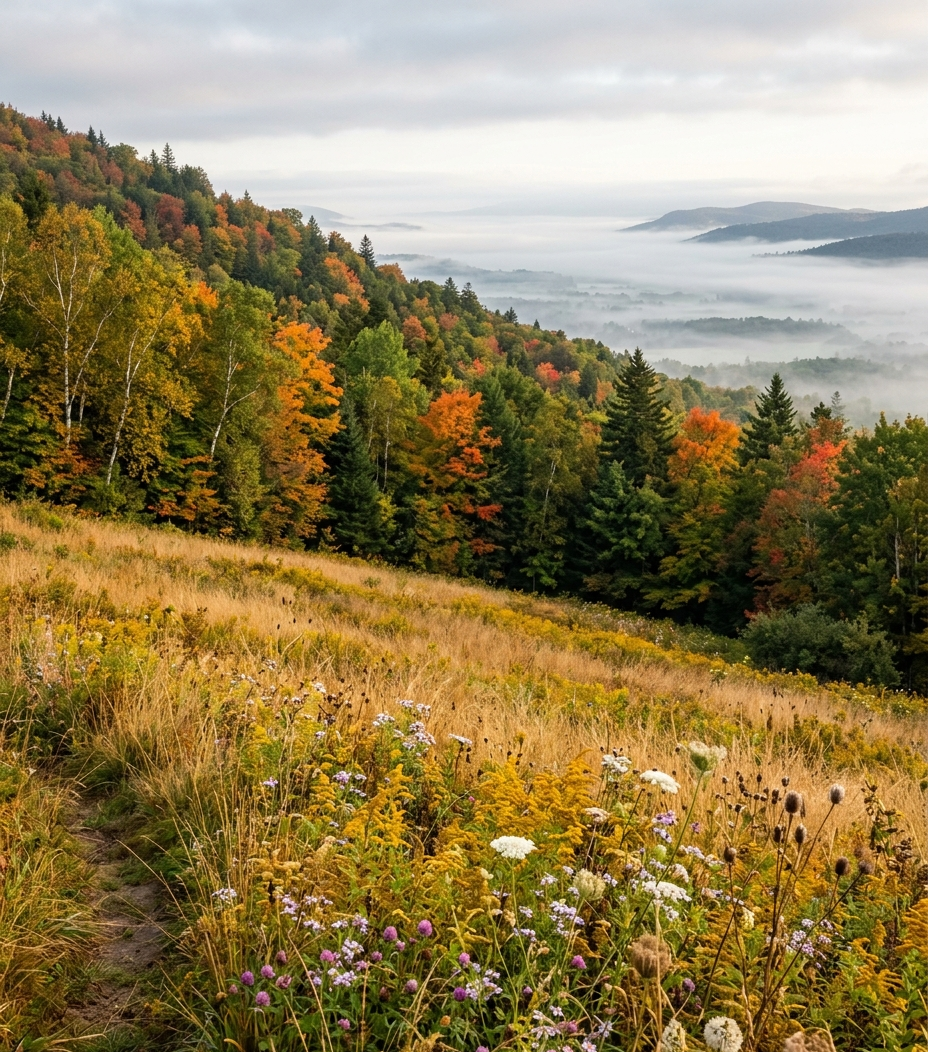
    Fall is the season that makes Vermont famous. The mountains turn into a patchwork of color, the air becomes crisp, and towns celebrate the harvest with fairs, markets, and apple picking. There is something grounding about watching the leaves change. It makes you feel connected to the place and its cycles, even if you are only passing through.

    Winter and Snow Time

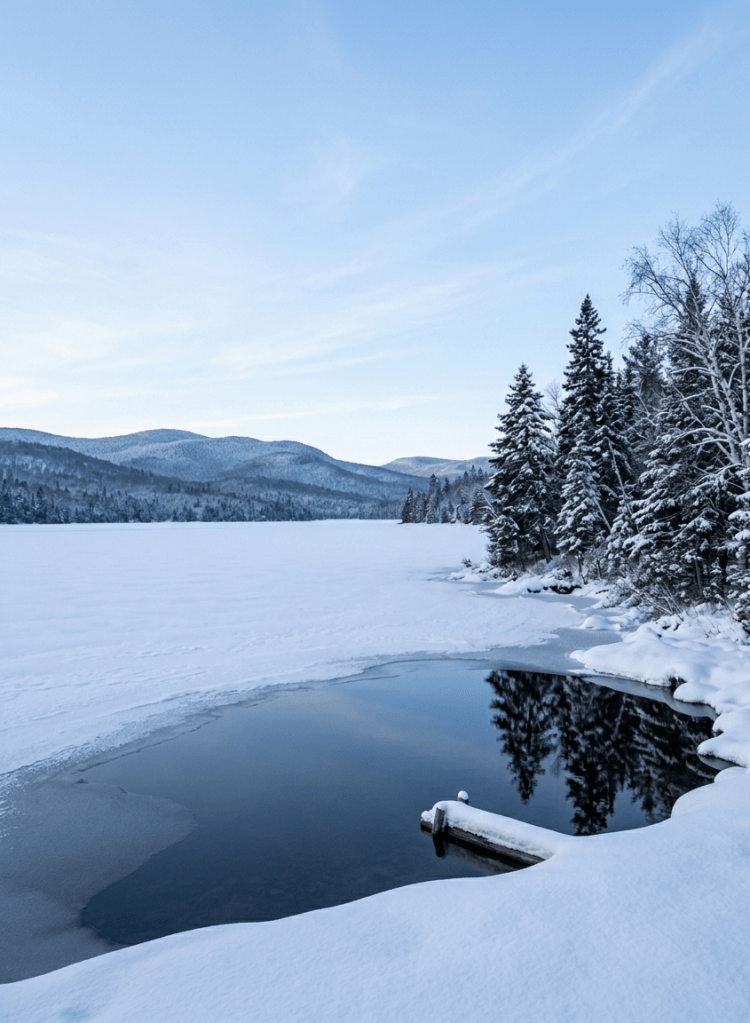
    Winter can be long, but it also brings a quiet beauty. Snow-covered trees, fireplaces glowing, ski trails groomed for early mornings. Vermont winters remind you what it means to create warmth for yourself and others. When the snow piles up, neighbors help each other dig out. Community takes on a stronger meaning when you face the cold together.

    Small Towns, Big Heart

    Every Vermont town has its own character, but what they share is heart. Small towns are the backbone of Vermont life. There is usually a general store where everyone gathers, a library that still hosts events, and a café that feels like a living room. You are never far from someone who will lend a hand or share a story.

    Living in a Vermont town means more than having a home address. It means being part of something. You might join a committee, volunteer at the harvest dinner, or simply show up at the annual parade. The sense of community is what turns a place into a home.

    Real Estate and Finding Your Place

    Buying a home in Vermont is about more than square footage. Many homes here come with character: stone foundations, wide beams, or land that tells a story. When you buy in Vermont, you often buy history too. It can take time to understand the quirks of rural properties, but that is part of the charm.

    Before buying, it helps to learn about wells, septic systems, and heating needs. Winters can be long, so insulation and maintenance matter. Working with a local agent can make a world of difference. They know the roads, the rhythms, and the stories that listings do not tell.

    Choosing a home here is not just about what you own but how you fit in. Finding your place means saying yes to the land and the lifestyle that come with it.

    Community, Culture, and Local Roots

    Home in Vermont is not only about the house you live in but the life you build around it. Farmers markets, sugarhouses, craft fairs, live music in a barn, and maple season all bring people together. These gatherings define Vermont’s culture of connection and creativity.

    Many newcomers are drawn by the scenery and stay for the people. Over time, you learn the names of your neighbors, the backroads that lead to hidden waterfalls, and the rhythm of each town’s calendar. You do not have to be born here to belong. You only need to care about the place and the people in it.

    Challenges and What It Really Takes to Settle In

    Life in Vermont has its realities. The cost of living can be higher than expected, winter weather can test your patience, and rural infrastructure can make daily life a little slower. But these same things often deepen the feeling of home. They create resilience and connection.

    Finding home here takes patience. It means understanding that you may shovel your own driveway, check on your neighbors during a storm, or plan ahead for errands. Vermont rewards effort with peace and belonging.

    What Home Looks Like for You

    Everyone finds home differently. Visitors often feel it during their first trip. It might be while sitting beside a lake, hiking through the woods, or sharing cider at a roadside stand. Even a weekend can feel like coming home if you slow down enough to see it.

    For lifelong Vermonters, home is often rediscovered in small moments. Watching children sled down the same hill they grew up on. Greeting the same faces year after year at the fair. Finding joy in the familiar.

    For those thinking of moving to Vermont, finding home takes intention. Explore towns, meet locals, and visit in every season before deciding. Ask yourself questions like:

    • Does this town make me feel comfortable?
    • Can I see myself here in every season?
    • Will I enjoy being part of a small community?
    • Does this lifestyle match the pace I want to live at?

    The right town will not just look beautiful. It will feel right.

    Bringing It All Together: Home in Vermont Means More Than a Roof

    Home in Vermont is something you feel long before you own it. It might arrive as the smell of maple in spring, the quiet sound of snow at night, or the hum of a summer festival. It comes in layers of landscape, weather, and connection. It is found in the people who live with intention and gratitude.

    Whether you are here for a weekend, a few years, or a lifetime, Vermont offers you a chance to redefine what home means. It shows that home is not about perfection but about belonging. The Green Mountains have a way of reminding you that sometimes, finding home is really about finding peace with where you are.

    May you find your version of home here in the Green Mountains.

  • What Makes Home Special for Vermonters

    What Makes Home Special for Vermonters

    There is something different about the way people in Vermont talk about home. It is more than a place where you live. It is the smell of woodsmoke on a cold autumn night, the silence after fresh snow, the way a neighbor always waves when you drive by. Whether you live here, visit often, or dream of moving someday, understanding how Vermonters define home helps you see why this state captures so many hearts.

    What Home Means in Vermont

    Home in Vermont is not simply a house. It is a feeling of belonging that ties together land, people, and the passage of seasons. Mountains, lakes, forests, and small towns shape daily life and become part of your sense of self. The pace is slower, the priorities simpler, and the meaning of home stretches far beyond the front door.

    Visitors and newcomers often notice how Vermonters talk about home as a relationship rather than a location. It is where you know the rhythm of maple season, where you can name the hills around you, and where your community knows your story.

    Roots and Real Life: Family, Community, Landscape

    Family history and tradition

    Many families have lived in the same town for generations. Houses, farms, and small plots of land are passed down, carrying memories that stretch back decades. Even for those who arrive from elsewhere, that sense of history adds depth to what home means. The land holds stories, and being part of it feels like joining a long conversation that started long before you.

    The community connection

    Home in Vermont is also about people. You might meet your neighbors at the general store, at a local farmstand, or at a Friday night game. Town meetings and volunteer days keep people connected. Neighbors lend tools, help shovel driveways, or drop off fresh eggs when they have extras. Being known and being needed are both part of the definition of home here.

    The landscape as part of home

    In Vermont, the natural world is part of daily life. The woods behind the house, the pond down the road, or the mountain in view become familiar companions. Each season brings a shift in light and color that reminds you of where you are. The rhythm of snow, thaw, mud, and bloom becomes a kind of calendar that marks life at home.

    The Home Structure: What the House Looks and Feels Like

    Vermont architecture

    Vermont homes are built with practicality and comfort in mind. Steep roofs shed heavy snow, wide porches welcome neighbors in summer, and wood stoves become the heart of winter living. Local builders design with the land and weather in mind, blending old traditions with sustainable materials and simple beauty.

    Daily life inside

    Step into most Vermont homes and you will find a mudroom with lined-up boots and jackets. Kitchens are gathering spaces, living rooms are cozy and filled with warmth from a fire, and windows open toward views of forest or field. Life here changes with the seasons, and so do the spaces inside. Home feels lived in, not staged.

    Affordability and trends

    In recent years, buying a home in Vermont has become more difficult. Rising prices and limited housing stock have challenged many families. Communities are exploring new solutions such as smaller homes, accessory units, and missing-middle designs that fit naturally into existing neighborhoods. These shifts are changing what “home” looks like while keeping its meaning intact.

    For Visitors and Newcomers: Finding What Feels Like Home

    If you are thinking about moving to Vermont or spending more time here, finding a place that feels like home takes more than loving the view. Home depends on rhythm, routine, and belonging. Ask yourself what daily life would look like here. Would you feel connected to your neighbors? Would you embrace the slower pace of winter or the early mornings of sugaring season?

    Those who find the deepest sense of home often look beyond the postcard version of Vermont. They join local events, volunteer, and take part in the community year-round. Treating Vermont like a vacation spot is easy. Living here is what makes it real.

    Home in Changing Times: Remote Work, Second Homes, Tiny Homes

    Remote work and new arrivals

    Remote work has allowed many people to move to Vermont while keeping jobs elsewhere. The result is a growing blend of new residents and long-time locals. Small towns are adapting, and in many ways this has breathed new life into rural areas. Yet it also raises questions about how to keep communities balanced and affordable.

    Seasonal homes

    Vermont has always had its share of second homes and seasonal residents. Owning a vacation property can be wonderful, but home means more than a few weekends each year. It grows out of showing up through mud season, supporting local shops, and taking part in the life of the town. Presence builds roots.

    Tiny homes and simplicity

    Tiny homes and small cabins are becoming more common across Vermont. These smaller spaces appeal to those who want a simpler, lower-impact lifestyle. Regulations vary by town, but the desire behind them is the same: to live more closely with nature and reduce what is unnecessary. A small home can hold just as much meaning as a large one when it is filled with intention and care.

    Making Vermont Feel Like Home

    Creating a sense of home here takes time and attention. Join something local. Attend a community supper or volunteer at a farmers market. Learn the trail network, visit the library, or help with a fundraiser. Each act of involvement brings you closer to the rhythm of the place.

    Let the outdoors guide your sense of belonging. Walk in the woods in spring, swim in a lake in summer, watch leaves drift across a pond in autumn, and enjoy the quiet of a snowy morning in winter. The more you move with the seasons, the more at home you feel.

    Home takes patience. It might be a year before you feel like a true part of the community. One day you will realize you are waving to familiar faces and you know which back road will get you home faster. That is when it starts to feel real.

    Conclusion: Home as a Journey

    In Vermont, home is a blend of people, place, and purpose. It is where neighbors look out for each other, where the seasons shape your days, and where the landscape becomes part of your identity. It is something you build over time rather than something you buy.

    Whether you are staying for a season or a lifetime, Vermont invites you to slow down, pay attention, and create your own version of home. In the end, that feeling of belonging is what keeps people here, generation after generation.

  • Living in Vermont: Seasons, Community, and Simple Joys

    Living in Vermont: Seasons, Community, and Simple Joys

    Morning mist rises in the valley. A steaming mug rests in your hands. The air carries that crisp edge of change that feels both grounding and alive. In that moment, you begin to understand what it means to live the Vermont way. It is not only about where you are, but how you move through life here. It is a rhythm that follows the mountains, the seasons, and the people who call this place home.

    Rooted in Place: Nature, Seasons, and the Pace of Life

    The rhythm of four distinct seasons

    In Vermont, the year is divided by its seasons more clearly than almost anywhere else. Autumn paints the hills in red and gold and fills the air with the scent of apples and woodsmoke. Winter settles in quietly, covering the towns in snow and inviting people to slow down and gather by the fire. Spring arrives on its own time with sap running, mud underfoot, and the first hints of green. Then summer stretches out, filled with long evenings, swimming holes, farmers markets, and soft sunsets over the hills.

    Each season brings its own rhythm, and living here means learning to flow with it instead of against it.

    A slower pace and stronger connections

    Life in Vermont moves at a different speed. There is space between things. People take the time to talk at the post office, to chat with neighbors at the general store, and to stop for a coffee at the café that everyone in town knows. The pace is not slow because nothing happens; it is slow because moments matter here. There is room to notice, to breathe, and to belong.

    Even in remote valleys, communities stay connected. Local message boards, school fundraisers, and town meetings keep people close. Many say Vermont feels safer and friendlier than most places because neighbors still look out for one another. Hello Burlington notes that Vermont consistently ranks among the best states for quality of life, and you can feel why.

    The outdoors as part of daily life

    The outdoors is not an escape in Vermont. It is simply part of living. Hiking before work, skiing after school, snowshoeing on a Sunday, tapping trees in early spring, or riding a bike through quiet country roads are all ordinary here. The mountains, lakes, and trails are woven into daily routines. Nature is not a weekend trip; it is the backdrop of every day.

    Community and Local Culture

    The small-town fabric

    In most Vermont towns, people know each other by name or at least by their dogs. The town clerk might also be your child’s soccer coach. The person ringing you up at the co-op might have helped shovel your driveway last winter. The lines between community and friendship blur easily here, creating a network of trust that feels rare in today’s world.

    Local business, local food, local flavor

    Vermonters take pride in supporting what is homegrown. You will find that pride at maple sugarhouses, at the local brewery, or in a café that serves muffins baked that morning by someone down the street. The farmers market is more than a place to shop; it is where you see neighbors, listen to music, and hear about local news. Living locally is not a slogan in Vermont; it is a habit that defines how people eat, work, and gather.

    Traditions and shared values

    Vermont traditions are humble but strong. Volunteer fire departments and town halls remain at the heart of civic life. Potlucks, holiday parades, and harvest festivals bring people together each season. You will see pickup trucks lined along the green and kids selling baked goods for school trips. Behind it all is a quiet understanding that community is something you take care of. The Vermont way values honesty, stewardship, and the kind of independence that still makes room for kindness.

    What Home Means Here

    Home as more than a house

    In Vermont, home is not only the building you live in. It is a feeling of belonging to the land and to the people around you. A home might be a cabin tucked into the woods, a century-old farmhouse, or a small place near the lake, but what makes it special is the connection it holds. The porch where you drink morning coffee, the woodpile stacked for winter, and the neighbors who wave when you drive by all become part of that sense of home.

    Comfortable simplicity

    Homes in Vermont reflect the environment they sit in. You will find natural wood, soft light, and fireplaces that warm more than just the room. Design leans toward function and comfort rather than trends. It feels lived-in and personal, often filled with small tokens of the outdoors. Simplicity is not about lack; it is about having what feels right and real.

    Finding your place and making the move

    For some visitors, Vermont remains a cherished memory. For others, it becomes a dream worth pursuing. People are drawn here by beauty, but they stay for the meaning that the place holds. Those considering the move should know that living here has challenges. Rural areas can bring higher maintenance costs and long winters, and real estate prices have risen in recent years. Still, many find that what Vermont gives back in peace, safety, and community far outweighs the trade-offs. Redfin describes it as one of the most rewarding places to live for those seeking balance and connection.

    The Vermont Way in Everyday Life

    Simple joys and mindful choices

    Life here is made of small, good moments. There is the quiet coffee at a local café, a walk through crisp leaves, or the comfort of sitting by a woodstove as snow falls outside. Choosing local honey instead of imported, buying maple syrup from a nearby producer, and stopping at the farmers market after work are all choices that feel simple but meaningful. These moments build a way of living that values presence over speed and connection over convenience.

    Embracing the seasons and the weather

    Vermont teaches resilience and appreciation through its weather. Winter demands preparation, spring brings patience, summer rewards you with warmth, and autumn gifts you with color. Vermonters do not fight the weather; they adapt to it. A pair of sturdy boots, a good shovel, and a strong sense of humor go a long way. Each season becomes something to celebrate rather than endure.

    Visitors and locals living side by side

    Visitors often get a glimpse of what locals already know: that the Vermont way is not just about the views, it is about how you carry yourself while you are here. To experience Vermont fully, travel slowly, ask questions, support local businesses, and respect the land. For those who live here year-round, it is a reminder to stay rooted in those same values. The relationship between visitor and local works best when both see the place as something worth caring for.

    Why It Matters Now More Than Ever

    In a world that moves faster each year, Vermont stands out as a place that invites people to slow down. It is a reminder that connection and quiet have value. Studies and local reports show that many who move here are searching for exactly that: a sense of balance, belonging, and quality of life that is hard to find elsewhere. Hello Burlington highlights this same appeal, describing Vermont as a place where natural beauty and community come together in everyday life.

    For those who already live here, the Vermont way is something to celebrate and preserve. For visitors, it may plant a seed that grows long after they leave. And for anyone dreaming about a simpler, more grounded life, Vermont shows that such a way still exists.

    Conclusion

    The Vermont way is not a single idea. It is a blend of place, people, and purpose. It is the pace of the seasons, the closeness of community, and the comfort of home that feels earned and real. Whether you are visiting for a weekend or considering making this your home, take time to feel it. Step outside early, breathe in the mountain air, and listen to the quiet that fills the valleys. Somewhere nearby, a porch light is waiting, a mug of coffee is warm, and the mountains stand steady, ready to welcome you back.