Discover Vermont, One Story at a Time 🏔️

Local culture, season adventures, small towns,
and the honest side of life in the Green Mountains


Tag: historic towns in Vermont

  • Living in Vermont: Seasons, Community, and Simple Joys

    Living in Vermont: Seasons, Community, and Simple Joys

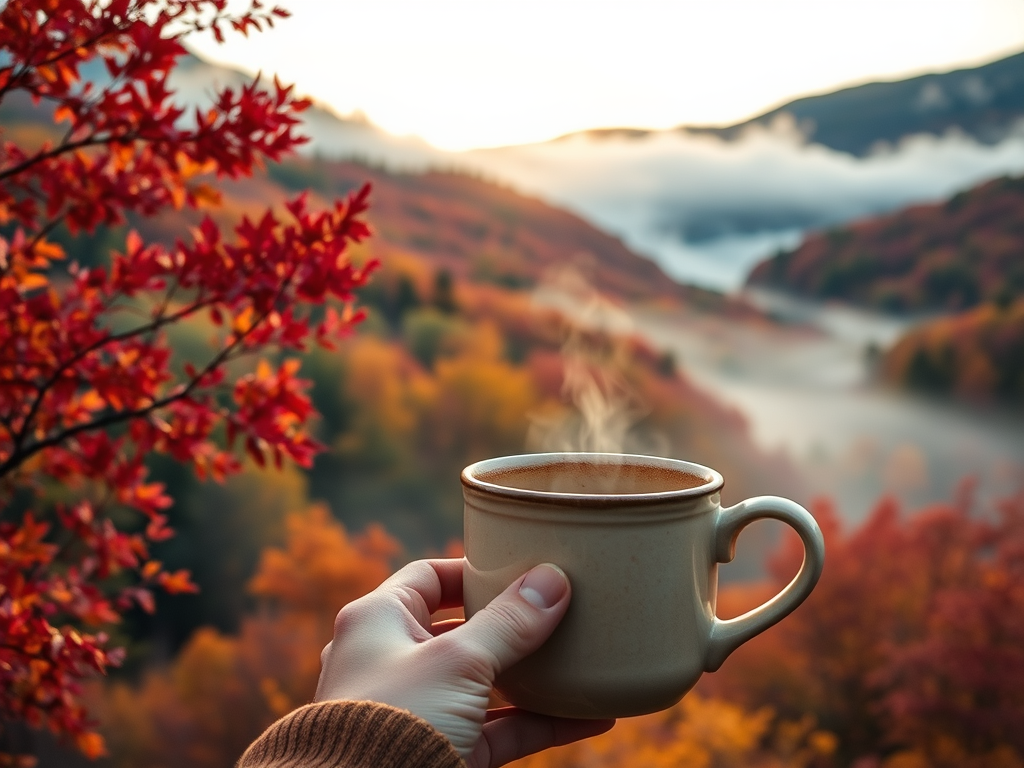
    Morning mist rises in the valley. A steaming mug rests in your hands. The air carries that crisp edge of change that feels both grounding and alive. In that moment, you begin to understand what it means to live the Vermont way. It is not only about where you are, but how you move through life here. It is a rhythm that follows the mountains, the seasons, and the people who call this place home.

    Rooted in Place: Nature, Seasons, and the Pace of Life

    The rhythm of four distinct seasons

    In Vermont, the year is divided by its seasons more clearly than almost anywhere else. Autumn paints the hills in red and gold and fills the air with the scent of apples and woodsmoke. Winter settles in quietly, covering the towns in snow and inviting people to slow down and gather by the fire. Spring arrives on its own time with sap running, mud underfoot, and the first hints of green. Then summer stretches out, filled with long evenings, swimming holes, farmers markets, and soft sunsets over the hills.

    Each season brings its own rhythm, and living here means learning to flow with it instead of against it.

    A slower pace and stronger connections

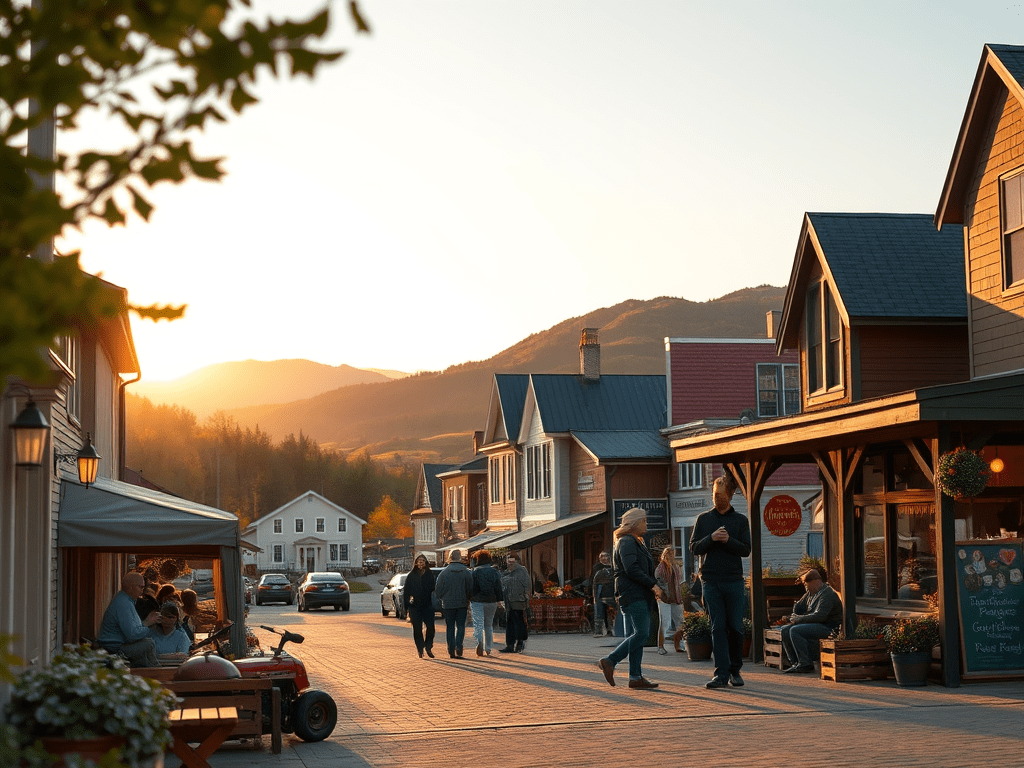
    Life in Vermont moves at a different speed. There is space between things. People take the time to talk at the post office, to chat with neighbors at the general store, and to stop for a coffee at the café that everyone in town knows. The pace is not slow because nothing happens; it is slow because moments matter here. There is room to notice, to breathe, and to belong.

    Even in remote valleys, communities stay connected. Local message boards, school fundraisers, and town meetings keep people close. Many say Vermont feels safer and friendlier than most places because neighbors still look out for one another. Hello Burlington notes that Vermont consistently ranks among the best states for quality of life, and you can feel why.

    The outdoors as part of daily life

    The outdoors is not an escape in Vermont. It is simply part of living. Hiking before work, skiing after school, snowshoeing on a Sunday, tapping trees in early spring, or riding a bike through quiet country roads are all ordinary here. The mountains, lakes, and trails are woven into daily routines. Nature is not a weekend trip; it is the backdrop of every day.

    Community and Local Culture

    The small-town fabric

    In most Vermont towns, people know each other by name or at least by their dogs. The town clerk might also be your child’s soccer coach. The person ringing you up at the co-op might have helped shovel your driveway last winter. The lines between community and friendship blur easily here, creating a network of trust that feels rare in today’s world.

    Local business, local food, local flavor

    Vermonters take pride in supporting what is homegrown. You will find that pride at maple sugarhouses, at the local brewery, or in a café that serves muffins baked that morning by someone down the street. The farmers market is more than a place to shop; it is where you see neighbors, listen to music, and hear about local news. Living locally is not a slogan in Vermont; it is a habit that defines how people eat, work, and gather.

    Traditions and shared values

    Vermont traditions are humble but strong. Volunteer fire departments and town halls remain at the heart of civic life. Potlucks, holiday parades, and harvest festivals bring people together each season. You will see pickup trucks lined along the green and kids selling baked goods for school trips. Behind it all is a quiet understanding that community is something you take care of. The Vermont way values honesty, stewardship, and the kind of independence that still makes room for kindness.

    What Home Means Here

    Home as more than a house

    In Vermont, home is not only the building you live in. It is a feeling of belonging to the land and to the people around you. A home might be a cabin tucked into the woods, a century-old farmhouse, or a small place near the lake, but what makes it special is the connection it holds. The porch where you drink morning coffee, the woodpile stacked for winter, and the neighbors who wave when you drive by all become part of that sense of home.

    Comfortable simplicity

    Homes in Vermont reflect the environment they sit in. You will find natural wood, soft light, and fireplaces that warm more than just the room. Design leans toward function and comfort rather than trends. It feels lived-in and personal, often filled with small tokens of the outdoors. Simplicity is not about lack; it is about having what feels right and real.

    Finding your place and making the move

    For some visitors, Vermont remains a cherished memory. For others, it becomes a dream worth pursuing. People are drawn here by beauty, but they stay for the meaning that the place holds. Those considering the move should know that living here has challenges. Rural areas can bring higher maintenance costs and long winters, and real estate prices have risen in recent years. Still, many find that what Vermont gives back in peace, safety, and community far outweighs the trade-offs. Redfin describes it as one of the most rewarding places to live for those seeking balance and connection.

    The Vermont Way in Everyday Life

    Simple joys and mindful choices

    Life here is made of small, good moments. There is the quiet coffee at a local café, a walk through crisp leaves, or the comfort of sitting by a woodstove as snow falls outside. Choosing local honey instead of imported, buying maple syrup from a nearby producer, and stopping at the farmers market after work are all choices that feel simple but meaningful. These moments build a way of living that values presence over speed and connection over convenience.

    Embracing the seasons and the weather

    Vermont teaches resilience and appreciation through its weather. Winter demands preparation, spring brings patience, summer rewards you with warmth, and autumn gifts you with color. Vermonters do not fight the weather; they adapt to it. A pair of sturdy boots, a good shovel, and a strong sense of humor go a long way. Each season becomes something to celebrate rather than endure.

    Visitors and locals living side by side

    Visitors often get a glimpse of what locals already know: that the Vermont way is not just about the views, it is about how you carry yourself while you are here. To experience Vermont fully, travel slowly, ask questions, support local businesses, and respect the land. For those who live here year-round, it is a reminder to stay rooted in those same values. The relationship between visitor and local works best when both see the place as something worth caring for.

    Why It Matters Now More Than Ever

    In a world that moves faster each year, Vermont stands out as a place that invites people to slow down. It is a reminder that connection and quiet have value. Studies and local reports show that many who move here are searching for exactly that: a sense of balance, belonging, and quality of life that is hard to find elsewhere. Hello Burlington highlights this same appeal, describing Vermont as a place where natural beauty and community come together in everyday life.

    For those who already live here, the Vermont way is something to celebrate and preserve. For visitors, it may plant a seed that grows long after they leave. And for anyone dreaming about a simpler, more grounded life, Vermont shows that such a way still exists.

    Conclusion

    The Vermont way is not a single idea. It is a blend of place, people, and purpose. It is the pace of the seasons, the closeness of community, and the comfort of home that feels earned and real. Whether you are visiting for a weekend or considering making this your home, take time to feel it. Step outside early, breathe in the mountain air, and listen to the quiet that fills the valleys. Somewhere nearby, a porch light is waiting, a mug of coffee is warm, and the mountains stand steady, ready to welcome you back.

  • Essential Steps for a Vermont Winter Survival Kit

    Essential Steps for a Vermont Winter Survival Kit

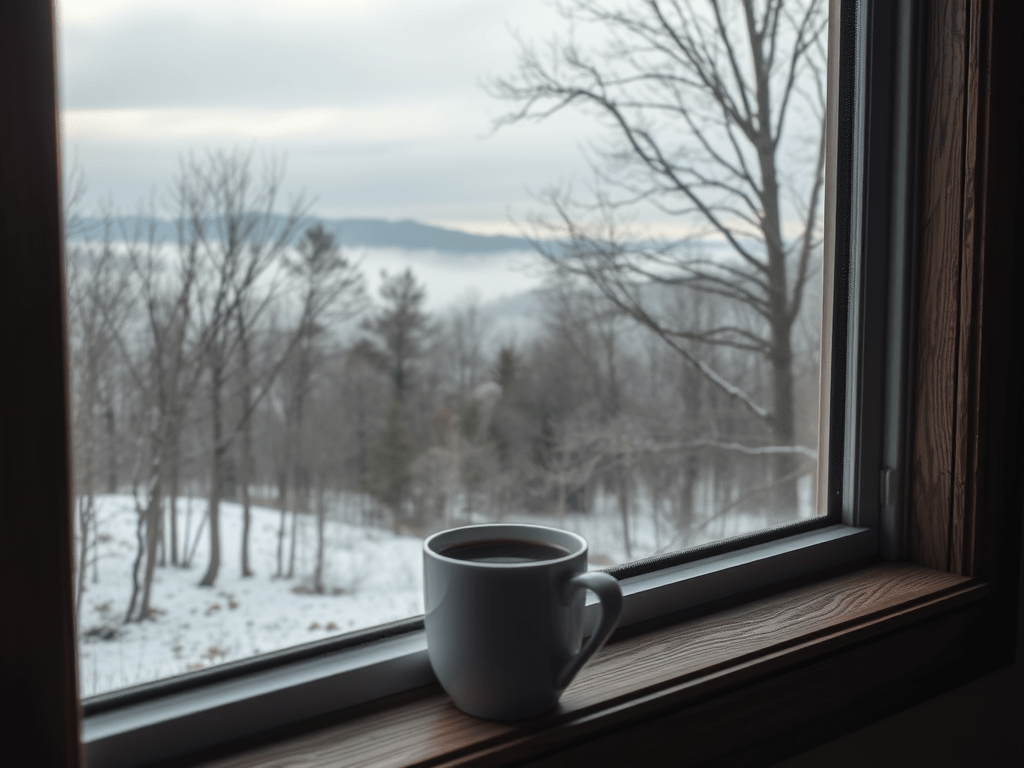
    When the leaves are gone and the first frost hits, Vermonters know it is time to shift gears and prepare for winter. The season here is not just a few cold weeks. It means months of heavy snow, icy roads, and subzero temperatures. Preparation is part of daily life, and it helps turn a tough season into something manageable, even enjoyable. Here are the steps Vermonters take to make sure they are ready for the long stretch ahead.

    Why Winter Preparation Matters in Vermont

    Vermont winters are beautiful, but they can also be brutal. Snowstorms can dump multiple feet of snow overnight, roads become slick with ice, and power outages are not uncommon. Being ready before the season begins saves stress and keeps families safe. Preparation is more than a checklist, it is a way of life that reflects the culture of resilience and self-reliance that Vermonters are known for.

    Home Preparation for Vermont Winters

    Insulating and Weatherproofing Your Home

    The first step is making sure your home keeps the cold out and the heat in. Vermonters check windows and doors for drafts and seal any gaps with weather stripping or caulk. Many install storm windows and hang heavy curtains to add another layer of insulation. Attics, basements, and crawl spaces also get attention, since small gaps in these areas can let out large amounts of heat.

    Heating Systems and Backup Plans

    Heating is non-negotiable. Furnaces and chimneys are inspected before the first snow to avoid breakdowns in the middle of winter. Many homes have wood stoves or pellet stoves as backups, both for extra warmth and as a safeguard in case of power outages. Vermonters also keep space heaters and extra blankets handy. Reliable heat is what makes winter survival possible.

    Stocking Essential Supplies

    Every household stocks up before the first major storm. Salt and sand are stored for driveways and walkways. Firewood is stacked and covered, ready to be used throughout the season. In more rural areas, backup generators are common and provide peace of mind when storms cause outages. Having these supplies ready ahead of time means not scrambling to find them when the snow starts falling.

    Vermont Winter Car Preparation

    Switching to Winter Tires

    One of the most important steps is swapping out regular tires for snow tires. Vermont law allows studded tires from mid-October through April, and many drivers take advantage of the added grip. Others opt for studless snow tires, which perform well in a wide range of conditions. Timing matters, and most Vermonters make the switch before the first significant snow, usually in November.

    Emergency Car Kit

    Cars are also stocked with emergency kits. A proper kit includes an ice scraper, small shovel, jumper cables, and traction aids like sand or kitty litter. Extra warm clothing, water, and non-perishable snacks are packed in case of being stranded. A flashlight, phone charger, and first-aid kit round out the essentials. With long stretches of rural roads, it pays to be prepared for anything.

    Staying Ahead of Storms

    Paying attention to weather alerts is part of the routine. Vermonters track storm forecasts closely, often planning travel and errands around them. Parking matters too, since snowplows need to clear town streets efficiently. Many towns have overnight parking bans during the winter to allow plows through. Knowing the rules and respecting plow schedules makes winter driving safer for everyone.

    Dressing for Vermont Winters

    Layering the Right Way

    Vermonters dress in layers to handle fluctuating conditions. The base layer keeps moisture away from the skin, often made of wool or synthetic material. The mid-layer traps heat, such as fleece or down. The outer layer protects against wind and snow, usually a waterproof shell or insulated parka. Cotton is avoided because it traps moisture and can quickly make a person cold in freezing temperatures.

    Outerwear and Footwear Essentials

    Good outerwear is an investment. Parkas rated for extreme cold are common, paired with insulated boots that provide both warmth and traction. Many Vermonters use traction cleats for icy sidewalks. Accessories matter too: hats, gloves, scarves, and neck gaiters all play a role in keeping the body warm and protected. Comfort is important, but function always comes first.

    Food, Water, and Household Readiness

    Power outages and snowstorms make it essential to stock up on food and water. Vermonters fill their pantries with shelf-stable items like pasta, canned soup, rice, beans, and peanut butter. Water storage is also common, whether it is bottled water or filled containers at home. Easy meals that require little cooking are set aside for snow days when the power might be out. Having this backup supply keeps stress low and ensures the household can run smoothly even if stores are closed or roads are impassable.

    Outdoor Maintenance and Snow Management

    Snow removal is constant throughout the winter. Roof rakes are used to prevent heavy snow from creating ice dams that can damage roofs. Walkways and driveways are cleared regularly, not just for convenience but for safety. Snowblowers, tractors, and plows are tuned up before the season so they are ready when the first storm hits. It may seem like endless work, but keeping ahead of the snow makes life easier in the long run.

    Staying Active and Healthy All Winter

    Winter can feel long if you stay indoors all the time. Vermonters embrace outdoor sports like skiing, snowshoeing, and skating as ways to stay active and enjoy the season. For those who prefer the indoors, yoga, home gyms, and even simple stretching routines keep energy levels up. Light therapy lamps help with the shorter days, and staying social with friends and neighbors fights off cabin fever. A healthy winter is about more than survival, it is about thriving in spite of the cold.

    Community and Neighbor Support

    One of the strongest traditions in Vermont is community support during the winter months. Neighbors check in on each other, especially elderly residents who may have trouble shoveling or getting to the store. Sharing tools like snowblowers and plows is common, and there is always a willingness to lend a hand. This culture of cooperation makes a hard season more bearable and builds bonds that last beyond winter.

    Final Thoughts on Winter Prep in Vermont

    Preparing for winter in Vermont is about balancing practicality with appreciation. Yes, it takes work to ready a home, car, and pantry for the season, but it also allows people to embrace what winter has to offer. Snowy mountains, cozy fires, and crisp air are part of the experience. By planning ahead and adopting these cold-weather habits, you can make the most of a season that is as challenging as it is beautiful.

    Shop Green Mountain Peaks on Etsy

    Bring a little piece of Vermont into your home with our curated collection of gifts, apparel, and seasonal favorites. From cozy hoodies and crewnecks to Vermont-themed gift boxes and cookbooks, each item is designed to celebrate the Green Mountain spirit.

    • Vermont-inspired designs and gift sets
    • Printed and packaged with care
    • Ships directly to your door
    Visit Our Etsy Shop

    Discover gifts, apparel, and Vermont treasures made to share and enjoy year-round.

  • Embrace the Calm: Stick Season Playlist for Gray Days

    Embrace the Calm: Stick Season Playlist for Gray Days

    Stick season in Vermont is a time unlike any other. After the brilliant colors of fall fade and before the snow arrives, the hills turn bare and quiet. It is a stretch of gray skies, misty mornings, and soft landscapes that ask for slower rhythms. While some see it as a dreary in-between, others embrace its honesty. One of the best ways to lean into the mood is with music. A carefully crafted playlist can turn gray days into moments of reflection and calm.

    What Is Stick Season?

    Stick season is the period in late October through early December when the leaves have fallen but the snow has not yet covered the ground. The forests are left with bare branches that look like sticks against the sky, giving the season its name. For Vermonters, it is a well-known phrase that captures both the landscape and the feeling of this quiet time of year. Visitors who come for the famous foliage or snowy slopes may not expect it, but stick season has a beauty of its own.

    Why Music Matters in Stick Season

    The weather can be unpredictable. Days may be cool and damp, skies often overcast. Instead of resisting the slower pace, music helps create an atmosphere that matches the moment. Folk, acoustic, and indie tracks bring warmth to an otherwise quiet backdrop. With the popularity of Noah Kahan’s Stick Season, the concept has moved beyond Vermont, resonating with listeners who know the feeling of being caught between seasons. Music turns stillness into reflection rather than boredom.

    Core Elements of a Stick Season Playlist

    • Slow tempo: Tracks that move gently, mirroring the rhythm of shorter days.
    • Acoustic sounds: Guitars, pianos, and stripped-back arrangements feel fitting for the season.
    • Thoughtful lyrics: Songs about change, transition, or quiet moments resonate strongly.
    • Comfort with melancholy: A good playlist balances sadness with warmth, making space for both.

    Featured Artists and Songs for Stick Season

    Vermont Roots and Local Sounds

    No stick season playlist is complete without local voices. Noah Kahan has become almost synonymous with this time of year. His song Stick Season captures the bittersweet, in-between feeling of Vermont in November. Beyond him, Vermont is home to artists like Grace Potter, whose soulful ballads fit perfectly on gray mornings. Exploring regional folk musicians through local venues or streaming services can uncover hidden gems that give your playlist an authentic Vermont character.

    Indie Folk Essentials

    The sound of indie folk feels tailor-made for stick season. Bon Iver’s layered harmonies, Iron & Wine’s delicate guitar, and The Head and the Heart’s reflective lyrics all create an atmosphere that pairs beautifully with misty skies. These artists capture introspection without slipping into gloom, which makes them ideal companions for quiet mornings with coffee or a walk down a country road lined with bare trees.

    Americana and Roots Music

    For those who like a stronger grounding in storytelling, Americana and roots musicians bring depth to a playlist. Brandi Carlile’s powerful voice, Jason Isbell’s heartfelt writing, and Gillian Welch’s timeless folk ballads connect to the rhythms of rural life. Their music reflects themes of resilience, weathering change, and finding beauty in simplicity, all of which echo the tone of stick season in Vermont.

    Instrumentals and Soundscapes

    Not every playlist needs lyrics. Instrumental tracks can be perfect for background listening during work, study, or reading. Acoustic guitar instrumentals, soft piano pieces, and ambient soundscapes inspired by nature provide calm focus. These choices are particularly fitting when paired with the gentle patter of rain or the stillness of a foggy morning.

    Creating Your Own Stick Season Playlist

    Building a playlist is about blending personal taste with seasonal themes. Start with Vermont artists like Noah Kahan and Grace Potter, then add in indie folk and Americana favorites. Pay attention to the flow: mix slower songs with slightly more upbeat ones to avoid monotony. Keep lyrics that touch on themes of change, memory, and quiet reflection. Streaming services such as Spotify, Apple Music, and YouTube already have playlists titled “Stick Season” or “Autumn Acoustic” that can be used as a base before customizing your own.

    How to Enjoy Your Playlist in Vermont

    • Scenic drives: With tourist crowds gone, roads through the Green Mountains are peaceful, and music makes the ride even better.
    • Morning coffee: Start the day with a warm mug on the porch while acoustic songs set the mood.
    • Cooking and reading: Let quiet tracks fill the background while preparing hearty meals or catching up on a novel.
    • Hiking: Even without leaves, trails like Sterling Pond or Camel’s Hump carry beauty in their starkness. A playlist in your earbuds can make the solitude feel intentional.

    Conclusion

    Stick season is not about chasing excitement but about slowing down. Music plays a big role in embracing its rhythms. Whether you listen to Vermont artists, indie folk staples, or calming instrumentals, the right playlist turns gray skies into a backdrop for reflection. This season does not need to be avoided. With the right soundtrack, it becomes something to savor.

    Sample Stick Season Playlist

    Here’s a ready-to-play mix of songs that capture the mood of Vermont’s gray skies and quiet mornings. Blend these into your favorite streaming service or use them as inspiration to build your own stick season soundtrack.

    1. Noah Kahan – Stick Season
    2. Grace Potter – Stars
    3. Bon Iver – Holocene
    4. Iron & Wine – Naked As We Came
    5. The Head and the Heart – Rivers and Roads
    6. Gregory Alan Isakov – Big Black Car
    7. Brandi Carlile – The Story
    8. Jason Isbell – If We Were Vampires
    9. Gillian Welch – Everything Is Free
    10. Ray LaMontagne – Jolene
    11. Nick Drake – Pink Moon
    12. Sufjan Stevens – Mystery of Love
    13. José González – Heartbeats
    14. Laura Marling – What He Wrote
    15. Fleet Foxes – Helplessness Blues
    16. The Tallest Man on Earth – Love Is All
    17. Angus & Julia Stone – Santa Monica Dream
    18. Damien Rice – Cannonball
    19. The Civil Wars – Poison & Wine
    20. Gatlin – What If I Love You
    21. Gracie Abrams – I Love You, I’m Sorry
    22. Instrumental – Andy McKee, Drifting

    Shop Green Mountain Peaks on Etsy

    Bring a little piece of Vermont into your home with our curated collection of gifts, apparel, and seasonal favorites. From cozy hoodies and crewnecks to Vermont-themed gift boxes and cookbooks, each item is designed to celebrate the Green Mountain spirit.

    • Vermont-inspired designs and gift sets
    • Printed and packaged with care
    • Ships directly to your door
    Visit Our Etsy Shop

    Discover gifts, apparel, and Vermont treasures made to share and enjoy year-round.

  • Why Hiking in Stick Season is a Must-Do

    Why Hiking in Stick Season is a Must-Do

    The Beauty of Stick Season Hikes: Where to Go and Why It’s Worth It

    What is Stick Season in Vermont?

    Vermont is famous for two seasons: the fiery brilliance of fall foliage and the snowy magic of winter. But between the two comes a quieter, less celebrated period known as stick season. This is the time after the leaves have dropped but before snow blankets the mountains. The hillsides are filled with bare branches, and the landscape takes on a muted, moody look. While some travelers dismiss it as gray and uninviting, Vermonters know stick season offers a unique kind of beauty—especially for hikers.

    Rather than seeing empty branches as dull, think of them as nature showing its bones. Trails are quieter, the views stretch further without foliage blocking them, and the air feels crisp and refreshing. For those willing to embrace it, stick season is one of the best times to explore Vermont’s trails.

    Why Hike During Stick Season?

    There are plenty of reasons to lace up your boots in late October and November. Hiking during stick season comes with its own set of perks that you won’t find in peak foliage or summer.

    • Fewer Crowds: Popular trails that usually see heavy traffic are suddenly peaceful. You may find yourself with a mountaintop all to yourself.
    • Clearer Views: With the leaves gone, you can see mountain ridges, rivers, and valleys that were hidden behind thick foliage.
    • Cool, Crisp Air: Hiking feels easier without the humidity of summer. The brisk weather keeps you energized and comfortable.
    • Wildlife Sightings: Bare trees make it easier to spot deer, turkeys, and other animals preparing for winter.
    • Peace and Solitude: Stick season hikes offer a stillness that is rare in busier months, perfect for reflection and connection with nature.

    What to Expect on the Trails

    Hiking in stick season comes with unique conditions. Trails are often covered with fallen leaves, which can hide rocks or mud underneath. Depending on the elevation, you may find icy patches, especially in the morning. Shorter days mean less daylight for long treks, so planning ahead is essential.

    Here are a few things to keep in mind:

    • Wear layers, since temperatures can change quickly from the trailhead to the summit.
    • Bring traction aids like microspikes if you plan to hike higher elevations.
    • Carry a headlamp in case you lose track of time—sunset comes early.
    • Take advantage of the dramatic skies and leafless silhouettes for photography.

    Best Stick Season Hikes in Vermont

    Stick season is not the time to shy away from the trails. In fact, some of Vermont’s best hikes are even more rewarding in this season. Here are a few favorites to add to your list.

    Sterling Pond Trail (Smugglers’ Notch)

    This moderate hike leads to a serene alpine pond nestled between ridgelines. In stick season, the bare trees create a striking contrast against the still water. On a quiet day, you might have the pond completely to yourself.

    Camel’s Hump (Waterbury/Duxbury)

    One of Vermont’s most iconic peaks, Camel’s Hump is stunning year-round. In stick season, the unobstructed views stretch further across the Green Mountains. The open summit feels even larger without the distraction of bright leaves.

    Mount Philo (Charlotte)

    For an easier option, Mount Philo is a great short hike with sweeping views of Lake Champlain and the Adirondacks. It’s a favorite for families and those looking for a quick outing, and the late-season quiet makes it especially enjoyable.

    Mount Mansfield via Sunset Ridge (Underhill)

    Vermont’s highest peak is always an adventure, but in stick season the ridgeline views are extraordinary. With fewer hikers on the trail, you’ll find a sense of solitude that’s rare in summer or peak foliage season. Be prepared for wind and colder conditions at the summit.

    Owl’s Head (Groton State Forest)

    If you want a less strenuous option, Owl’s Head offers incredible lookouts with minimal effort. This is a wonderful hike to experience Vermont’s raw, late-season beauty without tackling steep terrain.

    Tips for Making the Most of a Stick Season Hike

    A little preparation can make stick season hiking not only safe but deeply rewarding. Here are a few tips to keep in mind:

    • Dress in Layers: Start cool, add warmth as you ascend.
    • Bring Microspikes: Ice can form quickly on shaded trails.
    • Use Trekking Poles: Helpful on slippery leaves and mud.
    • Pack a Warm Drink: A thermos of tea or cocoa makes breaks more enjoyable.
    • Start Early: Sunset comes fast, so plan your hikes to finish with plenty of daylight.
    • Check the Weather: Stick season conditions can shift quickly with incoming storms.

    Why Stick Season Hiking is Worth It

    While it may not have the color of fall or the thrill of winter sports, stick season hiking is special in its own right. It offers:

    • A Unique Sense of Calm: With quiet trails, you can hear the wind through the branches and your own footsteps on the leaves.
    • Budget-Friendly Travel: Lodging and dining are often less expensive in November before ski season begins.
    • Raw, Honest Beauty: Stick season shows Vermont in its most natural form—no distractions, just mountains, valleys, and open sky.
    • Memorable Experiences: Those who hike now often say it was one of their most peaceful times on the trail.

    Final Thoughts

    Stick season might not get the same postcard attention as foliage or snow, but it is one of Vermont’s best-kept secrets for hikers. If you’re looking for solitude, crisp air, and long mountain views, this is the time to explore. Embrace the quiet beauty of Vermont’s bare landscapes, and you may find that stick season hikes are some of the most rewarding of all.

    Shop Green Mountain Peaks on Etsy

    Bring a little piece of Vermont into your home with our curated collection of gifts, apparel, and seasonal favorites. From cozy hoodies and crewnecks to Vermont-themed gift boxes and cookbooks, each item is designed to celebrate the Green Mountain spirit.

    • Vermont-inspired designs and gift sets
    • Printed and packaged with care
    • Ships directly to your door
    Visit Our Etsy Shop

    Discover gifts, apparel, and Vermont treasures made to share and enjoy year-round.

  • Discover Vermont in November: Traditions and Activities

    Discover Vermont in November: Traditions and Activities

    November in Vermont is a month unlike any other. The leaves have mostly fallen, the busy foliage season has ended, and winter is only just beginning to make its presence known. For visitors, it may seem like an in-between month, but for locals it is a season full of preparation, traditions, and quiet rhythms. Understanding what Vermonters actually do in November gives both tourists and residents a deeper appreciation for the character of the state.

    Why November in Vermont Feels Different

    By the time November arrives, the bright reds and oranges of peak foliage have faded into bare trees. This period, often called stick season, gives the mountains a rugged and honest look. Towns are noticeably quieter as tourism slows before ski season begins. Roads that were packed with out-of-staters in October are calmer, and many locals use the time to focus inward, getting ready for the long winter ahead.

    Preparing for Winter

    One of the most practical realities of life in Vermont is preparing for winter. November is the final chance to get things in order before snow falls in earnest.

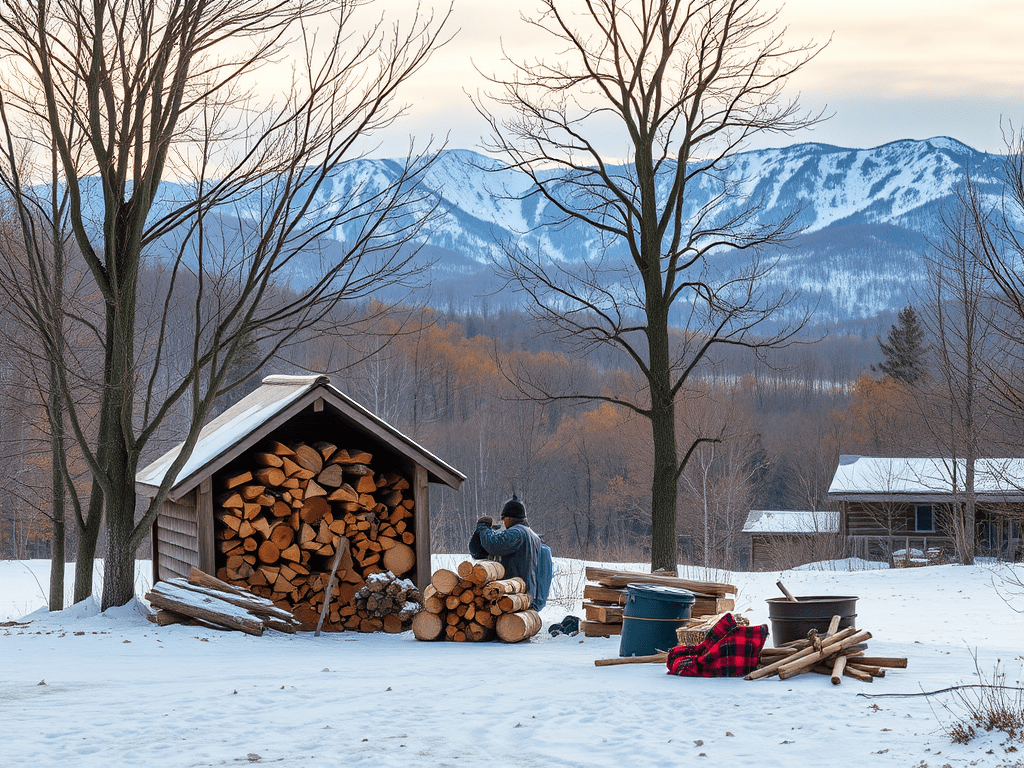
    • Firewood: Many families spend weekends splitting, stacking, and covering cords of wood. It is not just about heating but also about creating a sense of readiness.
    • Home winterization: Chimneys are cleaned, storm windows are installed, and any lingering drafts are sealed up. Generations of Vermonters have perfected the art of making old farmhouses and ski cabins winter-tight.
    • Wardrobe swap: Flannels, insulated boots, wool socks, and heavy coats are rotated into daily use. November is when mud boots start giving way to snow boots.

    Hunting Season Traditions

    November is also the heart of deer season. Rifle season is one of the most important traditions in the state, often marked on family calendars well in advance. It is more than hunting; it is a cultural event.

    • Family camps: Many Vermonters retreat to camps in the woods for a week of hunting, cooking hearty meals, and sharing stories around the fire.
    • Venison on the table: Butcher shops and processing centers are busy this time of year. Families enjoy venison roasts, stews, and jerky that carry them through the winter.
    • Respect for hunters: Bright orange jackets and hats, known as blaze orange, fill the woods. Even non-hunters respect the season, often adding orange vests when hiking to stay visible and safe.

    Seasonal Food and Drink

    November in Vermont brings a shift in the way locals eat and drink. The flavors become heartier and warmer, carrying families toward Thanksgiving and the winter holidays.

    • Apple cider: Fresh cider is still flowing, often mulled with cinnamon sticks for warmth on chilly evenings.
    • Thanksgiving meals: Vermont families incorporate local traditions into the holiday, with maple-glazed turkey, roasted root vegetables, and homemade pies often starring on the table.
    • Local brews and spirits: Breweries release seasonal stouts and porters, while distilleries highlight maple spirits and warming bourbons.
    • Farmstands and markets: With most stands closing for the season, November is when families stock up on potatoes, squash, and storage crops.

    Community Events and Gatherings

    Although quieter than summer or fall, November still brings people together in uniquely Vermont ways.

    • Craft fairs: Town halls and schools host holiday craft fairs where artisans sell handmade gifts, quilts, and maple products.
    • Community suppers: Church basements and firehouses often host turkey dinners, drawing neighbors together for a good meal and conversation.
    • High school sports: Championship games wrap up in early November, with football and soccer uniting small towns around their teams.
    • Holiday kickoffs: Some towns begin December celebrations early with parades and Christmas tree lightings, adding warmth to chilly evenings.

    Outdoor Recreation in November

    While many might imagine Vermont outdoor activities as limited to foliage hikes or ski slopes, November offers its own blend of recreation.

    • Hiking: Trails are open, though colder and quieter. A hike to a summit in November can provide unmatched solitude.
    • First snow sports: Higher elevations often get early snow, perfect for cross-country skiing or snowshoeing.
    • Fishing: Hardy anglers still take to rivers and lakes for late fall fishing.

    Quiet Time at Home

    With shorter days and colder nights, Vermonters also spend more time indoors. This slower pace is cherished by many.

    • Cozy evenings: Woodstoves become the centerpiece of family living rooms, with evenings spent reading, knitting, or watching movies.
    • Hearty cooking: Stews, breads, and maple desserts fill kitchens with comforting aromas.
    • A lull before ski season: November provides a natural pause before resorts and towns become bustling with winter visitors.

    Planning Ahead for the Holidays and Ski Season

    November is also a time for planning. For many Vermonters, this means preparing for the holidays or gearing up for ski season.

    • Ski preparation: Locals tune skis, buy passes, and watch weather forecasts closely. Resorts often aim to open by Thanksgiving if conditions allow.
    • Holiday readiness: Families plan for gatherings, order turkeys from local farms, and make travel arrangements for loved ones.

    Why Visiting in November Can Be Special

    For tourists, November in Vermont is not the flashy, crowded season of foliage or the polished excitement of ski season. Instead, it offers something more authentic.

    • Lower crowds: Lodging prices are often lower, and towns are less busy, making it easier to connect with locals.
    • Everyday life: Visitors get to see Vermont as it truly is, not dressed up for tourism but lived in by its residents.
    • Small-town charm: Coffee shops, diners, and general stores provide a welcoming environment where conversations come easily.

    Final Thoughts on Vermont in November

    November may not sparkle with peak foliage or fresh powder, but it is one of the most honest months in Vermont. It is a time of preparing, gathering, and slowing down. For those who want to see the state as Vermonters do, November offers a window into the everyday rhythms that make life here unique. Whether splitting firewood, enjoying a church supper, or savoring mulled cider, the month captures the essence of Vermont life.

    Shop Green Mountain Peaks on Etsy

    Bring a little piece of Vermont into your home with our curated collection of gifts, apparel, and seasonal favorites. From cozy hoodies and crewnecks to Vermont-themed gift boxes and cookbooks, each item is designed to celebrate the Green Mountain spirit.

    • Vermont-inspired designs and gift sets
    • Printed and packaged with care
    • Ships directly to your door
    Visit Our Etsy Shop

    Discover gifts, apparel, and Vermont treasures made to share and enjoy year-round.

  • Why Vermont’s Stick Season Shouldn’t Be Overlooked

    Why Vermont’s Stick Season Shouldn’t Be Overlooked

    Vermont is famous for its vibrant fall foliage and its snowy winter landscapes, but tucked between those two postcard-perfect moments lies a quieter, often overlooked time of year. Known as stick season, this stretch is when the last of the colorful leaves have fallen, the mountains are bare, and winter has not yet arrived. It may not be flashy, but stick season is Vermont at its most honest, and for those who know how to appreciate it, it offers something rare and special.

    What is Stick Season in Vermont?

    Stick season is the period between late October and early December when the bright foliage has dropped from the trees and before the first consistent snowfall. With the leaves gone, what remains are bare branches stretching across the hillsides, creating the iconic “stick” look that gives this time its name.

    Unlike foliage season, which draws crowds of leaf peepers from across the world, stick season is quiet and unassuming. The landscape takes on muted browns, grays, and golds, offering a different kind of beauty. For locals, it marks a seasonal shift from fall activity to winter preparation. For visitors, it can be a chance to experience Vermont in a slower, more authentic way.

    Why Stick Season Matters

    Stick season is more than just a pause between fall and winter. It’s an important time for Vermonters. Farmers wrap up harvests and prepare equipment for the cold months ahead. Small businesses take a breather after the rush of foliage season. Hunters head into the woods for deer season, a longstanding tradition. Families use the downtime to restock firewood, winterize homes, and gather for community suppers.

    For visitors, stick season matters because it is when Vermont reveals its truest self. Without crowds, without the distraction of foliage or snow, what remains is the heart of the state: its people, its traditions, and its rhythms.

    The Weather and Landscape of Stick Season

    Weather in stick season can be unpredictable. One day might bring sunshine and crisp air, while the next could deliver cold rain or an early dusting of snow. Temperatures dip into the 30s and 40s, with chilly nights and short days that hint at winter’s arrival.

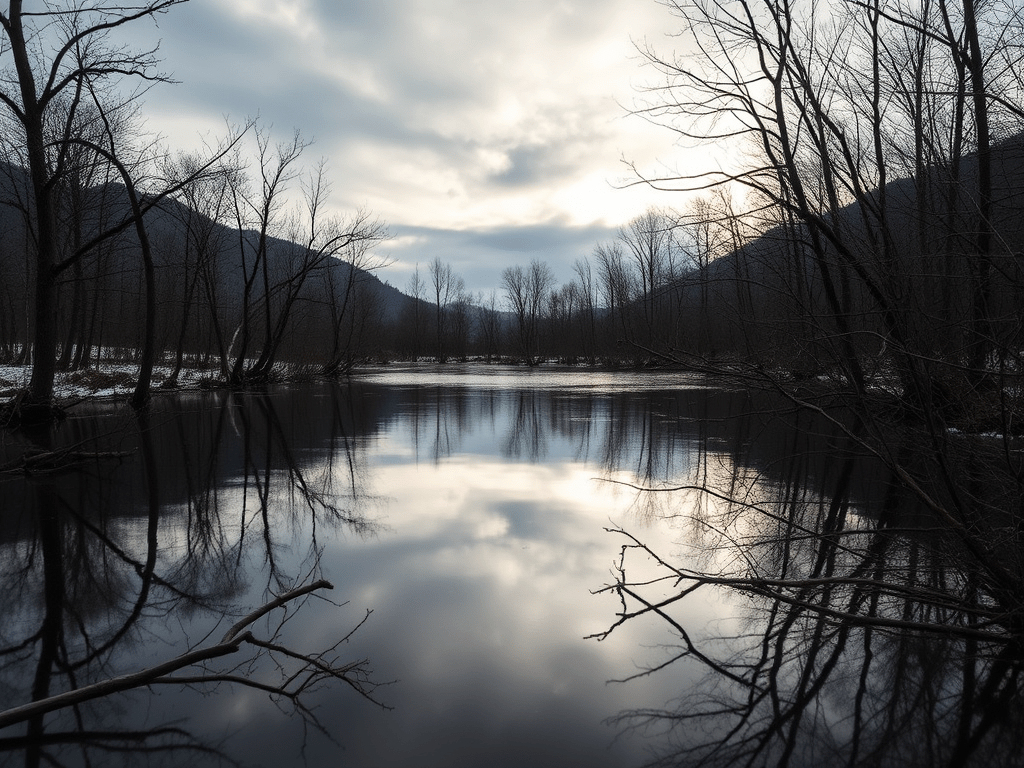
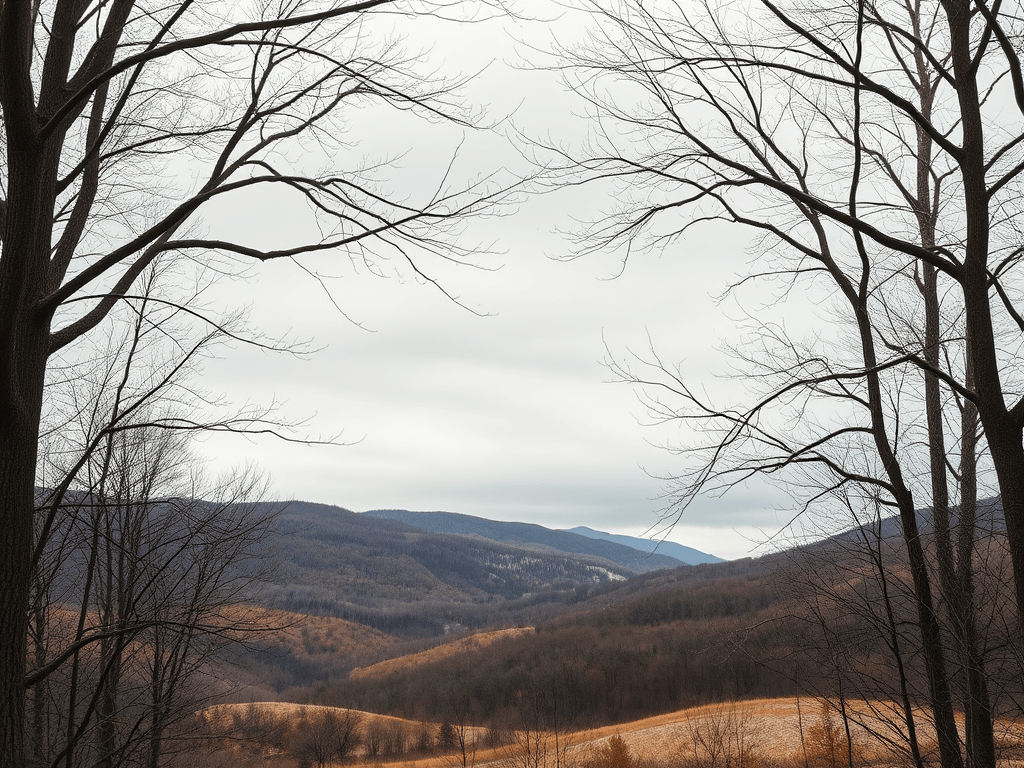
    The landscape shifts dramatically after foliage season. Once-brilliant trees now stand bare, their branches etched sharply against the sky. Hillsides look rugged and raw, showing the contours of Vermont’s mountains in ways hidden by summer’s green or autumn’s color. Some find it stark, but others see a quiet honesty in the stripped-down scenery. Wildlife becomes more visible, too, as deer, turkeys, and other animals move through the open woods.

    How Locals Embrace Stick Season

    Vermonters know how to make the most of stick season. While some may see it as bleak, locals embrace it as a season of preparation and connection.

    • Seasonal chores: Cutting, splitting, and stacking firewood for the long winter ahead is a hallmark of stick season. Homes are winterized, gardens are cleared, and snow shovels are pulled out of storage.
    • Community life: With fewer tourists, towns come together for church suppers, craft nights, and fall festivals. Deer season is an event in itself, with families gathering at hunting camps or sharing meals of venison stew.
    • Comfort food: Stick season calls for hearty meals. Dishes like mac and cheese, chili, chicken pot pie, and maple-baked desserts fill Vermont kitchens as temperatures drop.

    Things to Do in Vermont During Stick Season

    Even without the bright colors of fall or the snow-covered slopes of winter, there’s plenty to do in Vermont during stick season. In fact, it might be the best time for certain activities.

    • Scenic drives: Route 100 and Vermont’s backroads offer new views once the leaves are gone. With the trees bare, mountain ridgelines and old stone walls come into view.
    • Hiking: Trails are quieter, and while the scenery is different, the open views of valleys and mountainsides are striking. Popular hikes like Camel’s Hump or Sterling Pond take on a new feel in the late fall light.
    • Breweries and distilleries: Vermont’s craft beverage scene is in full swing year-round. Stick season is a perfect time to warm up with a flight of beer, cider, or whiskey at a local tasting room.
    • Museums and cultural sites: From the Shelburne Museum to small town historical societies, stick season invites exploration indoors. Fewer crowds make it easy to take your time.
    • Shopping small: General stores, holiday craft fairs, and local shops offer unique finds. With the holidays approaching, it’s a good time to pick up Vermont-made gifts.

    Why Tourists Shouldn’t Overlook Stick Season

    Most visitors think of Vermont in terms of peak foliage or ski season, but stick season has its own appeal. In fact, travelers who come during this time often find it to be one of their most rewarding trips.

    • Lower costs: Lodging is more affordable and availability is wide open compared to the busy seasons.
    • Personalized experiences: With fewer tourists, conversations with locals feel more genuine, and service in restaurants and inns is more relaxed and welcoming.
    • Peace and quiet: For those looking to escape the bustle, stick season offers Vermont at its most tranquil.

    Stick Season in Vermont’s Culture and Arts

    Stick season has long inspired Vermonters. The muted tones of the landscape call to painters, photographers, and writers who see poetry in the quiet hills. More recently, musician Noah Kahan put stick season on the national stage with his hit album named for the time of year. His lyrics capture both the rawness of Vermont’s late autumn and the emotional honesty the season represents.

    For artists, stick season is a metaphor for resilience and simplicity. For visitors, it’s a chance to connect with that same sense of stillness and authenticity.

    Preparing for Stick Season Travel

    If you plan to visit Vermont in stick season, preparation is key. The weather can shift quickly, so having the right gear makes all the difference.

    • Pack warm layers, including sweaters, flannels, and insulated jackets.
    • Bring sturdy boots that can handle mud or an early dusting of snow.
    • Expect shorter daylight hours and plan hikes or drives accordingly.
    • Keep a flexible itinerary, mixing indoor activities with outdoor adventures depending on the forecast.

    Final Thoughts: Vermont at Its Most Honest

    Stick season may never be Vermont’s most famous time of year, but it just might be its most authentic. The leaves are gone, the tourists have thinned, and winter has yet to arrive. What’s left is the real Vermont: hardworking, resilient, and beautiful in its simplicity.

    For travelers willing to look beyond the obvious, stick season offers a unique chance to connect with the state on a deeper level. Whether you’re hiking a quiet trail, sipping cider by a woodstove, or simply admiring the raw ridgelines, you’ll see Vermont as it truly is. That honesty is what makes stick season unforgettable.

    Shop Green Mountain Peaks on Etsy

    Bring a little piece of Vermont into your home with our curated collection of gifts, apparel, and seasonal favorites. From cozy hoodies and crewnecks to Vermont-themed gift boxes and cookbooks, each item is designed to celebrate the Green Mountain spirit.

    • Vermont-inspired designs and gift sets
    • Printed and packaged with care
    • Ships directly to your door
    Visit Our Etsy Shop

    Discover gifts, apparel, and Vermont treasures made to share and enjoy year-round.

  • Why Everyone Feels Welcome in Vermont

    Why Everyone Feels Welcome in Vermont

    Some places have a way of wrapping around you the moment you arrive. Vermont is one of those rare places. It greets you with quiet roads, rolling hills, and a sense that you’ve been here before, even if it’s your first time. There’s something deeply familiar about it, something that makes you breathe a little easier and slow down without trying. Vermont has a way of making everyone feel like they belong.

    The Magic of Feeling at Home in Vermont

    It doesn’t take long to understand why so many people describe Vermont as comforting. The towns feel as if they’ve been waiting for you. The post office clerk remembers your name, the innkeeper asks about your travels, and before you know it, you’re chatting with strangers as though you’ve known them for years. That’s the quiet magic of Vermont. It feels like coming home, no matter where you’re from.

    Visitors often say the same thing: “It just feels right here.” Maybe it’s the peaceful pace of life or the way the mountains stand tall and steady. Maybe it’s how people wave when you drive by, even if they don’t know you. In Vermont, kindness is simple and real, and it never feels out of place.

    The Warmth Behind the Welcome

    Small-Town Connections and Genuine Kindness

    In Vermont, small towns aren’t just places on a map. They are living communities where people take care of one another. Step into a general store in Grafton, a café in Middlebury, or a farmers market in Stowe, and you’ll find that conversation comes naturally. Vermonters have a way of making you feel like you’re part of the neighborhood from the moment you arrive.

    Maybe it’s a farmer explaining how this year’s maple crop turned out or an artist sharing the story behind their craft. Whatever it is, there’s a sincerity in these interactions that makes you feel comfortable right away. It doesn’t come from trying to impress anyone. It comes from being genuine.

    Conversations That Feel Like Catching Up

    In most places, small talk fills silence. In Vermont, it feels like catching up with an old friend. You can walk into a sugarhouse during mud season and end up staying an hour, sipping warm syrup and trading stories. Or you might meet an innkeeper who tells you about the history of their property with pride in every word.

    That warmth doesn’t come from a script. It comes from a true interest in people and a shared appreciation for this small but remarkable state.

    The Scenery That Feels Like a Hug

    Rolling Hills, Forest Trails, and Open Skies

    There’s a quiet comfort in Vermont’s landscape. Every drive along Route 100, every covered bridge, and every forest trail seems to invite you to slow down and look around. The Green Mountains stretch out like an old friend, familiar and steady. The air smells like pine and wood smoke in winter and like fresh-cut grass and lilac in spring.

    When you wake up to mist drifting over a meadow or the sound of a rooster in the distance, it’s easy to understand why people feel at peace here. The land doesn’t just surround you. It holds you.

    Every Season Feels Like a Chapter in a Story

    Each season in Vermont carries its own sense of home. Autumn paints the hills in shades of red and gold, wrapping the state in cozy color. Winter invites you to gather around fireplaces and watch the snow fall softly outside the window. Spring smells like promise, like the earth waking up again. Summer is filled with porch evenings, farmers markets, and long drives with the windows open.

    There’s no wrong season here, only new reasons to love it. The rhythm of Vermont’s seasons becomes familiar, even to visitors who only come once or twice a year.

    Comfort in the Simple Things

    A Slower Pace That Lets You Breathe

    Life in Vermont moves at its own pace. The traffic lights are few, the noise is low, and time feels different. A morning coffee enjoyed on a wooden porch somehow lasts longer. A walk through a small town feels more meaningful when you’re not rushing anywhere. Visitors often find themselves adjusting to this slower rhythm without even realizing it.

    In a world that constantly pushes for more, Vermont quietly encourages you to pause. It invites you to enjoy life as it is, not as it should be.

    Local Food That Feels Like Home Cooking

    Vermont’s food is simple, honest, and comforting. From maple syrup poured over pancakes to sharp cheddar on a cutting board, meals here are about connection as much as flavor. The state’s farm-to-table roots run deep, and that freshness shines through in every bite. Whether it’s apple pie from a roadside stand or homemade soup at a country inn, the flavors remind you of family and tradition.

    Even if you’ve never been here before, sitting down to eat in Vermont somehow feels familiar. It’s the kind of warmth that turns a meal into a memory.

    Places That Embrace You Like Family

    Inns, Cabins, and Cozy Corners

    There’s something special about staying in Vermont. Maybe it’s the crackle of a wood stove in a bed-and-breakfast or the handwritten note from your hosts welcoming you. Even the smallest cabin tucked into the woods feels like it’s been cared for, as if it’s waiting just for you. Each place has its own story, and those stories become part of your stay.

    From lakeside cottages in the Islands to historic inns in Woodstock or Manchester, the sense of comfort never changes. It’s personal, not polished. Cozy, not complicated. Just like home should be.

    Local Traditions That Welcome Everyone

    In Vermont, traditions aren’t just for locals. Visitors are always welcome to join. You might find yourself at a sugar-on-snow party in March, sipping coffee while maple syrup hardens on fresh snow. Or you might be standing shoulder to shoulder at a small-town fair, cheering as the parade passes by. Holiday weekends, farmers markets, and community suppers all carry the same spirit of togetherness.

    There’s no need to be from here to feel like you belong. Vermont’s open-hearted nature makes sure of that.

    When a Visit Turns Into a Dream of Staying

    It happens more often than you’d expect. People come for a weekend and end up house hunting before they leave. Maybe it’s the quiet mornings, the local schools, or the comfort of knowing your neighbors. Whatever the reason, Vermont captures hearts. It’s a place where life feels intentional and where home means something more than just a roof and walls.

    That’s why so many who visit eventually find a reason to stay. They discover that the feeling that made them fall in love with Vermont on vacation is the same feeling they want in everyday life. The peace. The space. The people. It all fits together here in a way that’s hard to forget.

    Closing Reflections: Feeling at Home, Wherever You Are

    Whether you’re driving through for a weekend or planning to stay forever, Vermont has a way of staying with you. It reminds you what home really means. Home is not only a place but a feeling. It’s comfort, connection, and belonging, all wrapped in the sound of rustling leaves and the sight of mountains in the distance.

    When you leave Vermont, you take a bit of it with you. Maybe that’s why it feels like home, even if you’re just visiting.

    Shop Green Mountain Peaks on Etsy

    Bring a little piece of Vermont into your home with our curated collection of gifts, apparel, and seasonal favorites. From cozy hoodies and crewnecks to Vermont-themed gift boxes and cookbooks, each item is designed to celebrate the Green Mountain spirit.

    • Vermont-inspired designs and gift sets
    • Printed and packaged with care
    • Ships directly to your door
    Visit Our Etsy Shop

    Discover gifts, apparel, and Vermont treasures made to share and enjoy year-round.

  • Explore Vermont’s Spookiest Inns and Hotels

    Explore Vermont’s Spookiest Inns and Hotels

    Vermont is filled with old inns, historic hotels, and country estates that have been standing for centuries. With that much history, it is no surprise that some of them are said to be haunted. For travelers who enjoy a touch of the supernatural with their stay, these haunted Vermont hotels and inns offer a blend of charm, history, and ghostly legends.

    Why Vermont Is Perfect for Haunted Getaways

    Vermont’s landscape of covered bridges, mountain towns, and historic colonial buildings makes it the ideal setting for ghost stories. Many inns and hotels have been operating since the 18th or 19th century, carrying with them the stories of past owners, travelers, and townsfolk. For visitors, the idea of spending a night where spirits might linger adds to the excitement of a Vermont getaway. Haunted tourism has become popular because it blends folklore with real experiences, allowing guests to immerse themselves in both history and mystery.

    Top Haunted Hotels and Inns in Vermont You Can Book

    Unlike ghost stories that take place in abandoned buildings, Vermont’s haunted hotels and inns are active, welcoming guests who are eager to experience both comfort and chills. Here are some of the most notable places where you can check in and maybe encounter more than you expected.

    Green Mountain Inn, Stowe

    The Green Mountain Inn, built in 1833, is one of the most famous haunted hotels in Vermont. Guests and staff have long told stories of Boots Berry, a beloved inn employee who became known for his tap-dancing. After his tragic death, people claim to still hear the sound of tap shoes echoing through the halls during storms. While many travelers come for the cozy rooms and downtown Stowe location, some leave with stories of ghostly encounters.

    The Quechee Inn at Marshland Farm, Quechee

    Built in 1793, the Quechee Inn was once the home of Colonel Joseph Marsh, Vermont’s first lieutenant governor. Guests have reported hearing footsteps in empty hallways, doors opening on their own, and an unexplained sense of presence in certain rooms. The inn’s atmosphere combines New England charm with an added layer of intrigue, making it a favorite for visitors curious about the paranormal.

    The Middlebury Inn, Middlebury

    The Middlebury Inn has been hosting guests since 1827. With nearly two centuries of history, it is no wonder some believe former residents never checked out. Rumors of Victorian-era spirits wandering the halls are common, and the inn embraces its reputation while still offering an elegant, modern stay. For those who enjoy history and a touch of mystery, the Middlebury Inn delivers both.

    The Historic Brandon Inn, Brandon

    Dating back to 1786, the Brandon Inn has welcomed generations of travelers and is said to host a few permanent residents as well. Guests and staff have reported unusual happenings, from unexplained noises to shadowy figures. Brandon itself is known for small-town charm, and staying at the inn allows visitors to enjoy local culture while also keeping an eye out for the supernatural.

    Norwich Inn, Norwich

    The Norwich Inn, founded in 1797, has a long history intertwined with the town’s development. After a fire in 1889, it was rebuilt, but many say spirits remained. One of the most reported apparitions is that of the inn’s original owner, who is said to linger in the rooms and common areas. Today, the inn offers craft beer, dining, and comfortable accommodations, making it an appealing stop with an added ghostly bonus.

    The Shelburne Inn at Shelburne Farms, Shelburne

    The historic Shelburne Farms estate includes accommodations where guests can stay overnight. With its vast history tied to one of Vermont’s wealthiest families, it is no surprise that ghost stories have grown around the halls of the estate. Visitors have described an uncanny feeling of being watched or hearing noises in otherwise empty areas. Staying here combines luxury with legend, making it one of Vermont’s most intriguing overnight experiences.

    What to Expect When Staying at a Haunted Hotel

    For those new to haunted tourism, it helps to know what to expect. Most reported activity includes footsteps in hallways, voices when no one is there, and doors opening or closing without explanation. While the idea may sound frightening, most accounts describe the spirits as harmless, even friendly. The eerie atmosphere can make the experience thrilling rather than terrifying, adding a special twist to a Vermont getaway.

    Tips for Planning Your Haunted Stay

    • Book early: Haunted inns are especially popular in the fall and around Halloween, so reservations fill quickly.
    • Ask about haunted rooms: Some hotels will tell you which rooms have the most activity if you ask.
    • Bring an open mind: Whether you encounter something or not, the history and stories are part of the fun.
    • Pair with local attractions: Many haunted inns are near ghost tours, historic sites, or scenic fall drives.

    Is It Worth Staying in a Haunted Hotel?

    For many travelers, the answer is yes. A haunted hotel stay offers a memorable blend of history and excitement. Couples often book them for a fun and slightly spooky romantic getaway, while friend groups enjoy the shared thrill of possibly encountering a ghost. Even if nothing unusual happens, the stories and atmosphere make the experience unique. Plus, you get to enjoy the comfort of Vermont’s best inns and hotels while adding an unforgettable twist to your trip.

    Final Thoughts on Haunted Hotels in Vermont

    Vermont’s haunted hotels and inns invite guests to experience the state’s deep history in an unusual way. Whether it is the sound of tap-dancing shoes in Stowe or unexplained footsteps in Quechee, the combination of folklore and hospitality creates a stay that is both welcoming and mysterious. If you are planning a visit, consider booking one of these legendary spots and discover for yourself what makes Vermont a top destination for haunted getaways.

    Shop Green Mountain Peaks on Etsy

    Bring a little piece of Vermont into your home with our curated collection of gifts, apparel, and seasonal favorites. From cozy hoodies and crewnecks to Vermont-themed gift boxes and cookbooks, each item is designed to celebrate the Green Mountain spirit.

    • Vermont-inspired designs and gift sets
    • Printed and packaged with care
    • Ships directly to your door
    Visit Our Etsy Shop

    Discover gifts, apparel, and Vermont treasures made to share and enjoy year-round.

  • Exploring Halloween Traditions in Old Vermont

    Exploring Halloween Traditions in Old Vermont

    Introduction: A Glimpse Into Vermont’s Spooky Past

    Halloween in old Vermont looked very different from the holiday we know today. Instead of flashy costumes and candy overflowing from plastic buckets, celebrations were tied to the rhythms of the harvest, the stories whispered in small communities, and the traditions passed down from immigrant families. By looking back at how Vermonters once celebrated, we uncover a holiday that was simpler, sometimes darker, and deeply rooted in both community and superstition.

    The Roots of Halloween in Rural Vermont

    Much of Vermont’s early Halloween culture was shaped by Irish and Scottish immigrants. These groups carried with them the Celtic festival of Samhain, a holiday that marked the end of the harvest season and the beginning of the darker half of the year. In rural Vermont, where farming defined daily life, this seasonal shift was especially important.

    The belief that spirits could cross more easily into the human world around this time blended naturally with Vermont’s own folklore. The long, cold nights and isolated villages gave rise to a culture that valued both storytelling and cautionary tales. Old World superstitions merged with local legends, creating a unique Vermont take on Halloween.

    Bonfires and Harvest Gatherings

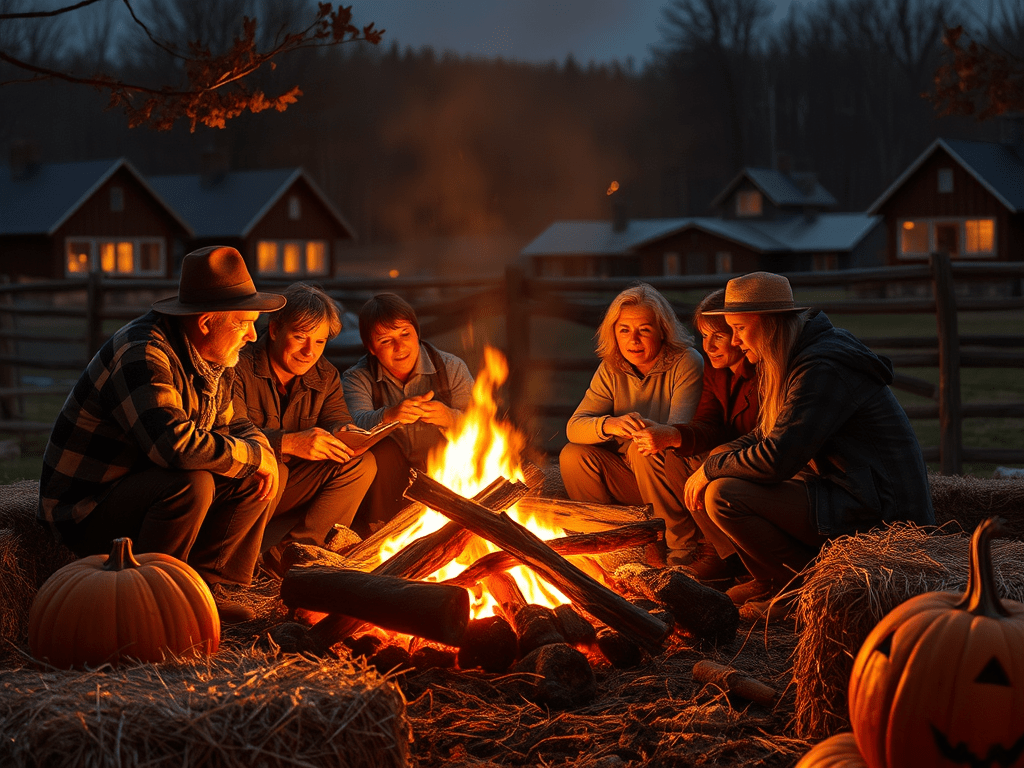
    Long before pumpkin carving contests or downtown parades, Halloween often meant bonfires. Communities would gather on farm fields or town greens, piling wood high to light the night. These gatherings had a dual purpose: they were celebrations of the harvest and symbolic acts of protection against wandering spirits.

    Food was central to these evenings. Families would bring what they had on hand—apple pies, maple sugar candies, roasted pumpkin seeds, or jugs of cider. Sharing food created a sense of unity during the season when farmers had just completed their hardest work of the year. The bonfires became both a practical source of warmth and a cultural anchor that tied Halloween to the harvest cycle.

    Ghost Stories Told by Firelight

    In a time before television or the internet, storytelling was one of Vermont’s greatest traditions. Halloween nights were the perfect stage for ghost stories. Families and neighbors would circle around fires or sit in dimly lit parlors, sharing tales that had been told for generations.

    Many stories were tied to local legends. The tale of Emily’s Bridge in Stowe, said to be haunted by a young woman who died tragically, was a favorite in some regions. Others spoke of the mysterious Lake Champlain monster or the spirits rumored to linger in historic inns. The act of telling these stories reinforced community bonds and gave children a healthy dose of both fright and fascination.

    Halloween Mischief in the Villages

    Pranks were another hallmark of old Vermont Halloweens. Mischief Night, as it was sometimes called, saw local youth playing tricks on their neighbors. Rather than the egging or toilet-papering we might think of today, their mischief often involved tipping over wagons, removing gates from fences, or switching signs on shops.

    While these antics sometimes caused frustration, they were usually tolerated as a harmless part of the season. Communities had an unspoken understanding that Halloween was a time for bending the rules, so long as no one was seriously harmed. Local constables kept an eye on the activities, stepping in only if the mischief went too far.

    Costumes and Homemade Masks

    Costumes in old Vermont were homemade out of necessity. Families could not purchase outfits from a store, so they used what they had on hand. Old sheets turned into ghostly figures, carved wooden masks gave children a frightful appearance, and worn farm clothes created makeshift disguises.

    The homemade nature of these costumes added to their eerie quality. A rough-hewn mask or an oversized coat looked less polished but far more haunting under the glow of a lantern. This kind of creativity reflected the resourcefulness of Vermont families who made do with limited means.

    Old Vermont Treats and Seasonal Foods

    Halloween treats were not the bags of store-bought candy we associate with the holiday today. Instead, children might receive caramel apples, maple candy, cider donuts, or a slice of pumpkin pie. Neighbors often baked for one another, offering warm and hearty foods rather than small, packaged sweets.

    Maple, a Vermont staple, often found its way into these seasonal treats. Maple taffy pulled on the snow or hard maple candies shaped like leaves were common indulgences. These foods tied the holiday to local agriculture and traditions, keeping the celebration closely linked to the land.

    Churches, Community Halls, and Schoolhouse Celebrations

    Not all Halloween gatherings were informal. Many communities organized events in schoolhouses, churches, or town halls. These parties included barn dances, apple bobbing, and parlor games. Parents appreciated these events as they provided a safer environment for children than roaming the countryside in the dark.

    Church groups often hosted harvest parties around Halloween, blending secular traditions with community fellowship. These events became a hallmark of small Vermont towns, ensuring that Halloween was not only about pranks and ghost stories but also about coming together in joy and play.

    Vermont Folklore and Superstitions

    Halloween was also a time when old superstitions rose to the surface. Stories of witches wandering the hills, black cats crossing one’s path, or omens seen in the weather were common. Vermonters often paid attention to how the wind blew or how the sky looked on Halloween night, interpreting these signs as predictors for the winter ahead.

    Some tales served as warnings to children, urging them not to wander too far from home. Others were playful, passed down as a way to keep the holiday mysterious. Whether believed or not, these superstitions gave Halloween an edge of the unknown, reinforcing its role as a night when the ordinary rules of the world felt suspended.

    From Old Traditions to Modern Celebrations

    By the early 20th century, Halloween in Vermont began to resemble the holiday we know today. Trick-or-treating gradually replaced the old style of neighborhood visits, and candy manufacturers shaped the modern culture of sweets. Yet many rural towns held on to elements of the past. Bonfires, ghost stories, and homemade treats remained part of small-town gatherings well into the mid-1900s.

    Today, echoes of these old traditions can still be found. Communities across Vermont host harvest festivals, haunted hayrides, and storytelling nights that honor the spirit of the past. Though costumes are now store-bought and candy comes in bright wrappers, the charm of old Vermont Halloweens continues to inspire celebrations each fall.

    Conclusion: Keeping the Spirit Alive

    Halloween in old Vermont was a holiday woven from folklore, food, and fellowship. It reflected the creativity of rural families, the importance of community bonds, and the enduring power of spooky tales told by firelight. While modern traditions have changed how we celebrate, the heart of Halloween—the thrill of the unknown and the joy of gathering together—remains the same.

    Visitors and locals alike can still find traces of this history in Vermont’s haunted inns, community festivals, and fall traditions. By looking back at how the holiday was once celebrated, we keep the spirit of old Vermont alive and add depth to our own Halloween memories.

    Shop Green Mountain Peaks on Etsy

    Bring a little piece of Vermont into your home with our curated collection of gifts, apparel, and seasonal favorites. From cozy hoodies and crewnecks to Vermont-themed gift boxes and cookbooks, each item is designed to celebrate the Green Mountain spirit.

    • Vermont-inspired designs and gift sets
    • Printed and packaged with care
    • Ships directly to your door
    Visit Our Etsy Shop

    Discover gifts, apparel, and Vermont treasures made to share and enjoy year-round.

  • Haunting Urban Legends of Vermont

    Haunting Urban Legends of Vermont

    Vermont may be known for maple syrup, covered bridges, and breathtaking mountain views, but beneath the postcard-perfect image runs a current of eerie folklore. The state’s small towns and shadowed forests have given rise to urban legends that refuse to fade away. These stories blur the line between truth and myth, captivating locals and unnerving visitors who stumble upon them. From monstrous creatures to cursed families, Vermont’s urban legends have a way of getting under your skin.

    The Chilling Allure of Vermont’s Urban Legends

    Urban legends differ from ghost stories in that they often mix rumor, superstition, and local history into a tale that feels just believable enough to be true. Vermont, with its isolated villages and mysterious mountain ranges, has long been fertile ground for such stories. Oral tradition has kept these legends alive, whispered around campfires and retold at small-town diners.

    Unlike historical hauntings tied to specific tragedies, urban legends often contain an element of warning, testing bravery, or explaining the unexplainable. That’s part of what makes them endure in Vermont, where the wilderness still feels untamed and nature itself sometimes seems to conspire with folklore.

    The Pigman of Northfield

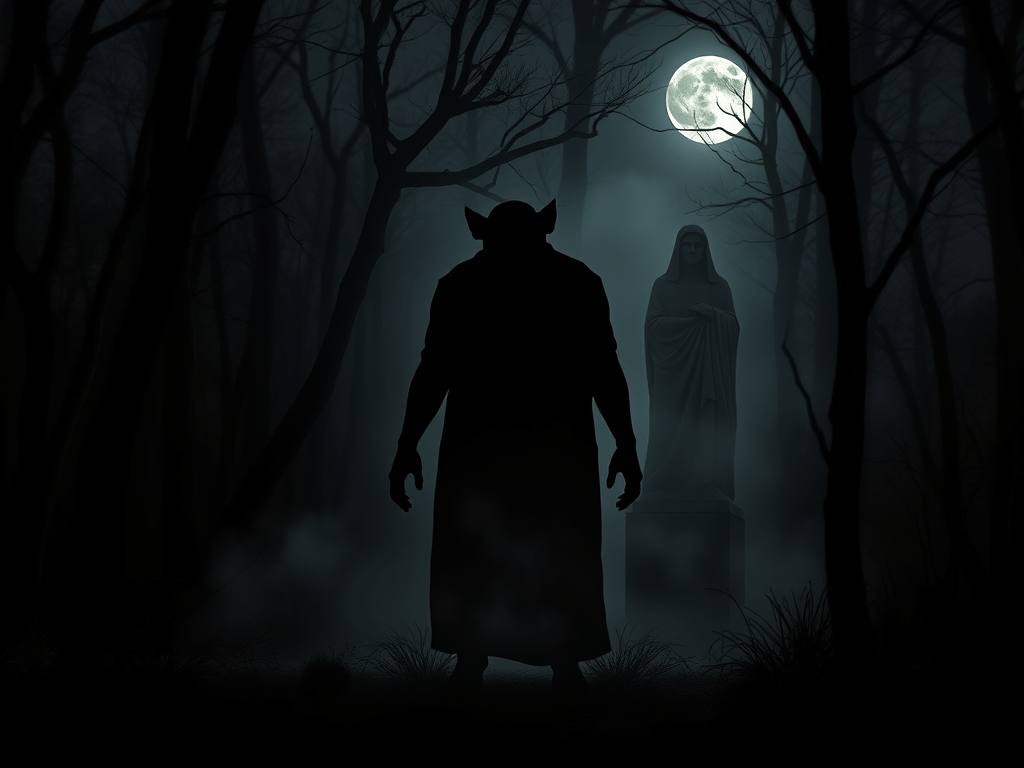
    Perhaps the most infamous Vermont urban legend is the Pigman of Northfield. According to local lore, the creature first appeared in the early 1970s, shocking high school students who stumbled upon a half-man, half-pig figure lurking near a wooded area. Some said he wore a hollow pig’s head as a mask, while others insisted his face was naturally pig-like.

    The story spread quickly among teenagers at Norwich University and Northfield High School, with late-night dares to spot the Pigman becoming a rite of passage. Reports of claw marks on barns and strange noises in the dark added to the mystery. While skeptics dismiss the Pigman as nothing more than an elaborate prank, many in Northfield still speak of him in hushed tones. The legend endures because no one has ever fully explained the sightings.

    The Black Agnes Statue in Montpelier

    In Green Mount Cemetery in Montpelier stands a statue known as Black Agnes. At first glance, it is a somber bronze figure of a woman seated on a bench, a traditional funerary sculpture. But the legend surrounding it is anything but ordinary. Locals warn that anyone who dares to sit on the lap of Black Agnes will die within seven years.

    This eerie reputation has made the statue a popular dare among teenagers and thrill-seekers. Some say they’ve felt an unnatural chill when near the sculpture, while others claim to have experienced bad luck soon after their encounter. Whether or not the curse is real, the story has cemented Black Agnes as one of Vermont’s most unsettling urban legends.

    The Bennington Triangle

    Few Vermont legends have received as much attention as the Bennington Triangle. Coined by author Joseph Citro, the term refers to an area surrounding Glastenbury Mountain where multiple people vanished between 1945 and 1950. Hikers, hunters, and even a seasoned guide disappeared without a trace, sparking decades of speculation.

    Some believe strange energies or magnetic forces play a role, while others point to tales of a cursed Native American land. UFO sightings and Bigfoot theories have also been tied to the triangle. To this day, hikers report an uneasy feeling when venturing into the Glastenbury wilderness. The combination of historical disappearances and modern unease keeps the legend alive.

    The Hayden Family Curse of Albany

    In the town of Albany, the once-prosperous Hayden family left behind a story that still unsettles Vermonters. During the 1800s, the Haydens amassed a fortune from mills and land. But whispers of greed and betrayal surrounded their rise. According to legend, a curse fell upon the family, ensuring their wealth would bring only misery and downfall.

    The Hayden estate eventually fell into ruin, and the family line dwindled under tragic circumstances. Locals claimed the curse had finally consumed them. Today, visitors to the area speak of a heavy atmosphere lingering where the estate once stood. The Hayden curse has become part cautionary tale, part eerie mystery about how prosperity can come at a terrible price.

    The Devil’s Washbowl in Moretown

    Hidden in Moretown is a natural rock basin known as the Devil’s Washbowl. Folklore says the devil himself once used the pool to wash his clothes, leaving behind a sinister aura. Strange echoes and eerie acoustics only enhance the site’s reputation as a place of unnatural power.

    Hikers and explorers often visit the washbowl, drawn by both its natural beauty and its unsettling reputation. On quiet days, the sound of water dripping into the basin can resemble whispers. While most agree the story is just colorful folklore, the name alone is enough to give visitors pause.

    Lake Memphremagog’s Monster, “Memphré”

    Lake Champlain’s Champ may be the more famous monster, but Lake Memphremagog in the Northeast Kingdom has its own legendary creature: Memphré. Sightings of the serpentine beast date back to the 1800s, with fishermen and boaters reporting a massive, undulating shape breaking the surface of the lake.

    Much like Scotland’s Loch Ness Monster, Memphré has inspired both skepticism and devotion. Some believe the creature is a prehistoric survivor, while others chalk it up to misidentified logs or waves. Regardless, the legend has become part of the lake’s identity. Visitors often come hoping to catch a glimpse, cameras ready for proof of the elusive monster.

    The Richmond Round Church’s Protective Powers

    Built in 1812, the Round Church in Richmond is famous for its unique circular design. According to local legend, the shape was chosen to ward off evil. Because the building has no corners, the devil would have nowhere to hide. For generations, Vermonters have repeated this story as a charming explanation for the unusual architecture.

    While the real reason for the design was likely practicality and aesthetics, the legend of the Round Church has become an inseparable part of its lore. Visitors touring the site often hear both the historical and the folkloric explanations, blending fact and myth into one unforgettable story.

    Why These Legends Still Thrive

    Part of what makes Vermont’s urban legends endure is their ability to adapt with time. Each generation finds new ways to retell the stories, whether in print, at Halloween gatherings, or online forums. These tales provide a thrill, a sense of connection, and sometimes even a cautionary message about venturing too far into the unknown.

    For locals, the legends are a reminder of the state’s deep roots in mystery and folklore. For tourists, they add another layer to exploring Vermont, turning scenic drives and hikes into adventures filled with hidden stories. The mix of entertainment and unease ensures that these legends will not be forgotten.

    Tips for Exploring Vermont’s Legends Yourself

    • Visit Green Mount Cemetery in Montpelier to see the Black Agnes statue, but respect the grounds as an active cemetery.
    • Drive through Northfield and ask locals about the Pigman, a tale still shared in hushed tones.
    • Hike cautiously in the Bennington Triangle, sticking to marked trails and going with a group.
    • Stop by the Richmond Round Church, where fact and folklore blend in fascinating ways.
    • Explore Lake Memphremagog on a boat tour and keep an eye out for Memphré.

    When exploring Vermont’s urban legends, always remember to be respectful of private property and sensitive to local traditions. The stories may give you chills, but they are also an important part of Vermont’s cultural heritage.

    From cursed families to mysterious creatures, Vermont’s urban legends show that even in a state known for peace and beauty, there’s room for a little fear and wonder. These tales keep history alive, connect communities, and invite travelers to see the Green Mountains in a whole new light.

    Shop Green Mountain Peaks on Etsy

    Bring a little piece of Vermont into your home with our curated collection of gifts, apparel, and seasonal favorites. From cozy hoodies and crewnecks to Vermont-themed gift boxes and cookbooks, each item is designed to celebrate the Green Mountain spirit.

    • Vermont-inspired designs and gift sets
    • Printed and packaged with care
    • Ships directly to your door
    Visit Our Etsy Shop

    Discover gifts, apparel, and Vermont treasures made to share and enjoy year-round.