Discover Vermont, One Story at a Time 🏔️

Local culture, season adventures, small towns,
and the honest side of life in the Green Mountains


Tag: historic towns in Vermont

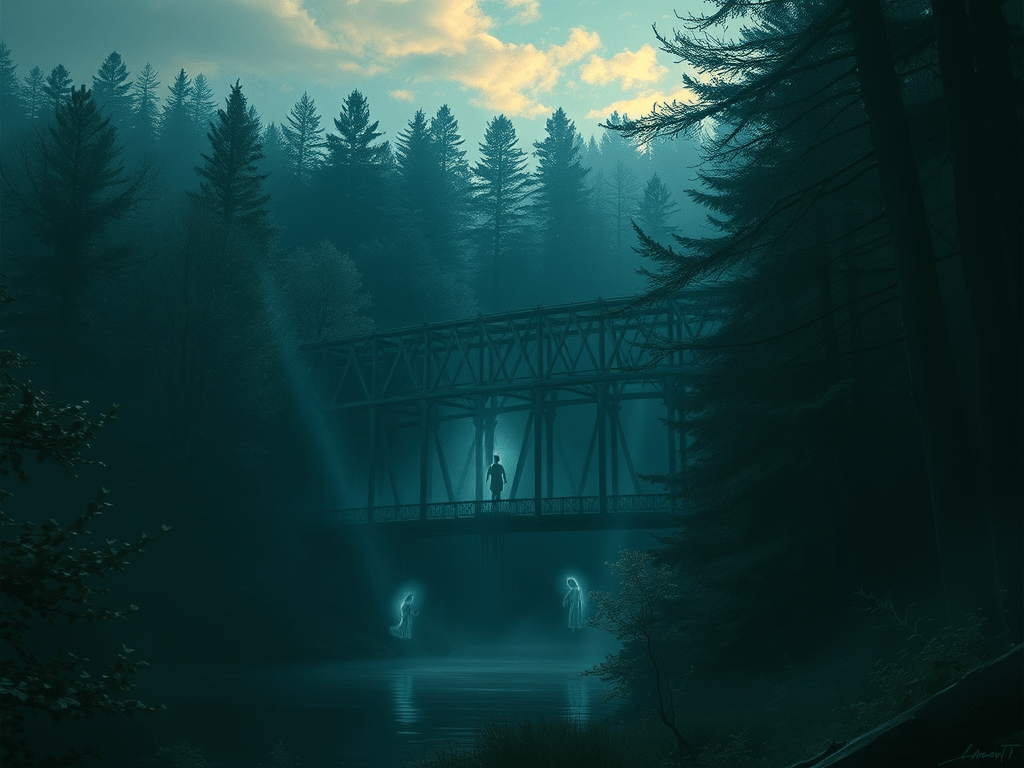
  • Haunting Vermont: Discover Its Ghostly Legends

    Haunting Vermont: Discover Its Ghostly Legends

    Vermont may be known for maple syrup, mountain hikes, and fall foliage, but it also has a spookier side. With centuries-old towns, covered bridges, and historic inns, it is the perfect setting for chilling tales that continue to capture imaginations. Whether you are visiting for the first time or have lived here for years, Vermont’s ghost stories add another layer of intrigue to the Green Mountain State.

    Why Vermont Is a Perfect Place for Ghost Stories

    The combination of New England history and Vermont’s quiet rural character creates the ideal backdrop for folklore. Old inns, colonial-era homes, and narrow mountain passes are filled with legends passed down through generations. Locals tell these tales to keep traditions alive, and visitors often seek them out to experience Vermont from a different angle. Ghost stories are more than spooky entertainment here; they are part of the cultural fabric.

    Northern Vermont’s Chilling Legends

    Emily’s Bridge in Stowe

    One of Vermont’s most famous ghost stories centers on Gold Brook Bridge, better known as Emily’s Bridge. According to legend, a young woman named Emily was supposed to meet her lover at the bridge. When he never arrived, she took her own life. Since then, visitors have reported scratches appearing on their cars, footsteps on the bridge at night, and even the sound of a woman crying. Stopping by this covered bridge at dusk is not for the faint of heart.

    Smugglers’ Notch Spirits

    The winding pass through Smugglers’ Notch has long been associated with outlaws and bootleggers. During Prohibition, the caves and narrow passages were used to hide liquor. Today, hikers sometimes speak of eerie voices echoing from the cliffs and the feeling of being watched along the trail. The mix of history and isolation makes Smugglers’ Notch a hotspot for ghostly encounters.

    Hyde Manor Ruins in Sudbury

    Though technically central Vermont, Hyde Manor sits just south of the mountains and is one of the state’s most notorious haunted sites. This once-luxurious resort hosted guests in the 1800s before falling into ruin. Urban explorers and passersby have reported glowing lights in empty windows and the sound of music from a ballroom long since collapsed. The crumbling remains of Hyde Manor are enough to send a shiver down anyone’s spine.

    Central Vermont Hauntings

    Norwich University Ghosts

    As the oldest private military college in the country, Norwich University has no shortage of stories. Cadets talk of footsteps marching in empty halls, shadowy figures standing guard, and unexplained doors slamming shut. The university’s long military history has created a fertile ground for ghost legends that new students still whisper about.

    Barre Opera House

    The Barre Opera House, a historic performance venue, is beloved for its beauty but also whispered about for its hauntings. Musicians claim to hear phantom notes, and visitors report cold spots while sitting in the audience. Some believe former stagehands and performers return to the theater, unwilling to leave the spotlight behind.

    Vermont State Hospital in Waterbury

    Few places stir unease quite like the abandoned Vermont State Hospital. Once a mental health asylum, it has been closed for years, but its reputation remains. Stories circulate about patients who never truly left, shadowy figures darting down hallways, and a heavy sense of sorrow that lingers around the property. While entry is restricted, the hospital’s reputation lives on in local lore.

    Southern Vermont Spirits

    The Equinox Hotel in Manchester

    Manchester’s Equinox Hotel is an elegant inn with more than a touch of mystery. Some say Mary Todd Lincoln visited here and even held séances. Guests have reported ghostly apparitions wandering the halls and doors opening on their own. The Equinox’s beauty, paired with its ghostly tales, makes it one of the most talked-about haunted hotels in Vermont.

    Brattleboro Retreat Tower

    The Brattleboro Retreat was established as a progressive mental health facility in the 19th century, but its stone tower holds a darker story. Legends say troubled patients once climbed the tower to leap from its height. The tower was eventually sealed, but visitors claim to hear whispers and cries from within. It stands today as a somber landmark with a ghostly reputation.

    Bennington Triangle Mysteries

    The Bennington Triangle covers Glastenbury Mountain and surrounding areas, known for strange disappearances between 1945 and 1950. At least five people vanished without a trace, fueling theories of paranormal forces. Some believe the land itself is cursed. Hikers describe feeling disoriented and sensing an unseen presence. The Bennington Triangle remains one of Vermont’s most enduring mysteries.

    Ghost Tours and Haunted Attractions

    If you want to experience Vermont’s haunted history firsthand, ghost tours are the way to go. In Burlington, guides lead walks through the city’s historic streets, weaving together tales of eerie encounters. Brattleboro offers seasonal ghost tours, where lanterns light the way through downtown. Some inns, like those in Manchester or Stowe, welcome guests who want to stay in rooms rumored to be haunted. These experiences combine local history with just the right amount of fright.

    Tips for Exploring Vermont’s Haunted Side

    • Best Time to Visit: Autumn is ideal, with Halloween and fall foliage adding to the atmosphere.
    • Respect Private Property: Many haunted sites are on public grounds, but some are private. Always get permission before visiting.
    • Bring a Friend: Exploring with company is both safer and more fun when it comes to ghost hunting.
    • Enjoy the Journey: Even if you do not believe in ghosts, visiting these sites offers a unique look into Vermont’s history.

    Final Thoughts

    From covered bridges to grand hotels, Vermont is filled with stories that blur the line between folklore and paranormal mystery. Whether you believe in spirits or simply enjoy a good tale, ghost stories add depth to Vermont’s charm. The next time you find yourself wandering a quiet street, hiking a mountain pass, or staying in a historic inn, remember that you might not be as alone as you think.

    Leaf Peeping Crew, 30% Off

    Cozy up for foliage season with our Leaf Peeping Crew hoodies and crewnecks. Soft fleece, easy fit, perfect for ridge walks and lakeside sunsets.

    • Unisex fit and multiple colors
    • Printed to order in the USA
    • Ships directly to you
    Shop the 30% Off Sale

    Limited time offer. Discount applied at checkout while the sale lasts.
  • Discover Vermont’s Spookiest Halloween Activities

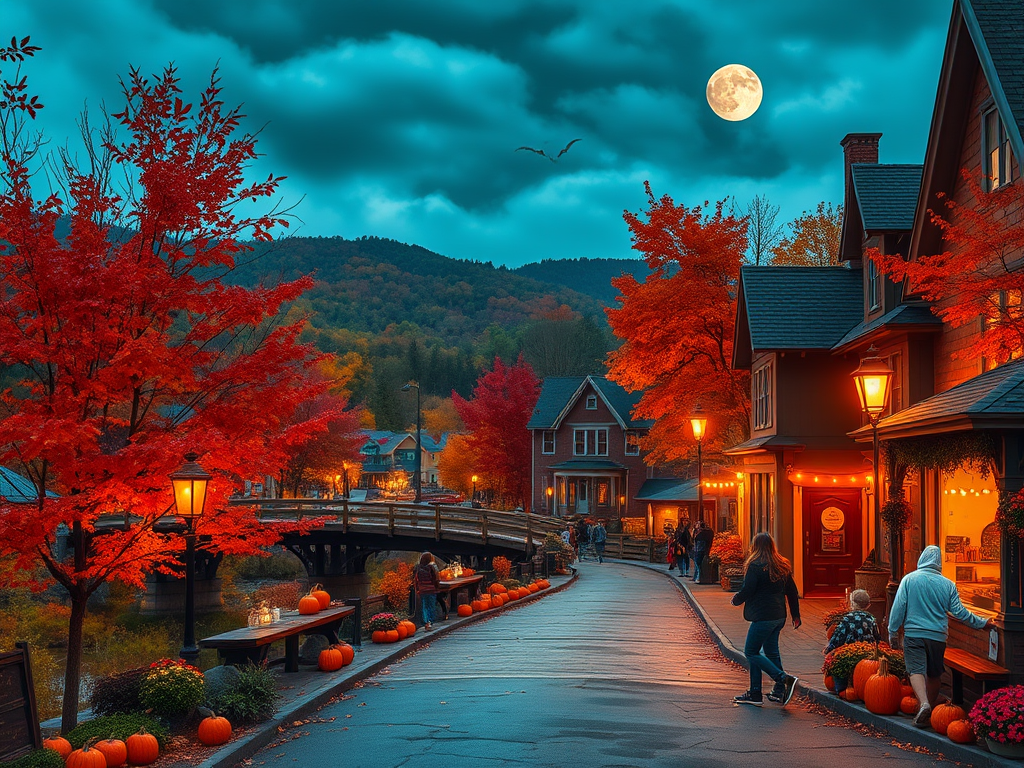
    Discover Vermont’s Spookiest Halloween Activities

    When the leaves turn fiery red and golden yellow, Vermont transforms into the perfect Halloween backdrop. From historic ghost stories to pumpkin festivals and lively parades, the Green Mountain State offers a wide range of ways to celebrate the spooky season. Whether you are a family with kids, a couple looking for something eerie, or a traveler seeking out Vermont’s haunted legends, there is something here for everyone.

    Why Vermont is Perfect for Halloween

    Vermont’s fall foliage sets the stage for unforgettable Halloween adventures. The crisp air, covered bridges, and historic towns lend themselves naturally to ghost stories and haunted happenings. The state balances spooky thrills with family-friendly traditions, making October one of the best times to visit.

    Haunted Attractions and Ghost Tours

    Emily’s Bridge in Stowe

    One of Vermont’s most famous haunted sites is Emily’s Bridge, a covered bridge in Stowe with a chilling legend. Visitors have reported strange noises, ghostly figures, and eerie feelings when crossing the bridge at night. It is a favorite stop for those seeking a classic Vermont ghost story during Halloween.

    Wilson Castle Haunted Tours in Proctor

    Wilson Castle in Proctor is a 19th-century mansion known for its elaborate architecture and paranormal activity. During October, the castle often hosts haunted tours that bring its ghostly reputation to life. The atmosphere of this historic landmark makes it a must-visit for Halloween enthusiasts.

    Norwich Inn Ghost Tours

    The Norwich Inn, dating back to the late 1700s, is known for its resident spirits. Guided tours during Halloween highlight tales of mysterious happenings, unexplained sounds, and chilling encounters. It is a great choice if you want a blend of history and haunted storytelling.

    Family-Friendly Halloween Festivals and Events

    Pumpkin Festivals

    Vermont takes pumpkins seriously in October. Local farms and towns host festivals with carving contests, pumpkin displays, and activities for kids. While the Keene Pumpkin Festival across the border in New Hampshire often draws attention, Vermont has its own smaller but equally festive celebrations worth checking out.

    Trick-or-Treat in Downtowns

    Many Vermont towns host safe trick-or-treat events where local businesses hand out candy. Montpelier and Burlington both offer popular downtown trick-or-treat walks, making it easy for families to enjoy Halloween in a fun and welcoming atmosphere.

    Corn Mazes and Hayrides

    The Great Vermont Corn Maze in Danville is a seasonal favorite, offering both family-friendly daytime adventures and haunted nighttime experiences. Around the state, farms add haunted hayrides to their fall attractions, with spooky stops and costumed actors to keep visitors on edge.

    Spooky Seasonal Performances and Parades

    Middlebury Halloween Parade

    Middlebury comes alive each Halloween with a festive parade featuring costumes, music, and community spirit. It is a great way for families and visitors to experience Vermont’s small-town charm while celebrating the holiday.

    Rutland Halloween Parade

    Rutland’s Halloween Parade is legendary. First held in 1960, it has grown into one of the oldest and most popular Halloween parades in the country. Thousands of people line the streets every year to watch floats, bands, and creative costumes. It is one of the highlights of Halloween in Vermont.

    Theatrical Shows and Haunted Plays

    Vermont’s theaters and colleges often stage spooky performances in October. From haunted plays to gothic storytelling, these shows provide a cultural twist on the Halloween season. Burlington, Middlebury, and Montpelier are good places to look for seasonal performances.

    Halloween in the Champlain Valley

    The Champlain Valley offers a mix of farm attractions and city nightlife. In South Hero and Shelburne, farms turn into haunted attractions with hayrides and pumpkin picking. Burlington brings the energy with Halloween parties, bar crawls, and live music events that last well into the night.

    Halloween in the Green Mountains and Northeast Kingdom

    Vermont’s mountain towns and rural Northeast Kingdom lean into the haunted atmosphere of October. Stowe offers ghost walks that highlight its spooky history. Danville’s Great Vermont Corn Maze hosts haunted nights for thrill-seekers. Smaller communities host storytelling nights and haunted trails, offering a more intimate Halloween experience.

    Tips for Planning Your Vermont Halloween Adventure

    • Dress warmly: Vermont nights in October can get chilly, especially if you are attending outdoor events.
    • Book ahead: Haunted tours and popular parades can fill up quickly, so make reservations early.
    • Combine foliage and Halloween: Plan a scenic drive through Vermont’s countryside to enjoy peak foliage alongside spooky stops.

    Final Thoughts: Vermont’s Halloween Magic

    Halloween in Vermont is unlike anywhere else. The state’s natural beauty blends seamlessly with its historic charm to create an atmosphere that is both spooky and welcoming. Whether you are wandering through a haunted corn maze, watching a parade, or exploring ghostly legends, Vermont offers the perfect mix of fright and fun.

    Leaf Peeping Crew, 30% Off

    Cozy up for foliage season with our Leaf Peeping Crew hoodies and crewnecks. Soft fleece, easy fit, perfect for ridge walks and lakeside sunsets.

    • Unisex fit and multiple colors
    • Printed to order in the USA
    • Ships directly to you
    Shop the 30% Off Sale

    Limited time offer. Discount applied at checkout while the sale lasts.
  • Top Haunted Locations in Vermont for Brave Souls

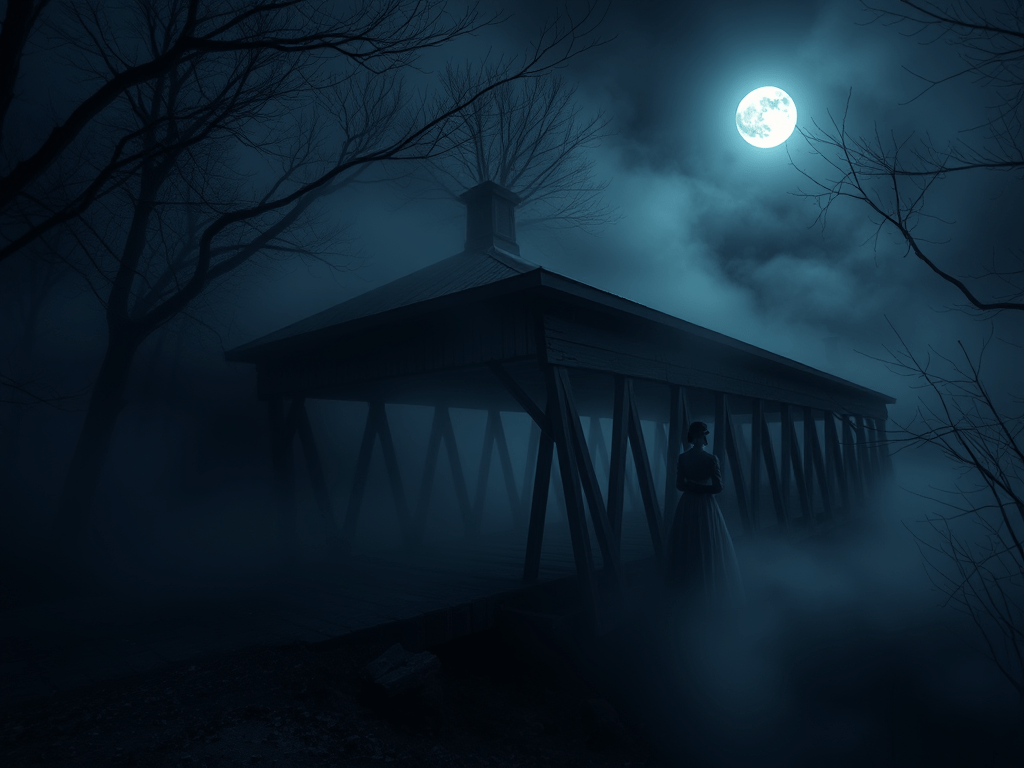
    Top Haunted Locations in Vermont for Brave Souls

    Vermont is known for its rolling green mountains, stunning foliage, and small-town charm. But beneath that beauty lies another side of the state—one filled with eerie legends, restless spirits, and stories that have been told for generations. For those who enjoy a good scare, Vermont has no shortage of haunted places worth exploring.

    From covered bridges and historic inns to old cemeteries and college campuses, the Green Mountain State is home to some of the most spine-tingling ghost stories in New England. Whether you are a tourist passing through or a local with an interest in the paranormal, this guide will take you to Vermont’s most haunted spots—if you dare.

    Emily’s Bridge – Stowe’s Infamous Haunted Covered Bridge

    No list of haunted places in Vermont is complete without Emily’s Bridge, officially known as Gold Brook Bridge, in Stowe. Built in the 1840s, this covered bridge looks picturesque by day, but after nightfall it is said to transform into one of the scariest locations in the state.

    The legend tells of a young woman named Emily who met a tragic fate here. Some versions claim she was jilted by a lover and took her own life at the bridge. Others say she died in a horse accident on her way to meet her beloved. Regardless of the details, her spirit is said to remain.

    Visitors have reported hearing disembodied footsteps, ghostly screams, and even scratches appearing on their cars after parking near the bridge. Many locals avoid driving through at night, while thrill-seekers head there hoping for an encounter. If you visit, respect the area and remember it is still an active roadway.

    Norwich University – Hauntings at America’s Oldest Military College

    Norwich University in Northfield holds the distinction of being the oldest private military college in the United States. With a history dating back to 1819, it has plenty of stories about ghostly cadets who never quite left.

    Students often share tales of strange footsteps echoing in empty hallways, doors opening on their own, and shadowy figures in dormitories. Some claim to have seen soldiers from another century still standing guard. The campus’ long history, combined with the stresses of military training, makes Norwich fertile ground for ghost stories.

    The Equinox Hotel – Manchester’s Elegant but Haunted Inn

    In Manchester, the grand Equinox Hotel has welcomed guests since the 19th century. Among its most famous visitors was Mary Todd Lincoln, wife of President Abraham Lincoln, who vacationed there with her children.

    Guests and staff have reported seeing a woman resembling Mary Todd Lincoln walking the halls, along with other figures in period dress. Unexplained noises and cold drafts add to the atmosphere. Despite its haunted reputation, the Equinox remains a beloved Vermont resort where history and luxury meet the paranormal.

    Wilson Castle – Rutland’s Gothic Mystery

    With its turrets, stained glass windows, and sprawling grounds, Wilson Castle in Rutland looks like it belongs in Europe rather than New England. Built in the 1860s, the castle has a dramatic history filled with both grandeur and tragedy.

    Today, it is a well-known site for paranormal investigations. Visitors often describe hearing footsteps when no one is there, feeling sudden cold spots, and seeing flickering shadows in the hallways. The castle embraces its haunted reputation by hosting ghost tours and events, making it a must-visit for anyone curious about Vermont’s spookier side.

    The Eddy House – Chittenden’s Spirit Capital of Vermont

    In the small town of Chittenden, the Eddy House earned fame in the 19th century thanks to the Eddy brothers, who were renowned mediums. People traveled from all over the country to attend séances at the house, where mysterious figures and unexplained voices were said to appear.

    Even today, the Eddy House is considered one of Vermont’s most haunted locations. Paranormal enthusiasts believe the brothers’ work left a permanent mark on the property, with spirits continuing to linger. The combination of history, legend, and the brothers’ notoriety ensures that Chittenden still holds a reputation as Vermont’s “spirit capital.”

    Shelburne Museum – Ghostly Encounters Among Historic Buildings

    The Shelburne Museum is famous for its collection of historic buildings relocated from across New England. With more than 39 structures on site, it is no surprise that a few of them come with ghost stories of their own.

    The Dutton House, a colonial-era building moved to the museum grounds, is said to be especially active. Visitors report hearing whispers, footsteps, and sudden chills. Staff members have also shared their own strange experiences. For those who love both history and the paranormal, the Shelburne Museum offers a fascinating mix of both.

    Vermont Inns with Paranormal Guests

    Green Mountain Inn – Stowe

    Stowe makes the list again with the Green Mountain Inn. This historic inn is home to one of Vermont’s most famous ghost stories—that of Boots Berry. A local character and former inn employee, Boots was known for his tap dancing. Guests today claim to hear the sound of tap shoes clicking on the roof during storms, as if Boots has returned to relive his glory days.

    White House Inn – Wilmington

    Another inn with a haunted reputation is the White House Inn in Wilmington. Built in the early 20th century, it has been the site of repeated ghost sightings. Guests report seeing a woman in white and hearing mysterious noises in the halls. For those brave enough, staying overnight here is like sleeping alongside Vermont’s history and its restless spirits.

    Cemeteries and Forgotten Resting Places

    Hope Cemetery – Barre

    Hope Cemetery is well-known for its impressive granite sculptures, created by master stonecutters from Barre’s immigrant communities. But alongside the artistry are stories of shadowy figures moving among the monuments at dusk. Whether it is the atmosphere of the cemetery or something more, many visitors leave with a sense of unease.

    Evergreen Cemetery – New Haven

    Evergreen Cemetery in New Haven is home to the infamous “Black Agnes” statue. Legend has it that anyone who sits on the statue’s lap at midnight will meet misfortune—or worse. While most people enjoy telling the tale as a bit of local folklore, others insist strange things really do happen near the statue.

    Why Vermont is So Haunted

    Vermont’s haunted reputation comes from a combination of history, geography, and culture. The state’s long past includes Native American stories, colonial struggles, and the hardships of rural life. Small towns often passed down ghost stories through generations, embedding them into local culture.

    The isolation of Vermont’s mountains and valleys adds to the atmosphere. Winters are long and dark, which may have fueled imaginations in earlier centuries. Today, those same tales continue to thrive as part of the state’s folklore and appeal to visitors.

    Tips for Visiting Haunted Places in Vermont

    • Respect private property: Many haunted sites are still in use, so always be courteous.
    • Visit in daylight when possible: Haunted places can be dangerous after dark due to uneven terrain.
    • Join a ghost tour: Guided tours often provide rich history along with spooky tales.
    • Bring the right gear: A flashlight, warm clothing, and a camera are all handy on haunted adventures.

    Final Thoughts – Do You Dare Explore Vermont’s Haunted Side?

    From covered bridges and castles to cemeteries and historic inns, Vermont is filled with stories of spirits who never left. Whether you believe in ghosts or just enjoy a good local legend, these destinations offer a glimpse into the state’s mysterious past. If you decide to visit, keep your eyes open and your mind ready—Vermont’s haunted side may reveal itself when you least expect it.

    Leaf Peeping Crew, 30% Off

    Cozy up for foliage season with our Leaf Peeping Crew hoodies and crewnecks. Soft fleece, easy fit, perfect for ridge walks and lakeside sunsets.

    • Unisex fit and multiple colors
    • Printed to order in the USA
    • Ships directly to you
    Shop the 30% Off Sale

    Limited time offer. Discount applied at checkout while the sale lasts.

  • Emily’s Bridge: Vermont’s Haunted Gem and Ghostly Tale

    Emily’s Bridge: Vermont’s Haunted Gem and Ghostly Tale

    Tucked away in the quiet town of Stowe lies one of Vermont’s most talked-about landmarks: Emily’s Bridge. Officially known as Gold Brook Bridge, this 19th-century covered bridge has gained a reputation as the most haunted place in Vermont. Its rustic setting, combined with chilling tales of heartbreak and ghostly encounters, has made it a must-visit destination for both history buffs and paranormal enthusiasts.

    Where Is Emily’s Bridge?

    Emily’s Bridge is located in Stowe, Vermont, just a short drive from the bustling village center. Stowe is well known for its ski slopes, hiking trails, and spectacular fall foliage, which makes the bridge an easy and popular stop during a Vermont road trip. Gold Brook Bridge itself spans a small creek on Gold Brook Road, about two miles from downtown Stowe.

    Because of its location, visitors can easily pair a trip to Emily’s Bridge with a scenic drive through Stowe Hollow, a visit to local shops, or a walk through Stowe’s charming Main Street. The bridge is open year-round, but many people agree that fall, with its colorful leaves and crisp evenings, is the most atmospheric time to visit.

    The History of Gold Brook Bridge

    Before it became famous as Emily’s Bridge, the Gold Brook Bridge was simply one of many covered bridges in Vermont. Built in 1844, it is a classic example of the wooden covered bridge design that once dotted the state’s rural roads. Covered bridges were practical in their day, protecting wooden planks from snow and rain, and they quickly became an iconic feature of Vermont’s landscape.

    While the bridge itself has a straightforward history as part of Stowe’s transportation network, its legend is anything but ordinary. The tale of “Emily” would emerge later, turning this unassuming bridge into one of the most haunted spots in New England.

    The Legend of Emily

    There are several versions of Emily’s story, but most begin with a young woman in love. The most common tale says Emily was supposed to meet her fiancé at the bridge to elope. When he never arrived, whether because of cold feet, disapproval from her family, or betrayal, Emily’s heartbreak became too much to bear. Consumed by grief, she ended her life at the bridge.

    Other versions suggest Emily was left waiting for her lover on her wedding day, while another claims she died in an accident near the bridge. Like many ghost stories, the details have shifted over time, but the theme of love, loss, and tragedy remains central. This timeless combination has kept the legend alive for more than a century.

    Reported Paranormal Activity

    Stories of Emily’s restless spirit have drawn countless visitors to the bridge. Paranormal investigators, thrill-seekers, and curious travelers report a range of eerie experiences, including:

    • Unexplained noises: Visitors describe hearing footsteps, screams, or dragging sounds echoing through the bridge at night.
    • Scratches and claw marks: Some say their cars have been mysteriously scratched while parked near the bridge.
    • Cold spots and shadows: Sudden chills and fleeting dark figures are common accounts among late-night visitors.
    • Apparitions: A few have even claimed to see a ghostly woman in white, believed to be Emily herself.

    Whether these stories are fueled by imagination or genuine encounters, they contribute to the lasting reputation of Emily’s Bridge as a paranormal hotspot.

    Visiting Emily’s Bridge Today

    For those eager to experience the legend firsthand, Emily’s Bridge is open to the public. However, it is important to remember that the bridge is still part of a functioning road. Cars cross the one-lane bridge daily, so visitors should use caution and avoid blocking traffic.

    Parking is limited in the immediate area, but many visitors stop briefly to walk across the bridge and soak in the atmosphere. The best times to visit are during fall foliage season or around Halloween, when Stowe itself feels steeped in seasonal magic. At night, the quiet setting can feel especially eerie, but remember to stay respectful of the space and nearby residents.

    Emily’s Bridge in Vermont Folklore

    Ghost stories have long been a part of New England tradition, blending history with mystery. Emily’s Bridge stands out as Vermont’s most well-known haunted site, but it is far from the only one. Tales of haunted inns, old farmhouses, and mountain spirits are scattered throughout the state. What makes Emily’s Bridge unique is how it combines folklore with a tangible landmark, allowing visitors to step directly into the setting of the story.

    Over time, the legend has become woven into Vermont’s cultural identity. Tourists come for the covered bridge charm and leave with a ghost story that adds depth to their trip. The story has also helped promote local ghost tours and seasonal events, contributing to Stowe’s reputation as a destination rich in both history and folklore.

    Tips for Experiencing Emily’s Bridge

    If you plan to add Emily’s Bridge to your Vermont itinerary, a few tips can make the experience even more memorable:

    • Visit at dusk or after dark: The atmosphere is much more chilling once the sun goes down.
    • Go with friends: Sharing the experience adds fun and safety.
    • Pair with a Stowe outing: Stop by the bridge as part of a day exploring downtown Stowe, local breweries, or scenic hikes.
    • Respect the site: The bridge is historic and still in use, so treat it with care.

    Final Thoughts: The Enduring Allure of Emily’s Bridge

    Emily’s Bridge remains one of Vermont’s most fascinating attractions, blending authentic history with enduring legend. Whether you believe in ghosts or simply enjoy a good story, the bridge offers a glimpse into Vermont’s culture of folklore and its appreciation for historic places. Its beauty, combined with the mystery of Emily’s tale, makes it a place that continues to captivate visitors year after year.

    If you’re planning a trip to Vermont, a stop at Emily’s Bridge is more than just a sightseeing opportunity. It’s a chance to step into one of New England’s most famous ghost stories and decide for yourself whether the legend is real or just a chilling tale passed down through generations.

    Leaf Peeping Crew, 30% Off

    Cozy up for foliage season with our Leaf Peeping Crew hoodies and crewnecks. Soft fleece, easy fit, perfect for ridge walks and lakeside sunsets.

    • Unisex fit and multiple colors
    • Printed to order in the USA
    • Ships directly to you
    Shop the 30% Off Sale

    Limited time offer. Discount applied at checkout while the sale lasts.

  • Ultimate Vermont Fall Picnic Guide

    Ultimate Vermont Fall Picnic Guide

    Few experiences capture the essence of autumn like a picnic in Vermont during peak foliage season. The rolling mountains glow with red, orange, and gold, the air is crisp, and the charm of the Green Mountain State makes even a simple afternoon outdoors unforgettable. Whether you are a first-time visitor or someone who calls Vermont home, this fall foliage picnic checklist will help you plan a perfect day surrounded by breathtaking scenery and seasonal flavors.

    Why Vermont is Perfect for a Fall Picnic

    Vermont is consistently ranked among the top destinations for fall foliage in the United States. The variety of landscapes—from lakeshores to mountain passes—creates endless picnic backdrops. Crisp autumn air makes outdoor meals comfortable, and the slower pace of fall encourages people to linger, relax, and take in the view. Covered bridges, farmland meadows, and state parks provide plenty of options for scenic picnic spots.

    Choosing the Perfect Picnic Spot

    The right location sets the tone for your picnic. Vermont offers countless places to spread a blanket and enjoy the season.

    State Parks with Scenic Views

    • Smugglers’ Notch State Park: Surrounded by dramatic cliffs and mountain foliage, this is a favorite for fall colors.
    • Camel’s Hump State Park: A classic Vermont peak with nearby meadows and trailheads perfect for a picnic break.
    • Groton State Forest: A vast area with lakes, trails, and overlooks ideal for quieter outings.

    Lakeside Locations

    • Lake Champlain: Picnic along the shoreline for water views framed by the Adirondacks and Green Mountains.
    • Lake Willoughby: This Northeast Kingdom gem offers dramatic cliffs and peaceful surroundings.

    Covered Bridges and Meadows

    • Stowe, Waitsfield, and Woodstock all feature covered bridges that add charm to a picnic setting.
    • Rolling farmland and open meadows provide wide views of foliage without the crowds.

    What to Pack for a Vermont Fall Picnic

    Picnic Basics

    • A large blanket or folding chairs for comfort
    • A picnic basket or cooler to keep items fresh
    • Reusable utensils, plates, and napkins

    Food and Drink Essentials

    • Local cheese, crusty bread, and crackers
    • Vermont maple cookies or maple popcorn
    • Fresh cider or hot cocoa kept warm in a thermos
    • Apples, pears, or other seasonal fruit

    Comfort Items

    • Layered clothing, warm socks, and a hat for cooler days
    • Thermos mugs and hand warmers
    • Plenty of napkins and wet wipes

    Adding a Vermont Twist to Your Picnic Menu

    One of the joys of a Vermont picnic is weaving local flavors into your spread. A fall outing feels incomplete without a maple treat or fresh-from-the-farm snack.

    • Pack maple scones, maple butter cookies, or granola made with syrup.
    • Include Vermont cheddar, goat cheese, or locally made spreads.
    • Bring cider donuts or a slice of apple pie from a local bakery.
    • Pick up farm-fresh produce like roasted pumpkin seeds or squash dishes from a farmers market.

    Timing Your Fall Picnic

    Vermont foliage typically peaks between late September and mid-October, but the best week depends on the region. The Northeast Kingdom often sees color first, followed by central and southern Vermont. Plan your picnic around midday for the most warmth, or aim for golden-hour sunsets if you prefer glowing light for photos. To avoid crowds, choose weekdays or quieter locations off major routes.

    Activities to Pair with Your Picnic

    A picnic is just one part of the Vermont fall experience. Pair your meal with other seasonal adventures.

    • Drive scenic byways like Route 100 or Route 108 for mountain views.
    • Take a short hike to Sterling Pond, Owl’s Head, or Mount Philo before or after eating.
    • Go apple picking at orchards like Hackett’s or Champlain Orchards.
    • Capture photos of foliage reflections in lakes and rivers.
    • Pack a deck of cards, a journal, or a speaker for light background music.

    Practical Tips for a Stress-Free Picnic

    • Bring trash bags and follow “leave no trace” principles.
    • Pack for sudden weather shifts with a rain jacket or umbrella.
    • Carry bug spray and sunscreen, even in cooler weather.
    • Remember that some rural areas have little to no cell service, so plan accordingly.

    Making Memories That Last

    Autumn picnics in Vermont are more than just meals outdoors; they are memory-makers. Take photos of your picnic setup against colorful backdrops, jot down notes in a travel journal, or save mementos like a pressed leaf. Many families and friends turn their fall picnic into an annual tradition, returning each year to favorite spots as a way of celebrating the season together.

    Final Thoughts: Your Vermont Fall Picnic Awaits

    With the right mix of planning, local flavors, and scenic locations, a fall foliage picnic in Vermont becomes an unforgettable experience. Pack your basket, choose your spot, and get ready to enjoy autumn’s most colorful days surrounded by the beauty of the Green Mountains. Vermont’s charm shines brightest in fall, and your picnic is the perfect way to savor it.

    Leaf Peeping Crew, 30% Off

    Cozy up for foliage season with our Leaf Peeping Crew hoodies and crewnecks. Soft fleece, easy fit, perfect for ridge walks and lakeside sunsets.

    • Unisex fit and multiple colors
    • Printed to order in the USA
    • Ships directly to you
    Shop the 30% Off Sale

    Limited time offer. Discount applied at checkout while the sale lasts.
  • Explore Vermont’s Most Beautiful Fall Covered Bridges

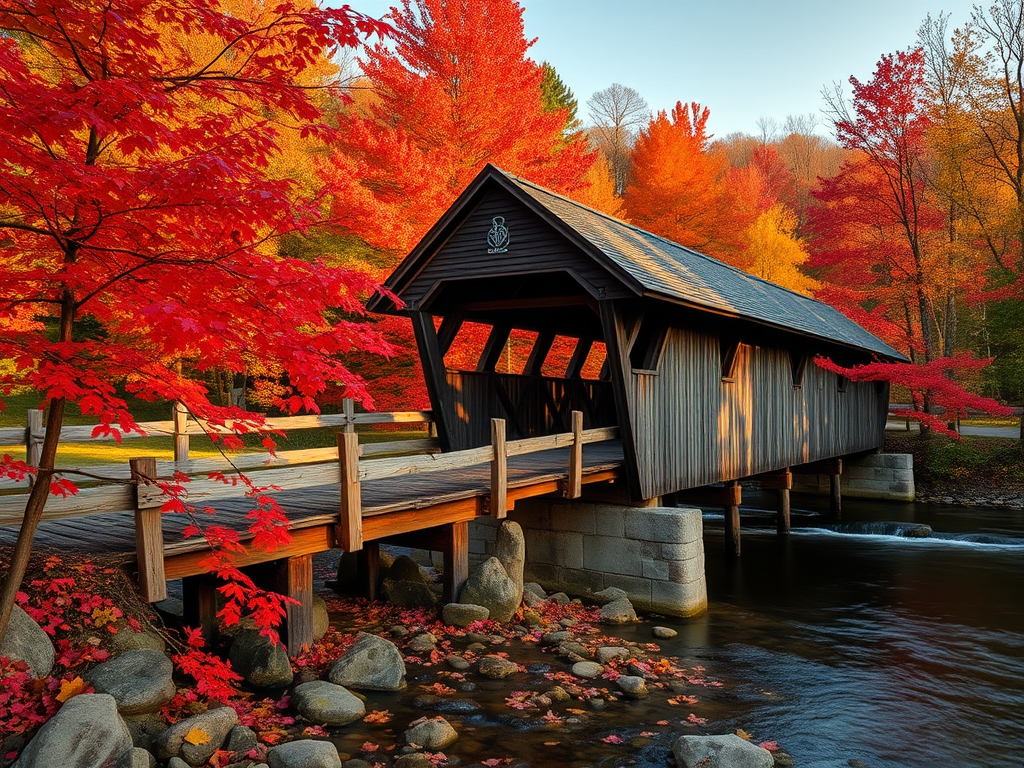
    Explore Vermont’s Most Beautiful Fall Covered Bridges

    When autumn sweeps across Vermont, the landscape transforms into a masterpiece of color. Maple-lined valleys glow in shades of red, orange, and gold, and historic covered bridges provide the perfect frame for the season’s beauty. Whether you’re a first-time visitor or a local planning a weekend outing, these five covered bridges are some of the best places to experience fall in Vermont.

    Why Covered Bridges Are Perfect for Fall Exploration

    Vermont is home to more covered bridges per square mile than anywhere else in the United States. These wooden structures date back to the 19th century, offering not only a glimpse into history but also a stunning visual contrast to the fiery foliage of fall. Nestled along quiet backroads, rivers, and small towns, each bridge becomes a natural photo stop and a reminder of Vermont’s timeless charm.

    Tips for Visiting Covered Bridges in Autumn

    • Best time to visit: Peak foliage season typically runs from late September through mid-October, depending on elevation and weather.
    • Combine your trip: Covered bridges are often near hiking trails, apple orchards, and scenic drives, so make a day of it.
    • Respect the surroundings: Some bridges are near private homes. Always park safely and be mindful of property lines.
    • Bring your camera: The soft morning light and late afternoon glow highlight the textures of old wood and brilliant leaves.

    5 Covered Bridges That Look Stunning in Fall

    Emily’s Bridge (Stowe)

    Officially known as Gold Brook Covered Bridge, Emily’s Bridge is one of Vermont’s most famous spans. Located just outside of Stowe, this simple wooden bridge sits in a forested hollow that turns into a blaze of orange and red during autumn. It’s also known for its ghostly legend, adding a touch of intrigue to your visit. Combine a stop here with Stowe’s classic fall attractions like Smugglers’ Notch and local cider mills.

    Silk Road Covered Bridge (Bennington)

    In southern Vermont, Bennington is home to a trio of historic bridges, with the Silk Road Bridge being one of the most photogenic. Painted a deep barn red, it crosses the Walloomsac River, where autumn leaves reflect on the water’s surface. Just a short drive from downtown Bennington, this bridge makes a perfect addition to a fall road trip along Route 7.

    Taftsville Covered Bridge (Woodstock/Quechee)

    Few bridges capture the essence of Vermont in fall quite like the Taftsville Covered Bridge. Built in 1836, it is one of the oldest in the state and stretches across the Ottauquechee River with a brilliant red frame that pops against golden hillsides. The nearby villages of Quechee and Woodstock are two of Vermont’s most popular fall destinations, making this bridge an easy must-see stop.

    Montgomery Covered Bridges (Montgomery)

    Northern Vermont’s Montgomery is a treasure trove for covered bridge enthusiasts, boasting six unique spans within town limits. Surrounded by rolling mountains and quiet farmland, the bridges here are particularly enchanting in autumn. Plan a scenic loop that includes Jay Peak for sweeping foliage views, then stop in Montgomery to explore these rustic bridges up close.

    Middle Bridge (Woodstock Village)

    Located in the heart of Woodstock, Middle Bridge is a pedestrian-friendly crossing that feels like stepping back in time. The surrounding village green, white church steeples, and tree-lined streets create a classic New England fall scene. Because it’s within walking distance of cafes, shops, and the Billings Farm & Museum, this bridge is one of the easiest to include on a fall foliage outing.

    Planning Your Fall Covered Bridge Tour

    For the ultimate fall day trip, consider mapping out a route that includes several of these bridges along with nearby attractions. Here are a few ideas:

    • Start your morning with apple picking at an orchard, then visit Emily’s Bridge in Stowe.
    • Plan a scenic drive through Woodstock to see Taftsville and Middle Bridge before stopping for lunch.
    • Head north to Montgomery for an afternoon loop of bridges framed by mountains at peak color.

    Don’t forget to pack a picnic or bring along a thermos of warm cider. Parking is generally available nearby, but some bridges are on narrow roads where caution is needed. For photographers, golden hour is the best time to capture both bridges and foliage at their most vibrant.

    Final Thoughts on Vermont’s Covered Bridges in Fall

    Covered bridges are a year-round treasure, but there is something magical about seeing them during foliage season. They combine the best of Vermont: history, small-town charm, and unforgettable scenery. Whether you’re visiting for a weekend getaway or planning a local leaf-peeping adventure, make time for these five covered bridges. Each one tells a story, and each one looks even better surrounded by autumn leaves.

    Leaf Peeping Crew, 30% Off

    Cozy up for foliage season with our Leaf Peeping Crew hoodies and crewnecks. Soft fleece, easy fit, perfect for ridge walks and lakeside sunsets.

    • Unisex fit and multiple colors
    • Printed to order in the USA
    • Ships directly to you
    Shop the 30% Off Sale

    Limited time offer. Discount applied at checkout while the sale lasts.
  • Avoiding Crowds During Fall Foliage in Vermont

    Avoiding Crowds During Fall Foliage in Vermont

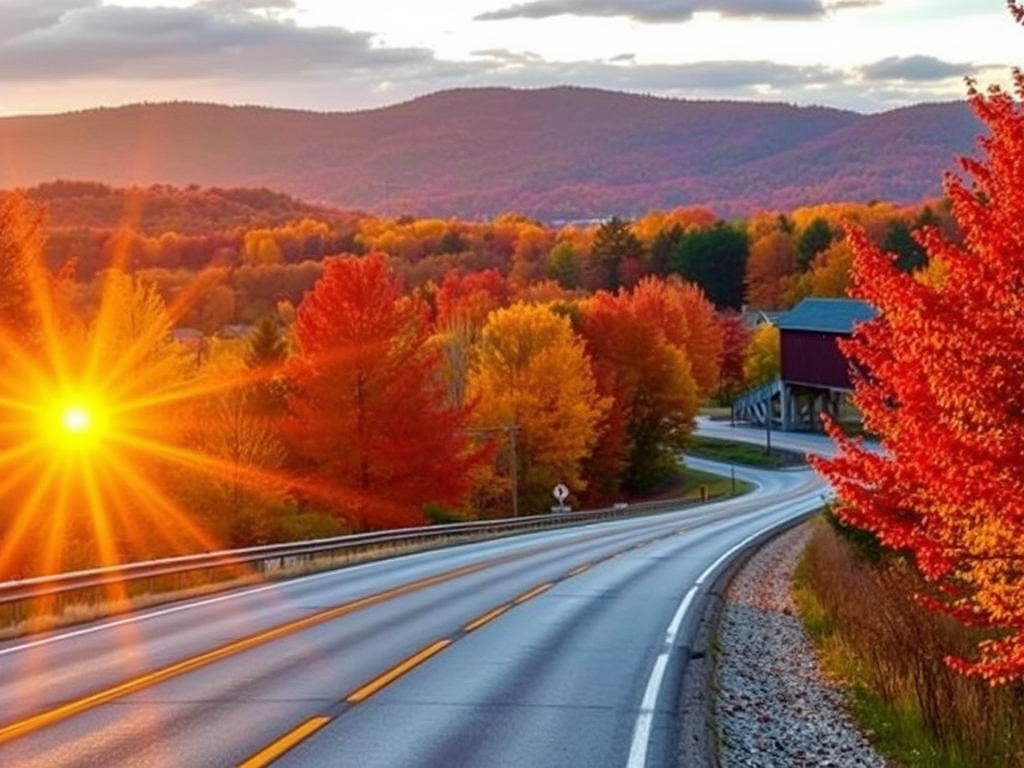
    Fall in Vermont is one of the most photographed and celebrated times of the year. The leaves turn brilliant shades of red, orange, and gold, drawing visitors from around the world. While the scenery is breathtaking, the surge of leaf peepers can sometimes make the experience feel less peaceful. Luckily, there are many ways to enjoy Vermont’s foliage season without getting caught in heavy traffic or long lines.

    Why Vermont Gets So Busy in Fall

    Vermont is considered one of the best places in the world to see autumn leaves. From the first week of October through mid-month, crowds flock to popular destinations like Stowe, Woodstock, and Smugglers’ Notch. On peak weekends, these areas can become congested, with parking lots full and restaurants booked solid. Knowing about alternative routes, towns, and timing can transform your foliage trip into a much more relaxed adventure.

    Choosing the Right Timing

    • Visit midweek: Tuesdays through Thursdays are usually quieter than weekends.
    • Go early or late: Sunrise and sunset hours not only provide stunning lighting but also fewer people on trails and roads.
    • Arrive before or after peak: Late September and late October may not have peak color everywhere, but the scenery is still beautiful and much less crowded.

    Exploring Less-Traveled Scenic Routes

    Route 100 is Vermont’s most famous foliage drive, but that means everyone else is there too. Try these alternatives:

    • Route 12: Running between Montpelier and Woodstock, this route passes rolling farmland and quiet towns.
    • Route 14: A slower, winding route through central Vermont with fewer tourists.
    • Route 5A: A Northeast Kingdom favorite that runs by Lake Willoughby, offering spectacular mountain views with less traffic.
    • Champlain Islands: Drive across bridges and causeways connecting the islands, where maple trees and lake views combine for a unique foliage trip.

    Small Towns With Big Color (and Smaller Crowds)

    Some towns are just as beautiful as Vermont’s well-known hubs but come without the same crowds:

    • Montgomery: A village near Jay Peak with classic covered bridges and mountain backdrops.
    • Grafton: A picture-perfect southern Vermont town with historic charm.
    • Greensboro: Home to Caspian Lake and rural landscapes, offering serenity in the Northeast Kingdom.
    • Rochester: A White River Valley town surrounded by forested hills and less-traveled by tourists.
    • Hardwick: A small agricultural town that feels far removed from tourist buses.

    Hidden Hiking Gems Away from the Crowds

    Hiking is one of the best ways to experience Vermont’s foliage, but popular peaks like Mt. Mansfield and Camel’s Hump can be packed on weekends. Try these alternatives:

    • Owl’s Head in Groton State Forest: A short hike with panoramic views.
    • Haystack Mountain in Wilmington: A less-trafficked southern Vermont hike with rewarding vistas.
    • Sterling Pond: Near Smugglers’ Notch, this trail is quieter on weekdays and features a reflective alpine pond surrounded by color.

    Always bring layers, water, and respect trail etiquette. Fall hikes can be cool in the morning and warm by midday.

    Local Tips for Dining Without the Wait

    Restaurants in Stowe and Woodstock often have long waits during foliage season. Consider these approaches:

    • General stores and farm cafés: Many serve hearty sandwiches, soups, and baked goods without the long wait times.
    • Reservations: If you do plan to dine in tourist-heavy towns, book dinner reservations well ahead.
    • Breweries, cideries, and farm stands: Vermont is full of small producers offering relaxed atmospheres and seasonal food.

    Overnight Stays Beyond the Hotspots

    Finding lodging in October can be challenging if you only search in major towns. Instead, look for:

    • Inns and B&Bs in small towns: Places like Craftsbury, Tunbridge, or Island Pond have charming accommodations without the rush.
    • Northeast Kingdom stays: This region is known for wide open spaces and far fewer visitors.
    • Champlain Islands rentals: Cottages and cabins offer lakeside tranquility.
    • Vacation rentals: Renting a cabin or farmhouse outside popular hubs ensures both peace and privacy.

    Practical Planning Strategies

    • Use backroads: Google Maps and paper maps can guide you along scenic detours that avoid traffic jams.
    • Avoid festival weekends: Events like Oktoberfests and harvest fairs bring big crowds, so schedule around them if you want quiet.
    • Bring supplies: Keep snacks and water in the car so you don’t have to rely on packed cafés.
    • Stay flexible: Weather, timing, and traffic can shift quickly in fall. Flexibility often leads to unexpected discoveries.

    Enjoying Vermont Like a Local

    Some of the most rewarding foliage experiences come when you slow down. Instead of rushing from one famous overlook to the next, take time to explore farmers markets, general stores, or roadside stands. Chatting with locals or stumbling upon a small-town harvest fair can be just as memorable as a photo from a crowded lookout.

    By seeking out these authentic experiences, you’ll not only avoid the crowds but also discover the Vermont that residents love year-round.

    Final Thoughts

    Vermont’s foliage season is magical, and you don’t need to share it with hundreds of other tourists to enjoy it. By traveling midweek, exploring less-traveled routes, hiking hidden trails, and choosing smaller towns, you can create a peaceful autumn getaway. The beauty of Vermont lies in its variety of landscapes and communities, many of which remain quiet even during peak season. With a little planning, your fall trip can feel both personal and unforgettable.

    Leaf Peeping Crew, 30% Off

    Cozy up for foliage season with our Leaf Peeping Crew hoodies and crewnecks. Soft fleece, easy fit, perfect for ridge walks and lakeside sunsets.

    • Unisex fit and multiple colors
    • Printed to order in the USA
    • Ships directly to you
    Shop the 30% Off Sale

    Limited time offer. Discount applied at checkout while the sale lasts.
  • Experience Autumn Beauty on Route 100 in Vermont

    Experience Autumn Beauty on Route 100 in Vermont

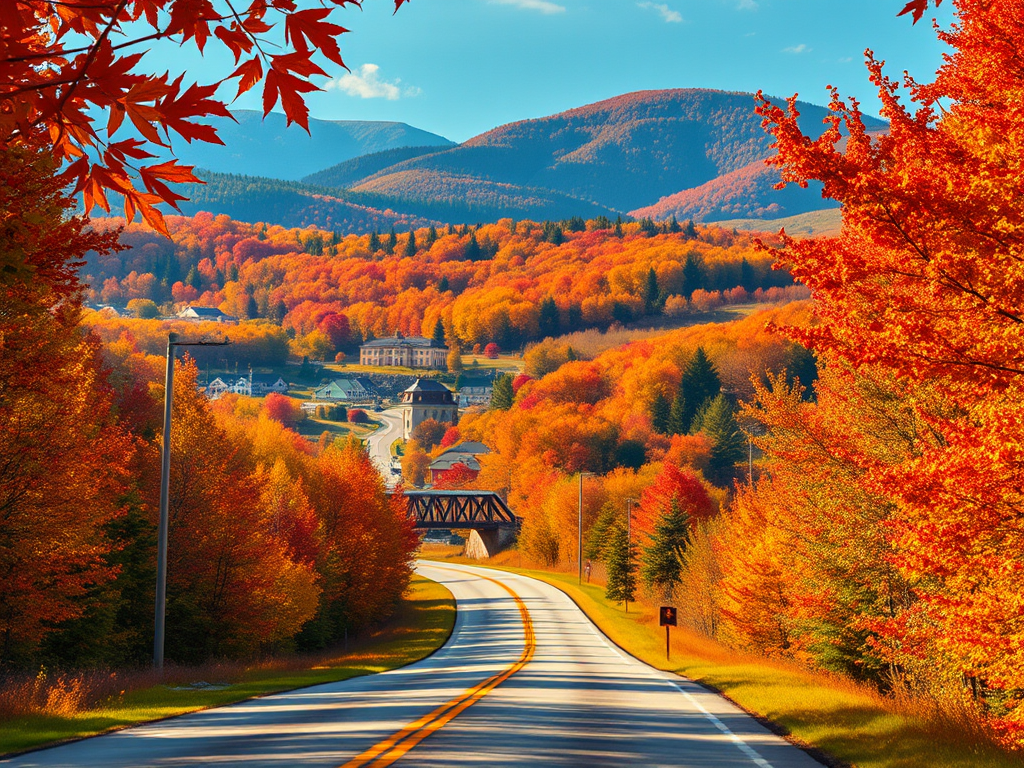
    Few roads capture the beauty of autumn quite like Vermont’s Route 100. Stretching nearly the entire length of the state, this scenic byway is framed by rolling mountains, charming villages, covered bridges, and dazzling fall colors. Whether you’re a local looking for a weekend adventure or a tourist arriving for the foliage season, a Route 100 road trip offers the perfect blend of natural beauty and small-town charm.

    Planning Your Route 100 Fall Road Trip

    The first step is timing. Vermont’s foliage generally peaks between late September and mid-October, though exact dates vary depending on elevation and weather. If you want the most color, plan your trip around the first two weeks of October.

    Route 100 can be enjoyed in a single day, but to really soak it in, many travelers choose to spread the drive over two or three days. This allows time to stop at farm stands, explore side roads, and enjoy hikes or gondola rides without rushing. Keep in mind that Route 100 is not an interstate. It’s a meandering two-lane road, so build in time for slower driving and scenic pull-offs.

    Northern Highlights: Stowe to Warren

    Stowe

    No fall trip to Vermont is complete without a stop in Stowe. Nestled in the mountains, Stowe is one of the most photographed towns in New England. Visit the white-steepled church framed by fiery maples, stroll through boutique shops, and stop at the town’s historic covered bridge. If you’re looking for panoramic views, ride the Stowe Mountain Resort gondola, which whisks you up Mount Mansfield for a bird’s-eye view of the foliage.

    Waterbury

    Just south of Stowe lies Waterbury, a foodie’s delight. Cold Hollow Cider Mill is a must for warm cider donuts and fresh-pressed apple cider. For those who want a taste of Vermont’s quirky side, the Ben & Jerry’s Factory offers tours and a scoop of your favorite flavor. This stop balances out your road trip with treats that feel quintessentially Vermont.

    Waitsfield and Warren

    Further down Route 100 you’ll enter the Mad River Valley, home to Waitsfield and Warren. These villages are rich in charm, featuring general stores, art galleries, and covered bridges perfect for a photo stop. Outdoor enthusiasts should make a stop at Warren Falls, a series of cascades and pools surrounded by colorful foliage. The valley’s rolling hills create a patchwork of reds, oranges, and yellows, making it one of the most scenic stretches of Route 100.

    Central Route 100 Gems: Rochester to Ludlow

    Rochester

    Rochester is a small town with a big autumn personality. Its main street is lined with historic buildings, cafes, and shops, making it a great stop for a coffee break. This section of Route 100 also provides access to Green Mountain National Forest trails, where short hikes reward you with sweeping mountain views.

    Pittsfield and Killington

    Pittsfield is a quiet stop, but just down the road you’ll reach Killington, known for its ski slopes. In fall, the Killington gondola is a must, carrying visitors to the summit of Killington Peak. The view stretches across Vermont and into neighboring states, offering one of the most spectacular foliage panoramas in New England.

    Ludlow and Okemo

    As you continue south, Ludlow welcomes you with its small-town charm. Okemo Mountain Resort is the main attraction, offering scenic chairlift rides during fall weekends. After your ride, stroll Ludlow’s streets lined with shops and restaurants, or simply admire the foliage reflected in nearby lakes and ponds.

    Southern Route 100 Treasures: Weston to Wilmington

    Weston

    Weston is home to one of Vermont’s most beloved attractions, the Vermont Country Store. This historic shop sells everything from penny candy to nostalgic toys, and it feels like stepping back in time. The town itself is framed by fiery foliage, making it a picture-perfect stop on your drive.

    Jamaica and Townshend

    If you want a quieter, more outdoorsy experience, stop in Jamaica or Townshend. Both towns are gateways to state parks filled with hiking trails and riverside picnic areas. These lesser-traveled parts of Route 100 let you enjoy the foliage in peace, away from the busiest tourist hubs.

    Wilmington

    Your final southern stop is Wilmington, a welcoming town with a vibrant downtown filled with galleries, shops, and restaurants. Just outside town, Mount Snow offers scenic chairlift rides, giving you another elevated view of Vermont’s fall beauty. Wilmington’s mix of small-town charm and mountain scenery makes it a fitting finale for your Route 100 trip.

    Scenic Stops Along Route 100

    • Moss Glen Falls (Granville): A roadside waterfall framed by colorful leaves.
    • Lake Elmore: A peaceful spot to stretch your legs and take photos.
    • Somerset Reservoir: A hidden gem surrounded by untouched forest.
    • Covered Bridges: Look for bridges in Warren, Waitsfield, and beyond for classic Vermont photo opportunities.

    Food and Drink Along Route 100

    A fall road trip is best paired with local flavors. In September you may still find maple creemees, Vermont’s twist on soft serve. As the air turns cooler, swap it for a mug of hot cider. Breweries and distilleries along the route offer seasonal brews and craft spirits. Favorites include Lawson’s Finest Liquids in Waitsfield, Long Trail Brewing in Bridgewater, and Mad River Distillers. Don’t skip small diners and cafes, where homemade pies and hearty soups add to the cozy fall atmosphere.

    Sample Itineraries

    One-Day Trip: Stowe to Warren

    If you only have one day, focus on the northern section. Start in Stowe, grab donuts in Waterbury, and end in Warren with a hike or a swim at the falls. This loop provides a snapshot of everything Route 100 has to offer.

    Two-Day Weekend: Stowe to Ludlow

    With two days, extend your trip south. Day one can cover Stowe to Warren. On day two, continue through Rochester and Killington before finishing in Ludlow. Stay overnight at a cozy inn or lodge to complete the experience.

    Three-Day Full Route Adventure

    For the ultimate Route 100 experience, take three days to travel from Stowe all the way to Wilmington. Spread out the driving and allow time for hikes, gondola rides, and leisurely meals. This option lets you see the entire scope of Vermont’s fall beauty, from the northern mountains to the southern valleys.

    Tips for the Perfect Route 100 Fall Road Trip

    • Start early: The road can get busy, and early mornings offer quieter drives and golden light.
    • Expect traffic: Peak foliage draws crowds, so build in extra time.
    • Book ahead: Inns and lodges fill quickly in October.
    • Dress in layers: Vermont weather changes quickly in fall.
    • Bring a camera: You’ll want to capture every turn of the road.

    Conclusion

    Route 100 is more than just a road; it’s an invitation to slow down and experience Vermont at its most beautiful. From iconic towns like Stowe to hidden gems in the southern valleys, every mile offers a new perspective on autumn’s colors. Whether you carve out a day, a weekend, or a full three-day journey, Route 100 promises to deliver an unforgettable fall road trip.

    Leaf Peeping Crew, 30% Off

    Cozy up for foliage season with our Leaf Peeping Crew hoodies and crewnecks. Soft fleece, easy fit, perfect for ridge walks and lakeside sunsets.

    • Unisex fit and multiple colors
    • Printed to order in the USA
    • Ships directly to you
    Shop the 30% Off Sale

    Limited time offer. Discount applied at checkout while the sale lasts.
  • Discover Vermont’s Best Towns for Leaf Peeping

    Discover Vermont’s Best Towns for Leaf Peeping

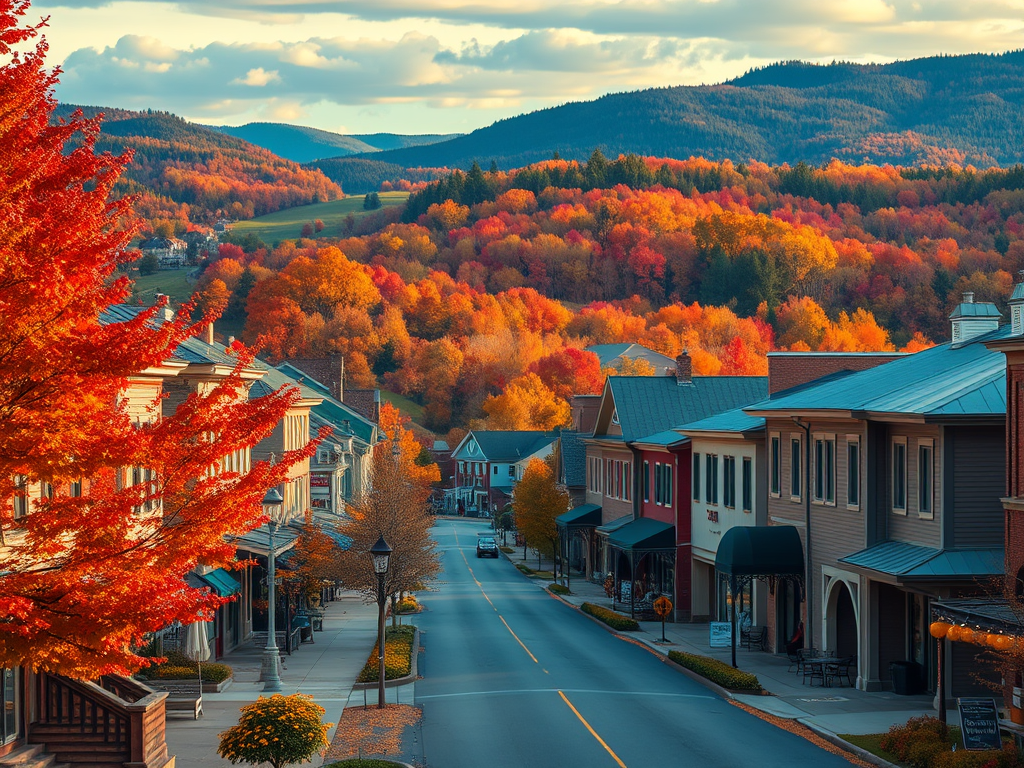
    Every fall, Vermont transforms into one of the most stunning destinations in the United States. Rolling hills, mountain passes, and winding backroads burst with brilliant reds, oranges, and yellows. While the scenery is breathtaking everywhere, the magic of Vermont really comes alive in its small towns. These places offer more than just colorful leaves. They provide a mix of historic charm, cozy cafés, and easy access to scenic drives and trails. If you are planning an autumn getaway, here are the best small towns in Vermont for leaf peeping.

    Why Vermont’s Small Towns Shine in Fall

    • Intimate scale: Small towns are walkable, welcoming, and easy to explore in a single day.
    • Scenic surroundings: Most are tucked into valleys or foothills, giving you incredible backdrops of colorful mountainsides.
    • Local culture: Covered bridges, apple orchards, general stores, and harvest festivals all add to the atmosphere.
    • Relaxed pace: You can slow down, enjoy the foliage, and connect with the character of each town.

    Best Small Towns for Leaf Peeping

    1. Stowe

    Stowe is often at the top of any Vermont fall travel list, and for good reason. Nestled in the shadow of Mount Mansfield, the state’s highest peak, the town offers spectacular foliage views in every direction. Take the gondola up Mount Mansfield for a bird’s-eye view of the colorful canopy, or drive through Smugglers’ Notch where the road winds tightly between towering cliffs and bright foliage. Stowe’s Main Street is lined with shops, cafés, and galleries, perfect for an afternoon stroll after your outdoor adventures.

    2. Woodstock

    Woodstock is the picture-perfect Vermont village. The town green is surrounded by historic buildings, and the Middle Covered Bridge adds postcard charm. Visitors can explore Marsh-Billings-Rockefeller National Historical Park, where hiking trails meander through colorful forests. Local inns and farm-to-table restaurants make it easy to turn a day trip into a cozy overnight stay. For leaf peeping and classic New England charm, Woodstock is unbeatable.

    3. Middlebury

    Middlebury offers a unique combination of natural beauty and small-town vibrancy. The Otter Creek Falls cascade right through downtown, framed by historic architecture and stone bridges. Beyond the town, rolling farmland and wooded hillsides light up with fall color. Middlebury College gives the town an added energy, and you will find plenty of cafés, breweries, and shops to explore. It is an excellent stop if you want both scenic views and a lively local culture.

    4. Manchester

    Manchester is a southern Vermont gem surrounded by the Green Mountains. A drive up Equinox Skyline Drive rewards visitors with sweeping vistas of the valleys below. In town, you will find everything from outlet stores to unique local shops, as well as the historic Hildene estate, once home to the Lincoln family. Manchester blends upscale experiences with natural beauty, making it a top choice for a fall weekend escape.

    5. Grafton

    Grafton is one of Vermont’s most charming historic villages. Restored 19th-century buildings line its quiet streets, many of them now housing inns, shops, and museums. In fall, the village is surrounded by forests ablaze with color. Stop into the Grafton Village Cheese Company or take a peaceful walk through the backroads. It is a small town that feels like stepping back in time, with all the beauty of Vermont’s foliage just outside your door.

    6. Bristol

    Bristol sits at the edge of the Green Mountains, giving it a perfect backdrop of foliage. Its Main Street is full of character, with local cafés, restaurants, and shops all within walking distance. Just beyond the town center, you can take scenic drives that lead into the mountains or explore hiking trails that showcase the fall colors up close. Bristol combines accessibility with classic Vermont charm, making it a great addition to a foliage itinerary.

    7. Bennington

    Bennington is known for its Revolutionary War history and its stunning setting in Vermont’s southwest corner. The Bennington Battle Monument provides an elevated view of the town and surrounding hills, especially spectacular in fall. Covered bridges, rolling farmlands, and forested hillsides surround the area. Bennington also has a thriving arts community and historic downtown, giving visitors a mix of culture, history, and foliage beauty.

    8. Montpelier

    As the nation’s smallest state capital, Montpelier offers a different kind of small-town feel. Nestled in a valley, the city is surrounded by hills that glow with fall color. Hubbard Park provides trails that lead to scenic overlooks. Downtown Montpelier is filled with independent bookstores, cafés, and restaurants, perfect for a day of wandering. It is a lively yet approachable destination for leaf peepers.

    Local Tips for Leaf Peeping in Small Towns

    • Timing is key: Northern Vermont and higher elevations peak in late September to early October, while southern valleys peak mid to late October.
    • Mix driving and walking: Scenic byways give you sweeping views, but the small towns themselves are best enjoyed on foot.
    • Plan food stops: Treat yourself to cider donuts, maple creemees, or a visit to a farmstand along the way.
    • Beat the crowds: Weekdays or early mornings often provide quieter experiences compared to peak weekends.
    • Pack smart: Layers, sturdy shoes, a reusable water bottle, and a camera will make your trip more comfortable.

    Planning Your Trip

    Leaf peeping in Vermont works best if you plan with flexibility. Weather and peak color can vary by a week or more depending on the season. To maximize your trip:

    • Create loops: Consider routes that connect multiple towns, such as Stowe to Montpelier to Woodstock, or Manchester to Bennington to Grafton.
    • Choose overnight stays: Inns and B&Bs book up quickly in fall, so reserve early if you want to stay in town rather than drive in.
    • Day trip options: If you are based in Burlington, you can reach Stowe, Middlebury, and Montpelier within a short drive.
    • Capture the moment: Sunrises and sunsets often make foliage colors even more vibrant, so plan to be outside during golden hours.

    Conclusion

    Vermont’s small towns offer an unforgettable backdrop for leaf peeping. From iconic destinations like Stowe and Woodstock to hidden gems like Grafton and Bristol, each town provides its own mix of beauty and charm. By combining scenic drives with local experiences, you will get the most out of your autumn trip. Pack your layers, plan your route, and prepare to be surrounded by some of the most spectacular fall foliage in the country. The best small towns in Vermont are ready to welcome you with color, character, and cozy charm.

    Leaf Peeping Crew, 30% Off

    Cozy up for foliage season with our Leaf Peeping Crew hoodies and crewnecks. Soft fleece, easy fit, perfect for ridge walks and lakeside sunsets.

    • Unisex fit and multiple colors
    • Printed to order in the USA
    • Ships directly to you
    Shop the 30% Off Sale

    Limited time offer. Discount applied at checkout while the sale lasts.
  • The Science of Vermont’s Fall Leaf Colors

    The Science of Vermont’s Fall Leaf Colors

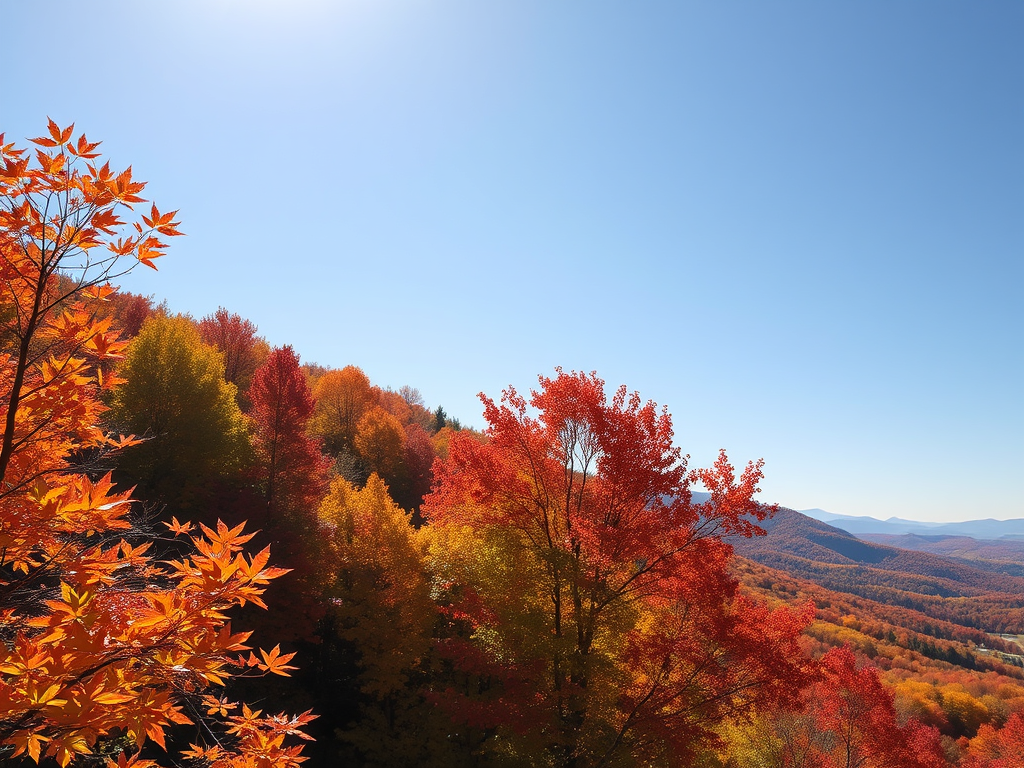
    Vermont’s fall foliage looks like an artist’s palette spilled across the Green Mountains. The colors here feel extra saturated for good reasons that start inside each leaf and continue with local weather, elevation, and the state’s maple-rich forests. Understanding the science makes every overlook, covered bridge stop, and ridge hike more rewarding.

    Leaf Color 101, how leaves change color in Vermont

    Leaves look green in summer because of chlorophyll, the pigment that powers photosynthesis. As days shorten in September and October, trees wind down for winter, chlorophyll breaks down, and hidden pigments step forward.

    • Chlorophyll, creates summer’s green, fades first in fall.
    • Carotenoids, present all season, reveal yellows and oranges once chlorophyll recedes.
    • Anthocyanins, produced mainly in autumn, add reds and purples when sunny days and cool nights allow sugars to build in the leaf.

    Why Vermont’s fall foliage is so vibrant

    Several Vermont advantages stack together to intensify color:

    • Maple mix, sugar maple and red maple are natural red and orange powerhouses.
    • Weather pattern, bright days and cool, not freezing, nights trap sugars in leaves and stimulate anthocyanins.
    • Topography, mountains and valleys create layers and contrast that make color read bolder to the eye and camera.

    The chemistry of color, chlorophyll, carotenoids, and anthocyanins

    A quick way to “read” a hillside in October:

    • Greens fading signal chlorophyll breakdown and the start of the show.
    • Golds and ambers come from carotenoids in birch, aspen, and sugar maple.
    • Scarlets and crimsons come from anthocyanins, most dramatic in maples and some oaks when days are sunny and nights are cool.

    Anthocyanins also act like natural sunscreen for the leaf, protecting tissues as the tree reclaims nutrients before leaf drop.

    Weather’s fingerprint, why some years look different

    The same hillside can look different year to year because weather rewrites the pigment recipe. Strong color tends to follow:

    • Sunny early fall days for sugar production in leaves.
    • Cool nights above freezing to slow sugar export and encourage anthocyanins.
    • Even moisture through late summer to prevent early browning.

    Color can look muted when there is persistent cloud cover, hot nights, heavy rain right before peak, drought stress, or an early hard frost that shortens the show.

    Why Vermont’s maples make legendary reds

    Maples headline Vermont’s scarlet season. Sugar maples and red maples produce anthocyanins when sugars build in the leaf under bright light and cool nights.

    • Best case for reds, sunny days plus nights in the 30s or low 40s without a freeze.
    • Softer palettes happen with cloudy, rainy stretches that reduce sugar production, shifting the scene toward golds and russets.

    Timing the trip with science, north to south and high to low

    Vermont usually turns in waves, not all at once. A simple pattern helps you plan:

    • Early to mid September, earliest hints at higher elevations in northern mountains.
    • Late September to early October, widespread change across central highlands.
    • Early to mid October, valleys and southern Vermont hit peak or near peak.
    • Late October, lingering color in warm pockets, many leaves down by early November.

    For week-by-week strategy, pair this article with your timing guide: When and Where to See the Best Fall Foliage in Vermont (2025 Guide).

    Local cues anyone can use

    Shortlist to “read” the season without a forecast:

    • Nighttime lows in the upper 30s to low 40s without a hard freeze.
    • A string of bright days that follow moderate rain.
    • Elevation checks, compare a valley, a gap road, and a ridge on the same day.

    Where to see the science in action

    Choose places that create natural contrast between species, light, and elevation:

    • High ridgelines, the Mt. Mansfield and Smugglers Notch area, where layered views reveal gradients.
    • Lakes and rivers, Lake Champlain overlooks and broad river bends, where reflections amplify reds and golds.
    • Open farm valleys, Champlain Valley meadows with solitary sugar maples framed against fields and distant hills.

    Pair these stops with other helpful guides like Family Friendly Day Trips in Vermont and How to Spot a Tourist in Vermont.

    Myths vs facts about fall foliage

    • Myth, frost is required for red leaves. Fact, frost can damage leaves. The best reds come from sunny days and cool, not freezing, nights.
    • Myth, timing is the same every year. Fact, elevation, slope aspect, rainfall, and temperature shift the calendar by days or weeks.
    • Myth, stress makes better color. Fact, drought and insect damage often dull colors or cause early brown drop.
    • Myth, red is just one pigment. Fact, anthocyanin shades vary with species, leaf pH, and the balance with carotenoids.

    Climate signals, what changing weather means for foliage

    Foliage reflects broader climate patterns. More extremes, such as droughts and intense rain, can stress trees and shorten the show. Warmer nights in early fall can delay the chlorophyll shutdown, push peak later, and sometimes reduce the intensity of reds. Expect variation within short drives, and build flexibility into your plans.

    How to use the science when planning your Vermont foliage trip

    Turn pigment chemistry and local cues into a simple plan:

    • Before you go, watch the 5 to 7 day forecast. Look for a sunny stretch with nights in the upper 30s to low 40s.
    • On the road, start high and finish low. Begin at a gap or ridge in the morning, then drop to a valley or lakeshore for reflections.
    • With your camera, shoot golden hour for richer reds, backlight leaves to make pigments glow, and photograph after rain when leaves are wet and saturated.

    For hiking ideas that pair well with color chasing, see Best Vermont Summer Hikes for Beginners. Many of those routes shine in October too.

    A quick species guide

    • Sugar maple, oranges and reds, often blended with gold.
    • Red maple, scarlet to crimson with occasional burgundy.
    • Birch, clear gold, fluttery texture against conifers.
    • Beech, bronzy gold that can hang late.
    • Red oak, red to russet, sometimes wine toned.
    • Aspen and poplar, bright yellow that shimmers in wind.

    Build a perfect foliage day, a sample plan that follows the science

    • Morning, head for elevation while temperatures are coolest. Compare north and south facing slopes from a single overlook.
    • Late morning to early afternoon, visit a lake or broad river bend for mirrored color when forest light can be harsh.
    • Afternoon, explore a valley or village green one stage behind the ridge, often with different species and palettes.
    • Sunset, choose a west-facing overlook. Backlight deepens reds and warms golds for a natural glow.

    Frequently asked questions

    Why do nearby hillsides peak at different times?
    Microclimates, species mix, elevation, and slope aspect can shift timing by days or more.

    Did smoke, heat waves, or storms change this year’s color?
    Yes, stress can alter timing or reduce intensity. Check recent local reports before choosing a region.

    Is there a single perfect weekend?
    No. Vermont peaks in waves from north to south and high to low. Flexible plans find the best color.

    Read the companion guide: When and Where to See the Best Fall Foliage in Vermont (2025 Guide).

    Leaf Peeping Crew, 30% Off

    Cozy up for foliage season with our Leaf Peeping Crew hoodies and crewnecks. Soft fleece, easy fit, perfect for ridge walks and lakeside sunsets.

    • Unisex fit and multiple colors
    • Printed to order in the USA
    • Ships directly to you
    Shop the 30% Off Sale

    Limited time offer. Discount applied at checkout while the sale lasts.