Discover Vermont, One Story at a Time 🏔️

Local culture, season adventures, small towns,
and the honest side of life in the Green Mountains


Tag: historic towns in Vermont

  • Vermont Waterfalls and Hiking Trails: Interactive Maps to Plan Your Next Adventure

    Vermont Waterfalls and Hiking Trails: Interactive Maps to Plan Your Next Adventure

    Looking to explore Vermont without spending hours scrolling through travel blogs or flipping through outdated guidebooks? I’ve made it easy. If you’re planning a trip, live here year-round, or just want to find a new place to stretch your legs, check out the two new map pages on Green Mountain Peaks: one for waterfalls and one for hiking.

    These pages aren’t packed with photos or writeups (yet), but they’ll help you get where you want to go. Each one is a simple, a map with pins for some of the best natural spots in Vermont.

    No fluff or filler, only quick access to great places.

    What’s on the Waterfalls Page

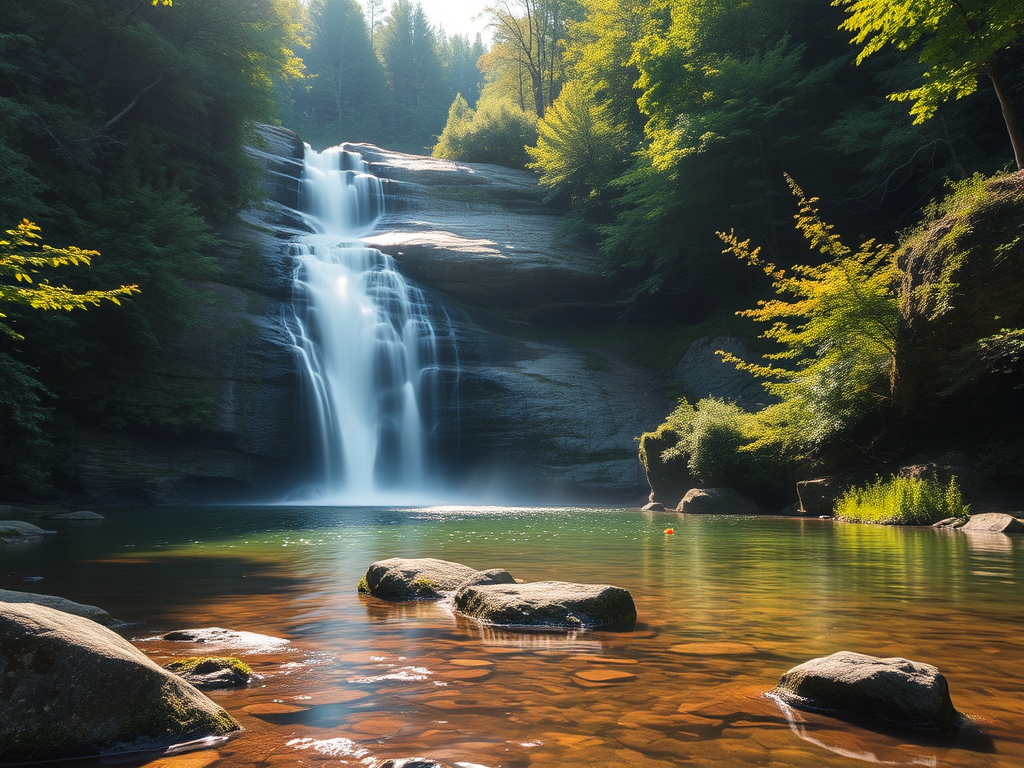
    Vermont has hundreds of waterfalls, but the map focuses on the most popular and accessible ones. These are the spots people return to every year and recommend to friends. Most are either a quick walk from the road or a short hike into the woods. Some have swimming holes. Some are great for fall photos. A few are worth the trip just for the peaceful vibe.

    If you’re someone who plans your adventures around water, you’ll want to head over to the Waterfalls Map page.

    What’s on the Hiking Page

    There are plenty of lists out there claiming to rank the best hikes in Vermont, but most don’t give you a way to actually see where they are, this one does.

    You’ll find everything from easier family-friendly walks to challenging peaks with sweeping views.

    There’s not a writeup for each one yet, but the map gets you started. You can find it here: Hiking Map

    Why I Made These Pages

    I kept running into the same issue while trying to plan my own weekend adventures: too many articles, not enough clarity. I honestly didn’t want to read an entire article words about someone’s favorite boots to find out where the trail is. I just wanted to know where to go and how to get there.

    So I made these pages for people like me. They’re not fancy, but they’re useful. And over time, I’ll keep adding more info, more pins, and maybe a few notes about each spot.

    Use the Maps. Get Outside. Keep it Simple.

    That’s the goal, just two straightforward maps to help you find good places to go when you want to be outside.

    Check out the pages here:

    Best Waterfalls in Vermont

    Top Hiking Trails in Vermont

    And if you have a favorite spot I missed, feel free to send it my way! I’m always looking for a new adventure.

  • Ethan Allen: The Man Who Led the Green Mountain Boys and Captured Fort Ticonderoga

    Ethan Allen: The Man Who Led the Green Mountain Boys and Captured Fort Ticonderoga

    A Short History of Ethan Allen (And Why He’s Everywhere in Vermont)

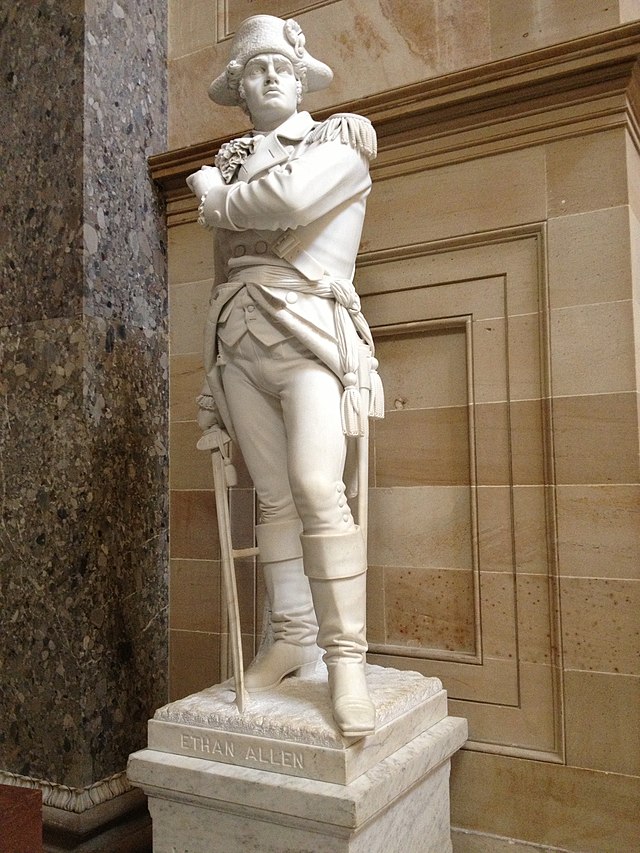
    If you’ve spent any time in Vermont, you’ve probably noticed a name that keeps popping up: Ethan Allen. There’s the Ethan Allen Homestead. Ethan Allen Park. Fort Ethan Allen. And of course, the famous Ethan Allen furniture company. But who was this man, and why is he still such a big deal in the Green Mountain State?

    I think the better question is: how could he not be everywhere? Ethan Allen wasn’t just a Revolutionary War figure. He helped shape the identity of Vermont itself—fiery, independent, and a little unruly. So let’s dive into a short but rich history of the man behind the myth, and explore why his legacy is alive and well all across the state.

    Who Was Ethan Allen?

    Ethan Allen was born in 1738 in Litchfield, Connecticut, and grew up on the edge of the New England frontier. He was never one for rules, schools, or staying in line. After some time trying to make a name for himself in ironworking, philosophy, and land speculation, he made his way to what was then the New Hampshire Grants—a patch of territory that would later become Vermont.

    That’s where things really took off.

    • Birthplace: Litchfield, Connecticut
    • Moved to Vermont: Early 1760s
    • Famous for: Founding the Green Mountain Boys, seizing Fort Ticonderoga, promoting Vermont’s independence
    • Character traits: Brash, bold, defiant, passionate about liberty (and land)

    Allen was the kind of person who would make enemies fast, but he also made loyal friends. He stood out not just for his military exploits, but for his outspokenness, radical ideas, and larger-than-life personality.

    The New York Land Dispute: Ethan Allen’s Origin Story

    To understand why Ethan Allen became a local legend, you need to start with a land dispute that shaped the entire region. In the mid-1700s, both New Hampshire and New York claimed the area that is now Vermont. New Hampshire had issued land grants to settlers, but New York came in later and said those grants were invalid. They tried to force settlers to buy their land all over again, now at a higher price.

    Enter Ethan Allen.

    • His stake: Allen had family and personal claims to land under the New Hampshire grants
    • His mission: Defend those land claims against New York authorities
    • His weapon of choice: A militia known as the Green Mountain Boys

    The Green Mountain Boys were a rowdy, semi-official militia that resisted New York’s control, sometimes with violence. They roughed up sheriffs, destroyed court documents, and made it known that “Yorkers” (people siding with New York) weren’t welcome. To many outsiders, they were little more than lawless rebels. But to settlers in Vermont, they were heroes defending their homes.

    Fort Ticonderoga: The Peak of Ethan Allen’s Glory

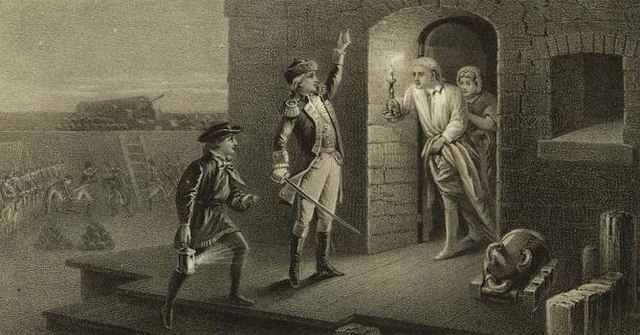
    Ethan Allen’s name became known far beyond Vermont in May 1775 when he led a surprise raid on Fort Ticonderoga alongside Benedict Arnold. The fort, located on Lake Champlain, was lightly defended by the British. In the early morning hours, Allen and his Green Mountain Boys stormed the fort and took it without firing a shot.

    What made the moment legendary was Allen’s reported demand:

    “In the name of the Great Jehovah and the Continental Congress!”

    While historians debate whether he actually said those words, the story stuck. The victory gave the Continental Army much-needed artillery, which would later be used to drive the British out of Boston. It was one of the first American victories of the Revolutionary War.

    • Date: May 10, 1775
    • Significance: Boosted morale and secured cannons for the revolution
    • Mythology: Helped cement Allen as a Revolutionary War hero

    For many Vermonters, Fort Ticonderoga is where Allen moved from local rabble-rouser to national figure.

    Ethan Allen the Politician and Philosopher

    Allen’s life after the Fort Ticonderoga raid was a whirlwind.

    Shortly after the victory, he tried to capture Montreal but was taken prisoner and shipped off to England. He spent nearly three years in captivity before being released in a prisoner exchange. When he returned, Vermont was still not a recognized state. In fact, it was trying to become its own independent republic.

    Allen got heavily involved in this effort. He lobbied for Vermont to be recognized as a separate state, but when Congress dragged its feet, he explored more controversial options.

    One of the biggest eyebrow-raisers in his career was the Haldimand Affair, where he and others secretly negotiated with the British about possibly making Vermont a British province if independence wasn’t recognized. Though the plan never materialized, it added to Allen’s reputation as someone willing to bend the rules for what he believed was right.

    He also turned to writing, publishing works like:

    • “Reason: The Only Oracle of Man” (1785)
    • A bold defense of deism and Enlightenment values
    • Rejected organized religion, promoted logic and reason
    • Largely ignored in its time, but considered radical and ahead of its era

    Why Ethan Allen Is Everywhere in Vermont Today

    There are few figures as thoroughly woven into the identity of a U.S. state as Ethan Allen is to Vermont. His name is emblazoned across parks, schools, businesses, and neighborhoods. But why?

    1. Symbol of Independence

    Allen’s leadership during the fight against New York and the British represents Vermont’s long-standing love of autonomy. Vermont was its own republic for 14 years before joining the Union in 1791.

    2. Local Hero Status

    Whether or not every detail of his life is praiseworthy, his legacy as a bold, take-no-prisoners leader appeals to Vermonters’ appreciation for grit and tenacity.

    3. Brand Recognition

    The Ethan Allen furniture company, founded by one of Allen’s descendants, helped turn the name into a national brand, further spreading his legacy (and some confusion along with it).

    4. Tourist Appeal

    Monuments and historic sites connected to Allen are some of the most-visited Revolutionary War spots in the state.

    Where to Learn More (and Walk in His Footsteps)

    If you’re visiting Vermont and want to dig deeper into Ethan Allen’s story, here are some places to check out:

    Ethan Allen Homestead Museum – Burlington

    Located on the site where Allen lived in his later years. Features a restored colonial home, museum exhibits, and walking trails.

    Fort Ethan Allen Historic District – Colchester and Winooski

    Originally a military post from the late 1800s named in his honor. Today, the area is filled with preserved architecture and historical markers.

    Ethan Allen Park – Burlington

    Offers a scenic overlook of Lake Champlain and a monument to Allen. Great for a picnic or sunset photo.

    Greenmount Cemetery – Burlington

    Allen’s burial site includes a tall monument and interpretive signage. A quiet, reflective place to pay respects.

    Fort Ticonderoga – Just over the border in New York

    While technically not in Vermont, it’s worth the short drive. Offers tours, reenactments, and a deeper look at Allen’s most famous military feat.

    Final Thoughts: The Complicated Charm of Ethan Allen

    Ethan Allen wasn’t perfect. He could be reckless, self-serving, and a bit of a showman. But he was also brilliant, fiercely loyal to his people, and unshakably committed to liberty—even if he defined it in his own unconventional way.

    That contradiction is part of what makes him such a compelling figure. And it’s part of why Vermonters still claim him as their own.

    Today, when you see his name on a bottle of local cider or etched into a stone monument, you’re not just looking at a historical figure. You’re seeing a symbol of what Vermont has always stood for—independence, resilience, and a little rebellion now and then.

    Planning a Trip?

    Don’t forget to include the Ethan Allen Homestead on your Vermont itinerary. And if you’re looking to understand what makes Vermont tick, Ethan Allen is a great place to start!

  • Weird Laws in Vermont That Are Actually Real (And a Few That Aren’t)

    Weird Laws in Vermont That Are Actually Real (And a Few That Aren’t)

    Vermont has always marched to the beat of its own drum. From banning billboards to letting towns govern themselves with near-total autonomy, this little state in the Northeast is filled with quirks that reflect its fiercely independent spirit. And nowhere is that more evident than in its laws. While many have been updated or repealed over time, some strange ones are still on the books, technically speaking. As a lifelong Vermonter, I’ve heard my fair share of oddball legal trivia, but even I was surprised by a few of these.

    Some are funny, some are rooted in real history, and some are just so Vermont it hurts. Whether you’re a curious local or a history-loving tourist, here are some of the strangest laws still lingering in the Green Mountain State.

    What Counts as a “Weird Law”?

    Let’s start by clearing something up. When we say a law is “still on the books,” it usually means it hasn’t been formally repealed or overwritten by newer legislation. That doesn’t necessarily mean it’s being enforced. Think of these as legal leftovers, often forgotten, sometimes debated, but always entertaining. Vermont has had centuries of lawmaking, and not everything has aged gracefully.

    Vermont’s Funniest and Most Bizarre Laws

    1. No Whistling Underwater

    This one makes the rounds on lists of weird laws, but don’t go digging through state statutes trying to find it. It’s almost certainly an urban legend, but it pops up often enough that it deserves a mention. The visual alone is worth it.

    2. Don’t Tie a Giraffe to a Telephone Pole

    Another favorite among online weird law lists, but again, there’s no actual evidence of this one existing in Vermont law. Still, it shows how easily quirky ideas get attached to a place like Vermont, where local ordinances can be unusually specific.

    3. It’s Illegal to Deny the Existence of God (VT Constitution, Chapter I, Article III)

    Now here’s one that is real. The Vermont Constitution contains language stating that officeholders must believe in a Supreme Being. Of course, this contradicts federal constitutional protections for religious freedom and has no practical bearing today, but the language is still technically there. It’s a historical relic from the 18th century, when many states had similar religious requirements.

    4. Towns Can Require Residents to Own a Firearm

    While not a statewide mandate, Vermont towns have had significant control over their own regulations, including historical militia-style laws. There’s no current requirement, but the local governance structure in Vermont once allowed for such ordinances. This reflects Vermont’s longstanding gun-friendly culture and its strong tradition of individual rights.

    5. Public Dancing Was Prohibited on Sundays

    Blue laws were a real thing in Vermont, just like in many other parts of the country. In some areas, public dancing and other leisure activities were restricted on Sundays for religious reasons. While most of these laws have been repealed or ignored into obsolescence, a few still pop up in local ordinances or town histories.

    6. Margarine Was Required to Be Dyed Pink

    This one is not just weird, it’s very real. In the late 19th and early 20th centuries, Vermont took its dairy seriously. So seriously, in fact, that margarine had to be dyed pink to distinguish it from butter. The goal? Protect the dairy industry from cheaper competition. Pink margarine wasn’t exactly flying off the shelves, and that was the point.

    7. Billboards Are Illegal

    Unlike many of the other laws on this list, this one is actively enforced. Vermont banned billboards in 1968 as a way to preserve scenic beauty and resist corporate intrusion. The law is a source of pride for many Vermonters, and it contributes to the state’s uniquely uncluttered roadsides. If you’ve ever driven through Vermont and thought it felt more peaceful, this law is part of the reason.

    8. You Can Legally Cross a Solid Yellow Line to Pass

    This one shocks a lot of visitors. In Vermont, it is not illegal to cross a solid yellow line to pass a slower-moving vehicle, as long as it’s safe to do so. The yellow line is advisory, not a strict prohibition. This law fits perfectly with Vermont’s trust in individual judgment and practical rural road etiquette. Just don’t try it on a blind curve.

    Local Bylaws That’ll Make You Do a Double Take

    One thing that makes Vermont unique is the level of autonomy granted to towns. That local control means some very specific, very strange laws exist in pockets around the state.

    • Montpelier and house colors: At one point, Montpelier debated regulating what colors residents could paint their homes, particularly in historic districts.
    • Shelburne and yard signs: Shelburne once proposed limiting the number and type of yard signs, sparking debates about free speech.
    • Livestock leash laws: In rural towns, don’t be surprised to find laws requiring pigs to be fenced in or even wear bells. Some of these still exist in outdated town bylaws.

    These local rules often reflect real concerns from another era but feel humorous today. Still, some are technically active, so it’s best to double-check your town’s regulations before installing a goat trampoline or neon-pink fence.

    Why These Laws Haven’t Been Repealed

    You might wonder, why don’t we just get rid of them? A few reasons:

    • Lack of urgency: If no one’s enforcing it, repealing it usually isn’t a priority.
    • Historical preservation: Some laws remain for symbolic or archival reasons.
    • Bureaucratic inertia: Repealing laws takes time, paperwork, and political will.

    And honestly? Some folks think they add character. In a state like Vermont, where independence and tradition matter deeply, even outdated laws can have a certain charm.

    How Vermont Compares to Other States

    Every state has its share of weird laws. Maine supposedly bans parking in front of Dunkin Donuts. In New Hampshire, it’s illegal to collect seaweed at night. Compared to those, Vermont’s oddities are mostly about tradition and independence rather than pure absurdity. What sets Vermont apart is that many of its “weird” laws have roots in real values: localism, agriculture, privacy, and practicality.

    Celebrate the Quirks

    From pink margarine to solid yellow lines, Vermont’s legal history is filled with unexpected surprises. Some of these laws are funny, some are outdated, and some are still shaping how we live today. But all of them tell a story about who we are as a state.

    Got a weird law from your Vermont town? Share it in the comments or send me a message. I’d love to dig into it. And if you enjoyed this little legal time capsule, stick around. There’s plenty more Vermont history and trivia where that came from.

  • Easy Vermont Hiking Trails for Beginners: Sterling Pond, Hamilton Falls, Silver Lake, and More

    Easy Vermont Hiking Trails for Beginners: Sterling Pond, Hamilton Falls, Silver Lake, and More

    Vermont is a hiker’s paradise in the summer, offering endless opportunities to explore the state’s natural beauty. But if you’re new to hiking or looking for trails that are perfect for kids, it can be hard to know where to start. The good news is that Vermont is filled with beginner-friendly hikes that still offer the kind of scenic views, fresh mountain air, and peaceful forest immersion that makes hiking here so special.

    Whether you’re a local looking for a gentle weekend outing or a tourist planning a family adventure, this guide has you covered! We’ll explore some of the best easy hikes across the state, with tips on what to bring, what to expect, and where to grab a creemee afterward.

    Why Hike in Vermont This Summer?

    There are few better places to be in the summer than on a Vermont trail. Here’s why:

    • Cool mountain air offers relief from the summer heat
    • Shady forests keep things comfortable even on sunny days
    • Wildflowers and wildlife are abundant in July and August
    • Easy access from towns, state parks, and scenic roads
    • Quiet trails give space for reflection, connection, or family fun

    Plus, summer hiking is a great way to discover Vermont’s small towns and state parks, many of which are just a short drive from wherever you’re staying.

    What Makes a Hike Beginner-Friendly?

    Not all hikes are created equal. For this list, we focused on hikes that meet the following criteria:

    • Less than 3 miles round trip
    • Minimal elevation gain (no scrambling required)
    • Clearly marked and maintained trails
    • Accessible trailheads with parking nearby
    • Great payoff such as a view, waterfall, or pond

    Many of these trails are perfect for children, casual walkers, or anyone looking for a relaxing outdoor experience.

    What to Bring for a Vermont Summer Hike

    Preparation makes the difference between a lovely hike and an uncomfortable one. Here’s what we recommend:

    • Sturdy sneakers or hiking shoes
    • Bug spray (especially for black flies and mosquitoes)
    • Reusable water bottle
    • Sun protection: hat, sunglasses, and sunscreen
    • Light snacks or picnic lunch
    • Map or trail app (like AllTrails)
    • Optional: binoculars, swim gear, wildflower guide

    Best Beginner Hikes in Vermont

    Northern Vermont

    1. Barnes Camp Boardwalk Loop – Smugglers’ Notch
    0.3 miles | Flat | Fully accessible
    Located just before the Notch Road closes in the winter, this raised boardwalk loop is perfect for families, strollers, and wheelchairs. Interpretive signs explain the wetland ecosystem, and the views of the cliffs above are stunning.

    2. Sterling Pond Trail (to the pond only) – Cambridge
    2.2 miles round trip | Moderate incline | Kid-friendly with supervision


    This trail starts at the top of Smugglers’ Notch and climbs steadily through a forest of birch and fir. The reward is a clear mountain pond, ideal for a picnic and a quick dip. Note: the first section is rocky but manageable.

    3. Lamoille Valley Rail Trail – Various Access Points
    Up to 93 miles | Flat | Choose your length
    Perfect for walking, biking, or pushing a stroller, this converted rail trail stretches across northern Vermont. Highlights include covered bridges, mountain views, and easy access from towns like Johnson, Morrisville, and St. Johnsbury.

    Central Vermont

    4. Silver Lake Trail – Barnard
    1.5 miles round trip | Easy | Lakeside views
    Start from the campground or the nearby state park and stroll to Silver Lake, one of the prettiest swimming spots in central Vermont. Picnic tables, paddle rentals, and calm water make this a great all-day destination.

    5. Falls of Lana Trail – Salisbury
    2.8 miles round trip | Gradual incline | Waterfall views
    This lightly trafficked trail follows a forest road before veering into the woods toward a scenic waterfall. The falls are dramatic, especially after rain. You can stop at a lookout or continue to the base.

    6. Pine Hill Park – Rutland
    Varies by loop | Flat to gentle hills | Trail network for all levels
    A great urban hiking option, this park offers a range of interconnected trails through a shaded forest, past ponds, and through wildflower fields. The trails are well marked and ideal for a family outing.

    Southern Vermont

    7. Mile Around Woods – North Bennington
    1.4 miles loop | Flat | Open fields and shaded woods
    This short loop near the Robert Frost Stone House Museum combines meadow views, woodland paths, and mountain vistas. It’s peaceful, uncrowded, and beautiful in the golden hour.

    8. Mount Olga Trail – Molly Stark State Park
    1.7 miles loop | Moderate but short | Fire tower views
    Climb through shady woods to reach a summit with a fire tower that offers one of the best panoramic views in southern Vermont. Great for older kids and beginners who want a small challenge.

    9. Hamilton Falls Trail – Jamaica State Park
    3 miles round trip | Mostly flat | River and waterfall
    This riverside walk follows the West River Trail and then branches off toward a stunning waterfall. There’s a shallow area to wade, and picnic tables along the way. Don’t attempt to climb the falls.

    Bonus: Lake Champlain Island Hike

    10. Eagle Mountain – North Hero
    2.2 miles round trip | Gentle hills | Lake views and wild blueberries
    This quiet trail winds through the woods before opening up to sweeping views of Lake Champlain and the Adirondacks. In mid-to-late summer, wild blueberries line the trail.

    Tips for Hiking With Kids or First-Timers

    • Let kids lead the hike to boost confidence
    • Make it fun with a scavenger hunt or nature bingo
    • Take plenty of breaks, especially at cool landmarks
    • Keep your pace relaxed and bring plenty of water
    • Plan a fun treat afterward (like a local creemee stop)

    Remember, it’s okay to turn around early if energy or attention starts to fade. The point is to have fun, not to summit every hill.

    Leave No Trace: Vermont Style

    Vermonters take pride in their outdoor spaces. Here’s how to be a respectful hiker:

    • Stay on the trail to avoid trampling plants
    • Pack out all trash, even biodegradable items
    • Keep dogs leashed where required
    • Yield to uphill hikers and say hello to passersby
    • Respect wildlife and never feed animals

    Where to Stop After the Hike

    Pair your hike with a stop at a local spot. Here are a few suggestions:

    • Smugglers’ Notch: Pick up a creemee in Jeffersonville or grab lunch at 158 Main
    • Stowe area: Cold Hollow Cider Mill or the Stowe Cider taproom
    • Barnard: Eat lunch at Barnard General Store and swim at Silver Lake
    • North Hero: Hero’s Welcome for sandwiches and lake views
    • Bennington: Taste a maple creemee at The Sugar Shack

    Final Thoughts

    You don’t have to be an experienced hiker to enjoy Vermont’s trails. In fact, some of the state’s most rewarding hikes are the easiest ones. Whether you’re splashing by a waterfall, spotting wildflowers, or just soaking in a mountain view with your family, these beginner hikes offer a perfect introduction to the Green Mountain State’s wild side.

    So lace up your sneakers, pack a snack, and hit the trail! Vermont is waiting!!

  • Vermont Farmers Market Recipes: What to Make With Summer Produce From Local Stands

    Vermont Farmers Market Recipes: What to Make With Summer Produce From Local Stands

    There’s nothing quite like the smell of fresh basil on a humid July morning in Vermont, or the crisp snap of a just-picked Sugar Snap Pea at the farmers market. As a Vermonter, I’ve come to see these markets not just as a place to shop, but as a rhythm of life. They’re where community happens, where seasons shift in real time, and where the best meals begin.

    Whether you’re a local trying to eat more seasonally or a visitor hoping to bring the flavor of Vermont into your kitchen, this guide offers delicious summer recipes that showcase the best ingredients from Vermont farmers markets.

    Let’s turn that canvas tote full of produce into something unforgettable.

    Why Cook With Vermont Farmers Market Ingredients?

    Cooking with local, seasonal ingredients is more than just trendy. In Vermont, it’s how we connect to the land, support our neighbors, and eat well without overcomplicating things.

    Here’s why it matters:

    • Freshness: Many vendors harvest produce the morning of the market. That tomato? Still warm from the sun.
    • Flavor: You can taste the difference in a berry that didn’t travel cross-country.
    • Sustainability: Local food travels fewer miles, uses less packaging, and supports regenerative practices.
    • Community: Markets are a chance to talk to growers, get recipe tips, and reconnect with where your food comes from.

    How to Shop Like a Vermonter

    Even if you’re visiting from out of town, there are a few ways to navigate Vermont’s farmers markets like you live here:

    1. Come Early (or Late):
    Early birds get the best pick of greens, berries, and bread. Arriving late can score you deals as vendors pack up.

    2. Bring Cash and a Tote Bag:
    Many vendors take cards, but cash is still king. Bonus points for showing up with a reusable bag or basket.

    3. Talk to the Farmers:
    Don’t be shy. Ask questions. “What’s at its peak?” “How would you cook this?” They’re happy to share tips.

    4. Try Something New:
    Garlic scapes, gooseberries, or ramps may not be staples at your grocery store, but they shine in seasonal recipes.

    5. Buy What Looks Best:
    Plan meals around what’s abundant and beautiful. Flexibility makes seasonal cooking easier and more fun.

    Summer Recipes Using Farmers Market Finds

    These Vermont summer recipes highlight the freshest produce and locally made products you’ll find between late June and early September. They’re simple, satisfying, and packed with flavor.

    Heirloom Tomato and Basil Galette

    Serves 4 | Prep Time: 15 min | Bake Time: 30 min

    Ingredients:

    • 2 large heirloom tomatoes, sliced
    • ¼ cup crumbled goat cheese
    • Handful of fresh basil
    • 1 pie crust (store-bought or homemade)
    • Olive oil, salt, pepper

    Directions:

    1. Roll out pie crust on parchment paper.
    2. Layer tomato slices in a circle, leaving 2 inches around the edge.
    3. Sprinkle with goat cheese, basil, salt, and pepper.
    4. Fold crust edges inward. Drizzle with olive oil.
    5. Bake at 400°F for 30 minutes until crust is golden and tomatoes are soft.

    Sweet Corn Chowder with Smoked Bacon

    Serves 6 | Prep Time: 15 min | Cook Time: 35 min

    Ingredients:

    • 4 ears of sweet corn, kernels removed
    • 4 slices smoked bacon
    • 1 small onion, chopped
    • 2 cups diced potatoes
    • 3 cups chicken or veggie broth
    • 1 cup milk or cream
    • Salt, pepper, thyme

    Directions:

    1. Cook bacon in a soup pot until crisp. Remove and chop.
    2. Sauté onion in bacon fat until soft. Add corn, potatoes, broth, salt, pepper, and thyme.
    3. Simmer 20 minutes. Add milk or cream and chopped bacon. Simmer 5 more minutes.

    Maple Strawberry Shortcakes

    Serves 6 | Prep Time: 15 min | Bake Time: 15 min

    Ingredients:

    • 2 cups fresh Vermont strawberries, sliced
    • ¼ cup pure maple syrup
    • 2 cups flour
    • 1 tablespoon baking powder
    • ½ teaspoon salt
    • ½ cup cold butter
    • ⅔ cup buttermilk
    • Whipped cream or yogurt

    Directions:

    1. Toss strawberries with maple syrup and let sit for 30 minutes.
    2. Mix flour, baking powder, and salt. Cut in butter. Add buttermilk and stir to form dough.
    3. Drop onto a baking sheet and bake at 400°F for 15 minutes.
    4. Split shortcakes, spoon over strawberries and juice, top with whipped cream.

    Maple Roasted Root Vegetables

    Serves 4 | Prep Time: 15 min | Roast Time: 35 min

    Ingredients:

    • 1 delicata squash, sliced
    • 2 carrots, peeled and chopped
    • 1 beet, peeled and chopped
    • 1 turnip, chopped
    • 2 tablespoons maple syrup
    • 2 tablespoons olive oil
    • Salt, pepper, thyme

    Directions:

    1. Toss veggies with oil, syrup, and seasonings.
    2. Spread on baking sheet and roast at 425°F for 35 minutes, flipping halfway.
    3. Finish with fresh herbs or a drizzle of balsamic vinegar.

    Bonus: Farmers Market Cocktail

    Maple Blueberry Bourbon Smash
    Serves 2 | Prep Time: 5 min

    Ingredients:

    • ½ cup fresh blueberries
    • 2 tablespoons Vermont maple syrup
    • Juice of 1 lemon
    • 4 to 5 mint leaves
    • 4 oz Bourbon
    • Crushed ice and soda water

    Directions:

    1. Muddle blueberries, mint, maple syrup, and lemon juice in a shaker.
    2. Add bourbon and shake well with ice.
    3. Strain into glasses filled with crushed ice.
    4. Top with a splash of soda water. Garnish with mint or more berries.

    Pantry Staples to Pair With Farmers Market Hauls

    Keeping a few Vermont-made pantry items on hand makes it easier to pull together a great meal when inspiration strikes.

    Recommended staples:

    • Real Vermont maple syrup
    • Local raw honey
    • Dijon mustard from Vermont makers
    • Cheddar or goat cheese
    • Herbal teas
    • Apple cider vinegar
    • Jam or preserves

    These pair beautifully with fresh produce and elevate simple recipes.

    Farmers Markets by Region: What’s in Season Where

    Burlington Farmers Market

    • Mushrooms, kimchi, kombucha, prepared meals
    • Great for diverse, global flavors

    Montpelier Farmers Market

    • Heirloom garlic, herbal remedies, and tamales
    • Vibrant Saturday morning scene

    Norwich Farmers Market

    • Goat cheese, pasture-raised meats, cut flowers
    • Classic New England vibe

    Brattleboro Farmers Market

    • Smoked fish, maple nuts, multicultural food vendors
    • Live music and picnic tables under the trees

    Champlain Islands Farmers Markets (South Hero and Grand Isle)

    • Summer berries, sweet corn, baked goods, handmade crafts
    • Lakeside charm and strong local community support

    West River Farmers Market (Londonderry)

    • Specialty cheeses, artisan bread, flowers, woodcraft
    • Known for its idyllic setting and local variety

    Savor the Seasons, the Vermont Way

    Cooking with farmers market ingredients isn’t just about eating well. It’s about slowing down, connecting with the place you live or visit, and celebrating what each season offers.

    So next time you find yourself wandering between stalls at your local Vermont market, ask what’s in season, grab something unfamiliar, and try one of these recipes.

    If you make any of them, I’d love to hear how they turn out. Share your creations, tag the blog, or leave a comment with your favorite farmers market finds.

    Here in Vermont, we eat with the seasons. We savor what’s fresh. And we always leave room for dessert. Especially if it’s maple.

  • How Vermont Celebrates the 4th of July: Parades, History, and the 1777 Constitution

    How Vermont Celebrates the 4th of July: Parades, History, and the 1777 Constitution

    Independence Day in Vermont is more than fireworks and grilled hot dogs. It is a deeply rooted celebration of what it means to stand up, push back, and do things your own way. From the state’s early days as a self-declared republic to the modern-day town meetings that still shape its political character, Vermont has always taken independence seriously. And on the Fourth of July, Vermonters do not just wave flags. They celebrate the bold, revolutionary spirit that made their state what it is.

    Here’s why:


    Vermont Was Born From Revolution

    Before Vermont was a state, it was a battleground. Not just in the war against British rule, but also in a fierce political struggle with neighboring colonies. In the 1760s and 1770s, the land that is now Vermont was hotly contested by both New York and New Hampshire. Settlers under conflicting land claims often found themselves at odds, and it was out of this chaos that Vermont’s revolutionary identity was born.

    At the center of this fight were the Green Mountain Boys, a militia formed to defend the rights of New Hampshire land grantees. Led by Ethan Allen, they gained fame not only for defending Vermont’s territory but also for capturing Fort Ticonderoga in 1775. Their boldness and independence earned them a permanent place in early American history.

    In 1777, Vermont declared itself an independent republic. It was not part of New York, not part of New Hampshire, and not yet part of the United States. For 14 years, it functioned as its own country, issuing its own currency, operating its own postal service, and negotiating with foreign powers.

    This revolutionary origin story is not just state trivia. It shapes how Vermonters see themselves: independent, self-reliant, and unafraid to challenge the status quo.


    July 4, 1777: Vermont’s First Constitution Signed

    While the rest of the nation was celebrating the first anniversary of American independence, Vermonters were making history of their own.

    On July 4, 1777, in the small town of Windsor, Vermont ratified its first constitution. This was not just symbolic. It was a bold and forward-thinking document that made Vermont the first territory in North America to:

    • Prohibit adult slavery
    • Allow universal male suffrage, including non-landowners
    • Guarantee public education

    It was no coincidence that the constitution was signed on the Fourth of July. The date was chosen to align Vermont’s bold experiment in democracy with that of the newly declared United States. Even though Vermont was not admitted to the Union until 1791, it celebrated American ideals from the beginning and often went further than the original states.

    This moment is part of why the Fourth of July means something deeper in Vermont. It marks both American independence and Vermont’s own political birth.


    Independence as a Way of Life in Vermont

    For Vermonters, independence is not just historical. It is cultural.

    Here are some ways that value shows up in daily life:

    1. Town Meeting Day
    Held each March, Town Meeting Day is a living example of grassroots democracy. In school gyms, firehouses, and town halls, residents gather to vote on local issues. These meetings are often intense, personal, and fiercely debated. They reflect a culture where every voice matters.

    2. Local Control Over Big Government
    Vermont has a long tradition of resisting federal or corporate overreach. This includes:

    • Being the first state to recognize same-sex civil unions in 2000
    • Pioneering GMO labeling laws
    • Refusing to adopt certain standardized testing models in schools

    3. Supporting Local Over Chain Stores
    Many Vermont towns have actively resisted big-box development in favor of local businesses. The result is a state full of independent bookstores, family-run general stores, and small producers who thrive on community support.

    This deep-rooted commitment to self-governance and community control echoes the ideals that sparked the Revolution in the first place.


    Celebrating with Purpose: How Vermonters Honor the 4th

    Fourth of July in Vermont is vibrant, but it is also intentional. Towns big and small embrace the day not just with festivities but with reflection.

    Some notable traditions include:

    1. Montpelier’s Independence Day Celebration
    Includes a classic parade, live music, a farmers market, and fireworks. Often features readings of the Declaration of Independence and performances by local historical reenactors.

    2. Brandon’s Parade and Street Dance
    Known for quirky floats and strong community involvement. Followed by a lively street party with local food and drink.

    3. Fireworks Over Lake Champlain
    Burlington hosts a waterfront celebration that draws families, history lovers, and tourists alike. You will find educational tents alongside food trucks and live music.

    4. Historic Reenactments
    Locations like Hubbardton Battlefield and the Old Constitution House often hold Revolutionary War reenactments, flag-raising ceremonies, and educational programs.

    In many Vermont towns, you are just as likely to find a small museum exhibit about 1777 as you are to find a BBQ cookout. The past is never far away.


    Revolutionary Figures Who Still Inspire

    When you grow up in Vermont, you learn names that do not always show up in the average history book. These figures are still celebrated and honored across the state.

    1. Ethan Allen
    Leader of the Green Mountain Boys and hero of Fort Ticonderoga. Known for his brashness, wit, and fierce devotion to liberty.

    2. Thomas Chittenden
    Vermont’s first governor, both during the republic and after statehood. A stabilizing force in turbulent times who guided Vermont into the Union.

    3. Ann Story
    A Revolutionary War heroine who supported the Green Mountain Boys from the frontier. A symbol of the strength and resilience of Vermont’s women.

    These names are etched into Vermont’s geography: on schools, roads, mountains, and historic plaques. They are not just historical figures. They are cultural icons.


    Why It Still Matters Today

    Vermonters do not take Independence Day seriously just because of the past. They see it as a reminder of what still matters—freedom, equality, civic engagement, and community.

    1. Teaching the Next Generation
    Vermont classrooms often incorporate local Revolutionary history into lesson plans. Students take field trips to places like Fort Ticonderoga and the Constitution House.

    2. Civic Pride and Activism
    From climate change protests to small-scale political campaigns, Vermonters continue to show up and speak out. The Revolutionary spirit lives on in a culture that values participation over apathy.

    3. Balancing Celebration with Reflection
    Independence Day events often include solemn moments for veterans, readings of the Declaration, and reflections on progress. It is not uncommon for communities to acknowledge where the country has fallen short, even as they celebrate what has been achieved.

    For many, it is not just about what happened in 1776 or 1777. It is about what those years started and how that momentum continues today.


    Visiting Vermont for the 4th: A History Buff’s Dream

    If you are a history lover, there is no better place to spend the Fourth of July than Vermont. Here are some top destinations that combine celebration with context:

    1. Bennington Battle Monument
    The tallest structure in Vermont, commemorating the Battle of Bennington in 1777. Features tours and panoramic views of the surrounding countryside.

    2. Old Constitution House in Windsor
    The site where Vermont’s first constitution was signed. Hosts reenactments and educational events over the holiday weekend.

    3. Hubbardton Battlefield
    The only Revolutionary War battle fought entirely on Vermont soil. Offers walking trails, interpretive signs, and living history programs.

    4. Mount Independence
    A Revolutionary fortification with trails and preserved earthworks. Guided tours are often available during July.

    5. St. Albans and Swanton Parades
    These events blend local flavor with historical flair and often highlight early settler heritage.

    Pair any of these with a small-town parade or lakeside picnic and you have a well-rounded celebration that blends past and present beautifully.


    Conclusion: The Spirit of ’77 Lives On

    Vermont’s commitment to independence is not just a story in a textbook. It is lived every day in its towns, schools, celebrations, and political culture. That is why the Fourth of July is not just a national holiday here. It is a personal one.

    Whether you are watching fireworks over Lake Champlain, visiting the site where Vermont’s first constitution was signed, or sitting at a town meeting voicing your opinion, you are participating in a tradition that dates back to 1777.

    This July, as Americans mark their independence, Vermonters are marking theirs too. Proudly, loudly, and with a deep sense of purpose.
  • How Vermont Elected a Republican Governor Five Times in a Row in a Deep Blue State

    How Vermont Elected a Republican Governor Five Times in a Row in a Deep Blue State

    Why Republicans and Progressives Can Actually Get Along Here

    In a time when politics often feels broken, Vermont stands out. While most headlines focus on division and dysfunction, this small state quietly operates on something that feels almost radical in 2025: cooperation.

    Vermont’s political system is not perfect. But it is effective. And in many cases, it’s because the people here refuse to play by national party rules.

    What Makes Vermont Politics Different

    It is not just about having a Republican governor in a deep-blue state. Vermont’s real political strength comes from how its parties, especially Progressives and Republicans, often work together—despite being on opposite sides of the spectrum.

    In Vermont, bipartisanship is not centrism. It is values-based problem solving rooted in place, not party.

    A State Shaped by Independence

    Before it joined the Union, Vermont was its own independent republic (1777–1791). During that time, it:

    • Printed its own currency
    • Maintained a citizen militia
    • Abolished slavery, ahead of the rest of the U.S.

    That legacy still shows up in modern Vermont politics. Vermonters tend to value:

    • Local control
    • Citizen-led government
    • A healthy distrust of centralized power
    • Practical, community-based solutions

    This culture encourages flexible political thinking and discourages partisan posturing.

    The Political Landscape Today

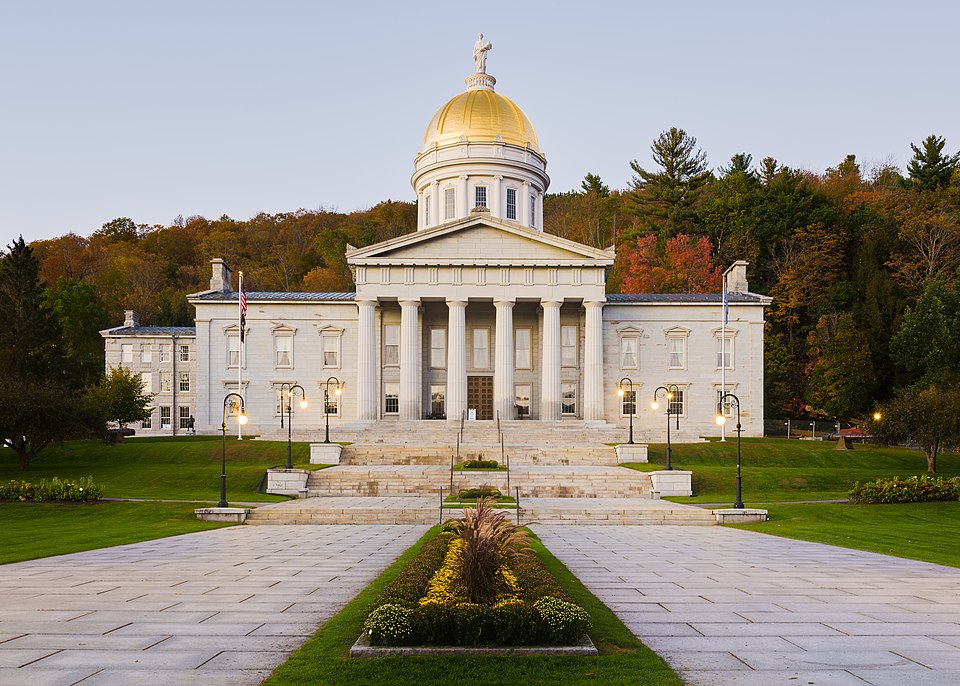
    Vermont State House | Montpelier, Vermont

    VVermont’s politics are shaped by four major groups:

    • Democrats: Dominate the state legislature and federal delegation
    • Republicans: Fewer in number, but influential—especially through the governor’s office
    • Progressives: The most successful third party in the U.S., with elected officials across levels
    • Independents: Regularly win races in local government and keep all parties accountable

    A unique feature: Fusion voting, which lets candidates appear on the ballot under more than one party. This encourages collaboration and blurred party lines.

    It is not uncommon to see:

    • Local races decided by values, not just red vs. blue
    • Progressive-Democrat alliances
    • Republican-Independent candidates

    Governor Phil Scott: A Republican in a Deep Blue Progressive State

    Governor Phil Scott (R-VT)

    Phil Scott, Vermont’s Republican governor, won a fifth term in 2024 with 73% of the vote—while Kamala Harris won the state’s presidential vote by a landslide the same year.

    Why Vermonters keep re-electing him:

    • Fiscally conservative: Advocates for balanced budgets and cautious spending
    • Socially moderate: Supports abortion rights, LGBTQ+ protections, and climate policies
    • Policy highlights:
      • Signed major gun control laws
      • Supported environmental reforms
      • Vetoed paid family leave and minimum wage increases due to cost concerns

    What really sets him apart is tone. He governs with civility and respect, often working directly with Progressive and Democratic legislators even when they disagree.


    The Vermont Progressive Party: A Movement, Not Just a Brand

    United States Senator Bernie Sanders (I-VT)

    Founded during Bernie Sanders’ early years as Burlington’s mayor, the Vermont Progressive Party has become:

    • The most durable third party in America
    • A political force with state legislators, city council members, and mayoral candidates

    Their priorities include:

    • Economic justice
    • Environmental protection
    • Affordable housing
    • Campaign finance reform

    But their power doesn’t come from yelling the loudest. It comes from:

    • Grassroots organizing
    • Local wins
    • Fusion campaigns that align with Democrats or Independents

    Their influence shapes statewide conversations, often pushing the Democratic majority leftward.


    When Progressives and Republicans Find Common Ground

    This is where Vermont gets fascinating. Despite vastly different beliefs, these two groups often end up on the same side of certain issues.

    Shared Values and Outcomes

    1. Local Control

    • Both oppose top-down education mandates and statewide economic development schemes
    • Both support policies that give towns more say in their future

    2. Corporate Skepticism

    • Progressives worry about inequality and exploitation
    • Republicans worry about favoritism and government interference
    • Result: Both often oppose large corporate tax breaks

    3. Civil Liberties and Privacy

    • Facial recognition laws passed with support from both groups
    • Strong alignment on data privacy and limiting surveillance

    4. Criminal Justice Reform

    • Progressives cite racial justice and systemic change
    • Republicans emphasize personal freedom and small government
    • Shared outcomes include:
      • Marijuana decriminalization
      • Bail reform
      • Limits on qualified immunity

    These are not ideological coalitions. They are values-driven alliances that form around Vermont-specific concerns.


    Inside the Statehouse: A Culture of Practical Politics

    Vermont has a citizen legislature. Most lawmakers are part-time and hold other jobs. That means:

    • Less time for grandstanding
    • More incentive to work together
    • Lawmakers see each other at grocery stores and town halls

    This structure helps produce quiet but meaningful bipartisan work on:

    Climate Policy

    • Developed with input from Progressives, Democrats, and moderate Republicans
    • Balances urgency with rural economic concerns

    Housing Reform

    • Broad support for relaxing zoning rules and building affordable housing
    • Protects Vermont’s rural character while tackling affordability

    COVID-19 Response

    • Unified strategy led to one of the lowest infection rates in the U.S.

    Where It Breaks Down

    Vermont is not immune to tension. Some flashpoints include:

    • Governor Scott’s vetoes of paid leave and minimum wage bills
    • Progressive-Democrat clashes in Burlington, especially over policing
    • Urban vs. rural divides, especially on:
      • Gun laws
      • School funding
      • Environmental regulations

    Even here, disagreements tend to be civil. But they reflect real challenges in balancing priorities across different parts of the state.


    Why Bipartisanship Still Works Here

    1. Scale

    • Vermont is small. People are accessible. Bureaucracy is limited.
    • Go too far on an issue and you’ll hear about it at the general store.

    2. Substance Over Style

    • Performative politics doesn’t work here.
    • Showing up, listening, and doing the work wins elections.

    3. Loyalty to Place, Not Party

    • This flexibility allows for creative coalitions that would never happen elsewhere
    • Voters often split their tickets
    • A Republican governor and a Progressive rep? Totally normal


    “It is not about party politics here. It is about serving Vermonters, solving problems, and making sure government works for everyone.”

    Governor Phil Scott (R-VT) | 2024 Re-Election Speech

    What the Nation Can Learn

    Vermont shows us that:

    • Bipartisanship does not mean agreement on every issue
    • Shared values like transparency, accountability, and autonomy matter more than shared labels
    • Democracy works best at a scale where people actually talk to one another

    In Vermont, politics happens in town halls, co-ops, and coffee shops. It is grounded in community, not cable news narratives.

    The result? A state that still believes politics can be practical, respectful, and rooted in local pride.

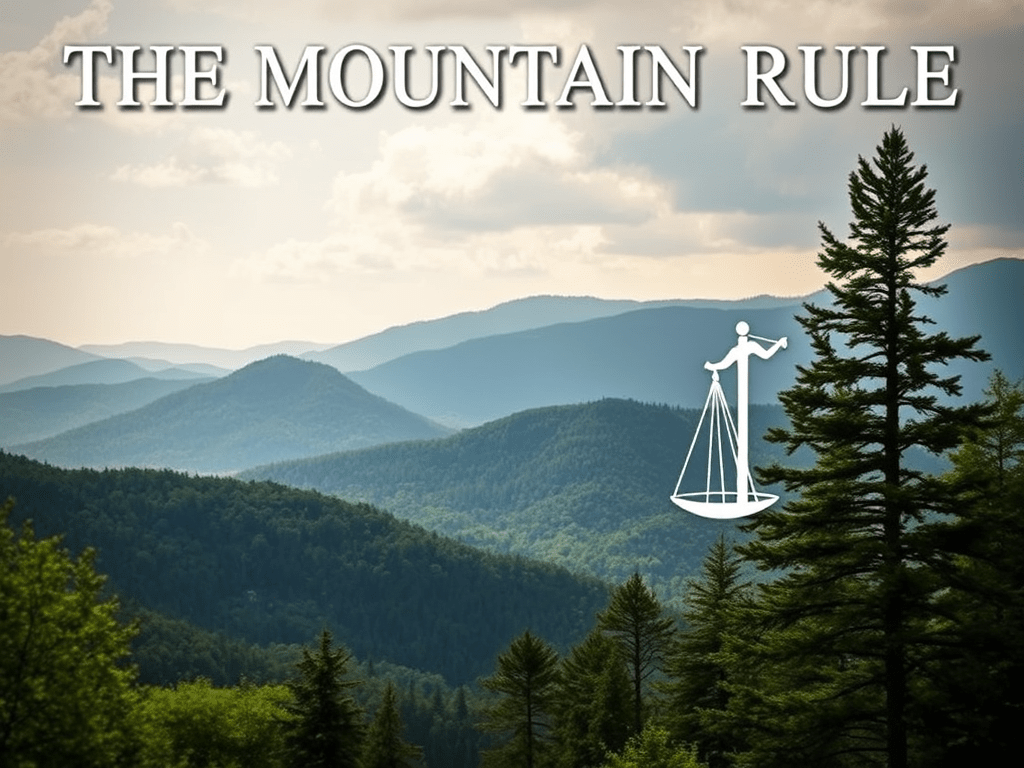
  • Vermont’s Mountain Rule: The Unwritten Political Agreement That Governed the State for Over 100 Years

    Vermont’s Mountain Rule: The Unwritten Political Agreement That Governed the State for Over 100 Years

    Before Bernie Sanders, progressive politics, and maple syrup fame, Vermont operated under one of the most unique political systems in American history. It had no legal code. No formal documentation. And it was never voted on by the people.

    Yet for over 100 years, it quietly governed how power was shared in the Green Mountain State.

    This was the Mountain Rule, an unwritten agreement that dictated who could run for office, where they had to live, and how long they could serve. It defined Vermont politics for generations and still echoes in the state’s political culture today.

    What Was the Mountain Rule?

    The Mountain Rule was an informal power-sharing system developed in the early 1800s by Vermont’s Republican Party. Its core purpose was simple: maintain political balance between the east and west sides of the Green Mountains.

    Key features of the Mountain Rule:

    • Regional rotation of political offices between eastern and western Vermont
    • Single two-year term limit for governors to ensure turnover
    • Opposite-region pairing for governor and lieutenant governor (e.g., if the governor was from the east, the lieutenant governor was from the west)
    • Senate seat division: One U.S. senator from each side of the mountains
    • Party enforcement through backroom deals at Republican conventions

    There was no law behind it. It wasn’t written down. But for over a century, everyone followed it.

    Why It Was Created

    The Mountain Rule was a response to Vermont’s unusual political landscape in the 19th and early 20th centuries.

    Context that led to the rule:

    • One-party dominance: From the 1850s until the 1960s, the Republican Party controlled almost all levels of government in Vermont
    • Lack of competition: Without a viable opposition party, there was a risk of internal division within the GOP
    • Regional divide: Eastern and western Vermont had distinct economies and identities, making equitable representation important

    What the Mountain Rule accomplished:

    • Prevented intra-party feuds by making sure no faction or region dominated
    • Created a predictable leadership pipeline
    • Aligned with Vermont values of local control, modesty, and fairness
    • Ensured geographic equity at a time when infrastructure limited east-west interaction

    It was a practical solution, not an idealistic one — a way to keep the peace within a party that had no external challengers.

    How It Worked in Practice

    For more than a century, the Mountain Rule wasn’t just a suggestion. It was a political reality.

    How it shaped state politics:

    • Governors served only one term, typically alternating sides of the Green Mountains
    • U.S. Senate seats were split — one for the east, one for the west
    • Lieutenant governors and House speakers were selected to balance regional representation
    • Party leaders enforced it at state conventions, choosing nominees based on geography and timing

    There was no public debate. No written rulebook. But the system was so entrenched that it operated like law.

    The Benefits of the Mountain Rule

    Despite being undemocratic by today’s standards, the Mountain Rule had several benefits:

    • Stability: Prevented party infighting and allowed for smooth transitions of power
    • Rotation: Gave more citizens a chance to lead, avoiding entrenched political dynasties
    • Fairness: Balanced representation between Vermont’s two geographic halves
    • Efficiency: Reduced the need for messy primary battles or factional disputes

    In many ways, it was a political machine that worked — not because it was imposed from above, but because it was understood and respected from within.

    When and Why It Fell Apart

    By the mid-20th century, the Mountain Rule was beginning to unravel.

    Key reasons for its decline:

    1. Rise of the Democratic Party

    • In the 1950s, Democrats started gaining traction in Vermont
    • Republicans could no longer rely on internal rotation, they had to field candidates who could win real elections

    2. Introduction of direct primaries

    • Until then, party insiders picked nominees at conventions
    • With primaries, voters could challenge the party’s preferred candidates
    • Geography became less important than electability

    3. Hoff’s historic win in 1962

    • Democrat Philip H. Hoff, from Burlington, won the governorship
    • First Democrat to hold the office since before the Civil War
    • Marked the clear end of Republican dominance and the Mountain Rule’s power
    Governor Philip H. Hoff (D-VT)

    By the 1970s, Vermont politics had transitioned into a more competitive, voter-driven landscape.

    What Remains of the Mountain Rule Today

    While the Mountain Rule no longer controls who runs for office, its spirit still shapes Vermont’s political identity.

    Lasting impacts:

    • Cultural memory of power-sharing still influences expectations about fairness and representation
    • Citizen legislature structure reflects the values of rotation and community leadership
    • Regional equity remains a concern in debates over education funding, healthcare, and infrastructure
    • Suspicion of political dynasties and careerism continues to shape local attitudes

    Vermonters may not talk about the Mountain Rule often, but its legacy can be seen in how seriously the state still takes balance, modesty, and access in its political process.

    Why It Still Matters

    The Mountain Rule offers lessons that are surprisingly relevant today:

    • Power can be restrained without formal laws
    • Unwritten norms — when shared and respected — can maintain political order
    • Balance and fairness are enduring values, especially in small states
    • Cooperation can be baked into culture, not just codified in rules

    In an era of hyper-partisanship and national polarization, Vermont’s old habit of quiet, predictable power-sharing feels refreshing.

    Final Thoughts

    The Mountain Rule might sound quaint now. But for more than 100 years, it kept Vermont politically stable without scandal or chaos.

    It was never democratic in a modern sense. It was never written into law. And yet, it worked — because Vermonters believed in taking turns, in limiting power, and in making space for voices on both sides of the mountains.

    In a state that still values neighborliness over noise, the Mountain Rule remains one of the most fascinating and defining chapters in Vermont’s political history.

  • What Makes a Vermont Small Town Authentic? A Local’s Checklist for the Real Deal

    What Makes a Vermont Small Town Authentic? A Local’s Checklist for the Real Deal

    There’s no official definition of the word “Vermonty,” but if you’ve spent any time in the Green Mountain State, you probably know the feeling. It’s that specific kind of charm that’s hard to describe and even harder to fake. A town might be beautiful, but that doesn’t mean it’s Vermonty. To qualify, it needs a perfect blend of quirk, character, community, and of course, cows.

    Whether you’re a visitor looking to find the most authentic small towns in Vermont, a local doing a vibe check, or just someone curious about what sets Vermont apart, this checklist will help you spot the real deal.

    Let’s break it down.


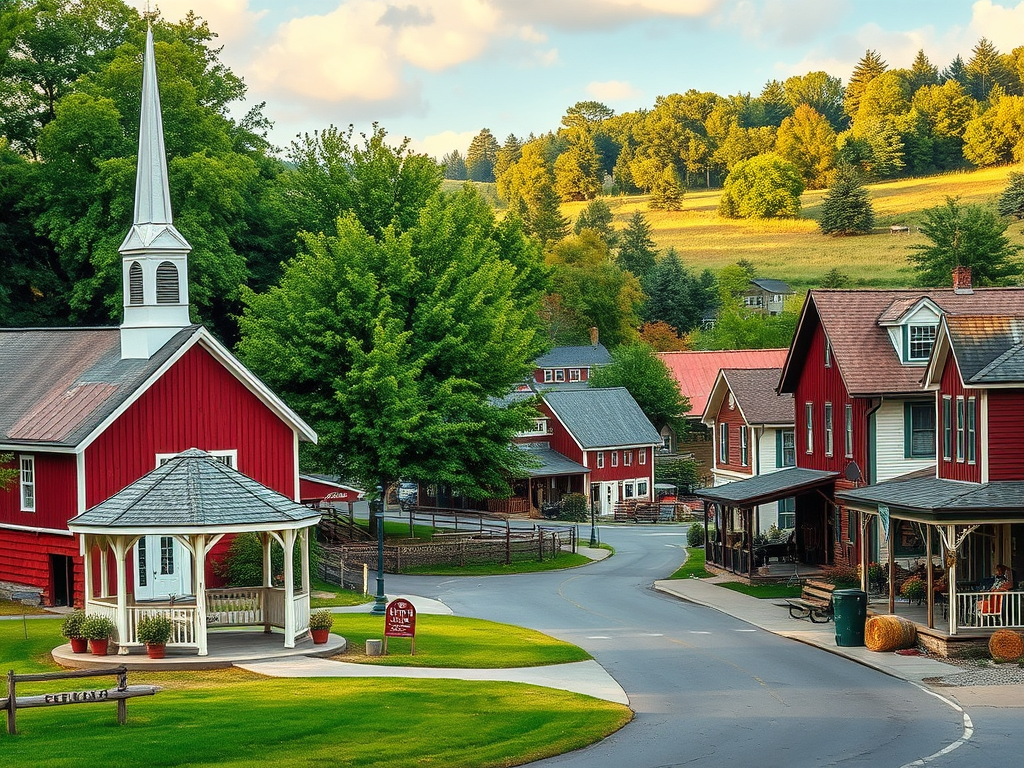
    If It Looks Like a Postcard, You’re in the Right Place

    Some towns just look Vermonty the second you roll in. Here are some visual cues to look for:

    • Classic white church steeple rising above the trees, preferably with a bell that still rings on Sundays
    • A town green with a gazebo, American flag, or handmade scarecrows during harvest season
    • Faded red barns – bonus points if they still have vintage signs like “Chew Mail Pouch Tobacco” or hand-painted cow silhouettes
    • A covered bridge, either functional or preserved as a walking path
    • A handful of historic houses, ideally with front porches and rocking chairs
    • Working farms within eyesight of downtown, with hay bales stacked in fields and cows just doing their thing

    It’s the kind of place where you feel like you’ve walked into a calendar photo. Not every Vermont town fits this mold, but most Vermonty towns do.


    The Downtown Should Be Small but Mighty

    A Vermonty town doesn’t need a big, flashy downtown. In fact, if it has a Starbucks and a chain pharmacy, you’re probably in the wrong place. The key is walkability, local pride, and a little weirdness.

    Here’s what you’ll typically find:

    • One or two blocks of Main Street lined with independent businesses, no franchises
    • A general store that sells maple creemees, duct tape, and organic lip balm all in one aisle
    • A hardware store that also stocks dog treats, holiday ornaments, and the town gossip
    • A café or bakery where someone’s always knitting in the corner and the muffins are made that morning
    • A community bulletin board plastered with posters for contra dances, chicken pie suppers, and lost mittens
    • A shop or gallery selling Vermont-made goods, sometimes right out of a renovated barn

    It’s not about having everything. It’s about having the right things, run by the right people.


    You Can Taste and Hear the Vermonty-ness

    You’ll know a town is Vermonty when its flavor is as strong as its personality. Local flavor means more than food—it’s about how the town celebrates its identity.

    Look for these signs:

    • Local diner or co-op that sources food from nearby farms and still serves homemade pie
    • Maple syrup in glass bottles labeled with the town’s name or even the family’s last name
    • A brewery, cidery, or meadery where someone’s playing acoustic guitar on the patio
    • Events with names like “Maple Fest,” “Winter Carnival,” or “Fiddlers’ Picnic”
    • Public music or art, like sculptures by local students or open mic nights at the town hall

    The best part? No one is trying to be trendy. They’re just being themselves – and that’s the Vermontiest vibe of all.


    If You Can’t Hear a River or Spot a Trailhead, Keep Driving

    Nature isn’t just nearby in Vermonty towns. It’s part of the daily rhythm. You should feel like you could step outside and go on a hike, jump into a swimming hole, or snowshoe through a field without needing to drive far.

    What to look for:

    • Surrounded by forest, fields, or mountains in almost every direction
    • Hiking trail or dirt path that starts right behind the post office or school
    • A river, stream, or waterfall you can hear from downtown
    • Locals wearing boots and flannel like they actually chopped wood that morning
    • More gravel roads than paved ones once you’re outside the main stretch

    If the only nature you see is a flower box, the town might be charming – but it’s not Vermonty.


    The People Make It Vermonty

    A town can have all the right visual ingredients, but without the people, it’s just a stage set. What really defines a Vermonty town is its sense of community – often quirky, sometimes crusty, but always deeply rooted.

    Here’s how to spot it:

    • Town meetings that get heated, and everyone still says hi at the general store afterward
    • Homemade signs on roadsides saying things like “Drive Slow – Kids and Chickens at Play”
    • Longtime residents who give directions like “Turn left after where the McAllisters used to live”
    • A local newsletter or Facebook page with headlines about stolen sap buckets or moose sightings
    • A sense that people care – about their neighbors, their land, their town’s future

    You don’t need to be born there to be welcomed, but you will need to learn a few names and listen more than you talk—at least at first.


    Extra Credit: The Bonus Vermonty Scale

    Some towns go above and beyond. They don’t just check the boxes—they create new ones. Here are some bonus indicators you’re in a truly Vermonty town:

    • A name that sounds vaguely French or colonial, like “Calais” (pronounced CALL-us) or “Thetford”
    • A local ski hill or rope tow, even if it’s barely taller than a barn
    • Creative student art decorating the school fence or community center
    • Dump day as a social event, where everyone brings their trash and their stories
    • A town festival where the main event is ox pulling, pie eating, or a parade of tractors
    • No chain stores in sight, and definitely no billboards

    These extras aren’t required, but they sure help a town stand out in the best way.


    How Vermonty Is Your Town?

    So, how’d your town do? Five out of six? All of them plus bonus points? Whether you’re a native, a flatlander turned local, or a first-time visitor, spotting Vermonty towns is about tuning into the rhythm and character that makes this state special.

    Here’s your unofficial scoring guide:

    • 0–2 sections: Charming, but not Vermonty. Try again.
    • 3–4 sections: You’re getting close. Keep exploring.
    • 5–6 sections: That’s a Vermonty town.
    • 6 sections plus bonus points: You’ve found the real deal. Hang on to it.

    Vermonty towns aren’t always on the top 10 lists or travel brochures, but they are the places that leave a mark. They’re where you’ll get the best stories, the warmest welcomes, and probably a maple creemee handed to you with a smile.


    Share the Vermonty Vibe

    Know a town that screams “Vermonty”? Share it in the comments or tag it on social media. Whether it’s tiny and hidden or proudly known across the state, we’d love to see what makes your favorite town tick.

    And if you’re out exploring, don’t just check places off a list. Stop in the general store. Talk to someone on a bench. Buy a jar of local jam. That’s how you find the Vermonty soul of a place – not just the postcard view, but the story behind it.

    Want more real-deal Vermont content?
    Subscribe to the blog for weekly guides, hidden gems, and local travel ideas straight from a Vermonter!

    Ready to hit the road? Keep your eyes open and your creemee cone upright. The most Vermonty places are waiting for you, right around the bend. 🚗

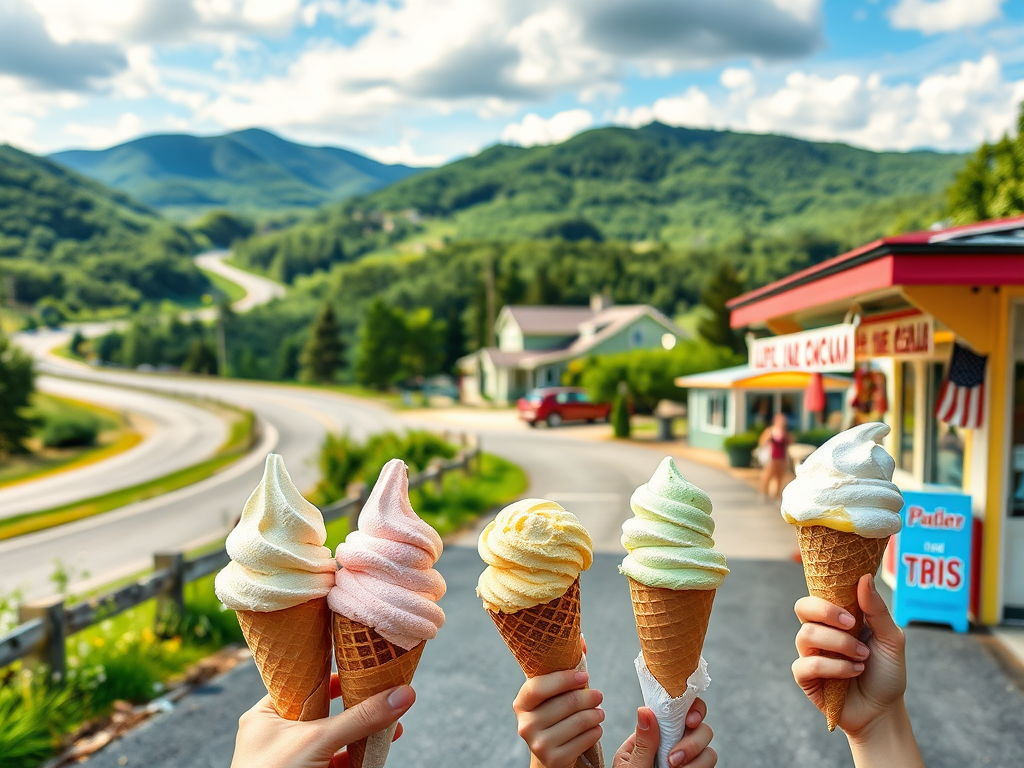
  • Vermont Ice Cream Road Trip: The Best Stops by Region From the Northeast Kingdom to the Islands

    Vermont Ice Cream Road Trip: The Best Stops by Region From the Northeast Kingdom to the Islands

    Vermont knows how to do summer right. Crisp mountain air, lake breezes, winding country roads, and farm stands on every corner. But ask any local what really defines a perfect summer day, and you’ll probably hear the same answer: ice cream.

    Of course, Vermont is home to Ben & Jerry’s, and their factory tour in Waterbury is a popular stop for first-time visitors. But if you ask a Vermonter where they go for ice cream, you’ll hear about small roadside stands, sugarhouses that double as creemee counters, and scoop shops tucked inside country stores.

    This isn’t just a list of the best ice cream shops. This is a full-blown Vermont Ice Cream Trail – a road trip that lets you taste your way across the state, one cone at a time. Whether you’re a tourist exploring for the weekend or a local looking for a new adventure, this guide pairs unforgettable ice cream with scenic drives, family fun, and a little Vermont magic.


    How to Use This Ice Cream Trail

    This is a flexible, build-your-own-adventure itinerary. You can choose one region and make it a day trip, or turn the whole trail into a weekend or multi-day vacation.

    Each section is organized by location, with ice cream stops followed by optional add-ons like:

    • Swimming holes
    • Scenic drives
    • Local hikes
    • Family-friendly attractions

    Most of these shops are seasonal, so check their hours ahead of time. And pack a cooler if you plan on bringing home pints — trust us, you’ll want to.


    Route 100 Sweet Tooth Loop (Central Vermont)

    Scenic Route 100 is one of the most beautiful drives in the Northeast. In the summer, it’s the perfect backdrop for an ice cream adventure.

    Stop 1: Canteen Creemee Company (Waitsfield)
    Creative flavors, wild toppings, and a loyal fanbase. Canteen serves towering creemees with homemade components like maple honeycomb, spicy caramel, and fresh herbs.

    Stop 2: The Sweet Spot (Warren)
    Right by the river, this café and ice cream counter offers a peaceful place to relax. Grab a scoop of small-batch ice cream and sit outside by the water.

    Stop 3: Lu-Lu (Vergennes)
    A tiny shop with big flavor. They use locally sourced dairy and ingredients for bold, fresh flavors like lemon basil or strawberry rhubarb.

    Bonus Activities:

    • Swim at Warren Falls or Bingham Falls
    • Hike to Moss Glen Falls
    • Catch the sunset over Lake Champlain at the end of the day

    Champlain Islands & Northwest Vermont

    This section of Vermont feels like its own world. Surrounded by Lake Champlain and dotted with farms, it’s a peaceful place to relax and enjoy something sweet.

    Stop 1: Island Homemade Ice Cream (Grand Isle)
    Handmade in small batches, this lakeside favorite is a must for any trail-goer. Expect classic flavors with a super creamy texture.

    Stop 2: Seb’s Snack Bar (South Hero)
    A one-stop shop for fried clams, creemees, and classic summer eats. The maple creemee is a local legend.

    Optional Adult Stop: Snow Farm Vineyard (South Hero)
    If you want a grown-up break between scoops, Snow Farm offers tastings and a great view of the lake.

    Bonus Activities:

    • Bike the Island Line Trail (and take the bike ferry)
    • Kayak at Sand Bar State Park
    • Visit Hackett’s Orchard or Allenholm Farm for fruit picking and animals

    Northeast Kingdom Cone Quest

    The Northeast Kingdom is rural, scenic, and full of hidden gems. It’s also got some of the most underrated ice cream in the state.

    Stop 1: The Creemee Stand (Hardwick)
    A simple roadside spot with a cult following. The maple creemee here is one of the best in the state.

    Stop 2: Tim & Doug’s Ice Cream (St. Johnsbury)
    A classic scoop shop with dozens of flavors, big portions, and a downtown location that’s great for people-watching.

    Stop 3: Scoops (Newport)
    Sitting right near the Canadian border, this little shop overlooks Lake Memphremagog and serves up both creemees and hard ice cream.

    Bonus Activities:

    • Hike Mt. Pisgah or visit Pulpit Rock at Lake Willoughby
    • Walk the trails at Dog Mountain
    • Visit Bread and Puppet Theater for art, puppets, and surreal beauty

    Southern Vermont Sundae Circuit

    Rolling hills, quiet towns, and plenty of small-batch scoops make southern Vermont a great place for an ice cream road trip.

    Stop 1: The Village Peddler (East Dorset)
    This cozy chocolate shop also serves delicious homemade ice cream. The chocolate maple swirl is a local favorite.

    Stop 2: Wilcox Ice Cream (Arlington)
    Family-owned since 1928, Wilcox is Vermont’s oldest ice cream maker. You can buy their pints across the state, but nothing beats getting it right from the source.

    Stop 3: JJ Hapgood General Store (Peru)
    Rustic, well-stocked, and full of character. In the summer, they scoop gourmet ice cream and serve it alongside local baked goods.

    Bonus Activities:

    • Swim or paddle at Emerald Lake
    • Browse local art galleries and shops in Manchester
    • Take a scenic detour through Kelly Stand Road

    Around the Capital – Montpelier and Beyond

    This is a great route for families looking to fill a summer day with ice cream, history, and fresh air.

    Stop 1: Morse Farm Maple Sugarworks (Montpelier)
    Known for maple creemees served with a dusting of maple sugar. You’ll also find trails, a small museum, and picnic spots.

    Stop 2: Bragg Farm Sugarhouse (East Montpelier)
    Family-owned for eight generations, this spot offers maple creemees, maple candy, and old-school charm.

    Stop 3: The Bent Spoon (Waitsfield area)
    This small-batch ice cream maker offers flavors like ginger lemongrass, local berry swirl, or honeycomb crunch.

    Bonus Activities:

    • Climb the tower at Hubbard Park
    • Visit the Vermont State House gardens
    • Explore downtown Montpelier’s bookstores and cafes

    Creemee Bonus Trail – A Soft Serve-Only Detour

    Some folks are all about the creemee. If soft serve is your favorite, this detour is for you.

    1. The Maple Creemee Stand (Hardwick)
    A true icon. Soft serve made with real maple syrup and a loyal following of locals and visitors.

    2. Burlington Bay Market & Café (Burlington)
    Walk along the Burlington waterfront with a maple creemee in hand. The view makes it taste even better.

    3. Cookie Love (Ferrisburgh)
    Known for both creemees and massive homemade cookies. Get a creemee sandwich if you’re feeling adventurous.

    4. Tozier’s Restaurant (Bethel)
    A classic roadside creemee spot with lots of old-school Vermont charm.

    5. Canteen Creemee Company (Waitsfield)
    Even if you already hit it on Route 100, it’s worth a second trip. Their maple creemee is artfully done.

    Tips for creemee lovers:

    • Real maple syrup gives a darker, richer flavor – ask before you order
    • Maple dust is a must-try topping
    • Most stands offer chocolate, vanilla, and a twist – but maple steals the show every time

    Trail Tips for a Smooth Ride

    Before you hit the road, here are some helpful pointers:

    • Bring cash – Many roadside stands don’t accept cards
    • Pack a cooler – Most shops sell pints to go
    • Check hours – Some are only open Thursday through Sunday
    • Plan breaks – Ice cream pairs well with a swim, a hike, or a walk through town
    • Talk to locals – They’ll steer you toward the best flavor of the day

    If you’re doing this with kids, bring wipes, extra napkins, and maybe a spare t-shirt or two. Vermont cones tend to be generous – which is part of the fun.


    Taste Your Way Across Vermont

    The Vermont Ice Cream Trail is more than just a list of sweet spots. It’s a way to explore small towns, discover local flavors, and take the scenic route every time. Whether you stick to one loop or tackle the whole trail, you’ll leave with sticky fingers, big smiles, and maybe a new favorite flavor.

    Each cone on this trail supports a small business, a local dairy, or a family that’s been perfecting their recipes for decades. It’s Vermont at its most delicious.

    So grab a napkin, hop in the car, and follow your cravings. And if you think the trail ends here – it doesn’t. There’s always more to discover in the land of maple, mountains, and one unforgettable scoop at a time.