Green Mountain Peaks

Discover Vermont, One Story at a Time 🏔️

Welcome to Green Mountain Peaks, your local guide to all things Vermont. From hidden history and travel ideas to small-town life and seasonal adventures, there’s always something worth discovering. Subscribe for new posts, insider tips, and a little taste of Vermont straight to your inbox.


Category: Seasonal Vermont

Experience Vermont through the seasons. Whether it’s fall foliage, spring hikes, summer festivals, or winter traditions, this category highlights the best of Vermont all year long.

  • How to Host Memorable Campfire Nights in Vermont

    How to Host Memorable Campfire Nights in Vermont

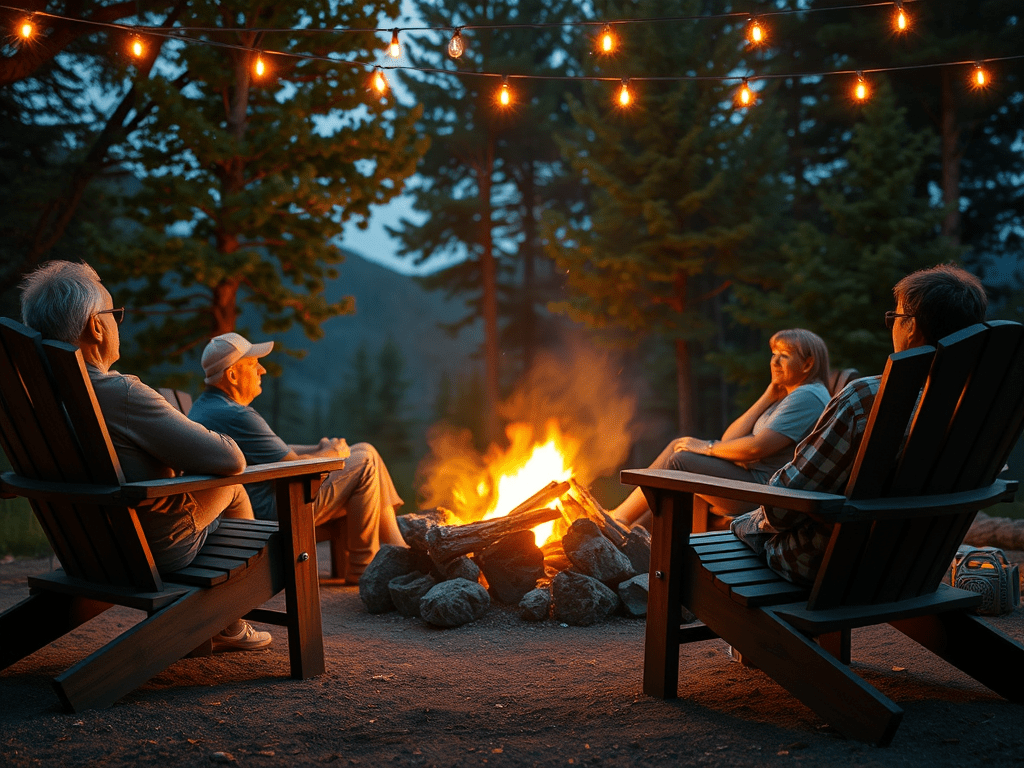
    There is something timeless about gathering around a fire as the night settles in. The glow of the flames, the crackle of the wood, and the smell of smoke in the crisp air make campfire nights an unforgettable experience. In Vermont, those moments feel even more magical, thanks to the stunning natural surroundings, seasonal charm, and the state’s love for cozy, community-centered gatherings. Whether you are on vacation or enjoying a weekend at home, hosting a Vermont campfire night can be the highlight of your season.

    Here is how to plan and host a campfire night that everyone will remember.

    Choosing the Right Campfire Spot in Vermont

    Location sets the tone for the whole night. Vermont offers a variety of perfect spots for campfires, from private backyards to scenic campgrounds.

    Backyard Fire Pits

    • Convenient and comfortable
    • Easier access to bathrooms, kitchens, and extra supplies
    • Ideal for smaller groups or last-minute gatherings

    Campgrounds and Public Fire Pits

    • Offer a full outdoor experience
    • Often surrounded by lakes, mountains, or forests
    • Perfect for larger gatherings or overnight trips

    Scenic Vermont Fire Locations

    • Smugglers’ Notch State Park for mountain views
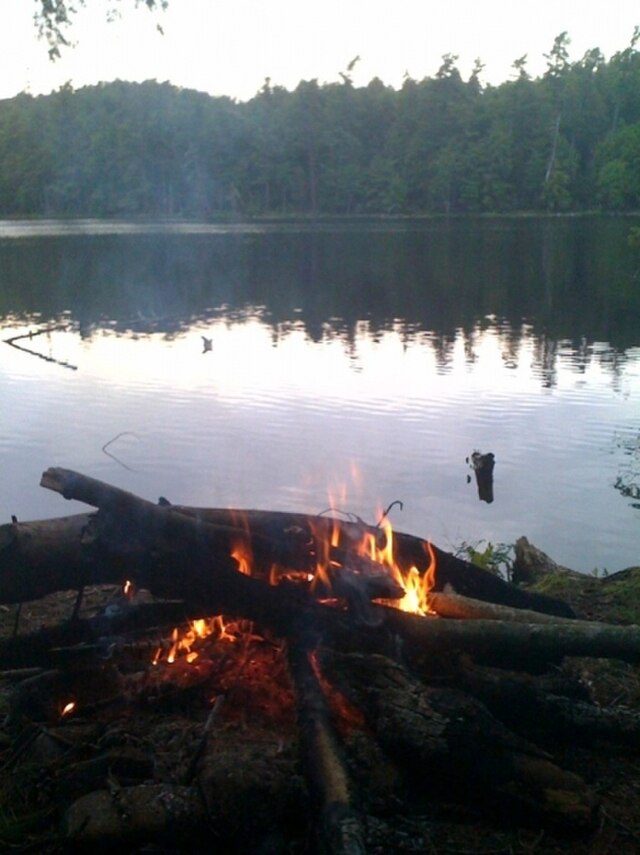
    • Lake Champlain shoreline for sunsets over the water
    • Green Mountain National Forest for a quiet wilderness feel

    Always check Vermont’s fire safety rules before building or lighting a fire. Some areas require permits, and seasonal burn bans can be in effect during dry conditions.

    Campfire Safety Tips Everyone Should Follow

    Safety is the foundation of any good campfire night. It keeps the experience enjoyable for everyone and helps protect Vermont’s natural environment.

    • Check for any local burn bans or fire restrictions
    • Keep your fire small and under control
    • Use only dry, seasoned wood to reduce smoke
    • Have water and a shovel nearby in case you need to put out the fire quickly
    • Never leave the fire unattended
    • Fully extinguish the fire before leaving, making sure embers are completely cool

    These simple steps make the difference between a safe, memorable night and a dangerous situation.

    The Essentials: What to Bring for Your Vermont Campfire

    Packing the right items will make your campfire night more comfortable and enjoyable. Here is a checklist to get you started.

    Fire Tools & Gear

    • Local hardwood firewood that burns longer and hotter
    • Kindling and natural fire starters
    • Long matches or a refillable lighter
    • A metal fire poker for adjusting logs
    • Sturdy seating such as camping chairs or Adirondack chairs

    Comfort Items

    • Warm blankets or throws
    • Flannel shirts, hats, or layers for cooler weather
    • Bug spray during the summer months
    • Hand warmers for late fall or winter nights

    Lighting

    • Battery-powered lanterns for pathways
    • String lights to add a magical glow to the area
    • Candles in mason jars for extra ambience

    Vermont-Inspired Food and Drink for Your Campfire

    Food is often the highlight of a campfire night, and Vermont provides plenty of inspiration for delicious fireside snacks.

    Classic Campfire Favorites

    • S’mores with locally made chocolate
    • Hot dogs or veggie skewers roasted over the flames
    • Foil packet potatoes with butter and herbs

    Vermont-Inspired Twists

    • Maple marshmallows for a sweet, smoky s’more upgrade
    • Maple-drizzled popcorn in small paper cones
    • Cheese boards with sharp Vermont cheddar, local brie, and crackers
    • Apple cider from a nearby orchard, served hot or cold
    • Vermont craft beer for a refreshing local touch
    • A small pour of maple bourbon for adults

    Preparing some items ahead of time can make the night run smoothly. Pre-slice cheese, package marshmallows in small bags, and have cider ready to heat.

    Activities to Make the Night Unforgettable

    The glow of the fire naturally draws people together, but having a few activities planned can turn a nice evening into a great one.

    • Tell ghost stories or share Vermont folklore, such as the legend of Emily’s Bridge
    • Bring an acoustic guitar or harmonica for music and sing-alongs
    • Stargaze with a blanket on the ground and a simple stargazing app
    • Play lawn games like cornhole or horseshoes before the fire gets going
    • Take firelight photos for Instagram-worthy memories

    The best activities are the ones that let guests relax and enjoy each other’s company without feeling pressured.

    Seasonal Ideas for Vermont Campfires

    Vermont’s four seasons each offer their own charm for campfire nights.

    Spring

    • Wildflower walks before the fire
    • Light snacks with seasonal ingredients like fiddleheads or fresh herbs
    • Soft blankets and warm cider for lingering cool evenings

    Summer

    • Lakeside campfires with swimming or kayaking before dark
    • Fresh berries and lemonade alongside classic campfire treats
    • Staying up late to watch fireflies dance in the grass

    Fall

    • Leaf-peeping hikes in the afternoon, followed by a fire under the colorful canopy
    • Hot apple cider with cinnamon sticks
    • Pumpkin or maple treats to match the season’s flavors

    Winter

    • Snowshoe or cross-country ski to a fire pit
    • Hot cocoa topped with whipped cream or marshmallows
    • Wool blankets and steaming mugs to keep everyone warm

    Creating the Perfect Atmosphere

    The right atmosphere turns a basic fire into a special event. Small touches can make a big difference.

    Music

    • Create a playlist with folk, bluegrass, or Vermont indie artists
    • Keep the volume low enough for conversation

    Seating

    • Arrange chairs and blankets in a circle around the fire for easy conversation
    • Mix seating options so guests can choose what feels most comfortable

    Scents and Lighting

    • Burn aromatic woods like cedar or pine for a pleasant smell
    • Use warm-toned string lights to softly illuminate the area
    • Add lanterns or candles for a rustic touch

    Wrapping Up the Night

    As the fire starts to die down, you can keep the mood warm and relaxed with a few final touches.

    • Offer one last round of cider, cocoa, or dessert
    • Share leftover treats with guests to take home
    • Make sure the fire is completely extinguished before anyone leaves
    • Double-check the area to ensure no trash or food is left behind

    Leaving the space just as you found it helps preserve Vermont’s beauty for the next gathering.

    Conclusion

    Hosting a Vermont campfire night is about more than just lighting a fire. It is a chance to connect with nature, enjoy local flavors, and create memories with friends and family. From picking the right location to preparing Vermont-inspired snacks and planning seasonal activities, each detail adds to the experience. With the right preparation, your campfire night can become a tradition that everyone looks forward to year after year.

  • The Ultimate Covered Bridge Passport Challenge in Vermont

    The Ultimate Covered Bridge Passport Challenge in Vermont

    Vermont is home to more than 100 covered bridges, each with its own story and charm. Some are tucked away on quiet dirt roads while others stand proudly in the center of small towns. They are a signature part of the landscape and a favorite for photographers, history buffs, and anyone who loves a scenic drive.

    The Covered Bridge Passport Challenge is a fun way to explore Vermont, whether you have lived here for years or are visiting for a short getaway. The idea is simple: spend a weekend visiting as many covered bridges as you can, making memories and collecting photos along the way. You can turn it into a competitive race or a relaxed sightseeing trip with plenty of stops for coffee and local treats. Either way, you will end the weekend with stories to tell and a camera roll full of beauty.

    What is the Covered Bridge Passport Challenge?

    The challenge is exactly what it sounds like: see how many covered bridges you can find in a set amount of time. For most travelers, that time frame is a weekend, though some take an extra day or two to make it a longer road trip. You can choose a small region to focus on or try to cover as much of the state as possible.

    There is no official scoring system, but many participants create a personal “passport” to mark each bridge they visit. This can be a notebook, a printed list to check off, or a photo album on your phone. Some even design their own stamps or stickers to commemorate each stop.

    The challenge is as much about the journey as it is about the count. You will pass through charming towns, see sweeping views of mountains and rivers, and discover small roadside attractions you might otherwise miss.

    Planning Your Vermont Covered Bridge Weekend

    A little planning goes a long way for the Covered Bridge Passport Challenge. Here are the main steps to set yourself up for a successful weekend.

    Choose Your Region

    While you could attempt to drive the length of Vermont in two days, most people have a more enjoyable experience by focusing on a smaller area. This allows you to spend more time enjoying each bridge instead of rushing from place to place.

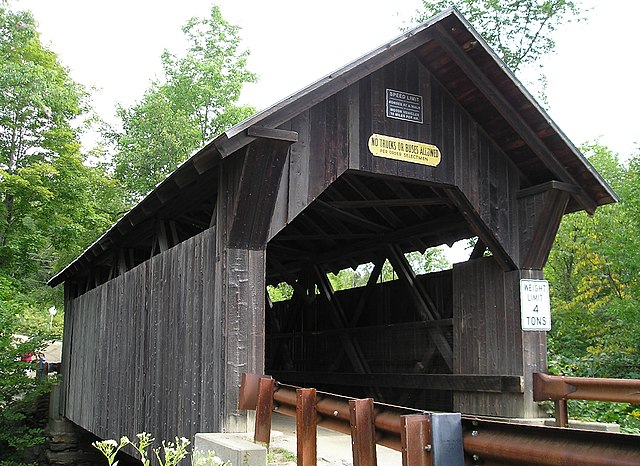
    Red Covered Bridge | Morrisville, Vermont. The last covered bridge built in Vermont in the 19th century
    • Northern Vermont – Lamoille, Orleans, and Caledonia Counties have some of the most scenic routes and clusters of bridges, including several in the town of Montgomery.
    • Central Vermont – Washington and Windsor Counties offer plenty of bridges along with vibrant towns like Northfield, Montpelier, and Woodstock.
    • Southern Vermont – Bennington and Windham Counties feature some of the state’s most photographed bridges and are a great choice for travelers coming from Massachusetts, New York, or Connecticut.

    Pick the Best Time of Year

    Covered bridges are beautiful year-round, but the experience changes with the seasons.

    • Fall – Brilliant foliage frames the bridges in golds, oranges, and reds. This is the most popular season, so expect more visitors.
    • Summer – Long days and warm weather make it easy to fit in more stops.
    • Winter – A fresh layer of snow turns each bridge into a postcard scene.
    • Spring – Bridges near rivers and waterfalls can be especially dramatic during snowmelt.

    Map Your Route

    Once you have chosen your region, plot your route on Google Maps or a Vermont covered bridge map. The Vermont Covered Bridge Society and state tourism website offer helpful maps with locations and historical details. Group nearby bridges together to minimize driving time.

    Tips for Success

    • Start early to make the most of daylight hours.
    • Pack snacks, drinks, and a picnic blanket for scenic stops.
    • Include a mix of easy-access bridges and a few that require a short walk.
    • Keep a backup list in case a bridge is under construction or temporarily closed.

    Must-See Covered Bridges by Region

    While every covered bridge has its own charm, some stand out for their beauty, history, or location. Here are a few worth including in your challenge.

    Northern Vermont Highlights

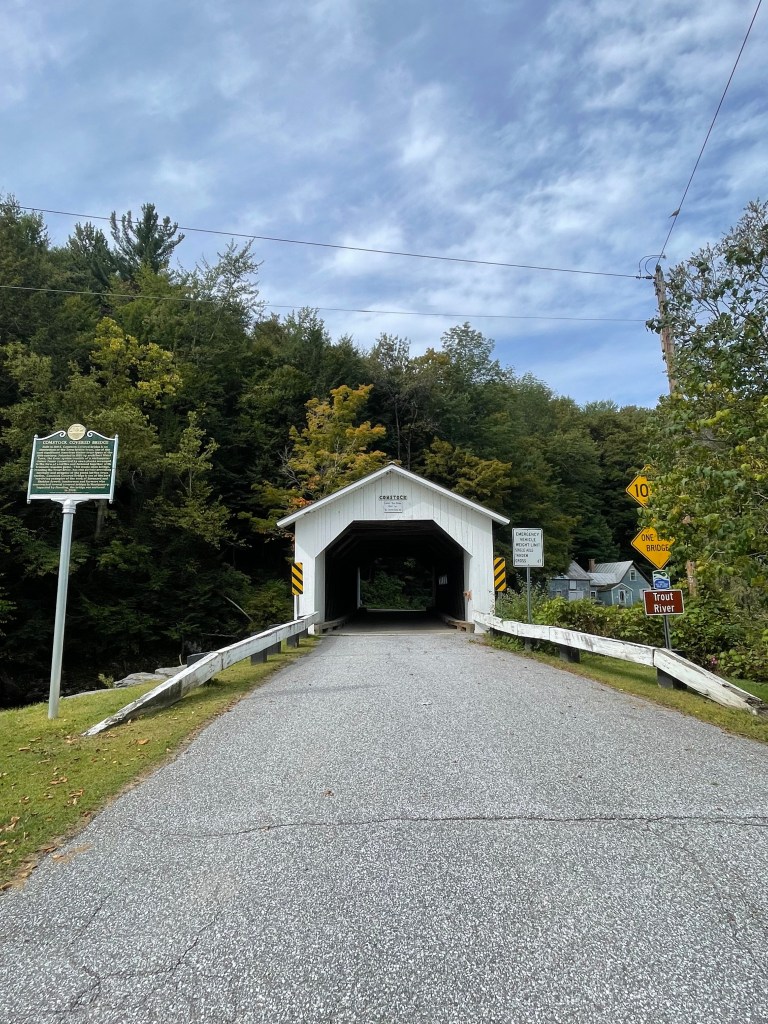
    Comstock Bridge | Montgomery, Vermont
    • Fisher Railroad Bridge (Wolcott) – The only covered railroad bridge still in use in Vermont.
    • Montgomery’s Bridges – This small town boasts six historic covered bridges, including Hutchins, Comstock, Longley, Fuller, Creamery, and Hopkins. The proximity of these bridges makes Montgomery a top choice for maximizing your weekend count.

    Central Vermont Highlights

    • Northfield’s Trio – Slaughterhouse, Station, and Lower Cox bridges are all located within minutes of each other and make for an easy cluster stop.
    • Warren Covered Bridge – Located in the village of Warren, this bridge is especially pretty in fall and sits close to the historic Warren Store for a snack break.
    • Taftsville Covered Bridge (Woodstock) – One of Vermont’s oldest bridges, with a striking red exterior and scenic views of the Ottauquechee River.

    Southern Vermont Highlights

    • West Dummerston Covered Bridge – The longest covered bridge in Vermont, spanning 280 feet across the West River.
    • Bennington’s Trio – Silk Road, Paper Mill, and Burt Henry bridges are all within a short drive of one another, making them perfect for a quick tour.
    • Creamery Covered Bridge (Brattleboro) – A beautifully maintained bridge near downtown Brattleboro with picnic tables nearby.

    Making it More Than a Drive

    One of the best parts of the Covered Bridge Passport Challenge is the opportunity to explore beyond the bridges themselves. Incorporating other activities makes the weekend even more memorable.

    • Cafés and Bakeries – Stop for fresh pastries or coffee in small-town cafés. Local favorites often serve homemade treats you will not find anywhere else.
    • Farmers Markets – Many Vermont towns host weekend markets, especially in summer and fall, where you can find local produce, baked goods, and crafts.
    • Hiking and Walking Trails – Several bridges are near trailheads or riverside paths. Even a short walk can give you new photo perspectives.
    • Historic Sites – Pair bridge visits with stops at museums, historic homes, or scenic lookouts.

    Tips for Photographing Covered Bridges

    Capturing the perfect covered bridge photo can be an art in itself. Try these tips for standout images.

    • Take shots from multiple angles, including inside the bridge.
    • Use leading lines, such as the road or river, to draw the eye toward the bridge.
    • Visit in early morning or late afternoon for softer light.
    • In fall, use a wide frame to include colorful foliage.
    • In winter, look for fresh snow before footprints or tire tracks appear.

    Travel Tips for the Challenge

    Because some covered bridges are located on backroads, a few practical tips can make your trip smoother.

    • Keep a paper map or download offline maps in case cell service drops.
    • Drive slowly on unpaved roads to avoid damaging your vehicle and to be respectful of residents.
    • Watch for posted signs and avoid trespassing on private property.
    • Pack layers, especially in cooler months, since Vermont’s weather can change quickly.
    • Have a small cooler for local cheeses, maple treats, or drinks you pick up along the way.

    Sample Weekend Itineraries

    Here are two sample itineraries to inspire your own route.

    Emily’s Bridge | Stowe, Vermont

    Northern Vermont Loop

    • Start in Stowe and visit the Gold Brook Covered Bridge (also known as Emily’s Bridge).
    • Drive to Wolcott for the Fisher Railroad Bridge.
    • Head to Montgomery and see all six bridges in town.
    • End the day in Enosburg Falls for the Hopkins Bridge.

    Southern Vermont Loop

    • Begin in Bennington with the Silk Road, Paper Mill, and Burt Henry bridges.
    • Drive to West Dummerston Covered Bridge for a picnic lunch.
    • Stop at the Creamery Covered Bridge in Brattleboro before ending your day with a downtown dinner.

    Why the Challenge is Worth Taking

    The Covered Bridge Passport Challenge is more than a checklist. It is a way to connect with Vermont’s history, explore scenic backroads, and spend quality time with friends or family. Whether you visit five bridges or fifteen, the journey is the reward. Every stop offers a new view, a new piece of history, and a chance to slow down and appreciate the landscape.

    So grab your map, charge your camera, and set off on a weekend adventure. The only question is, how many covered bridges will you see?

  • Guide to Vermont’s Best Picnic Locations: From Mountains to Lakes

    Guide to Vermont’s Best Picnic Locations: From Mountains to Lakes

    There’s something timeless about a good picnic. It’s a simple pleasure: great views, good food, and a little time to slow down and take in your surroundings. If you’re in Vermont, you’re already halfway there. As a lifelong local and outdoorsman, I’ve spent more afternoons than I can count hiking to ridgelines, paddling across still lakes, and rolling out a blanket beside some of the prettiest views in New England.

    This guide is for the folks looking to get outside and enjoy a scenic lunch in the fresh Vermont air. Whether you’re a local itching for a weekend escape, a couple looking for a romantic date spot, or a tourist hoping to eat your sandwich beside a waterfall, I’ve got you covered. Let’s dig into Vermont’s most scenic picnic spots, sorted by what kind of vibe you’re looking for.

    1. Best Mountain View Picnic Spots

    If your perfect picnic includes sweeping views of distant peaks and valleys, these mountaintop and hillside spots are for you.

    Mount Philo State Park (Charlotte)

    This is one of the most accessible mountain-top picnic spots in the state. You can either hike a gentle 1.9-mile loop or drive straight to the top. There’s a large grassy area, picnic tables, and incredible panoramic views of Lake Champlain and the Adirondacks. Great for sunsets too.

    Hogback Mountain (Marlboro)

    Right along Route 9, this former ski hill offers a 100-mile view and plenty of grassy areas to throw down a blanket. There’s a small gift shop with local goodies and a few picnic tables available. It’s never too crowded, and you’re just a few miles from Brattleboro if you need supplies.

    Prospect Rock (Manchester)

    Short but rewarding, the 1.5-mile hike to Prospect Rock leads to a ledge with a beautiful view of the Manchester Valley and Mount Equinox. While there aren’t official picnic tables, it’s a quiet spot where you can enjoy your lunch in peace.

    2. Lakefront and Riverbank Picnic Areas

    Waterfront picnics come with the bonus soundtrack of birdsong and lapping waves. Bring your swimsuit and make a day of it.

    Lake Elmore State Park (Elmore)

    This underrated gem has everything: a sandy beach, picnic tables, grills, and canoe rentals. The view across the lake toward Elmore Mountain is stunning. You can even hike up the fire tower before or after lunch.

    Crystal Lake State Park (Barton)

    A favorite among Northeast Kingdom locals, this lake is known for its clear water and peaceful setting. There’s a beach with changing rooms, picnic tables, and plenty of shade under big old pines. Great spot for families.

    North Beach Park (Burlington)

    Just minutes from downtown, this is Burlington’s go-to beach spot. It’s busier than the others, but the combination of sandy shoreline, grassy areas, and food vendors makes it a solid choice. Plus, there’s a paved bike path nearby for a post-picnic ride.

    Missisquoi National Wildlife Refuge (Swanton)

    Looking for a quieter scene? This federally protected area on the Canadian border is a peaceful spot to picnic by the Missisquoi River. Bring your binoculars—this is one of the best birding spots in the state.

    3. Secluded & Hidden Gem Picnic Spots

    Want something a little more off the beaten path? These are my personal favorites for a quiet afternoon.

    Kettle Pond (Groton State Forest)

    Rent a canoe or hike in to one of the primitive lean-tos on the edge of Kettle Pond. You’ll be completely surrounded by forest, with loons calling in the distance. There are no picnic tables, but the rocky shoreline is perfect for a rugged, scenic lunch.

    Moose Bog (Island Pond)

    This tucked-away boardwalk loop near Wenlock Wildlife Management Area is magical. It’s one of the only places in Vermont where you can reliably spot boreal birds like gray jays and black-backed woodpeckers. It’s a short walk in, and you’ll want to bring your own seat or use a log for your picnic.

    Braintree Mountain Forest (Braintree)

    Locals know this as a great place for backcountry skiing in the winter, but it’s just as beautiful in summer. Hike up to one of the open ledges for your picnic and enjoy big-sky views with no crowds.

    4. Covered Bridges & Historic Charm Picnic Spots

    Nothing says “Vermont” like a covered bridge and a basket of snacks.

    Emily’s Bridge (Stowe)

    This spooky little covered bridge has a peaceful trail network nearby. It’s walking distance from town, but quiet enough that you can hear the brook babbling beneath your feet. There are no official picnic facilities, but plenty of flat rocks and grassy nooks to spread out.

    Thetford Covered Bridge Picnic Area (Thetford Center)

    Located right off Route 113, this one is an actual designated picnic area with a couple of tables and a lovely little river bend. In the fall, the foliage here is fantastic.

    Waitsfield Covered Bridge Green (Waitsfield)

    A classic Vermont village green by the Mad River. You’ll see kids swimming, farmers market tents, and families laying out checkered blankets. There are picnic tables and a walkable town center if you want to grab provisions.

    5. Family-Friendly Picnic Parks

    If you’ve got kids or just want easy access, these are great picks with plenty to do nearby.

    Oakledge Park (Burlington)

    Picnic areas, walking trails, a treehouse-style playground, and a rocky beach for swimming. This spot is easy to access and full of families during the summer months. There’s even an adaptive bike center nearby for rentals.

    Depot Park (St. Johnsbury)

    Right in the heart of town, this park has a splash pad, playground, and shade trees. Great for a quick lunch stop if you’re traveling through the Northeast Kingdom. There’s also an excellent natural history museum (Fairbanks Museum) right across the street.

    Wrightsville Beach (Montpelier)

    A local favorite just outside Montpelier. It’s not huge, but it has everything you need: paddleboard rentals, beach access, grassy picnic spots, and a mellow crowd.

    6. Fall Foliage Picnic Picks

    These spots come alive in late September and early October.

    Oxbow Park (Newbury)

    A quiet bend in the Connecticut River with massive maples that turn fire-red in the fall. There’s a small loop trail, picnic tables, and gorgeous river reflections when the leaves hit peak.

    Shelburne Farms Trails (Shelburne)

    Bring a backpack and walk one of the scenic trails that wind through meadows and woods, eventually reaching a quiet lakeside spot. This is one of the most photogenic places in Vermont during fall. You’ll need to pack everything out, as there are no tables or trash bins deep in the trail system.

    Mount Tom (Woodstock)

    You can hike or drive up to the summit for a picnic with panoramic views. Or, keep it easy and relax at the base near Billings Farm, where there are walking paths, grassy fields, and benches. Either way, you’ll be surrounded by fall color.

    7. What to Pack for a Vermont Picnic

    Preparation makes the difference between a good picnic and a great one.

    Essentials:

    • Blanket or lightweight folding chairs
    • Bug spray (especially near lakes or woods)
    • Sunscreen and a hat
    • Trash bags or reusable containers
    • Water bottles or thermos

    Vermont-Inspired Picnic Foods:

    • Sharp cheddar from Cabot or Shelburne Farms
    • Fresh bread from Red Hen or La Panciata
    • Maple cookies or maple kettle corn
    • Seasonal fruit like apples, blueberries, or strawberries
    • Local cider or lemonade
    • Hard cheese, salami, and pickles from local farms
    • For dessert: maple creemees or cider donuts

    8. Picnic Etiquette and Safety Tips

    A few reminders to help you picnic like a local:

    • Leave No Trace: Pack out all trash, food scraps, and recyclables. Even apple cores can attract wildlife.
    • Respect Wildlife: Don’t feed animals or chase birds. Keep a respectful distance.
    • Grilling Guidelines: Only grill in designated areas and never leave fires unattended.
    • Be Tick Smart: Stick to cleared areas and check yourself (and your dog) after visiting grassy or wooded spots.
    • Noise Awareness: Keep music low and be mindful of others who are there for peace and quiet.

    Final Thoughts: Where Will You Picnic First?

    Vermont is full of beautiful spots that make for the perfect picnic setting. Whether you’re lakeside with a fishing pole, up on a ledge watching hawks glide by, or sprawled out under a maple tree beside a covered bridge, there’s a special kind of joy in eating outside with a view.

    So grab a basket, pick your spot, and soak up everything our little corner of the world has to offer. And if you stumble on a new favorite picnic spot, don’t be afraid to share it. Or keep it a secret. That’s the Vermont way too.

    Looking for more ideas? Check out my guides to the best beginner hikes in Vermont and hidden waterfalls! Happy picnicking!

  • Best Vermont Summer Hikes for Beginners: Easy Trails With Big Rewards

    Best Vermont Summer Hikes for Beginners: Easy Trails With Big Rewards

    Vermont is a hiker’s paradise in the summer, offering endless opportunities to explore the state’s natural beauty. But if you’re new to hiking or looking for trails that are perfect for kids, it can be hard to know where to start. The good news is that Vermont is filled with beginner-friendly hikes that still offer the kind of scenic views, fresh mountain air, and peaceful forest immersion that makes hiking here so special.

    Whether you’re a local looking for a gentle weekend outing or a tourist planning a family adventure, this guide has you covered! We’ll explore some of the best easy hikes across the state, with tips on what to bring, what to expect, and where to grab a creemee afterward.

    Why Hike in Vermont This Summer?

    There are few better places to be in the summer than on a Vermont trail. Here’s why:

    • Cool mountain air offers relief from the summer heat
    • Shady forests keep things comfortable even on sunny days
    • Wildflowers and wildlife are abundant in July and August
    • Easy access from towns, state parks, and scenic roads
    • Quiet trails give space for reflection, connection, or family fun

    Plus, summer hiking is a great way to discover Vermont’s small towns and state parks, many of which are just a short drive from wherever you’re staying.

    What Makes a Hike Beginner-Friendly?

    Not all hikes are created equal. For this list, we focused on hikes that meet the following criteria:

    • Less than 3 miles round trip
    • Minimal elevation gain (no scrambling required)
    • Clearly marked and maintained trails
    • Accessible trailheads with parking nearby
    • Great payoff such as a view, waterfall, or pond

    Many of these trails are perfect for children, casual walkers, or anyone looking for a relaxing outdoor experience.

    What to Bring for a Vermont Summer Hike

    Preparation makes the difference between a lovely hike and an uncomfortable one. Here’s what we recommend:

    • Sturdy sneakers or hiking shoes
    • Bug spray (especially for black flies and mosquitoes)
    • Reusable water bottle
    • Sun protection: hat, sunglasses, and sunscreen
    • Light snacks or picnic lunch
    • Map or trail app (like AllTrails)
    • Optional: binoculars, swim gear, wildflower guide

    Best Beginner Hikes in Vermont

    Northern Vermont

    1. Barnes Camp Boardwalk Loop – Smugglers’ Notch
    0.3 miles | Flat | Fully accessible
    Located just before the Notch Road closes in the winter, this raised boardwalk loop is perfect for families, strollers, and wheelchairs. Interpretive signs explain the wetland ecosystem, and the views of the cliffs above are stunning.

    2. Sterling Pond Trail (to the pond only) – Cambridge
    2.2 miles round trip | Moderate incline | Kid-friendly with supervision


    This trail starts at the top of Smugglers’ Notch and climbs steadily through a forest of birch and fir. The reward is a clear mountain pond, ideal for a picnic and a quick dip. Note: the first section is rocky but manageable.

    3. Lamoille Valley Rail Trail – Various Access Points
    Up to 93 miles | Flat | Choose your length
    Perfect for walking, biking, or pushing a stroller, this converted rail trail stretches across northern Vermont. Highlights include covered bridges, mountain views, and easy access from towns like Johnson, Morrisville, and St. Johnsbury.

    Central Vermont

    4. Silver Lake Trail – Barnard
    1.5 miles round trip | Easy | Lakeside views
    Start from the campground or the nearby state park and stroll to Silver Lake, one of the prettiest swimming spots in central Vermont. Picnic tables, paddle rentals, and calm water make this a great all-day destination.

    5. Falls of Lana Trail – Salisbury
    2.8 miles round trip | Gradual incline | Waterfall views
    This lightly trafficked trail follows a forest road before veering into the woods toward a scenic waterfall. The falls are dramatic, especially after rain. You can stop at a lookout or continue to the base.

    6. Pine Hill Park – Rutland
    Varies by loop | Flat to gentle hills | Trail network for all levels
    A great urban hiking option, this park offers a range of interconnected trails through a shaded forest, past ponds, and through wildflower fields. The trails are well marked and ideal for a family outing.

    Southern Vermont

    7. Mile Around Woods – North Bennington
    1.4 miles loop | Flat | Open fields and shaded woods
    This short loop near the Robert Frost Stone House Museum combines meadow views, woodland paths, and mountain vistas. It’s peaceful, uncrowded, and beautiful in the golden hour.

    8. Mount Olga Trail – Molly Stark State Park
    1.7 miles loop | Moderate but short | Fire tower views
    Climb through shady woods to reach a summit with a fire tower that offers one of the best panoramic views in southern Vermont. Great for older kids and beginners who want a small challenge.

    9. Hamilton Falls Trail – Jamaica State Park
    3 miles round trip | Mostly flat | River and waterfall
    This riverside walk follows the West River Trail and then branches off toward a stunning waterfall. There’s a shallow area to wade, and picnic tables along the way. Don’t attempt to climb the falls.

    Bonus: Lake Champlain Island Hike

    10. Eagle Mountain – North Hero
    2.2 miles round trip | Gentle hills | Lake views and wild blueberries
    This quiet trail winds through the woods before opening up to sweeping views of Lake Champlain and the Adirondacks. In mid-to-late summer, wild blueberries line the trail.

    Tips for Hiking With Kids or First-Timers

    • Let kids lead the hike to boost confidence
    • Make it fun with a scavenger hunt or nature bingo
    • Take plenty of breaks, especially at cool landmarks
    • Keep your pace relaxed and bring plenty of water
    • Plan a fun treat afterward (like a local creemee stop)

    Remember, it’s okay to turn around early if energy or attention starts to fade. The point is to have fun, not to summit every hill.

    Leave No Trace: Vermont Style

    Vermonters take pride in their outdoor spaces. Here’s how to be a respectful hiker:

    • Stay on the trail to avoid trampling plants
    • Pack out all trash, even biodegradable items
    • Keep dogs leashed where required
    • Yield to uphill hikers and say hello to passersby
    • Respect wildlife and never feed animals

    Where to Stop After the Hike

    Pair your hike with a stop at a local spot. Here are a few suggestions:

    • Smugglers’ Notch: Pick up a creemee in Jeffersonville or grab lunch at 158 Main
    • Stowe area: Cold Hollow Cider Mill or the Stowe Cider taproom
    • Barnard: Eat lunch at Barnard General Store and swim at Silver Lake
    • North Hero: Hero’s Welcome for sandwiches and lake views
    • Bennington: Taste a maple creemee at The Sugar Shack

    Final Thoughts

    You don’t have to be an experienced hiker to enjoy Vermont’s trails. In fact, some of the state’s most rewarding hikes are the easiest ones. Whether you’re splashing by a waterfall, spotting wildflowers, or just soaking in a mountain view with your family, these beginner hikes offer a perfect introduction to the Green Mountain State’s wild side.

    So lace up your sneakers, pack a snack, and hit the trail! Vermont is waiting!!

  • Vermont Farmers Market: Seasonal Recipes to Savor

    Vermont Farmers Market: Seasonal Recipes to Savor

    There’s nothing quite like the smell of fresh basil on a humid July morning in Vermont, or the crisp snap of a just-picked Sugar Snap Pea at the farmers market. As a Vermonter, I’ve come to see these markets not just as a place to shop, but as a rhythm of life. They’re where community happens, where seasons shift in real time, and where the best meals begin.

    Whether you’re a local trying to eat more seasonally or a visitor hoping to bring the flavor of Vermont into your kitchen, this guide offers delicious summer recipes that showcase the best ingredients from Vermont farmers markets.

    Let’s turn that canvas tote full of produce into something unforgettable.

    Why Cook With Vermont Farmers Market Ingredients?

    Cooking with local, seasonal ingredients is more than just trendy. In Vermont, it’s how we connect to the land, support our neighbors, and eat well without overcomplicating things.

    Here’s why it matters:

    • Freshness: Many vendors harvest produce the morning of the market. That tomato? Still warm from the sun.
    • Flavor: You can taste the difference in a berry that didn’t travel cross-country.
    • Sustainability: Local food travels fewer miles, uses less packaging, and supports regenerative practices.
    • Community: Markets are a chance to talk to growers, get recipe tips, and reconnect with where your food comes from.

    How to Shop Like a Vermonter

    Even if you’re visiting from out of town, there are a few ways to navigate Vermont’s farmers markets like you live here:

    1. Come Early (or Late):
    Early birds get the best pick of greens, berries, and bread. Arriving late can score you deals as vendors pack up.

    2. Bring Cash and a Tote Bag:
    Many vendors take cards, but cash is still king. Bonus points for showing up with a reusable bag or basket.

    3. Talk to the Farmers:
    Don’t be shy. Ask questions. “What’s at its peak?” “How would you cook this?” They’re happy to share tips.

    4. Try Something New:
    Garlic scapes, gooseberries, or ramps may not be staples at your grocery store, but they shine in seasonal recipes.

    5. Buy What Looks Best:
    Plan meals around what’s abundant and beautiful. Flexibility makes seasonal cooking easier and more fun.

    Summer Recipes Using Farmers Market Finds

    These Vermont summer recipes highlight the freshest produce and locally made products you’ll find between late June and early September. They’re simple, satisfying, and packed with flavor.

    Heirloom Tomato and Basil Galette

    Serves 4 | Prep Time: 15 min | Bake Time: 30 min

    Ingredients:

    • 2 large heirloom tomatoes, sliced
    • ¼ cup crumbled goat cheese
    • Handful of fresh basil
    • 1 pie crust (store-bought or homemade)
    • Olive oil, salt, pepper

    Directions:

    1. Roll out pie crust on parchment paper.
    2. Layer tomato slices in a circle, leaving 2 inches around the edge.
    3. Sprinkle with goat cheese, basil, salt, and pepper.
    4. Fold crust edges inward. Drizzle with olive oil.
    5. Bake at 400°F for 30 minutes until crust is golden and tomatoes are soft.

    Sweet Corn Chowder with Smoked Bacon

    Serves 6 | Prep Time: 15 min | Cook Time: 35 min

    Ingredients:

    • 4 ears of sweet corn, kernels removed
    • 4 slices smoked bacon
    • 1 small onion, chopped
    • 2 cups diced potatoes
    • 3 cups chicken or veggie broth
    • 1 cup milk or cream
    • Salt, pepper, thyme

    Directions:

    1. Cook bacon in a soup pot until crisp. Remove and chop.
    2. Sauté onion in bacon fat until soft. Add corn, potatoes, broth, salt, pepper, and thyme.
    3. Simmer 20 minutes. Add milk or cream and chopped bacon. Simmer 5 more minutes.

    Maple Strawberry Shortcakes

    Serves 6 | Prep Time: 15 min | Bake Time: 15 min

    Ingredients:

    • 2 cups fresh Vermont strawberries, sliced
    • ¼ cup pure maple syrup
    • 2 cups flour
    • 1 tablespoon baking powder
    • ½ teaspoon salt
    • ½ cup cold butter
    • ⅔ cup buttermilk
    • Whipped cream or yogurt

    Directions:

    1. Toss strawberries with maple syrup and let sit for 30 minutes.
    2. Mix flour, baking powder, and salt. Cut in butter. Add buttermilk and stir to form dough.
    3. Drop onto a baking sheet and bake at 400°F for 15 minutes.
    4. Split shortcakes, spoon over strawberries and juice, top with whipped cream.

    Maple Roasted Root Vegetables

    Serves 4 | Prep Time: 15 min | Roast Time: 35 min

    Ingredients:

    • 1 delicata squash, sliced
    • 2 carrots, peeled and chopped
    • 1 beet, peeled and chopped
    • 1 turnip, chopped
    • 2 tablespoons maple syrup
    • 2 tablespoons olive oil
    • Salt, pepper, thyme

    Directions:

    1. Toss veggies with oil, syrup, and seasonings.
    2. Spread on baking sheet and roast at 425°F for 35 minutes, flipping halfway.
    3. Finish with fresh herbs or a drizzle of balsamic vinegar.

    Bonus: Farmers Market Cocktail

    Maple Blueberry Bourbon Smash
    Serves 2 | Prep Time: 5 min

    Ingredients:

    • ½ cup fresh blueberries
    • 2 tablespoons Vermont maple syrup
    • Juice of 1 lemon
    • 4 to 5 mint leaves
    • 4 oz Bourbon
    • Crushed ice and soda water

    Directions:

    1. Muddle blueberries, mint, maple syrup, and lemon juice in a shaker.
    2. Add bourbon and shake well with ice.
    3. Strain into glasses filled with crushed ice.
    4. Top with a splash of soda water. Garnish with mint or more berries.

    Pantry Staples to Pair With Farmers Market Hauls

    Keeping a few Vermont-made pantry items on hand makes it easier to pull together a great meal when inspiration strikes.

    Recommended staples:

    • Real Vermont maple syrup
    • Local raw honey
    • Dijon mustard from Vermont makers
    • Cheddar or goat cheese
    • Herbal teas
    • Apple cider vinegar
    • Jam or preserves

    These pair beautifully with fresh produce and elevate simple recipes.

    Farmers Markets by Region: What’s in Season Where

    Burlington Farmers Market

    • Mushrooms, kimchi, kombucha, prepared meals
    • Great for diverse, global flavors

    Montpelier Farmers Market

    • Heirloom garlic, herbal remedies, and tamales
    • Vibrant Saturday morning scene

    Norwich Farmers Market

    • Goat cheese, pasture-raised meats, cut flowers
    • Classic New England vibe

    Brattleboro Farmers Market

    • Smoked fish, maple nuts, multicultural food vendors
    • Live music and picnic tables under the trees

    Champlain Islands Farmers Markets (South Hero and Grand Isle)

    • Summer berries, sweet corn, baked goods, handmade crafts
    • Lakeside charm and strong local community support

    West River Farmers Market (Londonderry)

    • Specialty cheeses, artisan bread, flowers, woodcraft
    • Known for its idyllic setting and local variety

    Savor the Seasons, the Vermont Way

    Cooking with farmers market ingredients isn’t just about eating well. It’s about slowing down, connecting with the place you live or visit, and celebrating what each season offers.

    So next time you find yourself wandering between stalls at your local Vermont market, ask what’s in season, grab something unfamiliar, and try one of these recipes.

    If you make any of them, I’d love to hear how they turn out. Share your creations, tag the blog, or leave a comment with your favorite farmers market finds.

    Here in Vermont, we eat with the seasons. We savor what’s fresh. And we always leave room for dessert. Especially if it’s maple.

  • The Spirit of Independence: How Vermont Celebrates the 4th

    The Spirit of Independence: How Vermont Celebrates the 4th

    Independence Day in Vermont is more than fireworks and grilled hot dogs. It is a deeply rooted celebration of what it means to stand up, push back, and do things your own way. From the state’s early days as a self-declared republic to the modern-day town meetings that still shape its political character, Vermont has always taken independence seriously. And on the Fourth of July, Vermonters do not just wave flags. They celebrate the bold, revolutionary spirit that made their state what it is.

    Here’s why:


    Vermont Was Born From Revolution

    Before Vermont was a state, it was a battleground. Not just in the war against British rule, but also in a fierce political struggle with neighboring colonies. In the 1760s and 1770s, the land that is now Vermont was hotly contested by both New York and New Hampshire. Settlers under conflicting land claims often found themselves at odds, and it was out of this chaos that Vermont’s revolutionary identity was born.

    At the center of this fight were the Green Mountain Boys, a militia formed to defend the rights of New Hampshire land grantees. Led by Ethan Allen, they gained fame not only for defending Vermont’s territory but also for capturing Fort Ticonderoga in 1775. Their boldness and independence earned them a permanent place in early American history.

    In 1777, Vermont declared itself an independent republic. It was not part of New York, not part of New Hampshire, and not yet part of the United States. For 14 years, it functioned as its own country, issuing its own currency, operating its own postal service, and negotiating with foreign powers.

    This revolutionary origin story is not just state trivia. It shapes how Vermonters see themselves: independent, self-reliant, and unafraid to challenge the status quo.


    July 4, 1777: Vermont’s First Constitution Signed

    While the rest of the nation was celebrating the first anniversary of American independence, Vermonters were making history of their own.

    On July 4, 1777, in the small town of Windsor, Vermont ratified its first constitution. This was not just symbolic. It was a bold and forward-thinking document that made Vermont the first territory in North America to:

    • Prohibit adult slavery
    • Allow universal male suffrage, including non-landowners
    • Guarantee public education

    It was no coincidence that the constitution was signed on the Fourth of July. The date was chosen to align Vermont’s bold experiment in democracy with that of the newly declared United States. Even though Vermont was not admitted to the Union until 1791, it celebrated American ideals from the beginning and often went further than the original states.

    This moment is part of why the Fourth of July means something deeper in Vermont. It marks both American independence and Vermont’s own political birth.


    Independence as a Way of Life in Vermont

    For Vermonters, independence is not just historical. It is cultural.

    Here are some ways that value shows up in daily life:

    1. Town Meeting Day
    Held each March, Town Meeting Day is a living example of grassroots democracy. In school gyms, firehouses, and town halls, residents gather to vote on local issues. These meetings are often intense, personal, and fiercely debated. They reflect a culture where every voice matters.

    2. Local Control Over Big Government
    Vermont has a long tradition of resisting federal or corporate overreach. This includes:

    • Being the first state to recognize same-sex civil unions in 2000
    • Pioneering GMO labeling laws
    • Refusing to adopt certain standardized testing models in schools

    3. Supporting Local Over Chain Stores
    Many Vermont towns have actively resisted big-box development in favor of local businesses. The result is a state full of independent bookstores, family-run general stores, and small producers who thrive on community support.

    This deep-rooted commitment to self-governance and community control echoes the ideals that sparked the Revolution in the first place.


    Celebrating with Purpose: How Vermonters Honor the 4th

    Fourth of July in Vermont is vibrant, but it is also intentional. Towns big and small embrace the day not just with festivities but with reflection.

    Some notable traditions include:

    1. Montpelier’s Independence Day Celebration
    Includes a classic parade, live music, a farmers market, and fireworks. Often features readings of the Declaration of Independence and performances by local historical reenactors.

    2. Brandon’s Parade and Street Dance
    Known for quirky floats and strong community involvement. Followed by a lively street party with local food and drink.

    3. Fireworks Over Lake Champlain
    Burlington hosts a waterfront celebration that draws families, history lovers, and tourists alike. You will find educational tents alongside food trucks and live music.

    4. Historic Reenactments
    Locations like Hubbardton Battlefield and the Old Constitution House often hold Revolutionary War reenactments, flag-raising ceremonies, and educational programs.

    In many Vermont towns, you are just as likely to find a small museum exhibit about 1777 as you are to find a BBQ cookout. The past is never far away.


    Revolutionary Figures Who Still Inspire

    When you grow up in Vermont, you learn names that do not always show up in the average history book. These figures are still celebrated and honored across the state.

    1. Ethan Allen
    Leader of the Green Mountain Boys and hero of Fort Ticonderoga. Known for his brashness, wit, and fierce devotion to liberty.

    2. Thomas Chittenden
    Vermont’s first governor, both during the republic and after statehood. A stabilizing force in turbulent times who guided Vermont into the Union.

    3. Ann Story
    A Revolutionary War heroine who supported the Green Mountain Boys from the frontier. A symbol of the strength and resilience of Vermont’s women.

    These names are etched into Vermont’s geography: on schools, roads, mountains, and historic plaques. They are not just historical figures. They are cultural icons.


    Why It Still Matters Today

    Vermonters do not take Independence Day seriously just because of the past. They see it as a reminder of what still matters—freedom, equality, civic engagement, and community.

    1. Teaching the Next Generation
    Vermont classrooms often incorporate local Revolutionary history into lesson plans. Students take field trips to places like Fort Ticonderoga and the Constitution House.

    2. Civic Pride and Activism
    From climate change protests to small-scale political campaigns, Vermonters continue to show up and speak out. The Revolutionary spirit lives on in a culture that values participation over apathy.

    3. Balancing Celebration with Reflection
    Independence Day events often include solemn moments for veterans, readings of the Declaration, and reflections on progress. It is not uncommon for communities to acknowledge where the country has fallen short, even as they celebrate what has been achieved.

    For many, it is not just about what happened in 1776 or 1777. It is about what those years started and how that momentum continues today.


    Visiting Vermont for the 4th: A History Buff’s Dream

    If you are a history lover, there is no better place to spend the Fourth of July than Vermont. Here are some top destinations that combine celebration with context:

    1. Bennington Battle Monument
    The tallest structure in Vermont, commemorating the Battle of Bennington in 1777. Features tours and panoramic views of the surrounding countryside.

    2. Old Constitution House in Windsor
    The site where Vermont’s first constitution was signed. Hosts reenactments and educational events over the holiday weekend.

    3. Hubbardton Battlefield
    The only Revolutionary War battle fought entirely on Vermont soil. Offers walking trails, interpretive signs, and living history programs.

    4. Mount Independence
    A Revolutionary fortification with trails and preserved earthworks. Guided tours are often available during July.

    5. St. Albans and Swanton Parades
    These events blend local flavor with historical flair and often highlight early settler heritage.

    Pair any of these with a small-town parade or lakeside picnic and you have a well-rounded celebration that blends past and present beautifully.


    Conclusion: The Spirit of ’77 Lives On

    Vermont’s commitment to independence is not just a story in a textbook. It is lived every day in its towns, schools, celebrations, and political culture. That is why the Fourth of July is not just a national holiday here. It is a personal one.

    Whether you are watching fireworks over Lake Champlain, visiting the site where Vermont’s first constitution was signed, or sitting at a town meeting voicing your opinion, you are participating in a tradition that dates back to 1777.

    This July, as Americans mark their independence, Vermonters are marking theirs too. Proudly, loudly, and with a deep sense of purpose.

  • Explore Vermont’s Best Ice Cream Stops: A Scenic Road Trip Itinerary

    Explore Vermont’s Best Ice Cream Stops: A Scenic Road Trip Itinerary

    Vermont knows how to do summer right. Crisp mountain air, lake breezes, winding country roads, and farm stands on every corner. But ask any local what really defines a perfect summer day, and you’ll probably hear the same answer: ice cream.

    Of course, Vermont is home to Ben & Jerry’s, and their factory tour in Waterbury is a popular stop for first-time visitors. But if you ask a Vermonter where they go for ice cream, you’ll hear about small roadside stands, sugarhouses that double as creemee counters, and scoop shops tucked inside country stores.

    This isn’t just a list of the best ice cream shops. This is a full-blown Vermont Ice Cream Trail – a road trip that lets you taste your way across the state, one cone at a time. Whether you’re a tourist exploring for the weekend or a local looking for a new adventure, this guide pairs unforgettable ice cream with scenic drives, family fun, and a little Vermont magic.


    How to Use This Ice Cream Trail

    This is a flexible, build-your-own-adventure itinerary. You can choose one region and make it a day trip, or turn the whole trail into a weekend or multi-day vacation.

    Each section is organized by location, with ice cream stops followed by optional add-ons like:

    • Swimming holes
    • Scenic drives
    • Local hikes
    • Family-friendly attractions

    Most of these shops are seasonal, so check their hours ahead of time. And pack a cooler if you plan on bringing home pints — trust us, you’ll want to.


    Route 100 Sweet Tooth Loop (Central Vermont)

    Scenic Route 100 is one of the most beautiful drives in the Northeast. In the summer, it’s the perfect backdrop for an ice cream adventure.

    Stop 1: Canteen Creemee Company (Waitsfield)
    Creative flavors, wild toppings, and a loyal fanbase. Canteen serves towering creemees with homemade components like maple honeycomb, spicy caramel, and fresh herbs.

    Stop 2: The Sweet Spot (Warren)
    Right by the river, this café and ice cream counter offers a peaceful place to relax. Grab a scoop of small-batch ice cream and sit outside by the water.

    Stop 3: Lu-Lu (Vergennes)
    A tiny shop with big flavor. They use locally sourced dairy and ingredients for bold, fresh flavors like lemon basil or strawberry rhubarb.

    Bonus Activities:

    • Swim at Warren Falls or Bingham Falls
    • Hike to Moss Glen Falls
    • Catch the sunset over Lake Champlain at the end of the day

    Champlain Islands & Northwest Vermont

    This section of Vermont feels like its own world. Surrounded by Lake Champlain and dotted with farms, it’s a peaceful place to relax and enjoy something sweet.

    Stop 1: Island Homemade Ice Cream (Grand Isle)
    Handmade in small batches, this lakeside favorite is a must for any trail-goer. Expect classic flavors with a super creamy texture.

    Stop 2: Seb’s Snack Bar (South Hero)
    A one-stop shop for fried clams, creemees, and classic summer eats. The maple creemee is a local legend.

    Optional Adult Stop: Snow Farm Vineyard (South Hero)
    If you want a grown-up break between scoops, Snow Farm offers tastings and a great view of the lake.

    Bonus Activities:

    • Bike the Island Line Trail (and take the bike ferry)
    • Kayak at Sand Bar State Park
    • Visit Hackett’s Orchard or Allenholm Farm for fruit picking and animals

    Northeast Kingdom Cone Quest

    The Northeast Kingdom is rural, scenic, and full of hidden gems. It’s also got some of the most underrated ice cream in the state.

    Stop 1: The Creemee Stand (Hardwick)
    A simple roadside spot with a cult following. The maple creemee here is one of the best in the state.

    Stop 2: Tim & Doug’s Ice Cream (St. Johnsbury)
    A classic scoop shop with dozens of flavors, big portions, and a downtown location that’s great for people-watching.

    Stop 3: Scoops (Newport)
    Sitting right near the Canadian border, this little shop overlooks Lake Memphremagog and serves up both creemees and hard ice cream.

    Bonus Activities:

    • Hike Mt. Pisgah or visit Pulpit Rock at Lake Willoughby
    • Walk the trails at Dog Mountain
    • Visit Bread and Puppet Theater for art, puppets, and surreal beauty

    Southern Vermont Sundae Circuit

    Rolling hills, quiet towns, and plenty of small-batch scoops make southern Vermont a great place for an ice cream road trip.

    Stop 1: The Village Peddler (East Dorset)
    This cozy chocolate shop also serves delicious homemade ice cream. The chocolate maple swirl is a local favorite.

    Stop 2: Wilcox Ice Cream (Arlington)
    Family-owned since 1928, Wilcox is Vermont’s oldest ice cream maker. You can buy their pints across the state, but nothing beats getting it right from the source.

    Stop 3: JJ Hapgood General Store (Peru)
    Rustic, well-stocked, and full of character. In the summer, they scoop gourmet ice cream and serve it alongside local baked goods.

    Bonus Activities:

    • Swim or paddle at Emerald Lake
    • Browse local art galleries and shops in Manchester
    • Take a scenic detour through Kelly Stand Road

    Around the Capital – Montpelier and Beyond

    This is a great route for families looking to fill a summer day with ice cream, history, and fresh air.

    Stop 1: Morse Farm Maple Sugarworks (Montpelier)
    Known for maple creemees served with a dusting of maple sugar. You’ll also find trails, a small museum, and picnic spots.

    Stop 2: Bragg Farm Sugarhouse (East Montpelier)
    Family-owned for eight generations, this spot offers maple creemees, maple candy, and old-school charm.

    Stop 3: The Bent Spoon (Waitsfield area)
    This small-batch ice cream maker offers flavors like ginger lemongrass, local berry swirl, or honeycomb crunch.

    Bonus Activities:

    • Climb the tower at Hubbard Park
    • Visit the Vermont State House gardens
    • Explore downtown Montpelier’s bookstores and cafes

    Creemee Bonus Trail – A Soft Serve-Only Detour

    Some folks are all about the creemee. If soft serve is your favorite, this detour is for you.

    1. The Maple Creemee Stand (Hardwick)
    A true icon. Soft serve made with real maple syrup and a loyal following of locals and visitors.

    2. Burlington Bay Market & Café (Burlington)
    Walk along the Burlington waterfront with a maple creemee in hand. The view makes it taste even better.

    3. Cookie Love (Ferrisburgh)
    Known for both creemees and massive homemade cookies. Get a creemee sandwich if you’re feeling adventurous.

    4. Tozier’s Restaurant (Bethel)
    A classic roadside creemee spot with lots of old-school Vermont charm.

    5. Canteen Creemee Company (Waitsfield)
    Even if you already hit it on Route 100, it’s worth a second trip. Their maple creemee is artfully done.

    Tips for creemee lovers:

    • Real maple syrup gives a darker, richer flavor – ask before you order
    • Maple dust is a must-try topping
    • Most stands offer chocolate, vanilla, and a twist – but maple steals the show every time

    Trail Tips for a Smooth Ride

    Before you hit the road, here are some helpful pointers:

    • Bring cash – Many roadside stands don’t accept cards
    • Pack a cooler – Most shops sell pints to go
    • Check hours – Some are only open Thursday through Sunday
    • Plan breaks – Ice cream pairs well with a swim, a hike, or a walk through town
    • Talk to locals – They’ll steer you toward the best flavor of the day

    If you’re doing this with kids, bring wipes, extra napkins, and maybe a spare t-shirt or two. Vermont cones tend to be generous – which is part of the fun.


    Taste Your Way Across Vermont

    The Vermont Ice Cream Trail is more than just a list of sweet spots. It’s a way to explore small towns, discover local flavors, and take the scenic route every time. Whether you stick to one loop or tackle the whole trail, you’ll leave with sticky fingers, big smiles, and maybe a new favorite flavor.

    Each cone on this trail supports a small business, a local dairy, or a family that’s been perfecting their recipes for decades. It’s Vermont at its most delicious.

    So grab a napkin, hop in the car, and follow your cravings. And if you think the trail ends here – it doesn’t. There’s always more to discover in the land of maple, mountains, and one unforgettable scoop at a time.

  • How to Cool Off in Vermont Without a Lake: Splash Pads, Rivers, and More

    How to Cool Off in Vermont Without a Lake: Splash Pads, Rivers, and More

    When the thermometer starts creeping toward triple digits, the first instinct in Vermont is usually to jump into a lake. But what happens when you’re far from a body of water, the beach is overcrowded, or you just want something different? Whether you’re a local looking for creative relief or a visitor without easy lake access, there are still plenty of ways to cool off across the Green Mountain State.

    With temperatures today in the upper 90s and even hitting 100 in some parts of Vermont, here are 15 tried-and-true tips to stay cool, without needing to dive into a lake.


    1. Head for the Hills

    One of the best ways to beat the heat in Vermont is to head to higher elevations. Mountain air is naturally cooler, and with enough shade and a breeze, it can feel downright comfortable.

    Try these spots:

    • Mount Mansfield Toll Road for a scenic drive and cooler summit
    • Lincoln Gap or Appalachian Gap for a breezy mountaintop lookout
    • Hiking trails in the Northeast Kingdom, where crowds thin and trees are thick

    Early morning or late afternoon hikes are best. Avoid midday exposure when the sun is strongest.


    2. Explore a Shady Forest Trail or Waterfall Walk

    Not every trail ends in a swimming hole, and that’s okay. Shaded trails and waterfall walks offer natural air conditioning through mist and tree cover.

    Recommended trails:

    • Wiessner Woods (Stowe) – family friendly and well shaded
    • Moss Glen Falls (Granville or Stowe) – stunning, misty cascades
    • Lye Brook Falls (Manchester) – a longer hike but worth it for the refreshing atmosphere

    Bring a hat, bug spray, and a cool towel to dab on your neck as you go.


    3. Grab a Maple Creemee in an Air-Conditioned General Store

    Is there anything more Vermont than cooling down with a maple creemee? Even better when you can enjoy it inside a general store with good air conditioning.

    Local favorites:

    • Bragg Farm Sugarhouse (Montpelier)
    • The Warren Store (Warren)
    • Sweet Scoops (Morrisville)

    These small-town gems often double as gift shops or cafés, so you can linger and browse in the cool air.


    4. Chill Out in a Mountain Cave or Gorge

    Nature’s architecture has a way of staying cool year-round. Certain caves and gorges across Vermont offer a surprising chill, even on the hottest days.

    Check out:

    • Smugglers’ Notch caves – scattered along Route 108 between Stowe and Jeffersonville
    • Quechee Gorge – go early in the day or in the evening for best comfort
    • Dorset Marble Quarry – technically not a lake, but it is a unique and refreshing dip if you don’t mind a crowd

    Wear proper footwear and be cautious around slippery rocks.


    5. Visit a Local Museum or Historic Site

    When the heat’s too much, ducking inside for a few hours is a smart move. Vermont’s museums aren’t just educational — they also offer consistent air conditioning.

    Top indoor picks:

    • Vermont History Museum (Montpelier)
    • American Precision Museum (Windsor)
    • Shelburne Museum – lots of shaded buildings and galleries indoors

    These are great options for kids, adults, and anyone looking to escape the mid-afternoon scorch.


    6. Seek Out Vermont’s Hidden Swimming Holes

    You don’t need a lake to splash around. Vermont’s rivers and streams hide magical little spots where you can wade, dip your toes, or even float.

    Local go-tos:

    • Bingham Falls (Stowe)
    • Warren Falls (Warren)
    • Bolton Potholes (Bolton)

    These places can get crowded during peak hours, so try to go early or late. Always pack out what you bring in.


    7. Grab a Cold Drink in a Shady Beer Garden

    Vermont is known for its craft beer, but in summer, it’s the shady seating and refreshing sips that really stand out.

    Try these chill hangouts:

    • Prohibition Pig (Waterbury) – shaded patio and craft cider
    • Lawson’s Finest Liquids (Waitsfield) – breezy outdoor space with frozen drinks
    • Stone Corral (Richmond) – shaded and dog friendly

    Not a beer drinker? Most breweries also serve kombucha, sodas, or mocktails.


    8. Cool Off at a Farmstand or Cider Mill

    Many of Vermont’s best farmstands and cider stops offer more than just produce. You’ll find cold drinks, shaded picnic tables, and sometimes even misting fans.

    Favorites include:

    • Cold Hollow Cider Mill (Waterbury Center) – cider slushies and apple donuts
    • Champlain Orchards (Shoreham) – grab a chilled hard cider
    • Morse Farm Maple Sugarworks (Montpelier) – creemees and maple lemonade

    Check for open hours before visiting, especially on weekdays.


    9. Relax at a Bookstore or Library

    Book lovers, rejoice. Vermont’s indie bookstores and public libraries are perfect for lingering on a hot day.

    Worth the visit:

    • Bear Pond Books (Montpelier) – cozy seating, great A/C
    • The Galaxy Bookshop (Hardwick) – small-town charm and a welcoming vibe
    • Your local library – most have comfy seating and free Wi-Fi

    Bring a drink, find a corner, and enjoy the quiet cool.


    10. Go Underground at a Cavern or Mine Tour

    While not widespread in Vermont, a short trip across the border can land you in naturally air-conditioned spaces below the earth’s surface.

    Day-trip ideas:

    • Lost River Gorge and Boulder Caves (New Hampshire) – shady boardwalks and underground trails
    • Polar Caves (New Hampshire) – family friendly and cooler than the outside air

    If you’re already planning a road trip, these make excellent detours on a hot day.


    11. Replace Coffee Shops with Ice Cream Stops

    It’s too hot for lattes. Vermont’s creameries and scoop shops offer creative alternatives like affogatos, maple milkshakes, and espresso chip cones.

    Cool suggestions:

    • Sisters of Anarchy Ice Cream (Shelburne) – farm fresh ingredients
    • Village Scoop (Colchester) – creative sundae options
    • Lake Champlain Chocolates Café (Burlington) – rich ice cream and cold brews

    Make it your mission to try one new ice cream shop each weekend.


    12. Enjoy Indoor Fun at Activity Centers and Arcades

    Keep the kids (and yourself) entertained with fun, air-conditioned spaces around the state.

    Good indoor options:

    • Jay Peak Pump House – indoor waterpark and lazy river
    • Spare Time (Colchester) – bowling, arcade games, and food
    • Petra Cliffs (Burlington) – indoor rock climbing and cool walls

    These spots are lifesavers when the heat gets too intense for outdoor play.


    13. Wake Up Early for the Farmers Market

    Farmers markets are magical in the summer, but by noon they can feel like a hot skillet. Go early for the best produce and the coolest air.

    Best early-bird markets:

    • Burlington Farmers Market (Saturday)
    • Montpelier Farmers Market (Saturday)
    • Stowe Farmers Market (Sunday)

    Grab a cold lemonade or fresh fruit popsicle and stroll while the air is still tolerable.


    14. Cruise a Scenic Route in Your Air-Conditioned Car

    Turn up the A/C, roll the windows down once you hit the higher roads, and take in the views.

    Recommended drives:

    • Route 100 (Waitsfield to Killington) – classic Vermont scenery
    • Route 108 (Stowe through Smugglers’ Notch) – epic switchbacks and shady cliffs
    • Route 30 (Manchester to Middlebury) – historic villages and open farmland

    Pack snacks and make a few shady stops along the way.


    15. Find Your Chill at a Spa or Wellness Center

    Sometimes the best way to cool off is to pamper yourself. Many spas offer treatments designed to cool the skin and relax the body.

    Treat yourself to:

    • Topnotch Resort & Spa (Stowe) – mountain views and chilled eucalyptus towels
    • The Essex Resort & Spa (Essex Junction) – cool stone massage and relaxation rooms
    • Stoweflake Spa (Stowe) – indoor pool and whirlpool access

    Call ahead for appointments, especially during weekends.


    Final Tips for Staying Cool in Vermont

    • Drink water constantly, even if you don’t feel thirsty
    • Dress in loose, light-colored clothing and a wide-brim hat
    • Take breaks in shaded or indoor areas whenever possible
    • Keep your pets indoors or let them rest in the shade with plenty of water
    • Avoid strenuous outdoor activity from 11 AM to 4 PM if possible

    Share Your Cool Spots

    Got a favorite non-lake way to cool off in Vermont? Drop a comment below or tag your summer adventures with @greenmountainpeaks on Instagram!!

    Staying cool in Vermont doesn’t always mean diving into a lake. Sometimes it means a maple creemee in the shade, a misty forest trail, or a breezy ride through the mountains. No matter how hot it gets, there’s always a Vermont-approved way to chill.

  • Top Independent Ice Cream Shops in Vermont

    Top Independent Ice Cream Shops in Vermont

    Vermont is known for a lot of things: stunning fall foliage, maple syrup, winding dirt roads, and, of course, Ben & Jerry’s. Tourists line up at the Waterbury factory each summer for a scoop of Cherry Garcia or a tour of the flavor graveyard. And while there’s nothing wrong with grabbing a pint of Half Baked, there’s so much more to Vermont’s ice cream scene than one famous brand.

    Ask any Vermonter where to get ice cream and you’ll get a dozen different recommendations. That’s because we’re spoiled with local scoop shops that churn out some of the best ice cream in the country. From small-town creameries to gourmet counters with inventive flavors, Vermont’s independent ice cream makers are worth seeking out.

    Here’s your guide to the best ice cream shops in Vermont, beyond Ben & Jerry’s. Whether you’re road tripping through the Green Mountains or just looking for a family-friendly cone after a hike, these spots deliver big flavor and small-town charm.


    What Makes Vermont Ice Cream So Good?

    Vermont’s ice cream scene stands out for a few key reasons:

    1. High-quality dairy

    • Vermont’s farms produce some of the best milk and cream in the country
    • Many shops source directly from local dairies

    2. Small batch production

    • Ice cream is made in small quantities, often by hand
    • Shops experiment with unique flavors you won’t find at a grocery store

    3. Real ingredients

    • Expect local maple syrup, wild blueberries, fresh basil, and even honey from nearby hives
    • No artificial flavors or mystery additives

    4. A strong local food culture

    • Vermonters care about where their food comes from
    • Supporting small businesses is just part of life here

    Northern Vermont

    Island Homemade Ice Cream (Grand Isle)

    Right in the heart of the Champlain Islands, this scoop shop is as fresh as the lake breeze. Small batch ice cream is made on-site, with rotating seasonal flavors. It’s a perfect stop after a bike ride on the Island Line Trail or a sunset picnic by the lake.

    Must-try flavor: Maple Crème or Strawberry Rhubarb (when in season)
    Local tip: Grab a cone and walk across the road to watch the boats go by


    Morse Farm Maple Sugarworks (Montpelier)

    Best known for its legendary maple creemees, Morse Farm also serves creamy, locally made ice cream. The sugarhouse store is a great spot for families, with trails, exhibits, and plenty of picnic space.

    Must-try flavor: Maple Walnut Ice Cream
    Local tip: Don’t skip the maple dust topping


    Scoops (Barre)

    A no-frills, old-school scoop shop with generous portions and local pride. Scoops is beloved by central Vermont families and always has classic flavors alongside seasonal surprises.

    Must-try flavor: Peanut Butter Cup
    Local tip: Cash only — bring a few bucks and an appetite


    Central Vermont

    Lu-Lu (Vergennes)

    This small-batch, farm-to-cone shop punches way above its weight. Lu-Lu sources cream from local farms and isn’t afraid to play with flavors. Think everything from local basil and berry to sweet corn and chocolate flake.

    Must-try flavor: Lemon Basil or Honey Lavender
    Local tip: Check their social media for flavor updates and weekend specials


    Village Creeme Stand (East Montpelier)

    This seasonal roadside stand is a local favorite for both hard ice cream and creemees. It’s the kind of place where kids run barefoot in the grass while parents sip maple milkshakes.

    Must-try flavor: Coffee Oreo
    Local tip: Bring a blanket and stay for golden hour


    Southern Vermont

    The Village Peddler (East Dorset)

    Part chocolate shop, part ice cream stand, and fully Vermont. This cozy spot feels like stepping into a postcard. Expect homemade fudge, maple candy, and rich ice cream to take with you.

    Must-try flavor: Chocolate Maple Swirl
    Local tip: Pair your cone with one of their chocolate-dipped treats


    Dorset Rising (Dorset)

    Famous for its bakery, this upscale café also scoops high-quality ice cream in the summer. The ingredients are top-notch, the cones are hand-rolled, and the flavor combos are thoughtful.

    Must-try flavor: Salted Caramel Pecan
    Local tip: Go early for pastries and stay for the scoop


    Western Vermont

    Silver Lake Scoops (Barnard)

    Tucked beside Silver Lake State Park, this quiet seasonal stand serves Vermont-made ice cream in big, satisfying scoops. It’s the go-to after a swim or kayak session.

    Must-try flavor: Mint Chip or Maple Cream
    Local tip: Bring your cone down to the water’s edge


    The Mill (South Londonderry)

    Set in a historic mill building along the West River, this small shop dishes out Wilcox Ice Cream in a cozy, scenic setting. It’s a peaceful place for a post-hike treat.

    Must-try flavor: Vermont Maple
    Local tip: Enjoy your cone on the covered bridge nearby


    Bonus: Vermont’s Oldest Ice Cream Maker

    Wilcox Ice Cream (Arlington)

    Family-owned since 1928, Wilcox is a Vermont legacy. They’ve been making ice cream with fresh, local ingredients for nearly a century. You’ll find Wilcox served at general stores, scoop shops, and creemee stands all across the state.

    Must-try flavor: Black Raspberry
    Local tip: Call ahead if you want to buy a pint directly from the creamery


    Unique Flavors to Try

    Vermont’s ice cream makers don’t shy away from creativity. Some flavors are hyper-seasonal and only available for a few weeks each year. Keep your eyes open for:

    • Maple Walnut (with real syrup, of course)
    • Apple Cider Donut
    • Honey Lavender
    • Wild Blueberry
    • Basil & Strawberry
    • Sweet Corn & Sea Salt
    • Chocolate Beet or Carrot Cake

    If you see something unfamiliar on the flavor board, go for it. Chances are it’s a local ingredient experiment that just might become your new favorite.


    Kid-Friendly Picks and Local Tips

    Bringing the whole family along? Vermont’s scoop shops are made for it. Here are some helpful tips:

    • Kiddie size is plenty: A small in Vermont is often bigger than a medium elsewhere
    • Cash is still common: Especially at roadside or seasonal stands
    • Outdoor seating is the norm: Many shops have picnic tables, lawn games, or fields for kids to run around
    • Go early or late: Mid-afternoon lines can get long at popular spots
    • Check hours ahead of time: Some rural shops close early or aren’t open every day

    Pair your cone with a local activity:

    • Morse Farm and Montpelier’s Hubbard Park
    • Silver Lake Scoops and a swim at Silver Lake
    • Lu-Lu and a walk along Vergennes Falls
    • The Village Peddler and a stop at Emerald Lake State Park

    Why Support Local Ice Cream Shops?

    Visiting local ice cream shops isn’t just about delicious scoops. It’s about:

    • Supporting Vermont’s small businesses and family farms
    • Keeping money in local communities
    • Encouraging seasonal, sustainable food practices
    • Experiencing the real flavor of Vermont, one cone at a time

    Many shops use milk from nearby dairies, fruit from local orchards, and herbs grown in their own gardens. That kind of freshness doesn’t come from a factory. And when you visit these shops, you’re also investing in the people who keep Vermont’s food culture alive.


    Skip the Factory Line – Taste the Real Vermont

    There’s no denying that Ben & Jerry’s put Vermont on the map for ice cream lovers. But if you’re looking for something that feels more personal, more grounded, and more local, these scoop shops offer an unforgettable experience.

    Every region has a hidden gem. Every town has its favorite flavor. And every Vermonter has a strong opinion about where to get the best cone.

    So go explore. Taste something new. Support a local shop. And keep an eye out – there’s more ice cream fun coming soon for those ready to take their cravings on the road.

    Whether you’re here for the weekend or the whole summer, these ice cream shops are proof that the best flavors in Vermont are often the ones found off the beaten path.

  • Creemees vs Ice Cream: What Makes Vermont’s Favorite Summer Treat Different?

    Creemees vs Ice Cream: What Makes Vermont’s Favorite Summer Treat Different?

    If you’re visiting Vermont during the summer, there’s one thing you absolutely cannot miss: grabbing a creemee. That’s not a typo. It’s not just soft serve. And it’s definitely not your average ice cream.

    Creemees are a Vermont institution. As a local, I can tell you they’re woven into the fabric of small-town summers, Sunday drives, lake days, and maple season celebrations. They’re sweet, cold, and a little magical. But what actually makes a creemee different from regular ice cream or soft serve? And why does every Vermonter get a little misty-eyed talking about them?

    Let’s dig into the creamy truth behind Vermont’s favorite summer treat.


    What Is a Creemee?

    First things first. A creemee is Vermont’s version of soft serve ice cream, but it’s richer, smoother, and often made with local dairy. The term “creemee” is thought to come from the idea that it’s creamier than other frozen desserts.

    You’ll only hear the term in Vermont and a few parts of northern New England. Ask for a creemee in New York or Massachusetts and you might get a blank stare. Ask for soft serve in Vermont and you’ll get a polite correction.

    It’s not just a matter of vocabulary. A true creemee has a distinct texture and flavor that sets it apart from its soft-serve cousins across the country. You can thank the local milk, maple syrup, and generational know-how for that.


    Creemee vs Ice Cream vs Soft Serve: What’s the Difference?

    To an outsider, a creemee might look like soft serve, but there are a few key differences that make it uniquely Vermont.

    Butterfat Content

    • Creemees typically contain more butterfat than traditional soft serve, making them richer and, well, creamier.
    • They usually land somewhere between soft serve and regular hard ice cream in terms of fat content.

    Texture

    • Creemees are smoother and denser than typical soft serve. They don’t melt as fast and have a silkier mouthfeel.
    • The base often includes higher-quality ingredients, which creates a thicker consistency.

    Flavor

    • Soft serve often tastes more artificial or overly sweet. Creemees, especially maple creemees, have a natural flavor thanks to local ingredients.
    • Vermont creemee stands often use real maple syrup instead of maple-flavored syrups or extracts.

    Serving Temperature

    • Creemees are usually served slightly warmer than hard ice cream, which brings out the flavor more.

    Appearance

    • Expect the same swirled presentation you’d find with soft serve, but often in a locally made cone with maple dust or chocolate sprinkles.

    Why It Matters in Vermont

    Creemees aren’t just a dessert. They’re a tradition.

    Vermont takes its food seriously, especially when it comes from local farms. That includes milk, cream, and maple syrup. Most creemee stands use dairy sourced right from Vermont cows. That freshness translates into a richer, fuller flavor that can’t be mass-produced.

    Creemee stands also double as community gathering spots. Whether it’s a roadside stand near the lake or a family-run shop next to the hardware store, these places are often passed down through generations. They represent everything people love about Vermont: local pride, simple pleasures, and flavors that speak for themselves.

    And then there’s the maple angle. Maple syrup is a cornerstone of Vermont’s identity. When it’s added to ice cream, it becomes something sacred. A maple creemee isn’t just popular — it’s iconic.


    Must-Try Creemee Flavors

    Yes, maple is king. But there’s more variety than you might expect.

    Maple

    • Made with real Vermont maple syrup
    • Rich, earthy, and just the right amount of sweet
    • A must-try for any first-time visitor

    Black Raspberry

    • Fruity, refreshing, and surprisingly decadent
    • Often available as a twist with vanilla

    Coffee

    • Bold and smooth
    • Sometimes made with locally roasted beans

    Chocolate and Vanilla

    • Staples for the traditionalists
    • Usually offered alone or as a swirl

    Seasonal and Specialty

    • Maple and apple in the fall
    • Pumpkin spice creemee in October
    • Lavender, strawberry, and even bourbon-infused varieties in summer

    Vegan and Dairy-Free Options

    • More stands are adding coconut milk or oat milk bases
    • Still creamy, still delicious, and great for those with allergies or dietary restrictions

    Best Places to Get a Creemee (Local Favorites)

    There are creemee stands all over the state, but a few are extra special. These are some of the top picks from locals and tourists alike.

    1. Morse Farm Maple Sugarworks (Montpelier)

    • Home of the maple creemee
    • Topped with maple dust for extra crunch
    • Great family-friendly stop with views and a gift shop

    2. Canteen Creemee Company (Waitsfield)

    • Known for gourmet flavor twists and creative toppings
    • Think black sesame, local honeycomb, and even baked goods on top
    • Instagram-worthy presentation without sacrificing quality

    3. Village Scoop (Colchester)

    • Lakeside favorite
    • Classic flavors and generous portions
    • Ideal for a creemee after a swim or bike ride

    4. Island Homemade Ice Cream (Grand Isle)

    • Small-batch creemees in the heart of the Champlain Islands
    • Worth the drive for a lakeside treat
    • Often uses island-grown ingredients

    5. The Creemee Stand (Hardwick)

    • Tiny stand with a big reputation
    • Best maple creemee in the Northeast Kingdom, according to many locals
    • Often has unique limited-time flavors

    Hidden Gem: Bayley Hazen Country Store (West Glover)

    • Not just a store, it’s a creemee stop worth detouring for
    • Great stop if you’re headed to Hill Farmstead or Crystal Lake

    Creemee Etiquette and Tips (From a Local)

    Want to blend in with the locals? Here’s how to order and enjoy your creemee like you’ve been doing it your whole life.

    Don’t Call It Soft Serve

    • It’s a creemee. Just go with it.
    • Locals will instantly know you’re from out of town if you say otherwise.

    Cash Is King

    • Many creemee stands are seasonal and don’t accept cards
    • Bring a few bucks — some even offer a discount for paying in cash

    Ordering Lingo

    • “Kiddie” is the smallest size, and it’s still pretty big
    • “Twist” means a swirl of two flavors
    • Ask for “maple dust” or “sprinkles” for extra texture

    Timing Matters

    • Go mid-afternoon for the best lines and shade
    • Many stands close early, especially in small towns

    Creemee + Adventure = Perfect Vermont Afternoon

    • Pair your creemee stop with a local hike, lake visit, or scenic drive
    • Some great combos:
      • Morse Farm + Hubbard Park in Montpelier
      • Village Scoop + Colchester Causeway Bike Path
      • Canteen Creemee + Mad River swimming holes

    Make a Maple Creemee at Home

    Can’t wait until your next trip to Vermont? Here’s a simple way to recreate the flavor at home.

    Easy Maple Creemee (Soft Serve) Recipe

    You’ll need:

    • 2 cups heavy cream
    • 1 cup whole milk
    • ½ cup real Vermont maple syrup (Grade A Amber or Dark)
    • 1 teaspoon vanilla extract
    • Pinch of salt

    Steps:

    1. Whisk all ingredients together until smooth
    2. Chill the mixture for at least 2 hours
    3. Pour into an ice cream maker and churn until soft-serve consistency
    4. Serve immediately or freeze for a firmer texture

    Tips:

    • Use fresh maple syrup from a Vermont producer
    • For a dairy-free version, substitute with coconut milk and oat cream

    Taste the Tradition

    There’s something about a creemee that just hits different. Maybe it’s the fresh dairy. Maybe it’s the maple. Or maybe it’s just the Vermont air. Whatever it is, it turns a simple cone into a memory.

    If you’re visiting Vermont, make sure a creemee is on your list. Try the maple. Try the twist. Go to that little roadside stand with the long line — it’s worth it.

    This is only the beginning of Vermont’s frozen treasures. There’s a whole lot more to explore beyond the creemee cone. Stay tuned for more sweet adventures coming soon.

    Whether you’re a creemee newbie or a seasoned swirl chaser, one thing’s for sure: once you’ve had one, summer will never taste the same again.

    🍦📍Find the best local creemee shops here!