Discover Vermont, One Story at a Time 🏔️

Local culture, season adventures, small towns,
and the honest side of life in the Green Mountains


Category: Vermont Food & Drink

A closer look at Vermont’s local flavors. This category covers everything from small-batch distilleries and farm-to-table dining to classic maple treats and regional recipes.

  • Experience Vermont’s Maple Season Before It Ends

    Experience Vermont’s Maple Season Before It Ends

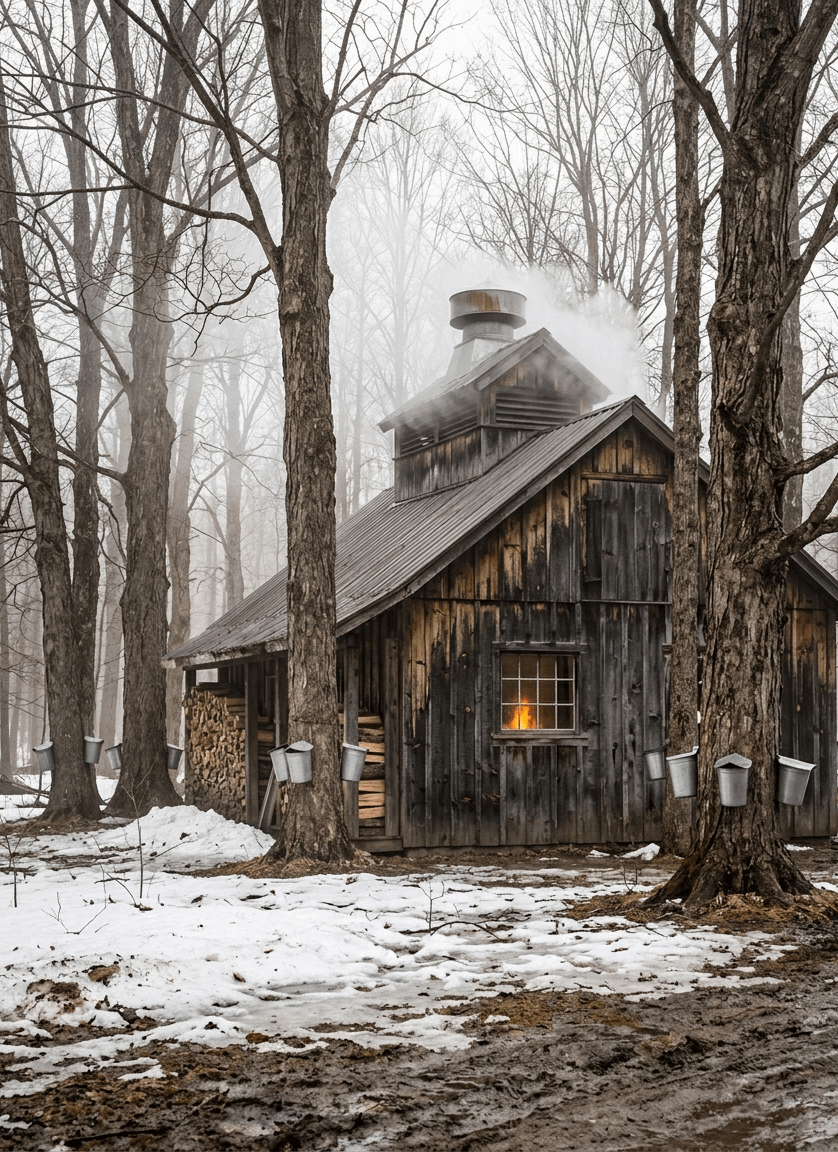
    Every year it happens the same way. You look up from whatever you have been doing, notice the mud on your boots, and realize that maple season is nearly over. The sugarhouses that have been running full steam since late February are slowing down. The nights are not cold enough anymore. The sap has started to taste off. And just like that, one of the most quietly magical times of year in Vermont is almost gone.

    If you have been meaning to get out there and experience it, now is the time. Not next weekend. Now.

    Why Maple Season Feels Different When You Know It’s Almost Over

    Maple sugaring in Vermont depends on a very specific kind of weather. Freezing nights and warm days create the pressure changes that get the sap moving through the trees. Once the nights stop dropping below freezing consistently, that’s it. The season ends not on a calendar date but on nature’s terms, and it rarely gives much warning.

    Most years, peak sugaring happens somewhere between late February and early April. But a warm stretch can close things down faster than anyone expects. Sugarhouses that were boiling day and night just a couple of weeks ago might already be cleaning up their equipment and calling the season done.

    There is something bittersweet about that. Maple season has this quality of feeling both eternal and fleeting at the same time. When you are in it, steam rising from the sugarhouse and the smell of boiling sap hanging in the cold air, it feels like it will always be there. Then one morning it is just over.

    Visit a Vermont Sugarhouse Before They Close for the Season

    This is the one thing worth making a real effort to do. A lot of sugarhouses in Vermont welcome visitors during the sugaring season, and many of them are not open to the public at any other time of year. Once the season wraps up, the doors close and they go back to being quiet corners of someone’s family farm.

    Visiting a sugarhouse is not like visiting a brewery or a winery. It is louder, steamier, and a lot more honest. You walk in and the heat hits you immediately. The evaporator is running. Sap is boiling down into syrup at a ratio of roughly forty gallons to one. The whole place smells incredible in a way that is almost impossible to describe until you have been there.

    Small family operations are where you get the real experience. These are places where the person boiling the sap is the same person who tapped the trees and will be the one handing you a sample on a tiny plastic spoon. They are not performing Vermont for you. This is just what they do every spring.

    The Vermont Maple Sugar Makers’ Association maintains a directory of sugarhouses and maple producers across the state. It is the easiest way to find operations near you that are open to visitors. Many towns also have their own local sugarhouse open houses around this time of year, so it is worth checking community boards and local Facebook groups as well.

    Discover Vermont’s Maple Creemees

    Stock Up on Real Vermont Maple Syrup Now

    Here is something that does not get talked about enough. The syrup produced at the end of the season, when the weather is warmer and the sap has been running longer, is darker and more intensely flavored than what comes out at the start. If you love cooking with maple or want something with real depth, end-of-season syrup is worth seeking out.

    Vermont grades its maple syrup by color and flavor. Golden and Amber grades are delicate and sweet, great for drizzling on pancakes or yogurt. Dark and Very Dark grades are where things get interesting. They have a robust, almost caramel-like complexity that holds up in braises, marinades, and baked goods in a way the lighter grades cannot.

    Buying direct from a sugarhouse or a local producer is the best option whenever possible. The syrup is fresher, the price is usually better than what you will find in a gift shop, and you know exactly where it came from. A lot of producers also sell online through their own sites or through platforms like Etsy, which is worth exploring if you want to continue supporting Vermont makers after the season ends.

    Five Scenic Drives to Take This Spring

    What Grade Should You Buy?

    If you are new to Vermont maple syrup, the grade system can feel a little confusing. Here is the short version.

    • Golden (Delicate Taste): Light, mild, and subtle. Great for beverages and anything where you want just a hint of maple flavor.
    • Amber (Rich Taste): The classic Vermont maple flavor most people know. Works well on almost everything.
    • Dark (Robust Taste): Deeper and more complex. Excellent for baking, glazes, and savory cooking.
    • Very Dark (Strong Taste): Intense and earthy. An underrated option for anyone who wants maple to be the loudest thing in a dish.

    If you can only grab one bottle before the season ends, go for Dark or Very Dark. It is what late-season Vermont tastes like, and you will not regret it.

    Eat and Drink Your Way Through the Last of Maple Season

    Vermont does not just produce maple syrup. It eats and drinks it in every form imaginable this time of year. If you want the full experience, here are a few things worth tracking down before the season shifts.

    Sugar on snow is the one you hear about most, and for good reason. Hot syrup poured over a tray of clean packed snow hardens into a chewy, candy-like treat that you eat with a fork or on a stick. It is simple, a little ridiculous, and completely delicious. Some sugarhouses offer it during the season. A few maple festivals make it a centerpiece. Do not pass it up if you get the chance.

    Maple creemees (Vermont’s soft-serve ice cream, for anyone who needs that explained) start showing up at farm stands and local spots around this time. The maple ones are worth going out of your way for. The season for those is just getting started as maple sugaring winds down, which feels like a very fair trade.

    Local cafes and breakfast spots across Vermont lean into maple season with specials that come and go quickly. Maple lattes, maple donuts, maple french toast with fresh local syrup. These are not year-round menu items. Check in with your favorite spots and ask what they are running while they still have it.

    Get Outside for the Last Muddy, Magical Days of Early Spring

    Late maple season in Vermont is also mud season, and that is not nothing. The snow is mostly gone from the lower elevations. The ground is soft and wet and starting to wake up. The light has changed in that way it does in April, longer and warmer and full of actual promise.

    It is not the most glamorous time to hike in Vermont. Some trails are genuinely a mess. But getting outside in this in-between season has its own rewards. The sugar maple stands are quiet and beautiful in a leafless, structural way. You can hear the birds coming back. The woods smell like earth and cold water and the very beginning of something.

    Stick to lower-elevation trails and gravel roads if you want to avoid the worst of the mud. The Missisquoi Valley Rail Trail, flatter walking paths through farmland, and many rail trails across the state hold up reasonably well at this time of year. Save the ridge hikes for May when things dry out.

    Why Everyone Feels Welcome in Vermont

    A Few Things Locals Do to Mark the End of Maple Season

    If you want to experience maple season the way people who actually live here do, here are a few things worth knowing about.

    • Maple festivals and open houses: Towns across Vermont host maple-focused events every year in late March and early April. Some are big productions with vendors and demos. Others are small and low-key. Either way, they are a good reason to get out and explore a part of Vermont you might not have visited before.
    • Making something at home: A lot of locals pick up a jar of fresh maple cream or maple butter at the end of the season and spend a quiet Sunday baking with it. If you are in Vermont right now, grabbing a jar before the supply runs out is a good move.
    • One last sugarhouse morning: There is a specific kind of peacefulness to sitting outside a sugarhouse on a cold early morning with a cup of coffee, watching the steam come off the evaporator stack. Locals who have been doing this their whole lives still show up for it every year. It does not require an explanation.

    Maple season closing down is also the mental signal for a lot of Vermonters that spring is actually on its way. The mud is proof. The longer days are proof. And the sugarhouses going quiet is the last piece of it. By the time the trees start to bud out, the whole rhythm of the year will have shifted again.

    Don’t Wait Too Long

    The honest truth about maple season is that it does not wait. A stretch of warm nights can end a season in days. Sugarhouses that planned to stay open another week sometimes close early because the sap just stopped running. The window is real and it is narrow.

    If you are in Vermont right now, or if you can get here in the next week or two, go find a sugarhouse. Buy a jar of dark syrup. Get a maple creemee if you can. Stand outside in the mud for a minute and just breathe in the smell of the season.

    It only comes around once a year, and there is no catching up once it is gone.

    Shop Green Mountain Peaks on Etsy

    Bring a little piece of Vermont into your home with our curated collection of gifts, apparel, and seasonal favorites. From cozy hoodies and crewnecks to Vermont-themed gift boxes and cookbooks, each item is designed to celebrate the Green Mountain spirit.

    • Vermont-inspired designs and gift sets
    • Printed and packaged with care
    • Ships directly to your door
    Visit Our Etsy Shop

    Discover gifts, apparel, and Vermont treasures made to share and enjoy year-round.
  • Why Vermont is the Maple Syrup Capital

    Why Vermont is the Maple Syrup Capital

    Every spring, Vermont does something the rest of the country watches from a distance. The snow is still deep in the woods. The mud is doing its worst to every dirt road in the state. And somewhere on a hillside, a sugar maker has been awake since before sunrise, feeding a fire and watching a pan of pale sap slowly transform into something amber, sweet, and unmistakably Vermont.

    Maple season is one of those things that sounds simple until you start paying attention to it. Then you realize it is actually a precise, weather-dependent, biologically fascinating process that has been refined over centuries right here in the Green Mountain State. Whether you are visiting Vermont for the first time or you have lived through a few dozen sugaring seasons yourself, here is how it actually works.

    Why Vermont Is the Center of the Maple World

    Vermont produces more maple syrup than any other state in the country, and it is not particularly close. The combination of climate, tree density, and generational knowledge makes the state uniquely suited for it. Sugar maples thrive in the northeast, and Vermont’s terrain and temperature swings create near-ideal conditions for sap production season after season.

    The practice of tapping maple trees for sap goes back long before European settlement. Indigenous peoples across the northeast had developed methods for collecting and concentrating maple sap centuries before colonists arrived and adapted those techniques into what eventually became the commercial industry Vermont is known for today. What you see at a Vermont sugarhouse in March is the current chapter of a very long story.

    It All Starts With the Trees

    Sugar Maples and Why They Matter

    Not all maple trees are created equal when it comes to syrup. The sugar maple (Acer saccharum) produces sap with a significantly higher sugar content than other maple species, which means less boiling time and a better-tasting finished product. Vermont’s forests are full of them, and that is a large part of why the industry is centered here.

    A tree needs to reach a certain size before it can be tapped responsibly. Most sugar makers wait until a maple is at least 10 to 12 inches in diameter at chest height, which typically takes 40 or more years of growth. A single healthy tree can be tapped for generations if the work is done carefully. Many of the trees being tapped in Vermont today were already mature when the great-grandparents of the current sugar makers were learning the trade.

    How the Sap Actually Forms

    During the winter, sugar maple trees store starch in their wood and root systems. As temperatures begin to rise in late winter, that starch converts into sugar and dissolves into water within the tree’s cells. The result is sap, a liquid that is roughly 98 percent water and about 2 percent sugar (though this varies by tree and by the conditions of the season).

    What moves the sap is pressure. When temperatures drop below freezing at night and then rise above freezing during the day, it creates alternating positive and negative pressure inside the tree. That pressure differential is what pushes sap toward any opening in the bark, including a tap. No freeze and thaw cycle, no sap flow. It is that direct.

    The Freeze and Thaw Cycle: Vermont’s Most Important Weather Pattern

    Ask any Vermont sugar maker what they are watching during the season and the answer is always the forecast. Specifically, they are looking for nights that dip below 32 degrees Fahrenheit and days that climb into the low 40s. That range, cold nights and cool-to-mild days, is the sweet spot for a good sap run.

    If the overnight temperature stays above freezing, the pressure cycle does not complete and sap movement slows or stops. If the days warm up too much and stay warm, the season heads toward its end faster than anyone wants. A late winter cold snap after a warm stretch can sometimes restart things briefly, but the window is always narrower than it looks on the calendar.

    This is why sugar makers are some of the most weather-literate people in Vermont. They are not checking the forecast for convenience. They are making decisions about when to fire up the evaporator, when to pull a crew together, and when the season is telling them something important.

    When Does Vermont Maple Season Start and End?

    Typical Timing by Region

    Vermont maple season does not start on the same date everywhere. It moves from south to north as temperatures warm across the state. Operations in southern Vermont and the lower valleys often see their first runs in late February. The Northeast Kingdom, up near the Canadian border, may not hit its stride until mid-March or later, and in a good year runs well into April.

    Across the whole state, a strong season might span six to eight weeks from the first trickle in the south to the last boil in the north. A warm or erratic winter can compress that to two or three weeks. There is no way to know in advance exactly what you are going to get, and that unpredictability is something every producer has made peace with.

    What Ends the Season

    The season ends when the trees say it does. The most reliable signal is bud break, the moment the sugar maple begins pushing new growth from its buds. Once that happens, the sap chemistry changes. It develops a bitter, off flavor that sugar makers describe bluntly and that no amount of boiling improves. The syrup made just before bud break tends to be darker and more robust, which is part of why the Very Dark grade exists.

    A sustained warm stretch with no overnight freeze will also end a season before bud break. The pressure cycle stops, the sap slows, and the evaporator goes cold. Experienced producers can often taste the shift coming in the last runs of the season. They know when the trees are done.

    How Sap Becomes Syrup: The Boiling Process Explained

    Collection Methods: Buckets vs. Tubing

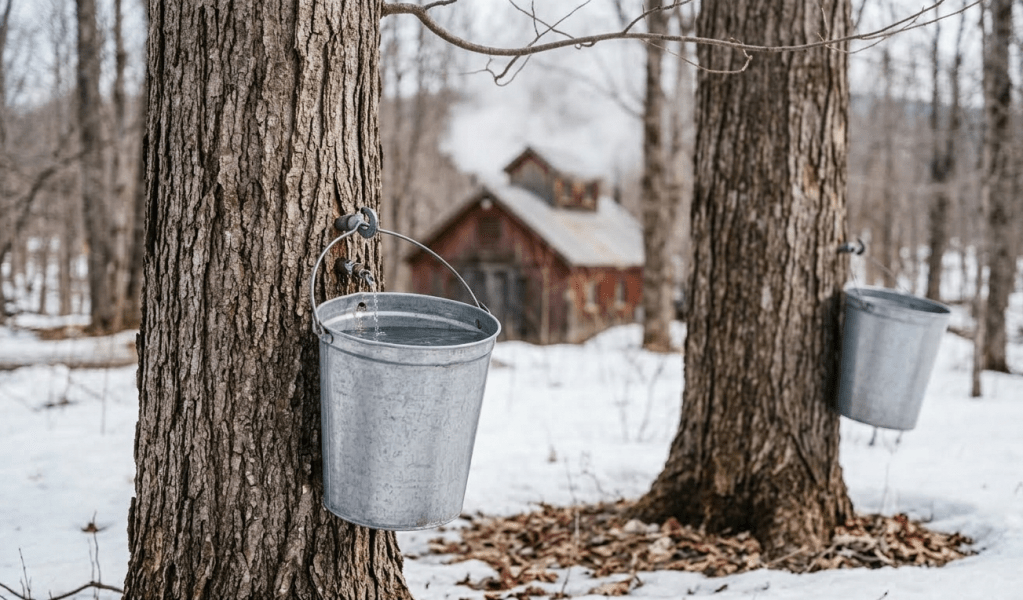
    There are two main ways to collect sap from a tapped maple tree. The traditional method uses metal buckets hung directly below the tap. You have seen them on the sides of trees along Vermont back roads in late winter, and they are exactly what they look like. Smaller farms and hobby operations still use buckets widely, and there is something genuinely satisfying about walking a sugarbush with a collection tank and gathering runs by hand.

    Larger commercial operations more commonly use a system of plastic tubing that runs from tree to tree and eventually down the hillside to a collection tank at the sugarhouse. Many of these systems use vacuum pumps to increase sap yield per tree. Both methods are legitimate and both are still common across Vermont. The tubing systems are efficient; the buckets are beautiful.

    The Evaporator and the Boil-Down

    Once sap reaches the sugarhouse, it goes into the evaporator. This is the long, divided pan set over a firebox that is the heart of every sugarhouse operation. Sap enters at one end, thin and pale as water with a faint sweetness. It moves through a series of channels as it concentrates, and by the time it reaches the draw-off point at the far end, it has become maple syrup.

    The ratio that every Vermont sugar maker quotes from memory is roughly 40 gallons of raw sap to produce one gallon of finished syrup. In a low-sugar year, that number climbs closer to 50 gallons or more. This is why boiling takes so long and why a working evaporator runs for hours at a stretch. The fire has to stay hot, the pan has to stay at the right level, and the sugar maker has to monitor the temperature at the draw-off point closely, targeting around 219 degrees Fahrenheit at sea level (adjusted slightly for elevation).

    Many Vermont sugarhouses still use wood-fired evaporators. The wood contributes to the atmosphere of the place, the smell, the sound, the visual of a fire roaring beneath a pan of boiling sap, and some producers believe it contributes subtly to the flavor profile as well. Oil and propane-fired systems are also used, particularly in larger operations where consistency and efficiency matter most.

    Understanding Vermont Maple Syrup Grades

    Since 2015, Vermont has used the same grading system as the USDA, which simplified things considerably. There are now four grades, and all of them are Grade A, meaning all four are pure, table-quality maple syrup. The grade describes color and flavor intensity, not quality ranking.

    • Grade A Golden, Delicate Taste: Light in color, mild and subtle flavor. Often comes from the earliest runs of the season when sugar content is high and the sap is very fresh.
    • Grade A Amber, Rich Taste: The classic Vermont maple flavor most people picture. A good all-purpose syrup for table use, baking, and cooking.
    • Grade A Dark, Robust Taste: Deeper color and more intense maple flavor. Excellent for cooking, glazing, and anywhere you want the maple to stand up to other strong flavors.
    • Grade A Very Dark, Strong Taste: The boldest grade, typically produced near the end of the season. Used heavily in commercial food production and by home cooks who want maximum maple impact in savory dishes.

    When you buy syrup directly from a Vermont producer, you will often have the chance to taste before you buy. Take them up on it. The difference between grades is real and noticeable, and what you prefer on your pancakes may be completely different from what you want in a marinade.

    What a Good Season Looks Like (And What Can Go Wrong)

    A strong maple season in Vermont means multiple distinct sap runs spread across several weeks, with reliable freeze and thaw patterns that give producers time to collect, boil, and prepare between runs. In a year like that, sugarhouses run nearly continuously for stretches, and the yield per tap is high. Those are the years producers talk about for a long time afterward.

    Climate change is making the season harder to predict and, in some years, harder to execute. Warmer winters mean fewer overnight freezes, inconsistent pressure cycles, and seasons that start earlier and end sooner than historical averages. Some producers in southern Vermont have seen their window compress noticeably over the past two decades. The industry is adapting, but the underlying biology of the trees cannot be rushed or rescheduled.

    Sugar makers also talk about vintage years the way winemakers do. The 2023 season in Vermont was notably strong across much of the state. Other years are remembered for specific challenges, a brutal cold snap in March, a warm week that ended things too fast, a late freeze that gave everyone one unexpected last run. Every season has its own character, and every jug of syrup carries a little of that.

    How to Experience Maple Season If You’re Visiting Vermont

    Sugarhouse Visits and Open Farm Week

    Vermont Maple Open Farm Week typically runs during the last week of March and into early April, with farms across the state formally opening their doors for tours, tastings, and demonstrations. It is organized, well-attended, and a genuinely good way to see multiple operations in a single trip. The Vermont Maple Sugar Makers Association maintains a current list of participating farms each year.

    Outside of Open Farm Week, the best signal that a sugarhouse is welcoming visitors is visible steam from the stack. If smoke is rising and cars are in the lot, it is usually fine to walk up and knock. Most sugar makers doing an active boil are happy to have curious people come through. Just be respectful of the work happening around you and dress for the conditions.

    What to Buy and Where

    Buying directly from the farm gets you the freshest product, the full range of grades, and often a conversation about the season that no grocery store shelf can offer. Farmers markets and food co-ops around Vermont also carry local syrup year-round from multiple producers.

    Beyond syrup, most sugarhouses sell a few products worth knowing:

    • Maple cream (also called maple butter or maple spread): A smooth, spreadable product made by cooling and stirring syrup until it reaches a creamy consistency. No dairy involved. Extraordinary on a biscuit.
    • Maple candy: Made by heating syrup and pouring it into molds as it cools. Dissolves slowly and tastes like the concentrated heart of the season.
    • Maple sugar: Granulated maple, used in baking and as a substitute for cane sugar with a distinct flavor advantage.

    Buy more than you think you will use. Everyone who has ever left a Vermont sugarhouse with one small jug has regretted it by July.

    Maple season is brief, specific, and rooted in a combination of biology, weather, and deep Vermont know-how that took generations to develop. Coming here during those few weeks in March and April and seeing it in person is one of the better decisions you can make about how to spend a spring day in the Green Mountains.

    Shop Green Mountain Peaks on Etsy

    Bring a little piece of Vermont into your home with our curated collection of gifts, apparel, and seasonal favorites. From cozy hoodies and crewnecks to Vermont-themed gift boxes and cookbooks, each item is designed to celebrate the Green Mountain spirit.

    • Vermont-inspired designs and gift sets
    • Printed and packaged with care
    • Ships directly to your door
    Visit Our Etsy Shop

    Discover gifts, apparel, and Vermont treasures made to share and enjoy year-round.
  • Experience Vermont’s Unique Holiday Charm

    Experience Vermont’s Unique Holiday Charm

    There is something quietly magical about the holiday season in Vermont. From snow-covered village streets and twinkling lights to the sweet ritual of maple syrup on fresh snow, the traditions here feel both timeless and deeply rooted in place. Whether you are a visitor passing through, a local settling in, or someone thinking about making Vermont home, these holiday moments add warmth, meaning, and memory to the winter months.

    Why Vermont’s Holidays Feel So Special

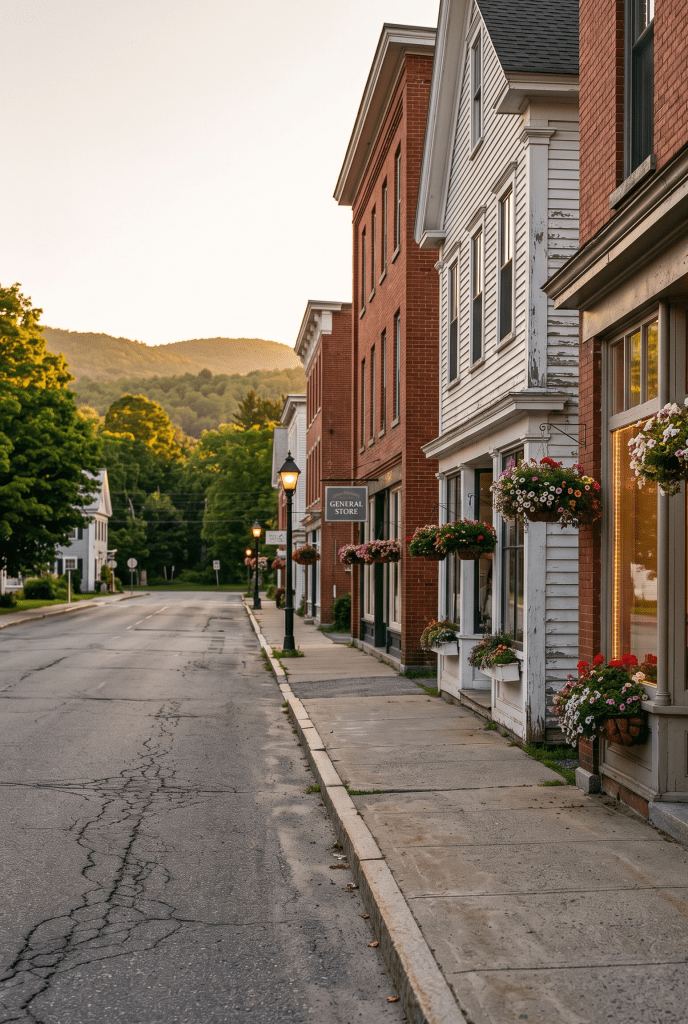
    In Vermont, the holidays are shaped by the landscape and the pace. The forests are still, snow muffles the world outside, and even a stroll through a village feels like stepping into a storybook. That slower tempo gives space for traditions to breathe, for communities to gather, and for visitors and locals alike to feel connected to something enduring.

    There is also a genuine sense of craft and local pride. From small-town lights to maple syrup farms, each tradition has roots in daily life. That makes the holidays here feel less like a spectacle and more like a shared moment.

    Classic Small-Town Holiday Events Across Vermont

    Lanterns, Candlelight, and Horse-Drawn Carriages

    Imagine a crisp evening in a village like Woodstock, Vermont, where the town green is bathed in soft light, carolers arrive in period dress, and horse-drawn sleighs glide through the snow. During the well-loved Wassail Weekend, the entire town turns into a living Victorian postcard filled with community spirit and old-fashioned cheer.

    These events often start as small gatherings and evolve into something everyone anticipates. The lanterns reflect off fresh snow, the air smells of fir and cider, and for a moment you slow down. As a visitor you get to walk through the scene. As a local you feel at home in it.

    Tree Lightings, Parades, and Cozy Downtown Walks

    Another hallmark of Vermont’s holiday rhythm is the community gathering in the town center: the tree lighting, the parade, the shop windows glowing, the bundled-up families sipping cocoa. In towns large and small, December brings calendars full of festive events that invite both locals and visitors to join in. You can find wonderful guides to current events on Vermont Explored and other local resources.

    If you are traveling here, keep an eye on local event calendars for these moments. Plan to arrive a bit early, pick a spot along the parade route or near the tree, dress warmly, and arrive with a sense of wonder. Support the local shops afterward, they are part of the tradition too.

    The Sweet Ritual of Sugar on Snow

    If you are searching for a tradition that is uniquely Vermont, look no further than the beloved “sugar on snow.” In its simplest form, it is hot maple syrup poured directly onto clean snow or shaved ice so that it cools into a sweet, soft taffy-like candy. Food Republic explains how this winter treat captures the heart of Vermont’s maple culture.

    But it is more than a treat. It is a ritual tied to sugaring season, when sap flows, trees await spring, and communities gather at sugarhouses for tours, samples, and warm gatherings. Audubon Vermont describes sugar on snow as a “sweet sign of the season” that brings families together across generations.

    What to expect? You will see a long trough or table filled with snow or ice, someone carefully pouring boiled maple syrup at just the right temperature, and a line of eager people waiting to roll the maple into sticky ribbons. You take a fork or stick, roll the syrup, and eat. Often, you will find a dill pickle spear nearby to offset the sweetness and maybe a plain donut or cup of coffee. It is joyful, simple, and deeply rooted in place. You can find more about it on Dig In Vermont.

    For visitors, it is one of those holiday moments you will never forget. For locals, it is part of the seasonal rhythm. And if you are thinking about living here, participating in one of these events can feel like stepping into the community itself.

    Holiday Traditions for Locals and Those Moving to Vermont

    For people who call Vermont home, holiday traditions offer rhythm and connection. Maybe you help hang lights in your village, attend the tree lighting, volunteer at a sugarhouse open house, or shop local for handmade gifts. These moments create a sense of belonging and community warmth.

    If you are considering moving to Vermont or are new here, embracing these traditions helps you feel grounded more quickly. It is not just about enjoying the beauty—it is about participating. Supporting a local bakery, joining a parade, sharing syrup taffy with neighbors, or simply walking through town under the lights can all become part of your Vermont story.

    From a real estate and lifestyle perspective, the holidays reveal a town’s character—the care in its storefronts, the friendliness of its businesses, and the sense of community that ties it all together. That is what makes Vermont living feel so special.

    Planning Your Vermont Holiday Visit: Tips and Timing

    • When to go: Early December offers quiet charm and local gatherings. Later in the month, expect larger crowds and big weekend celebrations. If you hope to stay at a cozy inn or historic bed-and-breakfast, make reservations early.
    • What to bring: Dress in layers, wear waterproof boots, and pack a warm hat and gloves. The evenings are crisp and clear, and the snow can sparkle like glass under streetlights.
    • Choosing a town: Decide what kind of holiday you want. Larger resort towns like Stowe or Manchester have packed calendars and ski-town buzz, while smaller villages like Grafton, Woodstock, or Middlebury offer peaceful charm and candlelit streets.
    • Support local: Stay at an independent inn, eat at a café that sources local ingredients, and buy gifts from Vermont artisans. Your choices help these beloved traditions continue year after year.
    • Respect tradition: Arrive early for parades, follow parking rules, and stay on designated walkways. Many events rely on volunteers, and small courtesies keep things running smoothly for everyone.

    Reflecting on the Season: More Than Just Lights and Snow

    As you walk a Vermont village street with snow crunching underfoot, lights twinkling above, and the scent of wood smoke in the air, it is easy to feel like you are inside a holiday postcard. But these traditions are more than scenery. They are living expressions of community, family, and place.

    The holidays in Vermont invite you to slow down. You notice the quiet, taste the syrup, hear the bells, and breathe in the cold. If you are visiting, you discover. If you already live here, you remember. If you are moving here, you become part of it.

    In traditions like sugar on snow or a candlelit carriage ride, you find the true heart of Vermont during the holidays: the meeting of nature, community, and comfort.

    Conclusion

    Whether you are strolling a snow-dusted Main Street under lantern light, listening to carolers, or rolling maple syrup onto fresh snow at a sugarhouse, Vermont’s holiday traditions invite you in. They offer warmth, charm, and a sense of place that lingers long after the season ends.

    As you plan your visit or your future here, remember that the holidays in Vermont are about more than lights and parades. They are about belonging. You might just find your own favorite Vermont tradition waiting for you beneath the falling snow.

    Shop Green Mountain Peaks on Etsy

    Bring a little piece of Vermont into your home with our curated collection of gifts, apparel, and seasonal favorites. From cozy hoodies and crewnecks to Vermont-themed gift boxes and cookbooks, each item is designed to celebrate the Green Mountain spirit.

    • Vermont-inspired designs and gift sets
    • Printed and packaged with care
    • Ships directly to your door
    Visit Our Etsy Shop

    Discover gifts, apparel, and Vermont treasures made to share and enjoy year-round.
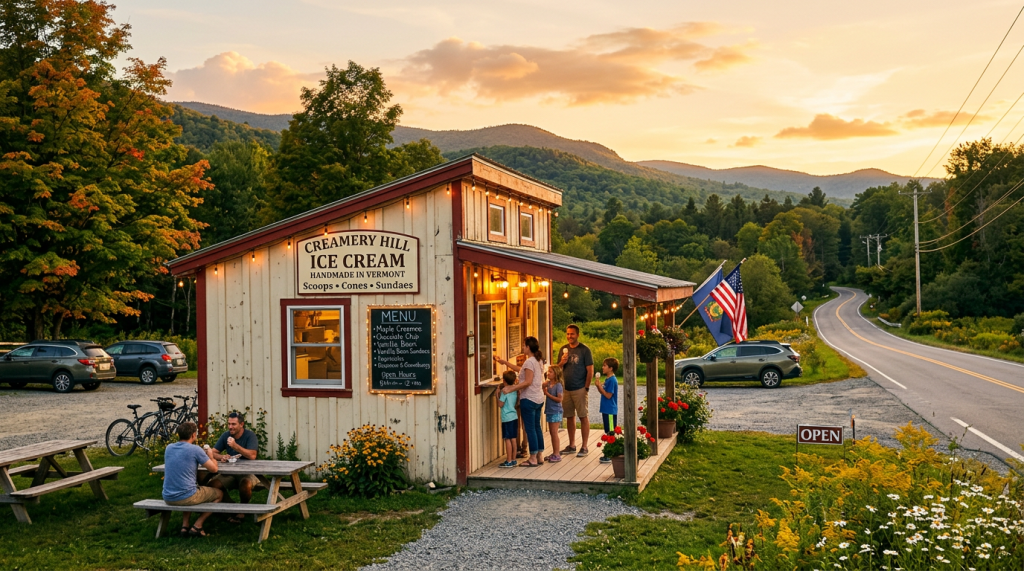
  • Celebrate Thanksgiving with Vermont’s Local Flavors

    Celebrate Thanksgiving with Vermont’s Local Flavors

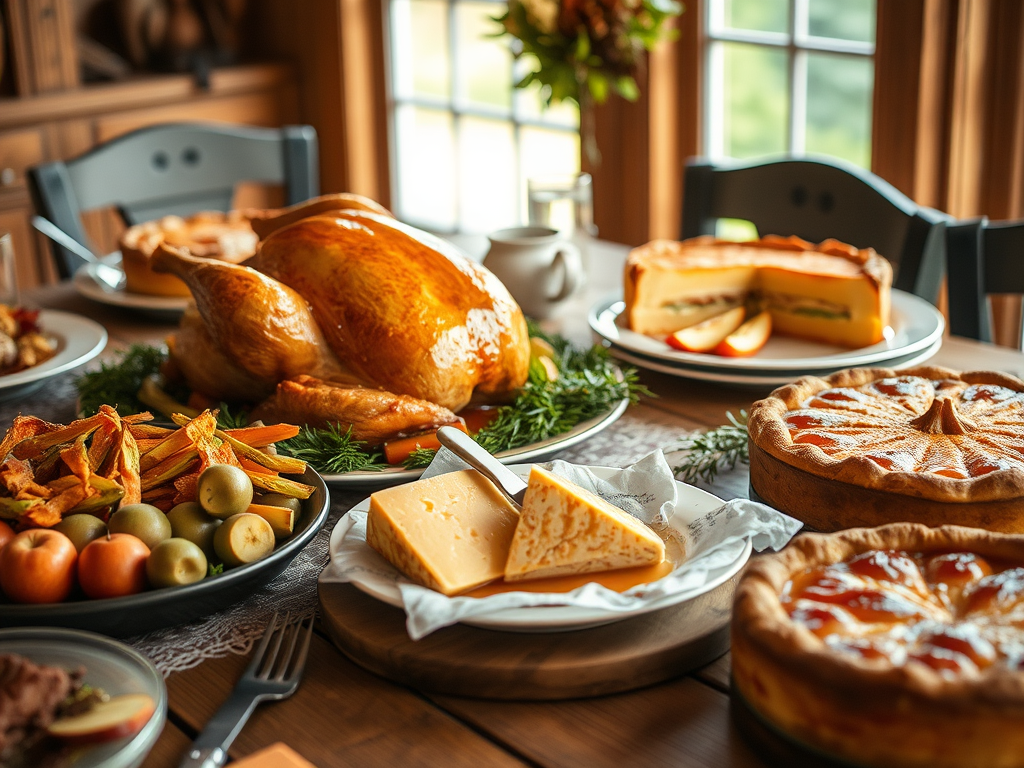
    Thanksgiving in Vermont feels different than anywhere else. The season is defined by crisp mountain air, cozy kitchens, and tables overflowing with food that comes straight from the land. Between maple syrup, sharp cheddar cheese, and hearty harvest vegetables, Vermont brings its own personality to this beloved holiday. Whether you live here or are visiting, celebrating Thanksgiving in Vermont means leaning into local flavor and seasonal traditions.

    Why Thanksgiving in Vermont is So Special

    Vermont Thanksgivings stand out because of how closely tied the meal is to the local harvest. Farmers, cheesemakers, and sugarhouses play a central role in what ends up on the table. Many families blend traditional holiday recipes with Vermont’s unique flavors, creating a menu that feels both familiar and distinctly local. It is also a time when small towns come alive with holiday markets, parades, and gatherings, making the holiday as much about community as food.

    Maple Syrup: Vermont’s Sweet Touch to the Holiday

    Maple syrup is more than a topping for pancakes. At Thanksgiving, it takes on a starring role in both savory and sweet dishes:

    • Maple-glazed turkey: A touch of maple in the glaze caramelizes beautifully on the bird, creating a golden, flavorful finish.
    • Roasted vegetables with maple: Carrots, parsnips, and sweet potatoes roasted with maple syrup and butter balance sweetness with earthy flavor.
    • Maple pies and desserts: Beyond pumpkin and apple pie, maple pie and maple cream pie showcase the richness of local syrup.
    • Maple as a gift: A bottle of Vermont maple syrup makes a thoughtful contribution to any Thanksgiving table or host gift.

    Adding maple syrup to holiday recipes honors Vermont’s most iconic ingredient and supports local sugarhouses, many of which still operate as family-run businesses.

    Vermont Cheddar: Sharp, Savory, and Essential

    Cheddar cheese is another cornerstone of Vermont’s culinary identity. Known for its sharp bite and creamy texture, Vermont cheddar pairs beautifully with Thanksgiving classics:

    • Cheddar mashed potatoes: A sharp cheddar fold-in transforms a simple side into something unforgettable.
    • Cheddar biscuits: Warm, flaky biscuits with cheddar are perfect for soaking up gravy.
    • Cheese boards: Starting the meal with a Vermont cheddar and apple platter is a delicious nod to local tradition.
    • Cheddar and apples: Crisp local apples with a slice of cheddar is a simple yet iconic Vermont snack.

    Local creameries produce award-winning cheddars that range from mild to extra sharp, making it easy to tailor recipes and appetizers to your table.

    Local Harvest Favorites on the Vermont Table

    Thanksgiving coincides with the tail end of Vermont’s harvest season, and many ingredients show up fresh at markets and farm stands:

    • Cranberry relish: Vermont-grown cranberries bring brightness to the meal.
    • Squash and pumpkins: Roasted squash, pumpkin soups, and pumpkin breads reflect seasonal abundance.
    • Cider gravies and sauces: Apple cider-based reductions and gravies add Vermont flair to turkey and sides.
    • Apple stuffing: Adding local apples to stuffing balances savory herbs with gentle sweetness.

    Shopping for produce in November often means working with storage crops, and Vermonters have long perfected hearty dishes built from squash, roots, and apples that carry the season forward.

    Drinks That Taste Like Vermont

    No Thanksgiving meal is complete without something to sip. In Vermont, that usually means cider, maple cocktails, or locally brewed beer:

    • Hot mulled cider: Spiced with cinnamon and cloves, served warm for comfort on a chilly evening.
    • Maple cocktails: Classics like a maple old fashioned or maple bourbon sour highlight the state’s sweet side.
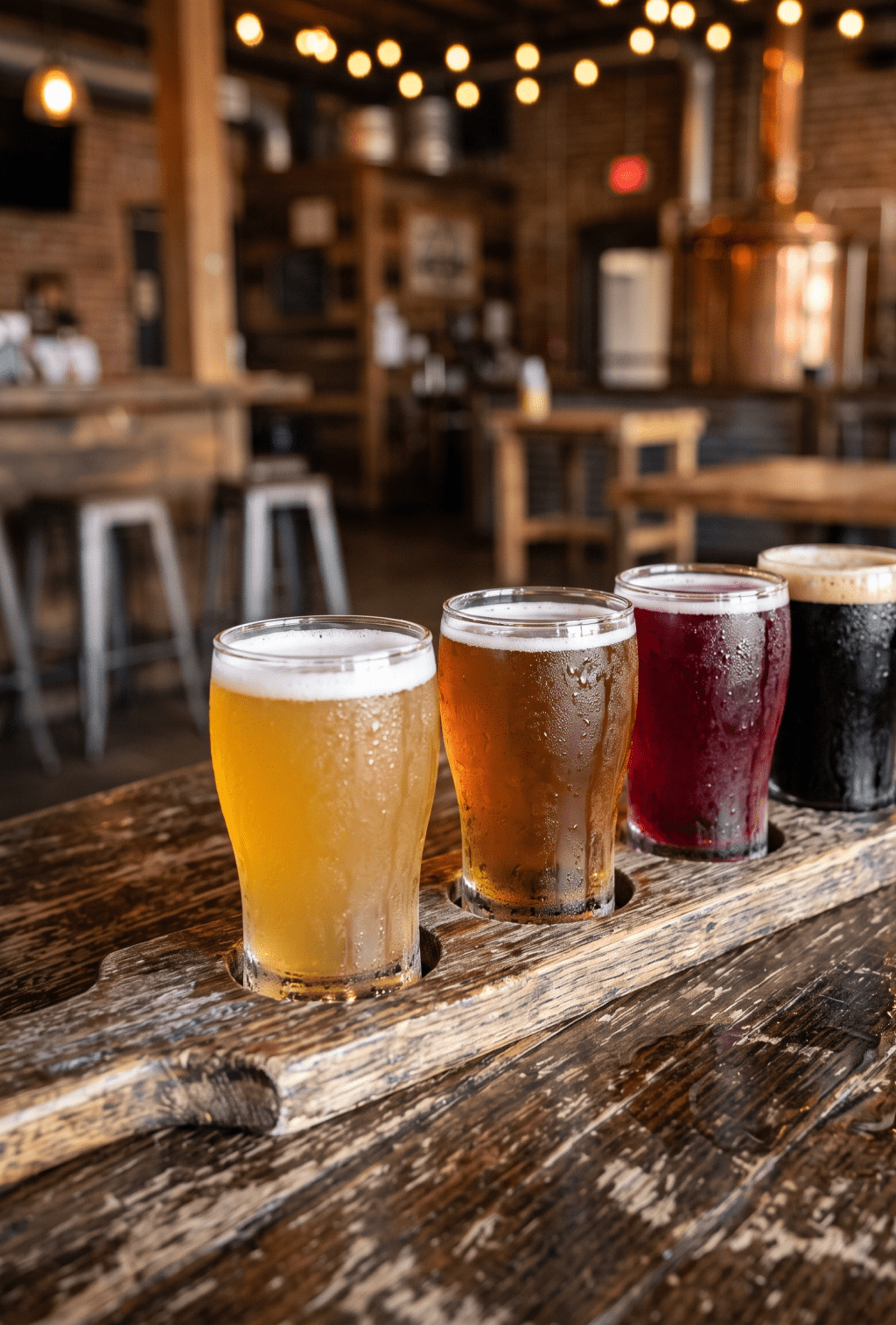
    • Craft beers and ciders: Vermont’s breweries and cideries produce seasonal options that pair perfectly with hearty holiday foods.
    • Local wine and spirits: Vermont has a growing wine scene and award-winning distilleries, offering unique pairings for the table.

    From non-alcoholic cider to small-batch spirits, drinks add an extra layer of Vermont character to the holiday.

    Where to Source Local Vermont Ingredients

    If you want to fill your Thanksgiving table with Vermont products, there are many places to look:

    • Farmers’ markets: Many stay open into November with root vegetables, squash, and locally made baked goods.
    • Creameries: Vermont cheesemakers sell cheddar, soft cheeses, and specialty butters for cooking and serving.
    • Maple sugarhouses: Family sugarhouses often sell syrup, candy, and maple cream year-round.
    • Specialty shops: Local shops offer cider, beer, wine, and spirits that showcase Vermont craftsmanship.

    Stocking up locally not only supports farmers and producers but also ensures your Thanksgiving meal carries authentic flavor.

    Hosting a Vermont-Style Thanksgiving

    Food is central to Thanksgiving, but the atmosphere matters too. Hosting a Vermont-style gathering means leaning into cozy charm:

    • Table décor: Think natural elements like pine cones, dried flowers, and rustic wood serving boards.
    • Local linens and pottery: Vermont makers create handcrafted tableware, candles, and textiles that add warmth to the table.
    • Creating comfort: A roaring fire, flannel accents, and hearty food set the stage for a memorable holiday.

    Guests will remember not only what was served but how welcome they felt, and a Vermont-inspired table encourages connection and conversation.

    Making Thanksgiving a Vermont Getaway

    For visitors, Thanksgiving can double as a holiday retreat. Vermont’s inns and bed-and-breakfasts often host special dinners or package stays around the season. Scenic drives highlight the last of autumn’s beauty, and towns across the state offer parades, markets, and seasonal activities. A Thanksgiving getaway in Vermont blends relaxation with tradition, making it a popular choice for travelers seeking something different.

    Bringing Vermont to Your Own Thanksgiving Table

    If you live outside the state, you can still enjoy Vermont flavors at your holiday table. Many farms, sugarhouses, and cheesemakers sell their products online. Consider:

    • Ordering maple syrup and cheddar: Many producers ship nationwide.
    • Cooking Vermont-inspired recipes: Add maple to roasted vegetables, cheddar to potatoes, or cider to sauces.
    • Sending Vermont gift baskets: Curated collections of maple candy, cheese, and cider make thoughtful holiday gifts.

    Even if you cannot be here, incorporating Vermont flavors into your meal brings a taste of the Green Mountains to your own home.

    Final Thoughts: A Holiday Rooted in Flavor and Community

    Thanksgiving in Vermont is about more than food. It is about gathering with family and friends, honoring local traditions, and celebrating the bounty of the land. Maple syrup, cheddar cheese, and seasonal harvest foods are the backbone of a Vermont table, but the real magic comes from the sense of community that surrounds the holiday. Whether you live here or are visiting, Thanksgiving in Vermont is a reminder of the deep connections between food, place, and people.

    Shop Green Mountain Peaks on Etsy

    Bring a little piece of Vermont into your home with our curated collection of gifts, apparel, and seasonal favorites. From cozy hoodies and crewnecks to Vermont-themed gift boxes and cookbooks, each item is designed to celebrate the Green Mountain spirit.

    • Vermont-inspired designs and gift sets
    • Printed and packaged with care
    • Ships directly to your door
    Visit Our Etsy Shop

    Discover gifts, apparel, and Vermont treasures made to share and enjoy year-round.
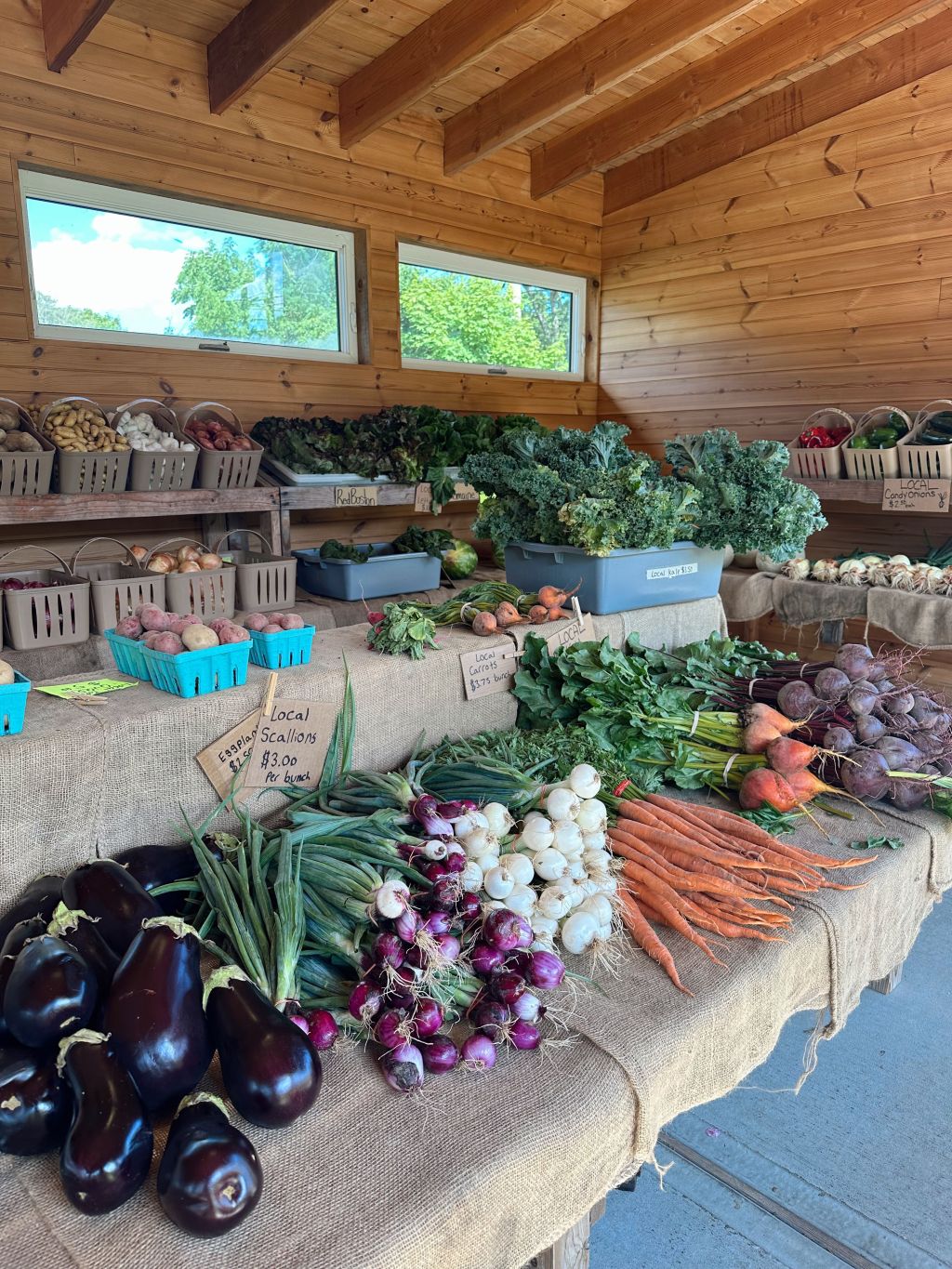
  • Discover Vermont’s Best Bakeries for Your Thanksgiving

    Discover Vermont’s Best Bakeries for Your Thanksgiving

    Thanksgiving in Vermont is a time when food takes center stage, and few things define the holiday better than baked goods. From flaky pies to crusty loaves of bread, Vermont’s bakeries provide everything you need to make your table feel both traditional and uniquely local. Whether you are a visitor spending the holiday in the Green Mountains or a Vermonter looking to lighten the cooking load, the state’s bakeries offer flavors that belong on every Thanksgiving table.

    Why Vermont Bakeries Shine During the Holidays

    Vermont has a long-standing tradition of small-scale, artisanal food production, and bakeries are no exception. Many use local ingredients like maple syrup, apples from nearby orchards, pumpkins grown in the Champlain Valley, and butter from Vermont dairy farms. The result is baked goods that feel homemade, but with the professional touch of a master baker.

    Supporting these bakeries also supports Vermont’s small-town economies. Buying your Thanksgiving pie from a family-run shop or your bread from a community-focused bakery helps ensure these traditions continue. For both tourists and locals, it is one of the best ways to experience Vermont culture at the holiday table.

    Must-Have Thanksgiving Treats From Vermont Bakeries

    If you are not sure where to start, consider these essentials:

    • Pies: Pumpkin, apple, maple cream, and pecan are staples, with many bakeries offering their own creative twists.
    • Bread and Rolls: Freshly baked loaves and soft dinner rolls are the foundation of any Thanksgiving meal.
    • Specialty Treats: Maple cookies, cider donuts, pastries, and even stollen for a festive touch.

    No matter which Vermont bakery you choose, these treats add warmth and authenticity to your holiday spread.

    The Best Vermont Bakeries for Your Thanksgiving Table

    King Arthur Baking Company – Norwich

    King Arthur is one of Vermont’s most famous names in baking. Located in Norwich, the bakery and café are a destination year-round, but especially popular around the holidays. Their artisan breads, flaky pies, and seasonal pastries are perfect for Thanksgiving. For those who love baking at home, King Arthur also sells mixes, flours, and recipes to recreate favorites in your own kitchen.

    Red Hen Baking Co. – Middlesex

    Known for its rustic loaves and sourdough, Red Hen Baking Co. is an ideal choice if you want hearty bread for stuffing or for pairing with soups and cheeses. Their commitment to organic ingredients and local sourcing makes every loaf taste like Vermont. A trip to Middlesex for Red Hen bread is worth the drive for anyone who values high-quality artisan baking.

    Mirabelles Bakery – South Burlington

    For those looking for elegant desserts, Mirabelles offers refined pies, tarts, and cakes that look as beautiful as they taste. Their seasonal flavors bring sophistication to the Thanksgiving table. It is a great stop for those who want something a little more gourmet without losing the comforting flavors of the season.

    Sticky Fingers Bakery – West Dover

    This cozy Southern Vermont bakery is well-loved for its pies and comfort desserts. Located near Mount Snow, it is a convenient stop for those spending the holiday in the area. The bakery’s homey atmosphere and generous portions make it a great place to pick up a pie that tastes like it came from your grandmother’s kitchen.

    Klinger’s Bread Company – South Burlington & Williston

    Klinger’s is a classic Vermont bakery with roots in European baking traditions. Their breads and rolls are staples for many families around the holiday, and they also offer seasonal items like stollen and specialty loaves. With multiple locations, they are an easy and reliable choice for Thanksgiving essentials.

    The Bakery – Rutland

    For those in central Vermont, The Bakery in Rutland is a local institution. Their pies and breads are well-loved, and their pastries add a festive touch to any Thanksgiving table. If you want a variety of baked goods in one stop, this is a dependable choice.

    Vergennes Laundry – Vergennes

    Vergennes Laundry offers wood-fired breads and French-inspired pastries that bring sophistication to holiday gatherings. Their use of local ingredients like dairy and fruit makes their creations distinctly Vermont while still feeling upscale. If you are hosting a Thanksgiving with guests who appreciate artisan flair, this bakery delivers.

    La Panciata – Northfield

    This family-run bakery is best known for its hearty Italian-style breads. For Thanksgiving, their loaves and rolls pair perfectly with turkey, stuffing, and sides. With a long history in Vermont, La Panciata is a beloved staple that adds a comforting touch to any holiday spread.

    Seasonal Farmers’ Markets and Pop-Up Bakeries

    Beyond permanent bakeries, Vermont’s seasonal farmers’ markets and holiday pop-ups often showcase special Thanksgiving goods. Local bakers sell pies, maple cookies, and cider donuts made just for the holiday season. If you are visiting Vermont in the weeks leading up to Thanksgiving, stopping by a market is a great way to discover hidden gems you might not find otherwise.

    Tips for Ordering Ahead

    Thanksgiving week is one of the busiest times for bakeries. To make sure you get the pie or bread you want, plan ahead:

    • Order 1–2 weeks in advance, especially for popular flavors like apple and pumpkin pie.
    • Check pickup times carefully, as many bakeries close by midday on Thanksgiving.
    • Be prepared to pay in advance for special orders, as demand is high.

    With a little planning, you will avoid the stress of last-minute scrambling and ensure your table is filled with Vermont flavors.

    Bringing Vermont Flavors Into Your Home

    Even if you cannot visit every bakery, you can bring Vermont’s signature tastes into your Thanksgiving meal. Consider:

    • Drizzling maple syrup over roasted squash or using it in pecan pie filling.
    • Serving cider donuts as an appetizer or alongside morning coffee on Thanksgiving Day.
    • Pairing fresh Vermont bread with local cheese for a pre-dinner snack board.

    These small touches give your meal a Vermont twist without requiring an extra trip.

    Final Thoughts: Sweetening Your Thanksgiving With Vermont Bakeries

    Thanksgiving is about gathering, gratitude, and enjoying good food. Vermont’s bakeries make it easier to put together a holiday spread that is both traditional and memorable. From rustic loaves of sourdough to elegant maple cream pies, the state’s bakers bring their best to the season. Whether you order ahead, stop by a farmers’ market, or simply pick up a loaf on your way home, you are not just feeding your guests, you are supporting the Vermont communities that make the holiday special.

    This year, let Vermont’s bakeries sweeten your table and create flavors and memories that last well beyond the holiday meal.

    Shop Green Mountain Peaks on Etsy

    Bring a little piece of Vermont into your home with our curated collection of gifts, apparel, and seasonal favorites. From cozy hoodies and crewnecks to Vermont-themed gift boxes and cookbooks, each item is designed to celebrate the Green Mountain spirit.

    • Vermont-inspired designs and gift sets
    • Printed and packaged with care
    • Ships directly to your door
    Visit Our Etsy Shop

    Discover gifts, apparel, and Vermont treasures made to share and enjoy year-round.
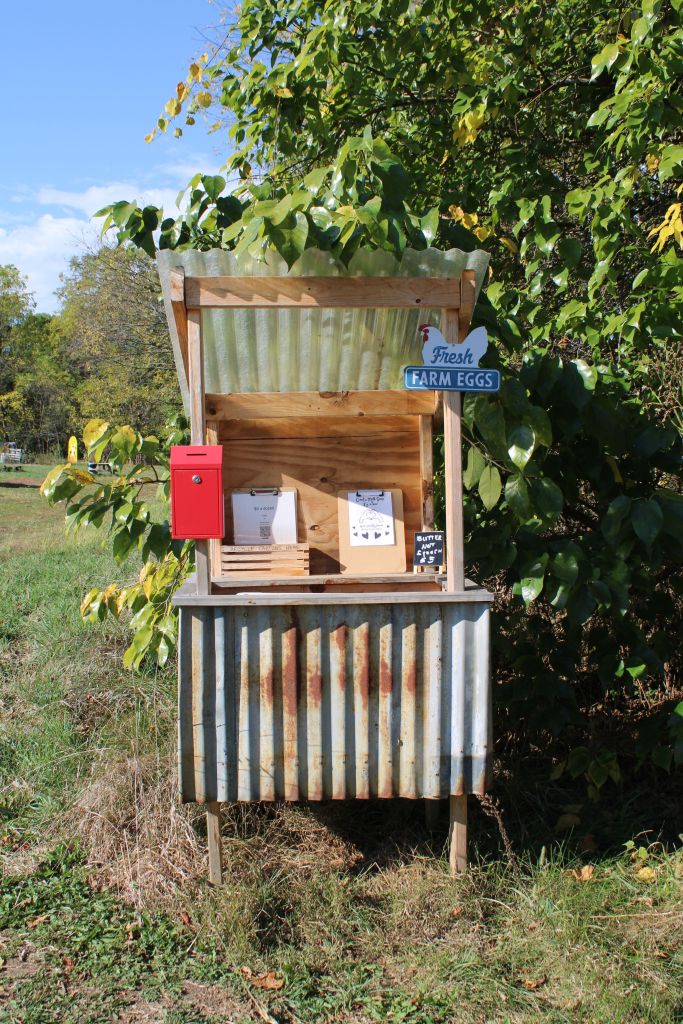
  • Ultimate Vermont Fall Picnic Guide

    Ultimate Vermont Fall Picnic Guide

    Few experiences capture the essence of autumn like a picnic in Vermont during peak foliage season. The rolling mountains glow with red, orange, and gold, the air is crisp, and the charm of the Green Mountain State makes even a simple afternoon outdoors unforgettable. Whether you are a first-time visitor or someone who calls Vermont home, this fall foliage picnic checklist will help you plan a perfect day surrounded by breathtaking scenery and seasonal flavors.

    Why Vermont is Perfect for a Fall Picnic

    Vermont is consistently ranked among the top destinations for fall foliage in the United States. The variety of landscapes—from lakeshores to mountain passes—creates endless picnic backdrops. Crisp autumn air makes outdoor meals comfortable, and the slower pace of fall encourages people to linger, relax, and take in the view. Covered bridges, farmland meadows, and state parks provide plenty of options for scenic picnic spots.

    Choosing the Perfect Picnic Spot

    The right location sets the tone for your picnic. Vermont offers countless places to spread a blanket and enjoy the season.

    State Parks with Scenic Views

    • Smugglers’ Notch State Park: Surrounded by dramatic cliffs and mountain foliage, this is a favorite for fall colors.
    • Camel’s Hump State Park: A classic Vermont peak with nearby meadows and trailheads perfect for a picnic break.
    • Groton State Forest: A vast area with lakes, trails, and overlooks ideal for quieter outings.

    Lakeside Locations

    • Lake Champlain: Picnic along the shoreline for water views framed by the Adirondacks and Green Mountains.
    • Lake Willoughby: This Northeast Kingdom gem offers dramatic cliffs and peaceful surroundings.

    Covered Bridges and Meadows

    • Stowe, Waitsfield, and Woodstock all feature covered bridges that add charm to a picnic setting.
    • Rolling farmland and open meadows provide wide views of foliage without the crowds.

    What to Pack for a Vermont Fall Picnic

    Picnic Basics

    • A large blanket or folding chairs for comfort
    • A picnic basket or cooler to keep items fresh
    • Reusable utensils, plates, and napkins

    Food and Drink Essentials

    • Local cheese, crusty bread, and crackers
    • Vermont maple cookies or maple popcorn
    • Fresh cider or hot cocoa kept warm in a thermos
    • Apples, pears, or other seasonal fruit

    Comfort Items

    • Layered clothing, warm socks, and a hat for cooler days
    • Thermos mugs and hand warmers
    • Plenty of napkins and wet wipes

    Adding a Vermont Twist to Your Picnic Menu

    One of the joys of a Vermont picnic is weaving local flavors into your spread. A fall outing feels incomplete without a maple treat or fresh-from-the-farm snack.

    • Pack maple scones, maple butter cookies, or granola made with syrup.
    • Include Vermont cheddar, goat cheese, or locally made spreads.
    • Bring cider donuts or a slice of apple pie from a local bakery.
    • Pick up farm-fresh produce like roasted pumpkin seeds or squash dishes from a farmers market.

    Timing Your Fall Picnic

    Vermont foliage typically peaks between late September and mid-October, but the best week depends on the region. The Northeast Kingdom often sees color first, followed by central and southern Vermont. Plan your picnic around midday for the most warmth, or aim for golden-hour sunsets if you prefer glowing light for photos. To avoid crowds, choose weekdays or quieter locations off major routes.

    Activities to Pair with Your Picnic

    A picnic is just one part of the Vermont fall experience. Pair your meal with other seasonal adventures.

    • Drive scenic byways like Route 100 or Route 108 for mountain views.
    • Take a short hike to Sterling Pond, Owl’s Head, or Mount Philo before or after eating.
    • Go apple picking at orchards like Hackett’s or Champlain Orchards.
    • Capture photos of foliage reflections in lakes and rivers.
    • Pack a deck of cards, a journal, or a speaker for light background music.

    Practical Tips for a Stress-Free Picnic

    • Bring trash bags and follow “leave no trace” principles.
    • Pack for sudden weather shifts with a rain jacket or umbrella.
    • Carry bug spray and sunscreen, even in cooler weather.
    • Remember that some rural areas have little to no cell service, so plan accordingly.

    Making Memories That Last

    Autumn picnics in Vermont are more than just meals outdoors; they are memory-makers. Take photos of your picnic setup against colorful backdrops, jot down notes in a travel journal, or save mementos like a pressed leaf. Many families and friends turn their fall picnic into an annual tradition, returning each year to favorite spots as a way of celebrating the season together.

    Final Thoughts: Your Vermont Fall Picnic Awaits

    With the right mix of planning, local flavors, and scenic locations, a fall foliage picnic in Vermont becomes an unforgettable experience. Pack your basket, choose your spot, and get ready to enjoy autumn’s most colorful days surrounded by the beauty of the Green Mountains. Vermont’s charm shines brightest in fall, and your picnic is the perfect way to savor it.

    Leaf Peeping Crew, 30% Off

    Cozy up for foliage season with our Leaf Peeping Crew hoodies and crewnecks. Soft fleece, easy fit, perfect for ridge walks and lakeside sunsets.

    • Unisex fit and multiple colors
    • Printed to order in the USA
    • Ships directly to you
    Shop the 30% Off Sale

    Limited time offer. Discount applied at checkout while the sale lasts.

  • Best Picnic Spots in Vermont: State Parks, Lakefronts, Covered Bridges, and Hidden Gems

    Best Picnic Spots in Vermont: State Parks, Lakefronts, Covered Bridges, and Hidden Gems

    There’s something timeless about a good picnic. It’s a simple pleasure: great views, good food, and a little time to slow down and take in your surroundings. If you’re in Vermont, you’re already halfway there. As a lifelong local and outdoorsman, I’ve spent more afternoons than I can count hiking to ridgelines, paddling across still lakes, and rolling out a blanket beside some of the prettiest views in New England.

    This guide is for the folks looking to get outside and enjoy a scenic lunch in the fresh Vermont air. Whether you’re a local itching for a weekend escape, a couple looking for a romantic date spot, or a tourist hoping to eat your sandwich beside a waterfall, I’ve got you covered. Let’s dig into Vermont’s most scenic picnic spots, sorted by what kind of vibe you’re looking for.

    1. Best Mountain View Picnic Spots

    If your perfect picnic includes sweeping views of distant peaks and valleys, these mountaintop and hillside spots are for you.

    Mount Philo State Park (Charlotte)

    This is one of the most accessible mountain-top picnic spots in the state. You can either hike a gentle 1.9-mile loop or drive straight to the top. There’s a large grassy area, picnic tables, and incredible panoramic views of Lake Champlain and the Adirondacks. Great for sunsets too.

    Hogback Mountain (Marlboro)

    Right along Route 9, this former ski hill offers a 100-mile view and plenty of grassy areas to throw down a blanket. There’s a small gift shop with local goodies and a few picnic tables available. It’s never too crowded, and you’re just a few miles from Brattleboro if you need supplies.

    Prospect Rock (Manchester)

    Short but rewarding, the 1.5-mile hike to Prospect Rock leads to a ledge with a beautiful view of the Manchester Valley and Mount Equinox. While there aren’t official picnic tables, it’s a quiet spot where you can enjoy your lunch in peace.

    2. Lakefront and Riverbank Picnic Areas

    Waterfront picnics come with the bonus soundtrack of birdsong and lapping waves. Bring your swimsuit and make a day of it.

    Lake Elmore State Park (Elmore)

    This underrated gem has everything: a sandy beach, picnic tables, grills, and canoe rentals. The view across the lake toward Elmore Mountain is stunning. You can even hike up the fire tower before or after lunch.

    Crystal Lake State Park (Barton)

    A favorite among Northeast Kingdom locals, this lake is known for its clear water and peaceful setting. There’s a beach with changing rooms, picnic tables, and plenty of shade under big old pines. Great spot for families.

    North Beach Park (Burlington)

    Just minutes from downtown, this is Burlington’s go-to beach spot. It’s busier than the others, but the combination of sandy shoreline, grassy areas, and food vendors makes it a solid choice. Plus, there’s a paved bike path nearby for a post-picnic ride.

    Missisquoi National Wildlife Refuge (Swanton)

    Looking for a quieter scene? This federally protected area on the Canadian border is a peaceful spot to picnic by the Missisquoi River. Bring your binoculars—this is one of the best birding spots in the state.

    3. Secluded & Hidden Gem Picnic Spots

    Want something a little more off the beaten path? These are my personal favorites for a quiet afternoon.

    Kettle Pond (Groton State Forest)

    Rent a canoe or hike in to one of the primitive lean-tos on the edge of Kettle Pond. You’ll be completely surrounded by forest, with loons calling in the distance. There are no picnic tables, but the rocky shoreline is perfect for a rugged, scenic lunch.

    Moose Bog (Island Pond)

    This tucked-away boardwalk loop near Wenlock Wildlife Management Area is magical. It’s one of the only places in Vermont where you can reliably spot boreal birds like gray jays and black-backed woodpeckers. It’s a short walk in, and you’ll want to bring your own seat or use a log for your picnic.

    Braintree Mountain Forest (Braintree)

    Locals know this as a great place for backcountry skiing in the winter, but it’s just as beautiful in summer. Hike up to one of the open ledges for your picnic and enjoy big-sky views with no crowds.

    4. Covered Bridges & Historic Charm Picnic Spots

    Nothing says “Vermont” like a covered bridge and a basket of snacks.

    Emily’s Bridge (Stowe)

    This spooky little covered bridge has a peaceful trail network nearby. It’s walking distance from town, but quiet enough that you can hear the brook babbling beneath your feet. There are no official picnic facilities, but plenty of flat rocks and grassy nooks to spread out.

    Thetford Covered Bridge Picnic Area (Thetford Center)

    Located right off Route 113, this one is an actual designated picnic area with a couple of tables and a lovely little river bend. In the fall, the foliage here is fantastic.

    Waitsfield Covered Bridge Green (Waitsfield)

    A classic Vermont village green by the Mad River. You’ll see kids swimming, farmers market tents, and families laying out checkered blankets. There are picnic tables and a walkable town center if you want to grab provisions.

    5. Family-Friendly Picnic Parks

    If you’ve got kids or just want easy access, these are great picks with plenty to do nearby.

    Oakledge Park (Burlington)

    Picnic areas, walking trails, a treehouse-style playground, and a rocky beach for swimming. This spot is easy to access and full of families during the summer months. There’s even an adaptive bike center nearby for rentals.

    Depot Park (St. Johnsbury)

    Right in the heart of town, this park has a splash pad, playground, and shade trees. Great for a quick lunch stop if you’re traveling through the Northeast Kingdom. There’s also an excellent natural history museum (Fairbanks Museum) right across the street.

    Wrightsville Beach (Montpelier)

    A local favorite just outside Montpelier. It’s not huge, but it has everything you need: paddleboard rentals, beach access, grassy picnic spots, and a mellow crowd.

    6. Fall Foliage Picnic Picks

    These spots come alive in late September and early October.

    Oxbow Park (Newbury)

    A quiet bend in the Connecticut River with massive maples that turn fire-red in the fall. There’s a small loop trail, picnic tables, and gorgeous river reflections when the leaves hit peak.

    Shelburne Farms Trails (Shelburne)

    Bring a backpack and walk one of the scenic trails that wind through meadows and woods, eventually reaching a quiet lakeside spot. This is one of the most photogenic places in Vermont during fall. You’ll need to pack everything out, as there are no tables or trash bins deep in the trail system.

    Mount Tom (Woodstock)

    You can hike or drive up to the summit for a picnic with panoramic views. Or, keep it easy and relax at the base near Billings Farm, where there are walking paths, grassy fields, and benches. Either way, you’ll be surrounded by fall color.

    7. What to Pack for a Vermont Picnic

    Preparation makes the difference between a good picnic and a great one.

    Essentials:

    • Blanket or lightweight folding chairs
    • Bug spray (especially near lakes or woods)
    • Sunscreen and a hat
    • Trash bags or reusable containers
    • Water bottles or thermos

    Vermont-Inspired Picnic Foods:

    • Sharp cheddar from Cabot or Shelburne Farms
    • Fresh bread from Red Hen or La Panciata
    • Maple cookies or maple kettle corn
    • Seasonal fruit like apples, blueberries, or strawberries
    • Local cider or lemonade
    • Hard cheese, salami, and pickles from local farms
    • For dessert: maple creemees or cider donuts

    8. Picnic Etiquette and Safety Tips

    A few reminders to help you picnic like a local:

    • Leave No Trace: Pack out all trash, food scraps, and recyclables. Even apple cores can attract wildlife.
    • Respect Wildlife: Don’t feed animals or chase birds. Keep a respectful distance.
    • Grilling Guidelines: Only grill in designated areas and never leave fires unattended.
    • Be Tick Smart: Stick to cleared areas and check yourself (and your dog) after visiting grassy or wooded spots.
    • Noise Awareness: Keep music low and be mindful of others who are there for peace and quiet.

    Final Thoughts: Where Will You Picnic First?

    Vermont is full of beautiful spots that make for the perfect picnic setting. Whether you’re lakeside with a fishing pole, up on a ledge watching hawks glide by, or sprawled out under a maple tree beside a covered bridge, there’s a special kind of joy in eating outside with a view.

    So grab a basket, pick your spot, and soak up everything our little corner of the world has to offer. And if you stumble on a new favorite picnic spot, don’t be afraid to share it. Or keep it a secret. That’s the Vermont way too.

    Looking for more ideas? Check out my guides to the best beginner hikes in Vermont and hidden waterfalls! Happy picnicking!

  • Vermont Farmers Market Recipes: What to Make With Summer Produce From Local Stands

    Vermont Farmers Market Recipes: What to Make With Summer Produce From Local Stands

    There’s nothing quite like the smell of fresh basil on a humid July morning in Vermont, or the crisp snap of a just-picked Sugar Snap Pea at the farmers market. As a Vermonter, I’ve come to see these markets not just as a place to shop, but as a rhythm of life. They’re where community happens, where seasons shift in real time, and where the best meals begin.

    Whether you’re a local trying to eat more seasonally or a visitor hoping to bring the flavor of Vermont into your kitchen, this guide offers delicious summer recipes that showcase the best ingredients from Vermont farmers markets.

    Let’s turn that canvas tote full of produce into something unforgettable.

    Why Cook With Vermont Farmers Market Ingredients?

    Cooking with local, seasonal ingredients is more than just trendy. In Vermont, it’s how we connect to the land, support our neighbors, and eat well without overcomplicating things.

    Here’s why it matters:

    • Freshness: Many vendors harvest produce the morning of the market. That tomato? Still warm from the sun.
    • Flavor: You can taste the difference in a berry that didn’t travel cross-country.
    • Sustainability: Local food travels fewer miles, uses less packaging, and supports regenerative practices.
    • Community: Markets are a chance to talk to growers, get recipe tips, and reconnect with where your food comes from.

    How to Shop Like a Vermonter

    Even if you’re visiting from out of town, there are a few ways to navigate Vermont’s farmers markets like you live here:

    1. Come Early (or Late):
    Early birds get the best pick of greens, berries, and bread. Arriving late can score you deals as vendors pack up.

    2. Bring Cash and a Tote Bag:
    Many vendors take cards, but cash is still king. Bonus points for showing up with a reusable bag or basket.

    3. Talk to the Farmers:
    Don’t be shy. Ask questions. “What’s at its peak?” “How would you cook this?” They’re happy to share tips.

    4. Try Something New:
    Garlic scapes, gooseberries, or ramps may not be staples at your grocery store, but they shine in seasonal recipes.

    5. Buy What Looks Best:
    Plan meals around what’s abundant and beautiful. Flexibility makes seasonal cooking easier and more fun.

    Summer Recipes Using Farmers Market Finds

    These Vermont summer recipes highlight the freshest produce and locally made products you’ll find between late June and early September. They’re simple, satisfying, and packed with flavor.

    Heirloom Tomato and Basil Galette

    Serves 4 | Prep Time: 15 min | Bake Time: 30 min

    Ingredients:

    • 2 large heirloom tomatoes, sliced
    • ¼ cup crumbled goat cheese
    • Handful of fresh basil
    • 1 pie crust (store-bought or homemade)
    • Olive oil, salt, pepper

    Directions:

    1. Roll out pie crust on parchment paper.
    2. Layer tomato slices in a circle, leaving 2 inches around the edge.
    3. Sprinkle with goat cheese, basil, salt, and pepper.
    4. Fold crust edges inward. Drizzle with olive oil.
    5. Bake at 400°F for 30 minutes until crust is golden and tomatoes are soft.

    Sweet Corn Chowder with Smoked Bacon

    Serves 6 | Prep Time: 15 min | Cook Time: 35 min

    Ingredients:

    • 4 ears of sweet corn, kernels removed
    • 4 slices smoked bacon
    • 1 small onion, chopped
    • 2 cups diced potatoes
    • 3 cups chicken or veggie broth
    • 1 cup milk or cream
    • Salt, pepper, thyme

    Directions:

    1. Cook bacon in a soup pot until crisp. Remove and chop.
    2. Sauté onion in bacon fat until soft. Add corn, potatoes, broth, salt, pepper, and thyme.
    3. Simmer 20 minutes. Add milk or cream and chopped bacon. Simmer 5 more minutes.

    Maple Strawberry Shortcakes

    Serves 6 | Prep Time: 15 min | Bake Time: 15 min

    Ingredients:

    • 2 cups fresh Vermont strawberries, sliced
    • ¼ cup pure maple syrup
    • 2 cups flour
    • 1 tablespoon baking powder
    • ½ teaspoon salt
    • ½ cup cold butter
    • ⅔ cup buttermilk
    • Whipped cream or yogurt

    Directions:

    1. Toss strawberries with maple syrup and let sit for 30 minutes.
    2. Mix flour, baking powder, and salt. Cut in butter. Add buttermilk and stir to form dough.
    3. Drop onto a baking sheet and bake at 400°F for 15 minutes.
    4. Split shortcakes, spoon over strawberries and juice, top with whipped cream.

    Maple Roasted Root Vegetables

    Serves 4 | Prep Time: 15 min | Roast Time: 35 min

    Ingredients:

    • 1 delicata squash, sliced
    • 2 carrots, peeled and chopped
    • 1 beet, peeled and chopped
    • 1 turnip, chopped
    • 2 tablespoons maple syrup
    • 2 tablespoons olive oil
    • Salt, pepper, thyme

    Directions:

    1. Toss veggies with oil, syrup, and seasonings.
    2. Spread on baking sheet and roast at 425°F for 35 minutes, flipping halfway.
    3. Finish with fresh herbs or a drizzle of balsamic vinegar.

    Bonus: Farmers Market Cocktail

    Maple Blueberry Bourbon Smash
    Serves 2 | Prep Time: 5 min

    Ingredients:

    • ½ cup fresh blueberries
    • 2 tablespoons Vermont maple syrup
    • Juice of 1 lemon
    • 4 to 5 mint leaves
    • 4 oz Bourbon
    • Crushed ice and soda water

    Directions:

    1. Muddle blueberries, mint, maple syrup, and lemon juice in a shaker.
    2. Add bourbon and shake well with ice.
    3. Strain into glasses filled with crushed ice.
    4. Top with a splash of soda water. Garnish with mint or more berries.

    Pantry Staples to Pair With Farmers Market Hauls

    Keeping a few Vermont-made pantry items on hand makes it easier to pull together a great meal when inspiration strikes.

    Recommended staples:

    • Real Vermont maple syrup
    • Local raw honey
    • Dijon mustard from Vermont makers
    • Cheddar or goat cheese
    • Herbal teas
    • Apple cider vinegar
    • Jam or preserves

    These pair beautifully with fresh produce and elevate simple recipes.

    Farmers Markets by Region: What’s in Season Where

    Burlington Farmers Market

    • Mushrooms, kimchi, kombucha, prepared meals
    • Great for diverse, global flavors

    Montpelier Farmers Market

    • Heirloom garlic, herbal remedies, and tamales
    • Vibrant Saturday morning scene

    Norwich Farmers Market

    • Goat cheese, pasture-raised meats, cut flowers
    • Classic New England vibe

    Brattleboro Farmers Market

    • Smoked fish, maple nuts, multicultural food vendors
    • Live music and picnic tables under the trees

    Champlain Islands Farmers Markets (South Hero and Grand Isle)

    • Summer berries, sweet corn, baked goods, handmade crafts
    • Lakeside charm and strong local community support

    West River Farmers Market (Londonderry)

    • Specialty cheeses, artisan bread, flowers, woodcraft
    • Known for its idyllic setting and local variety

    Savor the Seasons, the Vermont Way

    Cooking with farmers market ingredients isn’t just about eating well. It’s about slowing down, connecting with the place you live or visit, and celebrating what each season offers.

    So next time you find yourself wandering between stalls at your local Vermont market, ask what’s in season, grab something unfamiliar, and try one of these recipes.

    If you make any of them, I’d love to hear how they turn out. Share your creations, tag the blog, or leave a comment with your favorite farmers market finds.

    Here in Vermont, we eat with the seasons. We savor what’s fresh. And we always leave room for dessert. Especially if it’s maple.

  • Vermont Ice Cream Road Trip: The Best Stops by Region From the Northeast Kingdom to the Islands

    Vermont Ice Cream Road Trip: The Best Stops by Region From the Northeast Kingdom to the Islands

    Vermont knows how to do summer right. Crisp mountain air, lake breezes, winding country roads, and farm stands on every corner. But ask any local what really defines a perfect summer day, and you’ll probably hear the same answer: ice cream.

    Of course, Vermont is home to Ben & Jerry’s, and their factory tour in Waterbury is a popular stop for first-time visitors. But if you ask a Vermonter where they go for ice cream, you’ll hear about small roadside stands, sugarhouses that double as creemee counters, and scoop shops tucked inside country stores.

    This isn’t just a list of the best ice cream shops. This is a full-blown Vermont Ice Cream Trail – a road trip that lets you taste your way across the state, one cone at a time. Whether you’re a tourist exploring for the weekend or a local looking for a new adventure, this guide pairs unforgettable ice cream with scenic drives, family fun, and a little Vermont magic.


    How to Use This Ice Cream Trail

    This is a flexible, build-your-own-adventure itinerary. You can choose one region and make it a day trip, or turn the whole trail into a weekend or multi-day vacation.

    Each section is organized by location, with ice cream stops followed by optional add-ons like:

    • Swimming holes
    • Scenic drives
    • Local hikes
    • Family-friendly attractions

    Most of these shops are seasonal, so check their hours ahead of time. And pack a cooler if you plan on bringing home pints — trust us, you’ll want to.


    Route 100 Sweet Tooth Loop (Central Vermont)

    Scenic Route 100 is one of the most beautiful drives in the Northeast. In the summer, it’s the perfect backdrop for an ice cream adventure.

    Stop 1: Canteen Creemee Company (Waitsfield)
    Creative flavors, wild toppings, and a loyal fanbase. Canteen serves towering creemees with homemade components like maple honeycomb, spicy caramel, and fresh herbs.

    Stop 2: The Sweet Spot (Warren)
    Right by the river, this café and ice cream counter offers a peaceful place to relax. Grab a scoop of small-batch ice cream and sit outside by the water.

    Stop 3: Lu-Lu (Vergennes)
    A tiny shop with big flavor. They use locally sourced dairy and ingredients for bold, fresh flavors like lemon basil or strawberry rhubarb.

    Bonus Activities:

    • Swim at Warren Falls or Bingham Falls
    • Hike to Moss Glen Falls
    • Catch the sunset over Lake Champlain at the end of the day

    Champlain Islands & Northwest Vermont

    This section of Vermont feels like its own world. Surrounded by Lake Champlain and dotted with farms, it’s a peaceful place to relax and enjoy something sweet.

    Stop 1: Island Homemade Ice Cream (Grand Isle)
    Handmade in small batches, this lakeside favorite is a must for any trail-goer. Expect classic flavors with a super creamy texture.

    Stop 2: Seb’s Snack Bar (South Hero)
    A one-stop shop for fried clams, creemees, and classic summer eats. The maple creemee is a local legend.

    Optional Adult Stop: Snow Farm Vineyard (South Hero)
    If you want a grown-up break between scoops, Snow Farm offers tastings and a great view of the lake.

    Bonus Activities:

    • Bike the Island Line Trail (and take the bike ferry)
    • Kayak at Sand Bar State Park
    • Visit Hackett’s Orchard or Allenholm Farm for fruit picking and animals

    Northeast Kingdom Cone Quest

    The Northeast Kingdom is rural, scenic, and full of hidden gems. It’s also got some of the most underrated ice cream in the state.

    Stop 1: The Creemee Stand (Hardwick)
    A simple roadside spot with a cult following. The maple creemee here is one of the best in the state.

    Stop 2: Tim & Doug’s Ice Cream (St. Johnsbury)
    A classic scoop shop with dozens of flavors, big portions, and a downtown location that’s great for people-watching.

    Stop 3: Scoops (Newport)
    Sitting right near the Canadian border, this little shop overlooks Lake Memphremagog and serves up both creemees and hard ice cream.

    Bonus Activities:

    • Hike Mt. Pisgah or visit Pulpit Rock at Lake Willoughby
    • Walk the trails at Dog Mountain
    • Visit Bread and Puppet Theater for art, puppets, and surreal beauty

    Southern Vermont Sundae Circuit

    Rolling hills, quiet towns, and plenty of small-batch scoops make southern Vermont a great place for an ice cream road trip.

    Stop 1: The Village Peddler (East Dorset)
    This cozy chocolate shop also serves delicious homemade ice cream. The chocolate maple swirl is a local favorite.

    Stop 2: Wilcox Ice Cream (Arlington)
    Family-owned since 1928, Wilcox is Vermont’s oldest ice cream maker. You can buy their pints across the state, but nothing beats getting it right from the source.

    Stop 3: JJ Hapgood General Store (Peru)
    Rustic, well-stocked, and full of character. In the summer, they scoop gourmet ice cream and serve it alongside local baked goods.

    Bonus Activities:

    • Swim or paddle at Emerald Lake
    • Browse local art galleries and shops in Manchester
    • Take a scenic detour through Kelly Stand Road

    Around the Capital – Montpelier and Beyond

    This is a great route for families looking to fill a summer day with ice cream, history, and fresh air.

    Stop 1: Morse Farm Maple Sugarworks (Montpelier)
    Known for maple creemees served with a dusting of maple sugar. You’ll also find trails, a small museum, and picnic spots.

    Stop 2: Bragg Farm Sugarhouse (East Montpelier)
    Family-owned for eight generations, this spot offers maple creemees, maple candy, and old-school charm.

    Stop 3: The Bent Spoon (Waitsfield area)
    This small-batch ice cream maker offers flavors like ginger lemongrass, local berry swirl, or honeycomb crunch.

    Bonus Activities:

    • Climb the tower at Hubbard Park
    • Visit the Vermont State House gardens
    • Explore downtown Montpelier’s bookstores and cafes

    Creemee Bonus Trail – A Soft Serve-Only Detour

    Some folks are all about the creemee. If soft serve is your favorite, this detour is for you.

    1. The Maple Creemee Stand (Hardwick)
    A true icon. Soft serve made with real maple syrup and a loyal following of locals and visitors.

    2. Burlington Bay Market & Café (Burlington)
    Walk along the Burlington waterfront with a maple creemee in hand. The view makes it taste even better.

    3. Cookie Love (Ferrisburgh)
    Known for both creemees and massive homemade cookies. Get a creemee sandwich if you’re feeling adventurous.

    4. Tozier’s Restaurant (Bethel)
    A classic roadside creemee spot with lots of old-school Vermont charm.

    5. Canteen Creemee Company (Waitsfield)
    Even if you already hit it on Route 100, it’s worth a second trip. Their maple creemee is artfully done.

    Tips for creemee lovers:

    • Real maple syrup gives a darker, richer flavor – ask before you order
    • Maple dust is a must-try topping
    • Most stands offer chocolate, vanilla, and a twist – but maple steals the show every time

    Trail Tips for a Smooth Ride

    Before you hit the road, here are some helpful pointers:

    • Bring cash – Many roadside stands don’t accept cards
    • Pack a cooler – Most shops sell pints to go
    • Check hours – Some are only open Thursday through Sunday
    • Plan breaks – Ice cream pairs well with a swim, a hike, or a walk through town
    • Talk to locals – They’ll steer you toward the best flavor of the day

    If you’re doing this with kids, bring wipes, extra napkins, and maybe a spare t-shirt or two. Vermont cones tend to be generous – which is part of the fun.


    Taste Your Way Across Vermont

    The Vermont Ice Cream Trail is more than just a list of sweet spots. It’s a way to explore small towns, discover local flavors, and take the scenic route every time. Whether you stick to one loop or tackle the whole trail, you’ll leave with sticky fingers, big smiles, and maybe a new favorite flavor.

    Each cone on this trail supports a small business, a local dairy, or a family that’s been perfecting their recipes for decades. It’s Vermont at its most delicious.

    So grab a napkin, hop in the car, and follow your cravings. And if you think the trail ends here – it doesn’t. There’s always more to discover in the land of maple, mountains, and one unforgettable scoop at a time.

  • Best Local Ice Cream Shops in Vermont Beyond Ben and Jerry’s

    Best Local Ice Cream Shops in Vermont Beyond Ben and Jerry’s

    Vermont is known for a lot of things: stunning fall foliage, maple syrup, winding dirt roads, and, of course, Ben & Jerry’s. Tourists line up at the Waterbury factory each summer for a scoop of Cherry Garcia or a tour of the flavor graveyard. And while there’s nothing wrong with grabbing a pint of Half Baked, there’s so much more to Vermont’s ice cream scene than one famous brand.

    Ask any Vermonter where to get ice cream and you’ll get a dozen different recommendations. That’s because we’re spoiled with local scoop shops that churn out some of the best ice cream in the country. From small-town creameries to gourmet counters with inventive flavors, Vermont’s independent ice cream makers are worth seeking out.

    Here’s your guide to the best ice cream shops in Vermont, beyond Ben & Jerry’s. Whether you’re road tripping through the Green Mountains or just looking for a family-friendly cone after a hike, these spots deliver big flavor and small-town charm.


    What Makes Vermont Ice Cream So Good?

    Vermont’s ice cream scene stands out for a few key reasons:

    1. High-quality dairy

    • Vermont’s farms produce some of the best milk and cream in the country
    • Many shops source directly from local dairies

    2. Small batch production

    • Ice cream is made in small quantities, often by hand
    • Shops experiment with unique flavors you won’t find at a grocery store

    3. Real ingredients

    • Expect local maple syrup, wild blueberries, fresh basil, and even honey from nearby hives
    • No artificial flavors or mystery additives

    4. A strong local food culture

    • Vermonters care about where their food comes from
    • Supporting small businesses is just part of life here

    Northern Vermont

    Island Homemade Ice Cream (Grand Isle)

    Right in the heart of the Champlain Islands, this scoop shop is as fresh as the lake breeze. Small batch ice cream is made on-site, with rotating seasonal flavors. It’s a perfect stop after a bike ride on the Island Line Trail or a sunset picnic by the lake.

    Must-try flavor: Maple Crème or Strawberry Rhubarb (when in season)
    Local tip: Grab a cone and walk across the road to watch the boats go by


    Morse Farm Maple Sugarworks (Montpelier)

    Best known for its legendary maple creemees, Morse Farm also serves creamy, locally made ice cream. The sugarhouse store is a great spot for families, with trails, exhibits, and plenty of picnic space.

    Must-try flavor: Maple Walnut Ice Cream
    Local tip: Don’t skip the maple dust topping


    Scoops (Barre)

    A no-frills, old-school scoop shop with generous portions and local pride. Scoops is beloved by central Vermont families and always has classic flavors alongside seasonal surprises.

    Must-try flavor: Peanut Butter Cup
    Local tip: Cash only — bring a few bucks and an appetite


    Central Vermont

    Lu-Lu (Vergennes)

    This small-batch, farm-to-cone shop punches way above its weight. Lu-Lu sources cream from local farms and isn’t afraid to play with flavors. Think everything from local basil and berry to sweet corn and chocolate flake.

    Must-try flavor: Lemon Basil or Honey Lavender
    Local tip: Check their social media for flavor updates and weekend specials


    Village Creeme Stand (East Montpelier)

    This seasonal roadside stand is a local favorite for both hard ice cream and creemees. It’s the kind of place where kids run barefoot in the grass while parents sip maple milkshakes.

    Must-try flavor: Coffee Oreo
    Local tip: Bring a blanket and stay for golden hour


    Southern Vermont

    The Village Peddler (East Dorset)

    Part chocolate shop, part ice cream stand, and fully Vermont. This cozy spot feels like stepping into a postcard. Expect homemade fudge, maple candy, and rich ice cream to take with you.

    Must-try flavor: Chocolate Maple Swirl
    Local tip: Pair your cone with one of their chocolate-dipped treats


    Dorset Rising (Dorset)

    Famous for its bakery, this upscale café also scoops high-quality ice cream in the summer. The ingredients are top-notch, the cones are hand-rolled, and the flavor combos are thoughtful.

    Must-try flavor: Salted Caramel Pecan
    Local tip: Go early for pastries and stay for the scoop


    Western Vermont

    Silver Lake Scoops (Barnard)

    Tucked beside Silver Lake State Park, this quiet seasonal stand serves Vermont-made ice cream in big, satisfying scoops. It’s the go-to after a swim or kayak session.

    Must-try flavor: Mint Chip or Maple Cream
    Local tip: Bring your cone down to the water’s edge


    The Mill (South Londonderry)

    Set in a historic mill building along the West River, this small shop dishes out Wilcox Ice Cream in a cozy, scenic setting. It’s a peaceful place for a post-hike treat.

    Must-try flavor: Vermont Maple
    Local tip: Enjoy your cone on the covered bridge nearby


    Bonus: Vermont’s Oldest Ice Cream Maker

    Wilcox Ice Cream (Arlington)

    Family-owned since 1928, Wilcox is a Vermont legacy. They’ve been making ice cream with fresh, local ingredients for nearly a century. You’ll find Wilcox served at general stores, scoop shops, and creemee stands all across the state.

    Must-try flavor: Black Raspberry
    Local tip: Call ahead if you want to buy a pint directly from the creamery


    Unique Flavors to Try

    Vermont’s ice cream makers don’t shy away from creativity. Some flavors are hyper-seasonal and only available for a few weeks each year. Keep your eyes open for:

    • Maple Walnut (with real syrup, of course)
    • Apple Cider Donut
    • Honey Lavender
    • Wild Blueberry
    • Basil & Strawberry
    • Sweet Corn & Sea Salt
    • Chocolate Beet or Carrot Cake

    If you see something unfamiliar on the flavor board, go for it. Chances are it’s a local ingredient experiment that just might become your new favorite.


    Kid-Friendly Picks and Local Tips

    Bringing the whole family along? Vermont’s scoop shops are made for it. Here are some helpful tips:

    • Kiddie size is plenty: A small in Vermont is often bigger than a medium elsewhere
    • Cash is still common: Especially at roadside or seasonal stands
    • Outdoor seating is the norm: Many shops have picnic tables, lawn games, or fields for kids to run around
    • Go early or late: Mid-afternoon lines can get long at popular spots
    • Check hours ahead of time: Some rural shops close early or aren’t open every day

    Pair your cone with a local activity:

    • Morse Farm and Montpelier’s Hubbard Park
    • Silver Lake Scoops and a swim at Silver Lake
    • Lu-Lu and a walk along Vergennes Falls
    • The Village Peddler and a stop at Emerald Lake State Park

    Why Support Local Ice Cream Shops?

    Visiting local ice cream shops isn’t just about delicious scoops. It’s about:

    • Supporting Vermont’s small businesses and family farms
    • Keeping money in local communities
    • Encouraging seasonal, sustainable food practices
    • Experiencing the real flavor of Vermont, one cone at a time

    Many shops use milk from nearby dairies, fruit from local orchards, and herbs grown in their own gardens. That kind of freshness doesn’t come from a factory. And when you visit these shops, you’re also investing in the people who keep Vermont’s food culture alive.


    Skip the Factory Line – Taste the Real Vermont

    There’s no denying that Ben & Jerry’s put Vermont on the map for ice cream lovers. But if you’re looking for something that feels more personal, more grounded, and more local, these scoop shops offer an unforgettable experience.

    Every region has a hidden gem. Every town has its favorite flavor. And every Vermonter has a strong opinion about where to get the best cone.

    So go explore. Taste something new. Support a local shop. And keep an eye out – there’s more ice cream fun coming soon for those ready to take their cravings on the road.

    Whether you’re here for the weekend or the whole summer, these ice cream shops are proof that the best flavors in Vermont are often the ones found off the beaten path.