
When people think of Vermont, they picture foliage porn and maple everything. Postcard-perfect barns. Maybe a Bernie meme. But underneath all that wholesome, flannel-wrapped charm is a quiet agricultural revolution. One that did not come from think tanks or Silicon Valley food labs, but from stubborn farmers, anarchist cheesemakers, and back-to-the-landers with dirt under their fingernails.
This is where America’s food conscience was born. And not in some loud, self-congratulatory way. Vermont just did the work.
Hard Land, Hard People
You do not farm in Vermont because it is easy. You farm here because you do not know how not to. The soil is rocky. Winters drag on. The growing season is short and unpredictable. But the people? They are tougher than all of it. Since the 1700s, they have carved lives out of these hills, growing root vegetables, tending sheep, milking cows. Not to build an empire, just to eat.
While the South built fortunes on enslaved labor and the Midwest doubled down on scale, Vermont stayed small. It stayed close to the land. That was never a marketing strategy. It was survival.
From Sheep to Cows 🐑 🐮
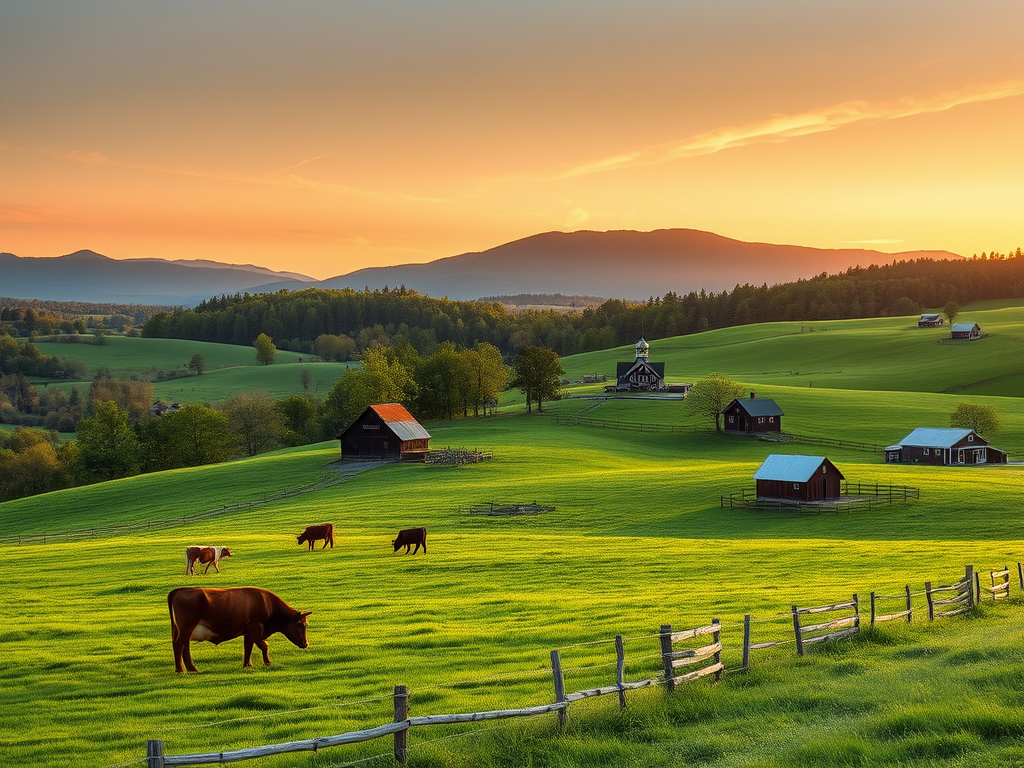
In the 1800s, Vermont was overrun with sheep. Merino wool was gold, and at one point there were more sheep here than people. The economy rode high on wool until the market collapsed. The sheep left. The farmers pivoted.
Dairy rose from the ruins. Not as a trend, but as a way forward. And Vermont did not just produce milk. It set the bar. Cooperative creameries, sanitation standards, pasteurization. While others were selling watery milk, Vermont was delivering quality. By the early 20th century, its butter, cheese, and cream had a reputation that stretched well beyond New England.
The Revolution Was Local
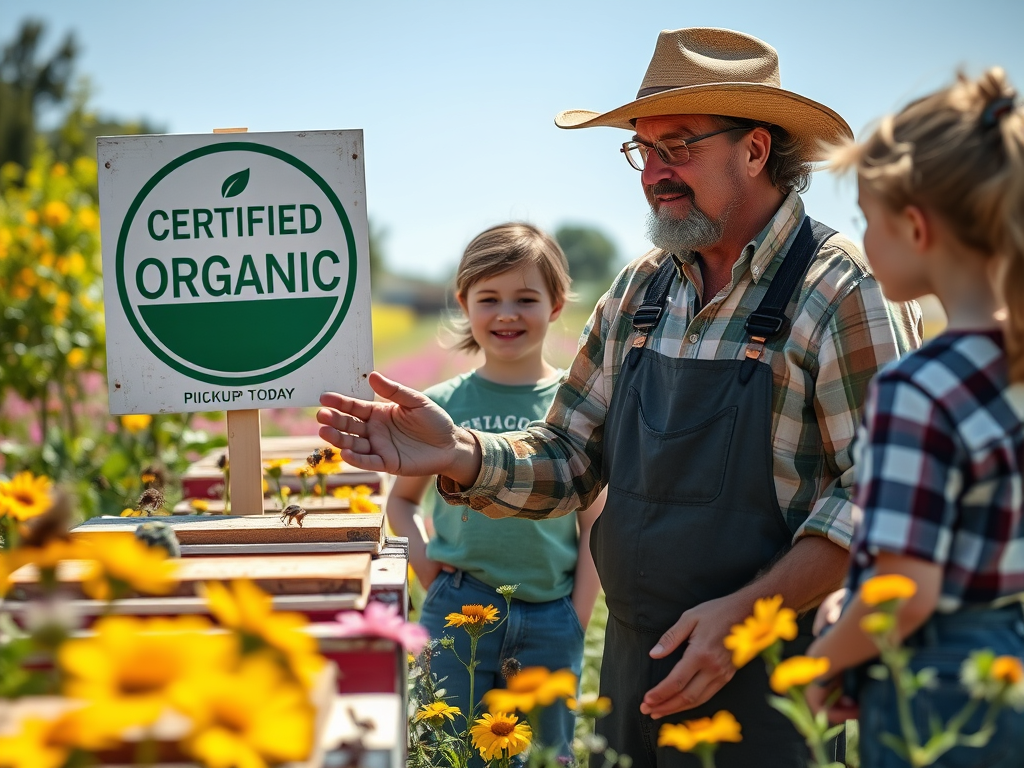
The back-to-the-land movement in the 60s and 70s brought in a new wave of dreamers. These were not corporate types. They were idealists who wanted to grow food that mattered. They planted heirloom vegetables before most people knew what that meant. They raised animals with care, composted everything, and questioned the chemicals being dumped on food elsewhere.
Out of this came some of the first certified organic farms in the country. Vermont did not follow the trend. It helped invent it. Farmers markets, community supported agriculture, and farm-to-table dining were just life here before they became national buzzwords.
Saving the Land for the Right Reasons
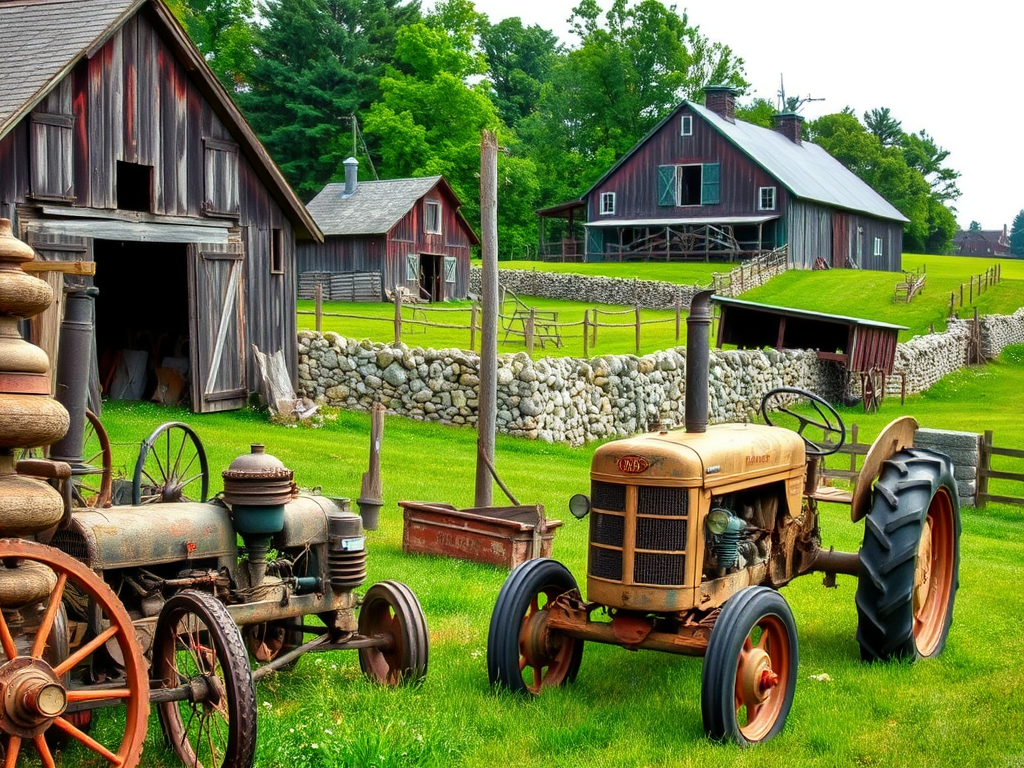
While other states sold farmland to developers and slapped up condos, Vermont chose a different path. In 1987, voters approved a statewide fund to protect farmland and keep it in the hands of those who actually farm.
Since then, over a thousand farms have been saved from development. The goal was never nostalgia. It was about keeping the soul of the state intact. Today, new farmers still have a shot at working the land without losing it to the highest bidder.
On the Front Lines of Climate Change
Vermont is not just holding the line on good farming. It is pushing forward. Farmers here are leading the way with regenerative practices, cover cropping, no-till methods, and pollinator-friendly policies. The state has passed some of the most progressive agricultural laws in the country to reduce runoff and protect water quality.
None of this is glamorous. It is hard work, done by people who care more about the soil than social media.
The Legacy
Vermont has never been about feeding the world. It has been about doing things right. You will not find massive grain silos or sprawling industrial feedlots here. But you will find farmers who give a damn. About the land. About their animals. About their neighbors.
So the next time you bite into a crisp apple, taste real milk, or stroll through a farmers market, there is a good chance the blueprint for that experience came from a quiet hillside farm in Vermont.
No billboards told you that. The food did.

Leave a comment