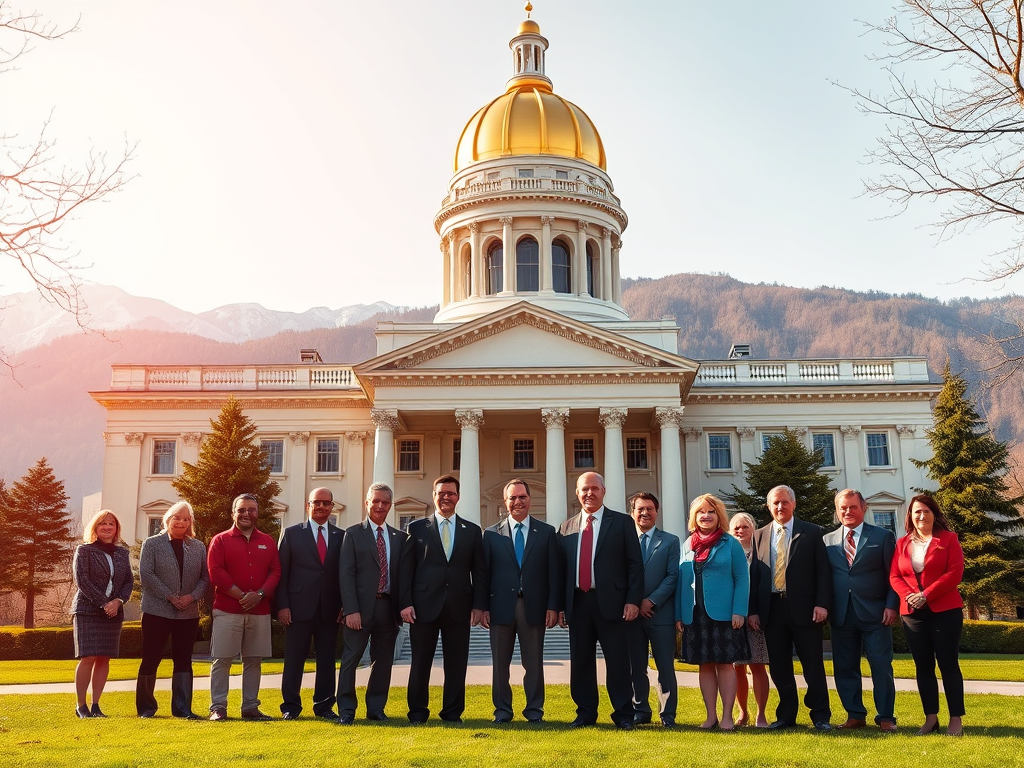
Why Republicans and Progressives Can Actually Get Along Here
In a time when politics often feels broken, Vermont stands out. While most headlines focus on division and dysfunction, this small state quietly operates on something that feels almost radical in 2025: cooperation.
Vermont’s political system is not perfect. But it is effective. And in many cases, it’s because the people here refuse to play by national party rules.
What Makes Vermont Politics Different
It is not just about having a Republican governor in a deep-blue state. Vermont’s real political strength comes from how its parties, especially Progressives and Republicans, often work together—despite being on opposite sides of the spectrum.
In Vermont, bipartisanship is not centrism. It is values-based problem solving rooted in place, not party.
A State Shaped by Independence
Before it joined the Union, Vermont was its own independent republic (1777–1791). During that time, it:
- Printed its own currency
- Maintained a citizen militia
- Abolished slavery, ahead of the rest of the U.S.
That legacy still shows up in modern Vermont politics. Vermonters tend to value:
- Local control
- Citizen-led government
- A healthy distrust of centralized power
- Practical, community-based solutions
This culture encourages flexible political thinking and discourages partisan posturing.
The Political Landscape Today
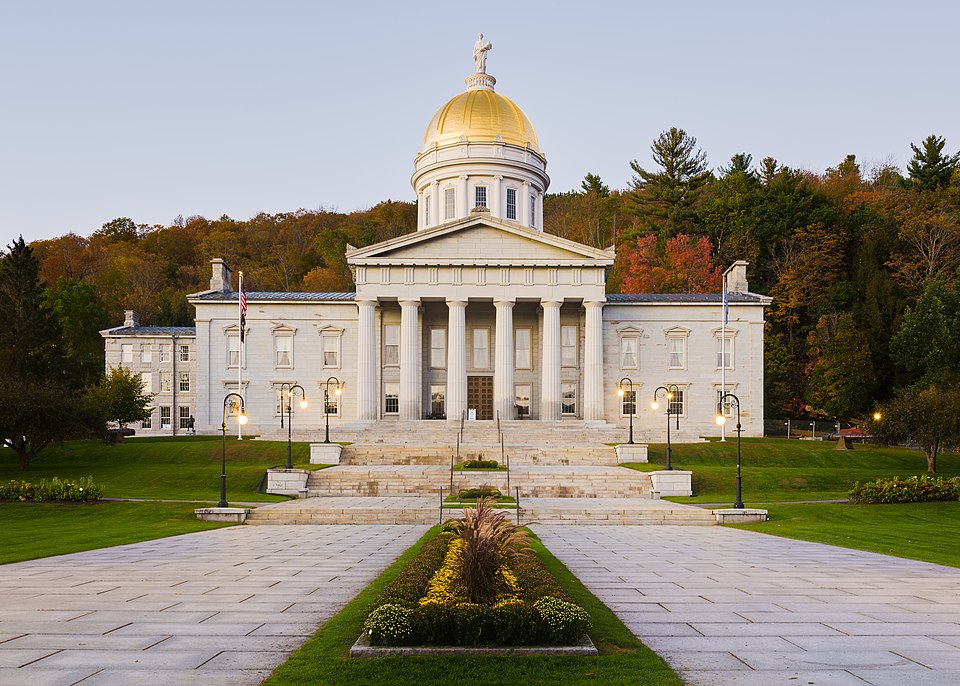
VVermont’s politics are shaped by four major groups:
- Democrats: Dominate the state legislature and federal delegation
- Republicans: Fewer in number, but influential—especially through the governor’s office
- Progressives: The most successful third party in the U.S., with elected officials across levels
- Independents: Regularly win races in local government and keep all parties accountable
A unique feature: Fusion voting, which lets candidates appear on the ballot under more than one party. This encourages collaboration and blurred party lines.
It is not uncommon to see:
- Local races decided by values, not just red vs. blue
- Progressive-Democrat alliances
- Republican-Independent candidates
Governor Phil Scott: A Republican in a Deep Blue Progressive State
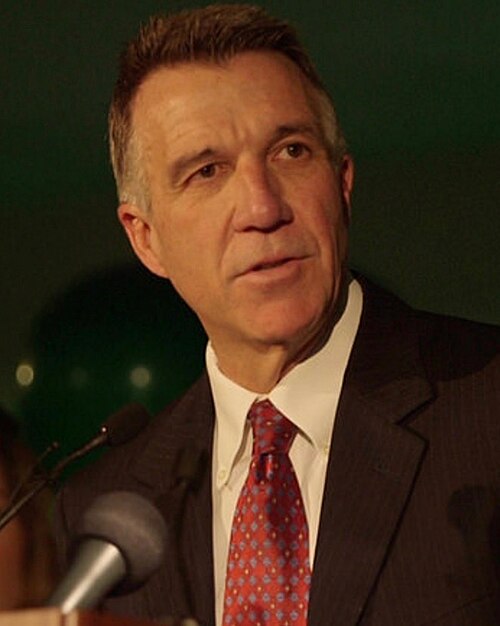
Phil Scott, Vermont’s Republican governor, won a fifth term in 2024 with 73% of the vote—while Kamala Harris won the state’s presidential vote by a landslide the same year.
Why Vermonters keep re-electing him:
- Fiscally conservative: Advocates for balanced budgets and cautious spending
- Socially moderate: Supports abortion rights, LGBTQ+ protections, and climate policies
- Policy highlights:
- Signed major gun control laws
- Supported environmental reforms
- Vetoed paid family leave and minimum wage increases due to cost concerns
What really sets him apart is tone. He governs with civility and respect, often working directly with Progressive and Democratic legislators even when they disagree.
The Vermont Progressive Party: A Movement, Not Just a Brand
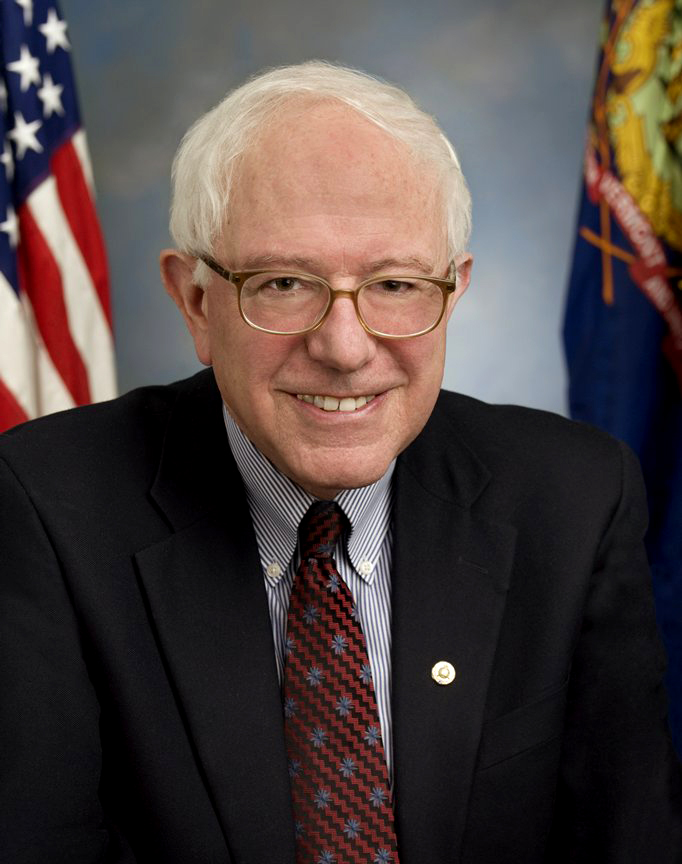
Founded during Bernie Sanders’ early years as Burlington’s mayor, the Vermont Progressive Party has become:
- The most durable third party in America
- A political force with state legislators, city council members, and mayoral candidates
Their priorities include:
- Economic justice
- Environmental protection
- Affordable housing
- Campaign finance reform
But their power doesn’t come from yelling the loudest. It comes from:
- Grassroots organizing
- Local wins
- Fusion campaigns that align with Democrats or Independents
Their influence shapes statewide conversations, often pushing the Democratic majority leftward.
When Progressives and Republicans Find Common Ground
This is where Vermont gets fascinating. Despite vastly different beliefs, these two groups often end up on the same side of certain issues.
Shared Values and Outcomes
1. Local Control
- Both oppose top-down education mandates and statewide economic development schemes
- Both support policies that give towns more say in their future
2. Corporate Skepticism
- Progressives worry about inequality and exploitation
- Republicans worry about favoritism and government interference
- Result: Both often oppose large corporate tax breaks
3. Civil Liberties and Privacy
- Facial recognition laws passed with support from both groups
- Strong alignment on data privacy and limiting surveillance
4. Criminal Justice Reform
- Progressives cite racial justice and systemic change
- Republicans emphasize personal freedom and small government
- Shared outcomes include:
- Marijuana decriminalization
- Bail reform
- Limits on qualified immunity
These are not ideological coalitions. They are values-driven alliances that form around Vermont-specific concerns.
Inside the Statehouse: A Culture of Practical Politics
Vermont has a citizen legislature. Most lawmakers are part-time and hold other jobs. That means:
- Less time for grandstanding
- More incentive to work together
- Lawmakers see each other at grocery stores and town halls
This structure helps produce quiet but meaningful bipartisan work on:
Climate Policy
- Developed with input from Progressives, Democrats, and moderate Republicans
- Balances urgency with rural economic concerns
Housing Reform
- Broad support for relaxing zoning rules and building affordable housing
- Protects Vermont’s rural character while tackling affordability
COVID-19 Response
- Unified strategy led to one of the lowest infection rates in the U.S.
Where It Breaks Down
Vermont is not immune to tension. Some flashpoints include:
- Governor Scott’s vetoes of paid leave and minimum wage bills
- Progressive-Democrat clashes in Burlington, especially over policing
- Urban vs. rural divides, especially on:
- Gun laws
- School funding
- Environmental regulations
Even here, disagreements tend to be civil. But they reflect real challenges in balancing priorities across different parts of the state.
Why Bipartisanship Still Works Here
1. Scale
- Vermont is small. People are accessible. Bureaucracy is limited.
- Go too far on an issue and you’ll hear about it at the general store.
2. Substance Over Style
- Performative politics doesn’t work here.
- Showing up, listening, and doing the work wins elections.
3. Loyalty to Place, Not Party
- This flexibility allows for creative coalitions that would never happen elsewhere
- Voters often split their tickets
- A Republican governor and a Progressive rep? Totally normal
Governor Phil Scott (R-VT) | 2024 Re-Election Speech
“It is not about party politics here. It is about serving Vermonters, solving problems, and making sure government works for everyone.”
What the Nation Can Learn
Vermont shows us that:
- Bipartisanship does not mean agreement on every issue
- Shared values like transparency, accountability, and autonomy matter more than shared labels
- Democracy works best at a scale where people actually talk to one another
In Vermont, politics happens in town halls, co-ops, and coffee shops. It is grounded in community, not cable news narratives.
The result? A state that still believes politics can be practical, respectful, and rooted in local pride.

Leave a comment