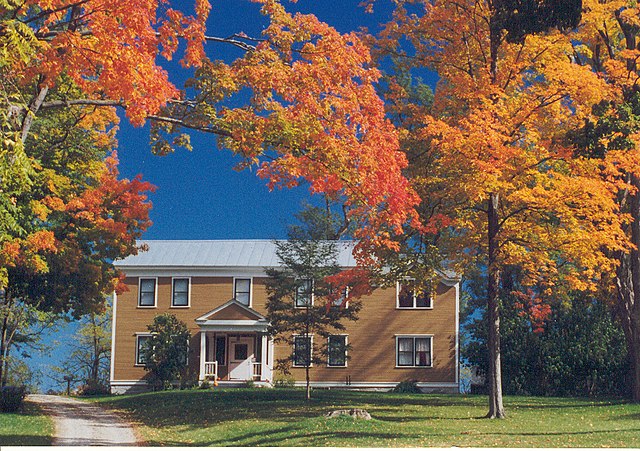
When most people think of Vermont, they picture rolling hills, sugar shacks, and covered bridges. But beneath the idyllic scenery lies a powerful legacy of resistance and moral courage. Vermont was more than just a bystander in the era of slavery—it was a state of active defiance. During the height of the Underground Railroad, Vermont’s rugged landscape and fiercely independent spirit made it one of the most important corridors for freedom seekers en route to Canada.
This post explores Vermont’s little-known role in the Underground Railroad. You’ll learn about the brave locals who defied the law, the homes and barns that became sanctuaries, and the historic sites you can still visit today.
Why Vermont Became a Key Player in the Underground Railroad
Several factors made Vermont a natural hub for antislavery activity.
1. Geography:
Vermont shares a border with Quebec, Canada, where slavery was illegal. This proximity made it a final stretch for many seeking freedom. Rural roads, thick forests, and hidden valleys provided ample cover for those traveling by foot or wagon.
2. Early abolitionist roots:
Vermont’s 1777 Constitution was the first in the nation to outlaw adult slavery. While it wasn’t a perfect abolitionist document, it laid the groundwork for Vermont’s future resistance to slavery.
3. Local values:
Vermonters have long valued self-governance, individual freedom, and moral responsibility. This spirit extended to the treatment of fugitive slaves. In many towns, helping an enslaved person escape was seen not only as just but as necessary.
4. Religious influence:
Quakers, Baptists, and other religious groups active in Vermont often spoke out strongly against slavery. Their homes and meetinghouses served as waystations on the Underground Railroad.
Meet the Abolitionists: Vermont’s Local Heroes
Though Vermont never saw massive battles or protests, the courage of individual Vermonters helped shape national change. Here are just a few of the people who made a difference.
Lucius Bigelow (Craftsbury):
A businessman and fervent abolitionist, Bigelow is believed to have used his home as a stop on the Underground Railroad. He helped organize anti-slavery meetings and encouraged local resistance to the Fugitive Slave Act.
Rev. Joshua Young (Burlington):
A Congregationalist minister, Young rose to national attention after he presided over the funeral of abolitionist John Brown. For many, honoring a man hanged for trying to free enslaved people was political suicide. Young lost many parishioners and nearly his career. Still, he stood firm in his beliefs.
Rowland T. Robinson (Ferrisburgh):
A devout Quaker and early abolitionist, Robinson and his family operated a farm that served as a documented stop on the Underground Railroad. He kept detailed records and openly supported civil rights. Today, his farm is preserved as the Rokeby Museum.
Stephen Row Bradley (Westminster):
A U.S. Senator and one of the early voices advocating for anti-slavery legislation. While not directly involved in the Underground Railroad, his influence in government helped Vermont become a safe state for freedom seekers.
Secret Routes and Hidden Safe Houses
Much of the Underground Railroad’s success relied on secrecy. Homes were used to hide escapees, but only those who were trusted and committed to the cause were involved. Many of these homes still stand today, though few are marked.
Known and Believed Stops:
- Ferrisburgh: Home to the Robinson family and part of a broader Quaker network.
- Middlebury: Several faculty members at Middlebury College helped smuggle freedom seekers north.
- Brattleboro: Its location near the Connecticut River made it a gateway town for those heading north.
- Shaftsbury and Bennington: Quiet villages that gave cover to nighttime travelers.
- Montpelier and Barre: Vermont’s capital region held pockets of resistance, especially among Protestant communities.
Escape Routes:
- Travel was typically done by foot or wagon, moving between farms at night.
- Lake Champlain was used as a waterway route to Canada. In the winter, some crossed on foot when the lake froze.
- Barns, basements, and hidden attic spaces offered brief but critical shelter.
Because of the lack of written records and the need for secrecy, many routes remain speculative. However, oral history passed down by families and communities has helped piece together the story.
Fighting Back Against the Fugitive Slave Act
The 1850 Fugitive Slave Act made it a crime to assist escaped slaves, even in free states. This law enraged many Vermonters and galvanized the underground movement further.
How Vermonters Resisted:
- Public resistance: Citizens shamed and ostracized slave catchers who entered Vermont. Some were chased out of towns.
- Legal loopholes: Vermont passed “Personal Liberty Laws” to counteract the Fugitive Slave Act. These laws aimed to delay or block extradition efforts through red tape and court procedures.
- Vigilance committees: Formed in towns like Middlebury and Ferrisburgh, these groups coordinated safe passage and distributed funds to support fugitives.
Helping a fugitive was risky. Families could face fines, arrest, or even violence. But for many Vermonters, protecting human freedom outweighed fear of the law.
Where to See the History Today
Want to experience this legacy for yourself? Several sites across Vermont have preserved this powerful history. Whether you’re planning a road trip or looking for an educational day out, these stops offer a window into the past.
1. Rokeby Museum (Ferrisburgh)

- One of the best-documented Underground Railroad sites in the country.
- Explore the Robinson family home and farm, with exhibits on antislavery work, Quaker life, and more.
- Offers seasonal tours and educational programs.
2. Middlebury College
- The campus has deep abolitionist roots.
- While not a formal museum, the college has preserved letters and documents from faculty involved in antislavery work.
- Worth a stop if you’re already exploring Middlebury’s downtown.
3. Brattleboro Abolitionist Sites
- Take a self-guided walking tour through historic homes and former factories.
- Learn about how industry leaders in the area used their wealth to fight slavery.
4. Burlington’s Historic Churches
- Visit the First Congregational Church where Rev. Joshua Young once preached.
- Several downtown buildings have plaques commemorating local abolitionists.
5. Shaftsbury Historical Society
- Explore a quieter but important part of the story.
- Local historians can point you to known hiding places and original documents.
Plan a Day in Abolitionist Vermont
Want to build a meaningful itinerary around this history? Here’s one way to do it:
Morning:
- Start at Rokeby Museum in Ferrisburgh for a deep dive into the Underground Railroad.
Lunch:
- Grab a bite at a local café like 3 Squares Café in Vergennes or a historic inn nearby.
Afternoon:
- Head to Middlebury College or downtown Burlington to explore more sites.
- Consider visiting Battery Park in Burlington, where speeches and protests took place during the Civil War era.
Bonus:
- If you’re feeling reflective, follow Route 7 north to the Canadian border. Freedom seekers would have made that same journey more than 150 years ago.
Vermont’s Lasting Legacy of Freedom
Vermont’s role in the Underground Railroad may not be as well known as Ohio’s or Pennsylvania’s, but it was just as important. It’s a story of farmers, teachers, preachers, and townsfolk who risked everything to do what was right.
This legacy still echoes today. You’ll find it in our schools, where children learn about Vermont’s abolitionist past. You’ll see it in roadside markers and historical plaques. And if you look closely, you might just see it in the old barn beams and cellar doors of homes that once offered sanctuary.
By learning about this hidden history, you’re helping keep these stories alive. And that’s what history should do—connect the past to the present, and remind us that even in the quietest corners, people have always stood up for what matters.
Want to Keep Exploring?
Check out more local history posts on Green Mountain Peaks, including:
For more in-depth resources on Vermont’s abolitionist past, visit:
- https://rokeby.org
- Vermont Historical Society archives
- Your local library’s Vermont Room
And if you’re touring the state, be sure to take the scenic route, you never know what piece of hidden history you’ll stumble across.

Leave a comment