Introduction: A Glimpse Into Vermont’s Spooky Past
Halloween in old Vermont looked very different from the holiday we know today. Instead of flashy costumes and candy overflowing from plastic buckets, celebrations were tied to the rhythms of the harvest, the stories whispered in small communities, and the traditions passed down from immigrant families. By looking back at how Vermonters once celebrated, we uncover a holiday that was simpler, sometimes darker, and deeply rooted in both community and superstition.
The Roots of Halloween in Rural Vermont
Much of Vermont’s early Halloween culture was shaped by Irish and Scottish immigrants. These groups carried with them the Celtic festival of Samhain, a holiday that marked the end of the harvest season and the beginning of the darker half of the year. In rural Vermont, where farming defined daily life, this seasonal shift was especially important.
The belief that spirits could cross more easily into the human world around this time blended naturally with Vermont’s own folklore. The long, cold nights and isolated villages gave rise to a culture that valued both storytelling and cautionary tales. Old World superstitions merged with local legends, creating a unique Vermont take on Halloween.
Bonfires and Harvest Gatherings
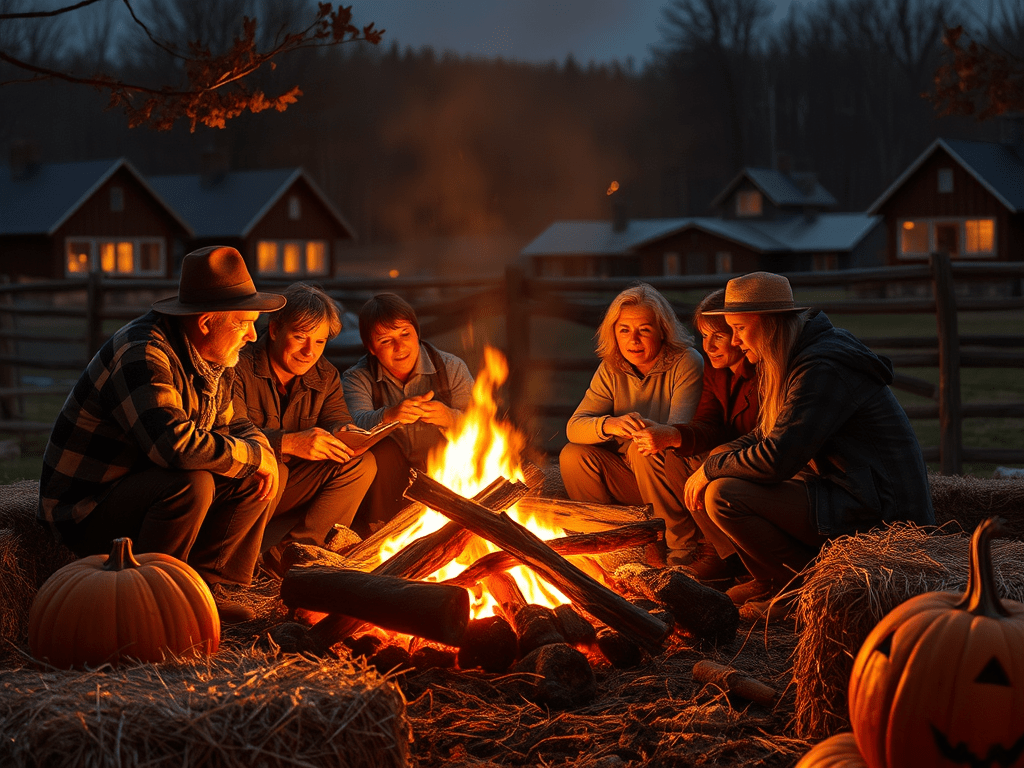
Long before pumpkin carving contests or downtown parades, Halloween often meant bonfires. Communities would gather on farm fields or town greens, piling wood high to light the night. These gatherings had a dual purpose: they were celebrations of the harvest and symbolic acts of protection against wandering spirits.
Food was central to these evenings. Families would bring what they had on hand—apple pies, maple sugar candies, roasted pumpkin seeds, or jugs of cider. Sharing food created a sense of unity during the season when farmers had just completed their hardest work of the year. The bonfires became both a practical source of warmth and a cultural anchor that tied Halloween to the harvest cycle.
Ghost Stories Told by Firelight
In a time before television or the internet, storytelling was one of Vermont’s greatest traditions. Halloween nights were the perfect stage for ghost stories. Families and neighbors would circle around fires or sit in dimly lit parlors, sharing tales that had been told for generations.
Many stories were tied to local legends. The tale of Emily’s Bridge in Stowe, said to be haunted by a young woman who died tragically, was a favorite in some regions. Others spoke of the mysterious Lake Champlain monster or the spirits rumored to linger in historic inns. The act of telling these stories reinforced community bonds and gave children a healthy dose of both fright and fascination.
Halloween Mischief in the Villages
Pranks were another hallmark of old Vermont Halloweens. Mischief Night, as it was sometimes called, saw local youth playing tricks on their neighbors. Rather than the egging or toilet-papering we might think of today, their mischief often involved tipping over wagons, removing gates from fences, or switching signs on shops.
While these antics sometimes caused frustration, they were usually tolerated as a harmless part of the season. Communities had an unspoken understanding that Halloween was a time for bending the rules, so long as no one was seriously harmed. Local constables kept an eye on the activities, stepping in only if the mischief went too far.
Costumes and Homemade Masks
Costumes in old Vermont were homemade out of necessity. Families could not purchase outfits from a store, so they used what they had on hand. Old sheets turned into ghostly figures, carved wooden masks gave children a frightful appearance, and worn farm clothes created makeshift disguises.
The homemade nature of these costumes added to their eerie quality. A rough-hewn mask or an oversized coat looked less polished but far more haunting under the glow of a lantern. This kind of creativity reflected the resourcefulness of Vermont families who made do with limited means.
Old Vermont Treats and Seasonal Foods
Halloween treats were not the bags of store-bought candy we associate with the holiday today. Instead, children might receive caramel apples, maple candy, cider donuts, or a slice of pumpkin pie. Neighbors often baked for one another, offering warm and hearty foods rather than small, packaged sweets.
Maple, a Vermont staple, often found its way into these seasonal treats. Maple taffy pulled on the snow or hard maple candies shaped like leaves were common indulgences. These foods tied the holiday to local agriculture and traditions, keeping the celebration closely linked to the land.
Churches, Community Halls, and Schoolhouse Celebrations
Not all Halloween gatherings were informal. Many communities organized events in schoolhouses, churches, or town halls. These parties included barn dances, apple bobbing, and parlor games. Parents appreciated these events as they provided a safer environment for children than roaming the countryside in the dark.
Church groups often hosted harvest parties around Halloween, blending secular traditions with community fellowship. These events became a hallmark of small Vermont towns, ensuring that Halloween was not only about pranks and ghost stories but also about coming together in joy and play.
Vermont Folklore and Superstitions
Halloween was also a time when old superstitions rose to the surface. Stories of witches wandering the hills, black cats crossing one’s path, or omens seen in the weather were common. Vermonters often paid attention to how the wind blew or how the sky looked on Halloween night, interpreting these signs as predictors for the winter ahead.
Some tales served as warnings to children, urging them not to wander too far from home. Others were playful, passed down as a way to keep the holiday mysterious. Whether believed or not, these superstitions gave Halloween an edge of the unknown, reinforcing its role as a night when the ordinary rules of the world felt suspended.
From Old Traditions to Modern Celebrations
By the early 20th century, Halloween in Vermont began to resemble the holiday we know today. Trick-or-treating gradually replaced the old style of neighborhood visits, and candy manufacturers shaped the modern culture of sweets. Yet many rural towns held on to elements of the past. Bonfires, ghost stories, and homemade treats remained part of small-town gatherings well into the mid-1900s.
Today, echoes of these old traditions can still be found. Communities across Vermont host harvest festivals, haunted hayrides, and storytelling nights that honor the spirit of the past. Though costumes are now store-bought and candy comes in bright wrappers, the charm of old Vermont Halloweens continues to inspire celebrations each fall.
Conclusion: Keeping the Spirit Alive
Halloween in old Vermont was a holiday woven from folklore, food, and fellowship. It reflected the creativity of rural families, the importance of community bonds, and the enduring power of spooky tales told by firelight. While modern traditions have changed how we celebrate, the heart of Halloween—the thrill of the unknown and the joy of gathering together—remains the same.
Visitors and locals alike can still find traces of this history in Vermont’s haunted inns, community festivals, and fall traditions. By looking back at how the holiday was once celebrated, we keep the spirit of old Vermont alive and add depth to our own Halloween memories.
Shop Green Mountain Peaks on Etsy
Bring a little piece of Vermont into your home with our curated collection of gifts, apparel, and seasonal favorites. From cozy hoodies and crewnecks to Vermont-themed gift boxes and cookbooks, each item is designed to celebrate the Green Mountain spirit.
- Vermont-inspired designs and gift sets
- Printed and packaged with care
- Ships directly to your door
Discover gifts, apparel, and Vermont treasures made to share and enjoy year-round.

Leave a comment