The Beauty of Stick Season Hikes: Where to Go and Why It’s Worth It
What is Stick Season in Vermont?
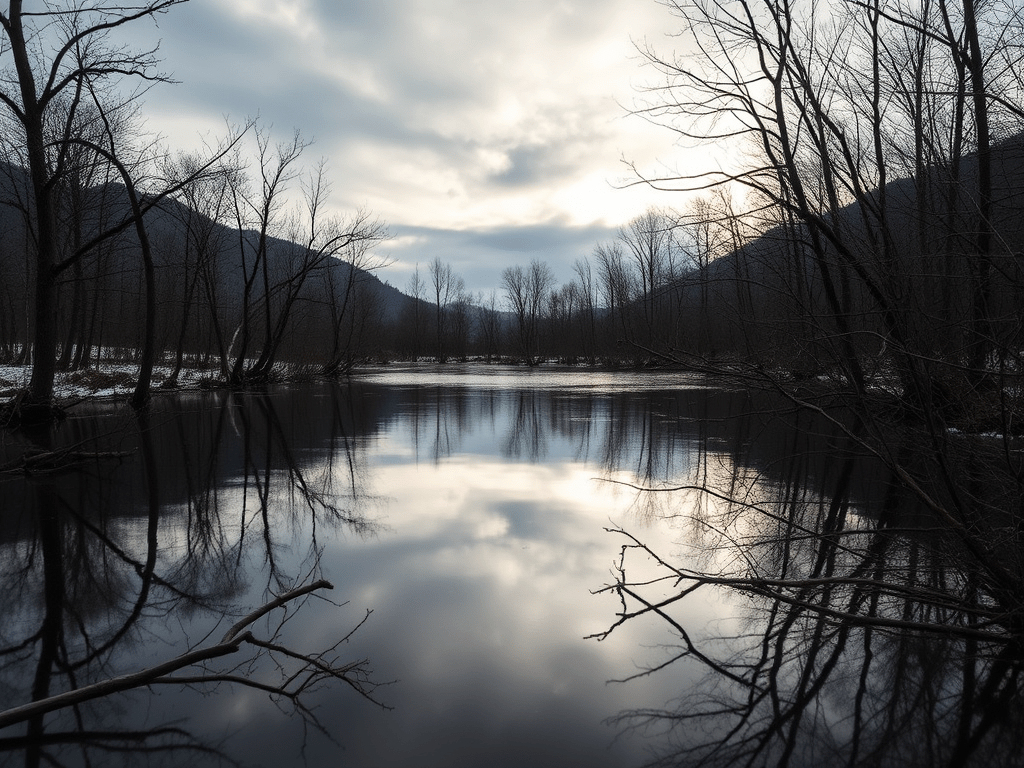
Vermont is famous for two seasons: the fiery brilliance of fall foliage and the snowy magic of winter. But between the two comes a quieter, less celebrated period known as stick season. This is the time after the leaves have dropped but before snow blankets the mountains. The hillsides are filled with bare branches, and the landscape takes on a muted, moody look. While some travelers dismiss it as gray and uninviting, Vermonters know stick season offers a unique kind of beauty—especially for hikers.
Rather than seeing empty branches as dull, think of them as nature showing its bones. Trails are quieter, the views stretch further without foliage blocking them, and the air feels crisp and refreshing. For those willing to embrace it, stick season is one of the best times to explore Vermont’s trails.
Why Hike During Stick Season?
There are plenty of reasons to lace up your boots in late October and November. Hiking during stick season comes with its own set of perks that you won’t find in peak foliage or summer.
- Fewer Crowds: Popular trails that usually see heavy traffic are suddenly peaceful. You may find yourself with a mountaintop all to yourself.
- Clearer Views: With the leaves gone, you can see mountain ridges, rivers, and valleys that were hidden behind thick foliage.
- Cool, Crisp Air: Hiking feels easier without the humidity of summer. The brisk weather keeps you energized and comfortable.
- Wildlife Sightings: Bare trees make it easier to spot deer, turkeys, and other animals preparing for winter.
- Peace and Solitude: Stick season hikes offer a stillness that is rare in busier months, perfect for reflection and connection with nature.
What to Expect on the Trails
Hiking in stick season comes with unique conditions. Trails are often covered with fallen leaves, which can hide rocks or mud underneath. Depending on the elevation, you may find icy patches, especially in the morning. Shorter days mean less daylight for long treks, so planning ahead is essential.
Here are a few things to keep in mind:
- Wear layers, since temperatures can change quickly from the trailhead to the summit.
- Bring traction aids like microspikes if you plan to hike higher elevations.
- Carry a headlamp in case you lose track of time—sunset comes early.
- Take advantage of the dramatic skies and leafless silhouettes for photography.
Best Stick Season Hikes in Vermont
Stick season is not the time to shy away from the trails. In fact, some of Vermont’s best hikes are even more rewarding in this season. Here are a few favorites to add to your list.
Sterling Pond Trail (Smugglers’ Notch)
This moderate hike leads to a serene alpine pond nestled between ridgelines. In stick season, the bare trees create a striking contrast against the still water. On a quiet day, you might have the pond completely to yourself.
Camel’s Hump (Waterbury/Duxbury)
One of Vermont’s most iconic peaks, Camel’s Hump is stunning year-round. In stick season, the unobstructed views stretch further across the Green Mountains. The open summit feels even larger without the distraction of bright leaves.
Mount Philo (Charlotte)
For an easier option, Mount Philo is a great short hike with sweeping views of Lake Champlain and the Adirondacks. It’s a favorite for families and those looking for a quick outing, and the late-season quiet makes it especially enjoyable.
Mount Mansfield via Sunset Ridge (Underhill)
Vermont’s highest peak is always an adventure, but in stick season the ridgeline views are extraordinary. With fewer hikers on the trail, you’ll find a sense of solitude that’s rare in summer or peak foliage season. Be prepared for wind and colder conditions at the summit.
Owl’s Head (Groton State Forest)
If you want a less strenuous option, Owl’s Head offers incredible lookouts with minimal effort. This is a wonderful hike to experience Vermont’s raw, late-season beauty without tackling steep terrain.
Tips for Making the Most of a Stick Season Hike
A little preparation can make stick season hiking not only safe but deeply rewarding. Here are a few tips to keep in mind:
- Dress in Layers: Start cool, add warmth as you ascend.
- Bring Microspikes: Ice can form quickly on shaded trails.
- Use Trekking Poles: Helpful on slippery leaves and mud.
- Pack a Warm Drink: A thermos of tea or cocoa makes breaks more enjoyable.
- Start Early: Sunset comes fast, so plan your hikes to finish with plenty of daylight.
- Check the Weather: Stick season conditions can shift quickly with incoming storms.
Why Stick Season Hiking is Worth It
While it may not have the color of fall or the thrill of winter sports, stick season hiking is special in its own right. It offers:
- A Unique Sense of Calm: With quiet trails, you can hear the wind through the branches and your own footsteps on the leaves.
- Budget-Friendly Travel: Lodging and dining are often less expensive in November before ski season begins.
- Raw, Honest Beauty: Stick season shows Vermont in its most natural form—no distractions, just mountains, valleys, and open sky.
- Memorable Experiences: Those who hike now often say it was one of their most peaceful times on the trail.
Final Thoughts
Stick season might not get the same postcard attention as foliage or snow, but it is one of Vermont’s best-kept secrets for hikers. If you’re looking for solitude, crisp air, and long mountain views, this is the time to explore. Embrace the quiet beauty of Vermont’s bare landscapes, and you may find that stick season hikes are some of the most rewarding of all.
Shop Green Mountain Peaks on Etsy
Bring a little piece of Vermont into your home with our curated collection of gifts, apparel, and seasonal favorites. From cozy hoodies and crewnecks to Vermont-themed gift boxes and cookbooks, each item is designed to celebrate the Green Mountain spirit.
- Vermont-inspired designs and gift sets
- Printed and packaged with care
- Ships directly to your door
Discover gifts, apparel, and Vermont treasures made to share and enjoy year-round.

Leave a comment