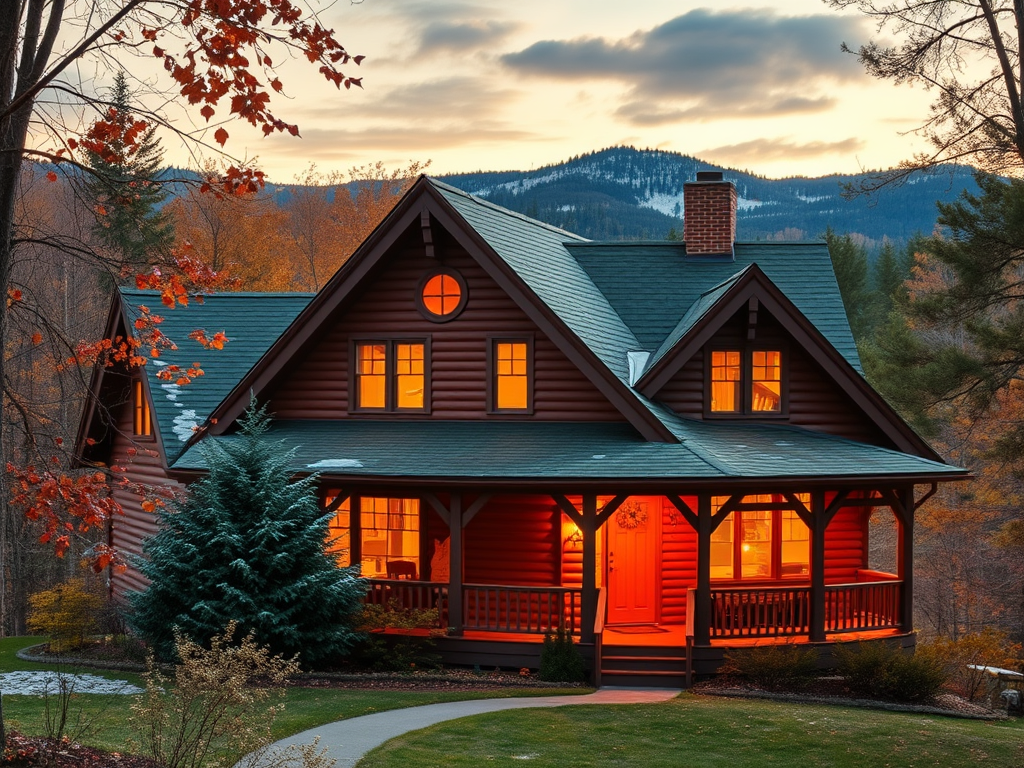
There is something different about the way people in Vermont talk about home. It is more than a place where you live. It is the smell of woodsmoke on a cold autumn night, the silence after fresh snow, the way a neighbor always waves when you drive by. Whether you live here, visit often, or dream of moving someday, understanding how Vermonters define home helps you see why this state captures so many hearts.
What Home Means in Vermont
Home in Vermont is not simply a house. It is a feeling of belonging that ties together land, people, and the passage of seasons. Mountains, lakes, forests, and small towns shape daily life and become part of your sense of self. The pace is slower, the priorities simpler, and the meaning of home stretches far beyond the front door.
Visitors and newcomers often notice how Vermonters talk about home as a relationship rather than a location. It is where you know the rhythm of maple season, where you can name the hills around you, and where your community knows your story.
Roots and Real Life: Family, Community, Landscape
Family history and tradition
Many families have lived in the same town for generations. Houses, farms, and small plots of land are passed down, carrying memories that stretch back decades. Even for those who arrive from elsewhere, that sense of history adds depth to what home means. The land holds stories, and being part of it feels like joining a long conversation that started long before you.
The community connection
Home in Vermont is also about people. You might meet your neighbors at the general store, at a local farmstand, or at a Friday night game. Town meetings and volunteer days keep people connected. Neighbors lend tools, help shovel driveways, or drop off fresh eggs when they have extras. Being known and being needed are both part of the definition of home here.
The landscape as part of home
In Vermont, the natural world is part of daily life. The woods behind the house, the pond down the road, or the mountain in view become familiar companions. Each season brings a shift in light and color that reminds you of where you are. The rhythm of snow, thaw, mud, and bloom becomes a kind of calendar that marks life at home.
The Home Structure: What the House Looks and Feels Like
Vermont architecture
Vermont homes are built with practicality and comfort in mind. Steep roofs shed heavy snow, wide porches welcome neighbors in summer, and wood stoves become the heart of winter living. Local builders design with the land and weather in mind, blending old traditions with sustainable materials and simple beauty.
Daily life inside
Step into most Vermont homes and you will find a mudroom with lined-up boots and jackets. Kitchens are gathering spaces, living rooms are cozy and filled with warmth from a fire, and windows open toward views of forest or field. Life here changes with the seasons, and so do the spaces inside. Home feels lived in, not staged.
Affordability and trends
In recent years, buying a home in Vermont has become more difficult. Rising prices and limited housing stock have challenged many families. Communities are exploring new solutions such as smaller homes, accessory units, and missing-middle designs that fit naturally into existing neighborhoods. These shifts are changing what “home” looks like while keeping its meaning intact.
For Visitors and Newcomers: Finding What Feels Like Home
If you are thinking about moving to Vermont or spending more time here, finding a place that feels like home takes more than loving the view. Home depends on rhythm, routine, and belonging. Ask yourself what daily life would look like here. Would you feel connected to your neighbors? Would you embrace the slower pace of winter or the early mornings of sugaring season?
Those who find the deepest sense of home often look beyond the postcard version of Vermont. They join local events, volunteer, and take part in the community year-round. Treating Vermont like a vacation spot is easy. Living here is what makes it real.
Home in Changing Times: Remote Work, Second Homes, Tiny Homes
Remote work and new arrivals
Remote work has allowed many people to move to Vermont while keeping jobs elsewhere. The result is a growing blend of new residents and long-time locals. Small towns are adapting, and in many ways this has breathed new life into rural areas. Yet it also raises questions about how to keep communities balanced and affordable.
Seasonal homes
Vermont has always had its share of second homes and seasonal residents. Owning a vacation property can be wonderful, but home means more than a few weekends each year. It grows out of showing up through mud season, supporting local shops, and taking part in the life of the town. Presence builds roots.
Tiny homes and simplicity
Tiny homes and small cabins are becoming more common across Vermont. These smaller spaces appeal to those who want a simpler, lower-impact lifestyle. Regulations vary by town, but the desire behind them is the same: to live more closely with nature and reduce what is unnecessary. A small home can hold just as much meaning as a large one when it is filled with intention and care.
Making Vermont Feel Like Home
Creating a sense of home here takes time and attention. Join something local. Attend a community supper or volunteer at a farmers market. Learn the trail network, visit the library, or help with a fundraiser. Each act of involvement brings you closer to the rhythm of the place.
Let the outdoors guide your sense of belonging. Walk in the woods in spring, swim in a lake in summer, watch leaves drift across a pond in autumn, and enjoy the quiet of a snowy morning in winter. The more you move with the seasons, the more at home you feel.
Home takes patience. It might be a year before you feel like a true part of the community. One day you will realize you are waving to familiar faces and you know which back road will get you home faster. That is when it starts to feel real.
Conclusion: Home as a Journey
In Vermont, home is a blend of people, place, and purpose. It is where neighbors look out for each other, where the seasons shape your days, and where the landscape becomes part of your identity. It is something you build over time rather than something you buy.
Whether you are staying for a season or a lifetime, Vermont invites you to slow down, pay attention, and create your own version of home. In the end, that feeling of belonging is what keeps people here, generation after generation.

Leave a comment