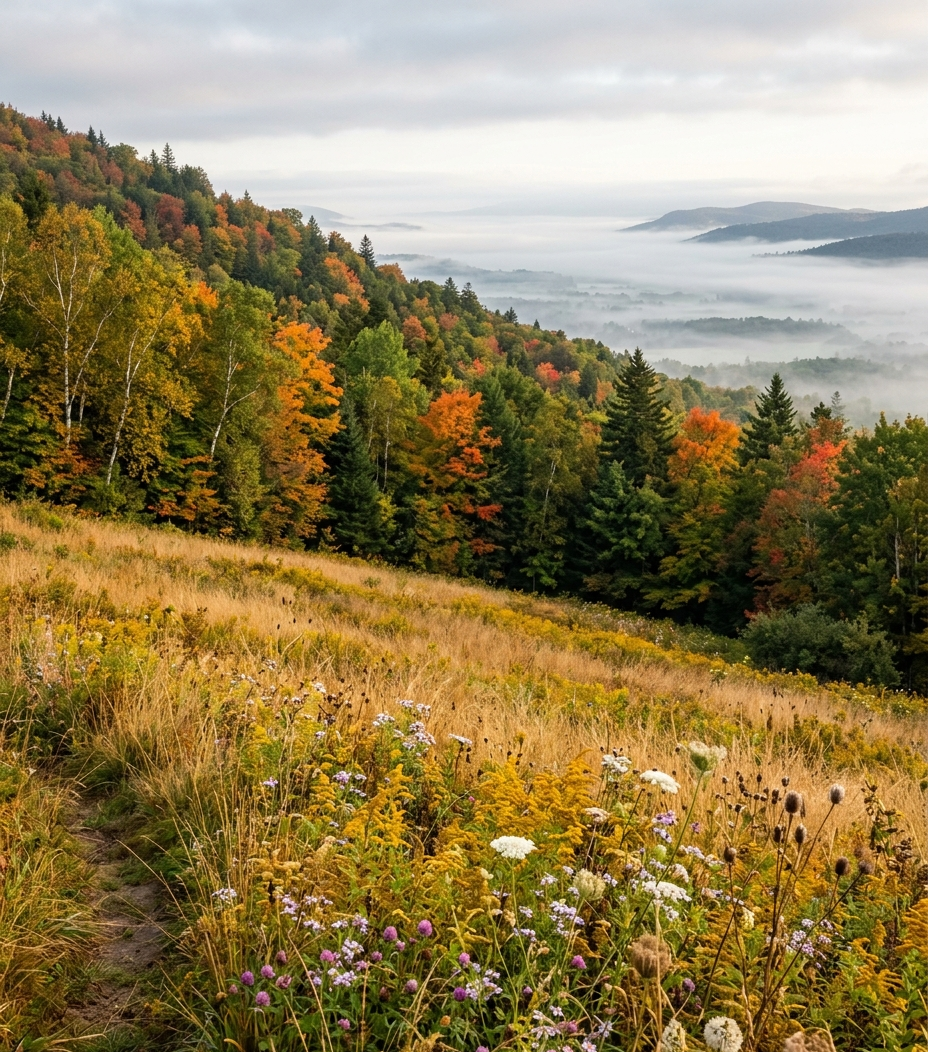
There is something about a piece of Vermont land that gets into your head and stays there. Maybe it is the way a hillside meadow looks in early October, all golden and quiet. Maybe it is the idea of waking up to nothing but birdsong and the sound of a brook running somewhere below the tree line. Whatever draws you in, buying land or a rural property in Vermont is one of the most rewarding things you can do here, and also one of the most complicated.
I have talked with enough buyers over the years to know that most people arrive in Vermont with a romantic picture in mind and leave the closing table with a much more grounded one. That is not a bad thing. Vermont has a way of teaching you exactly what you need to know, usually before you make a mistake that costs you real money. This post is meant to help you get ahead of that learning curve.
Why People Buy Rural Land in Vermont
Vermont draws people who want something real. A lot of buyers come from southern New England or the mid-Atlantic and they are looking for space, quiet, and a slower pace. Some want a place to build a home on their own terms. Others are chasing a dream of a small farm or a sugar bush or a few acres where they can hunt and hike without running into anyone.
Vermont delivers on all of that, genuinely. But the state also has layers of regulation, rural infrastructure challenges, and soil and water quirks that can turn a promising parcel into a much bigger project than you planned. Going in with realistic expectations is not pessimism. It is just smart.
Act 250: Vermont’s Land Use Law
If you are going to buy land in Vermont, you need to understand Act 250. It is the state’s major land use and development control law, passed in 1970, and it affects a significant portion of development projects across the state. Depending on where the land is located and what you want to do with it, your project may require an Act 250 permit before you can build.
Act 250 reviews projects based on ten criteria covering things like water supply, erosion, traffic impact, educational services, wildlife habitat, and more. For many buyers purchasing land to build a primary residence, it may not apply. But if you are thinking about subdividing, developing ten or more housing units, or building above 2,500 feet in elevation, the rules change quickly.
It is also worth knowing that Act 250 is currently in a period of active reform. Act 181, passed by the Vermont Legislature in 2024, created a new tiered jurisdiction system and introduced temporary housing exemptions that run through 2027. As of early 2026, the full tier system is still being finalized by the Land Use Review Board. That means the landscape of what triggers Act 250 review is actively shifting right now, and what applied to a neighboring parcel a couple of years ago may not apply to yours today.
The best thing you can do before making an offer on raw land is sit down with a local Vermont real estate attorney and ask whether Act 250 is likely to be triggered for your intended use. This is not a step to skip. A parcel that looks perfect on paper can become a multi-year permitting project depending on the scope of what you want to do with it.
Understanding Land Access and Right-of-Way
Vermont has a lot of rural land accessed by shared driveways, class four town roads, and private easements. This is just part of the landscape here, and it is nothing to be afraid of, but it is something you need to understand before you sign anything.
A class four road in Vermont is technically a public road, but the town has no legal obligation to maintain it. That means in mud season or after a heavy snowstorm, you may be on your own. Some buyers love the privacy that comes with a class four road. Others find out the hard way that their new property is unreachable for two weeks every March.
Essential Tips for Home Buyers in Northern Vermont: Buying Rural Land in Vermont: Key Insights and Tips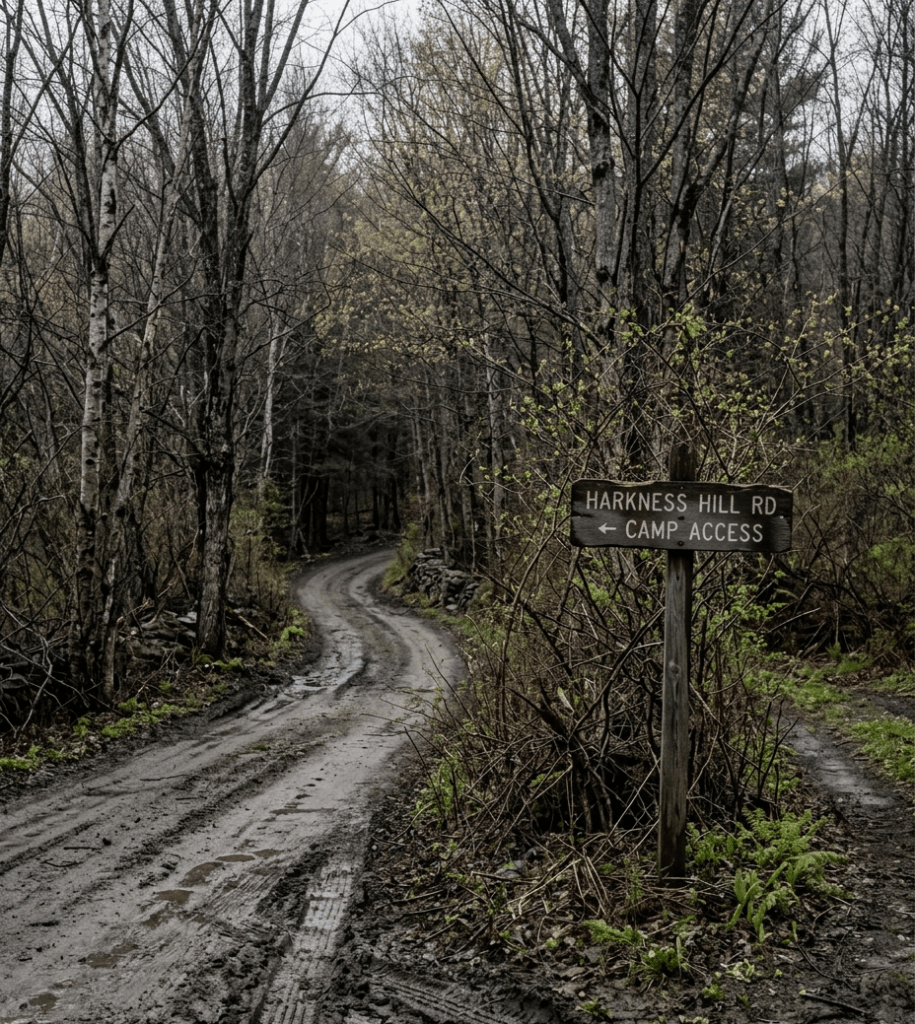
If your land is accessed by an easement over a neighbor’s parcel, make sure that easement is clearly recorded and that it covers the uses you actually intend. An easement for agricultural use might not legally allow you to drive heavy construction equipment over it. These details matter enormously, and a title attorney who knows Vermont rural real estate will save you a lot of headaches.
Soil, Water, and the All-Important Perc Test
If there is no municipal water or sewer available (and there usually is not, outside of town centers), your land needs to support a drilled well and a septic system. That depends entirely on the soil.
A percolation test (perc test) measures how quickly soil absorbs water and determines whether a conventional septic system can be installed. If the soil fails a perc test, you are looking at an engineered system, which works fine but adds significant cost. Some parcels simply cannot support any septic system at a practical price point, and those are the ones that tend to sit on the market for a long time.
Always make your offer contingent on a satisfactory perc test and an independent well yield test if there is an existing well on the property. Vermont’s Agency of Natural Resources oversees septic system design and permitting through the Department of Environmental Conservation. Your real estate agent should be able to walk you through what approvals already exist on the property and what still needs to be obtained.
What to Ask About Existing Permits
- Is there an existing wastewater permit on file with the state?
- Has a site visit been completed by a licensed site technician?
- If a well exists, when was it last tested and what was the yield?
- Does the permit allow for the number of bedrooms you are planning?
These are not abstract concerns. They are the difference between a smooth build and a project that stalls before it starts.
Property Taxes and Current Use
Vermont’s property taxes can feel steep at first glance, but the state has a program called Current Use (also known as the Use Value Appraisal Program) that significantly reduces property taxes on enrolled forestland and agricultural land. If you are purchasing land with substantial acreage, enrolling in Current Use could cut your annual tax bill considerably. More than 15,000 Vermont landowners are currently enrolled, preserving over two million acres of working land across the state.
The trade-off is that if you later develop or withdraw enrolled land, you will owe a Land Use Change Tax equal to 10% of the assessed fair market value of the land being changed. It is not a penalty so much as a deferred cost, but it is worth understanding before you buy. Talk to a Vermont tax professional or ask your attorney to explain the implications based on your specific situation and long-term plans.
What It Actually Costs to Build on Raw Land
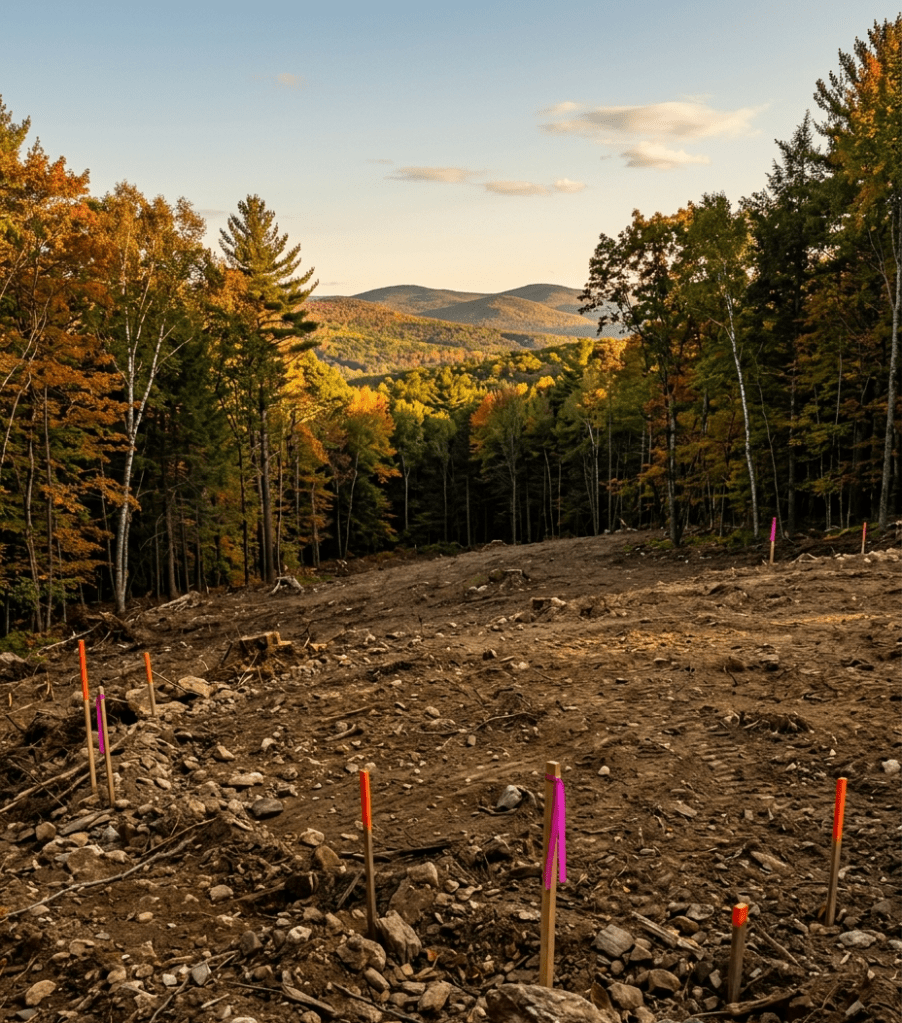
A lot of buyers fall in love with a parcel priced at $80,000 or $100,000 and assume the hard part is done once the deed is theirs. The reality is that developing raw land in Vermont, especially in rural or mountainous areas, involves costs that can surprise you if you have not done this before.
Here is a rough picture of what you might be looking at beyond the land purchase price itself:
- Driveway and site clearing: Depending on the terrain and distance from the road, this can run anywhere from $15,000 to $60,000 or more in Vermont.
- Well drilling: Vermont wells average around 275 feet deep given the state’s rocky bedrock geology. Budget roughly $12,000 to $25,000 or more for a complete drilled well system including casing, pump, pressure tank, and electrical.
- Septic system: A conventional in-ground system typically runs $12,000 to $20,000. An engineered mound system, required when groundwater is shallow or soil conditions are poor, routinely runs $30,000 to $50,000 or more depending on site conditions.
- Utility connection: Running power to a remote parcel can involve significant line extension costs. Some buyers go off-grid intentionally, which carries its own upfront investment.
- Permitting and engineering: Between Act 250 (if applicable), state wastewater permits, and local zoning, budgeting $5,000 to $15,000 for professional fees is not unreasonable.
None of this should scare you off. People build beautiful homes and working homesteads on Vermont land every year. But going in with a realistic total cost picture is what separates a good investment from an overwhelming one.
Zoning: It Varies More Than You Would Expect
Vermont has 247 municipalities, and zoning rules vary significantly from one to the next. Some Vermont towns have no zoning at all, which gives you more freedom but also means your future neighbors have that same freedom. Other towns have detailed zoning bylaws that govern setbacks, lot coverage, use types, and more.
Before you make an offer on land, pull the zoning bylaws for that town and read them. Most Vermont towns post them online through their own websites or through the Vermont League of Cities and Towns. If you are not sure what you are reading, ask your agent or an attorney to walk through it with you. Understanding what you can and cannot build on a parcel is foundational, not optional.
Working with a Vermont REALTOR Who Knows Rural Property
Buying rural land in Vermont is not the same as buying a condo in Burlington. You want someone on your side who has walked land in mud season, who understands what a class four road means in practice, who knows which towns have reliable broadband and which ones still have spotty coverage, and who can connect you with the right engineers, attorneys, and inspectors.
The details that matter most on a rural Vermont property deal are almost never the ones listed on the MLS sheet. They are the things you learn by asking the right questions, doing a proper site visit, and working with professionals who have done this before in this specific landscape.
Final Thoughts
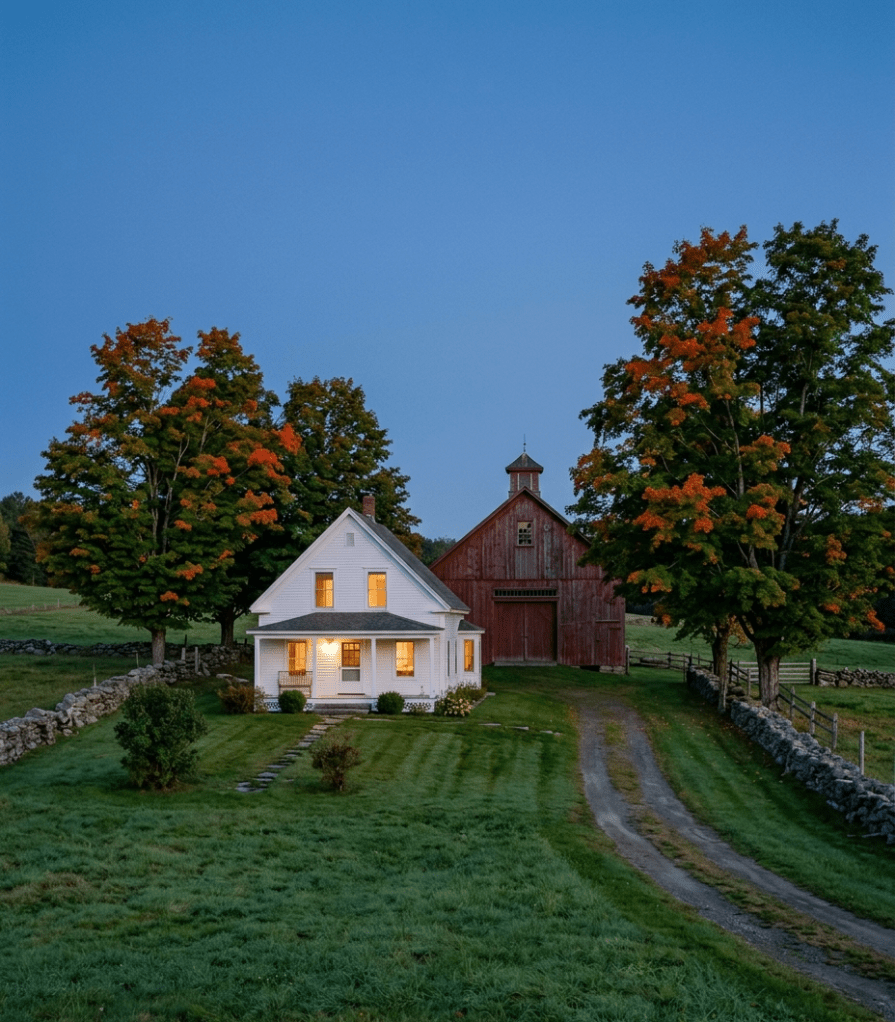
Vermont land is unlike land almost anywhere else. It is beautiful in a way that does not photograph completely and does not fully translate until you are standing on a hillside watching the fog lift off the valley in the morning. That feeling is real, and for the right buyer, it is worth every bit of due diligence it takes to get there.
Do your homework, work with people who know this landscape, and do not let the romance of the view outpace the reality of the process. Vermont rewards people who take it seriously, and a piece of this land, done right, can be one of the best decisions you ever make.
Shop Green Mountain Peaks on Etsy
Bring a little piece of Vermont into your home with our curated collection of gifts, apparel, and seasonal favorites. From cozy hoodies and crewnecks to Vermont-themed gift boxes and cookbooks, each item is designed to celebrate the Green Mountain spirit.
- Vermont-inspired designs and gift sets
- Printed and packaged with care
- Ships directly to your door
Discover gifts, apparel, and Vermont treasures made to share and enjoy year-round.


Leave a comment