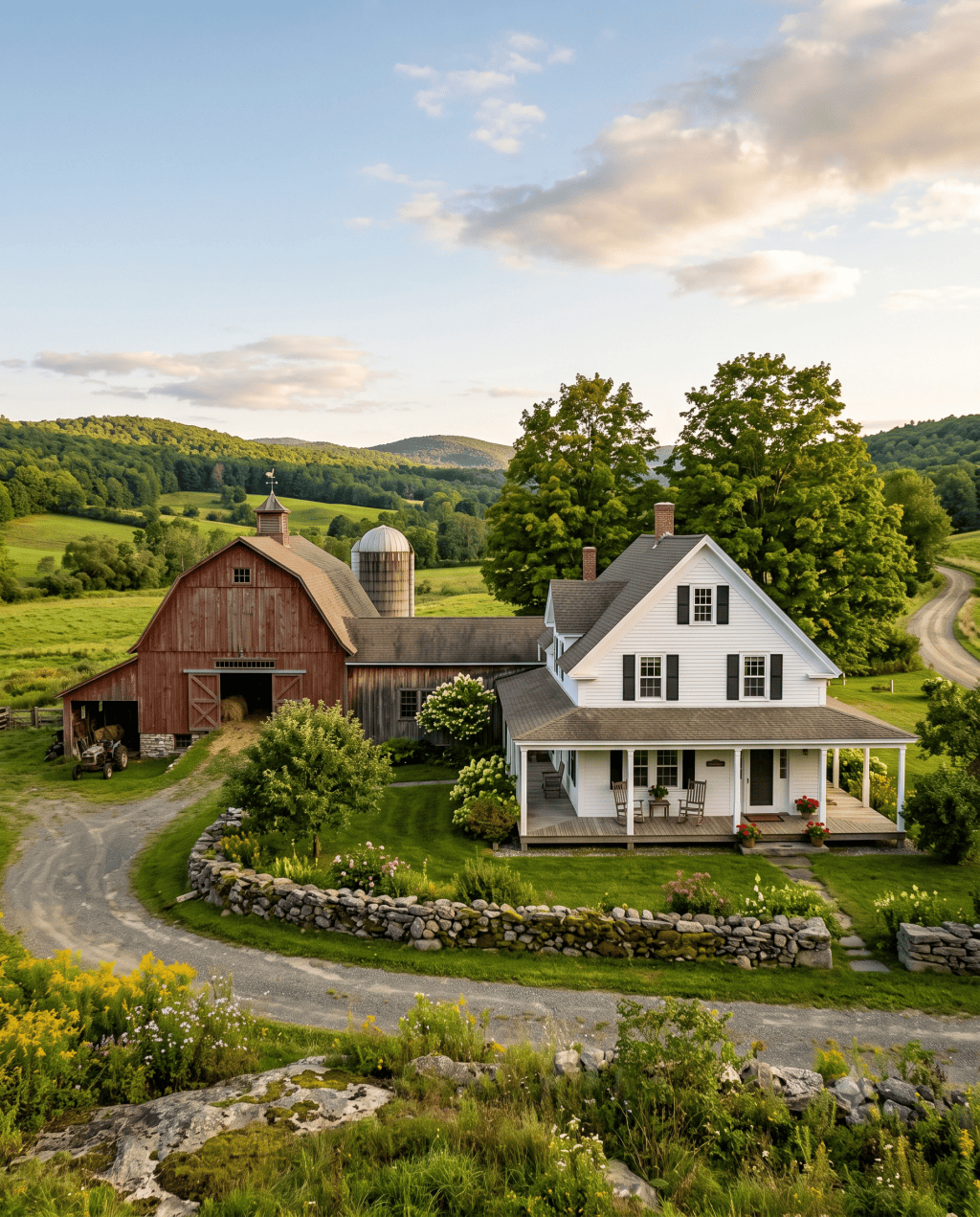
The first cool morning always sneaks up on you. One day you’re still leaving the porch door open all night, and the next you’re pulling a flannel out of the closet because the air coming off the mountains has that unmistakable September bite to it. The tomatoes are winding down, the farm stands are stacking winter squash next to the last of the corn, and somewhere up in the Northeast Kingdom the maples are already starting to blush at the edges. If you’ve been thinking about Vermont real estate, this is the month locals quietly consider the smartest time to start looking.
September in Vermont has a rhythm all its own. The tourist traffic hasn’t hit its foliage peak yet, the summer renters have cleared out of the lake towns, and the state settles into something closer to its true self. For anyone weighing a move, that shift matters more than people realize.
Is September a Good Time to Buy a House in Vermont?
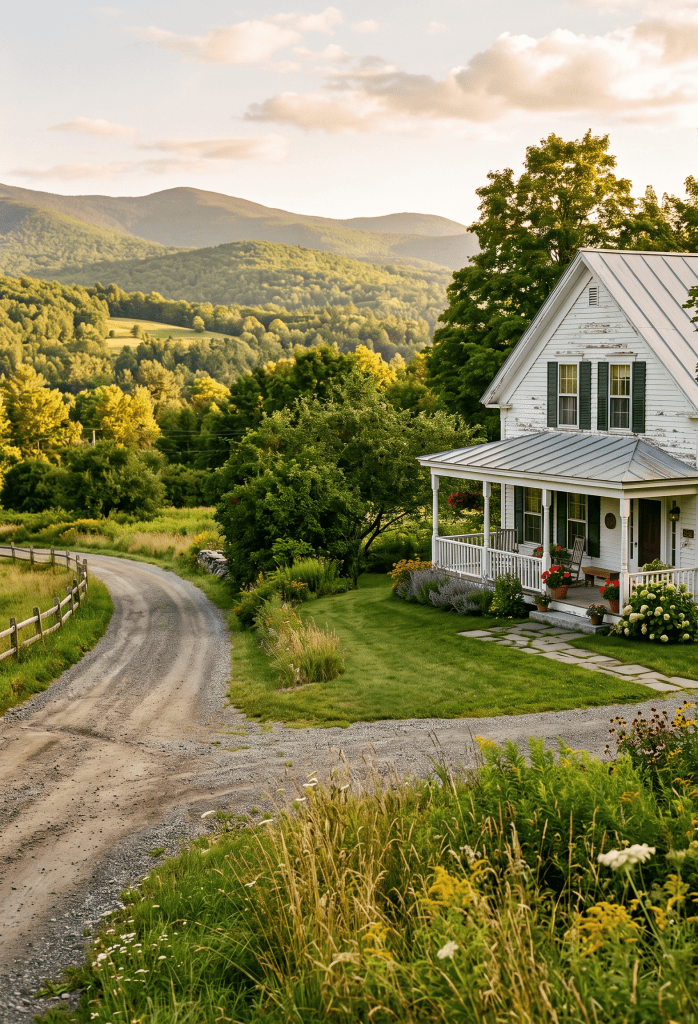
September tends to bring a calmer, more honest version of the Vermont housing market. Summer listings that lingered through July and August because of vacation schedules and lake-house timelines often get repriced or refreshed in early fall, which can open up room for a more grounded conversation about value. Families with school-age kids have usually settled into their fall routines by now, so the buyer pool thins out just enough that showings feel less like a race.
Sellers who list in September also tend to be motivated by something real, whether that’s a job change, downsizing, or wanting to close before the snow flies. That kind of seller is often more open to a straightforward, unhurried process than one testing the market at the height of summer.
There’s also a practical rhythm to how the season lines up with daily life here. Kids are back in school, harvest chores are winding down on the properties that keep gardens or small orchards, and the frantic pace of tourist season has eased off in most towns. That collective exhale tends to show up in how relaxed showings feel, and in how much time people are willing to spend actually talking about a property instead of rushing to the next one on the list.
What Does a Vermont Home Look Like in September Light?
There’s a reason real estate photographers love this month. The angle of the sun starts to drop just enough to pull long, warm light across a property in the late afternoon, and it does something to old farmhouses and post-and-beam barns that summer light never quite manages. A field that looked flat and green in July suddenly has texture and gold in it by the third week of September.
Walking a property in this weather also just tells you more. You can hear how the house sounds when the windows are cracked instead of sealed for air conditioning. You can smell woodsmoke starting up two farms over and get a sense of how sound carries in the valley. Vermont homes are lived in outdoors as much as indoors for half the year, and September is when a porch, a mudroom, or a covered woodshed actually proves its worth.
How Does Foliage Season Affect Looking at Homes in Vermont?
Color moves south and downhill as the month goes on. The Northeast Kingdom and higher elevations around Stowe, Craftsbury, and the Mad River Valley typically start turning in the first half of September, while the Champlain Valley and southern Vermont hold onto green a few weeks longer. If you’re touring properties across different parts of the state in the same trip, you’ll actually see three or four different stages of the season depending on where you are and how high up you go.
This matters for more than just pretty photos. Seeing a property as the leaves start to change gives you a preview of what fall actually looks like on that land, not just what a listing photo captured on one lucky afternoon. A ridge line that glows gold in late September is worth knowing about before you commit to a place.
It’s also worth remembering that harvest season runs on its own calendar up here. Corn that’s still coming in down in the valley in early September might already be done at higher elevations, and apple orchards across the state stagger their picking weeks depending on variety and altitude. None of it happens exactly when a tourist brochure might suggest, and locals plan their weekends around it accordingly.
What Should You Know About Vermont Towns Before Moving Here?
Every town in Vermont has its own personality, and September is a good time to feel that out because the towns are running on their normal schedules again, not their tourist-season ones. Farmers markets are still going strong in most towns through the month, town greens host the last outdoor gatherings before the weather turns, and agricultural fairs bring whole communities out at once. The Tunbridge World’s Fair, one of the oldest agricultural fairs in New England, runs in mid-September and gives a genuine window into the working, farming side of the state that a lot of new arrivals don’t expect.
Spending a weekend in a town during one of these events tells you more about daily life there than a dozen drive-throughs would. You get a feel for whether the town center is walkable, whether neighbors actually know each other, and what kind of pace people move at once the leaves start dropping and the woodpiles start growing.
- Smaller towns often center around a general store, a school, and a town green, so proximity to those anchors matters more than it might elsewhere
- Elevation changes the season’s timeline significantly, a property twenty minutes up a valley road can be weeks ahead of one down near the river
- Access to a plowed road and reliable heat source becomes a real consideration once you’ve felt a Vermont September evening drop into the 40s
What Should You Ask About a Property’s Winter Readiness?
September is a good time to start asking the questions that matter once the snow starts flying, because you can still see the bones of a property clearly before everything gets buried. How does the driveway sit relative to the road, and does it hold a plow blade well or does it drift shut in a hard wind? Where does the woodshed sit relative to the house, and is it stocked or empty? Is the water source a drilled well, and how has it performed through past dry spells or hard freezes?
None of these are dramatic questions, but they’re the ones that end up mattering most by January. A property that looks charming in September light needs to also make sense in a February whiteout, and this is the season to start picturing both versions of the same place at once.
Why Do Vermont Properties Feel Different in the Fall Than in Summer?
Summer in Vermont is beautiful, but it’s also busy. Lake properties are full of boats and rental traffic, mountain towns are packed with hikers, and everyone’s schedule bends around long daylight and warm weather. September brings the exhale after that. Land that felt crowded with activity in July suddenly feels spacious and quiet, and it’s easier to picture what everyday life on that property actually feels like once the season settles.
Wood smoke starts curling from chimneys again. Gardens go from producing to finishing up, and there’s a sense of a place tucking in for the colder months ahead. If you’re trying to imagine yourself actually living somewhere, rather than vacationing there, fall gives you a much more honest picture than peak summer ever could.
There’s also something to be said for seeing a piece of land in transition. Watching how the light changes, how the property handles the first frost, and how exposed or sheltered it feels once the leaves start thinning out on the trees gives you information that a summer walkthrough simply can’t offer.
Is Fall the Right Season to Start Planning a Move to Vermont?
Plenty of people who end up moving to Vermont start the process in September without quite meaning to. A weekend trip to see the foliage turns into a conversation about what it would take to actually live here, and by the time the leaves are down, they’ve got a clearer picture of what they want. There’s no wrong season to start thinking about it, but fall has a way of making the decision feel less abstract.
Winter is coming either way. Seeing a property, a town, or a stretch of road in September gives you a running start on understanding how that place will feel once the snow arrives, which is a season every Vermont homeowner eventually has to make peace with.
The maples don’t wait for anyone to make up their minds, and neither does the market. But there’s something fitting about looking at a future home while the world outside is doing its quiet, golden work of changing itself into something new.
I’m Conner, a Realtor with Igor Real Estate, working buyers and sellers across Northern Vermont. I keep my real estate work over at soldoutvermont.com, if you’re ever curious what’s on the market.

Leave a comment