Plan unforgettable foliage hikes across Vermont with this local-savvy guide to the most scenic trails, the best timing for peak color, and practical tips for safe autumn hiking.
Table of Contents
- Why Vermont Shines in Fall
- When To See Peak Fall Foliage in Vermont
- What To Know Before You Hike in the Fall
- The Most Scenic Fall Hikes in Vermont
- Hidden Gem Foliage Hikes Locals Love
- Leaf-Lover Tips for an Amazing Hike
- Where To Stay and Refuel Nearby
- Vermont Fall Hiking FAQ
Why Vermont Shines in Fall
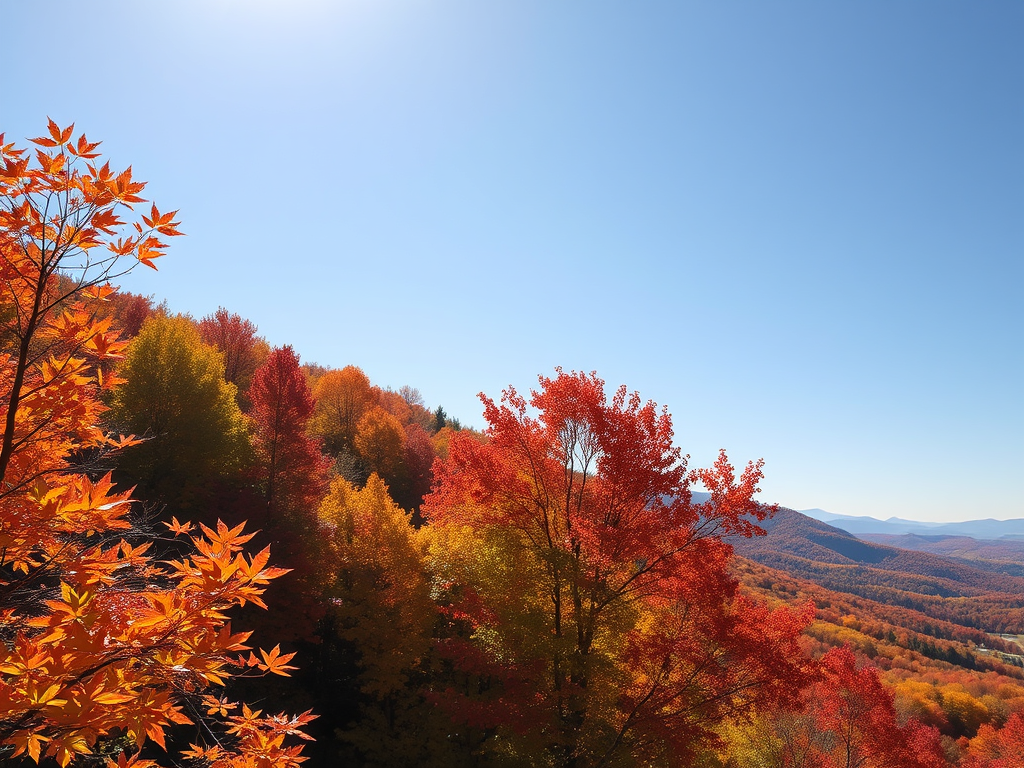
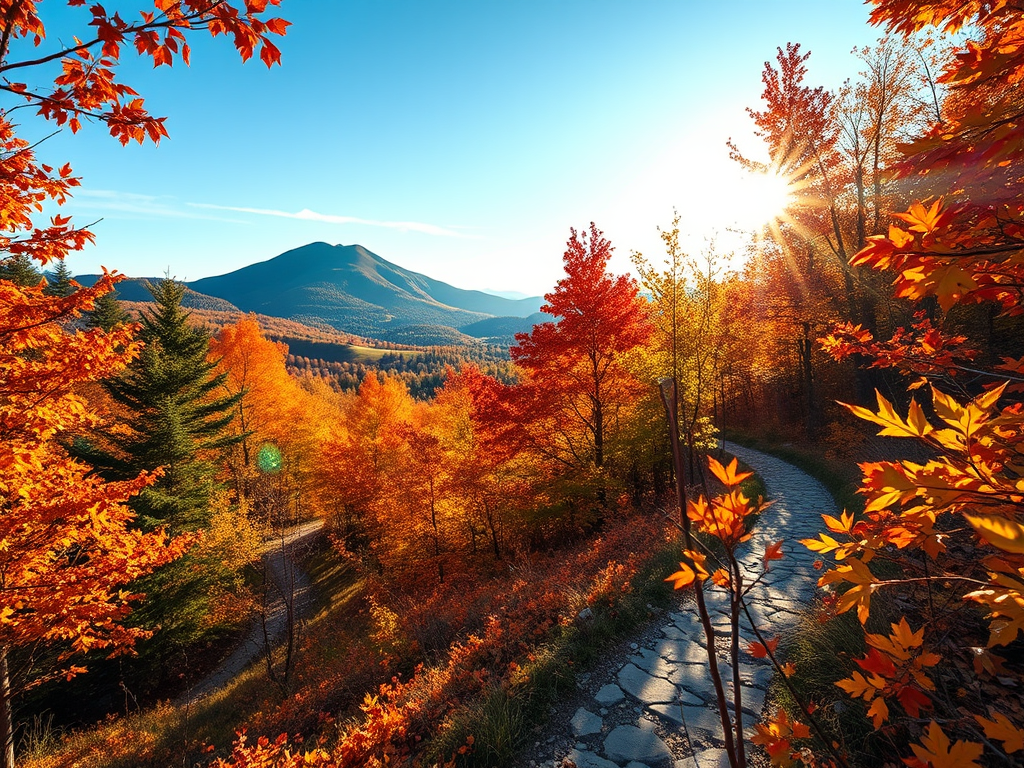
Autumn in Vermont brings a dramatic canopy of sugar maples, birch, and beech that ripples from ridge to valley. Trails thread past quiet ponds, along open ridgelines, and up to rocky summits with 360-degree views. Hike almost anywhere in late September and October and you will find blazing color, crisp air, and postcard-perfect overlooks.
- Color variety across elevations creates long foliage windows and layered views.
- Short travel times between trailheads let you stack multiple hikes into a weekend.
- Small towns add cider donuts, maple treats, and cozy inns to round out each hike day.
When To See Peak Fall Foliage in Vermont
Foliage typically peaks first at higher elevations in the north, then rolls south and into valleys. Weather can shift timing by a week either way, so consider these ranges a helpful guide rather than a guarantee.
- Northern Vermont late September to early October, think Mansfield, Camel’s Hump, Smugglers’ Notch.
- Central Vermont early to mid October, think Killington, Lincoln Gap, Groton State Forest.
- Southern Vermont mid to late October, think Manchester and the Green Mountain National Forest to the south.
Timing tips
- For the last week of September, aim for higher peaks such as Mount Mansfield or Camel’s Hump.
- For mid October, target southern or mid elevation classics such as Lye Brook Falls or Killington.
- For late October, look to lower elevation rambles and southern hills where color lingers.
What To Know Before You Hike in the Fall
- Dress in layers since temperatures drop quickly at elevation and after sunset.
- Start early to secure parking and daylight, popular trailheads fill fast during foliage weekends.
- Footing can be slick when leaves cover rocks and roots, bring traction and poles if you like extra stability.
- Pack essentials including a map or downloaded app data, water, snacks, a headlamp, and a small first aid kit.
- Respect landowners and follow Leave No Trace, many Vermont trails cross a mix of public and private lands.
The Most Scenic Fall Hikes in Vermont
Camel’s Hump, Waterbury and Duxbury
With its distinctive silhouette and open summit, Camel’s Hump delivers a full panorama of the Green Mountains with Lake Champlain glinting to the west. In fall, the surrounding ridges glow with oranges and reds that seem to go on forever.
- Difficulty moderate to challenging
- Distance about 5.5 to 6 miles round trip depending on trailhead
- Why it is great in fall expansive 360-degree views over peak color
- Pro tip arrive early, this is a beloved summit for sunrise and morning light.
Mount Mansfield via Sunset Ridge, Underhill
Vermont’s highest peak offers breathtaking scenery from the moment you clear the trees. The Sunset Ridge route travels open ledges that look west across Lake Champlain and the Adirondacks, a perfect angle for warm autumn light.
- Difficulty challenging
- Distance roughly 6 miles round trip
- Why it is great in fall long stretches of above-treeline views and golden afternoon light
- Pro tip carry a wind layer, ledges can be breezy even on mild days.
Sterling Pond, Smugglers’ Notch
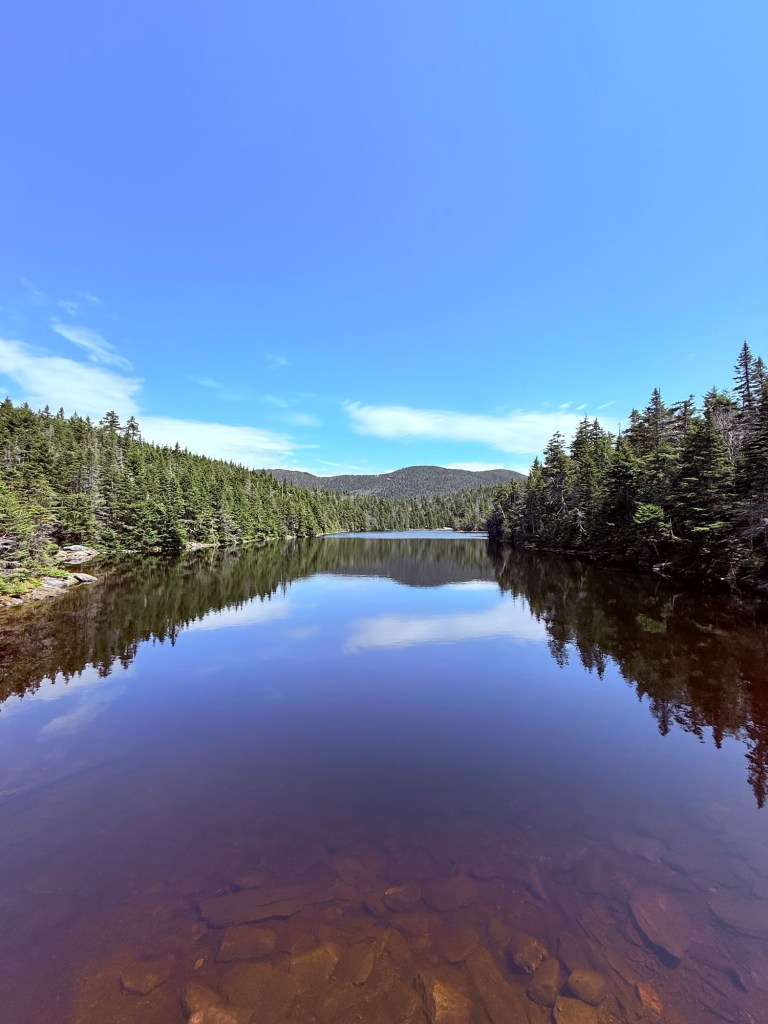
Short, steep, and rewarding, this alpine pond sits in a high bowl that mirrors the surrounding color. It is one of the best quick hikes for visitors who want big scenery without a full day commitment.
- Difficulty moderate
- Distance about 2.3 miles round trip
- Why it is great in fall reflections of reds, oranges, and golds on still water
- Pro tip bring a warm layer for the pond edge, the basin can feel cooler than the trailhead.
Mount Pisgah, Lake Willoughby
The cliffs above Lake Willoughby create one of Vermont’s most dramatic views. In fall, the water’s deep blue contrasts with fire-colored hillsides that sweep down to the shoreline.
- Difficulty moderate
- Distance about 4 miles round trip
- Why it is great in fall fjord-like vistas over a lake framed by sheer slopes and peak color
- Pro tip use designated overlooks and stay back from cliff edges, especially with wet leaves underfoot.
Owl’s Head, Groton State Forest
A family favorite that punches above its weight, Owl’s Head leads to a stone lookout with a sweeping panorama of layered ridges. The drive in is beautiful as well, with side roads lined by maples.
- Difficulty easy
- Distance under 2 miles round trip
- Why it is great in fall effortless access to a big-view lookout
- Pro tip pack a picnic and enjoy a long sit while the light shifts across the hills.
Killington Peak via Bucklin Trail
This classic Green Mountain climb brings you through quiet hardwoods to a summit that reaches across multiple states on clear days. The forest floor glows with fallen leaves in October, which adds a magical feel to the descent.
- Difficulty challenging
- Distance about 7 to 7.5 miles round trip
- Why it is great in fall broad summit views and a colorful, peaceful forest corridor
- Pro tip start early for ample daylight and bring a headlamp just in case.
Lye Brook Falls, Manchester
One of Vermont’s tallest waterfalls hides at the end of a gentle, woodsy path that is especially photogenic when leaves turn golden. This is a lovely option for mixed groups and mellow afternoons.
- Difficulty moderate
- Distance roughly 4.5 to 4.8 miles round trip
- Why it is great in fall cascading water framed by yellow and amber foliage
- Pro tip expect damp footing near the falls, grippy shoes help with slick rock.
Mount Abraham, Lincoln Gap
Mount Abraham is among the easier 4,000-footers in Vermont, and the treeless summit gives an outstanding look across the Champlain Valley and south along the spine of the Greens. The mix of close-up color and distant lakes makes this hike a fall standout.
- Difficulty moderate
- Distance about 5 to 5.5 miles round trip
- Why it is great in fall high elevation views paired with quick access from Lincoln Gap
- Pro tip even on sunny days, carry a windproof layer for the final exposed stretch.
Leaf-Lover Tips for an Amazing Hike
- Beat the rush with dawn starts and weekday plans.
- Bring a real camera or at least clear storage on your phone for high resolution shots.
- Pack Vermont flavors such as maple candy, local cheddar, and cider for a trail picnic.
- Check trail conditions and parking details the night before, then verify again the morning of your hike.
- Be flexible and have a Plan B trail nearby in case lots are full.
Where To Stay and Refuel Nearby
One reason foliage hiking in Vermont feels special is how easily a trail day pairs with small town stops. Mix and match these ideas based on which region you visit.
- Cozy inns and B&Bs near trailheads make early starts easier and evenings relaxing.
- Cider mills and farmstands for fresh cider, warm donuts, apples, and maple goods.
- Breweries and taprooms with patios that overlook rolling hills lit up with color.
- General stores for picnic supplies and quick sandwiches on your way to the trail.
If you plan a full weekend, link a northern hike such as Mansfield or Sterling Pond with a central or southern hike the next day. This strategy lets you chase peak color as it moves across the state.
Vermont Fall Hiking FAQ
What is the best time to hike for peak foliage?
Plan on late September and early October for higher elevation and northern peaks, then shift south and lower as the month progresses. Mid October usually shines in central regions, and southern hills glow into late October.
Which hike is best for beginners?
Owl’s Head in Groton State Forest and Sterling Pond are excellent choices with outsized views for modest effort. Both reward families and casual hikers with classic fall scenery.
What is the most photogenic summit?
Mount Mansfield via Sunset Ridge is hard to beat for all day views and golden afternoon light. For dramatic water and cliff contrast, Mount Pisgah over Lake Willoughby is a top pick.
How do I avoid crowded trailheads?
Arrive before 8 a.m., go midweek, and keep a backup hike within a 20 minute drive. Consider hidden gems such as Burnt Rock or Haystack on peak weekends.
What should I pack for a fall hike in Vermont?
Layers, warm hat and gloves for summits, plenty of water, snacks, a map or offline app data, a headlamp, and shoes with good traction. Trekking poles help when leaves are slick.
Leaf Peeping Crew, 30% Off
Cozy up for foliage season with our Leaf Peeping Crew hoodies and crewnecks. Soft fleece, easy fit, perfect for ridge walks and lakeside sunsets.
- Unisex fit and multiple colors
- Printed to order in the USA
- Ships directly to you
Limited time offer. Discount applied at checkout while the sale lasts.