Green Mountain Peaks

Discover Vermont, One Story at a Time 🏔️

Welcome to Green Mountain Peaks, your local guide to all things Vermont. From hidden history and travel ideas to small-town life and seasonal adventures, there’s always something worth discovering. Subscribe for new posts, insider tips, and a little taste of Vermont straight to your inbox.


Category: History & Politics of Vermont

Explore the unique history and political culture of Vermont. From its founding ideals to modern-day legislation, this category covers key moments, people, and policies that shaped the Green Mountain State.

  • Bipartisanship in Vermont: How Progressives and Republicans Actually Get Along

    Bipartisanship in Vermont: How Progressives and Republicans Actually Get Along

    Why Republicans and Progressives Can Actually Get Along Here

    In a time when politics often feels broken, Vermont stands out. While most headlines focus on division and dysfunction, this small state quietly operates on something that feels almost radical in 2025: cooperation.

    Vermont’s political system is not perfect. But it is effective. And in many cases, it’s because the people here refuse to play by national party rules.

    What Makes Vermont Politics Different

    It is not just about having a Republican governor in a deep-blue state. Vermont’s real political strength comes from how its parties, especially Progressives and Republicans, often work together—despite being on opposite sides of the spectrum.

    In Vermont, bipartisanship is not centrism. It is values-based problem solving rooted in place, not party.

    A State Shaped by Independence

    Before it joined the Union, Vermont was its own independent republic (1777–1791). During that time, it:

    • Printed its own currency
    • Maintained a citizen militia
    • Abolished slavery, ahead of the rest of the U.S.

    That legacy still shows up in modern Vermont politics. Vermonters tend to value:

    • Local control
    • Citizen-led government
    • A healthy distrust of centralized power
    • Practical, community-based solutions

    This culture encourages flexible political thinking and discourages partisan posturing.

    The Political Landscape Today
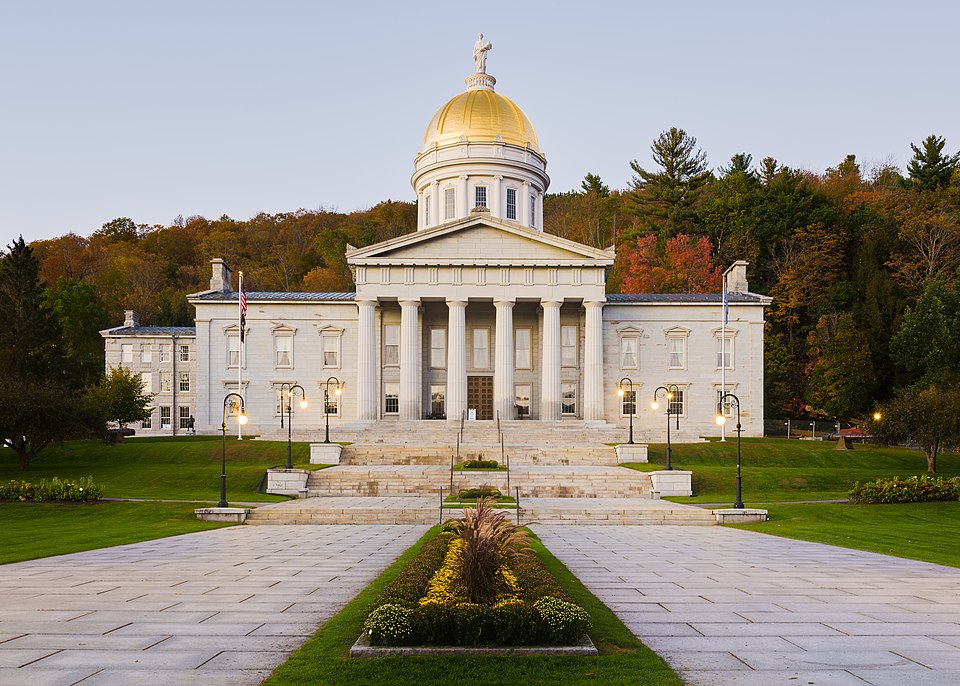
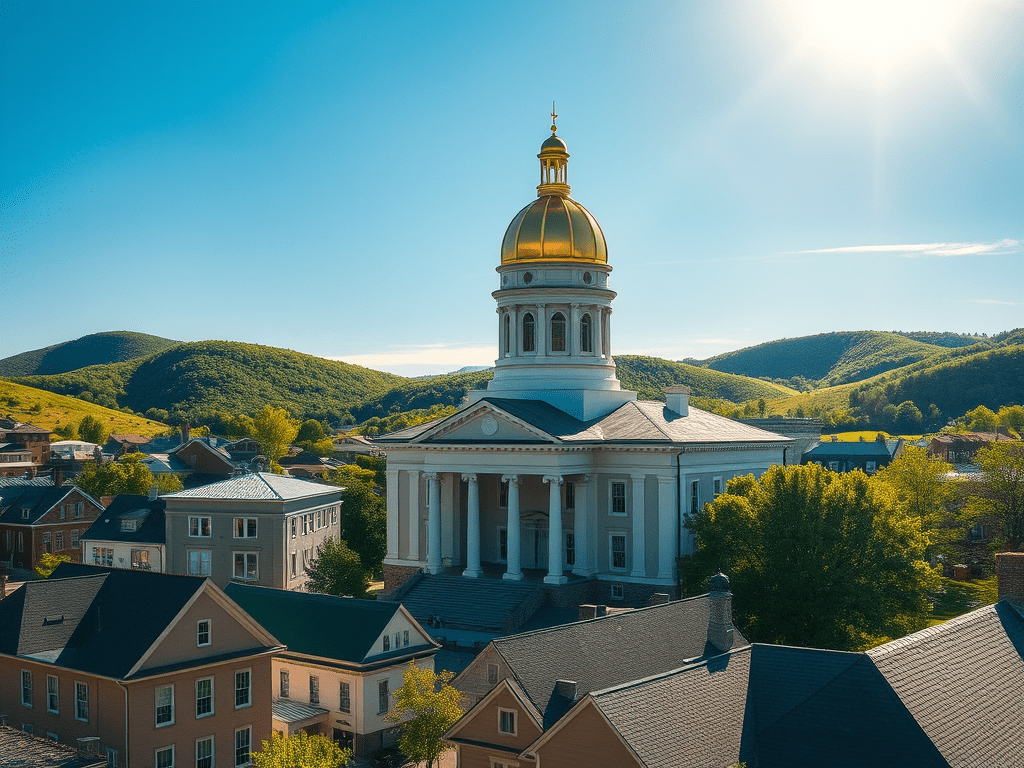
    Vermont State House | Montpelier, Vermont

    VVermont’s politics are shaped by four major groups:

    • Democrats: Dominate the state legislature and federal delegation
    • Republicans: Fewer in number, but influential—especially through the governor’s office
    • Progressives: The most successful third party in the U.S., with elected officials across levels
    • Independents: Regularly win races in local government and keep all parties accountable

    A unique feature: Fusion voting, which lets candidates appear on the ballot under more than one party. This encourages collaboration and blurred party lines.

    It is not uncommon to see:

    • Local races decided by values, not just red vs. blue
    • Progressive-Democrat alliances
    • Republican-Independent candidates

    Governor Phil Scott: A Republican in a Deep Blue Progressive State

    Governor Phil Scott (R-VT)

    Phil Scott, Vermont’s Republican governor, won a fifth term in 2024 with 73% of the vote—while Kamala Harris won the state’s presidential vote by a landslide the same year.

    Why Vermonters keep re-electing him:

    • Fiscally conservative: Advocates for balanced budgets and cautious spending
    • Socially moderate: Supports abortion rights, LGBTQ+ protections, and climate policies
    • Policy highlights:
      • Signed major gun control laws
      • Supported environmental reforms
      • Vetoed paid family leave and minimum wage increases due to cost concerns

    What really sets him apart is tone. He governs with civility and respect, often working directly with Progressive and Democratic legislators even when they disagree.


    The Vermont Progressive Party: A Movement, Not Just a Brand
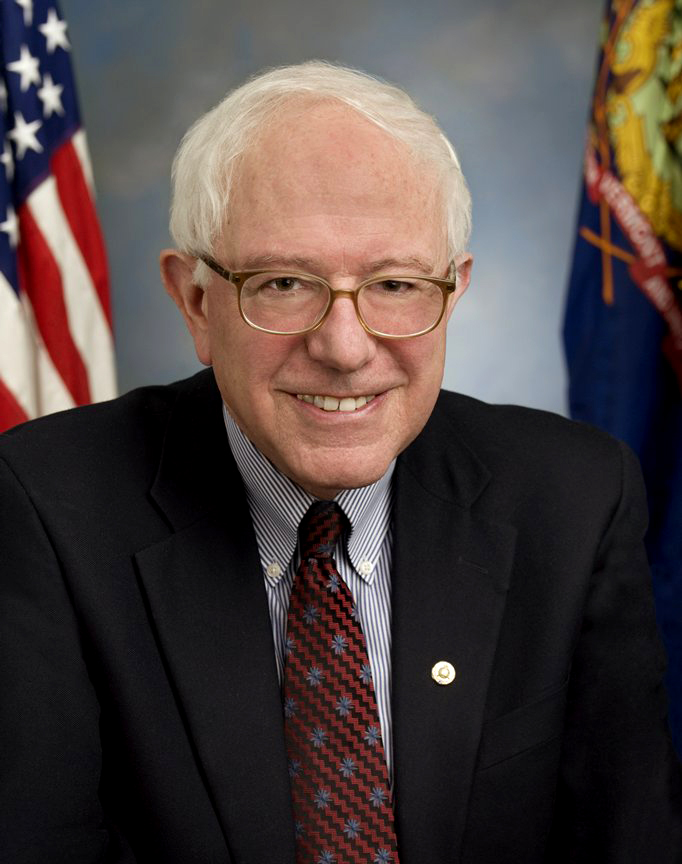
    United States Senator Bernie Sanders (I-VT)

    Founded during Bernie Sanders’ early years as Burlington’s mayor, the Vermont Progressive Party has become:

    • The most durable third party in America
    • A political force with state legislators, city council members, and mayoral candidates

    Their priorities include:

    • Economic justice
    • Environmental protection
    • Affordable housing
    • Campaign finance reform

    But their power doesn’t come from yelling the loudest. It comes from:

    • Grassroots organizing
    • Local wins
    • Fusion campaigns that align with Democrats or Independents

    Their influence shapes statewide conversations, often pushing the Democratic majority leftward.


    When Progressives and Republicans Find Common Ground

    This is where Vermont gets fascinating. Despite vastly different beliefs, these two groups often end up on the same side of certain issues.

    Shared Values and Outcomes

    1. Local Control

    • Both oppose top-down education mandates and statewide economic development schemes
    • Both support policies that give towns more say in their future

    2. Corporate Skepticism

    • Progressives worry about inequality and exploitation
    • Republicans worry about favoritism and government interference
    • Result: Both often oppose large corporate tax breaks

    3. Civil Liberties and Privacy

    • Facial recognition laws passed with support from both groups
    • Strong alignment on data privacy and limiting surveillance

    4. Criminal Justice Reform

    • Progressives cite racial justice and systemic change
    • Republicans emphasize personal freedom and small government
    • Shared outcomes include:
      • Marijuana decriminalization
      • Bail reform
      • Limits on qualified immunity

    These are not ideological coalitions. They are values-driven alliances that form around Vermont-specific concerns.


    Inside the Statehouse: A Culture of Practical Politics

    Vermont has a citizen legislature. Most lawmakers are part-time and hold other jobs. That means:

    • Less time for grandstanding
    • More incentive to work together
    • Lawmakers see each other at grocery stores and town halls

    This structure helps produce quiet but meaningful bipartisan work on:

    Climate Policy

    • Developed with input from Progressives, Democrats, and moderate Republicans
    • Balances urgency with rural economic concerns

    Housing Reform

    • Broad support for relaxing zoning rules and building affordable housing
    • Protects Vermont’s rural character while tackling affordability

    COVID-19 Response

    • Unified strategy led to one of the lowest infection rates in the U.S.

    Where It Breaks Down

    Vermont is not immune to tension. Some flashpoints include:

    • Governor Scott’s vetoes of paid leave and minimum wage bills
    • Progressive-Democrat clashes in Burlington, especially over policing
    • Urban vs. rural divides, especially on:
      • Gun laws
      • School funding
      • Environmental regulations

    Even here, disagreements tend to be civil. But they reflect real challenges in balancing priorities across different parts of the state.


    Why Bipartisanship Still Works Here

    1. Scale

    • Vermont is small. People are accessible. Bureaucracy is limited.
    • Go too far on an issue and you’ll hear about it at the general store.

    2. Substance Over Style

    • Performative politics doesn’t work here.
    • Showing up, listening, and doing the work wins elections.

    3. Loyalty to Place, Not Party

    • This flexibility allows for creative coalitions that would never happen elsewhere
    • Voters often split their tickets
    • A Republican governor and a Progressive rep? Totally normal


    “It is not about party politics here. It is about serving Vermonters, solving problems, and making sure government works for everyone.”

    Governor Phil Scott (R-VT) | 2024 Re-Election Speech

    What the Nation Can Learn

    Vermont shows us that:

    • Bipartisanship does not mean agreement on every issue
    • Shared values like transparency, accountability, and autonomy matter more than shared labels
    • Democracy works best at a scale where people actually talk to one another

    In Vermont, politics happens in town halls, co-ops, and coffee shops. It is grounded in community, not cable news narratives.

    The result? A state that still believes politics can be practical, respectful, and rooted in local pride.
  • The Mountain Rule: Vermont’s Unwritten Code That Shaped a Century of Politics 🏔️

    The Mountain Rule: Vermont’s Unwritten Code That Shaped a Century of Politics 🏔️

    Before Bernie Sanders, progressive politics, and maple syrup fame, Vermont operated under one of the most unique political systems in American history. It had no legal code. No formal documentation. And it was never voted on by the people.

    Yet for over 100 years, it quietly governed how power was shared in the Green Mountain State.

    This was the Mountain Rule, an unwritten agreement that dictated who could run for office, where they had to live, and how long they could serve. It defined Vermont politics for generations and still echoes in the state’s political culture today.

    What Was the Mountain Rule?

    The Mountain Rule was an informal power-sharing system developed in the early 1800s by Vermont’s Republican Party. Its core purpose was simple: maintain political balance between the east and west sides of the Green Mountains.

    Key features of the Mountain Rule:

    • Regional rotation of political offices between eastern and western Vermont
    • Single two-year term limit for governors to ensure turnover
    • Opposite-region pairing for governor and lieutenant governor (e.g., if the governor was from the east, the lieutenant governor was from the west)
    • Senate seat division: One U.S. senator from each side of the mountains
    • Party enforcement through backroom deals at Republican conventions

    There was no law behind it. It wasn’t written down. But for over a century, everyone followed it.

    Why It Was Created

    The Mountain Rule was a response to Vermont’s unusual political landscape in the 19th and early 20th centuries.

    Context that led to the rule:

    • One-party dominance: From the 1850s until the 1960s, the Republican Party controlled almost all levels of government in Vermont
    • Lack of competition: Without a viable opposition party, there was a risk of internal division within the GOP
    • Regional divide: Eastern and western Vermont had distinct economies and identities, making equitable representation important

    What the Mountain Rule accomplished:

    • Prevented intra-party feuds by making sure no faction or region dominated
    • Created a predictable leadership pipeline
    • Aligned with Vermont values of local control, modesty, and fairness
    • Ensured geographic equity at a time when infrastructure limited east-west interaction

    It was a practical solution, not an idealistic one — a way to keep the peace within a party that had no external challengers.

    How It Worked in Practice

    For more than a century, the Mountain Rule wasn’t just a suggestion. It was a political reality.

    How it shaped state politics:

    • Governors served only one term, typically alternating sides of the Green Mountains
    • U.S. Senate seats were split — one for the east, one for the west
    • Lieutenant governors and House speakers were selected to balance regional representation
    • Party leaders enforced it at state conventions, choosing nominees based on geography and timing

    There was no public debate. No written rulebook. But the system was so entrenched that it operated like law.

    The Benefits of the Mountain Rule

    Despite being undemocratic by today’s standards, the Mountain Rule had several benefits:

    • Stability: Prevented party infighting and allowed for smooth transitions of power
    • Rotation: Gave more citizens a chance to lead, avoiding entrenched political dynasties
    • Fairness: Balanced representation between Vermont’s two geographic halves
    • Efficiency: Reduced the need for messy primary battles or factional disputes

    In many ways, it was a political machine that worked — not because it was imposed from above, but because it was understood and respected from within.

    When and Why It Fell Apart

    By the mid-20th century, the Mountain Rule was beginning to unravel.

    Key reasons for its decline:

    1. Rise of the Democratic Party

    • In the 1950s, Democrats started gaining traction in Vermont
    • Republicans could no longer rely on internal rotation, they had to field candidates who could win real elections

    2. Introduction of direct primaries

    • Until then, party insiders picked nominees at conventions
    • With primaries, voters could challenge the party’s preferred candidates
    • Geography became less important than electability

    3. Hoff’s historic win in 1962

    • Democrat Philip H. Hoff, from Burlington, won the governorship
    • First Democrat to hold the office since before the Civil War
    • Marked the clear end of Republican dominance and the Mountain Rule’s power
    Governor Philip H. Hoff (D-VT)

    By the 1970s, Vermont politics had transitioned into a more competitive, voter-driven landscape.

    What Remains of the Mountain Rule Today

    While the Mountain Rule no longer controls who runs for office, its spirit still shapes Vermont’s political identity.

    Lasting impacts:

    • Cultural memory of power-sharing still influences expectations about fairness and representation
    • Citizen legislature structure reflects the values of rotation and community leadership
    • Regional equity remains a concern in debates over education funding, healthcare, and infrastructure
    • Suspicion of political dynasties and careerism continues to shape local attitudes

    Vermonters may not talk about the Mountain Rule often, but its legacy can be seen in how seriously the state still takes balance, modesty, and access in its political process.

    Why It Still Matters

    The Mountain Rule offers lessons that are surprisingly relevant today:

    • Power can be restrained without formal laws
    • Unwritten norms — when shared and respected — can maintain political order
    • Balance and fairness are enduring values, especially in small states
    • Cooperation can be baked into culture, not just codified in rules

    In an era of hyper-partisanship and national polarization, Vermont’s old habit of quiet, predictable power-sharing feels refreshing.

    Final Thoughts

    The Mountain Rule might sound quaint now. But for more than 100 years, it kept Vermont politically stable without scandal or chaos.

    It was never democratic in a modern sense. It was never written into law. And yet, it worked — because Vermonters believed in taking turns, in limiting power, and in making space for voices on both sides of the mountains.

    In a state that still values neighborliness over noise, the Mountain Rule remains one of the most fascinating and defining chapters in Vermont’s political history.

  • What Makes a Town Truly Vermonty?

    What Makes a Town Truly Vermonty?

    There’s no official definition of the word “Vermonty,” but if you’ve spent any time in the Green Mountain State, you probably know the feeling. It’s that specific kind of charm that’s hard to describe and even harder to fake. A town might be beautiful, but that doesn’t mean it’s Vermonty. To qualify, it needs a perfect blend of quirk, character, community, and of course, cows.

    Whether you’re a visitor looking to find the most authentic small towns in Vermont, a local doing a vibe check, or just someone curious about what sets Vermont apart, this checklist will help you spot the real deal.

    Let’s break it down.


    If It Looks Like a Postcard, You’re in the Right Place

    Some towns just look Vermonty the second you roll in. Here are some visual cues to look for:

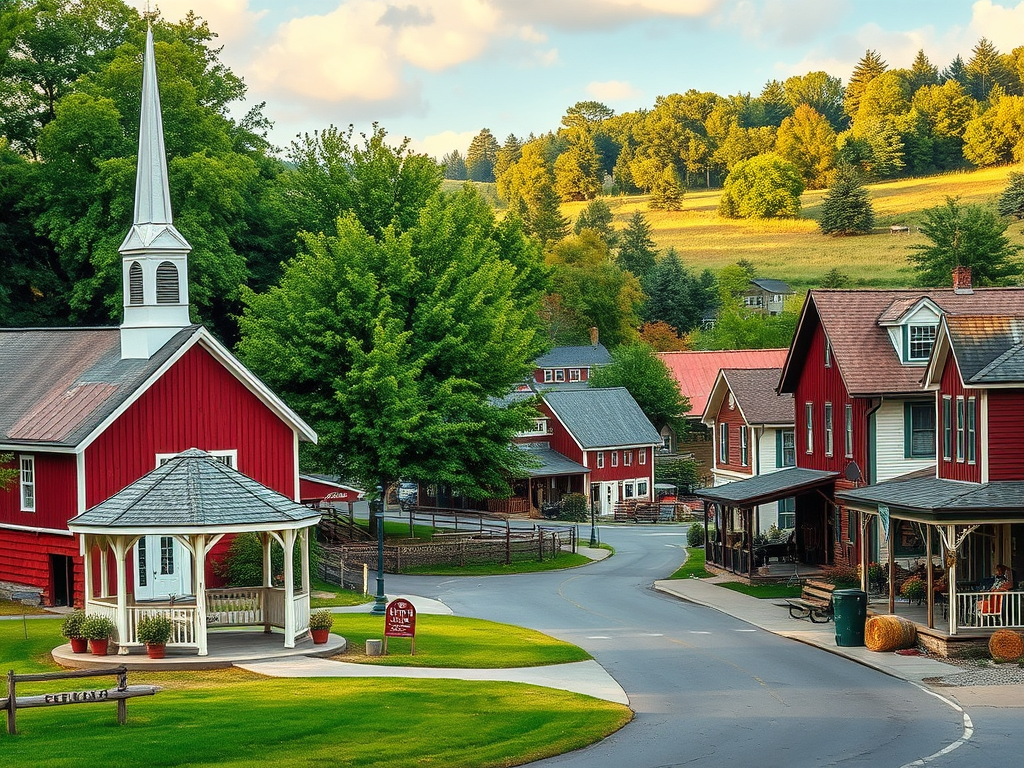
    • Classic white church steeple rising above the trees, preferably with a bell that still rings on Sundays
    • A town green with a gazebo, American flag, or handmade scarecrows during harvest season
    • Faded red barns – bonus points if they still have vintage signs like “Chew Mail Pouch Tobacco” or hand-painted cow silhouettes
    • A covered bridge, either functional or preserved as a walking path
    • A handful of historic houses, ideally with front porches and rocking chairs
    • Working farms within eyesight of downtown, with hay bales stacked in fields and cows just doing their thing

    It’s the kind of place where you feel like you’ve walked into a calendar photo. Not every Vermont town fits this mold, but most Vermonty towns do.


    The Downtown Should Be Small but Mighty

    A Vermonty town doesn’t need a big, flashy downtown. In fact, if it has a Starbucks and a chain pharmacy, you’re probably in the wrong place. The key is walkability, local pride, and a little weirdness.

    Here’s what you’ll typically find:

    • One or two blocks of Main Street lined with independent businesses, no franchises
    • A general store that sells maple creemees, duct tape, and organic lip balm all in one aisle
    • A hardware store that also stocks dog treats, holiday ornaments, and the town gossip
    • A café or bakery where someone’s always knitting in the corner and the muffins are made that morning
    • A community bulletin board plastered with posters for contra dances, chicken pie suppers, and lost mittens
    • A shop or gallery selling Vermont-made goods, sometimes right out of a renovated barn

    It’s not about having everything. It’s about having the right things, run by the right people.


    You Can Taste and Hear the Vermonty-ness

    You’ll know a town is Vermonty when its flavor is as strong as its personality. Local flavor means more than food—it’s about how the town celebrates its identity.

    Look for these signs:

    • Local diner or co-op that sources food from nearby farms and still serves homemade pie
    • Maple syrup in glass bottles labeled with the town’s name or even the family’s last name
    • A brewery, cidery, or meadery where someone’s playing acoustic guitar on the patio
    • Events with names like “Maple Fest,” “Winter Carnival,” or “Fiddlers’ Picnic”
    • Public music or art, like sculptures by local students or open mic nights at the town hall

    The best part? No one is trying to be trendy. They’re just being themselves – and that’s the Vermontiest vibe of all.


    If You Can’t Hear a River or Spot a Trailhead, Keep Driving

    Nature isn’t just nearby in Vermonty towns. It’s part of the daily rhythm. You should feel like you could step outside and go on a hike, jump into a swimming hole, or snowshoe through a field without needing to drive far.

    What to look for:

    • Surrounded by forest, fields, or mountains in almost every direction
    • Hiking trail or dirt path that starts right behind the post office or school
    • A river, stream, or waterfall you can hear from downtown
    • Locals wearing boots and flannel like they actually chopped wood that morning
    • More gravel roads than paved ones once you’re outside the main stretch

    If the only nature you see is a flower box, the town might be charming – but it’s not Vermonty.


    The People Make It Vermonty

    A town can have all the right visual ingredients, but without the people, it’s just a stage set. What really defines a Vermonty town is its sense of community – often quirky, sometimes crusty, but always deeply rooted.

    Here’s how to spot it:

    • Town meetings that get heated, and everyone still says hi at the general store afterward
    • Homemade signs on roadsides saying things like “Drive Slow – Kids and Chickens at Play”
    • Longtime residents who give directions like “Turn left after where the McAllisters used to live”
    • A local newsletter or Facebook page with headlines about stolen sap buckets or moose sightings
    • A sense that people care – about their neighbors, their land, their town’s future

    You don’t need to be born there to be welcomed, but you will need to learn a few names and listen more than you talk—at least at first.


    Extra Credit: The Bonus Vermonty Scale

    Some towns go above and beyond. They don’t just check the boxes—they create new ones. Here are some bonus indicators you’re in a truly Vermonty town:

    • A name that sounds vaguely French or colonial, like “Calais” (pronounced CALL-us) or “Thetford”
    • A local ski hill or rope tow, even if it’s barely taller than a barn
    • Creative student art decorating the school fence or community center
    • Dump day as a social event, where everyone brings their trash and their stories
    • A town festival where the main event is ox pulling, pie eating, or a parade of tractors
    • No chain stores in sight, and definitely no billboards

    These extras aren’t required, but they sure help a town stand out in the best way.


    How Vermonty Is Your Town?

    So, how’d your town do? Five out of six? All of them plus bonus points? Whether you’re a native, a flatlander turned local, or a first-time visitor, spotting Vermonty towns is about tuning into the rhythm and character that makes this state special.

    Here’s your unofficial scoring guide:

    • 0–2 sections: Charming, but not Vermonty. Try again.
    • 3–4 sections: You’re getting close. Keep exploring.
    • 5–6 sections: That’s a Vermonty town.
    • 6 sections plus bonus points: You’ve found the real deal. Hang on to it.

    Vermonty towns aren’t always on the top 10 lists or travel brochures, but they are the places that leave a mark. They’re where you’ll get the best stories, the warmest welcomes, and probably a maple creemee handed to you with a smile.


    Share the Vermonty Vibe

    Know a town that screams “Vermonty”? Share it in the comments or tag it on social media. Whether it’s tiny and hidden or proudly known across the state, we’d love to see what makes your favorite town tick.

    And if you’re out exploring, don’t just check places off a list. Stop in the general store. Talk to someone on a bench. Buy a jar of local jam. That’s how you find the Vermonty soul of a place – not just the postcard view, but the story behind it.

    Want more real-deal Vermont content?
    Subscribe to the blog for weekly guides, hidden gems, and local travel ideas straight from a Vermonter!

    Ready to hit the road? Keep your eyes open and your creemee cone upright. The most Vermonty places are waiting for you, right around the bend. 🚗

  • Top Scenic Covered Bridges in Vermont You Can Walk Across

    Top Scenic Covered Bridges in Vermont You Can Walk Across

    Vermont is famous for many things: maple syrup, mountains, fall foliage, and that charming small-town feel you can’t quite find anywhere else. But among the most iconic features of the Green Mountain State are its covered bridges. These quaint wooden structures, often tucked along backroads and spanning peaceful rivers, are more than just pretty photo ops. They are pieces of history you can quite literally walk across.

    As a Vermonter, I can tell you these bridges aren’t just here for show. They connect towns, preserve our architectural legacy, and make the perfect excuse to get out and explore on foot. In this post, we’ll take a journey through some of the best historic covered bridges in Vermont that welcome walkers. Whether you’re looking for a kid-friendly stop, a scenic detour, or just a quiet spot to enjoy the view, these bridges deliver.


    What Makes Vermont’s Covered Bridges So Special?

    Vermont is home to more than 100 covered bridges, the highest density per square mile in the entire country. Many date back to the 1800s and are still standing thanks to careful preservation and deep local pride.

    These bridges were originally covered to protect the wooden structure from snow and rain. It might sound simple, but it’s the reason so many have lasted this long. Today, they offer a step back in time for visitors, a chance to appreciate old-world craftsmanship and the slow pace of rural life.

    Covered bridges in Vermont are more than scenic backdrops. They are living landmarks. And some of them are fully open to pedestrians, giving you the chance to walk through history at your own pace.


    Things to Know Before You Go

    Before you lace up your sneakers and start bridge-hopping, here are a few tips:

    • Timing is everything: Fall is a favorite, but summer mornings and snowy winter days also make for magical visits.
    • Wear good shoes: Some bridges are just off the road, while others may require a short walk.
    • Respect the space: While most bridges are open to foot traffic, a few are still used by cars. Stay alert and respectful.
    • Pack a picnic or snack: Many bridges are near rivers or open meadows, making them great spots to relax and snack.

    Covered Bridges You Can Walk Across in Vermont

    These are some of the best historic covered bridges across Vermont that you can stroll through on foot, each with its own story and setting.


    1. Emily’s Bridge (Gold Brook Covered Bridge) – Stowe

    This picturesque bridge in Stowe is one of Vermont’s most famous, and one of its spookiest. Built in 1844, Emily’s Bridge is named after a local legend involving a heartbroken bride. Whether or not you believe the ghost stories, the setting is beautiful and atmospheric.

    • Short walk from roadside parking
    • Easily combined with a visit to downtown Stowe or a hike in the area
    • Popular in fall for foliage views and storytelling

    2. Creamery Covered Bridge – Brattleboro

    One of the most accessible bridges for pedestrians, this bridge has been closed to vehicles for years and now functions as a peaceful public walkway.

    • Built in 1879
    • Located in a park setting with picnic tables and a historic marker
    • Wheelchair accessible and perfect for families with strollers

    3. Worrall Covered Bridge – Rockingham

    This 1868 bridge spans the Williams River and remains one of the lesser-known gems in southern Vermont. It’s still open to local traffic, but walking across is easy and encouraged when safe.

    • Low traffic road makes it safe for a quick stroll
    • Scenic river views with wildflowers in spring and summer
    • Near Bellows Falls for a good day trip combo

    4. Pulp Mill Covered Bridge – Middlebury

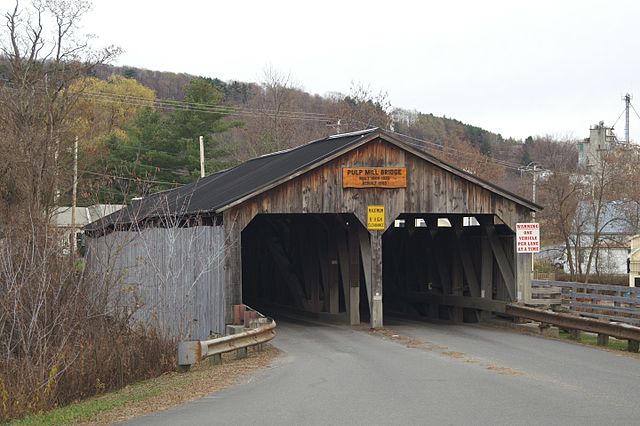
    Also known as the Seymour Street Bridge, this structure is one of the oldest in the country, dating back to around 1820. While still open to traffic, it has sidewalks for pedestrians.

    • Located in downtown Middlebury
    • Built with two lanes, a rarity among covered bridges
    • Perfect addition to a town stroll or college campus visit

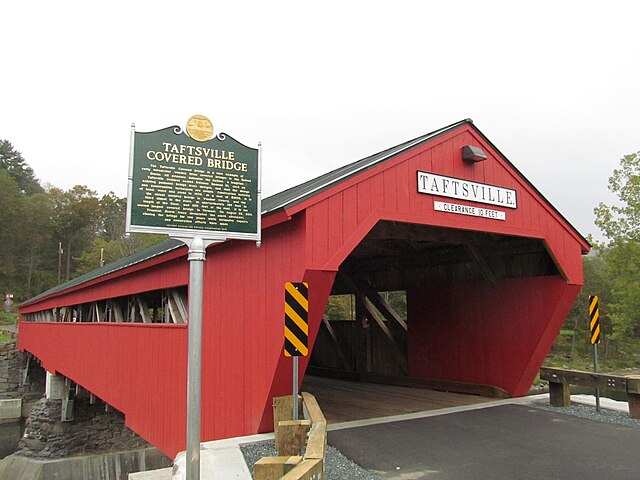
    5. Taftsville Covered Bridge – Woodstock Area

    Bright red and beautifully restored, Taftsville Bridge is a photogenic gem right off Route 4. It spans the Ottauquechee River and offers gorgeous views in every season.

    • Built in 1836 and one of Vermont’s longest covered bridges
    • Safe for foot traffic with a pedestrian lane
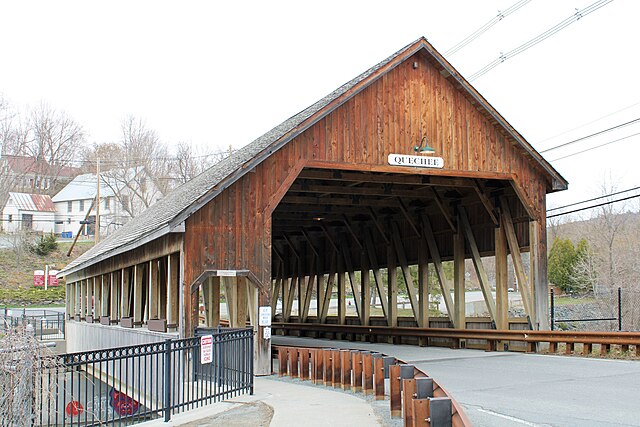
    • Combine with visits to Quechee Gorge and Woodstock Village

    6. Fisher Covered Bridge – Wolcott

    A rare covered railroad bridge, the Fisher Bridge is no longer used for trains or cars, making it a quiet and unique place to explore on foot.

    • Built in 1908 for the St. Johnsbury and Lamoille County Railroad
    • One of the only remaining railroad covered bridges in the state
    • Nearby parking and informational signage make it a good educational stop

    7. Northfield Falls Covered Bridges – Northfield

    This area is home to three bridges within a one-mile stretch, making it the perfect destination for a mini bridge walking tour.

    • Includes the Upper, Lower, and Slaughter House Covered Bridges
    • Beautiful walk along the Dog River with fall foliage in the background
    • Often less crowded than other tourist areas, great for families and photographers

    Add-On Ideas: Pair Your Bridge Visit With Local Attractions

    Make the most of your visit by combining covered bridge walks with local attractions:

    • Stowe: Follow Emily’s Bridge with a visit to the Alchemist Brewery or a creemee at Stowe Sweets.
    • Brattleboro: Pair the Creamery Bridge with downtown shopping or a hike up Wantastiquet Mountain.
    • Middlebury: Walk across the Pulp Mill Bridge, then grab a coffee in town or visit the local museum.
    • Woodstock/Quechee: Follow the Taftsville Bridge with a hike in Quechee Gorge or lunch at Simon Pearce.
    • Northfield: Bring a picnic to enjoy by the river after your bridge walk, or explore the Norwich University campus.

    Tips for Visiting With Kids

    Traveling with children? Covered bridges make for easy and rewarding mini adventures. Here are a few ways to keep it fun:

    • Turn it into a game: Create a “Covered Bridge Bingo” with items like “red bridge,” “river view,” “creemee stand nearby,” or “historic plaque.”
    • Bring strollers: Many bridges are stroller-friendly, especially the Creamery Bridge.
    • Pack a picnic: Kids love the novelty of eating by the water or on a grassy field near the bridge.

    Fun Facts About Vermont’s Covered Bridges

    Want to impress your travel buddies? Share these fun tidbits:

    • Why are they covered? The roofs protect the wooden trusses from weather damage, helping them last longer.
    • Oldest bridge: The Pulp Mill Bridge in Middlebury may date back to 1820.
    • Haunted? Emily’s Bridge in Stowe is known for ghost sightings and spooky tales.
    • Most bridges in one place: Northfield holds the title with three within a single mile.
    • Movie magic: Some Vermont bridges have appeared in films and documentaries about New England.

    Plan Your Route: Custom Map or Walking Tour

    If you’re traveling through Vermont, consider making your own route:

    Sample Itinerary: Central Vermont Day Trip

    1. Start in Woodstock at Taftsville Covered Bridge
    2. Drive to Northfield to walk all three bridges
    3. End the day at the Fisher Bridge in Wolcott

    Use Google Maps to pin all bridge stops and nearby attractions for an easy route.


    Final Thoughts: Walk Into Vermont’s History

    Covered bridges are more than scenic detours. They are living pieces of Vermont’s past, telling stories of farmers, builders, and small-town pride. Whether you’re visiting from out of state or just rediscovering your backyard, these bridges invite you to slow down, look around, and walk through a little slice of history.

    Ready to hit the road? Don’t forget your camera, your walking shoes, and your curiosity. And if you explore any of these covered bridges, tag Green Mountain Peaks to share your adventure.

    Looking for more ways to enjoy Vermont’s charm? Check out these posts:

    Let Vermont’s covered bridges guide your next walk into the past.

  • The Heart of Vermont: A Guide to General Stores

    The Heart of Vermont: A Guide to General Stores

    Step inside almost any general store in Vermont and you’ll feel it immediately. The creaky floorboards. The smell of hot soup or just-baked muffins. Shelves lined with everything from duct tape and maple syrup to wool socks and watercolor prints. Someone behind the counter will greet you with a nod, maybe even your name. This is not just a store. It’s the heart of the town.

    Vermonters don’t just shop at general stores. We rely on them. We gather in them. We remember our childhoods through them. Whether you live here or you’re visiting for the first time, general stores tell the story of Vermont in a way no museum or brochure ever could.

    Let’s take a closer look at what makes Vermont general stores so special and why they remain a beloved part of daily life across the state.


    1. What Makes a General Store, Well, General?

    A Vermont general store is not a gas station convenience store. It’s not a tourist trap gift shop. It’s something in between and something more.

    Here are a few defining traits:

    • All-in-one shopping. You can grab groceries, a sandwich, a screwdriver, and a birthday card all in one stop.
    • Local flavor. Most stores sell products made nearby, like honey, jam, pottery, or woodcrafts.
    • Authentic feel. Many have the same shelves, signage, and fixtures they’ve had for decades.
    • Real community. Bulletin boards display lost dog flyers, yoga class schedules, firewood for sale, and babysitting ads.

    Each store reflects the character of its town. Some are more rustic. Others have been updated with cafes and wine cellars. But the spirit is always the same.


    2. A Piece of History That Still Matters

    General stores in Vermont have been around since the late 1700s and early 1800s. Back then, most towns had one. Some had more. They were places where farmers traded goods, picked up mail, and got updates on local news. Many were the only places within walking or wagon distance to buy flour, lantern oil, or a new pair of boots.

    Over time, these stores became the social centers of small towns. They hosted debates about town budgets, doubled as post offices, and gave people a place to meet in the middle of winter when it felt like the world had gone silent.

    Even today, many Vermont general stores still:

    • Act as postal centers
    • Support local farms and artisans
    • Provide essential supplies during storms
    • Serve as landmarks and gathering spaces

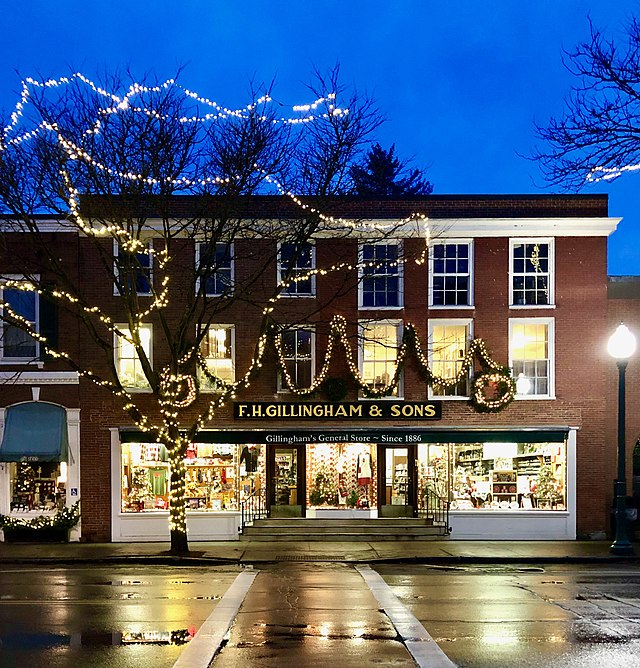
    A few have even been continuously open for over a century. Stores like F.H. Gillingham & Sons in Woodstock are not just shops. They are living history.


    3. Why Vermonters Still Count on Them

    Living in a small Vermont town comes with certain realities. Grocery delivery might not exist. The nearest chain store could be 45 minutes away. When the snow falls fast or the power goes out, the general store becomes your lifeline.

    Here are just a few reasons locals still turn to these stores:

    • Proximity. Many general stores are the only option for miles.
    • Reliability. They stay open during storms, holidays, and blackouts.
    • Familiarity. The person at the register probably knows your name and what kind of bread you like.
    • Community support. Buying from a general store keeps your money in town.
    • Comfort. There’s nothing like getting a hot coffee and a fresh-made breakfast sandwich from a place that feels like home.

    These stores are where people catch up with neighbors, hang out with friends, and pass down traditions.


    4. Why Visitors Love Them Too

    For tourists and out-of-staters, general stores offer a glimpse into the real Vermont. These are not curated experiences designed for photo ops. They are everyday places that feel timeless in the best way.

    Visitors often fall in love with general stores because:

    • They feel genuine. Nothing is staged or overly polished. It just is.
    • They have charm. Vintage cash registers, old advertisements, and handwritten signs feel like stepping into the past.
    • They offer great local products. From maple candy and small-batch hot sauce to handmade crafts, you can find treasures without the crowds.
    • They provide a pause. These stores let you slow down and breathe. No rush. No agenda. Just good food and friendly faces.

    When you visit Vermont, skipping the general store is like going to Paris and avoiding the cafés. You miss the point.


    5. Some Must-Visit Vermont General Stores

    If you’re planning a trip or just want to explore your own backyard, here are some general stores worth the stop.

    The Warren Store (Warren, VT)
    A classic that mixes a full deli, gourmet groceries, boutique shopping, and a porch view of the river.

    F.H. Gillingham & Sons (Woodstock, VT)
    One of the oldest general stores in the state, it sells cheese, wine, maple syrup, dry goods, and a lot of Vermont pride.

    Barnard General Store (Barnard, VT)
    Located next to Silver Lake, this store has become a summer tradition for many. Breakfast sandwiches and coffee on the porch are a must.

    Craftsbury General Store (Craftsbury, VT)
    Community-run and loaded with charm. It stocks fresh baked goods, seasonal produce, and pantry staples.

    Putney General Store (Putney, VT)
    Rebuilt after a fire thanks to donations and community determination. It’s a true comeback story that shows how much these stores mean.

    South Londonderry Village Market (South Londonderry, VT)
    Reopened under local ownership and now offers everything from groceries and wine to soups and sandwiches.

    Every one of these places has its own flavor. Visit a few and you’ll start to see the soul of Vermont.


    6. Why General Stores Are Thriving Again

    While many small businesses struggle, general stores are seeing something of a renaissance in Vermont. People want what they offer. Simplicity. Authenticity. Connection.

    Here’s what’s driving the renewed love:

    • A shift toward local. More Vermonters and visitors are choosing to support small businesses over chains.
    • Post-pandemic values. The last few years reminded everyone how valuable nearby, reliable resources are.
    • Revitalization efforts. Younger families and longtime residents are investing in general stores, giving them new life while preserving tradition.
    • More than a store. Many now offer events, art exhibits, or small cafes, making them part of the town’s cultural calendar.

    These aren’t relics. They’re anchors for what’s next.


    7. How You Can Support General Stores in Vermont

    Whether you’re a resident or a traveler, there are easy ways to help general stores stay strong.

    • Shop regularly. Even small purchases go a long way.
    • Buy locally made products. Every bottle of maple syrup or bar of handmade soap supports a second local business.
    • Talk to the staff. They’re usually happy to share town history or offer trail recommendations.
    • Write positive reviews. Mention them online so other travelers can find them.
    • Spread the word. Recommend your favorites to friends and family visiting Vermont.

    Supporting general stores means supporting communities.


    Final Thoughts

    Vermont’s general stores are not just about buying milk and bread. They are about connection. They are about memory. They are about place.

    If you’re new to Vermont, visiting for a weekend, or returning after a long time away, find the closest general store and walk through its door. Let the floor creak under your boots. Breathe in the scent of something baking. Take your time. Talk to someone. Pick up a jar of jam or a loaf of bread or a bar of soap that someone nearby made by hand.

    That’s the real Vermont.

    And if you already have a favorite general store, drop it in the comments. Let’s make sure these places get the love they deserve.

    One-Time
    Monthly
    Yearly

    Writing, wandering, and maple dreaming. Fuel the adventure with a coffee.

    Writing, wandering, and maple dreaming. Fuel the adventure with a coffee.

    Writing, wandering, and maple dreaming. Fuel the adventure with a coffee.

    Choose an amount

    $5.00
    $10.00
    $20.00
    $25.00
    $50.00
    $100.00
    $50.00
    $75.00
    $100.00

    Or enter a custom amount

    $

    Grateful as a Vermonter on the first sunny day after mud season, seriously, thank you.

    Grateful as a Vermonter on the first sunny day after mud season, seriously, thank you.

    Grateful as a Vermonter on the first sunny day after mud season, seriously, thank you.

    DonateDonate monthlyDonate yearly
  • Unique Vermont Town Names and Their Stories 🤔🗺️

    Unique Vermont Town Names and Their Stories 🤔🗺️

    Vermont has a reputation. Maple syrup. Ski towns. Progressive politics. Cozy inns. But look closer and you’ll find a wilder story etched into the signs nailed up along its winding backroads. This is a place where town names don’t just sound odd. They are odd. They beg questions. They pick fights with pronunciation. And they almost always come with a hell of a backstory.

    Here are a few of Vermont’s most unusual town names and the stories behind them.

    Calais

    Locals will tell you fast and without apology: it’s CALL-us, not ka-LAY. You want French elegance? Go to France. This Calais took the name during the Revolution as a nod to liberty, then twisted it into something that sounds more like a throat-clearing. It’s a small town with big opinions, dirt roads, and folks who prefer it that way. Mispronounce it and they’ll correct you with a smile that doesn’t quite reach the eyes.

    Belvidere

    Belvidere Pond in Vermont reflecting the trees during the fall season


    Sounds like it should have golf courses and luxury SUVs. What you’ll find is fewer than 400 people, a mountain that eats cell signals for breakfast, and some of the most staggeringly beautiful views this side of the Alps. The name comes from the Italian belvedere, meaning beautiful view. For once, the name isn’t a lie.

    Dummerston

    With a name like Dummerston, you might expect a punchline. But this town, founded in 1753, is anything but dull. It was named after William Dummer, an early colonial governor of Massachusetts. The name may raise eyebrows now, but Dummer was a respected political figure of his time.

    Dummerston is also famous for being the longtime home of author Rudyard Kipling. He wrote parts of The Jungle Book while living in a house called Naulakha, which still stands today.

    Tunbridge

    Tunbridge is best known for its historic fairgrounds and the Tunbridge World’s Fair, which has been running since 1867. But the town’s name reflects a much older tradition. It was named after Tunbridge Wells in England, a fashionable spa town in the 1700s.

    The Vermont version stuck to its farming roots. Today, Tunbridge is a poster child for rural life, known for covered bridges, heritage breeds, and a tight-knit community that turns out for the fair every September.

    Wheelock

    Now this one has a perk. Wheelock, located in Caledonia County, was named after Eleazar Wheelock, the founder of Dartmouth College. Thanks to an old land grant arrangement, Dartmouth students who are from Wheelock are eligible for free tuition at the Ivy League school.

    It’s a small town with a big-time scholarship attached. And yes, there have been students who moved there just to qualify.

    Braintree

    Braintree might sound like a tech startup, but it’s actually a sleepy little town in Orange County. It was named after Braintree, Massachusetts, which was named after Braintree, England. The name might evoke images of brains and intellect, but the Vermont version is far more known for hiking trails and maple trees than academics.

    Still, it does make a great trivia question: “What Vermont town sounds like it should be full of geniuses but is actually mostly cows and forests?”

    Victory

    Victory is one of the most remote towns in the state, with only about 70 full-time residents. It didn’t even get electricity until the 1960s, making it the last town in Vermont to be connected to the grid.

    Its name is bold and dramatic, but the origin is unclear. Some believe it was named to celebrate a victory in the Revolutionary War, while others say it was just a name chosen to attract settlers. Either way, Victory stands strong — even if it is mostly trees, moose, and dirt roads.

    Satan’s Kingdom

    Yes, it’s real. No, it’s not a full town, but it’s definitely worth mentioning.

    Satan’s Kingdom is a remote area in the northeastern part of Leicester. The name has puzzled and amused travelers for generations. Local legends vary, but one theory is that early settlers gave it the ominous name because of how rugged, rocky, and swampy the land was.

    There’s not much there now, but let’s be honest — you kind of want to go visit just to say you’ve been to Satan’s Kingdom, Vermont.

    The Northeast Kingdom

    It’s not a town, it’s a whole region and the name has stuck for over 75 years.

    The term Northeast Kingdom was coined in 1949 by Governor George Aiken to describe the rugged, wild corner of Vermont made up of Essex, Orleans, and Caledonia counties. The name caught on fast, and today it’s used in everything from tourism brochures to high school names.

    The Northeast Kingdom has a vibe all its own. Think deep forests, tiny towns, glacial lakes, and some of the most breathtaking fall foliage in the country. The name might sound royal, but life here is more about wood stoves, dirt roads, and star-filled skies.


    Vermont’s town names are as unique and unforgettable as its landscapes. Whether it’s a mispronounced French word, a bold declaration like Victory, or a place straight out of a horror novel, these names all come with a story — and a little bit of Vermont attitude.

    So next time you’re driving through the Green Mountains and see a quirky name on a sign, take a second to wonder what tale might be behind it.

  • How Vermont Shaped American Agriculture 🌱

    How Vermont Shaped American Agriculture 🌱

    When people think of Vermont, they picture foliage porn and maple everything. Postcard-perfect barns. Maybe a Bernie meme. But underneath all that wholesome, flannel-wrapped charm is a quiet agricultural revolution. One that did not come from think tanks or Silicon Valley food labs, but from stubborn farmers, anarchist cheesemakers, and back-to-the-landers with dirt under their fingernails.

    This is where America’s food conscience was born. And not in some loud, self-congratulatory way. Vermont just did the work.

    Hard Land, Hard People

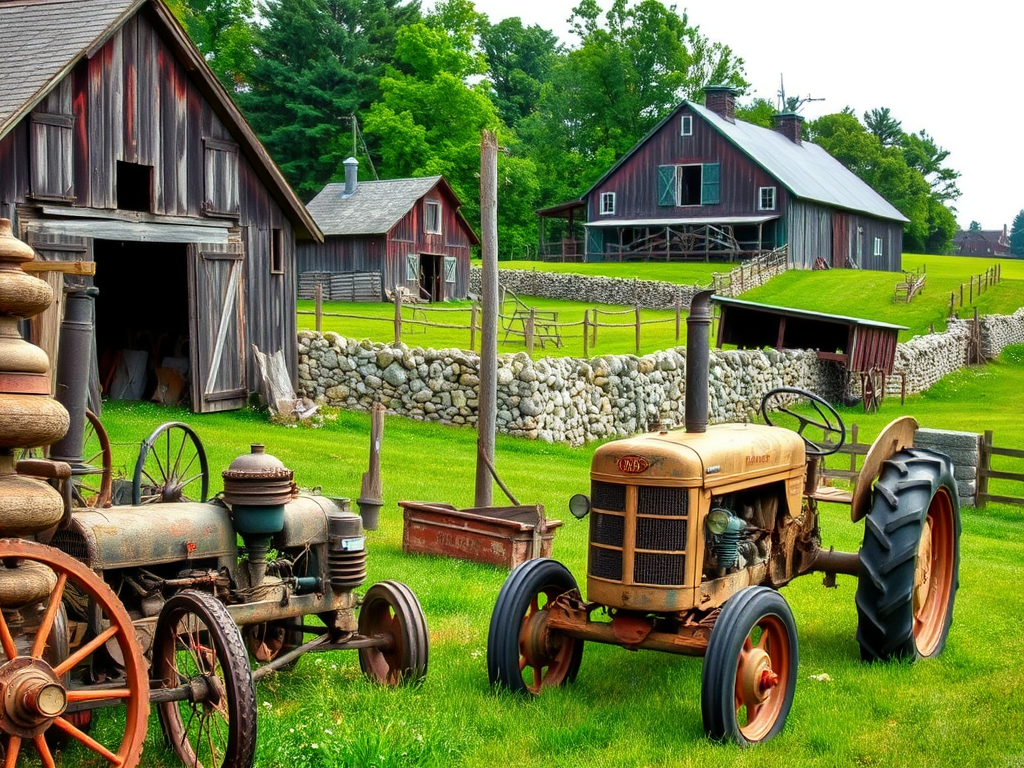
    You do not farm in Vermont because it is easy. You farm here because you do not know how not to. The soil is rocky. Winters drag on. The growing season is short and unpredictable. But the people? They are tougher than all of it. Since the 1700s, they have carved lives out of these hills, growing root vegetables, tending sheep, milking cows. Not to build an empire, just to eat.

    While the South built fortunes on enslaved labor and the Midwest doubled down on scale, Vermont stayed small. It stayed close to the land. That was never a marketing strategy. It was survival.

    From Sheep to Cows 🐑 🐮

    In the 1800s, Vermont was overrun with sheep. Merino wool was gold, and at one point there were more sheep here than people. The economy rode high on wool until the market collapsed. The sheep left. The farmers pivoted.

    Dairy rose from the ruins. Not as a trend, but as a way forward. And Vermont did not just produce milk. It set the bar. Cooperative creameries, sanitation standards, pasteurization. While others were selling watery milk, Vermont was delivering quality. By the early 20th century, its butter, cheese, and cream had a reputation that stretched well beyond New England.

    The Revolution Was Local

    The back-to-the-land movement in the 60s and 70s brought in a new wave of dreamers. These were not corporate types. They were idealists who wanted to grow food that mattered. They planted heirloom vegetables before most people knew what that meant. They raised animals with care, composted everything, and questioned the chemicals being dumped on food elsewhere.

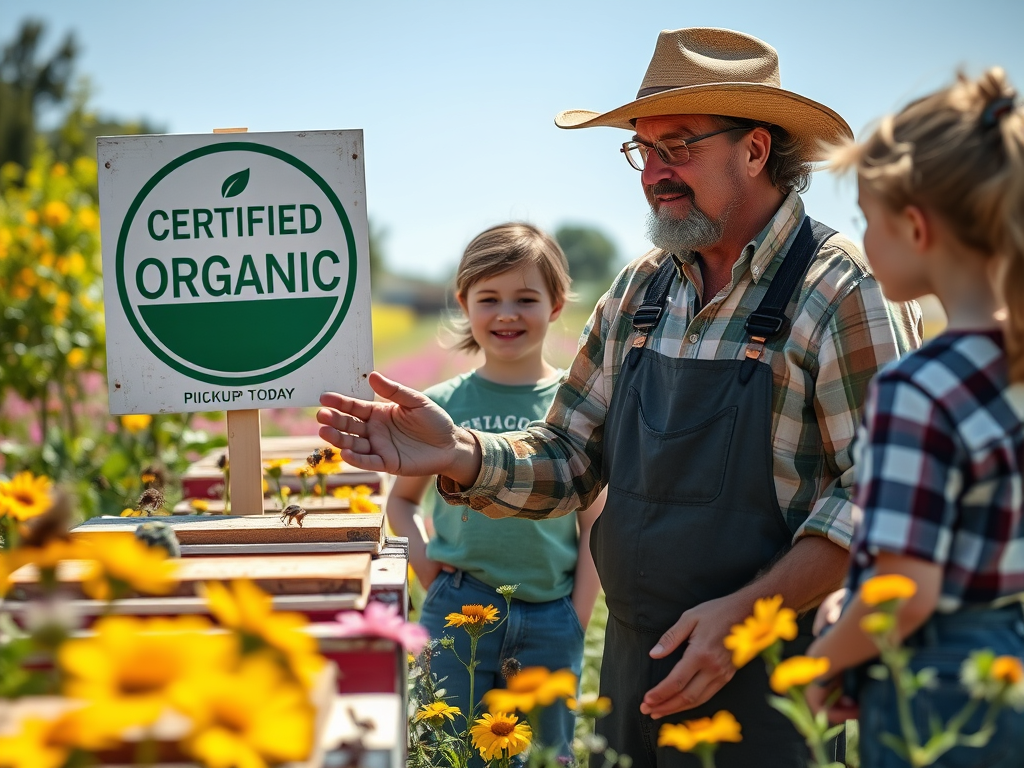
    Out of this came some of the first certified organic farms in the country. Vermont did not follow the trend. It helped invent it. Farmers markets, community supported agriculture, and farm-to-table dining were just life here before they became national buzzwords.

    Saving the Land for the Right Reasons

    While other states sold farmland to developers and slapped up condos, Vermont chose a different path. In 1987, voters approved a statewide fund to protect farmland and keep it in the hands of those who actually farm.

    Since then, over a thousand farms have been saved from development. The goal was never nostalgia. It was about keeping the soul of the state intact. Today, new farmers still have a shot at working the land without losing it to the highest bidder.

    On the Front Lines of Climate Change

    Vermont is not just holding the line on good farming. It is pushing forward. Farmers here are leading the way with regenerative practices, cover cropping, no-till methods, and pollinator-friendly policies. The state has passed some of the most progressive agricultural laws in the country to reduce runoff and protect water quality.

    None of this is glamorous. It is hard work, done by people who care more about the soil than social media.

    The Legacy

    Vermont has never been about feeding the world. It has been about doing things right. You will not find massive grain silos or sprawling industrial feedlots here. But you will find farmers who give a damn. About the land. About their animals. About their neighbors.

    So the next time you bite into a crisp apple, taste real milk, or stroll through a farmers market, there is a good chance the blueprint for that experience came from a quiet hillside farm in Vermont.

    No billboards told you that. The food did.

  • Why Montpelier Became Vermont’s Capital: A Historical Perspective

    Why Montpelier Became Vermont’s Capital: A Historical Perspective

    Nestled along the banks of the Winooski River and framed by rolling green hills, Montpelier stands as a charming testament to Vermont’s unique spirit. With a population just shy of 8,000 residents, it holds the title of the smallest state capital in the entire nation. But despite its modest size, Montpelier’s history is anything but small.

    A New State Needs a Center

    When Vermont officially became the 14th state in 1791, it needed a permanent seat of government. At the time, no single town dominated Vermont’s landscape. Towns like Windsor and Bennington were influential, but settlers were still pushing into the rugged heart of the Green Mountains. Leaders wanted a capital that was geographically central, making it easier for representatives from all corners of the state to meet.

    In 1805, after several years of debate, the Vermont legislature chose Montpelier. The decision was largely practical. Montpelier’s central location, its accessibility by early road networks, and a generous offer of land from local citizens helped seal the deal.

    At the time, Montpelier was little more than a small village. Once the legislature arrived, though, hotels, inns, shops, and law offices sprang up almost overnight. The town’s transformation from a sleepy river community to the political heart of Vermont had begun.

    Why Montpelier and Not Burlington?

    Burlington was, and still is, Vermont’s largest city. So why was the bustling lakeside hub overlooked?

    There were a few reasons. Burlington was seen as too far north and too heavily focused on commerce instead of politics. Many citizens feared that placing the capital in a commercial city would shift the government’s priorities away from ordinary farmers, who made up most of Vermont’s population. Montpelier’s location closer to the center of the state symbolized fairness and neutrality. Choosing Montpelier sent a message that Vermont’s government was meant to be accessible to everyone, not just the wealthy or powerful.

    Building the Statehouse

    The first Vermont State House in Montpelier was a modest wooden building completed in 1808. It served its purpose for a time, but as the town and the government grew, so did the need for a grander structure.

    By 1833, a new, more impressive State House was built using local granite and featuring a Greek Revival style. Unfortunately, a fire in 1857 destroyed much of that building. Rising from the ashes, Vermont commissioned a third State House, designed by architect Thomas Silloway, which opened in 1859.

    Today’s State House, topped with its iconic gold dome, is one of the best-preserved examples of Greek Revival architecture in the United States. It stands as a proud symbol of Vermont’s resilience and commitment to preserving its history.

    A Capital That Stays True to Its Roots

    Unlike many state capitals that expanded into sprawling cities, Montpelier has kept its small-town charm. There are no major highways cutting through the downtown area, and the skyline remains modest. Even the busiest parts of Montpelier feel personal, cozy, and community-driven.

    The people of Montpelier take pride in supporting local businesses, fostering strong community ties, and maintaining a government that feels approachable. You will not find towering skyscrapers or endless stretches of suburbia here. In fact, Montpelier holds another unusual title. It is the only state capital in the United States without a McDonald’s.

    This absence is not because Montpelier is anti-fast food. It simply reflects the city’s fierce commitment to keeping things local and preserving its small-town feel. Instead of chain restaurants, you will find independent cafés, bakeries, and restaurants, many of which feature Vermont-grown ingredients.

    Montpelier’s small size also means politics stay personal. It is not uncommon to bump into state representatives at the local farmers market, library, or coffee shop. Here, democracy feels much closer to home.

    Montpelier’s Role Today

    Montpelier is more than just the seat of Vermont’s government. It is a lively center for arts, culture, and activism. The city is home to the Vermont College of Fine Arts, independent galleries, bookstores, and a thriving local food scene.

    It is also known for its civic engagement. Montpelier consistently ranks among the highest in the country for voter turnout and community activism. Whether it is an Independence Day parade, a rally on the State House lawn, or the whimsical “March of the Penguins” parade in the middle of winter, Montpelier finds ways to celebrate both tradition and change.

    A Small City with a Big Story

    Montpelier’s story proves that influence is not measured by size. This tiny capital helped shape a state known for its independent spirit, strong sense of community, and political innovation. From early debates over statehood to modern efforts to protect the environment and promote social justice, Montpelier has stood firmly at the center of Vermont’s story.

    It may be the smallest state capital in the nation, but its heart, its history, and its impact are larger than life.

  • How Vermont Became the 14th State: A Wild and Independent History

    How Vermont Became the 14th State: A Wild and Independent History

    Tucked between the Adirondacks and the White Mountains, Vermont holds a one-of-a-kind place in American history. While most states followed a standard path to statehood, Vermont took an entirely different route. It forged its own identity through revolution, negotiation, and an unwavering sense of independence.

    From disputed land claims to a peaceful, condition-free admission into the Union, Vermont’s journey to becoming the 14th state reflects the bold and resilient spirit of the Green Mountains.

    🗺️ Before Vermont: A Land Caught in Conflict

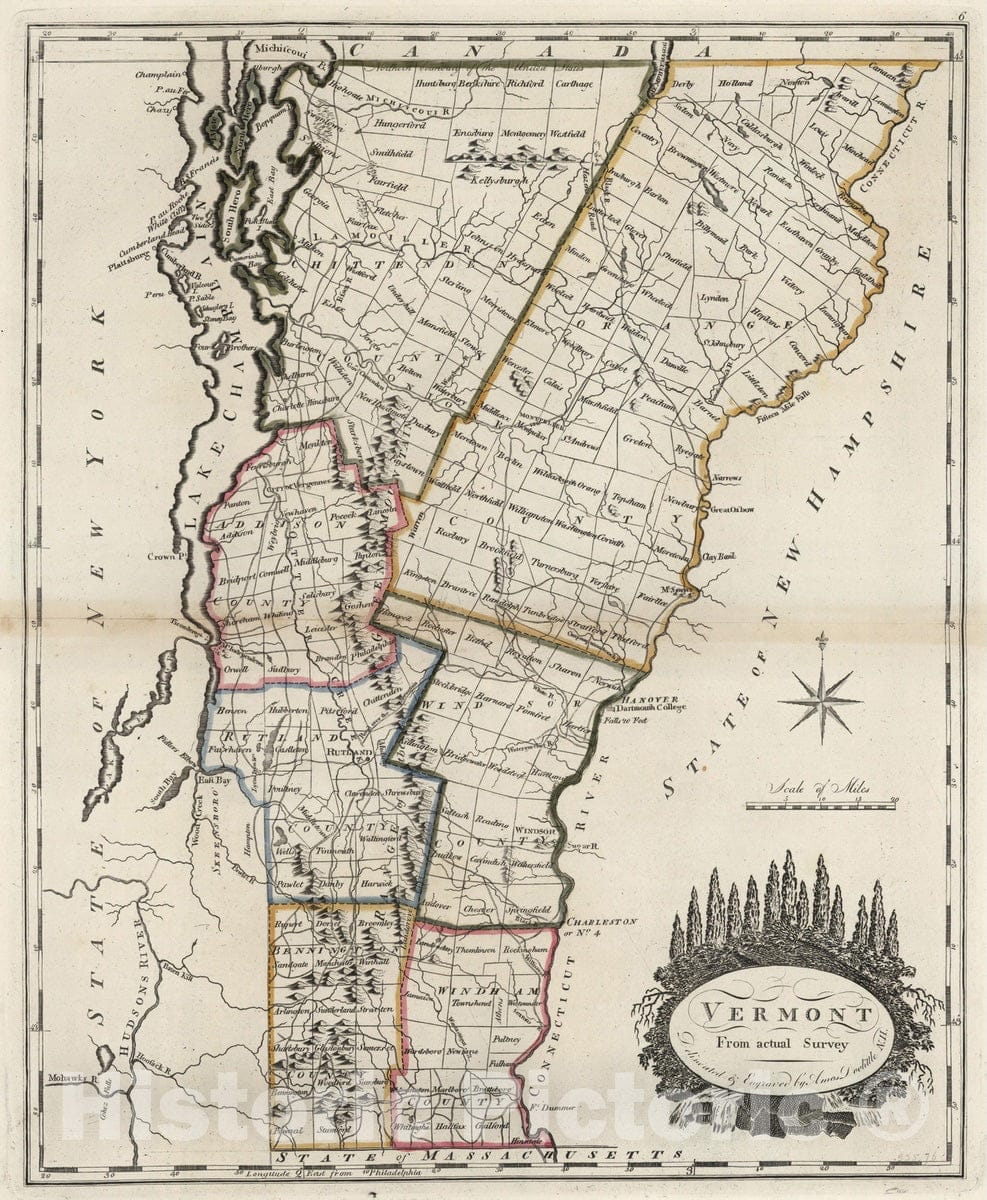
    In the early 1700s, the region we now know as Vermont was the subject of fierce territorial disputes. Both New York and New Hampshire claimed ownership.

    In 1749, New Hampshire’s Royal Governor, Benning Wentworth, began issuing land grants west of the Connecticut River. These became known as the New Hampshire Grants. However, New York insisted that it held jurisdiction over the same territory.

    This conflict was more than a legal disagreement. It sparked the rebellious energy that would come to define Vermont’s future.

    ⚔️ Enter the Green Mountain Boys

    As New York attempted to enforce its claims, settlers in the New Hampshire Grants organized a resistance. At the heart of this movement was the Green Mountain Boys, a militia led by Ethan Allen.

    These settlers were not just defending land titles. They were protecting the principle of local control and self-governance.

    “Come out of there, you damned old rat”

    Ethan Allen

    The Green Mountain Boys became folk heroes. They symbolized the fierce independence that still defines Vermont today.

    🔥 The Revolutionary War and Vermont’s Declaration of Independence

    When the American Revolution erupted in 1775, Vermont settlers quickly took up arms against British rule. Ethan Allen and the Green Mountain Boys captured Fort Ticonderoga, providing critical artillery for the Continental Army.

    However, Vermont remained in an unusual political limbo. It was not officially recognized as part of any colony or future state.

    On January 15, 1777, delegates from across the New Hampshire Grants met in the town of Westminster, Vermont. There, they declared independence not from Britain, but from both New York and New Hampshire. This gathering, known as the Westminster Convention, marked the birth of the Republic of Vermont.

    The new republic was initially called New Connecticut. That name was soon changed to Vermont, derived from the French phrase verts monts, meaning “green mountains.”

    Later that year, Vermont adopted a constitution that was revolutionary for its time:

    • It abolished adult slavery
    • It granted voting rights to all men, regardless of property ownership
    • It supported public education

    For the next 14 years, Vermont operated as a fully independent republic. It had its own postal system, currency, and even conducted foreign diplomacy.

    🤝 Why Wasn’t Vermont Immediately Admitted?

    You might wonder, if Vermont was so eager, why was it not immediately Despite its democratic values and contributions to the war, Vermont was not welcomed into the Union right away.

    New York continued to object to Vermont’s admission, still upset about the earlier land disputes. Some leaders in the Continental Congress also feared that admitting Vermont would encourage other regions to break away and declare independence.

    Adding to the tension, Vermont’s political views were more aligned with the anti-slavery northern states. At a time when the balance between North and South was delicate, Vermont seemed politically inconvenient.

    Vermont’s leaders did not give up. While maintaining independence, they quietly negotiated behind the scenes. Eventually, Vermont agreed to pay New York thirty thousand dollars to settle its territorial claims. Vermont also signaled that it would align politically with northern states.

    With those compromises in place, Vermont’s admission became possible.

    📜 March 4, 1791: Vermont Becomes the 14th State

    On March 4, 1791, Vermont officially became the 14th state in the United States. It was the first state added after the original 13 colonies.

    This moment was historic for several reasons:

    • Vermont entered as a free state
    • It was the only state, outside of the original 13, to be admitted without any conditions
    • It showed that a region could join the Union through peaceful negotiation, not war or conquest
    • It proved that independent governments could become part of the United States without giving up their identity

    “Vermont was born in controversy, grew up in opposition, and has been nursed in adversity.”

    Ira Allen | The Natural and Political History of the State of Vermont (1798)

    Today, March 4 is quietly remembered by Vermont historians as a symbolic day that honors the state’s proud and independent spirit.

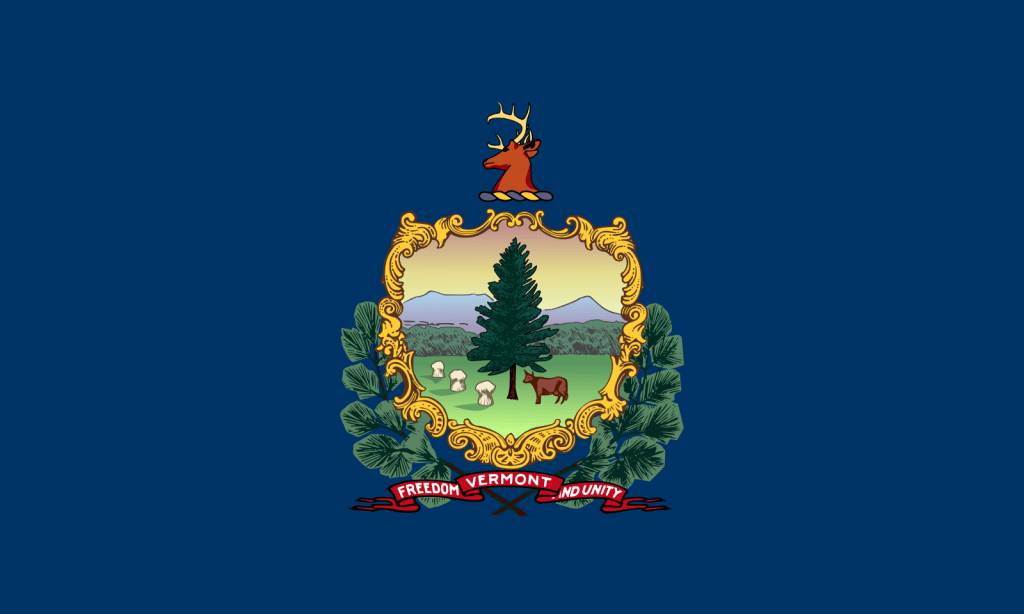
    The Flag of Vermont | Adopted June 1, 1923 | Motto: “Freedom and Unity”

    🏔️ Vermont’s Legacy of Independence

    The story of how Vermont joined the Union continues to shape its culture and politics.

    Even now, Vermonters value:

    • Local control and small government
    • Political moderation and pragmatism
    • Historical figures like Ethan Allen and the Green Mountain Boys

    Whether resisting New York authorities or navigating complex diplomacy, Vermont’s leaders proved that conviction, courage, and patience could achieve statehood without violence.

    Drive through Vermont’s scenic roads and you’ll find echoes of its revolutionary spirit in every village green and stone wall.

    🌲 Final Thoughts

    Vermont’s path to statehood was never just about geography or borders. It was about principles.

    From the very beginning, Vermonters believed in freedom, fairness, and self-reliance. Those same values that inspired them to declare independence in 1777 continue to define the state today.

    What makes Vermont’s story so remarkable is how it joined the Union. It did not rely on conquest or political favor. Instead, it used diplomacy, persistence, and a deep commitment to its ideals.

    More than two centuries later, Vermont stands as a powerful example of how a small, determined republic earned its place in the United States while staying true to its identity.

  • The Green Mountain Boys: Vermont’s Legendary Founders

    The Green Mountain Boys: Vermont’s Legendary Founders

    When most people think about the founding of America, they picture Boston, Philadelphia, or maybe the battlefields of Virginia.
    But hidden in the rugged hills of the Northeast, another group of patriots fought for their land, their freedom, and their future: the Green Mountain Boys.

    Their story is one of rebellion, resilience, and a fierce pride that still defines Vermont today.


    🌲 Who Were the Green Mountain Boys?

    The Green Mountain Boys were a militia formed in the 1760s, made up of settlers living in the area known then as the New Hampshire Grants – what would eventually become the state of Vermont.

    At the time, these settlers found themselves trapped in a brutal land dispute:

    • New York claimed authority over the region.
    • New Hampshire had already issued land grants to the settlers.
    • The people living there? They had no intention of surrendering their homes to distant bureaucrats.

    Led by the fiery and charismatic Ethan Allen, the Green Mountain Boys fought to defend their land from New York authorities.
    They weren’t official soldiers – they were farmers, blacksmiths, and tradesmen willing to pick up arms to protect what was theirs.


    ⚔️ A Band of Rebels

    The Green Mountain Boys became notorious for their guerrilla tactics.
    They physically ejected New York officials, tore down fences, and sometimes used outright force to protect local settlers.

    To New York’s leadership, they were lawless criminals.
    To their neighbors, they were heroes.

    Their unofficial slogan could have easily been:

    “Live free or fight trying.”

    This independent spirit would become a defining feature of Vermont’s identity for centuries to come.


    🇺🇸 Their Role in the American Revolution

    When the American Revolution erupted in 1775, the Green Mountain Boys didn’t hesitate to join the fight – but on their own terms.

    Their most famous achievement:

    • In May 1775, Ethan Allen and a small band of Green Mountain Boys captured Fort Ticonderoga from the British.
    • The attack was swift, early in the morning, and almost bloodless.
    • Crucially, the victory gave the Continental Army much-needed cannons and artillery, which later helped drive the British out of Boston.

    Without the Green Mountain Boys, America’s early military campaigns might have looked very different.


    🛡️ Vermont’s Birth and Legacy

    During the Revolution, the settlers declared their independence – not just from Britain, but from New York too.
    In 1777, they formed the Republic of Vermont – a sovereign nation that existed for 14 years before Vermont officially joined the United States in 1791.

    Vermont’s fiercely independent spirit, born with the Green Mountain Boys, remains alive today.
    You can feel it in Vermont’s deep-rooted commitment to local governance, environmental stewardship, and a culture that proudly does things a little differently.

    The Green Mountain Boys may have started as a ragtag group of land defenders, but they ended up founding a state – and influencing a nation.


    ✍️ Final Thoughts

    The story of the Green Mountain Boys is not just a chapter in Vermont’s history; it’s a story about the enduring power of local communities, ordinary people willing to stand up for their rights, and the rugged spirit that continues to define the Green Mountain State.

    Next time you walk Vermont’s hills or drive its back roads, remember:
    You’re traveling the same paths once guarded by some of America’s earliest – and fiercest – freedom fighters.