Discover Vermont, One Story at a Time 🏔️

Local culture, season adventures, small towns,
and the honest side of life in the Green Mountains


Category: Seasonal Vermont

Experience Vermont through the seasons. Whether it’s fall foliage, spring hikes, summer festivals, or winter traditions, this category highlights the best of Vermont all year long.

  • What to Pack for a Vermont Summer Trip: A Local’s 10-Item Checklist

    What to Pack for a Vermont Summer Trip: A Local’s 10-Item Checklist

    Summer in Vermont is a special kind of magic. Between mountain hikes, winding scenic roads, lake days, creemee stops, and farmers markets, there’s something for every kind of traveler. But if you think summer here is all sunshine and picnic blankets, think again. Weather changes fast, bugs are relentless, and your phone might stop working the second you enter the Green Mountains.

    Whether you’re planning a weeklong family road trip or a spontaneous weekend getaway, packing the right gear makes all the difference. As a Vermont local, I’ve seen tourists caught off guard by chilly evenings, muddy trails, or sudden downpours. These ten must-haves will keep you prepared and ready to enjoy every part of your Vermont summer adventure.
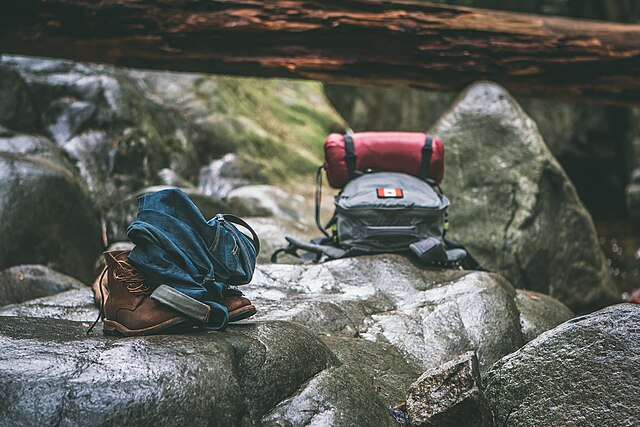

    1. Weather-Ready Clothing (Layers Are Key)

    One moment it’s 80 degrees and sunny, the next it’s 60 with rain clouds rolling in over the mountains. Packing layers is the smartest way to stay comfortable.

    What to bring:

    • Moisture-wicking T-shirts
    • Lightweight fleece or hoodie
    • Packable rain jacket
    • Long pants and shorts
    • Hat for sun or warmth

    Local tip: Always keep a sweatshirt or light jacket in your daypack. Even in July, the mountain air can get brisk at sunset.


    2. Insect Repellent for Black Flies and Mosquitos

    Vermont is stunning in the summer, but it’s also home to black flies, deer flies, and mosquitos, especially near water or wooded areas. If you’re hiking, camping, or even walking by a river, bug spray is non-negotiable.

    What to pack:

    • DEET-based spray or picaridin
    • Natural citronella-based alternatives
    • Bug-repellent bracelets for kids
    • Anti-itch cream, just in case

    Local tip: Apply repellent before heading out in the morning, especially if you’re venturing near lakes or deep forest trails.


    3. Durable Footwear for All Terrain
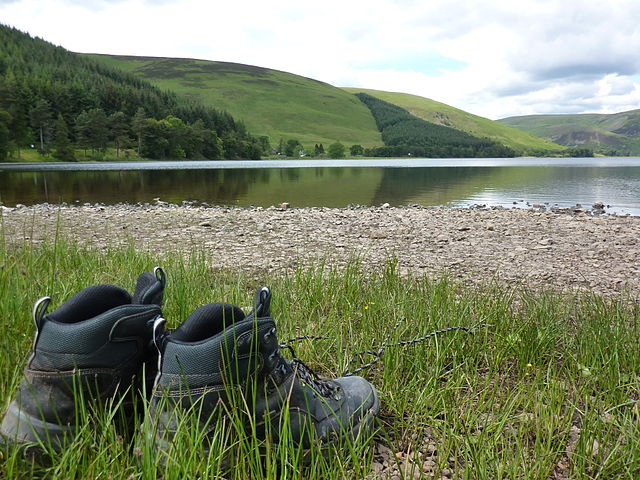
    From muddy trails to gravel roads to mountain ledges, Vermont terrain is not sandal-friendly. Even an easy hike can turn into a slippery adventure after a rainstorm.

    Recommended footwear:

    • Waterproof hiking boots or trail shoes
    • Sturdy sneakers with traction
    • Flip flops or slides (only for swimming areas)

    Local tip: Many waterfalls and trails involve walking across rocks or through shallow water. Non-slip soles are your friend.


    4. Reusable Water Bottle (Hydration is a Must)

    You’ll be outside a lot, and Vermont summers can be surprisingly hot and humid. Keep a refillable water bottle with you at all times.

    Why it matters:

    • Most state parks, welcome centers, and trailheads have refill stations
    • Helps cut down on plastic waste
    • Vermont has excellent tap water—take advantage

    Local tip: Bring a carabiner or loop so you can attach it to your bag during hikes or shopping trips.


    5. Sun Protection (Even in the Green Mountains)

    You might not think about sunburn in the woods, but trust me, the Vermont sun sneaks up on you, especially near lakes or on open ridge hikes.

    What you need:

    • Broad-spectrum sunscreen (SPF 30 or higher)
    • Sunglasses with UV protection
    • Brimmed hat or baseball cap

    Local tip: Reapply sunscreen often, especially if you’re swimming, sweating, or at higher elevations.


    6. Swimsuit and Quick-Dry Towel for Spontaneous Dips

    Between waterfalls, swimming holes, lakes, and rivers, Vermont offers endless opportunities to cool off. Many aren’t marked, and the best ones are usually found by accident.

    Bring along:

    • Comfortable swimsuit
    • Microfiber or quick-dry towel
    • Water shoes if you plan on rock-hopping

    Local tip: You never regret packing a swimsuit in Vermont. You only regret forgetting one when you find that perfect swimming spot.


    7. Daypack or Tote Bag for Day Trips

    You’ll want something light but durable to carry your essentials while you explore. Whether it’s a morning at the farmers market or an afternoon on the trail, a good bag goes a long way.

    Pack should include:

    • Sunscreen
    • Water
    • Snacks
    • Map
    • Extra layer

    Local tip: Look for waterproof or washable material—Vermont mud is legendary.


    8. Offline Maps or a Physical Guidebook
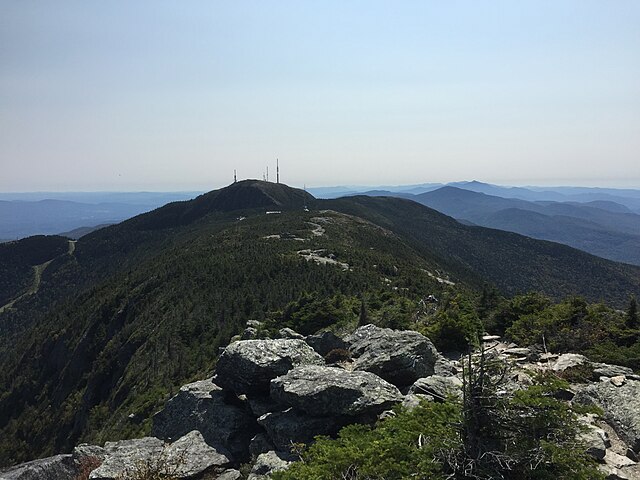
    Cell service can disappear fast, especially in places like Smugglers’ Notch, the Northeast Kingdom, or along scenic Route 100. Don’t rely solely on your phone.

    What to use:

    • Download maps from AllTrails or Google Maps ahead of time
    • Bring a printed state park guide or road atlas
    • Use a Vermont-specific travel guide

    Local tip: Don’t be surprised if your GPS reroutes weirdly or loses signal. Ask locals for directions when in doubt – we’re friendly and usually know the shortcuts.


    9. Snacks and Maple Treats

    Road trips and outdoor adventures mean you’ll get hungry often. Keep something on hand that both fuels and celebrates your Vermont trip.

    Great options:

    • Maple sugar candy
    • Local granola
    • Vermont cheddar and crackers
    • Trail mix with maple-glazed nuts

    Local tip: Grab snacks at co-ops or farm stands instead of big grocery stores – you’ll support local businesses and find better flavors.


    10. Phone Charger and Extra Storage for Photos

    Covered bridges, panoramic views, cute general stores—you’re going to take a lot of photos. Make sure you don’t run out of juice or space.

    Don’t forget:

    • Portable power bank
    • Car charger
    • Extra SD card or cloud storage space

    Local tip: If you’re near the Canadian border, put your phone in airplane mode or turn off roaming to avoid surprise charges.


    Bonus: Things You Probably Don’t Need

    It’s easy to overpack for Vermont. Here’s what you can safely leave at home:

    • High heels or formal wear (Vermont is very casual)
    • Single-use plastics
    • Hair straighteners or heavy makeup (humidity and bugs win every time)

    Local insight: Embrace the laid-back vibe. You’re not underdressed, you’re perfectly Vermont-dressed.


    Final Thoughts: Vermont is Wild, Wonderful, and Worth Preparing For

    There’s no place quite like Vermont in the summer. With a little preparation and the right essentials, you’ll be ready to enjoy everything from trail walks to farmers markets to maple creemee runs. Keep your packing light, practical, and adventure-ready.

    Whether you’re floating on a lake, spotting fireflies at a campground, or driving past green pastures with the windows down, these 10 essentials will help you do it all in comfort.

    What did we miss? Drop your Vermont summer must-haves in the comments!

  • What Is a Vermont Maple Creemee? The Story Behind Vermont’s Most Iconic Summer Treat

    What Is a Vermont Maple Creemee? The Story Behind Vermont’s Most Iconic Summer Treat

    Imagine a warm Vermont summer day. What’s better than a cold, sweet treat to beat the heat? Maple creemees are the answer. These frozen delights aren’t just desserts; they are a symbol of Vermont’s soul. Over the years, they’ve become a summer ritual for locals and visitors alike. Understanding what makes maple creemees so special helps you truly see why they’re a summer must-have in Vermont.


    The Origins and Cultural Significance of Maple Creemees

    1. Historical Roots of Maple Syrup in Vermont

    • Vermont leads the nation in maple syrup production.
    • Sugaring is a cherished seasonal tradition, with generations of Vermonters collecting sap from sugar maples.
    • This local syrup has been used in homes for baking, glazing, and of course, drizzling on pancakes.

    2. The Evolution of Maple Creemees as a Summer Treat

    • Around the 20th century, locals began experimenting with freezing maple syrup into soft-serve form.
    • These early creemees became a hit at local fairs and roadside stands.
    • Today, they’re a beloved summer staple, especially during warm months when Vermont comes alive with outdoor events and festivals.

    3. Cultural Connection

    • A Vermont historian puts it best: “Maple creemees aren’t just dessert. They’re a flavor of summer, blending history, land, and community.”
    • Eating one feels like taking part in a tradition that stretches back generations.
    • They’ve become a seasonal ritual that connects people, place, and taste.

    Why Maple Creemees Are a Must-Have Summer Treat

    1. Refreshing and Unique Flavor

    • Made with rich Vermont maple syrup, the flavor is smoother and more complex than standard vanilla.
    • Many stands add fun toppings like crushed nuts, caramel, and seasonal fruit.
    • The taste is unmistakably Vermont and instantly memorable.

    2. A Taste of Vermont’s Landscape

    • Many creemees are made using syrup from nearby trees and cream from local farms.
    • Supporting creemee stands means supporting Vermont agriculture.
    • Each spoonful is a delicious way to stay connected to the land.

    3. Built-In Social Experience

    • Creemee stands are popular gathering spots for families, hikers, and locals alike.
    • They’re often found at trailheads, general stores, or in the heart of small towns.
    • Sharing a creemee with others adds to the summer experience and creates sweet memories.

    4. A Cultural Icon

    • Many chefs and locals see maple creemees as a symbol of Vermont identity.
    • Small creemee stands and producers take pride in perfecting their own unique recipes.
    • It’s a treat that celebrates tradition while allowing for creativity.

    What Makes Maple Creemees Different from Regular Ice Cream

    1. Real Maple Syrup, Always

    • The defining ingredient is pure Vermont maple syrup.
    • Unlike many commercial soft serves, creemees don’t rely on artificial flavorings.
    • The result is a natural sweetness that’s rich and satisfying.

    2. Handmade and Small Batch

    • Most are made fresh daily in small batches.
    • This ensures a dense, creamy texture that sets them apart from commercial soft serve.
    • Each batch reflects the care and craft of its maker.

    3. Local and Sustainable Ingredients

    • Vermont creemees often feature milk, cream, and syrup sourced nearby.
    • This emphasis on local ingredients reduces environmental impact.
    • It also supports farmers, sugar makers, and the community at large.

    4. Creamier Texture and Richer Flavor

    • Compared to regular soft serve, creemees are denser and more indulgent.
    • The texture is velvety, and the maple flavor is front and center.
    • It’s a taste that lingers, unlike the quick-melt, airy quality of standard ice cream.

    Where to Find the Best Maple Creemees in Vermont

    1. Iconic Stands and Shops to Visit

    • Morse Farm Maple Sugarworks (Montpelier): Famous for creemees served with maple sprinkles.
    • Palmer Lane Maple (Jericho): A local favorite with perfect swirls and welcoming service.
    • Canteen Creemee Company (Waitsfield): Known for inventive seasonal toppings and gourmet twists.

    2. Seasonal Events and Festivals

    • Vermont Maple Festival (St. Albans): Held every spring with food, music, and plenty of creemees.
    • Local summer farmers markets: Often have pop-up creemee stands from nearby farms.
    • County fairs and sugarhouse tours: Great spots for trying creemees while learning more about maple syrup production.

    3. Tips for a Great Creemee Experience

    • Visit between June and early September for peak freshness and availability.
    • Try a twist (maple + vanilla) if you’re new to the flavor.
    • Ask the vendor about the syrup source to learn more about its origin.
    • Bring cash, as some roadside stands don’t accept cards.

    Tips for Making the Most of Your Vermont Maple Creemee Experience

    1. Plan for Peak Season

    • Summer, especially July and August, is the best time to indulge.
    • Many seasonal stands close after foliage season.

    2. Sample Around

    • Don’t settle for just one creemee. Try different spots and toppings to find your favorite.
    • Make it a fun road trip activity with the family.

    3. Support Local Farms

    • Look for creemees made with local milk and syrup.
    • Ask where the ingredients come from and choose stands that emphasize sustainability.

    4. Share the Experience

    • Enjoy creemees at parks, picnics, and community events.
    • Take photos and share your favorites with friends or on social media.

    5. Learn the Backstory

    • Visit a maple syrup farm to learn how syrup is made.
    • Some sugarhouses offer tours and tastings that deepen your appreciation.

    Conclusion

    Maple creemees are more than just dessert. They are the flavor of summer in Vermont. Rooted in local history, made with care, and shared with joy, they offer a taste of the land and its people. Whether you’re a first-time visitor or a lifelong Vermonter, grabbing a maple creemee is an essential part of experiencing the season.

    So next time you find yourself on a winding backroad or near a farmers market, follow the sweet scent of maple and the swirl of soft serve. It’s more than a treat—it’s a bite of Vermont.

  • Vermont Summer Festivals: Burlington Jazz, Stowe Balloons, the Brewers Festival, and More

    Vermont Summer Festivals: Burlington Jazz, Stowe Balloons, the Brewers Festival, and More

    The Best Vermont Summer Events for Music, Food, Arts, and Local Flavor

    When summer hits Vermont, it brings more than long days and lush mountains. It ushers in a full season of festivals that span every corner of the state. From small-town parades to nationally known music celebrations, summer festivals in Vermont offer something for everyone.

    This is a state that knows how to celebrate. Vermonters take pride in community, creativity, and craftsmanship, and it all comes alive through summer’s most vibrant events. Whether you’re dancing barefoot at a bluegrass show, watching hot air balloons drift over the Green Mountains, or sampling small-batch cheeses at a food festival, the memories you make here will be unmistakably Vermont.

    Here is your complete guide to the best Vermont summer festivals, filled with local tips, event highlights, and everything you need to plan the perfect season.

    Burlington Discover Jazz Festival

    One of the Top Jazz Events in the Northeast

    Location: Burlington, VT
    When: Early June

    For over 40 years, the Burlington Discover Jazz Festival has brought world-class musicians to Vermont’s largest city. Church Street and the Lake Champlain waterfront transform into performance spaces, with concerts in parks, clubs, and theaters throughout the city.

    Expect a mix of legendary names, up-and-coming artists, and local bands that push the boundaries of jazz, blues, soul, and funk. The atmosphere is electric. People dance in the street, horns echo from rooftops, and the energy of summer is palpable from every corner of the city.

    Many events are free and family friendly, with food trucks, local beer, and vendors lining the sidewalks.

    Vermont Brewers Festival

    Craft Beer with a Side of Lake Champlain

    Location: Waterfront Park, Burlington, VT
    When: Mid to Late July

    Set on the edge of Lake Champlain, the Vermont Brewers Festival is a summer staple for beer lovers. Dozens of Vermont breweries gather to pour limited releases, small-batch experiments, and fan favorites. The tasting tents are surrounded by local food vendors, live music, and views of the Adirondacks across the water.

    This event sells out quickly, so plan ahead. Each tasting session includes a set number of samples, and many breweries bring beers you cannot find anywhere else. Expect creative collaborations, barrel-aged specialties, and seasonal sours that showcase Vermont’s reputation as a top-tier beer destination.

    Stowe Balloon Festival

    Hot Air, High Spirits, and Mountain Magic

    Location: Stowe Events Field, Stowe, VT
    When: Mid-July

    Few sights are more magical than dozens of hot air balloons rising against the backdrop of Mount Mansfield at sunrise. The Stowe Balloon Festival is a beloved Vermont tradition that brings color, wonder, and a true sense of awe to the summer season.

    This three-day event includes sunrise and evening balloon launches, live music, beer and wine gardens, tethered rides, and a kids’ activity area. You do not need to ride in a balloon to enjoy the show. Bring a blanket and watch the sky transform from the ground.

    Plan to arrive early for morning launches or stick around for the illuminated balloon glows at dusk.

    Waterbury Arts Fest

    Small Town, Big Talent

    Location: Waterbury, VT
    When: Mid-July

    The Waterbury Arts Fest is one of Central Vermont’s hidden gems. Hosted on the town’s historic Main Street, the event begins with a Friday night block party featuring live bands, food trucks, and dancing in the street. Saturday is dedicated to the art show, with over 100 juried artists displaying everything from paintings and pottery to woodworking and wearable art.

    This festival perfectly blends creativity and community. It is walkable, friendly, and filled with charm. Kids can take part in art activities while adults browse vendor booths, enjoy local food, and listen to live music throughout the day.

    Killington Wine Festival

    Sip with a View on the Green Mountains

    Location: Killington, VT
    When: Late July

    Held at the top of the world (or at least the top of Killington Resort), the Killington Wine Festival pairs fine wines with mountain views in a way only Vermont can. Attendees sample over 400 wines from around the globe while enjoying the crisp summer air and panoramic scenery.

    The signature event is the Grand Tasting, held at the base of the mountain, but smaller gatherings and themed tastings take place throughout the weekend. Local food vendors, craft producers, and musicians round out the lineup.

    Take the gondola to the peak for an elevated picnic, or keep it casual on the lawn. Either way, it is one of the most elegant events of the season.

    Champlain Valley Fair (Essex Junction)

    Vermont’s Biggest Summer Celebration

    Location: Essex Junction, VT
    When: Late August through Labor Day Weekend

    No summer in Vermont is complete without a visit to the Champlain Valley Fair. It is the largest annual event in the state and blends classic Americana with modern entertainment.

    Expect everything from demolition derbies and carnival rides to big-name concerts and prize-winning livestock. The food scene alone is worth the trip, with fried dough, maple cotton candy, local barbecue, and more.

    The fairgrounds are massive, with multiple performance stages, exhibit halls, and family areas. Whether you are going for the music, the games, or the farm animals, this is an all-day (or multi-day) event that keeps families coming back year after year.


    Tips for Attending Vermont Summer Festivals

    • Buy Tickets Early: Many events sell out in advance, especially if they are held in smaller towns or include tastings.
    • Pack for the Weather: Vermont weather can shift quickly. Bring sunscreen, a rain jacket, and comfortable shoes.
    • Bring Cash: While many vendors now accept cards, smaller events and rural locations may still be cash-only.
    • Check Local Lodging: Book accommodations early if you are traveling for a festival. Inns and hotels fill quickly in the summer.
    • Make a Weekend of It: Many festivals are near scenic byways, hiking trails, and lake towns. Turn your festival trip into a Vermont getaway.

    Final Thoughts

    Vermont’s summer festival season is a full-spectrum celebration of everything that makes the state unique: community, culture, food, music, and the great outdoors. Whether you want to sip wine on a mountaintop, dance to live jazz on the lakeshore, or cheer for tractors and fireworks in a small-town parade, there is a festival waiting for you.

    So grab your calendar, rally your road trip crew, and start planning a summer that tastes, sounds, and feels like Vermont. These events are not just fun; they are unforgettable.

  • Best Vermont Farmers Markets in Summer: Burlington, Stowe, Brattleboro, and More

    Best Vermont Farmers Markets in Summer: Burlington, Stowe, Brattleboro, and More

    Fresh Picks, Local Flavor, and Small Town Charm All Season Long

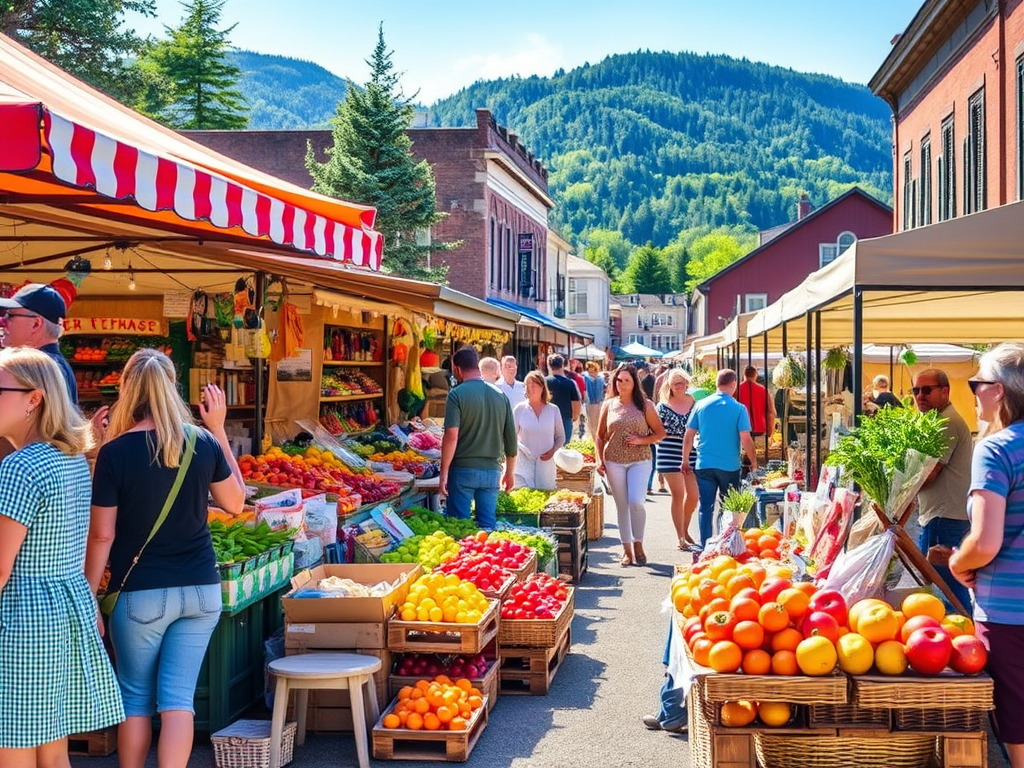
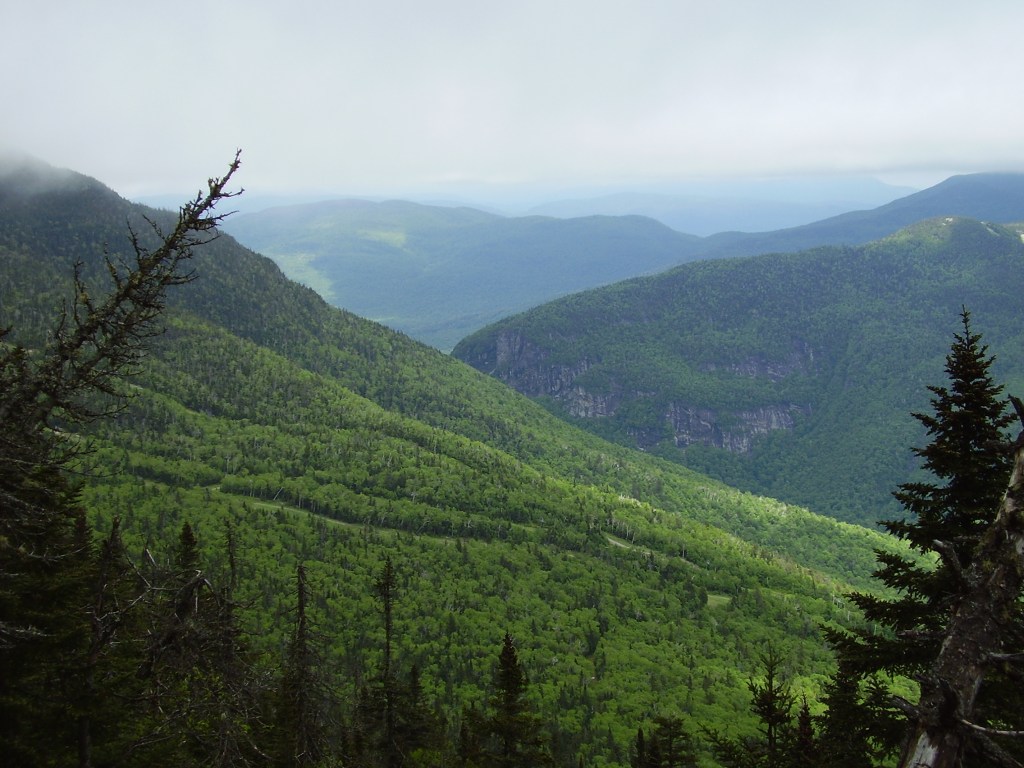
    Summer in Vermont is more than just a season. It is a celebration of the land. A time when the Green Mountains stretch out under clear skies, the air hums with life, and the smell of just-picked produce lingers at every turn. It is also the time when Vermont’s legendary farmers markets come alive.

    From historic village greens to bustling town centers, Vermont hosts dozens of vibrant markets where locals and travelers gather to enjoy the freshest fruits, vegetables, dairy, baked goods, and handmade crafts. These markets are a living expression of the state’s commitment to sustainability, community, and flavor.

    Whether you are planning a summer road trip or just looking for a Saturday activity, these are the best Vermont farmers markets to visit this summer.

    Burlington Farmers Market

    City Meets Country on the Lake Champlain Waterfront

    Location: 345 Pine Street, Burlington, VT
    When: Saturdays, 9:00 AM to 2:00 PM (May through October)

    The Burlington Farmers Market is the crown jewel of Vermont’s local food scene. Held in the South End Arts District, this market blends urban energy with rustic authenticity. Over 90 vendors line the lot each Saturday morning, offering everything from pasture-raised meats to wood-fired breads, maple-infused everything, and global street food.

    What makes Burlington’s market truly special is its diversity. One moment you are sampling lavender goat cheese and the next you are watching a Bolivian dance performance near the smoothie stand. It is a melting pot of flavors and cultures, all while maintaining its commitment to local sourcing.

    Pro tip: Grab a creemee from one of the food trucks and walk down Pine Street to explore Burlington’s art galleries, breweries, and bike trails.

    Montpelier Farmers Market

    State Capital Charm with a Focus on Organic

    Location: 133 State Street, Montpelier, VT
    When: Saturdays, 9:00 AM to 1:00 PM

    Montpelier may be the smallest state capital in the country, but its farmers market packs serious punch. Set against the backdrop of the golden-domed State House, this market is a staple for locals who prioritize organic, handmade, and locally grown.

    You will find certified organic veggies, locally roasted coffee, wild-foraged mushrooms, and artisan sourdough. Many vendors accept EBT and are part of the Farm to Family coupon program, making this market not only delicious but inclusive.

    Live music plays under the trees while children run barefoot through the grass with fresh-baked cookies in hand. It is quintessential small-town Vermont.

    Brattleboro Area Farmers Market

    An Artist’s Market in the Heart of Southern Vermont

    Location: 570 Western Avenue, Brattleboro, VT
    When: Saturdays, 9:00 AM to 2:00 PM

    Tucked along the banks of the Whetstone Brook, the Brattleboro Farmers Market is a creative, eclectic gem. It is not just a place to buy food — it is a gathering ground for artists, farmers, musicians, and dreamers.

    Expect rows of brightly colored canopies sheltering handwoven baskets, handmade pottery, and heirloom tomatoes that look like works of art. You can sit under the shade of a sugar maple with a plate of Tibetan momos, listen to a folk trio, and sip on hibiscus iced tea from a mason jar.

    This market is particularly known for its international flair. Vendors come from around the world, bringing flavors you would not expect in rural Vermont.

    Stowe Farmers Market

    Luxury, local, and lovely mountain views

    Location: 2043 Mountain Road, Stowe, VT
    When: Sundays, 10:30 AM to 3:00 PM

    Set in one of Vermont’s most famous resort towns, the Stowe Farmers Market reflects the area’s upscale, outdoorsy spirit. With Mount Mansfield towering in the background, this Sunday market is filled with organic vegetables, farm-fresh eggs, Vermont cheeses, and locally distilled spirits.

    Expect gourmet pastries, artisan sausages, and skincare products made from wild herbs. Many vendors here also serve the area’s top restaurants, so you are getting restaurant-quality ingredients straight from the source.

    Stowe’s market is a relaxed, picnic-style affair. Grab a baguette, local brie, and a bottle of elderflower soda, then find a shady patch of grass and settle in.

    Champlain Islands Farmers Market

    Island Views and Farm Fresh Finds in Lake Champlain’s Backyard

    Locations:
    South Hero: St. Rose of Lima Church, 501 US-2
    Grand Isle: St. Joseph’s Church, 185 US-2

    When:
    South Hero: Wednesdays, 3:00 PM to 6:00 PM
    Grand Isle: Saturdays, 10:00 AM to 2:00 PM

    Few markets in Vermont can boast lake views, island breezes, and such a close-knit community vibe. The Champlain Islands Farmers Market is actually two markets in one, serving both South Hero and Grand Isle throughout the summer. The drive alone — along Route 2, with water shimmering on either side — is worth the trip.

    This market is packed with local charm. You will find farmstands offering juicy strawberries, fresh garlic scapes, and handmade jams. Artisans sell beeswax candles, watercolor prints of the islands, and locally spun wool. Kids run barefoot across the church lawn while adults chat with farmers who live just down the road.

    What sets the Champlain Islands market apart is its sense of place. Here, food and community are inseparable. Whether you are a local or a visitor, you are welcomed like family. Vendors are often multigenerational — grandparents sell maple syrup while grandkids hand out samples.

    Pro tip: Make a day of it. Start with apple picking or a morning walk on the Island Line Trail, swing by the market for lunch, then head to the shore for a sunset picnic.

    Norwich Farmers Market

    Community-Powered and Farm-Forward Near Dartmouth

    Location: Route 5 South, Norwich, VT
    When: Saturdays, 9:00 AM to 1:00 PM

    Just across the Connecticut River from Hanover, New Hampshire, the Norwich Farmers Market is one of the most established in the state. It has been running since 1977 and features nearly 100 vendors during peak season.

    This market is known for its rigor. Only Vermont-made or grown products are allowed. That means no resellers, no shortcuts, and no exceptions. The result is a market full of integrity, with standout produce, hand-knit woolens, and regional specialties like pickled fiddleheads and maple cotton candy.

    Its location in the Upper Valley also draws a mix of New Englanders, including professors, artists, and food lovers making a weekend pilgrimage.

    Capital City Farmers Market

    History, Granite, and Farm-Fresh Goodness

    Location: Pearl Street, Barre, VT
    When: Wednesdays, 3:00 PM to 6:00 PM

    A midweek favorite, the Capital City Farmers Market in downtown Barre brings together growers, bakers, and crafters from around Central Vermont. Its timing makes it perfect for locals stocking up midweek or travelers passing through.

    Barre’s deep granite history adds a layer of grit and pride to the event. You are just as likely to meet a stonemason as you are a microgreens grower. Pair your market stroll with a visit to the Vermont Granite Museum or the Hope Cemetery, famous for its sculpted headstones.

    Why Vermont’s Farmers Markets Are So Special

    Unlike larger cities where markets can feel transactional, Vermont’s farmers markets are deeply relational. Farmers know their customers by name. Shoppers arrive early not just for the best produce, but to catch up with neighbors and hear local news.

    The emphasis is always on local. Vendors take pride in their heirloom seed varieties, in using organic practices even if not certified, and in contributing to the local food economy.

    Many markets in Vermont also feature live performances, educational booths, and kids’ crafts, creating a full-sensory experience that is equal parts food and fun.

    Tips for Visiting Farmers Markets

    • Bring Cash and a Tote Bag: While more vendors accept cards, cash is still king in rural markets. A sturdy tote or basket helps avoid plastic bags.
    • Go Early: The best produce and baked goods often sell out before noon.
    • Ask Questions: Vendors are passionate about what they grow or make. Ask them how to cook with garlic scapes or how their sheep’s milk cheese is aged.
    • Stick Around: Many markets are near great hikes, shops, or scenic drives. Plan to make a day of it.

    Final Thoughts

    Vermont’s farmers markets are more than just a place to shop. They are a window into what the Green Mountain State values most — community, craftsmanship, sustainability, and the simple joy of good food. From city-style bustle to village green calm, each market offers its own flavor of Vermont summer.

    So pack your reusable bag, grab your sun hat, and hit the road. The best of Vermont is waiting under a canvas tent with a table full of raspberries and fresh-baked bread.

  • 7 Vermont Foods to Try This Summer: Maple Creemees, Cheddar, and Farm-Fresh Finds

    7 Vermont Foods to Try This Summer: Maple Creemees, Cheddar, and Farm-Fresh Finds

    Summer in Vermont is more than just mountain views and farmers markets. It’s a full-on flavor experience. From maple-swirled soft serve to produce picked just hours before you eat it, Vermont knows how to celebrate the season through food.

    Whether you’re visiting for a weekend or you live here year-round, these are seven Vermont foods you absolutely have to try this summer.


    🍦 1. Maple Creemees

    Where to find them: Creemee stands, sugarhouses, farmers markets

    Let’s start with the ultimate Vermont summer staple. A maple creemee is soft serve ice cream sweetened with real Vermont maple syrup. It is smoother than traditional soft serve and not overly sweet, which makes it dangerously easy to eat on repeat.

    Look for it at small roadside creemee stands, maple farms, and general stores. The best ones are served in a cone and eaten before they melt in the sun.


    🧀 2. Vermont Cheddar

    Where to find it: Cabot Creamery, Grafton Village Cheese, local co-ops

    Vermont cheddar is sharp, creamy, and packed with flavor. Whether you’re slicing it for a picnic, melting it on a burger, or just eating it straight off the block, this cheese hits different when it’s local.

    Visit a creamery for a tasting or grab a wedge from a farmers market cooler. Pair it with fresh apples or crusty bread and call it lunch.


    🍅 3. Heirloom Tomatoes

    Where to find them: Farmers markets, roadside stands, pick-your-own farms

    Colorful, weirdly shaped, and bursting with flavor, heirloom tomatoes are one of the best parts of late summer in Vermont. You’ll see yellow, green, deep purple, and candy-striped varieties stacked high at just about every farmers market in August.

    Slice them up with a drizzle of olive oil and a sprinkle of sea salt, or build the best caprese salad of your life.


    🌽 4. Sweet Corn

    Where to find it: Local farm stands, CSA boxes, farm stores

    There is nothing like fresh-picked corn on a summer evening in Vermont. Local varieties are crisp, sweet, and perfect whether you boil, grill, or roast them.

    Look for ears with bright green husks and sticky silk. Better yet, get them straight from the farmer and eat them the same day.


    🫐 5. Wild Blueberries

    Where to find them: U-pick farms, hiking trails, local jams

    Smaller and sweeter than grocery store blueberries, Vermont’s wild blueberries are hidden treasures of the summer landscape. You’ll find them growing wild on trails or at pick-your-own farms starting in late July.

    Toss them on yogurt, bake them into muffins, or just eat them by the handful until your fingers turn purple.


    🍩 6. Cider Donuts

    Where to find them: Orchards, farm cafés, general stores

    Who says cider donuts are only for fall? Many orchards in Vermont fry them up fresh all summer long. They are warm, cinnamon-coated, and often sold right next to cold cider slushies or maple lemonade.

    Pro tip: grab a half dozen and eat one before you leave the parking lot.


    🍔 7. Grass-Fed Burgers

    Where to find them: Farm-to-table restaurants, diners, food trucks

    Vermont’s beef scene is strong thanks to the number of small farms raising grass-fed cattle. In the summer, you’ll find incredible local burgers everywhere from brewery patios to roadside diners.

    Look for toppings like local cheddar, maple bacon, or even pickled vegetables grown just down the road.


    Vermont in summer is a feast. Whether you’re road-tripping, hiking, or just lounging in the backyard, the food makes the season even sweeter. Grab a cone, visit a farm stand, and eat your way through the Green Mountain State.

  • Things to Do at Smugglers’ Notch, Vermont: Hiking, History, and Route 108

    Things to Do at Smugglers’ Notch, Vermont: Hiking, History, and Route 108

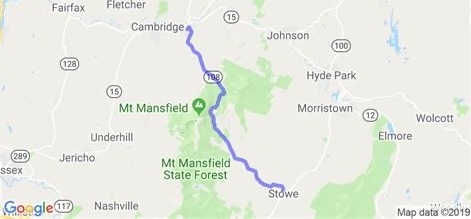
    Today’s the day! Vermont Route 108 through Smugglers’ Notch is officially open for the season! As the last patches of snow melt away, a whole world of adventure reawakens in the heart of the Green Mountains. Smugglers’ Notch is not just a road; it is an experience. Twisting between dramatic cliffs, dense forests, and hidden waterfalls, the Notch connects Stowe and Jeffersonville in a way that captures the true spirit of Vermont.

    Smugglers’ Notch has a rich history that adds even more magic to the journey. In the early 1800s, the Notch served as a secret passageway for smugglers transporting goods across the Canadian border during the War of 1812, when trade restrictions crippled local economies. Later, during Prohibition, the caves and hidden pathways were used again to move illegal alcohol. Today, visitors can still explore these caves, adding a fascinating historic twist to their adventure.

    Whether you are craving outdoor adventure, charming small-town vibes, or a little bit of both, there is no better time to explore the area than right now. Here is your ultimate guide to making the most of it!


    Explore the Notch Itself

    Hiking Paradise 🌿

    Smugglers’ Notch is a hiker’s dream. As you drive through the winding pass, you will notice trailheads tucked in between boulders and evergreens. Some of the best hikes include:

    • Sterling Pond Trail: This moderate 2.5-mile roundtrip hike rewards you with a peaceful alpine pond nestled atop the mountain. In early summer, the reflections of the trees on the still water are breathtaking.
    • Hellbrook Trail: Ready for a challenge? This steep, rugged trail leads you up to the Chin of Mount Mansfield, Vermont’s highest peak. It is tough but incredibly rewarding.
    • Bingham Falls: A short, family-friendly hike to a stunning waterfall and swimming hole. Perfect for cooling off on a hot day!

    Rock Climbing Adventures 🧻

    The Notch is one of Vermont’s premier climbing destinations. Climbers from across New England flock here every season to tackle its rugged cliffs and towering boulders. Whether you are a seasoned pro or just starting out, there are routes for every skill level.

    Popular climbing spots include Elephant’s Head, Blind Fate, and Jefferson Slab. If you are new to climbing, consider hiring a local guide service to show you the ropes.

    Explore the Smugglers’ Caves 🏰

    Tucked away in the cliffs and forests of the Notch are the caves that once played a major role in Vermont’s smuggling history. During the War of 1812 and later during Prohibition, these caves were used to hide contraband and move goods discreetly. Today, adventurous visitors can scramble and explore some of these rocky hideouts, imagining what it must have been like when the caves were alive with secret activity. Always exercise caution and wear sturdy shoes if you decide to explore!

    Scenic Drives and Picnic Spots 🌽

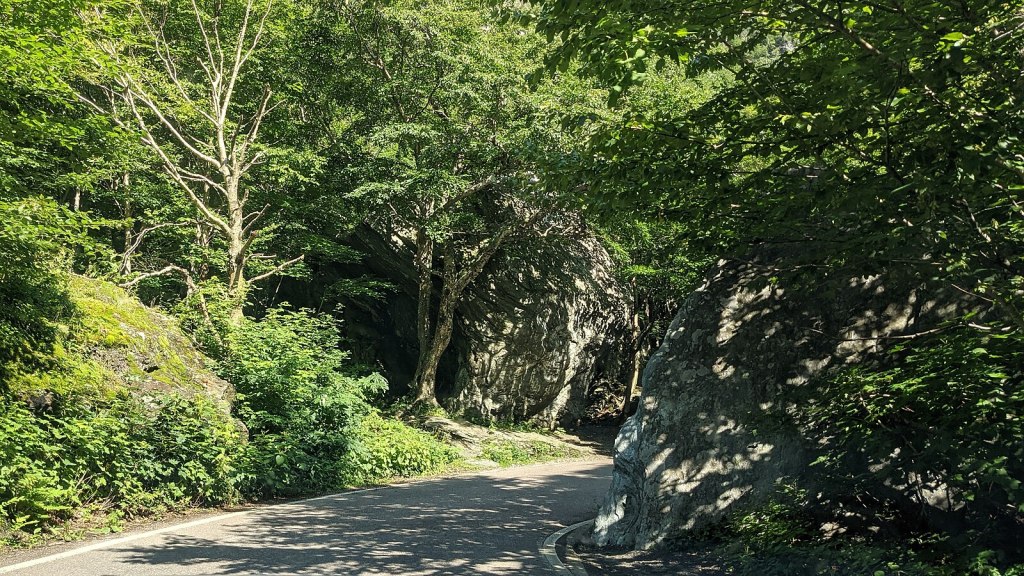
    Sometimes the best way to experience the Notch is simply to drive it. The road itself is an adventure, with hairpin turns, tight squeezes between rock faces, and dramatic scenery at every turn.

    Make sure to pack a picnic and pull over at one of the scenic pullouts along the way. There is nothing quite like lunch with a view of towering cliffs and lush forest all around you.

    OLYMPUS DIGITAL CAMERA

    Things to Do in Jeffersonville

    Explore the Village 🌍

    Once you emerge from the Notch heading north, you will find yourself in Jeffersonville, a cozy, artsy village that deserves its own day of exploration.

    • Browse Local Art Galleries: Jeffersonville has a vibrant arts community. Check out the Visions of Vermont Fine Art Galleries, housed in historic buildings and featuring stunning local landscapes.
    • Sample Local Food: Grab a hearty breakfast or lunch at 158 Main, a classic Vermont eatery known for comfort food done right. For something sweet, do not miss Cupboard Deli’s legendary maple creemees.
    • Stroll the Lamoille Valley Rail Trail: Stretch your legs with a relaxing walk or bike ride along this scenic rail trail that weaves through the countryside.

    Visit Smugglers’ Notch Distillery 🥃

    Smugglers’ Notch Distillery, ranked as one of the top three tasting rooms in the United States, is a must-visit while you’re in Jeffersonville. This award-winning, locally owned distillery creates small-batch spirits with a true Vermont twist, including one of the highest-rated domestic vodkas in the country.

    Step inside and enjoy a guided tasting of their full lineup, from smooth vodkas and crisp gins to rich bourbons and their signature maple cream liqueur. The staff are knowledgeable, friendly, and passionate about their craft, making every visit memorable.

    Pro tip: Bring home a bottle or two to enjoy a taste of Vermont long after your trip ends.


    More Adventures Nearby

    Smugglers’ Notch Resort 🌿

    You might think Smugglers’ Notch Resort is only for winter skiing, but it transforms into an outdoor playground in the summer. Explore hiking trails, zip lines, and even llama treks. It is perfect for families or anyone looking to pack a little extra fun into their trip.

    Mountain Biking 🚴‍♂️

    The surrounding area has some fantastic mountain biking trails. The Brewster River Trails are a local favorite, offering a mix of flowy singletrack and more technical sections through beautiful forest terrain.

    Farmers Markets and Local Shops 🌾

    In season, Jeffersonville hosts a delightful farmers market where you can pick up fresh produce, artisan goods, and handmade crafts. It is the perfect way to support local farmers and makers while stocking up on Vermont goodies.

    Covered Bridges and Country Roads 🏬

    Take a scenic drive through the surrounding countryside and discover some of Vermont’s iconic covered bridges. The Cambridge Junction Covered Bridge is a must-see and makes for a perfect photo stop.


    Tips for Visiting Smugglers’ Notch

    • Pack Layers: Even in summer, weather in the mountains can change quickly. Bring a light jacket or fleece.
    • Arrive Early: VT-108 is narrow and parking is limited at trailheads, so arriving early helps you beat the crowds.
    • Leave No Trace: Help keep this beautiful area pristine by packing out everything you bring in.
    • Check Road Conditions: Although VT-108 is typically open from May through early-November, conditions can vary. Always check before you go.
    • Know the Law: Vermont state law prohibits large vehicles from traveling this section of VT-108. Violators can face fines of over $4,000 and cause the Notch to close for hours. Always check current conditions and regulations with the Vermont Agency of Transportation before your trip.

    Why Smugglers’ Notch Captures So Many Hearts

    There is something about Smugglers’ Notch that sticks with you long after you have left. Maybe it is the feeling of driving between towering cliffs so close you can touch them, or the sound of waterfalls rushing just out of sight. Maybe it is the way Jeffersonville welcomes you like an old friend, or the first sip of bourbon at Smugglers’ Notch Distillery after a day of adventure.

    Whatever it is, one thing is for sure: once you experience the Notch when the gates open for the season, you will be counting down the days until you can come back.

    So pack your hiking boots, your appetite, and your sense of wonder because the Notch is calling!

  • 5 Best Spring Road Trips in Vermont: Route 100, Smugglers’ Notch, and the Northeast Kingdom

    Spring in Vermont is pure magic. As the snow melts and the landscape bursts into color, the Green Mountain State becomes a patchwork of rolling hills, flowering trees, and sparkling rivers. One of the best ways to experience it all? A scenic drive. Whether you’re a local looking for a weekend adventure or a visitor eager to soak in Vermont’s natural beauty, these five drives capture the very best of spring.

    1. Route 100: Vermont’s Green Mountain Byway

    If there’s a “must-drive” road in Vermont, it’s Route 100. Stretching from the Massachusetts border all the way to Canada, Route 100 winds through the heart of the Green Mountains, passing charming towns like Weston, Ludlow, and Stowe along the way.

    Springtime Highlights:

    • Watch waterfalls roar to life with snowmelt, especially Moss Glen Falls near Granville.
    • Stop for a maple creemee at a roadside stand (spring is prime sugaring season!).
    • Enjoy uncrowded trails and emerging wildflowers at state parks along the route.

    Tip: The section between Killington and Waterbury is especially stunning and packed with cozy towns for lunch stops.

    2. The Lake Champlain Byway: Water Views and Open Skies

    For those who love open water and big-sky views, the Lake Champlain Byway is unbeatable. This route hugs Vermont’s western edge, following Route 2 and Route 7 along the Lake Champlain shoreline.

    Springtime Highlights:

    • Watch the Champlain Islands awaken from winter – apple blossoms, farms, and peaceful country roads await.
    • Take a slight detour to South Hero’s Hackett’s Orchard for early-season blooms and farm visits.
    • Spot migrating birds at places like Dead Creek Wildlife Management Area – spring is prime birdwatching season.

    Tip: South Hero, Grand Isle, and North Hero are easy to explore by car in a single relaxed afternoon.

    3. The Molly Stark Byway: A Journey Through Vermont’s History

    Named after the wife of a Revolutionary War general, the Molly Stark Byway along Route 9 offers a beautiful blend of history and scenery. Running east to west across southern Vermont, it connects Brattleboro to Bennington.

    Springtime Highlights:

    • Drive through the lush, emerging greenery of the Green Mountain National Forest.
    • Stop in historic Bennington to see the Bennington Battle Monument and charming covered bridges.
    • Explore Brattleboro’s art galleries, bookstores, and farm-to-table restaurants blooming back to life after the winter lull.

    Tip: Bring a jacket – southern Vermont’s spring weather can still be brisk, especially at higher elevations!

    4. Route 108 through Smugglers’ Notch: Dramatic Mountain Pass

    If you’re craving a little adventure, the drive through Smugglers’ Notch near Stowe is unforgettable. Route 108 narrows dramatically as it winds through massive boulders and steep cliffs. (Note: It’s typically closed for part of early spring, so check road conditions first!)

    Springtime Highlights:

    • Watch as lingering snow patches give way to trickling waterfalls and bright green moss along the cliffsides.
    • Hike short trails near the notch if conditions allow – spring mud can be tricky but rewarding.
    • Visit the town of Stowe for coffee, spring skiing, or simply wandering charming Main Street.

    Tip: If 108 is still closed early spring, you can enjoy scenic detours via Jeffersonville and Cambridge on Route 15.

    5. The Northeast Kingdom Loop: Untamed and Beautiful

    For those willing to venture farther off the beaten path, Vermont’s Northeast Kingdom delivers raw, untouched beauty. Take Routes 5, 114, and 105 through towns like Burke, Island Pond, and Derby.

    Springtime Highlights:

    • See Vermont’s wilderness shake off winter – open pastures, hidden lakes, and endless forests.
    • Visit Lake Willoughby, often called the “Lucerne of America,” where towering cliffs flank crystal-clear waters.
    • Wander through sleepy towns that feel unchanged by time.

    Tip: The Kingdom can be cooler and muddier than southern Vermont in spring – plan for a few unpaved roads and possible detours!

    Final Thoughts

    Spring in Vermont is a fleeting, breathtaking moment. As the landscape awakens from winter’s grip, these scenic drives offer a front-row seat to one of nature’s best shows. Whether you’re chasing waterfalls, exploring tiny villages, or simply rolling down your windows to breathe in the fresh, maple-scented air, these routes remind you why Vermont truly earns its nickname: the Green Mountain State.

    So gas up the car, grab a camera, and hit the road – Vermont is calling.

  • Vermont Mud Season: When It Happens, What to Expect, and How Locals Get Through It

    Mud Season in Vermont is more than just muddy roads. It is a quirky and essential part of Vermont life. Learn what it is, why it matters, and how to embrace it.

    When most people think of Vermont, they picture fiery fall foliage, powdery ski slopes, or lush green summer hikes. But there is a secret fifth season here that only true Vermonters know well. Mud Season sits between the melting snows of winter and the blossoms of spring. It is a defining and often messy part of life in the Green Mountain State.

    What is Mud Season?

    Mud Season usually runs from late March through early May, although the timing can shift depending on how snowy the winter was and how quickly things warm up in spring. As the ground thaws and rain begins to fall, Vermont’s dirt roads, which make up nearly half of the state’s roads, turn into rivers of thick, sticky, slippery mud.

    In rural areas, you’ll often find signs reading “Road Closed to Through Traffic” or warnings about “Impassable Conditions.” Cars can get stuck, boots can disappear into puddles, and walking to your mailbox might feel more like navigating an obstacle course.

    Why Does Mud Season Matter?

    Mud Season is not just a minor inconvenience. It is a major cultural and environmental event in Vermont. Here is why it matters.

    1. It’s Part of Vermont’s Identity

    Mud Season is one of those unique quirks that make Vermont, well, Vermont. It’s a symbol of resilience, patience, and respect for nature. Vermonters plan their travel routes carefully, choose their footwear wisely, and lean into the chaos with a good sense of humor.

    2. It Impacts Daily Life

    From farmers to mail carriers, everyone feels the effects of Mud Season. Delivery routes shift, school buses get rerouted, and rural homes sometimes become temporarily inaccessible. It’s a season of adapting and slowing down, whether you want to or not.

    3. It Highlights the Importance of Dirt Roads

    Vermont’s dirt roads are a cherished part of its landscape and history. According to the Vermont Agency of Transportation, about 55% of the state’s roads are unpaved. Mud Season reminds us of the ongoing effort required to maintain them and why preserving rural infrastructure is essential.

    4. It Signals New Beginnings

    As muddy as it gets, Mud Season is also the bridge to new life. It’s a sign that warmer days are coming, maple trees are waking up, and the first bursts of green are just around the corner. It’s messy, but it’s hopeful.

    How to Make the Most of Mud Season

    • Embrace the slow pace: Take scenic drives where paved roads allow and enjoy the quieter, less crowded side of Vermont.
    • Support local businesses: Some areas see fewer tourists during Mud Season, so it’s a great time to shop locally and help communities thrive.
    • Get outside (with caution): Stick to paved trails or gravel paths for hiking. Many parks and preserves ask hikers to avoid muddy trails to prevent erosion.

    Mud Season might not be glamorous, but it is an essential chapter in Vermont’s year. It is a reminder that beauty often grows out of a little bit of mess.

  • 10 Things to Do in Vermont During Mud Season

    10 Things to Do in Vermont During Mud Season

    Mud season in Vermont, typically spanning from late March through May, marks the transition from winter’s snow to spring’s bloom. While the thawing ground can make some trails and roads challenging, it also unveils a plethora of activities that showcase the state’s charm. Here’s how to make the most of this distinctive season


    🍁 1. Experience Maple Open House Weekend

    Celebrate Vermont’s rich maple syrup heritage during the Maple Open House Weekend. Sugarhouses across the state open their doors, offering tours, tastings, and demonstrations of the syrup-making process. It’s a sweet way to learn about this iconic Vermont tradition.


    🎿 2. Enjoy Spring Skiing

    As temperatures rise, ski resorts like Killington, Sugarbush, and Jay Peak offer spring skiing opportunities. Enjoy softer snow, fewer crowds, and festive events like pond skimming competitions. It’s a perfect blend of winter sports and springtime fun.


    🚶‍♀️ 3. Explore Mud Season-Friendly Trails

    While high-elevation trails may be off-limits, several lower-elevation paths remain accessible

    • Missisquoi Valley Rail Trail: A 26-mile trail stretching from St. Albans to Richford, ideal for walking and biking.
    • Trail Around Middlebury (TAM): A 16-mile loop offering scenic views and varied terrain.
    • Stowe Recreation Path: A 5.3-mile paved trail perfect for a leisurely stroll or bike ride.

    Always check trail conditions before heading out to ensure safety and trail preservation.


    🌊 4. Visit Waterfalls at Their Peak

    The melting snow feeds Vermont’s waterfalls, making mud season an ideal time to witness their power

    • Moss Glen Falls in Granville or Stowe
    • Texas Falls in Hancock
    • Thundering Brook Falls in Killington

    These natural spectacles are often accessible via short walks, allowing for easy exploration.


    🛶 5. Paddle the Waters Post-Ice-Out

    As lakes and rivers thaw, paddling opportunities abound

    • Lake Champlain: Offers expansive views and diverse wildlife.
    • Connecticut River: Ideal for a serene canoe or kayak trip.
    • Lowell Lake: A tranquil spot surrounded by nature.

    Ensure water levels and conditions are safe before embarking on any paddling adventure.


    🧖‍♀️ 6. Indulge in a Spa Retreat

    Rejuvenate during mud season with a visit to one of Vermont’s renowned spas:

    • Topnotch Resort in Stowe
    • Woodstock Inn & Resort in Woodstock
    • Mountaintop Inn & Resort in Chittenden

    These establishments offer a range of treatments to relax and revitalize.


    🎨 7. Discover Vermont’s Museums

    Delve into the state’s rich history and culture by visiting its museums:

    • Bennington Museum: Home to a vast collection of regional art and artifacts.
    • Shelburne Museum: Features diverse exhibits spanning art, design, and Americana.
    • Fairbanks Museum & Planetarium in St. Johnsbury: Offers natural history displays and a full-dome planetarium.

    🐣 8. Visit Baby Farm Animals

    Spring is synonymous with new life. Many farms welcome visitors to meet baby animals

    • Shelburne Farms: An educational farm with opportunities to interact with young livestock.
    • Billings Farm & Museum in Woodstock: Offers insights into Vermont’s agricultural past and present.

    🎶 9. Attend Local Music Events

    Mud season doesn’t dampen Vermont’s vibrant music scene. Check out local venues and community centers for live performances, ranging from folk to jazz. It’s a great way to connect with the local culture and enjoy indoor entertainment.


    🛍️ 10. Shop Local Artisans

    Support Vermont’s creative community by exploring local artisan shops and markets. From handcrafted pottery to unique textiles, you’ll find treasures that reflect the state’s artistic spirit.


    Embrace the Mud Season

    While mud season presents its challenges, it also offers a unique perspective on Vermont’s transition from winter to spring. By engaging in these activities, you not only enjoy the state’s offerings but also support local communities and traditions.