Green Mountain Peaks

Discover Vermont, One Story at a Time 🏔️

Welcome to Green Mountain Peaks, your local guide to all things Vermont. From hidden history and travel ideas to small-town life and seasonal adventures, there’s always something worth discovering. Subscribe for new posts, insider tips, and a little taste of Vermont straight to your inbox.


Category: Vermont Fun Facts

  • Emily’s Bridge: Vermont’s Haunted Gem and Ghostly Tale

    Emily’s Bridge: Vermont’s Haunted Gem and Ghostly Tale

    Tucked away in the quiet town of Stowe lies one of Vermont’s most talked-about landmarks: Emily’s Bridge. Officially known as Gold Brook Bridge, this 19th-century covered bridge has gained a reputation as the most haunted place in Vermont. Its rustic setting, combined with chilling tales of heartbreak and ghostly encounters, has made it a must-visit destination for both history buffs and paranormal enthusiasts.

    Where Is Emily’s Bridge?

    Emily’s Bridge is located in Stowe, Vermont, just a short drive from the bustling village center. Stowe is well known for its ski slopes, hiking trails, and spectacular fall foliage, which makes the bridge an easy and popular stop during a Vermont road trip. Gold Brook Bridge itself spans a small creek on Gold Brook Road, about two miles from downtown Stowe.

    Because of its location, visitors can easily pair a trip to Emily’s Bridge with a scenic drive through Stowe Hollow, a visit to local shops, or a walk through Stowe’s charming Main Street. The bridge is open year-round, but many people agree that fall, with its colorful leaves and crisp evenings, is the most atmospheric time to visit.

    The History of Gold Brook Bridge

    Before it became famous as Emily’s Bridge, the Gold Brook Bridge was simply one of many covered bridges in Vermont. Built in 1844, it is a classic example of the wooden covered bridge design that once dotted the state’s rural roads. Covered bridges were practical in their day, protecting wooden planks from snow and rain, and they quickly became an iconic feature of Vermont’s landscape.

    While the bridge itself has a straightforward history as part of Stowe’s transportation network, its legend is anything but ordinary. The tale of “Emily” would emerge later, turning this unassuming bridge into one of the most haunted spots in New England.

    The Legend of Emily

    There are several versions of Emily’s story, but most begin with a young woman in love. The most common tale says Emily was supposed to meet her fiancé at the bridge to elope. When he never arrived, whether because of cold feet, disapproval from her family, or betrayal, Emily’s heartbreak became too much to bear. Consumed by grief, she ended her life at the bridge.

    Other versions suggest Emily was left waiting for her lover on her wedding day, while another claims she died in an accident near the bridge. Like many ghost stories, the details have shifted over time, but the theme of love, loss, and tragedy remains central. This timeless combination has kept the legend alive for more than a century.

    Reported Paranormal Activity

    Stories of Emily’s restless spirit have drawn countless visitors to the bridge. Paranormal investigators, thrill-seekers, and curious travelers report a range of eerie experiences, including:

    • Unexplained noises: Visitors describe hearing footsteps, screams, or dragging sounds echoing through the bridge at night.
    • Scratches and claw marks: Some say their cars have been mysteriously scratched while parked near the bridge.
    • Cold spots and shadows: Sudden chills and fleeting dark figures are common accounts among late-night visitors.
    • Apparitions: A few have even claimed to see a ghostly woman in white, believed to be Emily herself.

    Whether these stories are fueled by imagination or genuine encounters, they contribute to the lasting reputation of Emily’s Bridge as a paranormal hotspot.

    Visiting Emily’s Bridge Today

    For those eager to experience the legend firsthand, Emily’s Bridge is open to the public. However, it is important to remember that the bridge is still part of a functioning road. Cars cross the one-lane bridge daily, so visitors should use caution and avoid blocking traffic.

    Parking is limited in the immediate area, but many visitors stop briefly to walk across the bridge and soak in the atmosphere. The best times to visit are during fall foliage season or around Halloween, when Stowe itself feels steeped in seasonal magic. At night, the quiet setting can feel especially eerie, but remember to stay respectful of the space and nearby residents.

    Emily’s Bridge in Vermont Folklore

    Ghost stories have long been a part of New England tradition, blending history with mystery. Emily’s Bridge stands out as Vermont’s most well-known haunted site, but it is far from the only one. Tales of haunted inns, old farmhouses, and mountain spirits are scattered throughout the state. What makes Emily’s Bridge unique is how it combines folklore with a tangible landmark, allowing visitors to step directly into the setting of the story.

    Over time, the legend has become woven into Vermont’s cultural identity. Tourists come for the covered bridge charm and leave with a ghost story that adds depth to their trip. The story has also helped promote local ghost tours and seasonal events, contributing to Stowe’s reputation as a destination rich in both history and folklore.

    Tips for Experiencing Emily’s Bridge

    If you plan to add Emily’s Bridge to your Vermont itinerary, a few tips can make the experience even more memorable:

    • Visit at dusk or after dark: The atmosphere is much more chilling once the sun goes down.
    • Go with friends: Sharing the experience adds fun and safety.
    • Pair with a Stowe outing: Stop by the bridge as part of a day exploring downtown Stowe, local breweries, or scenic hikes.
    • Respect the site: The bridge is historic and still in use, so treat it with care.

    Final Thoughts: The Enduring Allure of Emily’s Bridge

    Emily’s Bridge remains one of Vermont’s most fascinating attractions, blending authentic history with enduring legend. Whether you believe in ghosts or simply enjoy a good story, the bridge offers a glimpse into Vermont’s culture of folklore and its appreciation for historic places. Its beauty, combined with the mystery of Emily’s tale, makes it a place that continues to captivate visitors year after year.

    If you’re planning a trip to Vermont, a stop at Emily’s Bridge is more than just a sightseeing opportunity. It’s a chance to step into one of New England’s most famous ghost stories and decide for yourself whether the legend is real or just a chilling tale passed down through generations.

    Leaf Peeping Crew, 30% Off

    Cozy up for foliage season with our Leaf Peeping Crew hoodies and crewnecks. Soft fleece, easy fit, perfect for ridge walks and lakeside sunsets.

    • Unisex fit and multiple colors
    • Printed to order in the USA
    • Ships directly to you
    Shop the 30% Off Sale

    Limited time offer. Discount applied at checkout while the sale lasts.

  • Smugglers’ Notch: A Journey Through Vermont’s Secret Past

    Smugglers’ Notch: A Journey Through Vermont’s Secret Past

    Tucked between the towering cliffs of Mount Mansfield and Spruce Peak lies one of Vermont’s most breathtaking drives and most legendary mountain passes: Smugglers’ Notch. Today, it’s known for jaw-dropping foliage, rugged hiking trails, and world-class skiing. But for those who pause long enough to look beyond the scenic views, the Notch has a far more rebellious past.

    For over two centuries, Smugglers’ Notch has lived up to its name, offering refuge to bootleggers, smugglers, and secretive travelers who knew exactly how to navigate its shadowy caves and narrow paths. From clandestine trade with Canada during Jefferson’s embargo to liquor runs during Prohibition, this natural corridor has hidden more than just wildlife.

    I’ve always seen the Notch as more than a pretty place. Its story is one of resistance, survival, and ingenuity. So let’s take a trip back in time and uncover the secrets that shaped Smugglers’ Notch.

    Scenic Route VT 108/Smugglers’ Notch – Autumn 2024

    What Makes Smugglers’ Notch So Perfect for Secrets?

    Before we dive into the smuggling tales, it helps to understand why this mountain pass was such a magnet for outlaws and traders.

    Smugglers’ Notch is a narrow passage in Lamoille County, just south of Jeffersonville and north of Stowe. It carves through Vermont’s highest peaks, with sheer rock walls that close in tightly around the road. Dense forests blanket the sides, and natural caves dot the landscape.

    In the early 1800s, there was no paved road here. What existed was little more than a rugged path. No matter the time period, Smugglers’ Notch has always been:

    • Hard to access
    • Easy to hide in
    • Difficult to patrol

    For those looking to move people or goods in secret, it offered the perfect setting.

    Trading in Defiance: Smuggling During the Embargo Act

    Our first stop on the timeline takes us to the early 1800s. President Thomas Jefferson passed the Embargo Act of 1807, effectively banning American trade with foreign nations. The goal was to punish Britain and France during the Napoleonic Wars. The result, however, was economic disaster for Vermont.

    Vermonters were used to doing business with their Canadian neighbors. Suddenly, that relationship was cut off by federal law. But Vermonters are nothing if not resourceful. Instead of sitting back, many turned to the Notch.

    Goods like:

    • Livestock
    • Timber
    • Furs
    • Whiskey
    • Canadian products like sugar and tea

    were packed on mule trains and slipped across the Canadian border under cover of darkness. The narrow trails through Smugglers’ Notch became a lifeline for the local economy.

    Many smugglers knew the caves by heart. They’d stash goods in the rock formations while waiting for the perfect moment to move them further south. Federal agents tried to crack down, but Vermont’s rough terrain and locals’ silence kept the trade alive.

    The Whisper of Freedom: Escaped Slaves and the Underground Railroad

    While less documented than other chapters, some local legends and oral histories suggest that Smugglers’ Notch may have served as a route for escaped slaves traveling north to freedom.

    Vermont abolished slavery in its 1777 constitution and was a stronghold of abolitionist sentiment. The geography of the state provided natural corridors for those making the journey to Canada. While most documented Underground Railroad activity in Vermont happened farther south and west, the remote and hard-to-monitor nature of the Notch raises the possibility that it offered a secondary escape route.

    Freedom seekers would have found protection in the same caves used by smugglers. Locals sympathetic to their cause may have passed along food, clothing, or directions. Whether used frequently or occasionally, this part of the Notch’s story speaks to Vermont’s long-standing role in resisting oppression.

    Booze, Bootleggers, and the Prohibition Era

    Fast forward to the 1920s, and Smugglers’ Notch earns its name all over again.

    Prohibition swept across the United States from 1920 to 1933, outlawing the production, importation, and sale of alcohol. Canada, however, had no such ban. So naturally, Vermonters saw opportunity.

    Liquor was purchased across the border and funneled through mountain passes like the Notch. The caves that once held furs or livestock now became storage units for Canadian whiskey. Bootleggers moved by foot, mule, or sleigh, depending on the season.

    Here’s what made the Notch ideal during Prohibition:

    • Limited access roads meant fewer law enforcement patrols
    • Local support from farmers and business owners
    • Countless hiding places in boulders, caves, and forests
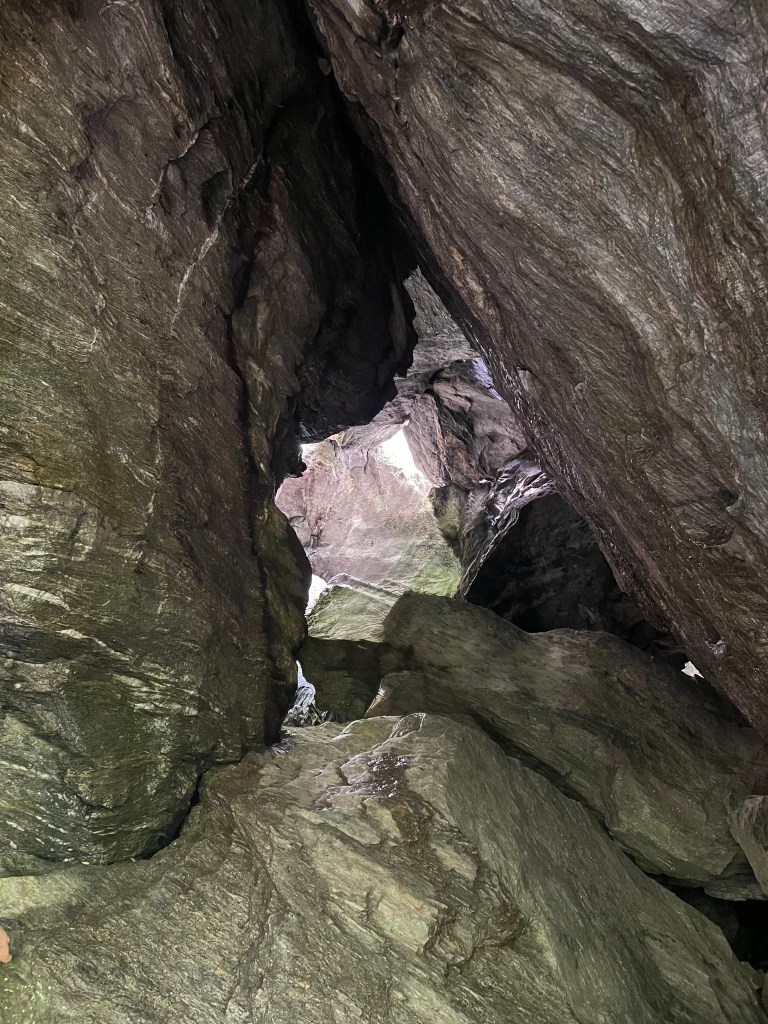
    One of the many caves of Smugglers’ Notch

    Some stories tell of sleds with false bottoms, filled with booze and hay. Others mention tunnel systems beneath barns and taverns. One particularly popular tale describes a “phantom wagon” that would appear on moonlit nights, its driver cloaked and silent as he guided a load of barrels into the trees.

    Whether these stories are exaggerated or not, one thing is clear: the liquor flowed, and the Notch kept its secrets.

    Caves, Tunnels, and Tales Too Good to Be True

    Smugglers’ Notch is full of caves and crevices, many of which have names like Elephant’s Head and Bear’s Den. Some are accessible from trails. Others are harder to find unless you know exactly where to look.

    Over the decades, these natural features have attracted more than hikers. According to local lore, they’ve been used to:

    • Store contraband
    • Hide fugitives
    • Conduct secret meetings
    • Escape from pursuing agents

    Some believe there are still hidden stashes buried deep in the rock. Others speak of ghosts that haunt the Notch, especially after nightfall. These stories may not always be backed by documents, but they’ve become part of the culture surrounding the area.

    I believe legends often grow from seeds of truth. The terrain absolutely could support this kind of activity. Whether a particular cave held whiskey or not, the setting certainly lends itself to mystery.

    The Law vs. the Landscape

    So where were the authorities during all this?

    The answer lies in a mix of geography, logistics, and quiet resistance. In the 1800s and early 1900s, law enforcement had few resources to spare for the mountain wilderness. There were no drones, no GPS, and few roads. A determined smuggler on foot had the upper hand.

    Even when patrols were attempted, local residents rarely cooperated. Why would they? In many cases, these activities supported the local economy. Entire communities were built on trust and silence.

    Federal agents often faced obstacles like:

    • Locals tipping off smugglers
    • Winter storms making trails impassable
    • Multiple routes in and out of the Notch
    • Hidden storage spots impossible to search fully

    Some efforts were made, especially during Prohibition, but most ended in frustration. The truth is, the Notch won more battles than it lost when it came to secrecy.

    From Smuggling Trails to Hiking Trails

    By the mid-1900s, the need for secrecy faded, and the push for conservation and recreation began. The Civilian Conservation Corps (CCC), part of Franklin D. Roosevelt’s New Deal programs in the 1930s, helped transform parts of Smugglers’ Notch into trails and public lands.

    What was once a smuggler’s paradise became:

    • A state park
    • A ski resort
    • A scenic drive popular during foliage season

    Today, the caves and narrow cliffs that once hid bootleggers now challenge rock climbers and delight curious hikers. The Notch Road (Route 108) is open seasonally to traffic, winding its way through some of the most dramatic mountain scenery in New England.

    And if you know where to look, you’ll still find plaques and markers nodding to the history beneath your feet.

    Why This History Matters

    It would be easy to overlook the Notch’s rebellious past in favor of its natural beauty. But doing so would miss the deeper meaning of this place.

    Smugglers’ Notch represents:

    • Vermont’s independent spirit
    • Resistance to federal overreach
    • Creative survival in hard times
    • Quiet defiance rooted in community

    Whether it was livestock during Jefferson’s embargo, whiskey during Prohibition, or people fleeing enslavement, the Notch played a role in protecting those willing to take a risk.

    Even today, locals take pride in that heritage. It’s why the ski resort isn’t just called “Notch Mountain” or “Mansfield Peaks.” The name “Smugglers’ Notch” keeps the stories alive.

    Visiting the Notch with History in Mind

    If you’re planning a trip to Smugglers’ Notch, consider exploring it through the lens of its past.

    Here are a few tips for historical-minded visitors:

    • Stop at the pull-offs along Route 108 to see the cliffs and boulders up close
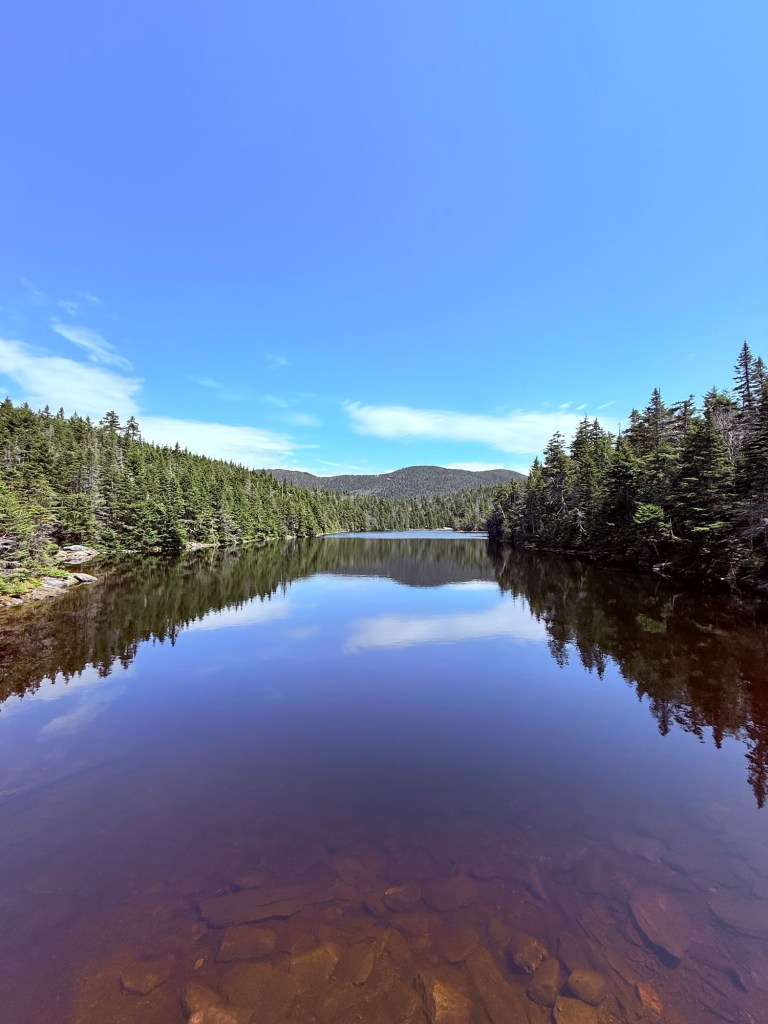
    • Hike the Sterling Pond Trail and imagine how smugglers might have traveled through similar terrain
    Sterling Pond – Spring 2025

    Even if you don’t find a hidden whiskey barrel tucked in a cave, you’ll gain a much richer appreciation for what this mountain pass has witnessed.

    Final Thoughts: A Notch With More Than Just Scenic Views

    The next time you drive the winding road between Jeffersonville and Stowe, take a moment to picture what came before. Picture mule trains slipping through the trees. Picture bootleggers navigating the cliffs by lantern light. Picture freedom seekers finding a path north under the cover of night.

    Smugglers’ Notch is more than a beautiful mountain pass. It’s a living story about Vermont’s resistance, resourcefulness, and refusal to be tamed.

    And those secrets? Some of them might still be hiding in the rocks, just waiting to be uncovered.

  • Strange Laws of Vermont: Quirky Legal Trivia

    Strange Laws of Vermont: Quirky Legal Trivia

    Vermont has always marched to the beat of its own drum. From banning billboards to letting towns govern themselves with near-total autonomy, this little state in the Northeast is filled with quirks that reflect its fiercely independent spirit. And nowhere is that more evident than in its laws. While many have been updated or repealed over time, some strange ones are still on the books, technically speaking. As a lifelong Vermonter, I’ve heard my fair share of oddball legal trivia, but even I was surprised by a few of these.

    Some are funny, some are rooted in real history, and some are just so Vermont it hurts. Whether you’re a curious local or a history-loving tourist, here are some of the strangest laws still lingering in the Green Mountain State.

    What Counts as a “Weird Law”?

    Let’s start by clearing something up. When we say a law is “still on the books,” it usually means it hasn’t been formally repealed or overwritten by newer legislation. That doesn’t necessarily mean it’s being enforced. Think of these as legal leftovers, often forgotten, sometimes debated, but always entertaining. Vermont has had centuries of lawmaking, and not everything has aged gracefully.

    Vermont’s Funniest and Most Bizarre Laws

    1. No Whistling Underwater

    This one makes the rounds on lists of weird laws, but don’t go digging through state statutes trying to find it. It’s almost certainly an urban legend, but it pops up often enough that it deserves a mention. The visual alone is worth it.

    2. Don’t Tie a Giraffe to a Telephone Pole

    Another favorite among online weird law lists, but again, there’s no actual evidence of this one existing in Vermont law. Still, it shows how easily quirky ideas get attached to a place like Vermont, where local ordinances can be unusually specific.

    3. It’s Illegal to Deny the Existence of God (VT Constitution, Chapter I, Article III)

    Now here’s one that is real. The Vermont Constitution contains language stating that officeholders must believe in a Supreme Being. Of course, this contradicts federal constitutional protections for religious freedom and has no practical bearing today, but the language is still technically there. It’s a historical relic from the 18th century, when many states had similar religious requirements.

    4. Towns Can Require Residents to Own a Firearm

    While not a statewide mandate, Vermont towns have had significant control over their own regulations, including historical militia-style laws. There’s no current requirement, but the local governance structure in Vermont once allowed for such ordinances. This reflects Vermont’s longstanding gun-friendly culture and its strong tradition of individual rights.

    5. Public Dancing Was Prohibited on Sundays

    Blue laws were a real thing in Vermont, just like in many other parts of the country. In some areas, public dancing and other leisure activities were restricted on Sundays for religious reasons. While most of these laws have been repealed or ignored into obsolescence, a few still pop up in local ordinances or town histories.

    6. Margarine Was Required to Be Dyed Pink

    This one is not just weird, it’s very real. In the late 19th and early 20th centuries, Vermont took its dairy seriously. So seriously, in fact, that margarine had to be dyed pink to distinguish it from butter. The goal? Protect the dairy industry from cheaper competition. Pink margarine wasn’t exactly flying off the shelves, and that was the point.

    7. Billboards Are Illegal

    Unlike many of the other laws on this list, this one is actively enforced. Vermont banned billboards in 1968 as a way to preserve scenic beauty and resist corporate intrusion. The law is a source of pride for many Vermonters, and it contributes to the state’s uniquely uncluttered roadsides. If you’ve ever driven through Vermont and thought it felt more peaceful, this law is part of the reason.

    8. You Can Legally Cross a Solid Yellow Line to Pass

    This one shocks a lot of visitors. In Vermont, it is not illegal to cross a solid yellow line to pass a slower-moving vehicle, as long as it’s safe to do so. The yellow line is advisory, not a strict prohibition. This law fits perfectly with Vermont’s trust in individual judgment and practical rural road etiquette. Just don’t try it on a blind curve.

    Local Bylaws That’ll Make You Do a Double Take

    One thing that makes Vermont unique is the level of autonomy granted to towns. That local control means some very specific, very strange laws exist in pockets around the state.

    • Montpelier and house colors: At one point, Montpelier debated regulating what colors residents could paint their homes, particularly in historic districts.
    • Shelburne and yard signs: Shelburne once proposed limiting the number and type of yard signs, sparking debates about free speech.
    • Livestock leash laws: In rural towns, don’t be surprised to find laws requiring pigs to be fenced in or even wear bells. Some of these still exist in outdated town bylaws.

    These local rules often reflect real concerns from another era but feel humorous today. Still, some are technically active, so it’s best to double-check your town’s regulations before installing a goat trampoline or neon-pink fence.

    Why These Laws Haven’t Been Repealed

    You might wonder, why don’t we just get rid of them? A few reasons:

    • Lack of urgency: If no one’s enforcing it, repealing it usually isn’t a priority.
    • Historical preservation: Some laws remain for symbolic or archival reasons.
    • Bureaucratic inertia: Repealing laws takes time, paperwork, and political will.

    And honestly? Some folks think they add character. In a state like Vermont, where independence and tradition matter deeply, even outdated laws can have a certain charm.

    How Vermont Compares to Other States

    Every state has its share of weird laws. Maine supposedly bans parking in front of Dunkin Donuts. In New Hampshire, it’s illegal to collect seaweed at night. Compared to those, Vermont’s oddities are mostly about tradition and independence rather than pure absurdity. What sets Vermont apart is that many of its “weird” laws have roots in real values: localism, agriculture, privacy, and practicality.

    Celebrate the Quirks

    From pink margarine to solid yellow lines, Vermont’s legal history is filled with unexpected surprises. Some of these laws are funny, some are outdated, and some are still shaping how we live today. But all of them tell a story about who we are as a state.

    Got a weird law from your Vermont town? Share it in the comments or send me a message. I’d love to dig into it. And if you enjoyed this little legal time capsule, stick around. There’s plenty more Vermont history and trivia where that came from.

  • What Makes a Town Truly Vermonty?

    What Makes a Town Truly Vermonty?

    There’s no official definition of the word “Vermonty,” but if you’ve spent any time in the Green Mountain State, you probably know the feeling. It’s that specific kind of charm that’s hard to describe and even harder to fake. A town might be beautiful, but that doesn’t mean it’s Vermonty. To qualify, it needs a perfect blend of quirk, character, community, and of course, cows.

    Whether you’re a visitor looking to find the most authentic small towns in Vermont, a local doing a vibe check, or just someone curious about what sets Vermont apart, this checklist will help you spot the real deal.

    Let’s break it down.


    If It Looks Like a Postcard, You’re in the Right Place

    Some towns just look Vermonty the second you roll in. Here are some visual cues to look for:

    • Classic white church steeple rising above the trees, preferably with a bell that still rings on Sundays
    • A town green with a gazebo, American flag, or handmade scarecrows during harvest season
    • Faded red barns – bonus points if they still have vintage signs like “Chew Mail Pouch Tobacco” or hand-painted cow silhouettes
    • A covered bridge, either functional or preserved as a walking path
    • A handful of historic houses, ideally with front porches and rocking chairs
    • Working farms within eyesight of downtown, with hay bales stacked in fields and cows just doing their thing

    It’s the kind of place where you feel like you’ve walked into a calendar photo. Not every Vermont town fits this mold, but most Vermonty towns do.


    The Downtown Should Be Small but Mighty

    A Vermonty town doesn’t need a big, flashy downtown. In fact, if it has a Starbucks and a chain pharmacy, you’re probably in the wrong place. The key is walkability, local pride, and a little weirdness.

    Here’s what you’ll typically find:

    • One or two blocks of Main Street lined with independent businesses, no franchises
    • A general store that sells maple creemees, duct tape, and organic lip balm all in one aisle
    • A hardware store that also stocks dog treats, holiday ornaments, and the town gossip
    • A café or bakery where someone’s always knitting in the corner and the muffins are made that morning
    • A community bulletin board plastered with posters for contra dances, chicken pie suppers, and lost mittens
    • A shop or gallery selling Vermont-made goods, sometimes right out of a renovated barn

    It’s not about having everything. It’s about having the right things, run by the right people.


    You Can Taste and Hear the Vermonty-ness

    You’ll know a town is Vermonty when its flavor is as strong as its personality. Local flavor means more than food—it’s about how the town celebrates its identity.

    Look for these signs:

    • Local diner or co-op that sources food from nearby farms and still serves homemade pie
    • Maple syrup in glass bottles labeled with the town’s name or even the family’s last name
    • A brewery, cidery, or meadery where someone’s playing acoustic guitar on the patio
    • Events with names like “Maple Fest,” “Winter Carnival,” or “Fiddlers’ Picnic”
    • Public music or art, like sculptures by local students or open mic nights at the town hall

    The best part? No one is trying to be trendy. They’re just being themselves – and that’s the Vermontiest vibe of all.


    If You Can’t Hear a River or Spot a Trailhead, Keep Driving

    Nature isn’t just nearby in Vermonty towns. It’s part of the daily rhythm. You should feel like you could step outside and go on a hike, jump into a swimming hole, or snowshoe through a field without needing to drive far.

    What to look for:

    • Surrounded by forest, fields, or mountains in almost every direction
    • Hiking trail or dirt path that starts right behind the post office or school
    • A river, stream, or waterfall you can hear from downtown
    • Locals wearing boots and flannel like they actually chopped wood that morning
    • More gravel roads than paved ones once you’re outside the main stretch

    If the only nature you see is a flower box, the town might be charming – but it’s not Vermonty.


    The People Make It Vermonty

    A town can have all the right visual ingredients, but without the people, it’s just a stage set. What really defines a Vermonty town is its sense of community – often quirky, sometimes crusty, but always deeply rooted.

    Here’s how to spot it:

    • Town meetings that get heated, and everyone still says hi at the general store afterward
    • Homemade signs on roadsides saying things like “Drive Slow – Kids and Chickens at Play”
    • Longtime residents who give directions like “Turn left after where the McAllisters used to live”
    • A local newsletter or Facebook page with headlines about stolen sap buckets or moose sightings
    • A sense that people care – about their neighbors, their land, their town’s future

    You don’t need to be born there to be welcomed, but you will need to learn a few names and listen more than you talk—at least at first.


    Extra Credit: The Bonus Vermonty Scale

    Some towns go above and beyond. They don’t just check the boxes—they create new ones. Here are some bonus indicators you’re in a truly Vermonty town:

    • A name that sounds vaguely French or colonial, like “Calais” (pronounced CALL-us) or “Thetford”
    • A local ski hill or rope tow, even if it’s barely taller than a barn
    • Creative student art decorating the school fence or community center
    • Dump day as a social event, where everyone brings their trash and their stories
    • A town festival where the main event is ox pulling, pie eating, or a parade of tractors
    • No chain stores in sight, and definitely no billboards

    These extras aren’t required, but they sure help a town stand out in the best way.


    How Vermonty Is Your Town?

    So, how’d your town do? Five out of six? All of them plus bonus points? Whether you’re a native, a flatlander turned local, or a first-time visitor, spotting Vermonty towns is about tuning into the rhythm and character that makes this state special.

    Here’s your unofficial scoring guide:

    • 0–2 sections: Charming, but not Vermonty. Try again.
    • 3–4 sections: You’re getting close. Keep exploring.
    • 5–6 sections: That’s a Vermonty town.
    • 6 sections plus bonus points: You’ve found the real deal. Hang on to it.

    Vermonty towns aren’t always on the top 10 lists or travel brochures, but they are the places that leave a mark. They’re where you’ll get the best stories, the warmest welcomes, and probably a maple creemee handed to you with a smile.


    Share the Vermonty Vibe

    Know a town that screams “Vermonty”? Share it in the comments or tag it on social media. Whether it’s tiny and hidden or proudly known across the state, we’d love to see what makes your favorite town tick.

    And if you’re out exploring, don’t just check places off a list. Stop in the general store. Talk to someone on a bench. Buy a jar of local jam. That’s how you find the Vermonty soul of a place – not just the postcard view, but the story behind it.

    Want more real-deal Vermont content?
    Subscribe to the blog for weekly guides, hidden gems, and local travel ideas straight from a Vermonter!

    Ready to hit the road? Keep your eyes open and your creemee cone upright. The most Vermonty places are waiting for you, right around the bend. 🚗

  • The Heart of Vermont: A Guide to General Stores

    The Heart of Vermont: A Guide to General Stores

    Step inside almost any general store in Vermont and you’ll feel it immediately. The creaky floorboards. The smell of hot soup or just-baked muffins. Shelves lined with everything from duct tape and maple syrup to wool socks and watercolor prints. Someone behind the counter will greet you with a nod, maybe even your name. This is not just a store. It’s the heart of the town.

    Vermonters don’t just shop at general stores. We rely on them. We gather in them. We remember our childhoods through them. Whether you live here or you’re visiting for the first time, general stores tell the story of Vermont in a way no museum or brochure ever could.

    Let’s take a closer look at what makes Vermont general stores so special and why they remain a beloved part of daily life across the state.


    1. What Makes a General Store, Well, General?

    A Vermont general store is not a gas station convenience store. It’s not a tourist trap gift shop. It’s something in between and something more.

    Here are a few defining traits:

    • All-in-one shopping. You can grab groceries, a sandwich, a screwdriver, and a birthday card all in one stop.
    • Local flavor. Most stores sell products made nearby, like honey, jam, pottery, or woodcrafts.
    • Authentic feel. Many have the same shelves, signage, and fixtures they’ve had for decades.
    • Real community. Bulletin boards display lost dog flyers, yoga class schedules, firewood for sale, and babysitting ads.

    Each store reflects the character of its town. Some are more rustic. Others have been updated with cafes and wine cellars. But the spirit is always the same.


    2. A Piece of History That Still Matters

    General stores in Vermont have been around since the late 1700s and early 1800s. Back then, most towns had one. Some had more. They were places where farmers traded goods, picked up mail, and got updates on local news. Many were the only places within walking or wagon distance to buy flour, lantern oil, or a new pair of boots.

    Over time, these stores became the social centers of small towns. They hosted debates about town budgets, doubled as post offices, and gave people a place to meet in the middle of winter when it felt like the world had gone silent.

    Even today, many Vermont general stores still:

    • Act as postal centers
    • Support local farms and artisans
    • Provide essential supplies during storms
    • Serve as landmarks and gathering spaces

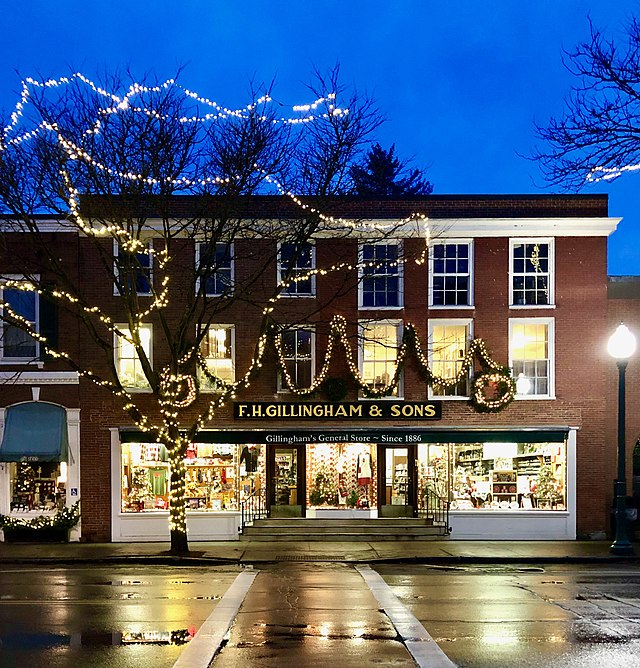
    A few have even been continuously open for over a century. Stores like F.H. Gillingham & Sons in Woodstock are not just shops. They are living history.


    3. Why Vermonters Still Count on Them

    Living in a small Vermont town comes with certain realities. Grocery delivery might not exist. The nearest chain store could be 45 minutes away. When the snow falls fast or the power goes out, the general store becomes your lifeline.

    Here are just a few reasons locals still turn to these stores:

    • Proximity. Many general stores are the only option for miles.
    • Reliability. They stay open during storms, holidays, and blackouts.
    • Familiarity. The person at the register probably knows your name and what kind of bread you like.
    • Community support. Buying from a general store keeps your money in town.
    • Comfort. There’s nothing like getting a hot coffee and a fresh-made breakfast sandwich from a place that feels like home.

    These stores are where people catch up with neighbors, hang out with friends, and pass down traditions.


    4. Why Visitors Love Them Too

    For tourists and out-of-staters, general stores offer a glimpse into the real Vermont. These are not curated experiences designed for photo ops. They are everyday places that feel timeless in the best way.

    Visitors often fall in love with general stores because:

    • They feel genuine. Nothing is staged or overly polished. It just is.
    • They have charm. Vintage cash registers, old advertisements, and handwritten signs feel like stepping into the past.
    • They offer great local products. From maple candy and small-batch hot sauce to handmade crafts, you can find treasures without the crowds.
    • They provide a pause. These stores let you slow down and breathe. No rush. No agenda. Just good food and friendly faces.

    When you visit Vermont, skipping the general store is like going to Paris and avoiding the cafés. You miss the point.


    5. Some Must-Visit Vermont General Stores

    If you’re planning a trip or just want to explore your own backyard, here are some general stores worth the stop.

    The Warren Store (Warren, VT)
    A classic that mixes a full deli, gourmet groceries, boutique shopping, and a porch view of the river.

    F.H. Gillingham & Sons (Woodstock, VT)
    One of the oldest general stores in the state, it sells cheese, wine, maple syrup, dry goods, and a lot of Vermont pride.

    Barnard General Store (Barnard, VT)
    Located next to Silver Lake, this store has become a summer tradition for many. Breakfast sandwiches and coffee on the porch are a must.

    Craftsbury General Store (Craftsbury, VT)
    Community-run and loaded with charm. It stocks fresh baked goods, seasonal produce, and pantry staples.

    Putney General Store (Putney, VT)
    Rebuilt after a fire thanks to donations and community determination. It’s a true comeback story that shows how much these stores mean.

    South Londonderry Village Market (South Londonderry, VT)
    Reopened under local ownership and now offers everything from groceries and wine to soups and sandwiches.

    Every one of these places has its own flavor. Visit a few and you’ll start to see the soul of Vermont.


    6. Why General Stores Are Thriving Again

    While many small businesses struggle, general stores are seeing something of a renaissance in Vermont. People want what they offer. Simplicity. Authenticity. Connection.

    Here’s what’s driving the renewed love:

    • A shift toward local. More Vermonters and visitors are choosing to support small businesses over chains.
    • Post-pandemic values. The last few years reminded everyone how valuable nearby, reliable resources are.
    • Revitalization efforts. Younger families and longtime residents are investing in general stores, giving them new life while preserving tradition.
    • More than a store. Many now offer events, art exhibits, or small cafes, making them part of the town’s cultural calendar.

    These aren’t relics. They’re anchors for what’s next.


    7. How You Can Support General Stores in Vermont

    Whether you’re a resident or a traveler, there are easy ways to help general stores stay strong.

    • Shop regularly. Even small purchases go a long way.
    • Buy locally made products. Every bottle of maple syrup or bar of handmade soap supports a second local business.
    • Talk to the staff. They’re usually happy to share town history or offer trail recommendations.
    • Write positive reviews. Mention them online so other travelers can find them.
    • Spread the word. Recommend your favorites to friends and family visiting Vermont.

    Supporting general stores means supporting communities.


    Final Thoughts

    Vermont’s general stores are not just about buying milk and bread. They are about connection. They are about memory. They are about place.

    If you’re new to Vermont, visiting for a weekend, or returning after a long time away, find the closest general store and walk through its door. Let the floor creak under your boots. Breathe in the scent of something baking. Take your time. Talk to someone. Pick up a jar of jam or a loaf of bread or a bar of soap that someone nearby made by hand.

    That’s the real Vermont.

    And if you already have a favorite general store, drop it in the comments. Let’s make sure these places get the love they deserve.

    One-Time
    Monthly
    Yearly

    Writing, wandering, and maple dreaming. Fuel the adventure with a coffee.

    Writing, wandering, and maple dreaming. Fuel the adventure with a coffee.

    Writing, wandering, and maple dreaming. Fuel the adventure with a coffee.

    Choose an amount

    $5.00
    $10.00
    $20.00
    $25.00
    $50.00
    $100.00
    $50.00
    $75.00
    $100.00

    Or enter a custom amount

    $

    Grateful as a Vermonter on the first sunny day after mud season, seriously, thank you.

    Grateful as a Vermonter on the first sunny day after mud season, seriously, thank you.

    Grateful as a Vermonter on the first sunny day after mud season, seriously, thank you.

    DonateDonate monthlyDonate yearly
  • Unique Vermont Town Names and Their Stories 🤔🗺️

    Unique Vermont Town Names and Their Stories 🤔🗺️

    Vermont has a reputation. Maple syrup. Ski towns. Progressive politics. Cozy inns. But look closer and you’ll find a wilder story etched into the signs nailed up along its winding backroads. This is a place where town names don’t just sound odd. They are odd. They beg questions. They pick fights with pronunciation. And they almost always come with a hell of a backstory.

    Here are a few of Vermont’s most unusual town names and the stories behind them.

    Calais

    Locals will tell you fast and without apology: it’s CALL-us, not ka-LAY. You want French elegance? Go to France. This Calais took the name during the Revolution as a nod to liberty, then twisted it into something that sounds more like a throat-clearing. It’s a small town with big opinions, dirt roads, and folks who prefer it that way. Mispronounce it and they’ll correct you with a smile that doesn’t quite reach the eyes.

    Belvidere

    Belvidere Pond in Vermont reflecting the trees during the fall season


    Sounds like it should have golf courses and luxury SUVs. What you’ll find is fewer than 400 people, a mountain that eats cell signals for breakfast, and some of the most staggeringly beautiful views this side of the Alps. The name comes from the Italian belvedere, meaning beautiful view. For once, the name isn’t a lie.

    Dummerston

    With a name like Dummerston, you might expect a punchline. But this town, founded in 1753, is anything but dull. It was named after William Dummer, an early colonial governor of Massachusetts. The name may raise eyebrows now, but Dummer was a respected political figure of his time.

    Dummerston is also famous for being the longtime home of author Rudyard Kipling. He wrote parts of The Jungle Book while living in a house called Naulakha, which still stands today.

    Tunbridge

    Tunbridge is best known for its historic fairgrounds and the Tunbridge World’s Fair, which has been running since 1867. But the town’s name reflects a much older tradition. It was named after Tunbridge Wells in England, a fashionable spa town in the 1700s.

    The Vermont version stuck to its farming roots. Today, Tunbridge is a poster child for rural life, known for covered bridges, heritage breeds, and a tight-knit community that turns out for the fair every September.

    Wheelock

    Now this one has a perk. Wheelock, located in Caledonia County, was named after Eleazar Wheelock, the founder of Dartmouth College. Thanks to an old land grant arrangement, Dartmouth students who are from Wheelock are eligible for free tuition at the Ivy League school.

    It’s a small town with a big-time scholarship attached. And yes, there have been students who moved there just to qualify.

    Braintree

    Braintree might sound like a tech startup, but it’s actually a sleepy little town in Orange County. It was named after Braintree, Massachusetts, which was named after Braintree, England. The name might evoke images of brains and intellect, but the Vermont version is far more known for hiking trails and maple trees than academics.

    Still, it does make a great trivia question: “What Vermont town sounds like it should be full of geniuses but is actually mostly cows and forests?”

    Victory

    Victory is one of the most remote towns in the state, with only about 70 full-time residents. It didn’t even get electricity until the 1960s, making it the last town in Vermont to be connected to the grid.

    Its name is bold and dramatic, but the origin is unclear. Some believe it was named to celebrate a victory in the Revolutionary War, while others say it was just a name chosen to attract settlers. Either way, Victory stands strong — even if it is mostly trees, moose, and dirt roads.

    Satan’s Kingdom

    Yes, it’s real. No, it’s not a full town, but it’s definitely worth mentioning.

    Satan’s Kingdom is a remote area in the northeastern part of Leicester. The name has puzzled and amused travelers for generations. Local legends vary, but one theory is that early settlers gave it the ominous name because of how rugged, rocky, and swampy the land was.

    There’s not much there now, but let’s be honest — you kind of want to go visit just to say you’ve been to Satan’s Kingdom, Vermont.

    The Northeast Kingdom

    It’s not a town, it’s a whole region and the name has stuck for over 75 years.

    The term Northeast Kingdom was coined in 1949 by Governor George Aiken to describe the rugged, wild corner of Vermont made up of Essex, Orleans, and Caledonia counties. The name caught on fast, and today it’s used in everything from tourism brochures to high school names.

    The Northeast Kingdom has a vibe all its own. Think deep forests, tiny towns, glacial lakes, and some of the most breathtaking fall foliage in the country. The name might sound royal, but life here is more about wood stoves, dirt roads, and star-filled skies.


    Vermont’s town names are as unique and unforgettable as its landscapes. Whether it’s a mispronounced French word, a bold declaration like Victory, or a place straight out of a horror novel, these names all come with a story — and a little bit of Vermont attitude.

    So next time you’re driving through the Green Mountains and see a quirky name on a sign, take a second to wonder what tale might be behind it.

  • 15 Weird and Wonderful Facts About Vermont

    15 Weird and Wonderful Facts About Vermont

    When you think of Vermont, you might picture rolling hills, charming small towns, and endless maple syrup. And while those images are spot on, there is a lot more to the Green Mountain State than meets the eye. From quirky laws to historic firsts, Vermont has some seriously surprising stories up its sleeve. Here are some fun facts about Vermont you probably did not know.

    🏴 1. Vermont was an independent republic before joining the United States. Before it became the 14th state, Vermont was its own independent country, known as the Vermont Republic, from 1777 to 1791. It had its own currency, postal service, and even negotiated its own treaties.


    🧭 2. It is the only New England state without a coastline. Unlike its neighbors, Vermont is completely landlocked. But with Lake Champlain covering much of its western border, Vermonters still get to enjoy plenty of waterfront views.


    🏛️ 3. Montpelier is the smallest state capital in the United States. With a population of around 8,000 people, Montpelier holds the title for the smallest capital city by population. Despite its size, it is packed with history, charm, and one seriously photogenic State House.

    ⛔️ 4. Vermont banned billboards.  You will not find a single billboard along Vermont’s highways. The state banned them in 1968 to preserve its natural beauty, making every drive a scenic one.

    🍁 5. Vermont produces more maple syrup than any other state. It is no secret that Vermont takes its maple syrup seriously. The state produces roughly half of all maple syrup made in the United States. That is a lot of sweet, sticky goodness.

    📜 6. It was the first state to abolish slavery. In 1777, Vermont became the first territory in what would become the United States to prohibit slavery in its constitution, setting a powerful precedent for human rights.

    🏔️ 7. Vermont is a major producer of marble and granite. In addition to syrup, Vermont has a history of quarrying beautiful stones. Barre, Vermont is known as the “Granite Center of the World,” and the state is also a major producer of high-quality marble.

    ⛷️ 8. It is home to the first ski tow in the United States. In 1934, a farmer in Woodstock, Vermont rigged up a rope tow powered by a Model T Ford engine, making it easier for skiers to get up the hill. Skiing has been a big part of Vermont culture ever since.

    🍦 9. Ben & Jerry’s gives away its “graveyard” flavors. Ben & Jerry’s, the iconic ice cream brand founded in Burlington, has a “Flavor Graveyard” where they honor discontinued flavors. You can visit it at their Waterbury factory and pay your respects to flavors like “Peanut Butter and Jelly” and “White Russian.”

    🐄 10. Vermont has more cows than people in some towns. While it is no longer true statewide, there are still Vermont towns where cows outnumber humans. Agriculture remains a big part of life, and you will often see dairy farms dotting the countryside.

    🌲 11. It is one of the least populated states. Vermont consistently ranks among the least populated states, making it a haven for those seeking open spaces, quiet towns, and a slower pace of life.

    🛍️ 12. Vermont is fiercely proud of its local businesses. You will not find a lot of big box stores in Vermont, especially outside the larger towns. The state prioritizes local ownership and community-focused businesses, which adds to its unique charm.

    🍦 13. Vermonters take their maple creemees seriously. Maple creemees, Vermont’s version of soft serve ice cream, are practically a rite of passage. You will find them at roadside stands all over the state once the weather warms up.

    🌊 14. Lake Champlain was briefly recognized as the sixth Great Lake. In 1998, Congress declared Lake Champlain the nation’s sixth Great Lake. The designation was quietly rescinded a few months later, but locals still joke about the “Great Lake” that almost was.

    🗳️ 15. Vermont invented the modern concept of “town meeting” democracy. Town meetings, where residents gather to vote directly on budgets, policies, and leadership, are a New England tradition with roots deep in Vermont. It remains a proud example of grassroots democracy.

    Tips for Enjoying Vermont Fun Facts:

    • Explore local museums and historic sites.
    • Chat with locals to hear firsthand stories.
    • Keep an eye out for plaques, roadside signs, and historic markers.

    Vermont may be small, but it is packed with history, personality, and a few surprises. The next time you are traveling through, keep these fun facts in mind and you will see the Green Mountain State in a whole new light.

  • Why Vermont Banned Billboards: Preserving the Beauty of the Green Mountain State

    Why Vermont Banned Billboards: Preserving the Beauty of the Green Mountain State

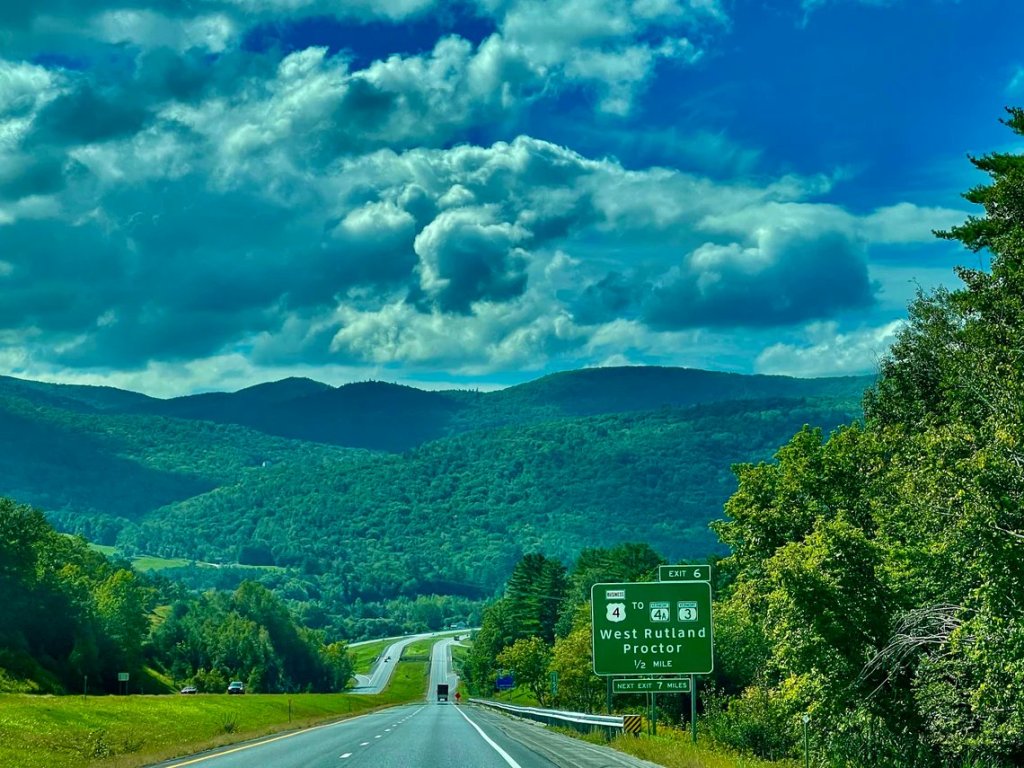
    When you drive through Vermont, something immediately feels different. The views are wide open, the forests are dense, and the mountains stretch into the horizon without a single advertisement blocking the scenery. Vermont is one of the only states in the country where billboards are completely banned, and it has been that way for more than fifty years.

    The decision to remove billboards was not just about aesthetics. It was about protecting Vermont’s identity, preserving its small-town charm, and putting community values above commercial interests. Here is the story of why Vermont banned billboards, and why the choice still matters today.

    The Rise of Billboards Across America

    In the early to mid-20th century, billboards exploded in popularity across the United States. As highways expanded and car ownership soared, businesses realized that road signs were a powerful way to grab the attention of drivers. Bright, flashy, and often larger than life, billboards popped up along major highways and rural backroads alike.

    By the 1960s, many parts of the country were overwhelmed by a clutter of signs advertising gas stations, motels, cigarettes, and soft drinks. Roads that once offered peaceful views of farmland or mountains became crowded with commercial messaging.

    While some states began to regulate billboard size and placement, very few considered removing them altogether. Vermont was about to change that.

    Why Vermont Took a Stand

    In the 1960s, Vermont was at a crossroads. Tourism had become a growing part of the state’s economy, but many Vermonters worried that the spread of billboards would ruin the very landscapes that drew visitors in the first place.

    At the same time, there was a deeper cultural concern. Vermont had always prized its independent spirit, its connection to the land, and its small-town way of life. The idea of letting national corporations plaster their advertisements across the state felt, to many, like a betrayal of those values.

    In 1968, Vermont’s legislature passed a law banning billboards completely. The law made Vermont the second state to ban billboards, following Hawaii’s lead just a few years earlier. However, Vermont’s ban was particularly strict. Not only were new billboards prohibited, but existing ones were systematically removed over time.

    Governor Deane Davis, who signed the law, put it simply. He believed that the natural beauty of Vermont was more valuable than any potential advertising revenue. In his words, “The scenery is too precious to be marred by advertising signs.”

    How the Ban Works

    Vermont’s billboard law is straightforward. No new off-premise advertising signs are allowed. An off-premise sign means any sign that advertises a business, service, or product not sold on the property where the sign is located.

    On-premise signs are still allowed, but they must meet strict guidelines about size, placement, and lighting. This allows businesses, especially small local ones, to advertise on their own property without creating visual clutter along the roads.

    The state also tightly regulates temporary signs, political signs, and directional signs. Everything is designed to keep the focus on the landscape, not on advertisements.

    The Impact on Vermont’s Landscape

    The result of the billboard ban is visible everywhere you go in Vermont. When you drive along Route 100, often called one of the most scenic highways in America, your eyes are filled with endless views of rolling fields, sparkling rivers, and dense forests. In autumn, the hillsides blaze with the colors of changing leaves. In winter, snow-blanketed farms and mountains create a postcard-perfect scene.

    Without billboards, Vermont’s towns and villages have also kept their historic character. Downtowns feel more personal and authentic. Visitors often comment that Vermont looks and feels like stepping back in time, in the best possible way.

    The ban has also helped Vermont tourism. Travelers seeking natural beauty, peace, and a break from commercialism find exactly what they are looking for in Vermont. For many, the absence of billboards is not just refreshing. It is part of what makes Vermont unforgettable.

    Criticisms and Challenges

    Of course, not everyone has agreed with the billboard ban. Some business owners have argued that without billboards, it is harder to attract customers, especially in rural areas where businesses can be spread far apart. Others have pointed out that digital advertising, internet searches, and GPS have replaced much of the need for roadside signs anyway.

    Over the years, there have been occasional pushes to loosen the regulations. So far, Vermont has held firm. Most Vermonters continue to support the ban, viewing it as a critical part of the state’s identity and a proud example of putting quality of life ahead of commercial convenience.

    A Legacy of Preservation

    Today, Vermont’s billboard ban is not just a quirky law. It is a symbol of the state’s values. It represents a commitment to protecting natural beauty, prioritizing community over commerce, and valuing long-term quality over short-term profits.

    In a world that often feels increasingly busy, cluttered, and loud, Vermont offers something rare. The freedom to drive, hike, and explore without being constantly sold something. A chance to experience nature without distractions. A reminder that sometimes, the best advertisement for a place is no advertisement at all.

    When you cross into Vermont and see the forests stretch uninterrupted to the horizon, you are seeing the result of a bold choice made more than fifty years ago. And for many, it is one of the best reasons to fall in love with the Green Mountain State.