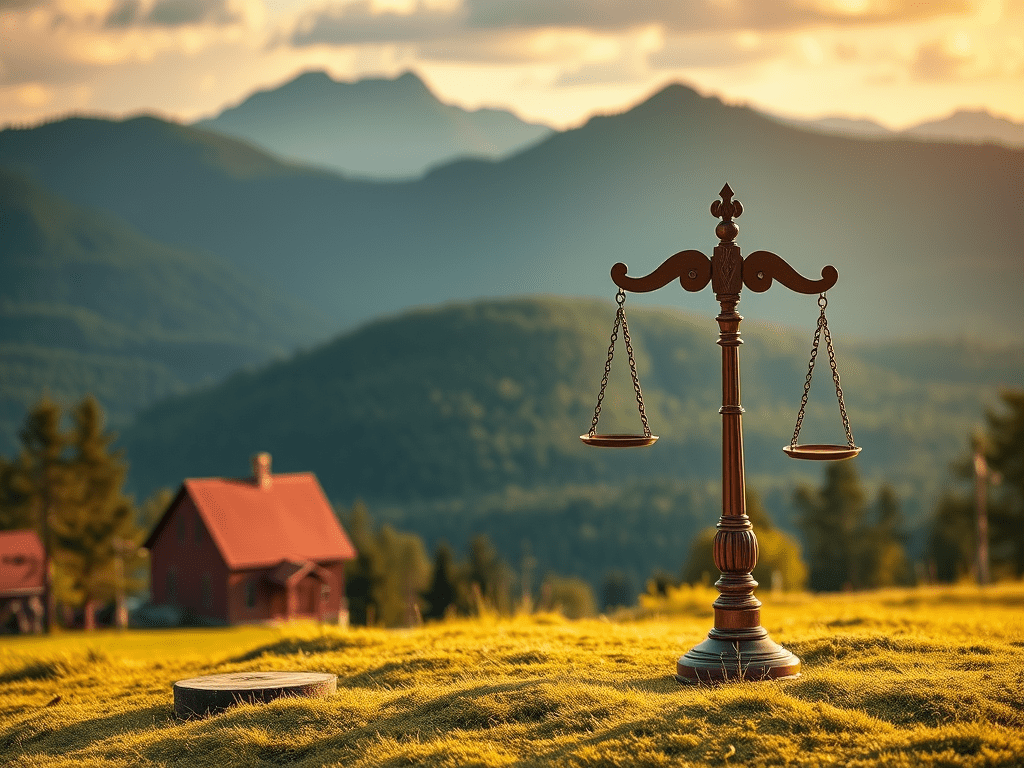
Vermont has always marched to the beat of its own drum. From banning billboards to letting towns govern themselves with near-total autonomy, this little state in the Northeast is filled with quirks that reflect its fiercely independent spirit. And nowhere is that more evident than in its laws. While many have been updated or repealed over time, some strange ones are still on the books, technically speaking. As a lifelong Vermonter, I’ve heard my fair share of oddball legal trivia, but even I was surprised by a few of these.
Some are funny, some are rooted in real history, and some are just so Vermont it hurts. Whether you’re a curious local or a history-loving tourist, here are some of the strangest laws still lingering in the Green Mountain State.
What Counts as a “Weird Law”?
Let’s start by clearing something up. When we say a law is “still on the books,” it usually means it hasn’t been formally repealed or overwritten by newer legislation. That doesn’t necessarily mean it’s being enforced. Think of these as legal leftovers, often forgotten, sometimes debated, but always entertaining. Vermont has had centuries of lawmaking, and not everything has aged gracefully.
Vermont’s Funniest and Most Bizarre Laws
1. No Whistling Underwater
This one makes the rounds on lists of weird laws, but don’t go digging through state statutes trying to find it. It’s almost certainly an urban legend, but it pops up often enough that it deserves a mention. The visual alone is worth it.
2. Don’t Tie a Giraffe to a Telephone Pole
Another favorite among online weird law lists, but again, there’s no actual evidence of this one existing in Vermont law. Still, it shows how easily quirky ideas get attached to a place like Vermont, where local ordinances can be unusually specific.
3. It’s Illegal to Deny the Existence of God (VT Constitution, Chapter I, Article III)
Now here’s one that is real. The Vermont Constitution contains language stating that officeholders must believe in a Supreme Being. Of course, this contradicts federal constitutional protections for religious freedom and has no practical bearing today, but the language is still technically there. It’s a historical relic from the 18th century, when many states had similar religious requirements.
4. Towns Can Require Residents to Own a Firearm
While not a statewide mandate, Vermont towns have had significant control over their own regulations, including historical militia-style laws. There’s no current requirement, but the local governance structure in Vermont once allowed for such ordinances. This reflects Vermont’s longstanding gun-friendly culture and its strong tradition of individual rights.
5. Public Dancing Was Prohibited on Sundays
Blue laws were a real thing in Vermont, just like in many other parts of the country. In some areas, public dancing and other leisure activities were restricted on Sundays for religious reasons. While most of these laws have been repealed or ignored into obsolescence, a few still pop up in local ordinances or town histories.
6. Margarine Was Required to Be Dyed Pink
This one is not just weird, it’s very real. In the late 19th and early 20th centuries, Vermont took its dairy seriously. So seriously, in fact, that margarine had to be dyed pink to distinguish it from butter. The goal? Protect the dairy industry from cheaper competition. Pink margarine wasn’t exactly flying off the shelves, and that was the point.
7. Billboards Are Illegal
Unlike many of the other laws on this list, this one is actively enforced. Vermont banned billboards in 1968 as a way to preserve scenic beauty and resist corporate intrusion. The law is a source of pride for many Vermonters, and it contributes to the state’s uniquely uncluttered roadsides. If you’ve ever driven through Vermont and thought it felt more peaceful, this law is part of the reason.
8. You Can Legally Cross a Solid Yellow Line to Pass
This one shocks a lot of visitors. In Vermont, it is not illegal to cross a solid yellow line to pass a slower-moving vehicle, as long as it’s safe to do so. The yellow line is advisory, not a strict prohibition. This law fits perfectly with Vermont’s trust in individual judgment and practical rural road etiquette. Just don’t try it on a blind curve.
Local Bylaws That’ll Make You Do a Double Take
One thing that makes Vermont unique is the level of autonomy granted to towns. That local control means some very specific, very strange laws exist in pockets around the state.
- Montpelier and house colors: At one point, Montpelier debated regulating what colors residents could paint their homes, particularly in historic districts.
- Shelburne and yard signs: Shelburne once proposed limiting the number and type of yard signs, sparking debates about free speech.
- Livestock leash laws: In rural towns, don’t be surprised to find laws requiring pigs to be fenced in or even wear bells. Some of these still exist in outdated town bylaws.
These local rules often reflect real concerns from another era but feel humorous today. Still, some are technically active, so it’s best to double-check your town’s regulations before installing a goat trampoline or neon-pink fence.
Why These Laws Haven’t Been Repealed
You might wonder, why don’t we just get rid of them? A few reasons:
- Lack of urgency: If no one’s enforcing it, repealing it usually isn’t a priority.
- Historical preservation: Some laws remain for symbolic or archival reasons.
- Bureaucratic inertia: Repealing laws takes time, paperwork, and political will.
And honestly? Some folks think they add character. In a state like Vermont, where independence and tradition matter deeply, even outdated laws can have a certain charm.
How Vermont Compares to Other States
Every state has its share of weird laws. Maine supposedly bans parking in front of Dunkin Donuts. In New Hampshire, it’s illegal to collect seaweed at night. Compared to those, Vermont’s oddities are mostly about tradition and independence rather than pure absurdity. What sets Vermont apart is that many of its “weird” laws have roots in real values: localism, agriculture, privacy, and practicality.
Celebrate the Quirks
From pink margarine to solid yellow lines, Vermont’s legal history is filled with unexpected surprises. Some of these laws are funny, some are outdated, and some are still shaping how we live today. But all of them tell a story about who we are as a state.
Got a weird law from your Vermont town? Share it in the comments or send me a message. I’d love to dig into it. And if you enjoyed this little legal time capsule, stick around. There’s plenty more Vermont history and trivia where that came from.


Leave a comment