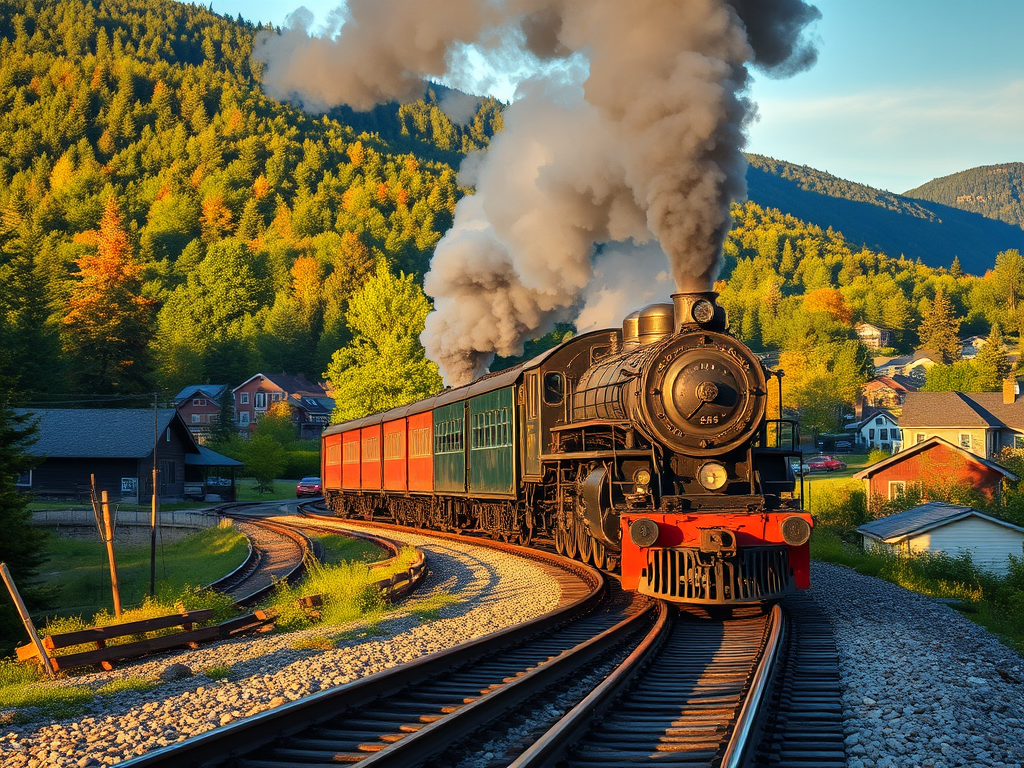
When Trains Ruled the Green Mountains
There was a time when the heartbeat of Vermont echoed with the rhythm of trains. Steam engines carved their way through mountain passes, small-town depots bustled with activity, and railcars carried everything from granite to tourists. Today, much of that vast network has disappeared, but the story of Vermont’s railroads is far from forgotten.
This post explores how Vermont’s railroads rose to power, shaped communities, and eventually declined. Whether you’re a train enthusiast, a local Vermonter, or a visitor eager to understand the state’s hidden past, this is your ticket into one of Vermont’s most compelling chapters.
Laying the Tracks: Railroads Come to Vermont
In the early 1800s, Vermont was a land of forests, farms, and winding dirt roads. The arrival of the railroad transformed everything.
The first major player was the Vermont Central Railroad, incorporated in 1843. Its original line connected Burlington to Windsor, bringing new opportunities to small towns across central Vermont. The Rutland & Burlington Railroad followed closely behind, helping to connect the Champlain Valley to southern New England markets.
Railroads offered:
- A faster, more reliable alternative to ox-drawn wagons and riverboats
- New economic lifelines for isolated mountain communities
- The ability to export Vermont’s granite, timber, dairy, and slate on a national scale
But building the lines wasn’t easy. Vermont’s rugged terrain, harsh winters, and rocky soil made construction a costly and difficult task. Still, by the 1850s and 1860s, dozens of lines crisscrossed the state.
The Golden Age of Rail: Commerce, Tourism, and Small-Town Life
From the 1870s to the 1920s, railroads were at the center of Vermont life.

For industry:
- Logging camps deep in the Northeast Kingdom sent timber south via spur lines
- Barre’s granite quarries used freight trains to ship monument stone across the country
- Vermont dairy products made their way to Boston, New York, and beyond, fresh thanks to refrigerated cars
For people:
- Train travel made it easier for Vermonters to attend college, visit relatives, or move around the region
- Immigrants and workers used the rail system to settle new areas and find employment
- Small-town stations became central meeting spots, often doubling as general stores or post offices
For tourism:
The railroads were responsible for the first wave of Vermont tourism. Wealthy city dwellers from Boston and New York would board sleeping cars to escape to:
- The cool air of the Green Mountains
- Resort towns like Woodstock and Stowe
- Grand hotels nestled near train stops
This era cemented Vermont as a nature getaway long before the era of car camping or ski resorts.
Competition and Consolidation: When the Railroads Changed Hands
As the rail network grew, so did competition and complexity. Dozens of smaller lines found themselves unable to compete or maintain profitability.
In response, larger players absorbed or leased smaller lines, including:
- Central Vermont Railway, eventually controlled by the Grand Trunk Railway of Canada
- Rutland Railroad, which expanded to serve Montreal, Boston, and New York connections
- Boston and Maine Railroad, operating key routes in southeastern Vermont
By the early 20th century, most of Vermont’s rail system was controlled by just a few major companies.
This shift led to:
- Increased efficiency on major freight lines
- Decline of local service and branch lines
- Greater Canadian influence, especially in northern Vermont
Although trains were still moving plenty of goods and people, cracks had begun to show in the system.
The Great Decline: Cars, Highways, and a Changing Economy
From the 1930s onward, Vermont’s railroad empire began to shrink.
Why the decline?
- Automobiles took over
Cars gave people independence. Roads improved. Bus lines emerged. Passenger rail no longer held the monopoly on mobility. - Trucking beat freight rail
Trucks offered door-to-door delivery. This undercut freight lines, especially in rural Vermont. - Airplanes changed long-distance travel
Rail couldn’t compete with the speed of air travel for those heading beyond New England. - Maintenance became costly
Aging infrastructure, snow-clearing, and low ridership made branch lines unsustainable.
By the 1950s:
- Many small stations had closed
- Passenger service was drastically reduced
- The state began removing unused tracks and bridges
In 1963, a strike by Rutland Railroad workers led to a dramatic collapse of the entire line. It was the final blow for much of Vermont’s rail infrastructure.
What Remains Today: Traces of a Railroad Past
While most of the empire has vanished, Vermont still carries traces of its railroading glory.
Active train rides today:
- Amtrak’s Vermonter travels daily between St. Albans and Washington, D.C., offering a scenic and practical ride through central Vermont towns like Essex Junction, Montpelier, and White River Junction
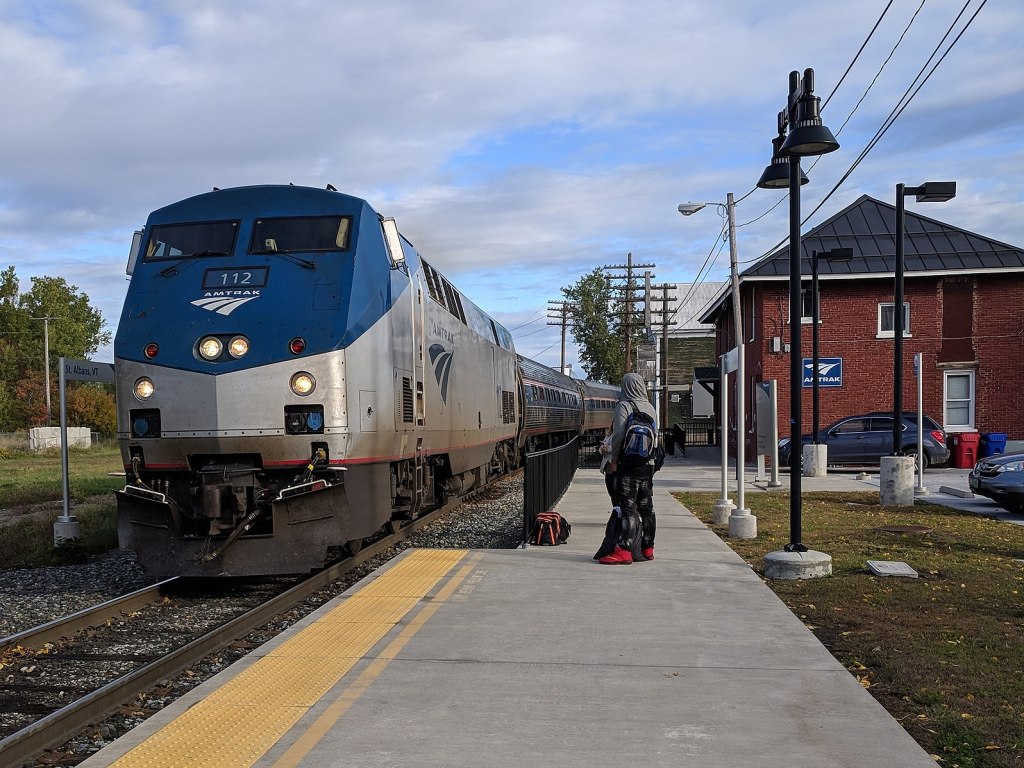
- Amtrak’s Ethan Allen Express connects Burlington to New York City via Rutland and Albany, restored in 2022 after years of advocacy
- Green Mountain Railroad operates seasonal scenic rides out of Chester and Burlington, with themed excursions during fall foliage, winter holidays, and special events

Rail trails repurposing old lines:
- Lamoille Valley Rail Trail follows the former St. Johnsbury & Lamoille County Railroad, eventually connecting St. Johnsbury to Swanton
- Missisquoi Valley Rail Trail stretches from Richford to St. Albans along a peaceful, rural path
- Delaware & Hudson Rail Trail runs through western Bennington County into New York, following a once-busy freight corridor
Historic sites:
- Many original depots have been restored or repurposed as museums, town halls, or local businesses
- Granite Junction in Barre and the Bellows Falls tunnel remain major landmarks of Vermont’s freight history
- Railroad festivals, model train clubs, and historical societies across the state continue to preserve and share rail culture
These remnants offer a glimpse into the powerful role railroads once played in shaping Vermont’s communities.
Stories from the Rails: Local Legends and Railroad Lore
Ask a Vermonter over 70 about the railroad, and chances are you’ll get a story.
Some of the most colorful tales include:
- Bootlegging during Prohibition: Rumor has it that trains carried more than just freight during the 1920s. Remote flag stops and whistle signals were allegedly used for sneaky transfers of illicit alcohol.
- Snowbound rescues: In towns like Island Pond and Randolph, locals tell of trains buried by snowdrifts for days, requiring massive plow engines or entire work crews to dig them out.
- Haunted depots and rail tunnels: Legends swirl around spots like the abandoned tunnel in Northfield or the old Rutland roundhouse, now crumbling under time and myth.
- Engineers and stationmasters as town heroes: Before the internet or even reliable phones, the man running the train or managing the depot was often the most connected and informed person in town.
These stories aren’t just entertaining. They’re living history.
A Future on the Tracks? Rail in Vermont Today and Tomorrow
Although Vermont’s railroads may never return to their former size, there are signs of new life.
Amtrak continues to serve the state, and recent infrastructure funding has led to upgrades and service restorations. The Ethan Allen Express now reaches Burlington, and interest in rail as a climate-conscious transportation option is growing.
Freight rail quietly persists, especially in areas like Bellows Falls and Burlington’s waterfront, where trains still haul goods for local industries.
Rail trails are booming, offering locals and tourists a way to explore the same scenic corridors that once moved steel and steam.
Preservation groups and rail buffs work to restore stations, locomotives, and cabooses, keeping the spirit alive.
Could we see more passenger rail? Possibly. Could we lose more freight service? That’s a risk too. But one thing is clear, Vermont’s rail history still has a role to play in shaping its future.
More Than Just Tracks in the Woods
The rise and fall of Vermont’s railroad empire tells us a lot about the state itself. It’s a story of ambition, innovation, resilience, and adaptation. It’s a reminder of how tightly knit our communities once were with the steel web of rail lines and how progress often comes with trade-offs.
If you’re a tourist, consider taking a scenic ride or walking a rail trail. If you’re a local, maybe visit a depot museum or share a story with a younger Vermonter.
And if you’re a train lover, keep chasing those echoes of the past. The tracks may be overgrown, but the legacy is still alive, rolling on in the memories, trails, and towns they helped build.

Leave a comment