
Vermont is home to more than 100 covered bridges, each with its own story and charm. Some are tucked away on quiet dirt roads while others stand proudly in the center of small towns. They are a signature part of the landscape and a favorite for photographers, history buffs, and anyone who loves a scenic drive.
The Covered Bridge Passport Challenge is a fun way to explore Vermont, whether you have lived here for years or are visiting for a short getaway. The idea is simple: spend a weekend visiting as many covered bridges as you can, making memories and collecting photos along the way. You can turn it into a competitive race or a relaxed sightseeing trip with plenty of stops for coffee and local treats. Either way, you will end the weekend with stories to tell and a camera roll full of beauty.
What is the Covered Bridge Passport Challenge?
The challenge is exactly what it sounds like: see how many covered bridges you can find in a set amount of time. For most travelers, that time frame is a weekend, though some take an extra day or two to make it a longer road trip. You can choose a small region to focus on or try to cover as much of the state as possible.
There is no official scoring system, but many participants create a personal “passport” to mark each bridge they visit. This can be a notebook, a printed list to check off, or a photo album on your phone. Some even design their own stamps or stickers to commemorate each stop.
The challenge is as much about the journey as it is about the count. You will pass through charming towns, see sweeping views of mountains and rivers, and discover small roadside attractions you might otherwise miss.
Planning Your Vermont Covered Bridge Weekend
A little planning goes a long way for the Covered Bridge Passport Challenge. Here are the main steps to set yourself up for a successful weekend.
Choose Your Region
While you could attempt to drive the length of Vermont in two days, most people have a more enjoyable experience by focusing on a smaller area. This allows you to spend more time enjoying each bridge instead of rushing from place to place.

- Northern Vermont – Lamoille, Orleans, and Caledonia Counties have some of the most scenic routes and clusters of bridges, including several in the town of Montgomery.
- Central Vermont – Washington and Windsor Counties offer plenty of bridges along with vibrant towns like Northfield, Montpelier, and Woodstock.
- Southern Vermont – Bennington and Windham Counties feature some of the state’s most photographed bridges and are a great choice for travelers coming from Massachusetts, New York, or Connecticut.
Pick the Best Time of Year
Covered bridges are beautiful year-round, but the experience changes with the seasons.
- Fall – Brilliant foliage frames the bridges in golds, oranges, and reds. This is the most popular season, so expect more visitors.
- Summer – Long days and warm weather make it easy to fit in more stops.
- Winter – A fresh layer of snow turns each bridge into a postcard scene.
- Spring – Bridges near rivers and waterfalls can be especially dramatic during snowmelt.
Map Your Route
Once you have chosen your region, plot your route on Google Maps or a Vermont covered bridge map. The Vermont Covered Bridge Society and state tourism website offer helpful maps with locations and historical details. Group nearby bridges together to minimize driving time.
Tips for Success
- Start early to make the most of daylight hours.
- Pack snacks, drinks, and a picnic blanket for scenic stops.
- Include a mix of easy-access bridges and a few that require a short walk.
- Keep a backup list in case a bridge is under construction or temporarily closed.
Must-See Covered Bridges by Region
While every covered bridge has its own charm, some stand out for their beauty, history, or location. Here are a few worth including in your challenge.
Northern Vermont Highlights
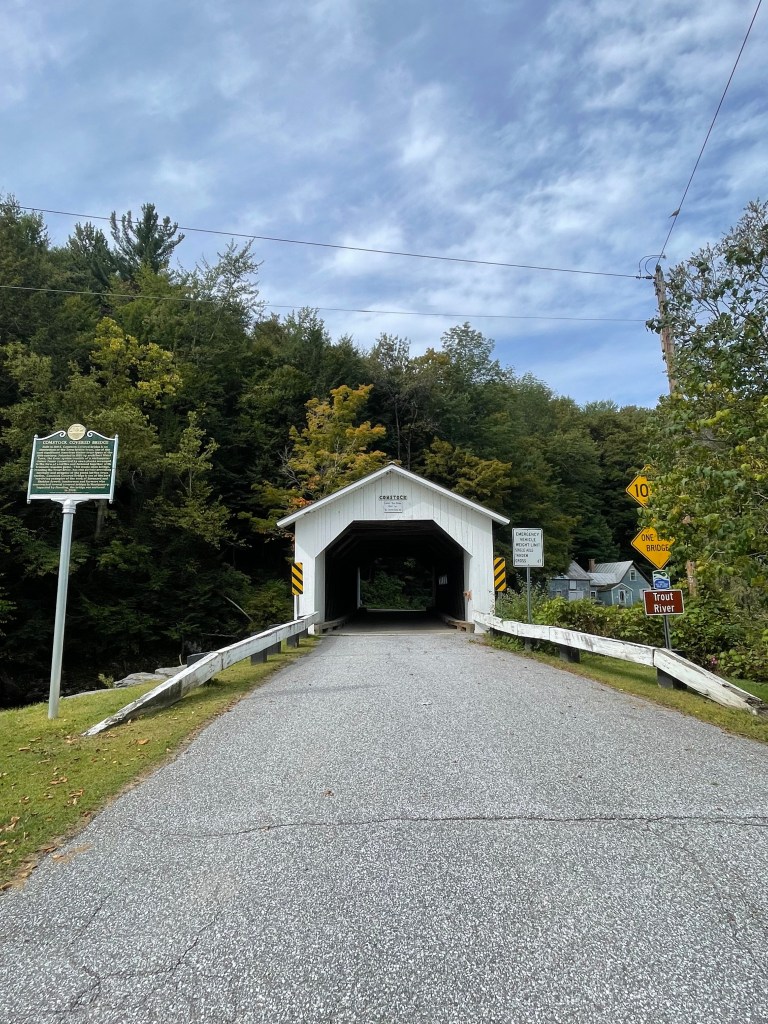
- Fisher Railroad Bridge (Wolcott) – The only covered railroad bridge still in use in Vermont.
- Montgomery’s Bridges – This small town boasts six historic covered bridges, including Hutchins, Comstock, Longley, Fuller, Creamery, and Hopkins. The proximity of these bridges makes Montgomery a top choice for maximizing your weekend count.
Central Vermont Highlights
- Northfield’s Trio – Slaughterhouse, Station, and Lower Cox bridges are all located within minutes of each other and make for an easy cluster stop.
- Warren Covered Bridge – Located in the village of Warren, this bridge is especially pretty in fall and sits close to the historic Warren Store for a snack break.
- Taftsville Covered Bridge (Woodstock) – One of Vermont’s oldest bridges, with a striking red exterior and scenic views of the Ottauquechee River.
Southern Vermont Highlights
- West Dummerston Covered Bridge – The longest covered bridge in Vermont, spanning 280 feet across the West River.
- Bennington’s Trio – Silk Road, Paper Mill, and Burt Henry bridges are all within a short drive of one another, making them perfect for a quick tour.
- Creamery Covered Bridge (Brattleboro) – A beautifully maintained bridge near downtown Brattleboro with picnic tables nearby.
Making it More Than a Drive
One of the best parts of the Covered Bridge Passport Challenge is the opportunity to explore beyond the bridges themselves. Incorporating other activities makes the weekend even more memorable.
- Cafés and Bakeries – Stop for fresh pastries or coffee in small-town cafés. Local favorites often serve homemade treats you will not find anywhere else.
- Farmers Markets – Many Vermont towns host weekend markets, especially in summer and fall, where you can find local produce, baked goods, and crafts.
- Hiking and Walking Trails – Several bridges are near trailheads or riverside paths. Even a short walk can give you new photo perspectives.
- Historic Sites – Pair bridge visits with stops at museums, historic homes, or scenic lookouts.
Tips for Photographing Covered Bridges
Capturing the perfect covered bridge photo can be an art in itself. Try these tips for standout images.
- Take shots from multiple angles, including inside the bridge.
- Use leading lines, such as the road or river, to draw the eye toward the bridge.
- Visit in early morning or late afternoon for softer light.
- In fall, use a wide frame to include colorful foliage.
- In winter, look for fresh snow before footprints or tire tracks appear.
Travel Tips for the Challenge
Because some covered bridges are located on backroads, a few practical tips can make your trip smoother.
- Keep a paper map or download offline maps in case cell service drops.
- Drive slowly on unpaved roads to avoid damaging your vehicle and to be respectful of residents.
- Watch for posted signs and avoid trespassing on private property.
- Pack layers, especially in cooler months, since Vermont’s weather can change quickly.
- Have a small cooler for local cheeses, maple treats, or drinks you pick up along the way.
Sample Weekend Itineraries
Here are two sample itineraries to inspire your own route.
Northern Vermont Loop
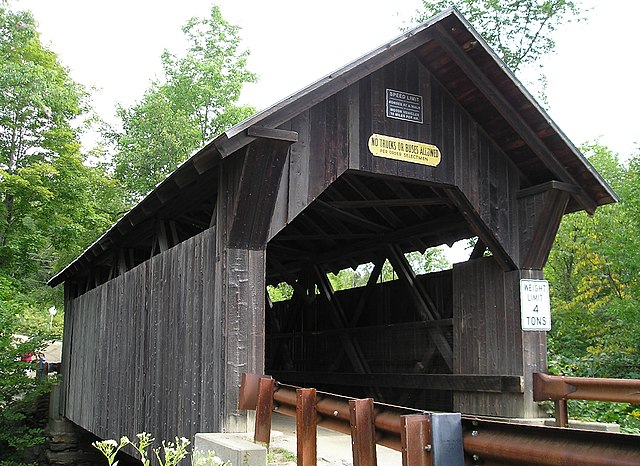
- Start in Stowe and visit the Gold Brook Covered Bridge (also known as Emily’s Bridge).
- Drive to Wolcott for the Fisher Railroad Bridge.
- Head to Montgomery and see all six bridges in town.
- End the day in Enosburg Falls for the Hopkins Bridge.
Southern Vermont Loop
- Begin in Bennington with the Silk Road, Paper Mill, and Burt Henry bridges.
- Drive to West Dummerston Covered Bridge for a picnic lunch.
- Stop at the Creamery Covered Bridge in Brattleboro before ending your day with a downtown dinner.
Why the Challenge is Worth Taking
The Covered Bridge Passport Challenge is more than a checklist. It is a way to connect with Vermont’s history, explore scenic backroads, and spend quality time with friends or family. Whether you visit five bridges or fifteen, the journey is the reward. Every stop offers a new view, a new piece of history, and a chance to slow down and appreciate the landscape.
So grab your map, charge your camera, and set off on a weekend adventure. The only question is, how many covered bridges will you see?

Leave a comment