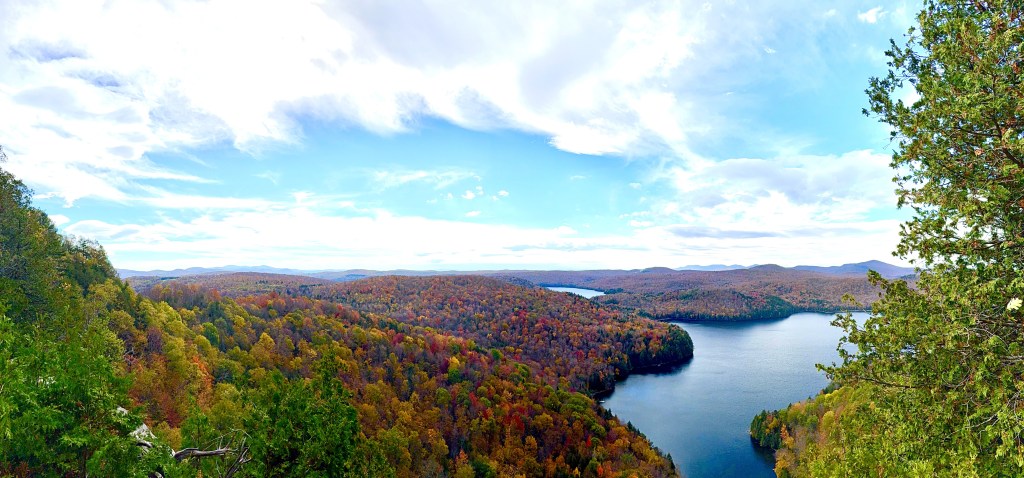
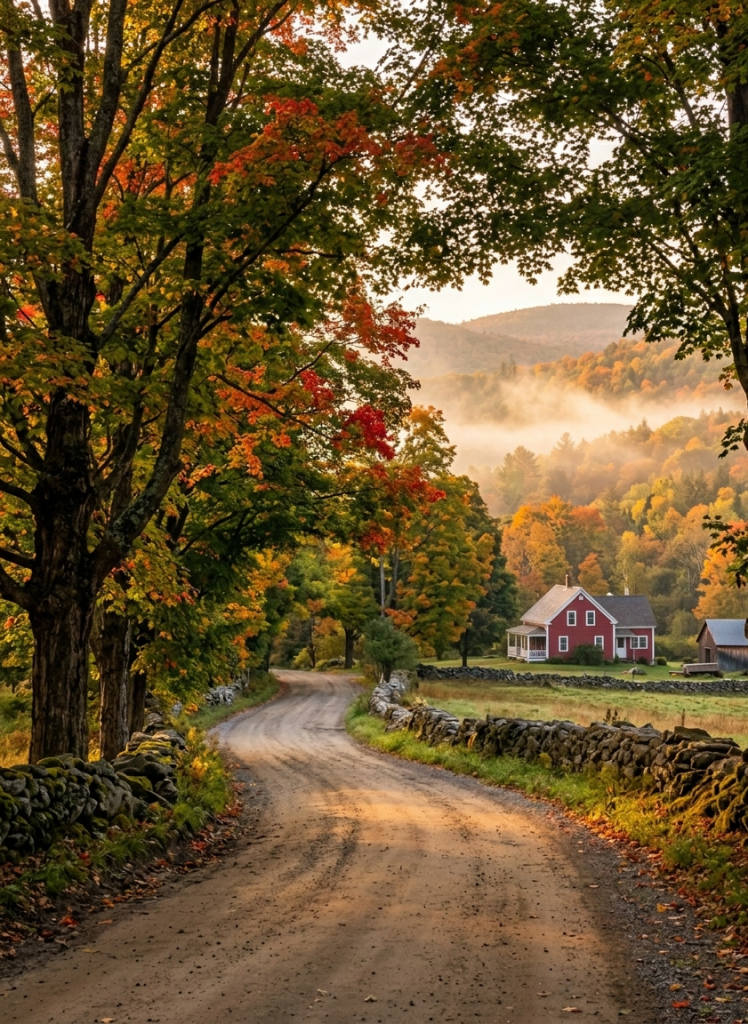
There is something that happens to people the first time they drive through Vermont in October. The hills go impossibly red and orange, the air has that cold-clean smell that wakes you right up, and somewhere along a two-lane road lined with sugar maples, the thought creeps in: what if I just stayed?
For a lot of people, that thought eventually turns into a lease, then a purchase, then a whole life built around maple syrup, mud season, and knowing your neighbors by name. Vermont has been quietly pulling people in for decades, and the pace of that movement has only picked up over the last several years.
So what is actually drawing people here? And once they arrive, what makes them stay? I have spent enough time talking with transplants and watching people settle into northern Vermont communities to have a pretty good sense of the answer. It is not one thing. It is a hundred small things that stack up.
The Quality of Life Is Different Here
People who move to Vermont from bigger cities often describe the shift in the same way. Life feels manageable again. The commute is short or gone entirely. The grocery store is not crowded. You can get a table at a restaurant on a Friday night without a reservation.
That might sound small, but the cumulative effect of those frictions disappearing is significant. People report sleeping better, feeling less stressed, and actually having time to cook dinner or take a walk after work. There is a reason Vermont consistently ranks near the top of national health and wellbeing indexes. The pace here does something good for people.
In Lamoille County and the towns around Stowe, Morrisville, Hyde Park, and Johnson, you also get access to outdoor recreation that most people in the country would have to drive hours to reach. Hiking, skiing, snowshoeing, kayaking, mountain biking. It is not a weekend getaway. It is Tuesday evening after work.
Remote Work Changed Everything
The shift to remote work opened Vermont up to a wave of people who had always wanted to live here but assumed their careers would not allow it. Once the laptop became the office, suddenly the location question was wide open.
Vermont leaned into this hard. The state launched a program called Remote Worker Grants that offered financial incentives for people who relocated here and worked remotely for out-of-state employers. It was one of the first programs of its kind in the country, and it attracted national attention. People who had been daydreaming about Vermont suddenly had a concrete reason to make the move.
The timing lined up with something broader too. A lot of people spent the early 2020s reconsidering what they wanted from where they lived. Proximity to a downtown office became less important. Square footage, outdoor access, community connection, and affordability (relative to major metro areas) moved up the list. Vermont offered all of those things in a package that was genuinely hard to find elsewhere.
Vermont Towns Actually Feel Like Communities
This one is harder to quantify but it is probably the most important factor in why people stay. Vermont towns are real communities in a way that a lot of places in the country are not anymore.
Town meeting is still a thing here. People show up on the first Tuesday of March and vote in person on local budgets, road projects, and school questions. You know your select board members. You run into your kids’ teachers at the farmers market. The librarian knows your name. These are not quaint nostalgic details. They are the texture of a life that feels connected and rooted.
Small towns like Johnson and Hyde Park in Lamoille County have that quality in abundance. They are not destination towns. There are no ski resort gondolas or trendy restaurant strips. What they have is a tight fabric of people who look out for each other, volunteer for things, and show up when it matters. For people coming out of anonymous urban environments, that can feel genuinely revolutionary.
The Outdoor Life Is Not a Selling Point, It Is the Point
Anyone who moves to Vermont and does not end up spending real time outside is going to have a rough adjustment. The outdoors is not an amenity here. It is woven into how people structure their time and their relationships.
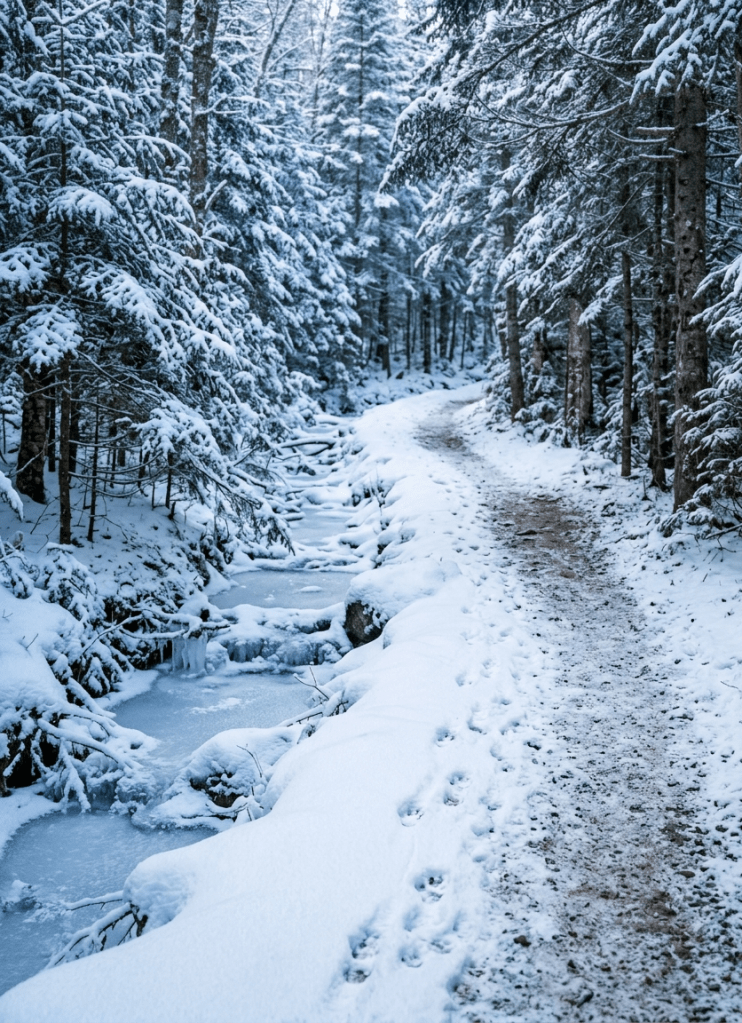
In winter, that means skiing or snowshoeing or just learning to embrace cold in a way that you probably never did before. Stowe has some of the best terrain in the East. Bolton Valley, Smugglers Notch, and Jay Peak are all within easy reach of northern Vermont. Cross-country skiing trails run through the woods and across farm fields in a way that feels completely different from anything you find in more developed parts of the country.
Spring and summer shift the whole rhythm. The Long Trail passes through, hiking options are everywhere, and the rivers come alive. Camping by a fire in the Green Mountains, cooking over an open flame with real wood smoke, watching the sky go dark without any light pollution competing with the stars. There is a quality to those evenings that is hard to describe to someone who has never experienced it.
Fall is what gets people emotional. Leaf peeping in Vermont is not hype. It is genuinely one of the most beautiful seasonal transitions you will see anywhere in the world, and living here means you get to experience it every year instead of fighting traffic for one weekend of it.
Vermont Is a Good Place to Raise a Family
For people with kids, or thinking about having kids, Vermont tends to score very well on the things that matter most. Schools are generally strong, particularly in communities that are committed to them. The crime rate is among the lowest in the country. Kids here have a real childhood, with room to roam, clean air, and the kind of independence that is hard to give children in denser, more guarded environments.
There is also something to be said for growing up in a place with four real seasons and deep roots in agriculture, craftsmanship, and community. Vermont has its own identity, and kids who grow up here tend to carry that with them. They learn where food comes from. They participate in town life. They develop a relationship with the land that most of their peers elsewhere simply do not have.
The Food and Farm Culture Is the Real Deal
Vermont has a food scene that punches way above its weight for a state with fewer than 650,000 people. The farm-to-table movement did not arrive here as a trend. It has always just been how things work when you are surrounded by working farms, sugar bushes, cheesemakers, and craft breweries.
The farmers markets in towns like Morrisville and Stowe run through the growing season and draw incredible vendors. Local maple syrup shows up in everything from cocktails to glazed meats. The cheese alone is worth the move. Cabot, Jasper Hill, and dozens of smaller producers make Vermont one of the premier dairy and cheese regions in the country.
For people who care about knowing where their food comes from, Vermont makes that easy. You can buy a half cow from a farm twenty minutes away. You can pick your own blueberries in August. You can get a CSA share that fills your fridge with vegetables you actually recognize and taste like something.
What Keeps People Here Once They Arrive
Moving anywhere requires optimism. Staying requires something deeper. The people who put down real roots in Vermont tend to point to the same things: the sense of belonging, the physical beauty that never gets old, and the feeling that their choices and their values are reflected in the community around them.
Vermont is not a perfect place. Winters are long and genuinely cold. The housing market in desirable areas has gotten more competitive in recent years. There are rural access challenges and income gaps that are real. Anyone considering a move here should come with eyes open to the full picture.
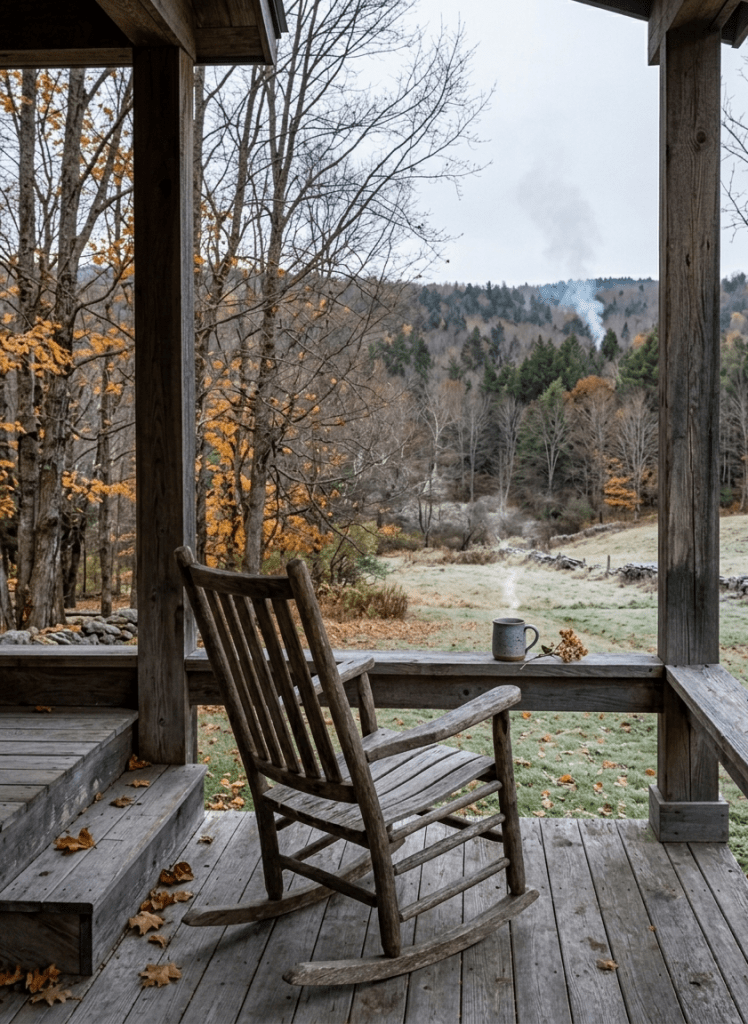
But the people who stay do so because something clicks into place here that did not click before. The pace fits. The community holds. The view from the front porch on a clear November morning makes everything feel worth it. That is a hard thing to walk away from once you have found it.
Thinking About Making the Move to Vermont?
If you are somewhere in the research phase, the best thing you can do is spend real time here across different seasons. A long weekend in July is beautiful. A week in February will tell you a lot more about whether Vermont is actually right for you.
Northern Vermont in particular, the towns spread across Lamoille County and the surrounding areas, offers a version of this state that is less about tourism infrastructure and more about actual Vermont life. It is quieter, more affordable than the resort towns, and full of the kind of community fabric that people who end up staying here are usually looking for.
Come with curiosity. Take your time. Talk to people. Vermont has a way of telling you whether it is the right fit, and it does not usually take long.
Vermont has been here a long time. It is not going anywhere. Take your time getting here right.

Leave a comment