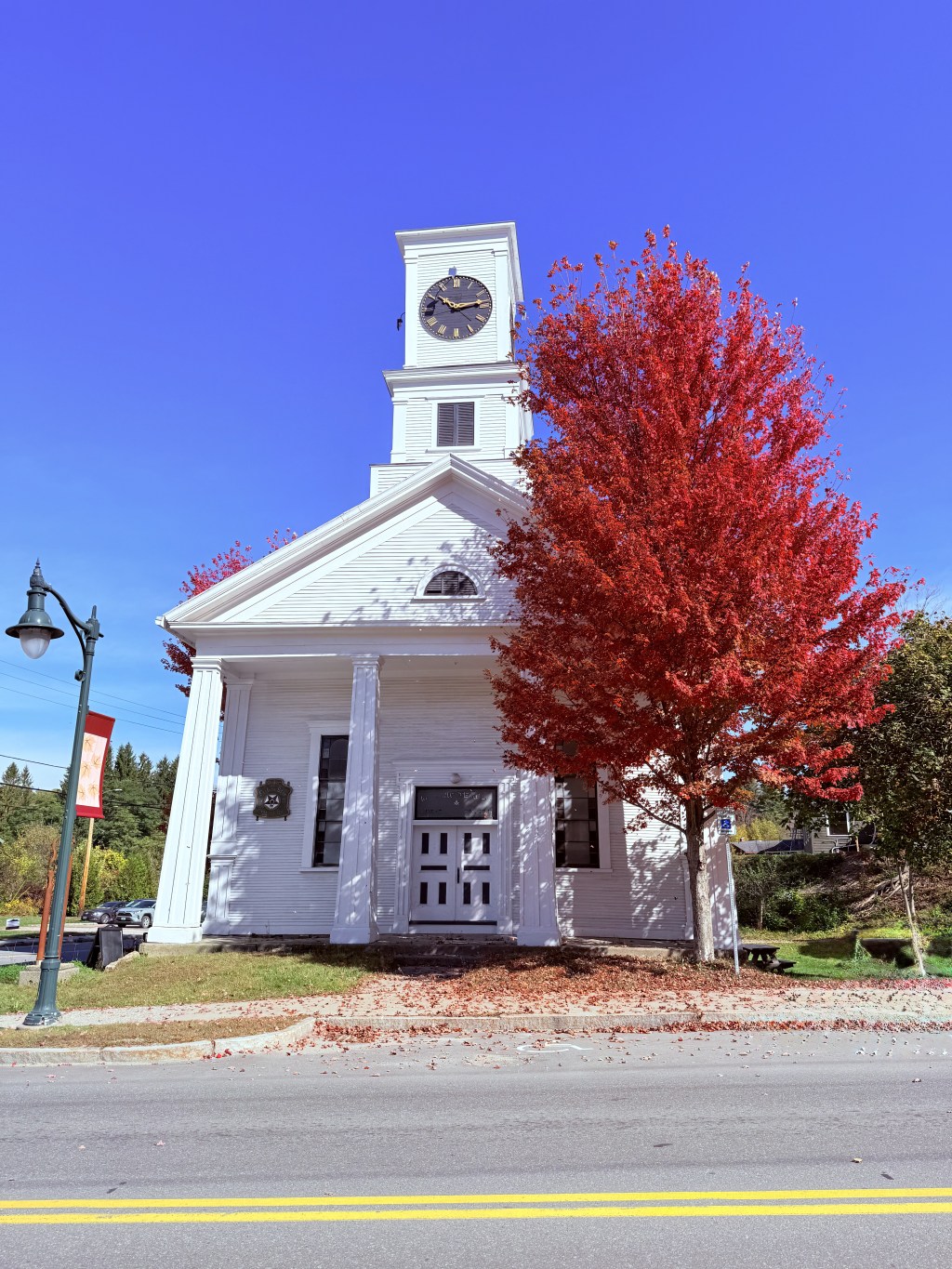
There is a particular kind of afternoon that happens in Vermont in early October, the kind where the light goes golden and flat around 4 PM, the maples are doing something almost embarrassing with color, and the school bus rolls down a dirt road past a weathered red barn with nobody in a hurry about any of it. Kids pile off and disappear into the woods behind their houses with sticks and boots and zero supervision. It is a scene that plays out the same way it always has, and it is one of the reasons so many families are asking the same question right now: what is it actually like to raise kids in Vermont?
Moving to Vermont with kids is not a small decision. The winters are real. The job market is specific. The nearest Target might be forty minutes away. But for families who want something quieter, slower, and genuinely connected to the outdoors and to a community, Vermont delivers in ways that are hard to find anywhere else right now.
Here is an honest look at what family life in Vermont is actually like, from the practical stuff to the parts nobody mentions until you are already here.
What Is It Actually Like to Raise Kids in Vermont?
Slower, But Not in a Bad Way
The pace of daily life in Vermont takes some getting used to, especially if you are coming from a city or suburb where everything is immediate. Grocery runs double as social events. School pickup turns into a twenty minute conversation. The hardware store guy knows your kid’s name within a month.
For kids, that slowness tends to be a gift. There is more unstructured time here. More room to be bored and then figure out what to do with that boredom. More freedom to roam in a way that feels genuinely old fashioned, in the best sense.
That said, Vermont families are not sitting around doing nothing. The activities just look different. Soccer practice on a lumpy field in the rain. Skiing on weekday afternoons at local mountains. Maple sugaring in the mud season. 4H projects. Town meeting attendance that kids actually take seriously because their parents do.
Community Is Closer Than You Expect
Vermont is a genuinely community oriented place. Small towns function like extended families. You will know your neighbors faster here than almost anywhere else, partly because you need each other and partly because the culture still values showing up.
School communities especially tend to be tight. In smaller towns, a graduating class might be thirty kids who have known each other since kindergarten. For some families, that closeness is exactly what they wanted. For others, it can feel like there is less room for reinvention. It is worth thinking honestly about which kind of family you are before you commit to a small town school district.
Where Do Families Actually Move When They Come to Vermont?
The Towns That Keep Coming Up
Not every Vermont town is equally set up for family life. Some of the most talked about spots are popular for good reason. Others are worth a closer look if you want something slightly off the beaten path.
Stowe comes up constantly, and for good reason. The schools are solid, the outdoor access is exceptional, and the town has enough infrastructure to feel livable year round, not just during ski season. The tradeoff is cost. Stowe has become genuinely expensive, and housing inventory is tight.
Morrisville is the town right next door to Stowe, and it is where a lot of families land when they want the same access without the Stowe price tag. It has a real downtown, a good school, and a community that feels less transient than some of the resort adjacent areas.
Johnson is a little further out and has that classic Vermont small town feel, with Johnson State College giving it some cultural energy and the Lamoille River running right through it. For families who want more space and more quiet, it is worth a serious look.
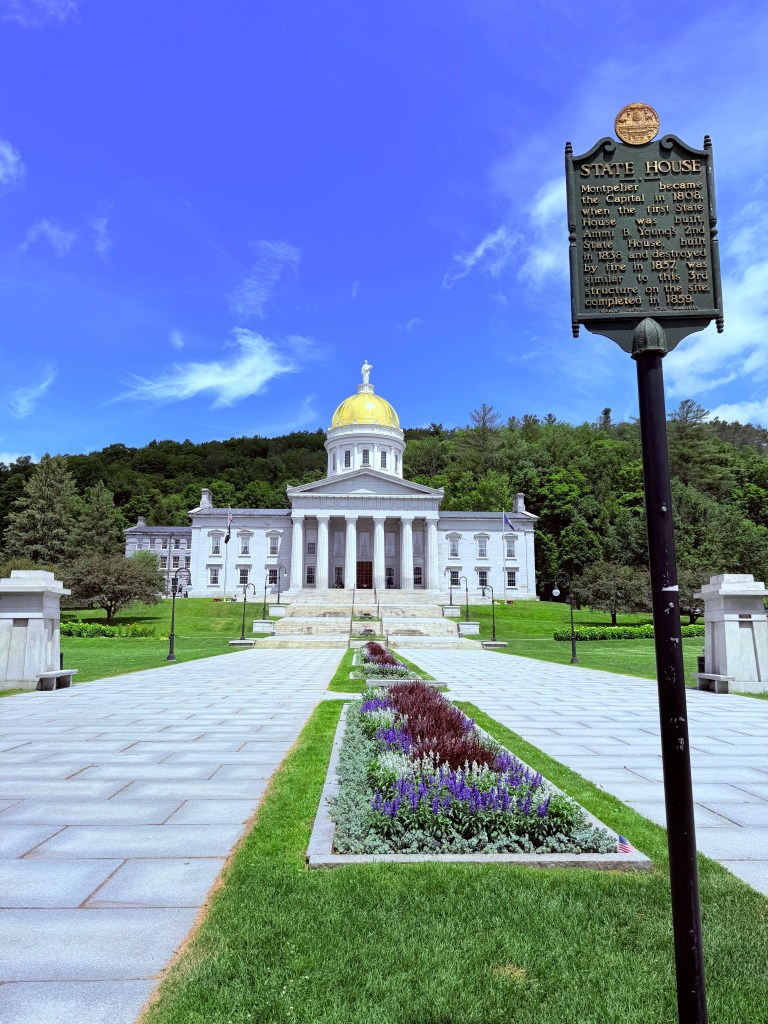
Waterbury and Middlesex tend to attract families who want easy access to Montpelier (the state capital, which has good services and a strong local food scene) while staying in a more rural setting. The commute corridor along I-89 makes this stretch practical for families with one partner working in the greater Burlington area.
Burlington and its suburbs, including Williston, Shelburne, and South Burlington, are the most urban option Vermont offers. If you need a coffee shop that is actually open on Sunday morning, proximity to an airport, or a pediatric specialist within twenty minutes, the Burlington metro area is probably where you belong.
What About Schools?
Vermont school quality varies a lot by district, and this is one area where families should do their homework before committing to a specific town. The state has gone through significant consolidation in recent years, and some smaller towns now tuition their students to larger nearby schools rather than maintaining their own.
For families with strong opinions about school choice, Vermont has a longstanding tradition of town tuitioning that gives families in certain districts more flexibility than you might expect. It is worth asking specifically about the arrangement in any town you are seriously considering.
Independent and private school options exist too, particularly in the Burlington area and in some of the more well established communities further south. Families relocating from areas with a strong independent school culture sometimes find exactly what they are looking for here, and sometimes find the options thinner than expected.
What Do Families Struggle with Most After Moving to Vermont?
The Winter Is Longer Than You Think
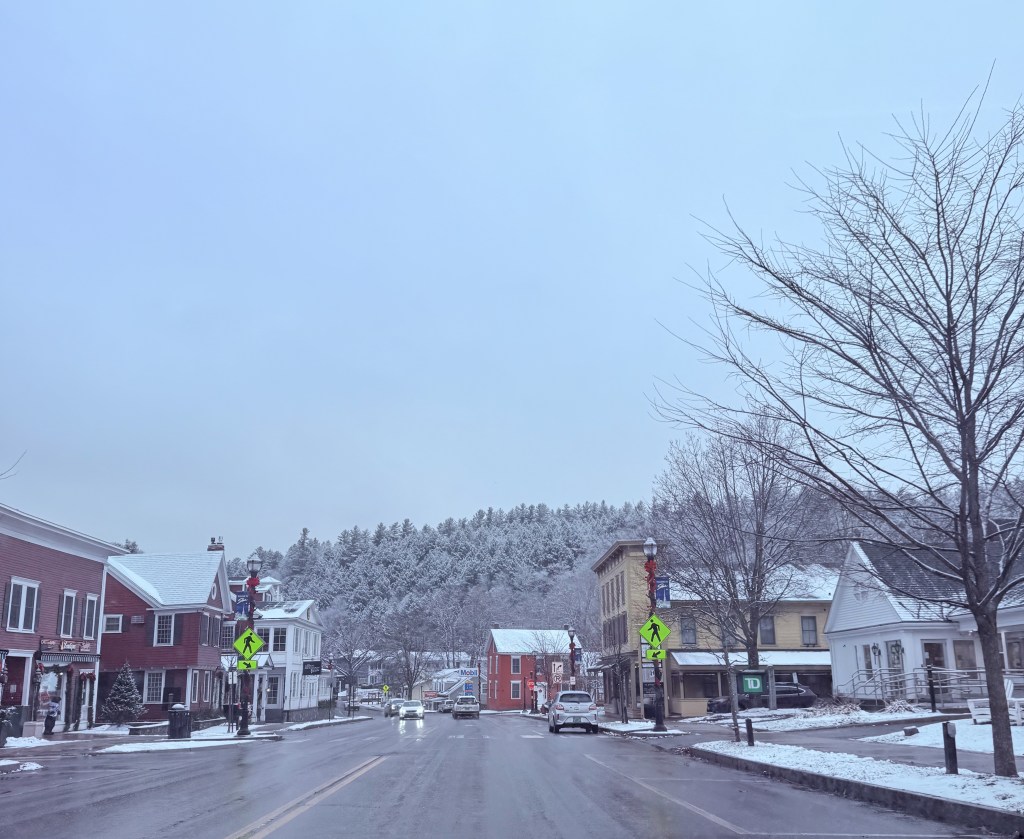
Everyone says this, and everyone still underestimates it. Vermont winter starts in November and goes through April in a meaningful way. There are beautiful stretches in there, genuinely magical ones, but there are also gray weeks in February where the cold is relentless and the mud has not started yet so there is nothing to signal that spring is coming.
Families who thrive here tend to either ski or have made peace with winter in some other active way. Families who white knuckle it through every February tend to leave within two or three years. It is not a small thing. Talk honestly with your family about how you handle cold, dark, and limited daylight before you commit.
Finding Your People Takes Time
Vermont is warm but it is not quick. Long time Vermonters are genuinely friendly, but the transition from acquaintance to actual friend can take a year or two. This is especially true for families settling into rural areas where the social fabric is already well established.
The families who find their footing fastest are usually the ones who get involved early: in the school community, in local sports, in a church or community organization, or in some kind of volunteer work. Vermont rewards showing up. It just does not hand you a welcome basket the moment you arrive.
Services Are Spread Out
If your child has a specialist they need to see regularly, or if you are used to having immediate access to children’s services, therapy, pediatric care, or certain kinds of extracurricular programming, you will need to plan ahead here. Vermont has good medical care in its regional centers, but rural families often drive thirty to sixty minutes for appointments that would have been five minutes away somewhere else.
This is not a dealbreaker for most families, but it is a real adjustment. The practical side of living in Vermont with kids requires building in more time and more patience for logistics than most people are used to.
What Do Kids Love About Growing Up in Vermont?
The Outdoors Is Not Optional, It Is the Culture
Kids who grow up in Vermont spend a disproportionate amount of time outside compared to their peers in most other states. Not because they are being forced to, but because there is always something to do out there and the culture around them makes it normal to be out in it.
Skiing and snowboarding are practically rites of passage. Most schools have ski programs, and lift ticket prices through youth programs are genuinely accessible compared to what you would pay elsewhere.
In the warmer months, it is hiking, swimming holes, fishing, mountain biking, and spending time at fairs and farm events that feel like they were designed for kids. Vermont 4H programs, county fairs, and agricultural traditions give children a relationship with where food comes from that is increasingly rare.
The Creative and Cultural Life Is Richer Than the Size Suggests
Vermont punches above its weight culturally. There are strong arts programs in many schools, local theater, robust library systems in even small communities, and a genuine culture around music, craft, and making things. Farmers markets are social events as much as anything else, and children grow up participating in them as vendors, helpers, and regulars.
The food culture here is worth mentioning on its own. Kids in Vermont grow up eating well, often in a genuinely hands on way, whether that is through school gardens, CSA shares, or just having maple syrup and locally made cheese as normal parts of the grocery rotation.
Is Moving to Vermont Right for Your Family?
The Families Who Tend to Stay
The families who put down roots here tend to share a few things. They genuinely wanted a slower pace, not just as an aesthetic but as a lifestyle. They came prepared for real winters. They were willing to trade convenience for community and space. And they gave Vermont time to reveal itself, which it does, but not always on the timeline people expect.
Vermont is not a place that will dazzle you immediately. It is a place that grows on you. The first mud season is not pretty. The first February can feel endless. But the first spring, when the sap is running and the kids are outside until 7 PM and a neighbor drops off a jar of something homemade and asks if you need anything, that is when most families understand why they came.
A Few Things Worth Knowing Before You Sign a Lease
- Housing inventory is limited in most desirable areas, and the market has been competitive in recent years. Come with your financing in order and be ready to move when something right appears.
- Heating costs are real. Factor in the cost of oil, propane, or wood into your monthly budget, especially if you are looking at older Vermont homes.
- Internet access varies significantly by town and neighborhood. If you work remotely, verify the actual connectivity options at any specific address before committing.
- Vermont has a strong small business and farming culture. If someone in your family has been thinking about a side business, a small farm, a craft, or a local service, Vermont is one of the better places to try it.
- The outdoor gear costs add up. Skiing, hiking, camping, and cold weather gear for growing kids is a real budget line here.
Living in Vermont with kids is not for every family. But for the ones it fits, it fits in a way that is hard to explain to people who have not experienced it yet. Something about the combination of community, land, season, and pace makes childhood here feel like something worth choosing on purpose.
There is a reason so many people who grew up here come back, and a reason the families who arrived for a fresh start are still here a decade later, with kids in the same schools their neighbors went to, learning the same mountains, the same mud, the same rhythms of a place that does not try to be anything other than exactly what it is.

Leave a comment