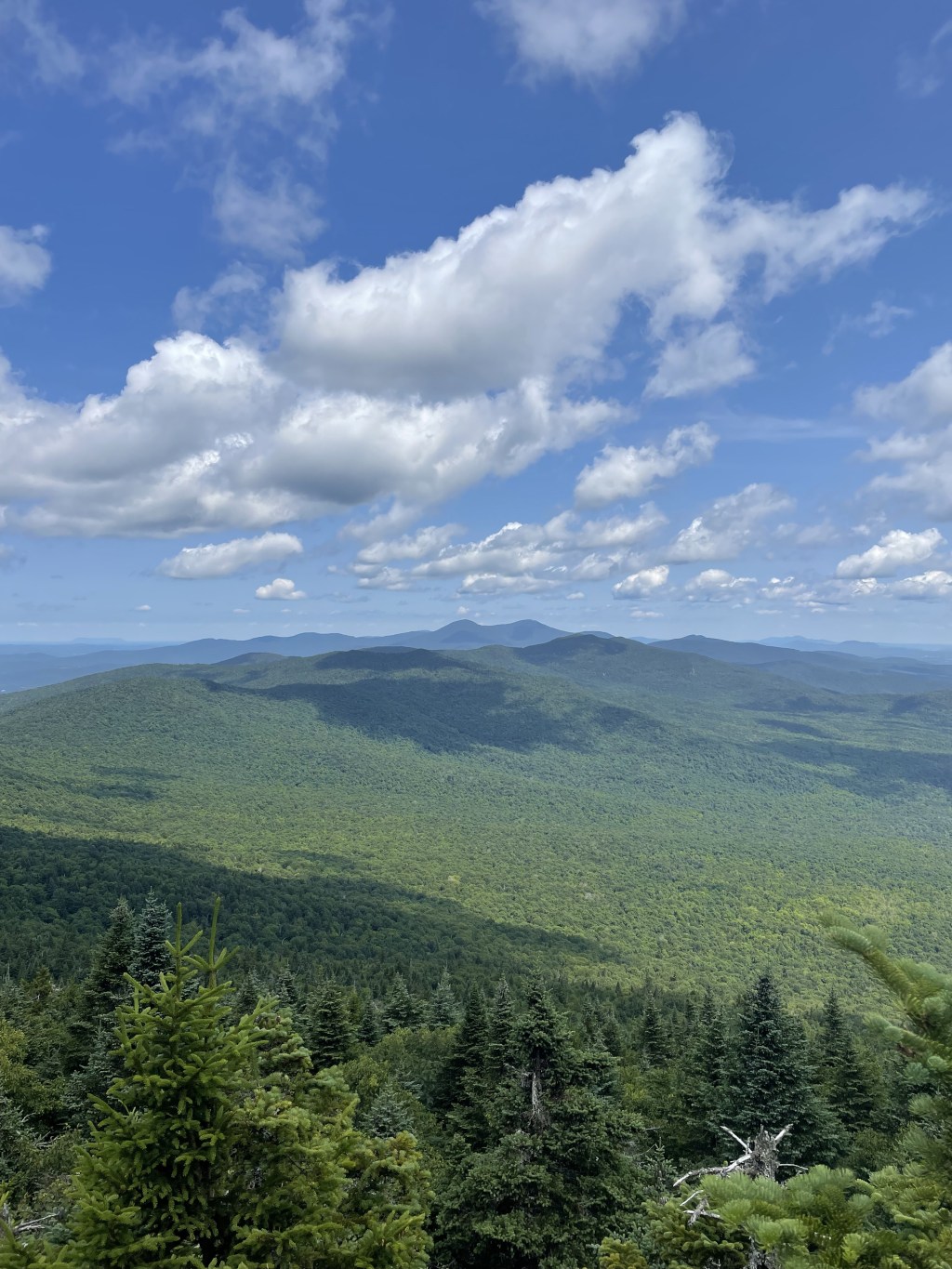
There’s a particular moment that happens somewhere around the third mile of a solo hike in Vermont. The parking lot noise fades. The last dog walker turns back. And you realize it’s just you, the ridge, and however many miles of birch and spruce you decided to take on that morning. It’s quiet in a way that feels earned.
I’ve had that moment on the Long Trail above Stowe, on a frozen logging road outside Johnson, and at the summit of Elmore Mountain when the cloud cover broke just long enough to show the full Lamoille Valley below me. Solo hiking in Vermont teaches you things that group hikes just don’t. You pay closer attention. You make better decisions. And you start to understand why so many people, when they’re thinking seriously about living in Vermont, mention the trails as one of the reasons.
This isn’t a gear list or a beginner’s guide. It’s more like a collection of things I wish someone had told me before I started hiking alone in the Green Mountains.
Is Solo Hiking in Vermont Safe for Beginners?
This is the question people ask most, and it’s a fair one. Vermont’s terrain ranges from friendly to genuinely demanding. The southern part of the Long Trail through Windham and Bennington counties is more forgiving. The northern sections, especially anything above 3,000 feet in the Green Mountain spine, require more experience and more respect for the weather.
That said, Vermont is one of the better states for solo beginners if you start smart. The trail system is well maintained. The Green Mountain Club marks routes clearly. Cell service is unreliable once you’re deep in the mountains, but many popular trailheads have kiosks with current conditions. Starting with shorter, well-traveled trails like the ones around Elmore State Park, Sterling Pond, or the lower sections of Nebraska Notch is a reasonable approach before committing to longer ridges.
What catches people off guard is not the difficulty of the climbs. It’s the weather. Vermont weather changes fast, especially at elevation. A June morning that starts at 65 degrees in Morrisville can be 42 and windy at the top of Whiteface by noon. Layers matter more than almost anything else.
What to Carry When You’re Hiking Alone
When you’re with a group, you can distribute the safety net across multiple people. Solo, you carry it yourself. The basics I never skip:
- A paper map of the trail system (downloaded offline maps are good backup, not the primary)
- A headlamp, even on day hikes
- At least one extra layer you haven’t planned to use
- A small first aid kit and the knowledge to actually use it
- Enough food and water to spend an unexpected extra two hours out there
I also keep a printed trail card in my car with my planned route, expected return time, and a contact number. Old habit, but it’s the kind of thing that matters when no one knows where you went.
What Are the Best Solo Hiking Trails in Northern Vermont?
Northern Vermont doesn’t get the same attention as the southern peaks, but the hiking up here is genuinely excellent. Lamoille County alone has more good trails than most people realize, and because the tourist flow leans toward Stowe’s ski runs and Burlington’s waterfront, you get trailheads to yourself more often than not.
A few that I keep coming back to:
Elmore Mountain Trail, Lake Elmore
This is a solid half-day hike with a real payoff. The trail climbs through hardwood forest, passes a fire warden’s cabin, and ends at a restored fire tower with a 360-degree view of the Green Mountains and the Northeast Kingdom. The fire tower adds something different. Standing up in that cab on a clear day, you can pick out Camel’s Hump to the south, Jay Peak to the north, and on the best days, Mount Mansfield sitting right in the middle of it all.
The trailhead is inside Elmore State Park, which charges a small fee in season. Worth it.
Nebraska Notch Trail, Cambridge
This is one of my favorites for early fall. The trail follows a brook through a narrow, rocky notch before opening up near Taylor Lodge. It’s not a summit trail, so don’t go expecting views. What you get instead is a stretch of Vermont forest that feels genuinely wild, even though it’s only a few miles from Route 108. The sound of water running through the notch in September, with the first color starting to show in the maples, is one of those Vermont things you can’t really describe to someone who hasn’t been here.
Sterling Pond Trail, Stowe
This one climbs steeply off the Toll Road access area and tops out at one of the highest ponds in Vermont. The trail is short but it earns the elevation quickly. The pond itself sits in a bowl just below the ridgeline, and on a clear morning the reflection in the water is the kind of thing that makes you stop walking and just stand there for a minute.
How Does Solo Hiking Change the Way You Experience Vermont?
This is harder to explain but worth trying. When you hike alone, you notice things you walk right past in a group. The way a stand of white birch looks in late October when there’s no color left but the bark is almost glowing. The sound a ruffed grouse makes when it flushes out of the undergrowth ten feet in front of you and takes fifteen years off your life. The particular smell of mud and spruce and old leaves that only exists in a Vermont forest in April.
People who are thinking about moving to Vermont sometimes come up and visit once or twice, see the foliage or a ski weekend, and call it good. The ones who actually end up staying are usually the ones who got out on a trail by themselves at some point and had a quiet hour with what the state is actually made of. The mountains don’t perform for you. You have to show up for them.
That kind of relationship with a place is part of what defines Vermont lifestyle for a lot of people who live here. It’s not about the scenery as backdrop. It’s about being in it.

What Do I Need to Know About Hiking Vermont in Different Seasons?
Vermont hikers deal with four full seasons, and each one has its own character and its own set of things to know. This is one of the things people who are relocating to Vermont don’t always expect: the outdoors here is a year-round practice, not a summer-only activity.
Spring Hiking in Vermont
Spring trails are soft, wet, and frequently muddy to the point of damage. The Green Mountain Club asks hikers to stay off high-elevation trails during mud season, typically from late March through mid-May depending on elevation. This isn’t just about keeping your boots clean. Hiking wet trails accelerates erosion on steep slopes and can do real, lasting damage to trail tread.
If you want to hike in spring, stick to lower elevations and gravel-base trails. The river corridors around Johnson and Morrisville are often walkable and beautiful when the ice is just out and the water is running high.
Summer and Early Fall
This is peak season, and for good reason. Vermont’s summers are genuinely beautiful, with long days and moderate temperatures that make even sustained climbs comfortable. The windows of ideal hiking weather in July and August are generous.
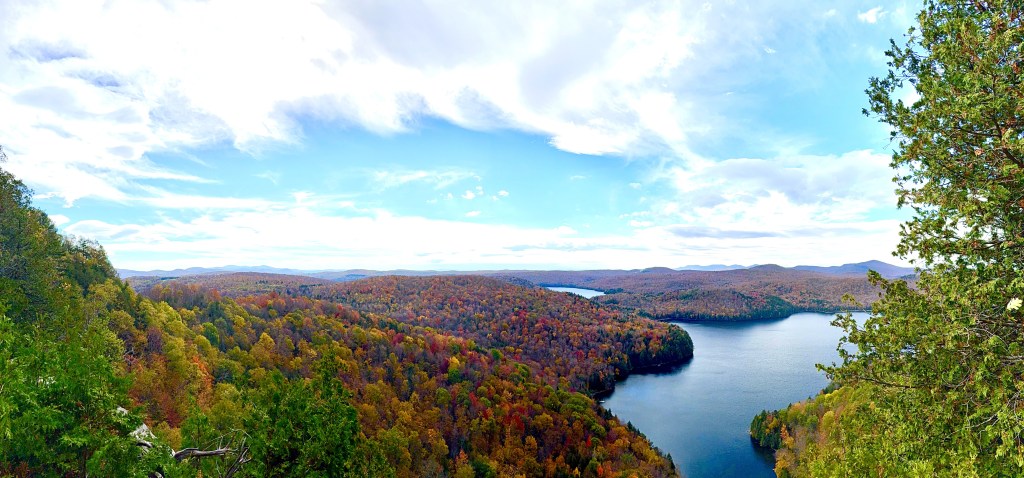
Early fall is the best of all of it. Mid-September through mid-October, depending on elevation and the weather pattern that year, the foliage starts moving through the mountains in waves. Hiking a ridge during peak color is something that lands differently than seeing it from a car window or a chairlift. You’re in it, not looking at it.
Winter and Late Fall
This is where solo hiking in Vermont requires the most care. Once the leaves are down and temperatures drop, conditions can be serious. Ice on exposed rock, limited daylight, and the added challenge of following a trail under snow all raise the stakes. Microspikes or crampons become necessary on anything with elevation by November most years. Snowshoes come out by December on the upper trails.
That said, winter hiking in Vermont has its own particular beauty. A clear cold day on an empty trail, fresh snow on the branches, the whole valley below you completely still. There’s a reason people who love Vermont winters are so committed to them.
Does Solo Hiking Make You Want to Stay in Vermont?
That’s a question I’ve thought about more than once. For a lot of people, the answer turns out to be yes. Not because of any single hike or any single view, but because of what the cumulative experience adds up to over time.
Vermont is a place where the landscape is genuinely part of daily life in a way that’s different from most states. People who end up staying here, really putting down roots, tend to find their own version of that relationship. For some it’s the ski mountain. For some it’s a garden or a farm. For a lot of people, it’s trails.
Living in Vermont means you’re always close to something like this. That turns out to matter more than people expect it to.

A Few Last Things Worth Knowing
If you’re planning your first solo hike in Vermont, or you’re new to the state and figuring out where to start, a few practical notes:
- The Green Mountain Club website has current trail conditions, especially useful in spring and after major storms
- Vermont state parks charge a day-use fee in season (usually late May through Columbus Day), typically in the $4 to $5 range per person
- Cell coverage is genuinely unreliable above 2,500 feet in most of the northern Greens, including on trails that are close to busy towns
- Dogs are welcome on most trails but must be on a leash in state parks
- The Long Trail end-to-end runs 272 miles from the Massachusetts border to the Canadian line, and sections of it are accessible for day hikes all the way through
Vermont’s trail system is one of its best-kept open secrets. People from outside the region often think of it as a ski state, or a foliage destination, or the place with the good cheese and the maple syrup. All of that is true. But the trails are what a lot of locals quietly love most.
The mountains have been here longer than any of us, and they’re in no hurry.
Shop Green Mountain Peaks on Etsy
Bring a little piece of Vermont into your home with our curated collection of gifts, apparel, and seasonal favorites. From cozy hoodies and crewnecks to Vermont-themed gift boxes and cookbooks, each item is designed to celebrate the Green Mountain spirit.
- Vermont-inspired designs and gift sets
- Printed and packaged with care
- Ships directly to your door
Discover gifts, apparel, and Vermont treasures made to share and enjoy year-round.

Leave a comment