Green Mountain Peaks

Discover Vermont, One Story at a Time 🏔️

Welcome to Green Mountain Peaks, your local guide to all things Vermont. From hidden history and travel ideas to small-town life and seasonal adventures, there’s always something worth discovering. Subscribe for new posts, insider tips, and a little taste of Vermont straight to your inbox.


Author: Green Mountain Peaks

  • Experience Vermont’s Best Foliage Festivals This Autumn

    Experience Vermont’s Best Foliage Festivals This Autumn

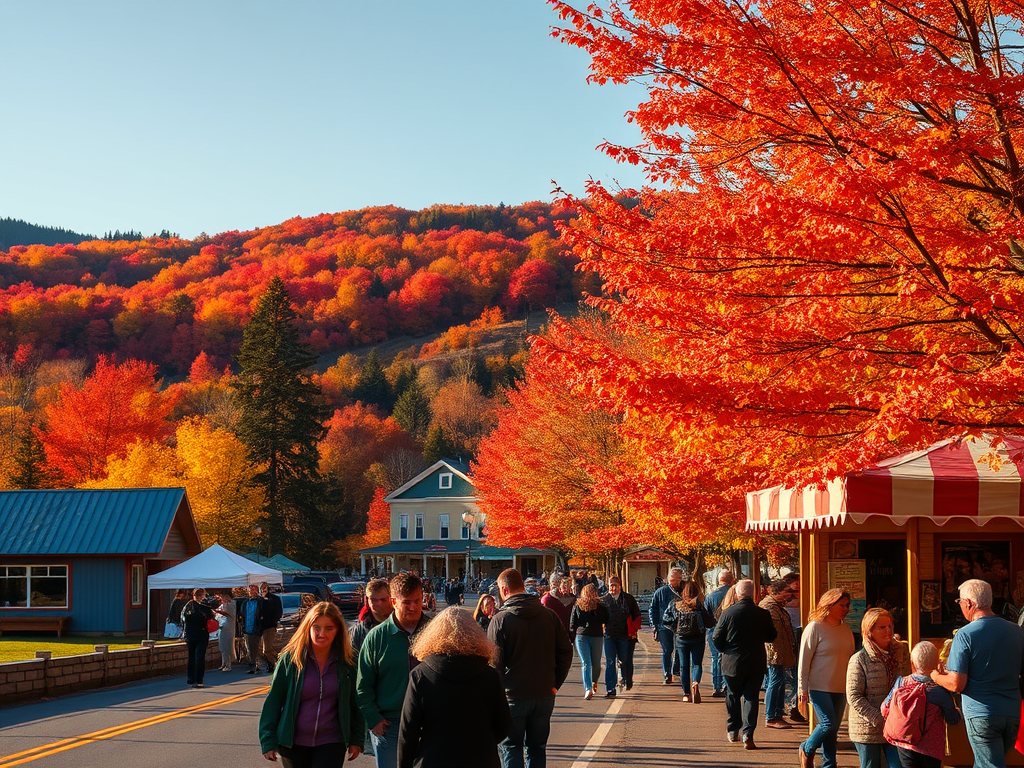
    Vermont in the fall is unlike anywhere else. Bright reds, golds, and oranges spill across mountains and valleys, drawing in visitors from around the world. But there is more to fall in Vermont than just the scenery. Local festivals and community events celebrate the season with food, music, crafts, and traditions that bring people together. If you are planning a trip to Vermont in 2025, or if you are a local looking for something to do, these foliage festivals and fall events deserve a spot on your calendar.

    Why Vermont in Fall is Unmatched

    The Green Mountain State is at its peak during foliage season. Tourists come for the views, and locals embrace the crisp air, harvest flavors, and community gatherings. Vermont festivals pair the stunning backdrop of fiery leaves with traditions that make the state unique. From small-town craft fairs to large-scale harvest celebrations, there is something for everyone to enjoy.

    Iconic Foliage Festivals in Vermont 2025

    Every fall, Vermont towns host festivals that highlight the changing season. These events celebrate art, agriculture, community, and the simple joy of autumn. Here are some of the most iconic festivals you will want to plan around in 2025.

    Burke Foliage Festival

    Held in the Northeast Kingdom, the Burke Foliage Festival offers a true small-town celebration. Expect a lively parade, a craft fair, and plenty of entertainment for the family. Children enjoy games and local treats, while adults appreciate the live music and harvest-themed vendors. Pair the festival with a scenic drive along Burke Mountain or a chairlift ride for panoramic foliage views.

    Peru Fair

    The Peru Fair is steeped in Vermont tradition. Taking place on the last Saturday in September, this fair transforms the small village of Peru into a bustling marketplace. Local artisans set up booths along the main street, and food vendors serve everything from maple cotton candy to hearty soups. Historical reenactments and traditional entertainment add to the charm. The Peru Fair is often described as one of Vermont’s most authentic fall experiences.

    Woodstock Apples & Crafts Fair

    Woodstock is beautiful year-round, but it truly shines in fall. The Apples & Crafts Fair brings together over 100 craft vendors and plenty of apple-inspired treats. Fresh cider, apple pies, and caramel apples are favorites, and the festival pairs perfectly with a stroll through Woodstock’s historic downtown. In 2025, plan for this event in early October, when foliage in central Vermont typically peaks.

    Food and Drink Events to Savor the Season

    Vermont’s fall food festivals highlight the best of harvest flavors. From pumpkin competitions to Oktoberfest celebrations, you will find plenty of events that combine seasonal food and drink with festive fun.

    Vermont Pumpkin Chuckin’ Festival

    Yes, it is exactly what it sounds like. The Vermont Pumpkin Chuckin’ Festival invites competitors to launch pumpkins using trebuchets, slingshots, and other creative contraptions. Along with the fun competitions, guests enjoy live music, local food vendors, and a family-friendly atmosphere. It is quirky, uniquely Vermont, and not to be missed.

    Cider Days and Oktoberfest Celebrations

    Vermont has a strong tradition of cider-making and craft brewing. Fall is the time to sample the best of both. Oktoberfest celebrations are held across the state, often featuring local beer, cider, German-inspired food, and live music. In 2025, look for Oktoberfest events in towns like Mount Snow, Stratton, and Stowe. Cider-focused events also pop up across the state, celebrating both traditional hard cider and fresh-pressed non-alcoholic varieties.

    Harvest Festivals and Farmers’ Markets

    Smaller harvest celebrations and extended farmers’ markets bring together the flavors of Vermont’s fall season. Expect pumpkins, squash, fresh apples, maple syrup, and baked goods. Many markets expand their hours in September and October to meet demand. These events are ideal for travelers looking for an authentic and relaxed way to experience Vermont’s harvest season.

    Scenic Outdoor Events with a Festive Twist

    Beyond food and crafts, fall in Vermont also brings unique outdoor experiences. These events combine foliage with active or adventurous activities, giving you a new way to appreciate the season.

    Vermont Fall Foliage Marathon

    Runners from around the world travel to Vermont each October for the Fall Foliage Marathon, which starts in Waterbury and ends in Stowe. The route winds through covered bridges, rolling hills, and colorful forests, making it one of the most scenic marathons in the country. Even if you are not a runner, the event is fun to watch and brings a festive spirit to the towns along the route.

    Community Hikes and Guided Walks

    Many local organizations host guided hikes and educational walks in the fall. Land trusts, nature centers, and outdoor groups often schedule foliage hikes in late September and early October. These events combine exercise with local knowledge, offering insight into Vermont’s natural history while showing off the leaves at their peak.

    Tips for Making the Most of Vermont Fall Festivals

    Attending a festival is fun, but a little preparation makes the experience smoother. Here are a few tips to keep in mind:

    • Arrive early: Parking lots fill quickly at popular festivals like Stowe and Woodstock.
    • Dress in layers: Vermont weather changes fast in the fall. A chilly morning can turn into a warm afternoon.
    • Combine activities: Pair a festival visit with a scenic drive, hike, or apple orchard stop for a full day.
    • Book lodging ahead: October weekends sell out months in advance, especially in popular towns.
    • Bring cash: While more vendors accept cards now, some small booths still prefer cash.

    Final Thoughts: Celebrate Vermont’s Fall Spirit

    Vermont in fall is more than just a destination, it is an experience. The state’s festivals highlight art, food, music, and community against a backdrop of unforgettable scenery. Whether you prefer browsing artisan crafts, sampling cider, or watching a parade march through a small town, you will find something that makes your trip special. In 2025, make time for at least one of these foliage festivals and fall events, and you will see why autumn in Vermont is one of the best times of year to visit.

    Leaf Peeping Crew, 30% Off

    Cozy up for foliage season with our Leaf Peeping Crew hoodies and crewnecks. Soft fleece, easy fit, perfect for ridge walks and lakeside sunsets.

    • Unisex fit and multiple colors
    • Printed to order in the USA
    • Ships directly to you
    Shop the 30% Off Sale

    Limited time offer. Discount applied at checkout while the sale lasts.
  • Experience Autumn Beauty on Route 100 in Vermont

    Experience Autumn Beauty on Route 100 in Vermont

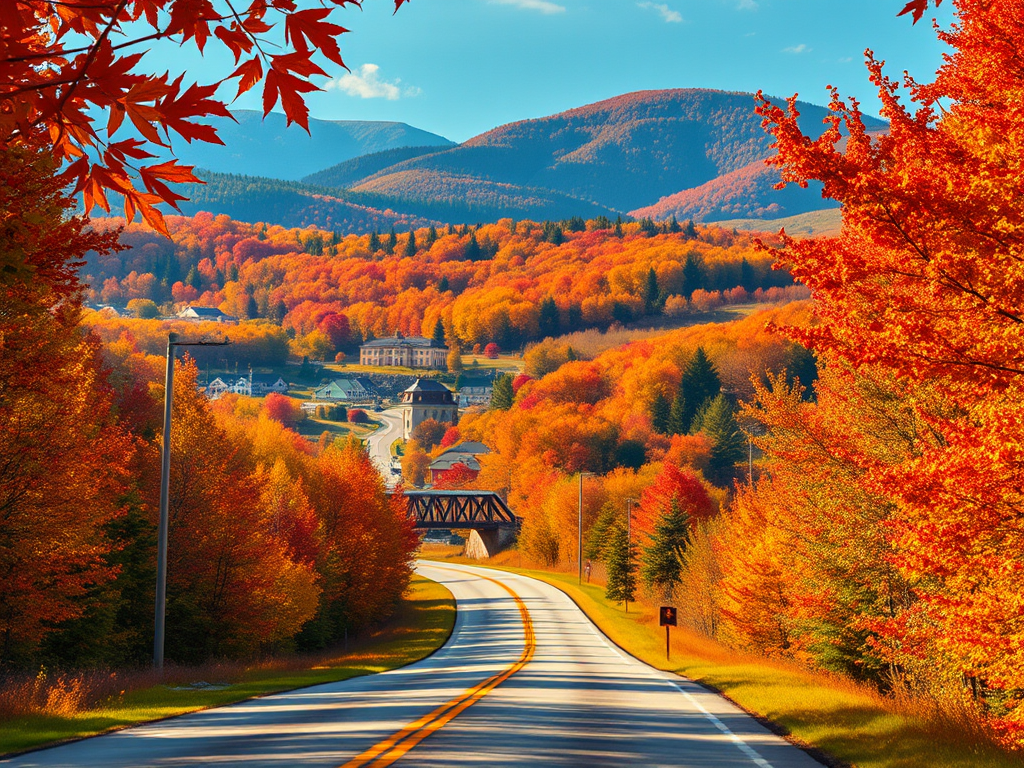
    Few roads capture the beauty of autumn quite like Vermont’s Route 100. Stretching nearly the entire length of the state, this scenic byway is framed by rolling mountains, charming villages, covered bridges, and dazzling fall colors. Whether you’re a local looking for a weekend adventure or a tourist arriving for the foliage season, a Route 100 road trip offers the perfect blend of natural beauty and small-town charm.

    Planning Your Route 100 Fall Road Trip

    The first step is timing. Vermont’s foliage generally peaks between late September and mid-October, though exact dates vary depending on elevation and weather. If you want the most color, plan your trip around the first two weeks of October.

    Route 100 can be enjoyed in a single day, but to really soak it in, many travelers choose to spread the drive over two or three days. This allows time to stop at farm stands, explore side roads, and enjoy hikes or gondola rides without rushing. Keep in mind that Route 100 is not an interstate. It’s a meandering two-lane road, so build in time for slower driving and scenic pull-offs.

    Northern Highlights: Stowe to Warren

    Stowe

    No fall trip to Vermont is complete without a stop in Stowe. Nestled in the mountains, Stowe is one of the most photographed towns in New England. Visit the white-steepled church framed by fiery maples, stroll through boutique shops, and stop at the town’s historic covered bridge. If you’re looking for panoramic views, ride the Stowe Mountain Resort gondola, which whisks you up Mount Mansfield for a bird’s-eye view of the foliage.

    Waterbury

    Just south of Stowe lies Waterbury, a foodie’s delight. Cold Hollow Cider Mill is a must for warm cider donuts and fresh-pressed apple cider. For those who want a taste of Vermont’s quirky side, the Ben & Jerry’s Factory offers tours and a scoop of your favorite flavor. This stop balances out your road trip with treats that feel quintessentially Vermont.

    Waitsfield and Warren

    Further down Route 100 you’ll enter the Mad River Valley, home to Waitsfield and Warren. These villages are rich in charm, featuring general stores, art galleries, and covered bridges perfect for a photo stop. Outdoor enthusiasts should make a stop at Warren Falls, a series of cascades and pools surrounded by colorful foliage. The valley’s rolling hills create a patchwork of reds, oranges, and yellows, making it one of the most scenic stretches of Route 100.

    Central Route 100 Gems: Rochester to Ludlow

    Rochester

    Rochester is a small town with a big autumn personality. Its main street is lined with historic buildings, cafes, and shops, making it a great stop for a coffee break. This section of Route 100 also provides access to Green Mountain National Forest trails, where short hikes reward you with sweeping mountain views.

    Pittsfield and Killington

    Pittsfield is a quiet stop, but just down the road you’ll reach Killington, known for its ski slopes. In fall, the Killington gondola is a must, carrying visitors to the summit of Killington Peak. The view stretches across Vermont and into neighboring states, offering one of the most spectacular foliage panoramas in New England.

    Ludlow and Okemo

    As you continue south, Ludlow welcomes you with its small-town charm. Okemo Mountain Resort is the main attraction, offering scenic chairlift rides during fall weekends. After your ride, stroll Ludlow’s streets lined with shops and restaurants, or simply admire the foliage reflected in nearby lakes and ponds.

    Southern Route 100 Treasures: Weston to Wilmington

    Weston

    Weston is home to one of Vermont’s most beloved attractions, the Vermont Country Store. This historic shop sells everything from penny candy to nostalgic toys, and it feels like stepping back in time. The town itself is framed by fiery foliage, making it a picture-perfect stop on your drive.

    Jamaica and Townshend

    If you want a quieter, more outdoorsy experience, stop in Jamaica or Townshend. Both towns are gateways to state parks filled with hiking trails and riverside picnic areas. These lesser-traveled parts of Route 100 let you enjoy the foliage in peace, away from the busiest tourist hubs.

    Wilmington

    Your final southern stop is Wilmington, a welcoming town with a vibrant downtown filled with galleries, shops, and restaurants. Just outside town, Mount Snow offers scenic chairlift rides, giving you another elevated view of Vermont’s fall beauty. Wilmington’s mix of small-town charm and mountain scenery makes it a fitting finale for your Route 100 trip.

    Scenic Stops Along Route 100

    • Moss Glen Falls (Granville): A roadside waterfall framed by colorful leaves.
    • Lake Elmore: A peaceful spot to stretch your legs and take photos.
    • Somerset Reservoir: A hidden gem surrounded by untouched forest.
    • Covered Bridges: Look for bridges in Warren, Waitsfield, and beyond for classic Vermont photo opportunities.

    Food and Drink Along Route 100

    A fall road trip is best paired with local flavors. In September you may still find maple creemees, Vermont’s twist on soft serve. As the air turns cooler, swap it for a mug of hot cider. Breweries and distilleries along the route offer seasonal brews and craft spirits. Favorites include Lawson’s Finest Liquids in Waitsfield, Long Trail Brewing in Bridgewater, and Mad River Distillers. Don’t skip small diners and cafes, where homemade pies and hearty soups add to the cozy fall atmosphere.

    Sample Itineraries

    One-Day Trip: Stowe to Warren

    If you only have one day, focus on the northern section. Start in Stowe, grab donuts in Waterbury, and end in Warren with a hike or a swim at the falls. This loop provides a snapshot of everything Route 100 has to offer.

    Two-Day Weekend: Stowe to Ludlow

    With two days, extend your trip south. Day one can cover Stowe to Warren. On day two, continue through Rochester and Killington before finishing in Ludlow. Stay overnight at a cozy inn or lodge to complete the experience.

    Three-Day Full Route Adventure

    For the ultimate Route 100 experience, take three days to travel from Stowe all the way to Wilmington. Spread out the driving and allow time for hikes, gondola rides, and leisurely meals. This option lets you see the entire scope of Vermont’s fall beauty, from the northern mountains to the southern valleys.

    Tips for the Perfect Route 100 Fall Road Trip

    • Start early: The road can get busy, and early mornings offer quieter drives and golden light.
    • Expect traffic: Peak foliage draws crowds, so build in extra time.
    • Book ahead: Inns and lodges fill quickly in October.
    • Dress in layers: Vermont weather changes quickly in fall.
    • Bring a camera: You’ll want to capture every turn of the road.

    Conclusion

    Route 100 is more than just a road; it’s an invitation to slow down and experience Vermont at its most beautiful. From iconic towns like Stowe to hidden gems in the southern valleys, every mile offers a new perspective on autumn’s colors. Whether you carve out a day, a weekend, or a full three-day journey, Route 100 promises to deliver an unforgettable fall road trip.

    Leaf Peeping Crew, 30% Off

    Cozy up for foliage season with our Leaf Peeping Crew hoodies and crewnecks. Soft fleece, easy fit, perfect for ridge walks and lakeside sunsets.

    • Unisex fit and multiple colors
    • Printed to order in the USA
    • Ships directly to you
    Shop the 30% Off Sale

    Limited time offer. Discount applied at checkout while the sale lasts.
  • Discover Vermont’s Best Towns for Leaf Peeping

    Discover Vermont’s Best Towns for Leaf Peeping

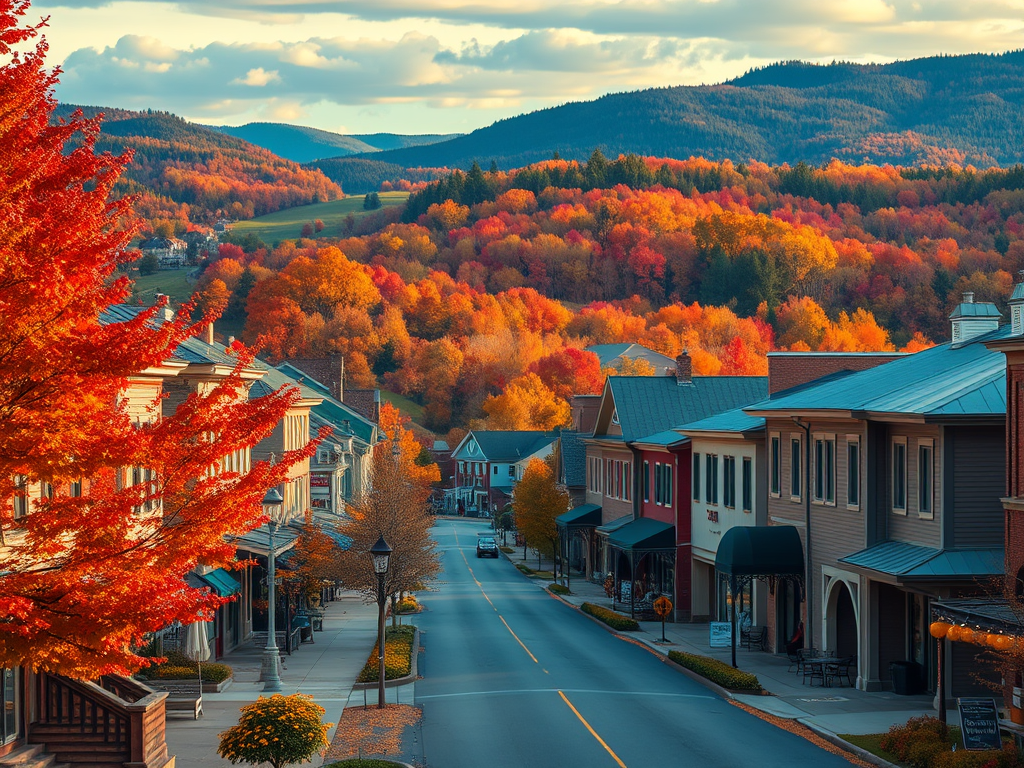
    Every fall, Vermont transforms into one of the most stunning destinations in the United States. Rolling hills, mountain passes, and winding backroads burst with brilliant reds, oranges, and yellows. While the scenery is breathtaking everywhere, the magic of Vermont really comes alive in its small towns. These places offer more than just colorful leaves. They provide a mix of historic charm, cozy cafés, and easy access to scenic drives and trails. If you are planning an autumn getaway, here are the best small towns in Vermont for leaf peeping.

    Why Vermont’s Small Towns Shine in Fall

    • Intimate scale: Small towns are walkable, welcoming, and easy to explore in a single day.
    • Scenic surroundings: Most are tucked into valleys or foothills, giving you incredible backdrops of colorful mountainsides.
    • Local culture: Covered bridges, apple orchards, general stores, and harvest festivals all add to the atmosphere.
    • Relaxed pace: You can slow down, enjoy the foliage, and connect with the character of each town.

    Best Small Towns for Leaf Peeping

    1. Stowe

    Stowe is often at the top of any Vermont fall travel list, and for good reason. Nestled in the shadow of Mount Mansfield, the state’s highest peak, the town offers spectacular foliage views in every direction. Take the gondola up Mount Mansfield for a bird’s-eye view of the colorful canopy, or drive through Smugglers’ Notch where the road winds tightly between towering cliffs and bright foliage. Stowe’s Main Street is lined with shops, cafés, and galleries, perfect for an afternoon stroll after your outdoor adventures.

    2. Woodstock

    Woodstock is the picture-perfect Vermont village. The town green is surrounded by historic buildings, and the Middle Covered Bridge adds postcard charm. Visitors can explore Marsh-Billings-Rockefeller National Historical Park, where hiking trails meander through colorful forests. Local inns and farm-to-table restaurants make it easy to turn a day trip into a cozy overnight stay. For leaf peeping and classic New England charm, Woodstock is unbeatable.

    3. Middlebury

    Middlebury offers a unique combination of natural beauty and small-town vibrancy. The Otter Creek Falls cascade right through downtown, framed by historic architecture and stone bridges. Beyond the town, rolling farmland and wooded hillsides light up with fall color. Middlebury College gives the town an added energy, and you will find plenty of cafés, breweries, and shops to explore. It is an excellent stop if you want both scenic views and a lively local culture.

    4. Manchester

    Manchester is a southern Vermont gem surrounded by the Green Mountains. A drive up Equinox Skyline Drive rewards visitors with sweeping vistas of the valleys below. In town, you will find everything from outlet stores to unique local shops, as well as the historic Hildene estate, once home to the Lincoln family. Manchester blends upscale experiences with natural beauty, making it a top choice for a fall weekend escape.

    5. Grafton

    Grafton is one of Vermont’s most charming historic villages. Restored 19th-century buildings line its quiet streets, many of them now housing inns, shops, and museums. In fall, the village is surrounded by forests ablaze with color. Stop into the Grafton Village Cheese Company or take a peaceful walk through the backroads. It is a small town that feels like stepping back in time, with all the beauty of Vermont’s foliage just outside your door.

    6. Bristol

    Bristol sits at the edge of the Green Mountains, giving it a perfect backdrop of foliage. Its Main Street is full of character, with local cafés, restaurants, and shops all within walking distance. Just beyond the town center, you can take scenic drives that lead into the mountains or explore hiking trails that showcase the fall colors up close. Bristol combines accessibility with classic Vermont charm, making it a great addition to a foliage itinerary.

    7. Bennington

    Bennington is known for its Revolutionary War history and its stunning setting in Vermont’s southwest corner. The Bennington Battle Monument provides an elevated view of the town and surrounding hills, especially spectacular in fall. Covered bridges, rolling farmlands, and forested hillsides surround the area. Bennington also has a thriving arts community and historic downtown, giving visitors a mix of culture, history, and foliage beauty.

    8. Montpelier

    As the nation’s smallest state capital, Montpelier offers a different kind of small-town feel. Nestled in a valley, the city is surrounded by hills that glow with fall color. Hubbard Park provides trails that lead to scenic overlooks. Downtown Montpelier is filled with independent bookstores, cafés, and restaurants, perfect for a day of wandering. It is a lively yet approachable destination for leaf peepers.

    Local Tips for Leaf Peeping in Small Towns

    • Timing is key: Northern Vermont and higher elevations peak in late September to early October, while southern valleys peak mid to late October.
    • Mix driving and walking: Scenic byways give you sweeping views, but the small towns themselves are best enjoyed on foot.
    • Plan food stops: Treat yourself to cider donuts, maple creemees, or a visit to a farmstand along the way.
    • Beat the crowds: Weekdays or early mornings often provide quieter experiences compared to peak weekends.
    • Pack smart: Layers, sturdy shoes, a reusable water bottle, and a camera will make your trip more comfortable.

    Planning Your Trip

    Leaf peeping in Vermont works best if you plan with flexibility. Weather and peak color can vary by a week or more depending on the season. To maximize your trip:

    • Create loops: Consider routes that connect multiple towns, such as Stowe to Montpelier to Woodstock, or Manchester to Bennington to Grafton.
    • Choose overnight stays: Inns and B&Bs book up quickly in fall, so reserve early if you want to stay in town rather than drive in.
    • Day trip options: If you are based in Burlington, you can reach Stowe, Middlebury, and Montpelier within a short drive.
    • Capture the moment: Sunrises and sunsets often make foliage colors even more vibrant, so plan to be outside during golden hours.

    Conclusion

    Vermont’s small towns offer an unforgettable backdrop for leaf peeping. From iconic destinations like Stowe and Woodstock to hidden gems like Grafton and Bristol, each town provides its own mix of beauty and charm. By combining scenic drives with local experiences, you will get the most out of your autumn trip. Pack your layers, plan your route, and prepare to be surrounded by some of the most spectacular fall foliage in the country. The best small towns in Vermont are ready to welcome you with color, character, and cozy charm.

    Leaf Peeping Crew, 30% Off

    Cozy up for foliage season with our Leaf Peeping Crew hoodies and crewnecks. Soft fleece, easy fit, perfect for ridge walks and lakeside sunsets.

    • Unisex fit and multiple colors
    • Printed to order in the USA
    • Ships directly to you
    Shop the 30% Off Sale

    Limited time offer. Discount applied at checkout while the sale lasts.

  • Discover Vermont’s Best Fall Trails: Foliage Highlights

    Discover Vermont’s Best Fall Trails: Foliage Highlights

    Plan unforgettable foliage hikes across Vermont with this local-savvy guide to the most scenic trails, the best timing for peak color, and practical tips for safe autumn hiking.

    Table of Contents

    1. Why Vermont Shines in Fall
    2. When To See Peak Fall Foliage in Vermont
    3. What To Know Before You Hike in the Fall
    4. The Most Scenic Fall Hikes in Vermont
      1. Camel’s Hump, Waterbury and Duxbury
      2. Mount Mansfield via Sunset Ridge, Underhill
      3. Sterling Pond, Smugglers’ Notch
      4. Mount Pisgah, Lake Willoughby
      5. Owl’s Head, Groton State Forest
      6. Killington Peak via Bucklin Trail
      7. Lye Brook Falls, Manchester
      8. Mount Abraham, Lincoln Gap
    5. Hidden Gem Foliage Hikes Locals Love
    6. Leaf-Lover Tips for an Amazing Hike
    7. Where To Stay and Refuel Nearby
    8. Vermont Fall Hiking FAQ

    Why Vermont Shines in Fall

    Autumn in Vermont brings a dramatic canopy of sugar maples, birch, and beech that ripples from ridge to valley. Trails thread past quiet ponds, along open ridgelines, and up to rocky summits with 360-degree views. Hike almost anywhere in late September and October and you will find blazing color, crisp air, and postcard-perfect overlooks.

    • Color variety across elevations creates long foliage windows and layered views.
    • Short travel times between trailheads let you stack multiple hikes into a weekend.
    • Small towns add cider donuts, maple treats, and cozy inns to round out each hike day.

    When To See Peak Fall Foliage in Vermont

    Foliage typically peaks first at higher elevations in the north, then rolls south and into valleys. Weather can shift timing by a week either way, so consider these ranges a helpful guide rather than a guarantee.

    • Northern Vermont late September to early October, think Mansfield, Camel’s Hump, Smugglers’ Notch.
    • Central Vermont early to mid October, think Killington, Lincoln Gap, Groton State Forest.
    • Southern Vermont mid to late October, think Manchester and the Green Mountain National Forest to the south.

    Timing tips

    • For the last week of September, aim for higher peaks such as Mount Mansfield or Camel’s Hump.
    • For mid October, target southern or mid elevation classics such as Lye Brook Falls or Killington.
    • For late October, look to lower elevation rambles and southern hills where color lingers.

    What To Know Before You Hike in the Fall

    • Dress in layers since temperatures drop quickly at elevation and after sunset.
    • Start early to secure parking and daylight, popular trailheads fill fast during foliage weekends.
    • Footing can be slick when leaves cover rocks and roots, bring traction and poles if you like extra stability.
    • Pack essentials including a map or downloaded app data, water, snacks, a headlamp, and a small first aid kit.
    • Respect landowners and follow Leave No Trace, many Vermont trails cross a mix of public and private lands.

    The Most Scenic Fall Hikes in Vermont

    Camel’s Hump, Waterbury and Duxbury

    With its distinctive silhouette and open summit, Camel’s Hump delivers a full panorama of the Green Mountains with Lake Champlain glinting to the west. In fall, the surrounding ridges glow with oranges and reds that seem to go on forever.

    • Difficulty moderate to challenging
    • Distance about 5.5 to 6 miles round trip depending on trailhead
    • Why it is great in fall expansive 360-degree views over peak color
    • Pro tip arrive early, this is a beloved summit for sunrise and morning light.

    Mount Mansfield via Sunset Ridge, Underhill

    Vermont’s highest peak offers breathtaking scenery from the moment you clear the trees. The Sunset Ridge route travels open ledges that look west across Lake Champlain and the Adirondacks, a perfect angle for warm autumn light.

    • Difficulty challenging
    • Distance roughly 6 miles round trip
    • Why it is great in fall long stretches of above-treeline views and golden afternoon light
    • Pro tip carry a wind layer, ledges can be breezy even on mild days.

    Sterling Pond, Smugglers’ Notch

    Short, steep, and rewarding, this alpine pond sits in a high bowl that mirrors the surrounding color. It is one of the best quick hikes for visitors who want big scenery without a full day commitment.

    • Difficulty moderate
    • Distance about 2.3 miles round trip
    • Why it is great in fall reflections of reds, oranges, and golds on still water
    • Pro tip bring a warm layer for the pond edge, the basin can feel cooler than the trailhead.

    Mount Pisgah, Lake Willoughby

    The cliffs above Lake Willoughby create one of Vermont’s most dramatic views. In fall, the water’s deep blue contrasts with fire-colored hillsides that sweep down to the shoreline.

    • Difficulty moderate
    • Distance about 4 miles round trip
    • Why it is great in fall fjord-like vistas over a lake framed by sheer slopes and peak color
    • Pro tip use designated overlooks and stay back from cliff edges, especially with wet leaves underfoot.

    Owl’s Head, Groton State Forest

    A family favorite that punches above its weight, Owl’s Head leads to a stone lookout with a sweeping panorama of layered ridges. The drive in is beautiful as well, with side roads lined by maples.

    • Difficulty easy
    • Distance under 2 miles round trip
    • Why it is great in fall effortless access to a big-view lookout
    • Pro tip pack a picnic and enjoy a long sit while the light shifts across the hills.

    Killington Peak via Bucklin Trail

    This classic Green Mountain climb brings you through quiet hardwoods to a summit that reaches across multiple states on clear days. The forest floor glows with fallen leaves in October, which adds a magical feel to the descent.

    • Difficulty challenging
    • Distance about 7 to 7.5 miles round trip
    • Why it is great in fall broad summit views and a colorful, peaceful forest corridor
    • Pro tip start early for ample daylight and bring a headlamp just in case.

    Lye Brook Falls, Manchester

    One of Vermont’s tallest waterfalls hides at the end of a gentle, woodsy path that is especially photogenic when leaves turn golden. This is a lovely option for mixed groups and mellow afternoons.

    • Difficulty moderate
    • Distance roughly 4.5 to 4.8 miles round trip
    • Why it is great in fall cascading water framed by yellow and amber foliage
    • Pro tip expect damp footing near the falls, grippy shoes help with slick rock.

    Mount Abraham, Lincoln Gap

    Mount Abraham is among the easier 4,000-footers in Vermont, and the treeless summit gives an outstanding look across the Champlain Valley and south along the spine of the Greens. The mix of close-up color and distant lakes makes this hike a fall standout.

    • Difficulty moderate
    • Distance about 5 to 5.5 miles round trip
    • Why it is great in fall high elevation views paired with quick access from Lincoln Gap
    • Pro tip even on sunny days, carry a windproof layer for the final exposed stretch.

    Hidden Gem Foliage Hikes Locals Love

    • Burnt Rock Mountain, near Camel’s Hump, a rugged ridge with big payoffs and fewer crowds than the nearby icons.
    • Stowe Pinnacle, short and steep, famous for grandstand views of a valley drenched in color.
    • Haystack Mountain, in the Northeast Kingdom, a serene climb with a rocky top that overlooks wave after wave of forest.

    Planning note hidden gems can still be popular on peak weekends, so aim for sunrise starts or weekday outings for the quietest experience.

    Leaf-Lover Tips for an Amazing Hike

    • Beat the rush with dawn starts and weekday plans.
    • Bring a real camera or at least clear storage on your phone for high resolution shots.
    • Pack Vermont flavors such as maple candy, local cheddar, and cider for a trail picnic.
    • Check trail conditions and parking details the night before, then verify again the morning of your hike.
    • Be flexible and have a Plan B trail nearby in case lots are full.

    Where To Stay and Refuel Nearby

    One reason foliage hiking in Vermont feels special is how easily a trail day pairs with small town stops. Mix and match these ideas based on which region you visit.

    • Cozy inns and B&Bs near trailheads make early starts easier and evenings relaxing.
    • Cider mills and farmstands for fresh cider, warm donuts, apples, and maple goods.
    • Breweries and taprooms with patios that overlook rolling hills lit up with color.
    • General stores for picnic supplies and quick sandwiches on your way to the trail.

    If you plan a full weekend, link a northern hike such as Mansfield or Sterling Pond with a central or southern hike the next day. This strategy lets you chase peak color as it moves across the state.

    Vermont Fall Hiking FAQ

    What is the best time to hike for peak foliage?

    Plan on late September and early October for higher elevation and northern peaks, then shift south and lower as the month progresses. Mid October usually shines in central regions, and southern hills glow into late October.

    Which hike is best for beginners?

    Owl’s Head in Groton State Forest and Sterling Pond are excellent choices with outsized views for modest effort. Both reward families and casual hikers with classic fall scenery.

    What is the most photogenic summit?

    Mount Mansfield via Sunset Ridge is hard to beat for all day views and golden afternoon light. For dramatic water and cliff contrast, Mount Pisgah over Lake Willoughby is a top pick.

    How do I avoid crowded trailheads?

    Arrive before 8 a.m., go midweek, and keep a backup hike within a 20 minute drive. Consider hidden gems such as Burnt Rock or Haystack on peak weekends.

    What should I pack for a fall hike in Vermont?

    Layers, warm hat and gloves for summits, plenty of water, snacks, a map or offline app data, a headlamp, and shoes with good traction. Trekking poles help when leaves are slick.

    Final thought Vermont’s foliage season is short, colorful, and unforgettable. Pick a region, start early, and let the views decide whether you add a second hike before sunset.

    Leaf Peeping Crew, 30% Off

    Cozy up for foliage season with our Leaf Peeping Crew hoodies and crewnecks. Soft fleece, easy fit, perfect for ridge walks and lakeside sunsets.

    • Unisex fit and multiple colors
    • Printed to order in the USA
    • Ships directly to you
    Shop the 30% Off Sale

    Limited time offer. Discount applied at checkout while the sale lasts.

  • The Science of Vermont’s Fall Leaf Colors

    The Science of Vermont’s Fall Leaf Colors

    Vermont’s fall foliage looks like an artist’s palette spilled across the Green Mountains. The colors here feel extra saturated for good reasons that start inside each leaf and continue with local weather, elevation, and the state’s maple-rich forests. Understanding the science makes every overlook, covered bridge stop, and ridge hike more rewarding.

    Leaf Color 101, how leaves change color in Vermont

    Leaves look green in summer because of chlorophyll, the pigment that powers photosynthesis. As days shorten in September and October, trees wind down for winter, chlorophyll breaks down, and hidden pigments step forward.

    • Chlorophyll, creates summer’s green, fades first in fall.
    • Carotenoids, present all season, reveal yellows and oranges once chlorophyll recedes.
    • Anthocyanins, produced mainly in autumn, add reds and purples when sunny days and cool nights allow sugars to build in the leaf.

    Why Vermont’s fall foliage is so vibrant

    Several Vermont advantages stack together to intensify color:

    • Maple mix, sugar maple and red maple are natural red and orange powerhouses.
    • Weather pattern, bright days and cool, not freezing, nights trap sugars in leaves and stimulate anthocyanins.
    • Topography, mountains and valleys create layers and contrast that make color read bolder to the eye and camera.

    The chemistry of color, chlorophyll, carotenoids, and anthocyanins

    A quick way to “read” a hillside in October:

    • Greens fading signal chlorophyll breakdown and the start of the show.
    • Golds and ambers come from carotenoids in birch, aspen, and sugar maple.
    • Scarlets and crimsons come from anthocyanins, most dramatic in maples and some oaks when days are sunny and nights are cool.

    Anthocyanins also act like natural sunscreen for the leaf, protecting tissues as the tree reclaims nutrients before leaf drop.

    Weather’s fingerprint, why some years look different

    The same hillside can look different year to year because weather rewrites the pigment recipe. Strong color tends to follow:

    • Sunny early fall days for sugar production in leaves.
    • Cool nights above freezing to slow sugar export and encourage anthocyanins.
    • Even moisture through late summer to prevent early browning.

    Color can look muted when there is persistent cloud cover, hot nights, heavy rain right before peak, drought stress, or an early hard frost that shortens the show.

    Why Vermont’s maples make legendary reds

    Maples headline Vermont’s scarlet season. Sugar maples and red maples produce anthocyanins when sugars build in the leaf under bright light and cool nights.

    • Best case for reds, sunny days plus nights in the 30s or low 40s without a freeze.
    • Softer palettes happen with cloudy, rainy stretches that reduce sugar production, shifting the scene toward golds and russets.

    Timing the trip with science, north to south and high to low

    Vermont usually turns in waves, not all at once. A simple pattern helps you plan:

    • Early to mid September, earliest hints at higher elevations in northern mountains.
    • Late September to early October, widespread change across central highlands.
    • Early to mid October, valleys and southern Vermont hit peak or near peak.
    • Late October, lingering color in warm pockets, many leaves down by early November.

    For week-by-week strategy, pair this article with your timing guide: When and Where to See the Best Fall Foliage in Vermont (2025 Guide).

    Local cues anyone can use

    Shortlist to “read” the season without a forecast:

    • Nighttime lows in the upper 30s to low 40s without a hard freeze.
    • A string of bright days that follow moderate rain.
    • Elevation checks, compare a valley, a gap road, and a ridge on the same day.

    Where to see the science in action

    Choose places that create natural contrast between species, light, and elevation:

    • High ridgelines, the Mt. Mansfield and Smugglers Notch area, where layered views reveal gradients.
    • Lakes and rivers, Lake Champlain overlooks and broad river bends, where reflections amplify reds and golds.
    • Open farm valleys, Champlain Valley meadows with solitary sugar maples framed against fields and distant hills.

    Pair these stops with other helpful guides like Family Friendly Day Trips in Vermont and How to Spot a Tourist in Vermont.

    Myths vs facts about fall foliage

    • Myth, frost is required for red leaves. Fact, frost can damage leaves. The best reds come from sunny days and cool, not freezing, nights.
    • Myth, timing is the same every year. Fact, elevation, slope aspect, rainfall, and temperature shift the calendar by days or weeks.
    • Myth, stress makes better color. Fact, drought and insect damage often dull colors or cause early brown drop.
    • Myth, red is just one pigment. Fact, anthocyanin shades vary with species, leaf pH, and the balance with carotenoids.

    Climate signals, what changing weather means for foliage

    Foliage reflects broader climate patterns. More extremes, such as droughts and intense rain, can stress trees and shorten the show. Warmer nights in early fall can delay the chlorophyll shutdown, push peak later, and sometimes reduce the intensity of reds. Expect variation within short drives, and build flexibility into your plans.

    How to use the science when planning your Vermont foliage trip

    Turn pigment chemistry and local cues into a simple plan:

    • Before you go, watch the 5 to 7 day forecast. Look for a sunny stretch with nights in the upper 30s to low 40s.
    • On the road, start high and finish low. Begin at a gap or ridge in the morning, then drop to a valley or lakeshore for reflections.
    • With your camera, shoot golden hour for richer reds, backlight leaves to make pigments glow, and photograph after rain when leaves are wet and saturated.

    For hiking ideas that pair well with color chasing, see Best Vermont Summer Hikes for Beginners. Many of those routes shine in October too.

    A quick species guide

    • Sugar maple, oranges and reds, often blended with gold.
    • Red maple, scarlet to crimson with occasional burgundy.
    • Birch, clear gold, fluttery texture against conifers.
    • Beech, bronzy gold that can hang late.
    • Red oak, red to russet, sometimes wine toned.
    • Aspen and poplar, bright yellow that shimmers in wind.

    Build a perfect foliage day, a sample plan that follows the science

    • Morning, head for elevation while temperatures are coolest. Compare north and south facing slopes from a single overlook.
    • Late morning to early afternoon, visit a lake or broad river bend for mirrored color when forest light can be harsh.
    • Afternoon, explore a valley or village green one stage behind the ridge, often with different species and palettes.
    • Sunset, choose a west-facing overlook. Backlight deepens reds and warms golds for a natural glow.

    Frequently asked questions

    Why do nearby hillsides peak at different times?
    Microclimates, species mix, elevation, and slope aspect can shift timing by days or more.

    Did smoke, heat waves, or storms change this year’s color?
    Yes, stress can alter timing or reduce intensity. Check recent local reports before choosing a region.

    Is there a single perfect weekend?
    No. Vermont peaks in waves from north to south and high to low. Flexible plans find the best color.

    Read the companion guide: When and Where to See the Best Fall Foliage in Vermont (2025 Guide).

    Leaf Peeping Crew, 30% Off

    Cozy up for foliage season with our Leaf Peeping Crew hoodies and crewnecks. Soft fleece, easy fit, perfect for ridge walks and lakeside sunsets.

    • Unisex fit and multiple colors
    • Printed to order in the USA
    • Ships directly to you
    Shop the 30% Off Sale

    Limited time offer. Discount applied at checkout while the sale lasts.
  • Vermont Fall Foliage Guide 2025: Best Viewing Tips

    Vermont Fall Foliage Guide 2025: Best Viewing Tips

    Vermont in autumn is nothing short of magical. The maples, birches, and oaks turn vivid shades of gold, red, and orange. The air turns crisp. The farms, towns, and mountain ridges glow. If you are planning a trip here in fall 2025, this guide will help you know when the leaves are likely to peak, where to go for the most spectacular views, and how to maximize your experience.

    How Fall Foliage Works in Vermont: Key Variables

    If you understand these basics, you can time your trip better and set realistic expectations.

    • Elevation & latitude High elevations and the northernmost parts of Vermont change color first. Mountains tip earlier; valleys later.
    • Weather conditions Cool nights, warm (but not hot) days, adequate rainfall, and absence of early frost are ideal for vivid color. Too much rain or warm weather can dull colors or cause leaves to drop prematurely.
    • Tree species mix Sugar maples give brilliant reds and oranges. Birches and aspens provide yellows. Oaks tend to hold on a bit longer, giving late color. A mix helps sustain color over several weeks.
    • Year-to-year variation No two falls are exactly the same. Timing shifts depending on summer heat, drought, and rainfall. Always check up-to-date foliage reports as you get closer to your travel dates.

    When to Visit: Timing of Fall Foliage in Vermont (2025)

    Here is what to expect in terms of timing in 2025. It’s based on recent forecasts and historical norms.

    • Historical norm Color typically begins in mid-September in high, northern spots, then gradually works its way down in elevation and south. Peak foliage usually occurs between late September and mid-October in many regions. (vermont.com)
    • 2025 forecasts Leaf-peeping reports indicate that much of Vermont could reach peak color in the week of October 7, 2025. (burlingtonfreepress.com) By the week of October 14, 2025, many regions may already be past peak, especially lower elevations and southern Vermont. (burlingtonfreepress.com)

    Time Period | Regions Likely Showing Peak or Near Peak Foliage

    • Mid-September: Northern parts (e.g. Northeast Kingdom), high elevations, mountain ridges.
    • Late September: Central Vermont, Green Mountains range, many higher valleys.
    • First week of October: Many regions in Vermont are at peak or near peak, especially mid-elevations and southern Green Mountains.
    • Second week of October: Lower elevations, smaller valleys, and southern parts may still have good color; many areas already past peak.
    • Late October: Some lingering color, especially in protected valleys or high elevation zones; more muted rather than “peak.”

    Where to Go: Best Spots for Fall Foliage in Vermont

    Different parts of Vermont offer different flavors of fall. Here are the regions, drives, towns, hikes, and water views you should consider.

    Regions & Zones

    • Northeast Kingdom Most remote and rural. Because of its latitude and elevation, this region often sees peak color early. Ideal for someone wanting dramatic landscapes and fewer crowds.
    • Northern Mountains & Lake Champlain Islands Views over water make for lovely reflections. The islands combined with mountains give variety.
    • Green Mountains (central & southern) Probably the most visited by tourists. Offers everything: scenic drives, hiking, charming towns.
    • Southern Vermont Lower elevation in many areas. Good color a little later. Towns here offer more amenities and cultural events.
    • Lake Champlain shore & Islands Water adds reflection; sunsets over the lake can be especially dramatic when foliage is bright.

    Scenic Drives & Byways

    These drives combine good foliage, accessibility, charming stops, and memorable views.

    • Route 100 (“Vermont’s Main Street”) Runs north-south through the state; passes farms, old barns, ski areas, charming small villages. Best from late September through early October. (visit-vermont.com)
    • Mad River Byway Routes 100 and 100B around Waitsfield, Warren, etc. Green Mountain backdrop. Great for combining drives with small hikes or food stops. (visit-vermont.com)
    • Molly Stark Scenic Byway In southern Vermont; passes through valleys, small towns, and forests that turn brilliantly. (visit-vermont.com)
    • Shires of Vermont Byway (Route 7A, Pownal-Manchester) Historic roads, river valleys, beautiful towns, excellent for a relaxed, scenic drive. (visit-vermont.com)
    • Stone Valley Scenic Byway Southern-central areas; gives a sense of history and natural beauty combined. (vermontvacation.com)
    • Lake Champlain Byway Following the lake shore; combines water views with foliage. Especially pretty in sunrise or sunset light. (vermontvacation.com)
    • Green Mountain Byway Including towns like Stowe, Waterbury, Cambridge. Big mountain views plus amenities. (vermontvacation.com)

    Towns & Villages Not to Miss

    • Stowe Iconic for fall color. Hiking, gondola rides, great lodging and food.
    • Woodstock Very picturesque; traditional New England architecture, covered bridges, good access to hikes.
    • Manchester and Bennington Charm, arts, galleries, food, and foliage in rolling hills.
    • Waitsfield / Warren Area Central Vermont; good jumping-off points for hikes and drives.
    • Middlebury Close to lakes and mountains; good balance of foliage and college town energy.
    • Brattleboro / Wilmington Southern Gateway; pleasant valleys, interesting local culture; good for visitors coming from points south.

    Hikes, Lookouts & State Parks

    • Trails to ridges (Mt. Mansfield, Camel’s Hump, Killington, etc.) give wide vistas.
    • State parks and preserves with overlooks (e.g. Smugglers’ Notch, Quechee Gorge).
    • Gondolas or aerial lifts where available.
    • Fire towers or old lookout points.

    Lakes & Water Views

    • Lake Champlain and its islands for reflections.
    • Smaller ponds and lakes in valleys that offer mirror-like surfaces.
    • Shoreside drives, picnics by the water, and photo opportunities with reflections of hills.

    Planning Tips

    • Lodging: book early. Fall is peak tourist season. Inns, B&Bs, and cabins fill up quickly.
    • Travel timing: weekdays are less crowded than weekends. Early morning and late afternoon light are most rewarding.
    • Weather preparedness: layer clothing and bring rain gear. Nights can be cold, especially in the mountains.
    • What to bring: camera gear, sturdy shoes, maps or apps, binoculars.
    • Flexibility: have backup plans in case peak timing shifts or weather changes.

    Fall Events & Local Flavor

    • Apple orchards, cider mills, pumpkin patches.
    • Harvest fairs and festivals celebrating food, crafts, and music.
    • Maple syrup, cheeses, and farm-to-table dining.
    • Art shows, galleries, and unique shops in small towns.

    Photography & Best Viewing Practices

    • Best light: morning and late afternoon for rich color.
    • Composition tips: include barns, bridges, or water for framing.
    • Avoiding crowds: head to less traveled spots, go early or midweek.
    • Respecting nature: stay on trails, avoid trespassing, and leave no trace.

    Sample Itineraries

    • 2-Day Weekend: drive Route 100, take a hike, enjoy dinner in a small town, then visit a lake or orchard the next day.
    • 4- or 5-Day Trip: explore one region deeply, combining hikes, drives, and water views. Stay in different towns to minimize driving.
    • Family-Friendly: shorter drives, easy hikes, and stops at orchards or farms.

    Current Conditions & Resources

    Conclusion

    If you are planning a trip to Vermont in fall 2025, late September through early October will be the sweet spot for most regions. For the earliest and most intense color, head north or higher up in the mountains in mid-September. Lower valleys and southern Vermont tend to peak closer to early October. Plan early, stay flexible, and savor not only the views but also the flavors and experiences of Vermont.

    Leaf Peeping Crew Hoodie & Crewneck, 30% Off

    Cozy up for foliage season with our Leaf Peeping Crew hoodies and crewnecks. Soft fleece, easy fit, perfect for ridge walks and lakeside sunsets.

    • Unisex fit and multiple colors
    • Printed to order in the USA
    • Ships directly to you
    Shop the 30% Off Sale

    Limited time offer. Discount applied at checkout while the sale lasts.
  • Vermont’s Crucial Role in the War of 1812

    Vermont’s Crucial Role in the War of 1812

    The War of 1812 is often remembered for iconic events like the burning of Washington, the defense of Fort McHenry, and the Battle of New Orleans. Yet on the northern frontier, Vermont played a quieter but crucial role in shaping the outcome of the conflict. From its shipyards on Otter Creek to its strategic location along Lake Champlain, the state’s contributions were vital to securing the border and supporting the American war effort.

    This is the story of Vermont’s place in America’s second fight for independence.

    Vermont Before the War: A State on the Edge

    In the years before 1812, Vermont sat in a complex position. Officially part of the United States, it shared a long and often porous border with British-controlled Canada.

    • Trade across the border was common, both legal and illicit
    • Smuggling became an established way of life for some communities
    • Political divisions ran deep, with Federalists opposing the war and War Hawks calling for it

    The Embargo Act of 1807, intended to pressure Britain and France by restricting American trade, hit Vermont’s merchants and farmers hard. Border communities relied on Canadian markets, and many saw the federal restrictions as an attack on their livelihoods.

    Smugglers took to the back roads and mountain passes to move goods north. One of the most famous routes was Smugglers’ Notch, a narrow mountain pass near Stowe. During the embargo years, locals drove cattle through the notch at night, supplying beef to Canada in defiance of federal law. These covert operations not only sustained cross-border trade but also cemented the notch’s reputation as a lifeline for illicit commerce.

    Lake Champlain: The Northern Key

    Lake Champlain was the most important geographic feature for Vermont during the War of 1812. Stretching from the Canadian border into New York and Vermont, it was a vital waterway for moving troops and supplies.

    For the British, control of the lake meant an open route into New York’s Hudson Valley. For the Americans, holding it was essential to protecting the northern frontier. Vermont’s western edge, with towns like Burlington and Vergennes, became a strategic line of defense.

    Local militia units kept watch along the shoreline, while the U.S. military improved fortifications and prepared for possible invasions. Ferries, bridges, and roads on the Vermont side allowed rapid troop movements in case of attack.

    Life in Wartime Vermont

    While major battles often took place across the lake or at the Canadian border, Vermont still felt the effects of war.

    • British raids and the threat of invasion kept communities on alert
    • Shortages of goods due to trade restrictions impacted daily life
    • Smuggling persisted, with some Vermonters quietly trading with Canada despite the war
    • Women played a vital role in sustaining farms and businesses while men served in the militia

    The northern counties bore the brunt of these pressures. Farmers and merchants faced both economic hardship and the constant worry that fighting could spill into their towns.

    Key Engagements and Skirmishes

    Although Vermont was not the site of large-scale battles like those in New York or along the Great Lakes, it still saw military action.

    • Cross-border skirmishes took place between Vermont militia and British or Canadian forces
    • Roads and trails in Vermont became essential for moving troops to the front lines in New York
    • Small incidents, such as the capture of supply boats or clashes between patrols, were frequent

    These smaller engagements rarely made headlines, but they played a role in keeping the British off balance and maintaining American control of key areas.

    The Vergennes Shipyard and Naval Power

    Perhaps Vermont’s most significant direct contribution to the War of 1812 came from the small city of Vergennes. Located on Otter Creek, about seven miles from Lake Champlain, Vergennes became the site of a major shipbuilding effort for the American navy.

    • The location was ideal because Otter Creek’s narrow entrance could be easily defended
    • Timber from Vermont’s forests was plentiful for ship construction
    • Skilled laborers from the region contributed to the rapid building of vessels

    In 1814, Commodore Thomas Macdonough oversaw the creation of several warships here, including the brig USS Saratoga. These ships would go on to play a central role in the decisive Battle of Plattsburgh later that year.

    The Battle of Plattsburgh

    Fought in September 1814, the Battle of Plattsburgh was the turning point for the northern theater of the war. While the battle took place across the lake in New York, Vermont’s contributions were essential.

    • Vermont militia units provided manpower to support American defenses
    • Supplies and reinforcements were funneled through Vermont roads and towns
    • The ships built in Vergennes formed the backbone of the American naval fleet

    Macdonough’s victory on the water, combined with the land forces’ success, forced the British to retreat and helped bring about favorable terms in the Treaty of Ghent, which ended the war.

    Aftermath of the War in Vermont

    When peace returned in 1815, Vermont began to recover from the war’s disruptions.

    • Trade with Canada resumed, restoring economic stability to border towns
    • Veterans returned home, bringing with them stories of service and hardship
    • Political divisions began to soften, though debates over federal authority continued
    • The shipbuilding skills developed during the war continued to benefit Vermont’s economy

    The war also left behind a stronger sense of identity as a northern border state, with pride in having contributed to the nation’s defense.

    Sites to Visit Today

    For those interested in experiencing Vermont’s War of 1812 history, several locations still preserve its memory.

    • Lake Champlain Maritime Museum – Offers exhibits on naval history, including the War of 1812
    • Vergennes Falls Park – Near the historic Otter Creek shipyard location
    • Historic markers in Burlington and along the Champlain Valley – Highlight military movements and key events
    • Smugglers’ Notch – While best known today for its scenic beauty, it was a vital smuggling route during the embargo years that set the stage for Vermont’s role in the war
    • Plattsburgh, NY – Just across the lake, with annual reenactments and museums that also tell Vermont’s side of the story

    Walking these sites offers a tangible connection to a period when the future of the United States was far from certain and Vermont stood watch on the northern frontier.

    Why Vermont’s Role Matters

    The War of 1812 is sometimes overshadowed by the Revolutionary War and the Civil War in American memory. However, Vermont’s involvement shows how even a small state can have an outsized impact during times of conflict.

    • Its shipyards produced vessels that changed the course of battle
    • Its militia guarded a key section of the northern border
    • Its communities endured economic hardship while contributing to the war effort
    • Its mountain passes, like Smugglers’ Notch, supported clandestine trade that helped shape prewar tensions

    By remembering these contributions, the story of Vermont in the War of 1812 becomes more than a footnote. It becomes a testament to resilience, resourcefulness, and strategic importance.

    Conclusion

    Vermont’s role in the War of 1812 was not marked by famous battles fought on its soil, but by the quiet strength of its people, the ingenuity of its shipbuilders, and the strategic value of its location. From the shipyards of Vergennes to the waters of Lake Champlain, and from the smuggling trails of Smugglers’ Notch to the militia outposts along the border, the state played a key part in securing the northern frontier.

    Today, visiting these sites and learning these stories offers not just a history lesson, but a deeper appreciation for how Vermont helped shape the outcome of America’s second war for independence.

  • How to Host Memorable Campfire Nights in Vermont

    How to Host Memorable Campfire Nights in Vermont

    There is something timeless about gathering around a fire as the night settles in. The glow of the flames, the crackle of the wood, and the smell of smoke in the crisp air make campfire nights an unforgettable experience. In Vermont, those moments feel even more magical, thanks to the stunning natural surroundings, seasonal charm, and the state’s love for cozy, community-centered gatherings. Whether you are on vacation or enjoying a weekend at home, hosting a Vermont campfire night can be the highlight of your season.

    Here is how to plan and host a campfire night that everyone will remember.

    Choosing the Right Campfire Spot in Vermont

    Location sets the tone for the whole night. Vermont offers a variety of perfect spots for campfires, from private backyards to scenic campgrounds.

    Backyard Fire Pits

    • Convenient and comfortable
    • Easier access to bathrooms, kitchens, and extra supplies
    • Ideal for smaller groups or last-minute gatherings

    Campgrounds and Public Fire Pits

    • Offer a full outdoor experience
    • Often surrounded by lakes, mountains, or forests
    • Perfect for larger gatherings or overnight trips

    Scenic Vermont Fire Locations

    • Smugglers’ Notch State Park for mountain views
    • Lake Champlain shoreline for sunsets over the water
    • Green Mountain National Forest for a quiet wilderness feel

    Always check Vermont’s fire safety rules before building or lighting a fire. Some areas require permits, and seasonal burn bans can be in effect during dry conditions.

    Campfire Safety Tips Everyone Should Follow

    Safety is the foundation of any good campfire night. It keeps the experience enjoyable for everyone and helps protect Vermont’s natural environment.

    • Check for any local burn bans or fire restrictions
    • Keep your fire small and under control
    • Use only dry, seasoned wood to reduce smoke
    • Have water and a shovel nearby in case you need to put out the fire quickly
    • Never leave the fire unattended
    • Fully extinguish the fire before leaving, making sure embers are completely cool

    These simple steps make the difference between a safe, memorable night and a dangerous situation.

    The Essentials: What to Bring for Your Vermont Campfire

    Packing the right items will make your campfire night more comfortable and enjoyable. Here is a checklist to get you started.

    Fire Tools & Gear

    • Local hardwood firewood that burns longer and hotter
    • Kindling and natural fire starters
    • Long matches or a refillable lighter
    • A metal fire poker for adjusting logs
    • Sturdy seating such as camping chairs or Adirondack chairs

    Comfort Items

    • Warm blankets or throws
    • Flannel shirts, hats, or layers for cooler weather
    • Bug spray during the summer months
    • Hand warmers for late fall or winter nights

    Lighting

    • Battery-powered lanterns for pathways
    • String lights to add a magical glow to the area
    • Candles in mason jars for extra ambience

    Vermont-Inspired Food and Drink for Your Campfire

    Food is often the highlight of a campfire night, and Vermont provides plenty of inspiration for delicious fireside snacks.

    Classic Campfire Favorites

    • S’mores with locally made chocolate
    • Hot dogs or veggie skewers roasted over the flames
    • Foil packet potatoes with butter and herbs

    Vermont-Inspired Twists

    • Maple marshmallows for a sweet, smoky s’more upgrade
    • Maple-drizzled popcorn in small paper cones
    • Cheese boards with sharp Vermont cheddar, local brie, and crackers
    • Apple cider from a nearby orchard, served hot or cold
    • Vermont craft beer for a refreshing local touch
    • A small pour of maple bourbon for adults

    Preparing some items ahead of time can make the night run smoothly. Pre-slice cheese, package marshmallows in small bags, and have cider ready to heat.

    Activities to Make the Night Unforgettable

    The glow of the fire naturally draws people together, but having a few activities planned can turn a nice evening into a great one.

    • Tell ghost stories or share Vermont folklore, such as the legend of Emily’s Bridge
    • Bring an acoustic guitar or harmonica for music and sing-alongs
    • Stargaze with a blanket on the ground and a simple stargazing app
    • Play lawn games like cornhole or horseshoes before the fire gets going
    • Take firelight photos for Instagram-worthy memories

    The best activities are the ones that let guests relax and enjoy each other’s company without feeling pressured.

    Seasonal Ideas for Vermont Campfires

    Vermont’s four seasons each offer their own charm for campfire nights.

    Spring

    • Wildflower walks before the fire
    • Light snacks with seasonal ingredients like fiddleheads or fresh herbs
    • Soft blankets and warm cider for lingering cool evenings

    Summer

    • Lakeside campfires with swimming or kayaking before dark
    • Fresh berries and lemonade alongside classic campfire treats
    • Staying up late to watch fireflies dance in the grass

    Fall

    • Leaf-peeping hikes in the afternoon, followed by a fire under the colorful canopy
    • Hot apple cider with cinnamon sticks
    • Pumpkin or maple treats to match the season’s flavors

    Winter

    • Snowshoe or cross-country ski to a fire pit
    • Hot cocoa topped with whipped cream or marshmallows
    • Wool blankets and steaming mugs to keep everyone warm

    Creating the Perfect Atmosphere

    The right atmosphere turns a basic fire into a special event. Small touches can make a big difference.

    Music

    • Create a playlist with folk, bluegrass, or Vermont indie artists
    • Keep the volume low enough for conversation

    Seating

    • Arrange chairs and blankets in a circle around the fire for easy conversation
    • Mix seating options so guests can choose what feels most comfortable

    Scents and Lighting

    • Burn aromatic woods like cedar or pine for a pleasant smell
    • Use warm-toned string lights to softly illuminate the area
    • Add lanterns or candles for a rustic touch

    Wrapping Up the Night

    As the fire starts to die down, you can keep the mood warm and relaxed with a few final touches.

    • Offer one last round of cider, cocoa, or dessert
    • Share leftover treats with guests to take home
    • Make sure the fire is completely extinguished before anyone leaves
    • Double-check the area to ensure no trash or food is left behind

    Leaving the space just as you found it helps preserve Vermont’s beauty for the next gathering.

    Conclusion

    Hosting a Vermont campfire night is about more than just lighting a fire. It is a chance to connect with nature, enjoy local flavors, and create memories with friends and family. From picking the right location to preparing Vermont-inspired snacks and planning seasonal activities, each detail adds to the experience. With the right preparation, your campfire night can become a tradition that everyone looks forward to year after year.

  • The Ultimate Covered Bridge Passport Challenge in Vermont

    The Ultimate Covered Bridge Passport Challenge in Vermont

    Vermont is home to more than 100 covered bridges, each with its own story and charm. Some are tucked away on quiet dirt roads while others stand proudly in the center of small towns. They are a signature part of the landscape and a favorite for photographers, history buffs, and anyone who loves a scenic drive.

    The Covered Bridge Passport Challenge is a fun way to explore Vermont, whether you have lived here for years or are visiting for a short getaway. The idea is simple: spend a weekend visiting as many covered bridges as you can, making memories and collecting photos along the way. You can turn it into a competitive race or a relaxed sightseeing trip with plenty of stops for coffee and local treats. Either way, you will end the weekend with stories to tell and a camera roll full of beauty.

    What is the Covered Bridge Passport Challenge?

    The challenge is exactly what it sounds like: see how many covered bridges you can find in a set amount of time. For most travelers, that time frame is a weekend, though some take an extra day or two to make it a longer road trip. You can choose a small region to focus on or try to cover as much of the state as possible.

    There is no official scoring system, but many participants create a personal “passport” to mark each bridge they visit. This can be a notebook, a printed list to check off, or a photo album on your phone. Some even design their own stamps or stickers to commemorate each stop.

    The challenge is as much about the journey as it is about the count. You will pass through charming towns, see sweeping views of mountains and rivers, and discover small roadside attractions you might otherwise miss.

    Planning Your Vermont Covered Bridge Weekend

    A little planning goes a long way for the Covered Bridge Passport Challenge. Here are the main steps to set yourself up for a successful weekend.

    Choose Your Region

    While you could attempt to drive the length of Vermont in two days, most people have a more enjoyable experience by focusing on a smaller area. This allows you to spend more time enjoying each bridge instead of rushing from place to place.

    Red Covered Bridge | Morrisville, Vermont. The last covered bridge built in Vermont in the 19th century
    • Northern Vermont – Lamoille, Orleans, and Caledonia Counties have some of the most scenic routes and clusters of bridges, including several in the town of Montgomery.
    • Central Vermont – Washington and Windsor Counties offer plenty of bridges along with vibrant towns like Northfield, Montpelier, and Woodstock.
    • Southern Vermont – Bennington and Windham Counties feature some of the state’s most photographed bridges and are a great choice for travelers coming from Massachusetts, New York, or Connecticut.

    Pick the Best Time of Year

    Covered bridges are beautiful year-round, but the experience changes with the seasons.

    • Fall – Brilliant foliage frames the bridges in golds, oranges, and reds. This is the most popular season, so expect more visitors.
    • Summer – Long days and warm weather make it easy to fit in more stops.
    • Winter – A fresh layer of snow turns each bridge into a postcard scene.
    • Spring – Bridges near rivers and waterfalls can be especially dramatic during snowmelt.

    Map Your Route

    Once you have chosen your region, plot your route on Google Maps or a Vermont covered bridge map. The Vermont Covered Bridge Society and state tourism website offer helpful maps with locations and historical details. Group nearby bridges together to minimize driving time.

    Tips for Success

    • Start early to make the most of daylight hours.
    • Pack snacks, drinks, and a picnic blanket for scenic stops.
    • Include a mix of easy-access bridges and a few that require a short walk.
    • Keep a backup list in case a bridge is under construction or temporarily closed.

    Must-See Covered Bridges by Region

    While every covered bridge has its own charm, some stand out for their beauty, history, or location. Here are a few worth including in your challenge.

    Northern Vermont Highlights

    Comstock Bridge | Montgomery, Vermont
    • Fisher Railroad Bridge (Wolcott) – The only covered railroad bridge still in use in Vermont.
    • Montgomery’s Bridges – This small town boasts six historic covered bridges, including Hutchins, Comstock, Longley, Fuller, Creamery, and Hopkins. The proximity of these bridges makes Montgomery a top choice for maximizing your weekend count.

    Central Vermont Highlights

    • Northfield’s Trio – Slaughterhouse, Station, and Lower Cox bridges are all located within minutes of each other and make for an easy cluster stop.
    • Warren Covered Bridge – Located in the village of Warren, this bridge is especially pretty in fall and sits close to the historic Warren Store for a snack break.
    • Taftsville Covered Bridge (Woodstock) – One of Vermont’s oldest bridges, with a striking red exterior and scenic views of the Ottauquechee River.

    Southern Vermont Highlights

    • West Dummerston Covered Bridge – The longest covered bridge in Vermont, spanning 280 feet across the West River.
    • Bennington’s Trio – Silk Road, Paper Mill, and Burt Henry bridges are all within a short drive of one another, making them perfect for a quick tour.
    • Creamery Covered Bridge (Brattleboro) – A beautifully maintained bridge near downtown Brattleboro with picnic tables nearby.

    Making it More Than a Drive

    One of the best parts of the Covered Bridge Passport Challenge is the opportunity to explore beyond the bridges themselves. Incorporating other activities makes the weekend even more memorable.

    • Cafés and Bakeries – Stop for fresh pastries or coffee in small-town cafés. Local favorites often serve homemade treats you will not find anywhere else.
    • Farmers Markets – Many Vermont towns host weekend markets, especially in summer and fall, where you can find local produce, baked goods, and crafts.
    • Hiking and Walking Trails – Several bridges are near trailheads or riverside paths. Even a short walk can give you new photo perspectives.
    • Historic Sites – Pair bridge visits with stops at museums, historic homes, or scenic lookouts.

    Tips for Photographing Covered Bridges

    Capturing the perfect covered bridge photo can be an art in itself. Try these tips for standout images.

    • Take shots from multiple angles, including inside the bridge.
    • Use leading lines, such as the road or river, to draw the eye toward the bridge.
    • Visit in early morning or late afternoon for softer light.
    • In fall, use a wide frame to include colorful foliage.
    • In winter, look for fresh snow before footprints or tire tracks appear.

    Travel Tips for the Challenge

    Because some covered bridges are located on backroads, a few practical tips can make your trip smoother.

    • Keep a paper map or download offline maps in case cell service drops.
    • Drive slowly on unpaved roads to avoid damaging your vehicle and to be respectful of residents.
    • Watch for posted signs and avoid trespassing on private property.
    • Pack layers, especially in cooler months, since Vermont’s weather can change quickly.
    • Have a small cooler for local cheeses, maple treats, or drinks you pick up along the way.

    Sample Weekend Itineraries

    Here are two sample itineraries to inspire your own route.

    Emily’s Bridge | Stowe, Vermont

    Northern Vermont Loop

    • Start in Stowe and visit the Gold Brook Covered Bridge (also known as Emily’s Bridge).
    • Drive to Wolcott for the Fisher Railroad Bridge.
    • Head to Montgomery and see all six bridges in town.
    • End the day in Enosburg Falls for the Hopkins Bridge.

    Southern Vermont Loop

    • Begin in Bennington with the Silk Road, Paper Mill, and Burt Henry bridges.
    • Drive to West Dummerston Covered Bridge for a picnic lunch.
    • Stop at the Creamery Covered Bridge in Brattleboro before ending your day with a downtown dinner.

    Why the Challenge is Worth Taking

    The Covered Bridge Passport Challenge is more than a checklist. It is a way to connect with Vermont’s history, explore scenic backroads, and spend quality time with friends or family. Whether you visit five bridges or fifteen, the journey is the reward. Every stop offers a new view, a new piece of history, and a chance to slow down and appreciate the landscape.

    So grab your map, charge your camera, and set off on a weekend adventure. The only question is, how many covered bridges will you see?

  • Vermont’s Railroads: From Glory to Ghosts

    Vermont’s Railroads: From Glory to Ghosts

    When Trains Ruled the Green Mountains

    There was a time when the heartbeat of Vermont echoed with the rhythm of trains. Steam engines carved their way through mountain passes, small-town depots bustled with activity, and railcars carried everything from granite to tourists. Today, much of that vast network has disappeared, but the story of Vermont’s railroads is far from forgotten.

    This post explores how Vermont’s railroads rose to power, shaped communities, and eventually declined. Whether you’re a train enthusiast, a local Vermonter, or a visitor eager to understand the state’s hidden past, this is your ticket into one of Vermont’s most compelling chapters.

    Laying the Tracks: Railroads Come to Vermont

    In the early 1800s, Vermont was a land of forests, farms, and winding dirt roads. The arrival of the railroad transformed everything.

    The first major player was the Vermont Central Railroad, incorporated in 1843. Its original line connected Burlington to Windsor, bringing new opportunities to small towns across central Vermont. The Rutland & Burlington Railroad followed closely behind, helping to connect the Champlain Valley to southern New England markets.

    Railroads offered:

    • A faster, more reliable alternative to ox-drawn wagons and riverboats
    • New economic lifelines for isolated mountain communities
    • The ability to export Vermont’s granite, timber, dairy, and slate on a national scale

    But building the lines wasn’t easy. Vermont’s rugged terrain, harsh winters, and rocky soil made construction a costly and difficult task. Still, by the 1850s and 1860s, dozens of lines crisscrossed the state.

    The Golden Age of Rail: Commerce, Tourism, and Small-Town Life

    From the 1870s to the 1920s, railroads were at the center of Vermont life.

    For industry:

    • Logging camps deep in the Northeast Kingdom sent timber south via spur lines
    • Barre’s granite quarries used freight trains to ship monument stone across the country
    • Vermont dairy products made their way to Boston, New York, and beyond, fresh thanks to refrigerated cars

    For people:

    • Train travel made it easier for Vermonters to attend college, visit relatives, or move around the region
    • Immigrants and workers used the rail system to settle new areas and find employment
    • Small-town stations became central meeting spots, often doubling as general stores or post offices

    For tourism:

    The railroads were responsible for the first wave of Vermont tourism. Wealthy city dwellers from Boston and New York would board sleeping cars to escape to:

    • The cool air of the Green Mountains
    • Resort towns like Woodstock and Stowe
    • Grand hotels nestled near train stops

    This era cemented Vermont as a nature getaway long before the era of car camping or ski resorts.

    Competition and Consolidation: When the Railroads Changed Hands

    As the rail network grew, so did competition and complexity. Dozens of smaller lines found themselves unable to compete or maintain profitability.

    In response, larger players absorbed or leased smaller lines, including:

    • Central Vermont Railway, eventually controlled by the Grand Trunk Railway of Canada
    • Rutland Railroad, which expanded to serve Montreal, Boston, and New York connections
    • Boston and Maine Railroad, operating key routes in southeastern Vermont

    By the early 20th century, most of Vermont’s rail system was controlled by just a few major companies.

    This shift led to:

    • Increased efficiency on major freight lines
    • Decline of local service and branch lines
    • Greater Canadian influence, especially in northern Vermont

    Although trains were still moving plenty of goods and people, cracks had begun to show in the system.

    The Great Decline: Cars, Highways, and a Changing Economy

    From the 1930s onward, Vermont’s railroad empire began to shrink.

    Why the decline?

    1. Automobiles took over
      Cars gave people independence. Roads improved. Bus lines emerged. Passenger rail no longer held the monopoly on mobility.
    2. Trucking beat freight rail
      Trucks offered door-to-door delivery. This undercut freight lines, especially in rural Vermont.
    3. Airplanes changed long-distance travel
      Rail couldn’t compete with the speed of air travel for those heading beyond New England.
    4. Maintenance became costly
      Aging infrastructure, snow-clearing, and low ridership made branch lines unsustainable.

    By the 1950s:

    • Many small stations had closed
    • Passenger service was drastically reduced
    • The state began removing unused tracks and bridges

    In 1963, a strike by Rutland Railroad workers led to a dramatic collapse of the entire line. It was the final blow for much of Vermont’s rail infrastructure.

    What Remains Today: Traces of a Railroad Past

    While most of the empire has vanished, Vermont still carries traces of its railroading glory.

    Active train rides today:

    • Amtrak’s Vermonter travels daily between St. Albans and Washington, D.C., offering a scenic and practical ride through central Vermont towns like Essex Junction, Montpelier, and White River Junction
    • Amtrak’s Ethan Allen Express connects Burlington to New York City via Rutland and Albany, restored in 2022 after years of advocacy
    • Green Mountain Railroad operates seasonal scenic rides out of Chester and Burlington, with themed excursions during fall foliage, winter holidays, and special events

    Rail trails repurposing old lines:

    • Lamoille Valley Rail Trail follows the former St. Johnsbury & Lamoille County Railroad, eventually connecting St. Johnsbury to Swanton
    • Missisquoi Valley Rail Trail stretches from Richford to St. Albans along a peaceful, rural path
    • Delaware & Hudson Rail Trail runs through western Bennington County into New York, following a once-busy freight corridor

    Historic sites:

    • Many original depots have been restored or repurposed as museums, town halls, or local businesses
    • Granite Junction in Barre and the Bellows Falls tunnel remain major landmarks of Vermont’s freight history
    • Railroad festivals, model train clubs, and historical societies across the state continue to preserve and share rail culture

    These remnants offer a glimpse into the powerful role railroads once played in shaping Vermont’s communities.

    Stories from the Rails: Local Legends and Railroad Lore

    Ask a Vermonter over 70 about the railroad, and chances are you’ll get a story.

    Some of the most colorful tales include:

    • Bootlegging during Prohibition: Rumor has it that trains carried more than just freight during the 1920s. Remote flag stops and whistle signals were allegedly used for sneaky transfers of illicit alcohol.
    • Snowbound rescues: In towns like Island Pond and Randolph, locals tell of trains buried by snowdrifts for days, requiring massive plow engines or entire work crews to dig them out.
    • Haunted depots and rail tunnels: Legends swirl around spots like the abandoned tunnel in Northfield or the old Rutland roundhouse, now crumbling under time and myth.
    • Engineers and stationmasters as town heroes: Before the internet or even reliable phones, the man running the train or managing the depot was often the most connected and informed person in town.

    These stories aren’t just entertaining. They’re living history.

    A Future on the Tracks? Rail in Vermont Today and Tomorrow

    Although Vermont’s railroads may never return to their former size, there are signs of new life.

    Amtrak continues to serve the state, and recent infrastructure funding has led to upgrades and service restorations. The Ethan Allen Express now reaches Burlington, and interest in rail as a climate-conscious transportation option is growing.

    Freight rail quietly persists, especially in areas like Bellows Falls and Burlington’s waterfront, where trains still haul goods for local industries.

    Rail trails are booming, offering locals and tourists a way to explore the same scenic corridors that once moved steel and steam.

    Preservation groups and rail buffs work to restore stations, locomotives, and cabooses, keeping the spirit alive.

    Could we see more passenger rail? Possibly. Could we lose more freight service? That’s a risk too. But one thing is clear, Vermont’s rail history still has a role to play in shaping its future.

    More Than Just Tracks in the Woods

    The rise and fall of Vermont’s railroad empire tells us a lot about the state itself. It’s a story of ambition, innovation, resilience, and adaptation. It’s a reminder of how tightly knit our communities once were with the steel web of rail lines and how progress often comes with trade-offs.

    If you’re a tourist, consider taking a scenic ride or walking a rail trail. If you’re a local, maybe visit a depot museum or share a story with a younger Vermonter.

    And if you’re a train lover, keep chasing those echoes of the past. The tracks may be overgrown, but the legacy is still alive, rolling on in the memories, trails, and towns they helped build.