Green Mountain Peaks

Discover Vermont, One Story at a Time 🏔️

Welcome to Green Mountain Peaks, your local guide to all things Vermont. From hidden history and travel ideas to small-town life and seasonal adventures, there’s always something worth discovering. Subscribe for new posts, insider tips, and a little taste of Vermont straight to your inbox.


Category: History & Politics of Vermont

Explore the unique history and political culture of Vermont. From its founding ideals to modern-day legislation, this category covers key moments, people, and policies that shaped the Green Mountain State.

  • Exploring Vermont’s Unique Thanksgiving Foods and Customs

    Exploring Vermont’s Unique Thanksgiving Foods and Customs

    Thanksgiving has long been a holiday of gratitude and gathering, but in Vermont it carries a special history tied to the state’s landscape and traditions. From early proclamations during the days of the Vermont Republic to modern farm-to-table feasts, the story of Thanksgiving here reflects both New England roots and distinctly local flavor.

    Early Roots of Thanksgiving in New England

    The earliest origins of Thanksgiving in America come from the Pilgrims and Puritans of Massachusetts. These early settlers held days of prayer and feasting to mark the end of harvest and to give thanks for survival in difficult times. As migration spread northward, families moving into the Green Mountains carried those customs with them. Vermont’s first communities often looked south to Massachusetts and Connecticut for religious and cultural traditions, adapting them to the harsher northern climate and rugged terrain.

    While the concept of giving thanks was not unique to New England, the practice of declaring an annual day of gratitude became firmly rooted in the culture, eventually spreading into Vermont’s earliest towns and villages.

    Vermont’s First Official Thanksgiving Proclamations

    One of the most fascinating chapters in Vermont’s Thanksgiving history comes from the period when Vermont existed as an independent republic, from 1777 to 1791. During those years, Vermont’s governors issued proclamations calling for days of thanksgiving and prayer. These proclamations often reflected both the religious life of the time and the agricultural cycles that defined survival in the northern hills.

    Even after Vermont joined the Union in 1791, the tradition of issuing proclamations continued. Local leaders would declare a day of thanks in late autumn, often aligning with the harvest season and emphasizing moral reflection, gratitude for freedom, and community support. For many Vermonters, Thanksgiving became both a civic and religious occasion that reinforced the tight-knit bonds of rural life.

    The 19th Century and Thanksgiving’s Growth in Vermont

    The 1800s saw Thanksgiving evolve into a more recognized holiday across New England, thanks in part to the advocacy of writer and editor Sarah Josepha Hale. Her decades-long campaign to establish Thanksgiving as a national holiday resonated in Vermont, where local papers often reprinted her calls for unity through gratitude.

    In 1863, President Abraham Lincoln declared Thanksgiving a national holiday during the Civil War. Vermonters, who were deeply involved in the war effort, embraced the proclamation with a mixture of solemnity and relief. Churches across the state preached sermons on gratitude and perseverance, while families gathered to share meals that showcased local harvests.

    Newspapers from the period describe tables laden with turkey, squash, cranberries, and pies, all grown and prepared in Vermont households. These accounts illustrate how the holiday became a cornerstone of family and community life.

    Traditional Vermont Thanksgiving Foods

    Food has always been central to Vermont’s Thanksgiving traditions. While turkey was the centerpiece, Vermont tables often included dishes unique to the region. Maple syrup, harvested in the spring but cherished year-round, flavored pies, glazes, and sauces. Root vegetables like potatoes, carrots, and turnips filled the plates alongside hearty stews made with venison or other local game.

    Dairy products also gave Vermont’s Thanksgiving a unique stamp. Sharp cheddar cheese frequently appeared on holiday tables, whether paired with apple pie or served as part of a simple platter. These foods reflected the agricultural abundance of the state and created traditions that remain part of the holiday today.

    Community and Church Gatherings

    In Vermont’s small towns, Thanksgiving was not only a family affair but also a community event. Churches and town halls often hosted large gatherings where neighbors came together to share food and fellowship. These meals helped ensure that even those without abundant harvests could enjoy a feast. Sermons, hymns, and prayers anchored the day, reinforcing both gratitude and social bonds.

    Over time, these gatherings shifted from primarily religious services to more social occasions. By the late 1800s, the emphasis was as much on togetherness and celebration as on solemn reflection. For many Vermonters, Thanksgiving became a highlight of the year to reconnect with neighbors and reaffirm community ties.

    20th Century Changes in Vermont Thanksgiving

    The 1900s brought new changes to Vermont’s Thanksgiving traditions. As families grew more mobile, the focus shifted from large community dinners to intimate family meals. Rural churches remained important, but more celebrations happened at home around the dining table.

    Hunting season also shaped the modern Vermont Thanksgiving. Many families built traditions around combining the holiday meal with hunting trips, gathering wild game in addition to the traditional turkey. Newspapers of the early and mid-20th century frequently published recipes for Thanksgiving, emphasizing both tradition and the use of local ingredients such as apples, squash, and maple syrup.

    Modern Vermont Thanksgiving Traditions

    Today, Thanksgiving in Vermont continues to be shaped by the land and local culture. Many families buy their turkeys directly from local farms, and farm-to-table practices highlight the freshness of squash, cranberries, and maple-based desserts. Farmers markets and co-ops often prepare special offerings in the weeks leading up to the holiday, making it easy to source local products for the feast.

    Volunteerism and community spirit also remain strong. Soup kitchens, food shelves, and churches organize community dinners across the state, ensuring that no one spends the day alone or without a meal. Town parades, football games, and small-scale festivals add a festive atmosphere, while the holiday shopping season begins to stir in local downtowns.

    Visiting Vermont for Thanksgiving Today

    For visitors, Vermont offers a unique opportunity to experience Thanksgiving with a local twist. Many inns and bed-and-breakfasts serve special meals featuring traditional dishes prepared with local ingredients. Restaurants and bakeries often offer pies, breads, and side dishes that reflect Vermont’s culinary heritage.

    Beyond the table, Thanksgiving in Vermont can be enjoyed outdoors. Late fall hikes offer quiet trails and starkly beautiful views during stick season, while small towns begin their holiday celebrations with craft fairs and local shopping events. Living history museums sometimes highlight 18th and 19th century Thanksgiving traditions, offering a glimpse into how the holiday was celebrated generations ago.

    Conclusion

    Thanksgiving in Vermont is more than a holiday meal. It is a reflection of history, community, and the enduring relationship between people and the land. From the proclamations of the Vermont Republic to today’s farm-to-table gatherings, the traditions have evolved while keeping gratitude at their heart. Whether you live here year-round or visit for the holiday, Vermont offers a Thanksgiving experience steeped in history and enriched by local flavor.

    Shop Green Mountain Peaks on Etsy

    Bring a little piece of Vermont into your home with our curated collection of gifts, apparel, and seasonal favorites. From cozy hoodies and crewnecks to Vermont-themed gift boxes and cookbooks, each item is designed to celebrate the Green Mountain spirit.

    • Vermont-inspired designs and gift sets
    • Printed and packaged with care
    • Ships directly to your door
    Visit Our Etsy Shop

    Discover gifts, apparel, and Vermont treasures made to share and enjoy year-round.
  • Exploring Halloween Traditions in Old Vermont

    Exploring Halloween Traditions in Old Vermont

    Introduction: A Glimpse Into Vermont’s Spooky Past

    Halloween in old Vermont looked very different from the holiday we know today. Instead of flashy costumes and candy overflowing from plastic buckets, celebrations were tied to the rhythms of the harvest, the stories whispered in small communities, and the traditions passed down from immigrant families. By looking back at how Vermonters once celebrated, we uncover a holiday that was simpler, sometimes darker, and deeply rooted in both community and superstition.

    The Roots of Halloween in Rural Vermont

    Much of Vermont’s early Halloween culture was shaped by Irish and Scottish immigrants. These groups carried with them the Celtic festival of Samhain, a holiday that marked the end of the harvest season and the beginning of the darker half of the year. In rural Vermont, where farming defined daily life, this seasonal shift was especially important.

    The belief that spirits could cross more easily into the human world around this time blended naturally with Vermont’s own folklore. The long, cold nights and isolated villages gave rise to a culture that valued both storytelling and cautionary tales. Old World superstitions merged with local legends, creating a unique Vermont take on Halloween.

    Bonfires and Harvest Gatherings

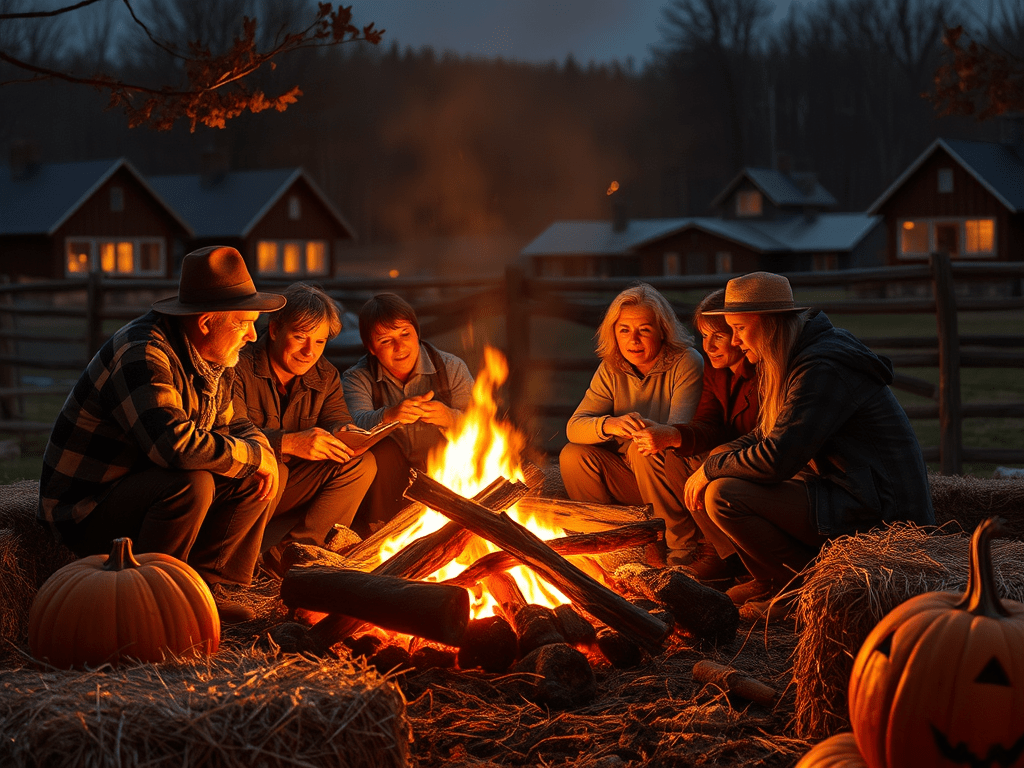
    Long before pumpkin carving contests or downtown parades, Halloween often meant bonfires. Communities would gather on farm fields or town greens, piling wood high to light the night. These gatherings had a dual purpose: they were celebrations of the harvest and symbolic acts of protection against wandering spirits.

    Food was central to these evenings. Families would bring what they had on hand—apple pies, maple sugar candies, roasted pumpkin seeds, or jugs of cider. Sharing food created a sense of unity during the season when farmers had just completed their hardest work of the year. The bonfires became both a practical source of warmth and a cultural anchor that tied Halloween to the harvest cycle.

    Ghost Stories Told by Firelight

    In a time before television or the internet, storytelling was one of Vermont’s greatest traditions. Halloween nights were the perfect stage for ghost stories. Families and neighbors would circle around fires or sit in dimly lit parlors, sharing tales that had been told for generations.

    Many stories were tied to local legends. The tale of Emily’s Bridge in Stowe, said to be haunted by a young woman who died tragically, was a favorite in some regions. Others spoke of the mysterious Lake Champlain monster or the spirits rumored to linger in historic inns. The act of telling these stories reinforced community bonds and gave children a healthy dose of both fright and fascination.

    Halloween Mischief in the Villages

    Pranks were another hallmark of old Vermont Halloweens. Mischief Night, as it was sometimes called, saw local youth playing tricks on their neighbors. Rather than the egging or toilet-papering we might think of today, their mischief often involved tipping over wagons, removing gates from fences, or switching signs on shops.

    While these antics sometimes caused frustration, they were usually tolerated as a harmless part of the season. Communities had an unspoken understanding that Halloween was a time for bending the rules, so long as no one was seriously harmed. Local constables kept an eye on the activities, stepping in only if the mischief went too far.

    Costumes and Homemade Masks

    Costumes in old Vermont were homemade out of necessity. Families could not purchase outfits from a store, so they used what they had on hand. Old sheets turned into ghostly figures, carved wooden masks gave children a frightful appearance, and worn farm clothes created makeshift disguises.

    The homemade nature of these costumes added to their eerie quality. A rough-hewn mask or an oversized coat looked less polished but far more haunting under the glow of a lantern. This kind of creativity reflected the resourcefulness of Vermont families who made do with limited means.

    Old Vermont Treats and Seasonal Foods

    Halloween treats were not the bags of store-bought candy we associate with the holiday today. Instead, children might receive caramel apples, maple candy, cider donuts, or a slice of pumpkin pie. Neighbors often baked for one another, offering warm and hearty foods rather than small, packaged sweets.

    Maple, a Vermont staple, often found its way into these seasonal treats. Maple taffy pulled on the snow or hard maple candies shaped like leaves were common indulgences. These foods tied the holiday to local agriculture and traditions, keeping the celebration closely linked to the land.

    Churches, Community Halls, and Schoolhouse Celebrations

    Not all Halloween gatherings were informal. Many communities organized events in schoolhouses, churches, or town halls. These parties included barn dances, apple bobbing, and parlor games. Parents appreciated these events as they provided a safer environment for children than roaming the countryside in the dark.

    Church groups often hosted harvest parties around Halloween, blending secular traditions with community fellowship. These events became a hallmark of small Vermont towns, ensuring that Halloween was not only about pranks and ghost stories but also about coming together in joy and play.

    Vermont Folklore and Superstitions

    Halloween was also a time when old superstitions rose to the surface. Stories of witches wandering the hills, black cats crossing one’s path, or omens seen in the weather were common. Vermonters often paid attention to how the wind blew or how the sky looked on Halloween night, interpreting these signs as predictors for the winter ahead.

    Some tales served as warnings to children, urging them not to wander too far from home. Others were playful, passed down as a way to keep the holiday mysterious. Whether believed or not, these superstitions gave Halloween an edge of the unknown, reinforcing its role as a night when the ordinary rules of the world felt suspended.

    From Old Traditions to Modern Celebrations

    By the early 20th century, Halloween in Vermont began to resemble the holiday we know today. Trick-or-treating gradually replaced the old style of neighborhood visits, and candy manufacturers shaped the modern culture of sweets. Yet many rural towns held on to elements of the past. Bonfires, ghost stories, and homemade treats remained part of small-town gatherings well into the mid-1900s.

    Today, echoes of these old traditions can still be found. Communities across Vermont host harvest festivals, haunted hayrides, and storytelling nights that honor the spirit of the past. Though costumes are now store-bought and candy comes in bright wrappers, the charm of old Vermont Halloweens continues to inspire celebrations each fall.

    Conclusion: Keeping the Spirit Alive

    Halloween in old Vermont was a holiday woven from folklore, food, and fellowship. It reflected the creativity of rural families, the importance of community bonds, and the enduring power of spooky tales told by firelight. While modern traditions have changed how we celebrate, the heart of Halloween—the thrill of the unknown and the joy of gathering together—remains the same.

    Visitors and locals alike can still find traces of this history in Vermont’s haunted inns, community festivals, and fall traditions. By looking back at how the holiday was once celebrated, we keep the spirit of old Vermont alive and add depth to our own Halloween memories.

    Shop Green Mountain Peaks on Etsy

    Bring a little piece of Vermont into your home with our curated collection of gifts, apparel, and seasonal favorites. From cozy hoodies and crewnecks to Vermont-themed gift boxes and cookbooks, each item is designed to celebrate the Green Mountain spirit.

    • Vermont-inspired designs and gift sets
    • Printed and packaged with care
    • Ships directly to your door
    Visit Our Etsy Shop

    Discover gifts, apparel, and Vermont treasures made to share and enjoy year-round.

  • Emily’s Bridge: Vermont’s Haunted Gem and Ghostly Tale

    Emily’s Bridge: Vermont’s Haunted Gem and Ghostly Tale

    Tucked away in the quiet town of Stowe lies one of Vermont’s most talked-about landmarks: Emily’s Bridge. Officially known as Gold Brook Bridge, this 19th-century covered bridge has gained a reputation as the most haunted place in Vermont. Its rustic setting, combined with chilling tales of heartbreak and ghostly encounters, has made it a must-visit destination for both history buffs and paranormal enthusiasts.

    Where Is Emily’s Bridge?

    Emily’s Bridge is located in Stowe, Vermont, just a short drive from the bustling village center. Stowe is well known for its ski slopes, hiking trails, and spectacular fall foliage, which makes the bridge an easy and popular stop during a Vermont road trip. Gold Brook Bridge itself spans a small creek on Gold Brook Road, about two miles from downtown Stowe.

    Because of its location, visitors can easily pair a trip to Emily’s Bridge with a scenic drive through Stowe Hollow, a visit to local shops, or a walk through Stowe’s charming Main Street. The bridge is open year-round, but many people agree that fall, with its colorful leaves and crisp evenings, is the most atmospheric time to visit.

    The History of Gold Brook Bridge

    Before it became famous as Emily’s Bridge, the Gold Brook Bridge was simply one of many covered bridges in Vermont. Built in 1844, it is a classic example of the wooden covered bridge design that once dotted the state’s rural roads. Covered bridges were practical in their day, protecting wooden planks from snow and rain, and they quickly became an iconic feature of Vermont’s landscape.

    While the bridge itself has a straightforward history as part of Stowe’s transportation network, its legend is anything but ordinary. The tale of “Emily” would emerge later, turning this unassuming bridge into one of the most haunted spots in New England.

    The Legend of Emily

    There are several versions of Emily’s story, but most begin with a young woman in love. The most common tale says Emily was supposed to meet her fiancé at the bridge to elope. When he never arrived, whether because of cold feet, disapproval from her family, or betrayal, Emily’s heartbreak became too much to bear. Consumed by grief, she ended her life at the bridge.

    Other versions suggest Emily was left waiting for her lover on her wedding day, while another claims she died in an accident near the bridge. Like many ghost stories, the details have shifted over time, but the theme of love, loss, and tragedy remains central. This timeless combination has kept the legend alive for more than a century.

    Reported Paranormal Activity

    Stories of Emily’s restless spirit have drawn countless visitors to the bridge. Paranormal investigators, thrill-seekers, and curious travelers report a range of eerie experiences, including:

    • Unexplained noises: Visitors describe hearing footsteps, screams, or dragging sounds echoing through the bridge at night.
    • Scratches and claw marks: Some say their cars have been mysteriously scratched while parked near the bridge.
    • Cold spots and shadows: Sudden chills and fleeting dark figures are common accounts among late-night visitors.
    • Apparitions: A few have even claimed to see a ghostly woman in white, believed to be Emily herself.

    Whether these stories are fueled by imagination or genuine encounters, they contribute to the lasting reputation of Emily’s Bridge as a paranormal hotspot.

    Visiting Emily’s Bridge Today

    For those eager to experience the legend firsthand, Emily’s Bridge is open to the public. However, it is important to remember that the bridge is still part of a functioning road. Cars cross the one-lane bridge daily, so visitors should use caution and avoid blocking traffic.

    Parking is limited in the immediate area, but many visitors stop briefly to walk across the bridge and soak in the atmosphere. The best times to visit are during fall foliage season or around Halloween, when Stowe itself feels steeped in seasonal magic. At night, the quiet setting can feel especially eerie, but remember to stay respectful of the space and nearby residents.

    Emily’s Bridge in Vermont Folklore

    Ghost stories have long been a part of New England tradition, blending history with mystery. Emily’s Bridge stands out as Vermont’s most well-known haunted site, but it is far from the only one. Tales of haunted inns, old farmhouses, and mountain spirits are scattered throughout the state. What makes Emily’s Bridge unique is how it combines folklore with a tangible landmark, allowing visitors to step directly into the setting of the story.

    Over time, the legend has become woven into Vermont’s cultural identity. Tourists come for the covered bridge charm and leave with a ghost story that adds depth to their trip. The story has also helped promote local ghost tours and seasonal events, contributing to Stowe’s reputation as a destination rich in both history and folklore.

    Tips for Experiencing Emily’s Bridge

    If you plan to add Emily’s Bridge to your Vermont itinerary, a few tips can make the experience even more memorable:

    • Visit at dusk or after dark: The atmosphere is much more chilling once the sun goes down.
    • Go with friends: Sharing the experience adds fun and safety.
    • Pair with a Stowe outing: Stop by the bridge as part of a day exploring downtown Stowe, local breweries, or scenic hikes.
    • Respect the site: The bridge is historic and still in use, so treat it with care.

    Final Thoughts: The Enduring Allure of Emily’s Bridge

    Emily’s Bridge remains one of Vermont’s most fascinating attractions, blending authentic history with enduring legend. Whether you believe in ghosts or simply enjoy a good story, the bridge offers a glimpse into Vermont’s culture of folklore and its appreciation for historic places. Its beauty, combined with the mystery of Emily’s tale, makes it a place that continues to captivate visitors year after year.

    If you’re planning a trip to Vermont, a stop at Emily’s Bridge is more than just a sightseeing opportunity. It’s a chance to step into one of New England’s most famous ghost stories and decide for yourself whether the legend is real or just a chilling tale passed down through generations.

    Leaf Peeping Crew, 30% Off

    Cozy up for foliage season with our Leaf Peeping Crew hoodies and crewnecks. Soft fleece, easy fit, perfect for ridge walks and lakeside sunsets.

    • Unisex fit and multiple colors
    • Printed to order in the USA
    • Ships directly to you
    Shop the 30% Off Sale

    Limited time offer. Discount applied at checkout while the sale lasts.

  • Vermont’s Crucial Role in the War of 1812

    Vermont’s Crucial Role in the War of 1812

    The War of 1812 is often remembered for iconic events like the burning of Washington, the defense of Fort McHenry, and the Battle of New Orleans. Yet on the northern frontier, Vermont played a quieter but crucial role in shaping the outcome of the conflict. From its shipyards on Otter Creek to its strategic location along Lake Champlain, the state’s contributions were vital to securing the border and supporting the American war effort.

    This is the story of Vermont’s place in America’s second fight for independence.

    Vermont Before the War: A State on the Edge

    In the years before 1812, Vermont sat in a complex position. Officially part of the United States, it shared a long and often porous border with British-controlled Canada.

    • Trade across the border was common, both legal and illicit
    • Smuggling became an established way of life for some communities
    • Political divisions ran deep, with Federalists opposing the war and War Hawks calling for it

    The Embargo Act of 1807, intended to pressure Britain and France by restricting American trade, hit Vermont’s merchants and farmers hard. Border communities relied on Canadian markets, and many saw the federal restrictions as an attack on their livelihoods.

    Smugglers took to the back roads and mountain passes to move goods north. One of the most famous routes was Smugglers’ Notch, a narrow mountain pass near Stowe. During the embargo years, locals drove cattle through the notch at night, supplying beef to Canada in defiance of federal law. These covert operations not only sustained cross-border trade but also cemented the notch’s reputation as a lifeline for illicit commerce.

    Lake Champlain: The Northern Key

    Lake Champlain was the most important geographic feature for Vermont during the War of 1812. Stretching from the Canadian border into New York and Vermont, it was a vital waterway for moving troops and supplies.

    For the British, control of the lake meant an open route into New York’s Hudson Valley. For the Americans, holding it was essential to protecting the northern frontier. Vermont’s western edge, with towns like Burlington and Vergennes, became a strategic line of defense.

    Local militia units kept watch along the shoreline, while the U.S. military improved fortifications and prepared for possible invasions. Ferries, bridges, and roads on the Vermont side allowed rapid troop movements in case of attack.

    Life in Wartime Vermont

    While major battles often took place across the lake or at the Canadian border, Vermont still felt the effects of war.

    • British raids and the threat of invasion kept communities on alert
    • Shortages of goods due to trade restrictions impacted daily life
    • Smuggling persisted, with some Vermonters quietly trading with Canada despite the war
    • Women played a vital role in sustaining farms and businesses while men served in the militia

    The northern counties bore the brunt of these pressures. Farmers and merchants faced both economic hardship and the constant worry that fighting could spill into their towns.

    Key Engagements and Skirmishes

    Although Vermont was not the site of large-scale battles like those in New York or along the Great Lakes, it still saw military action.

    • Cross-border skirmishes took place between Vermont militia and British or Canadian forces
    • Roads and trails in Vermont became essential for moving troops to the front lines in New York
    • Small incidents, such as the capture of supply boats or clashes between patrols, were frequent

    These smaller engagements rarely made headlines, but they played a role in keeping the British off balance and maintaining American control of key areas.

    The Vergennes Shipyard and Naval Power

    Perhaps Vermont’s most significant direct contribution to the War of 1812 came from the small city of Vergennes. Located on Otter Creek, about seven miles from Lake Champlain, Vergennes became the site of a major shipbuilding effort for the American navy.

    • The location was ideal because Otter Creek’s narrow entrance could be easily defended
    • Timber from Vermont’s forests was plentiful for ship construction
    • Skilled laborers from the region contributed to the rapid building of vessels

    In 1814, Commodore Thomas Macdonough oversaw the creation of several warships here, including the brig USS Saratoga. These ships would go on to play a central role in the decisive Battle of Plattsburgh later that year.

    The Battle of Plattsburgh

    Fought in September 1814, the Battle of Plattsburgh was the turning point for the northern theater of the war. While the battle took place across the lake in New York, Vermont’s contributions were essential.

    • Vermont militia units provided manpower to support American defenses
    • Supplies and reinforcements were funneled through Vermont roads and towns
    • The ships built in Vergennes formed the backbone of the American naval fleet

    Macdonough’s victory on the water, combined with the land forces’ success, forced the British to retreat and helped bring about favorable terms in the Treaty of Ghent, which ended the war.

    Aftermath of the War in Vermont

    When peace returned in 1815, Vermont began to recover from the war’s disruptions.

    • Trade with Canada resumed, restoring economic stability to border towns
    • Veterans returned home, bringing with them stories of service and hardship
    • Political divisions began to soften, though debates over federal authority continued
    • The shipbuilding skills developed during the war continued to benefit Vermont’s economy

    The war also left behind a stronger sense of identity as a northern border state, with pride in having contributed to the nation’s defense.

    Sites to Visit Today

    For those interested in experiencing Vermont’s War of 1812 history, several locations still preserve its memory.

    • Lake Champlain Maritime Museum – Offers exhibits on naval history, including the War of 1812
    • Vergennes Falls Park – Near the historic Otter Creek shipyard location
    • Historic markers in Burlington and along the Champlain Valley – Highlight military movements and key events
    • Smugglers’ Notch – While best known today for its scenic beauty, it was a vital smuggling route during the embargo years that set the stage for Vermont’s role in the war
    • Plattsburgh, NY – Just across the lake, with annual reenactments and museums that also tell Vermont’s side of the story

    Walking these sites offers a tangible connection to a period when the future of the United States was far from certain and Vermont stood watch on the northern frontier.

    Why Vermont’s Role Matters

    The War of 1812 is sometimes overshadowed by the Revolutionary War and the Civil War in American memory. However, Vermont’s involvement shows how even a small state can have an outsized impact during times of conflict.

    • Its shipyards produced vessels that changed the course of battle
    • Its militia guarded a key section of the northern border
    • Its communities endured economic hardship while contributing to the war effort
    • Its mountain passes, like Smugglers’ Notch, supported clandestine trade that helped shape prewar tensions

    By remembering these contributions, the story of Vermont in the War of 1812 becomes more than a footnote. It becomes a testament to resilience, resourcefulness, and strategic importance.

    Conclusion

    Vermont’s role in the War of 1812 was not marked by famous battles fought on its soil, but by the quiet strength of its people, the ingenuity of its shipbuilders, and the strategic value of its location. From the shipyards of Vergennes to the waters of Lake Champlain, and from the smuggling trails of Smugglers’ Notch to the militia outposts along the border, the state played a key part in securing the northern frontier.

    Today, visiting these sites and learning these stories offers not just a history lesson, but a deeper appreciation for how Vermont helped shape the outcome of America’s second war for independence.

  • Vermont’s Railroads: From Glory to Ghosts

    Vermont’s Railroads: From Glory to Ghosts

    When Trains Ruled the Green Mountains

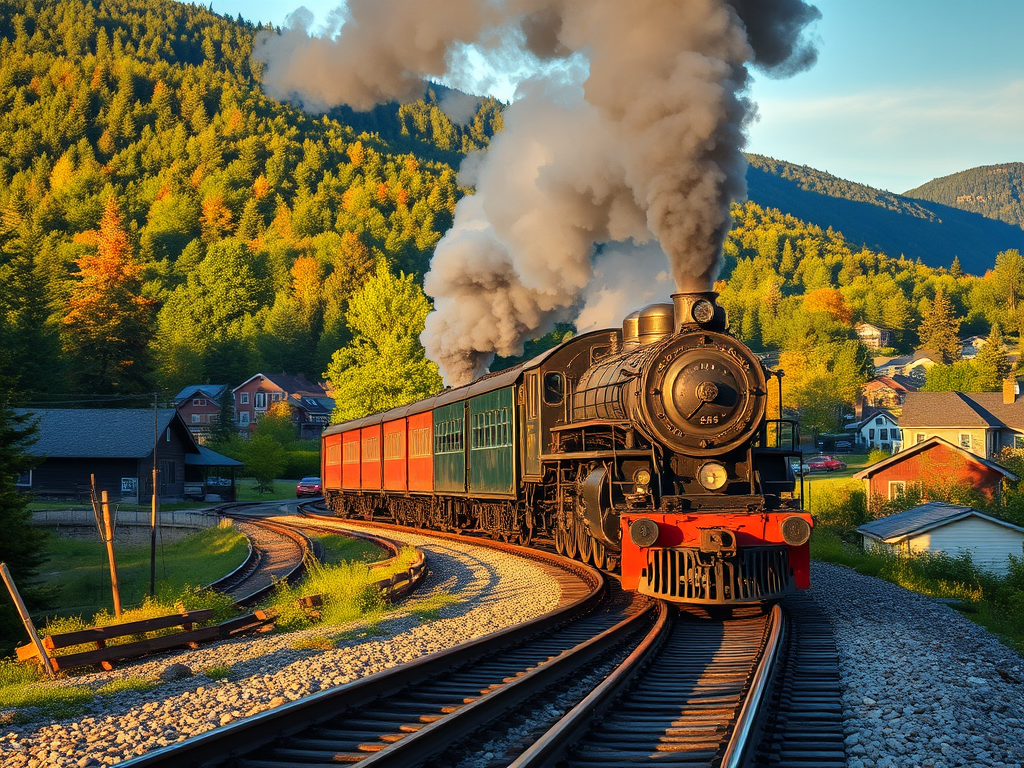
    There was a time when the heartbeat of Vermont echoed with the rhythm of trains. Steam engines carved their way through mountain passes, small-town depots bustled with activity, and railcars carried everything from granite to tourists. Today, much of that vast network has disappeared, but the story of Vermont’s railroads is far from forgotten.

    This post explores how Vermont’s railroads rose to power, shaped communities, and eventually declined. Whether you’re a train enthusiast, a local Vermonter, or a visitor eager to understand the state’s hidden past, this is your ticket into one of Vermont’s most compelling chapters.

    Laying the Tracks: Railroads Come to Vermont

    In the early 1800s, Vermont was a land of forests, farms, and winding dirt roads. The arrival of the railroad transformed everything.

    The first major player was the Vermont Central Railroad, incorporated in 1843. Its original line connected Burlington to Windsor, bringing new opportunities to small towns across central Vermont. The Rutland & Burlington Railroad followed closely behind, helping to connect the Champlain Valley to southern New England markets.

    Railroads offered:

    • A faster, more reliable alternative to ox-drawn wagons and riverboats
    • New economic lifelines for isolated mountain communities
    • The ability to export Vermont’s granite, timber, dairy, and slate on a national scale

    But building the lines wasn’t easy. Vermont’s rugged terrain, harsh winters, and rocky soil made construction a costly and difficult task. Still, by the 1850s and 1860s, dozens of lines crisscrossed the state.

    The Golden Age of Rail: Commerce, Tourism, and Small-Town Life

    From the 1870s to the 1920s, railroads were at the center of Vermont life.

    For industry:

    • Logging camps deep in the Northeast Kingdom sent timber south via spur lines
    • Barre’s granite quarries used freight trains to ship monument stone across the country
    • Vermont dairy products made their way to Boston, New York, and beyond, fresh thanks to refrigerated cars

    For people:

    • Train travel made it easier for Vermonters to attend college, visit relatives, or move around the region
    • Immigrants and workers used the rail system to settle new areas and find employment
    • Small-town stations became central meeting spots, often doubling as general stores or post offices

    For tourism:

    The railroads were responsible for the first wave of Vermont tourism. Wealthy city dwellers from Boston and New York would board sleeping cars to escape to:

    • The cool air of the Green Mountains
    • Resort towns like Woodstock and Stowe
    • Grand hotels nestled near train stops

    This era cemented Vermont as a nature getaway long before the era of car camping or ski resorts.

    Competition and Consolidation: When the Railroads Changed Hands

    As the rail network grew, so did competition and complexity. Dozens of smaller lines found themselves unable to compete or maintain profitability.

    In response, larger players absorbed or leased smaller lines, including:

    • Central Vermont Railway, eventually controlled by the Grand Trunk Railway of Canada
    • Rutland Railroad, which expanded to serve Montreal, Boston, and New York connections
    • Boston and Maine Railroad, operating key routes in southeastern Vermont

    By the early 20th century, most of Vermont’s rail system was controlled by just a few major companies.

    This shift led to:

    • Increased efficiency on major freight lines
    • Decline of local service and branch lines
    • Greater Canadian influence, especially in northern Vermont

    Although trains were still moving plenty of goods and people, cracks had begun to show in the system.

    The Great Decline: Cars, Highways, and a Changing Economy

    From the 1930s onward, Vermont’s railroad empire began to shrink.

    Why the decline?

    1. Automobiles took over
      Cars gave people independence. Roads improved. Bus lines emerged. Passenger rail no longer held the monopoly on mobility.
    2. Trucking beat freight rail
      Trucks offered door-to-door delivery. This undercut freight lines, especially in rural Vermont.
    3. Airplanes changed long-distance travel
      Rail couldn’t compete with the speed of air travel for those heading beyond New England.
    4. Maintenance became costly
      Aging infrastructure, snow-clearing, and low ridership made branch lines unsustainable.

    By the 1950s:

    • Many small stations had closed
    • Passenger service was drastically reduced
    • The state began removing unused tracks and bridges

    In 1963, a strike by Rutland Railroad workers led to a dramatic collapse of the entire line. It was the final blow for much of Vermont’s rail infrastructure.

    What Remains Today: Traces of a Railroad Past

    While most of the empire has vanished, Vermont still carries traces of its railroading glory.

    Active train rides today:

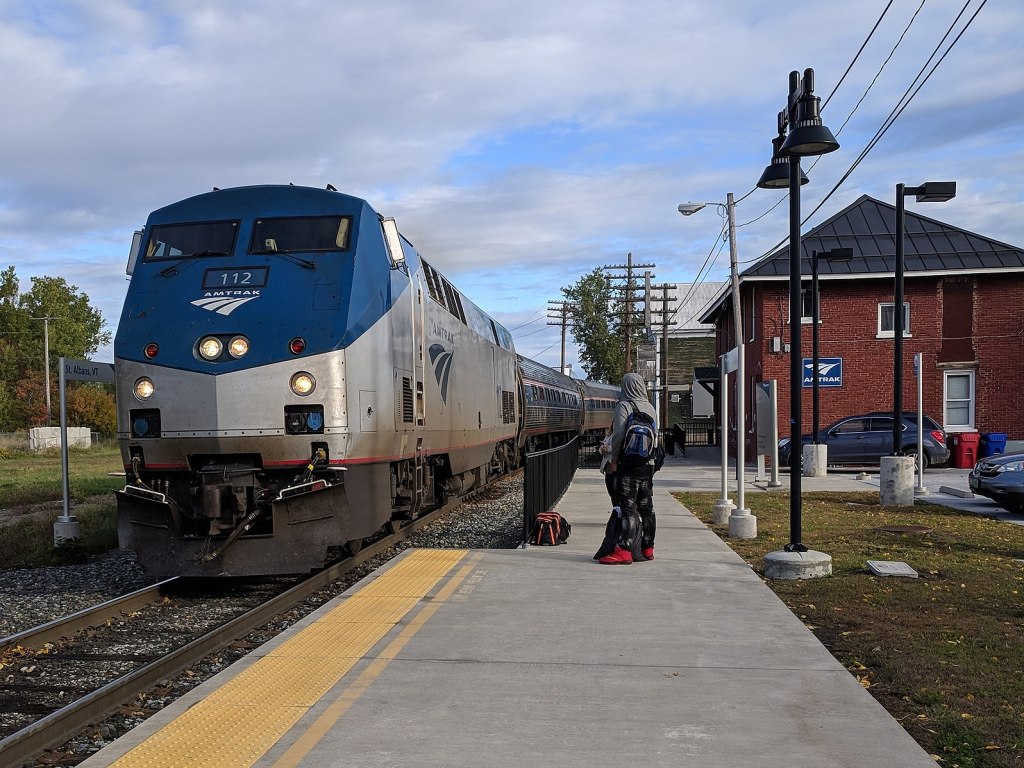
    • Amtrak’s Vermonter travels daily between St. Albans and Washington, D.C., offering a scenic and practical ride through central Vermont towns like Essex Junction, Montpelier, and White River Junction
    • Amtrak’s Ethan Allen Express connects Burlington to New York City via Rutland and Albany, restored in 2022 after years of advocacy
    • Green Mountain Railroad operates seasonal scenic rides out of Chester and Burlington, with themed excursions during fall foliage, winter holidays, and special events

    Rail trails repurposing old lines:

    • Lamoille Valley Rail Trail follows the former St. Johnsbury & Lamoille County Railroad, eventually connecting St. Johnsbury to Swanton
    • Missisquoi Valley Rail Trail stretches from Richford to St. Albans along a peaceful, rural path
    • Delaware & Hudson Rail Trail runs through western Bennington County into New York, following a once-busy freight corridor

    Historic sites:

    • Many original depots have been restored or repurposed as museums, town halls, or local businesses
    • Granite Junction in Barre and the Bellows Falls tunnel remain major landmarks of Vermont’s freight history
    • Railroad festivals, model train clubs, and historical societies across the state continue to preserve and share rail culture

    These remnants offer a glimpse into the powerful role railroads once played in shaping Vermont’s communities.

    Stories from the Rails: Local Legends and Railroad Lore

    Ask a Vermonter over 70 about the railroad, and chances are you’ll get a story.

    Some of the most colorful tales include:

    • Bootlegging during Prohibition: Rumor has it that trains carried more than just freight during the 1920s. Remote flag stops and whistle signals were allegedly used for sneaky transfers of illicit alcohol.
    • Snowbound rescues: In towns like Island Pond and Randolph, locals tell of trains buried by snowdrifts for days, requiring massive plow engines or entire work crews to dig them out.
    • Haunted depots and rail tunnels: Legends swirl around spots like the abandoned tunnel in Northfield or the old Rutland roundhouse, now crumbling under time and myth.
    • Engineers and stationmasters as town heroes: Before the internet or even reliable phones, the man running the train or managing the depot was often the most connected and informed person in town.

    These stories aren’t just entertaining. They’re living history.

    A Future on the Tracks? Rail in Vermont Today and Tomorrow

    Although Vermont’s railroads may never return to their former size, there are signs of new life.

    Amtrak continues to serve the state, and recent infrastructure funding has led to upgrades and service restorations. The Ethan Allen Express now reaches Burlington, and interest in rail as a climate-conscious transportation option is growing.

    Freight rail quietly persists, especially in areas like Bellows Falls and Burlington’s waterfront, where trains still haul goods for local industries.

    Rail trails are booming, offering locals and tourists a way to explore the same scenic corridors that once moved steel and steam.

    Preservation groups and rail buffs work to restore stations, locomotives, and cabooses, keeping the spirit alive.

    Could we see more passenger rail? Possibly. Could we lose more freight service? That’s a risk too. But one thing is clear, Vermont’s rail history still has a role to play in shaping its future.

    More Than Just Tracks in the Woods

    The rise and fall of Vermont’s railroad empire tells us a lot about the state itself. It’s a story of ambition, innovation, resilience, and adaptation. It’s a reminder of how tightly knit our communities once were with the steel web of rail lines and how progress often comes with trade-offs.

    If you’re a tourist, consider taking a scenic ride or walking a rail trail. If you’re a local, maybe visit a depot museum or share a story with a younger Vermonter.

    And if you’re a train lover, keep chasing those echoes of the past. The tracks may be overgrown, but the legacy is still alive, rolling on in the memories, trails, and towns they helped build.

  • Smugglers’ Notch: A Journey Through Vermont’s Secret Past

    Smugglers’ Notch: A Journey Through Vermont’s Secret Past

    Tucked between the towering cliffs of Mount Mansfield and Spruce Peak lies one of Vermont’s most breathtaking drives and most legendary mountain passes: Smugglers’ Notch. Today, it’s known for jaw-dropping foliage, rugged hiking trails, and world-class skiing. But for those who pause long enough to look beyond the scenic views, the Notch has a far more rebellious past.

    For over two centuries, Smugglers’ Notch has lived up to its name, offering refuge to bootleggers, smugglers, and secretive travelers who knew exactly how to navigate its shadowy caves and narrow paths. From clandestine trade with Canada during Jefferson’s embargo to liquor runs during Prohibition, this natural corridor has hidden more than just wildlife.

    I’ve always seen the Notch as more than a pretty place. Its story is one of resistance, survival, and ingenuity. So let’s take a trip back in time and uncover the secrets that shaped Smugglers’ Notch.

    Scenic Route VT 108/Smugglers’ Notch – Autumn 2024

    What Makes Smugglers’ Notch So Perfect for Secrets?

    Before we dive into the smuggling tales, it helps to understand why this mountain pass was such a magnet for outlaws and traders.

    Smugglers’ Notch is a narrow passage in Lamoille County, just south of Jeffersonville and north of Stowe. It carves through Vermont’s highest peaks, with sheer rock walls that close in tightly around the road. Dense forests blanket the sides, and natural caves dot the landscape.

    In the early 1800s, there was no paved road here. What existed was little more than a rugged path. No matter the time period, Smugglers’ Notch has always been:

    • Hard to access
    • Easy to hide in
    • Difficult to patrol

    For those looking to move people or goods in secret, it offered the perfect setting.

    Trading in Defiance: Smuggling During the Embargo Act

    Our first stop on the timeline takes us to the early 1800s. President Thomas Jefferson passed the Embargo Act of 1807, effectively banning American trade with foreign nations. The goal was to punish Britain and France during the Napoleonic Wars. The result, however, was economic disaster for Vermont.

    Vermonters were used to doing business with their Canadian neighbors. Suddenly, that relationship was cut off by federal law. But Vermonters are nothing if not resourceful. Instead of sitting back, many turned to the Notch.

    Goods like:

    • Livestock
    • Timber
    • Furs
    • Whiskey
    • Canadian products like sugar and tea

    were packed on mule trains and slipped across the Canadian border under cover of darkness. The narrow trails through Smugglers’ Notch became a lifeline for the local economy.

    Many smugglers knew the caves by heart. They’d stash goods in the rock formations while waiting for the perfect moment to move them further south. Federal agents tried to crack down, but Vermont’s rough terrain and locals’ silence kept the trade alive.

    The Whisper of Freedom: Escaped Slaves and the Underground Railroad

    While less documented than other chapters, some local legends and oral histories suggest that Smugglers’ Notch may have served as a route for escaped slaves traveling north to freedom.

    Vermont abolished slavery in its 1777 constitution and was a stronghold of abolitionist sentiment. The geography of the state provided natural corridors for those making the journey to Canada. While most documented Underground Railroad activity in Vermont happened farther south and west, the remote and hard-to-monitor nature of the Notch raises the possibility that it offered a secondary escape route.

    Freedom seekers would have found protection in the same caves used by smugglers. Locals sympathetic to their cause may have passed along food, clothing, or directions. Whether used frequently or occasionally, this part of the Notch’s story speaks to Vermont’s long-standing role in resisting oppression.

    Booze, Bootleggers, and the Prohibition Era

    Fast forward to the 1920s, and Smugglers’ Notch earns its name all over again.

    Prohibition swept across the United States from 1920 to 1933, outlawing the production, importation, and sale of alcohol. Canada, however, had no such ban. So naturally, Vermonters saw opportunity.

    Liquor was purchased across the border and funneled through mountain passes like the Notch. The caves that once held furs or livestock now became storage units for Canadian whiskey. Bootleggers moved by foot, mule, or sleigh, depending on the season.

    Here’s what made the Notch ideal during Prohibition:

    • Limited access roads meant fewer law enforcement patrols
    • Local support from farmers and business owners
    • Countless hiding places in boulders, caves, and forests
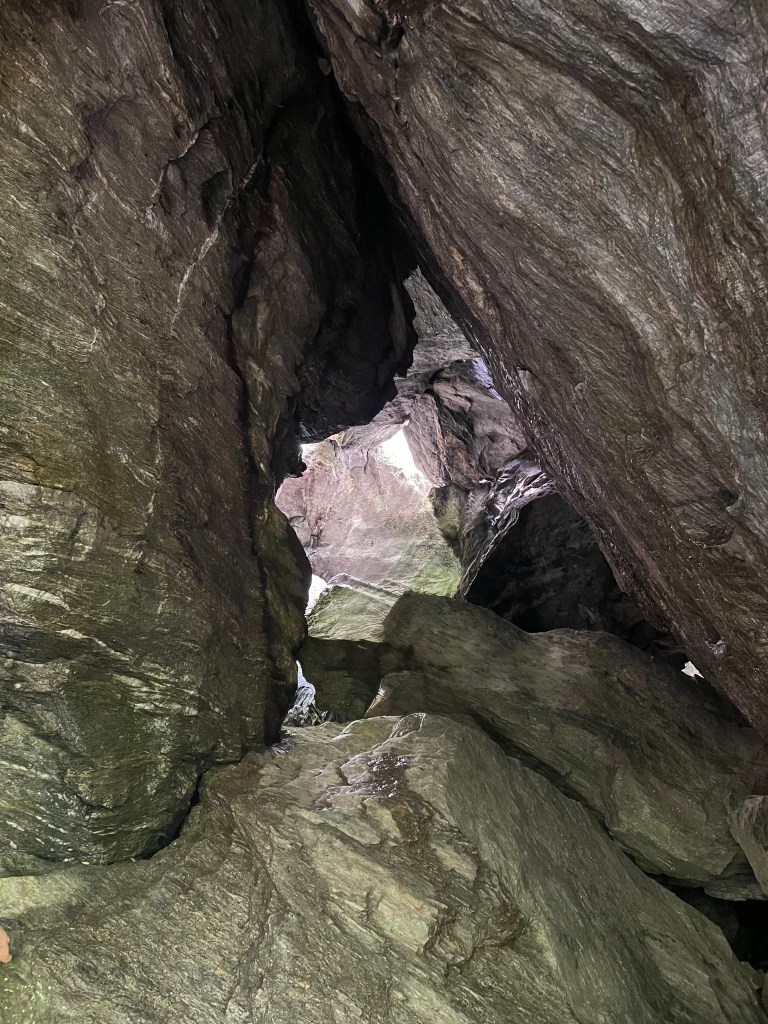
    One of the many caves of Smugglers’ Notch

    Some stories tell of sleds with false bottoms, filled with booze and hay. Others mention tunnel systems beneath barns and taverns. One particularly popular tale describes a “phantom wagon” that would appear on moonlit nights, its driver cloaked and silent as he guided a load of barrels into the trees.

    Whether these stories are exaggerated or not, one thing is clear: the liquor flowed, and the Notch kept its secrets.

    Caves, Tunnels, and Tales Too Good to Be True

    Smugglers’ Notch is full of caves and crevices, many of which have names like Elephant’s Head and Bear’s Den. Some are accessible from trails. Others are harder to find unless you know exactly where to look.

    Over the decades, these natural features have attracted more than hikers. According to local lore, they’ve been used to:

    • Store contraband
    • Hide fugitives
    • Conduct secret meetings
    • Escape from pursuing agents

    Some believe there are still hidden stashes buried deep in the rock. Others speak of ghosts that haunt the Notch, especially after nightfall. These stories may not always be backed by documents, but they’ve become part of the culture surrounding the area.

    I believe legends often grow from seeds of truth. The terrain absolutely could support this kind of activity. Whether a particular cave held whiskey or not, the setting certainly lends itself to mystery.

    The Law vs. the Landscape

    So where were the authorities during all this?

    The answer lies in a mix of geography, logistics, and quiet resistance. In the 1800s and early 1900s, law enforcement had few resources to spare for the mountain wilderness. There were no drones, no GPS, and few roads. A determined smuggler on foot had the upper hand.

    Even when patrols were attempted, local residents rarely cooperated. Why would they? In many cases, these activities supported the local economy. Entire communities were built on trust and silence.

    Federal agents often faced obstacles like:

    • Locals tipping off smugglers
    • Winter storms making trails impassable
    • Multiple routes in and out of the Notch
    • Hidden storage spots impossible to search fully

    Some efforts were made, especially during Prohibition, but most ended in frustration. The truth is, the Notch won more battles than it lost when it came to secrecy.

    From Smuggling Trails to Hiking Trails

    By the mid-1900s, the need for secrecy faded, and the push for conservation and recreation began. The Civilian Conservation Corps (CCC), part of Franklin D. Roosevelt’s New Deal programs in the 1930s, helped transform parts of Smugglers’ Notch into trails and public lands.

    What was once a smuggler’s paradise became:

    • A state park
    • A ski resort
    • A scenic drive popular during foliage season

    Today, the caves and narrow cliffs that once hid bootleggers now challenge rock climbers and delight curious hikers. The Notch Road (Route 108) is open seasonally to traffic, winding its way through some of the most dramatic mountain scenery in New England.

    And if you know where to look, you’ll still find plaques and markers nodding to the history beneath your feet.

    Why This History Matters

    It would be easy to overlook the Notch’s rebellious past in favor of its natural beauty. But doing so would miss the deeper meaning of this place.

    Smugglers’ Notch represents:

    • Vermont’s independent spirit
    • Resistance to federal overreach
    • Creative survival in hard times
    • Quiet defiance rooted in community

    Whether it was livestock during Jefferson’s embargo, whiskey during Prohibition, or people fleeing enslavement, the Notch played a role in protecting those willing to take a risk.

    Even today, locals take pride in that heritage. It’s why the ski resort isn’t just called “Notch Mountain” or “Mansfield Peaks.” The name “Smugglers’ Notch” keeps the stories alive.

    Visiting the Notch with History in Mind

    If you’re planning a trip to Smugglers’ Notch, consider exploring it through the lens of its past.

    Here are a few tips for historical-minded visitors:

    • Stop at the pull-offs along Route 108 to see the cliffs and boulders up close
    • Hike the Sterling Pond Trail and imagine how smugglers might have traveled through similar terrain
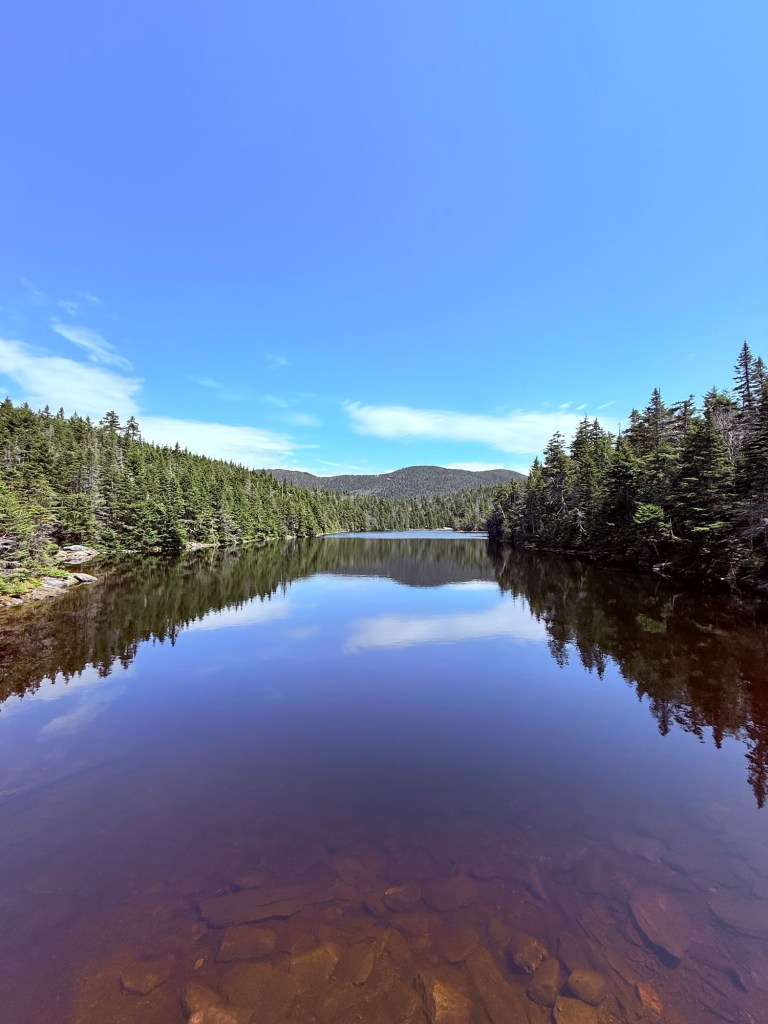
    Sterling Pond – Spring 2025

    Even if you don’t find a hidden whiskey barrel tucked in a cave, you’ll gain a much richer appreciation for what this mountain pass has witnessed.

    Final Thoughts: A Notch With More Than Just Scenic Views

    The next time you drive the winding road between Jeffersonville and Stowe, take a moment to picture what came before. Picture mule trains slipping through the trees. Picture bootleggers navigating the cliffs by lantern light. Picture freedom seekers finding a path north under the cover of night.

    Smugglers’ Notch is more than a beautiful mountain pass. It’s a living story about Vermont’s resistance, resourcefulness, and refusal to be tamed.

    And those secrets? Some of them might still be hiding in the rocks, just waiting to be uncovered.

  • Underground Railroad in Vermont: Sites, Stories, and Hidden History

    Underground Railroad in Vermont: Sites, Stories, and Hidden History

    When most people think of Vermont, they picture rolling hills, sugar shacks, and covered bridges. But beneath the idyllic scenery lies a powerful legacy of resistance and moral courage. Vermont was more than just a bystander in the era of slavery—it was a state of active defiance. During the height of the Underground Railroad, Vermont’s rugged landscape and fiercely independent spirit made it one of the most important corridors for freedom seekers en route to Canada.

    This post explores Vermont’s little-known role in the Underground Railroad. You’ll learn about the brave locals who defied the law, the homes and barns that became sanctuaries, and the historic sites you can still visit today.

    Why Vermont Became a Key Player in the Underground Railroad

    Several factors made Vermont a natural hub for antislavery activity.

    1. Geography:

    Vermont shares a border with Quebec, Canada, where slavery was illegal. This proximity made it a final stretch for many seeking freedom. Rural roads, thick forests, and hidden valleys provided ample cover for those traveling by foot or wagon.

    2. Early abolitionist roots:

    Vermont’s 1777 Constitution was the first in the nation to outlaw adult slavery. While it wasn’t a perfect abolitionist document, it laid the groundwork for Vermont’s future resistance to slavery.

    3. Local values:

    Vermonters have long valued self-governance, individual freedom, and moral responsibility. This spirit extended to the treatment of fugitive slaves. In many towns, helping an enslaved person escape was seen not only as just but as necessary.

    4. Religious influence:

    Quakers, Baptists, and other religious groups active in Vermont often spoke out strongly against slavery. Their homes and meetinghouses served as waystations on the Underground Railroad.

    Meet the Abolitionists: Vermont’s Local Heroes

    Though Vermont never saw massive battles or protests, the courage of individual Vermonters helped shape national change. Here are just a few of the people who made a difference.

    Lucius Bigelow (Craftsbury):

    A businessman and fervent abolitionist, Bigelow is believed to have used his home as a stop on the Underground Railroad. He helped organize anti-slavery meetings and encouraged local resistance to the Fugitive Slave Act.

    Rev. Joshua Young (Burlington):

    A Congregationalist minister, Young rose to national attention after he presided over the funeral of abolitionist John Brown. For many, honoring a man hanged for trying to free enslaved people was political suicide. Young lost many parishioners and nearly his career. Still, he stood firm in his beliefs.

    Rowland T. Robinson (Ferrisburgh):

    A devout Quaker and early abolitionist, Robinson and his family operated a farm that served as a documented stop on the Underground Railroad. He kept detailed records and openly supported civil rights. Today, his farm is preserved as the Rokeby Museum.

    Stephen Row Bradley (Westminster):

    A U.S. Senator and one of the early voices advocating for anti-slavery legislation. While not directly involved in the Underground Railroad, his influence in government helped Vermont become a safe state for freedom seekers.

    Secret Routes and Hidden Safe Houses

    Much of the Underground Railroad’s success relied on secrecy. Homes were used to hide escapees, but only those who were trusted and committed to the cause were involved. Many of these homes still stand today, though few are marked.

    Known and Believed Stops:

    • Ferrisburgh: Home to the Robinson family and part of a broader Quaker network.
    • Middlebury: Several faculty members at Middlebury College helped smuggle freedom seekers north.
    • Brattleboro: Its location near the Connecticut River made it a gateway town for those heading north.
    • Shaftsbury and Bennington: Quiet villages that gave cover to nighttime travelers.
    • Montpelier and Barre: Vermont’s capital region held pockets of resistance, especially among Protestant communities.

    Escape Routes:

    • Travel was typically done by foot or wagon, moving between farms at night.
    • Lake Champlain was used as a waterway route to Canada. In the winter, some crossed on foot when the lake froze.
    • Barns, basements, and hidden attic spaces offered brief but critical shelter.

    Because of the lack of written records and the need for secrecy, many routes remain speculative. However, oral history passed down by families and communities has helped piece together the story.

    Fighting Back Against the Fugitive Slave Act

    The 1850 Fugitive Slave Act made it a crime to assist escaped slaves, even in free states. This law enraged many Vermonters and galvanized the underground movement further.

    How Vermonters Resisted:

    • Public resistance: Citizens shamed and ostracized slave catchers who entered Vermont. Some were chased out of towns.
    • Legal loopholes: Vermont passed “Personal Liberty Laws” to counteract the Fugitive Slave Act. These laws aimed to delay or block extradition efforts through red tape and court procedures.
    • Vigilance committees: Formed in towns like Middlebury and Ferrisburgh, these groups coordinated safe passage and distributed funds to support fugitives.

    Helping a fugitive was risky. Families could face fines, arrest, or even violence. But for many Vermonters, protecting human freedom outweighed fear of the law.

    Where to See the History Today

    Want to experience this legacy for yourself? Several sites across Vermont have preserved this powerful history. Whether you’re planning a road trip or looking for an educational day out, these stops offer a window into the past.

    1. Rokeby Museum (Ferrisburgh)

    • One of the best-documented Underground Railroad sites in the country.
    • Explore the Robinson family home and farm, with exhibits on antislavery work, Quaker life, and more.
    • Offers seasonal tours and educational programs.

    2. Middlebury College

    • The campus has deep abolitionist roots.
    • While not a formal museum, the college has preserved letters and documents from faculty involved in antislavery work.
    • Worth a stop if you’re already exploring Middlebury’s downtown.

    3. Brattleboro Abolitionist Sites

    • Take a self-guided walking tour through historic homes and former factories.
    • Learn about how industry leaders in the area used their wealth to fight slavery.

    4. Burlington’s Historic Churches

    • Visit the First Congregational Church where Rev. Joshua Young once preached.
    • Several downtown buildings have plaques commemorating local abolitionists.

    5. Shaftsbury Historical Society

    • Explore a quieter but important part of the story.
    • Local historians can point you to known hiding places and original documents.

    Plan a Day in Abolitionist Vermont

    Want to build a meaningful itinerary around this history? Here’s one way to do it:

    Morning:

    • Start at Rokeby Museum in Ferrisburgh for a deep dive into the Underground Railroad.

    Lunch:

    • Grab a bite at a local café like 3 Squares Café in Vergennes or a historic inn nearby.

    Afternoon:

    • Head to Middlebury College or downtown Burlington to explore more sites.
    • Consider visiting Battery Park in Burlington, where speeches and protests took place during the Civil War era.

    Bonus:

    • If you’re feeling reflective, follow Route 7 north to the Canadian border. Freedom seekers would have made that same journey more than 150 years ago.

    Vermont’s Lasting Legacy of Freedom

    Vermont’s role in the Underground Railroad may not be as well known as Ohio’s or Pennsylvania’s, but it was just as important. It’s a story of farmers, teachers, preachers, and townsfolk who risked everything to do what was right.

    This legacy still echoes today. You’ll find it in our schools, where children learn about Vermont’s abolitionist past. You’ll see it in roadside markers and historical plaques. And if you look closely, you might just see it in the old barn beams and cellar doors of homes that once offered sanctuary.

    By learning about this hidden history, you’re helping keep these stories alive. And that’s what history should do—connect the past to the present, and remind us that even in the quietest corners, people have always stood up for what matters.

    Want to Keep Exploring?

    Check out more local history posts on Green Mountain Peaks, including:

    For more in-depth resources on Vermont’s abolitionist past, visit:

    • https://rokeby.org
    • Vermont Historical Society archives
    • Your local library’s Vermont Room

    And if you’re touring the state, be sure to take the scenic route, you never know what piece of hidden history you’ll stumble across.

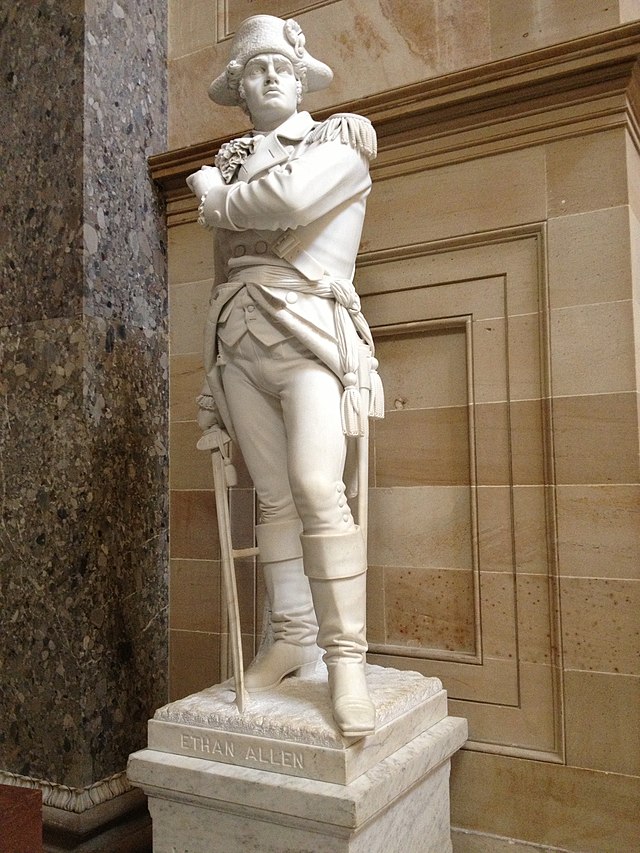
  • Ethan Allen: Icon of Vermont’s Independence

    Ethan Allen: Icon of Vermont’s Independence

    A Short History of Ethan Allen (And Why He’s Everywhere in Vermont)

    If you’ve spent any time in Vermont, you’ve probably noticed a name that keeps popping up: Ethan Allen. There’s the Ethan Allen Homestead. Ethan Allen Park. Fort Ethan Allen. And of course, the famous Ethan Allen furniture company. But who was this man, and why is he still such a big deal in the Green Mountain State?

    I think the better question is: how could he not be everywhere? Ethan Allen wasn’t just a Revolutionary War figure. He helped shape the identity of Vermont itself—fiery, independent, and a little unruly. So let’s dive into a short but rich history of the man behind the myth, and explore why his legacy is alive and well all across the state.

    Who Was Ethan Allen?

    Ethan Allen was born in 1738 in Litchfield, Connecticut, and grew up on the edge of the New England frontier. He was never one for rules, schools, or staying in line. After some time trying to make a name for himself in ironworking, philosophy, and land speculation, he made his way to what was then the New Hampshire Grants—a patch of territory that would later become Vermont.

    That’s where things really took off.

    • Birthplace: Litchfield, Connecticut
    • Moved to Vermont: Early 1760s
    • Famous for: Founding the Green Mountain Boys, seizing Fort Ticonderoga, promoting Vermont’s independence
    • Character traits: Brash, bold, defiant, passionate about liberty (and land)

    Allen was the kind of person who would make enemies fast, but he also made loyal friends. He stood out not just for his military exploits, but for his outspokenness, radical ideas, and larger-than-life personality.

    The New York Land Dispute: Ethan Allen’s Origin Story

    To understand why Ethan Allen became a local legend, you need to start with a land dispute that shaped the entire region. In the mid-1700s, both New Hampshire and New York claimed the area that is now Vermont. New Hampshire had issued land grants to settlers, but New York came in later and said those grants were invalid. They tried to force settlers to buy their land all over again, now at a higher price.

    Enter Ethan Allen.

    • His stake: Allen had family and personal claims to land under the New Hampshire grants
    • His mission: Defend those land claims against New York authorities
    • His weapon of choice: A militia known as the Green Mountain Boys

    The Green Mountain Boys were a rowdy, semi-official militia that resisted New York’s control, sometimes with violence. They roughed up sheriffs, destroyed court documents, and made it known that “Yorkers” (people siding with New York) weren’t welcome. To many outsiders, they were little more than lawless rebels. But to settlers in Vermont, they were heroes defending their homes.

    Fort Ticonderoga: The Peak of Ethan Allen’s Glory

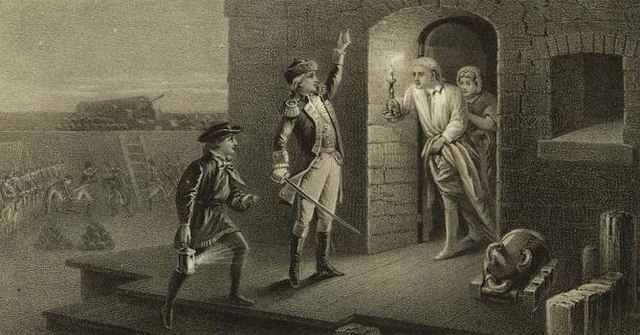
    Ethan Allen’s name became known far beyond Vermont in May 1775 when he led a surprise raid on Fort Ticonderoga alongside Benedict Arnold. The fort, located on Lake Champlain, was lightly defended by the British. In the early morning hours, Allen and his Green Mountain Boys stormed the fort and took it without firing a shot.

    What made the moment legendary was Allen’s reported demand:

    “In the name of the Great Jehovah and the Continental Congress!”

    While historians debate whether he actually said those words, the story stuck. The victory gave the Continental Army much-needed artillery, which would later be used to drive the British out of Boston. It was one of the first American victories of the Revolutionary War.

    • Date: May 10, 1775
    • Significance: Boosted morale and secured cannons for the revolution
    • Mythology: Helped cement Allen as a Revolutionary War hero

    For many Vermonters, Fort Ticonderoga is where Allen moved from local rabble-rouser to national figure.

    Ethan Allen the Politician and Philosopher

    Allen’s life after the Fort Ticonderoga raid was a whirlwind.

    Shortly after the victory, he tried to capture Montreal but was taken prisoner and shipped off to England. He spent nearly three years in captivity before being released in a prisoner exchange. When he returned, Vermont was still not a recognized state. In fact, it was trying to become its own independent republic.

    Allen got heavily involved in this effort. He lobbied for Vermont to be recognized as a separate state, but when Congress dragged its feet, he explored more controversial options.

    One of the biggest eyebrow-raisers in his career was the Haldimand Affair, where he and others secretly negotiated with the British about possibly making Vermont a British province if independence wasn’t recognized. Though the plan never materialized, it added to Allen’s reputation as someone willing to bend the rules for what he believed was right.

    He also turned to writing, publishing works like:

    • “Reason: The Only Oracle of Man” (1785)
    • A bold defense of deism and Enlightenment values
    • Rejected organized religion, promoted logic and reason
    • Largely ignored in its time, but considered radical and ahead of its era

    Why Ethan Allen Is Everywhere in Vermont Today

    There are few figures as thoroughly woven into the identity of a U.S. state as Ethan Allen is to Vermont. His name is emblazoned across parks, schools, businesses, and neighborhoods. But why?

    1. Symbol of Independence

    Allen’s leadership during the fight against New York and the British represents Vermont’s long-standing love of autonomy. Vermont was its own republic for 14 years before joining the Union in 1791.

    2. Local Hero Status

    Whether or not every detail of his life is praiseworthy, his legacy as a bold, take-no-prisoners leader appeals to Vermonters’ appreciation for grit and tenacity.

    3. Brand Recognition

    The Ethan Allen furniture company, founded by one of Allen’s descendants, helped turn the name into a national brand, further spreading his legacy (and some confusion along with it).

    4. Tourist Appeal

    Monuments and historic sites connected to Allen are some of the most-visited Revolutionary War spots in the state.

    Where to Learn More (and Walk in His Footsteps)

    If you’re visiting Vermont and want to dig deeper into Ethan Allen’s story, here are some places to check out:

    Ethan Allen Homestead Museum – Burlington

    Located on the site where Allen lived in his later years. Features a restored colonial home, museum exhibits, and walking trails.

    Fort Ethan Allen Historic District – Colchester and Winooski

    Originally a military post from the late 1800s named in his honor. Today, the area is filled with preserved architecture and historical markers.

    Ethan Allen Park – Burlington

    Offers a scenic overlook of Lake Champlain and a monument to Allen. Great for a picnic or sunset photo.

    Greenmount Cemetery – Burlington

    Allen’s burial site includes a tall monument and interpretive signage. A quiet, reflective place to pay respects.

    Fort Ticonderoga – Just over the border in New York

    While technically not in Vermont, it’s worth the short drive. Offers tours, reenactments, and a deeper look at Allen’s most famous military feat.

    Final Thoughts: The Complicated Charm of Ethan Allen

    Ethan Allen wasn’t perfect. He could be reckless, self-serving, and a bit of a showman. But he was also brilliant, fiercely loyal to his people, and unshakably committed to liberty—even if he defined it in his own unconventional way.

    That contradiction is part of what makes him such a compelling figure. And it’s part of why Vermonters still claim him as their own.

    Today, when you see his name on a bottle of local cider or etched into a stone monument, you’re not just looking at a historical figure. You’re seeing a symbol of what Vermont has always stood for—independence, resilience, and a little rebellion now and then.

    Planning a Trip?

    Don’t forget to include the Ethan Allen Homestead on your Vermont itinerary. And if you’re looking to understand what makes Vermont tick, Ethan Allen is a great place to start!

  • Strange Laws of Vermont: Quirky Legal Trivia

    Strange Laws of Vermont: Quirky Legal Trivia

    Vermont has always marched to the beat of its own drum. From banning billboards to letting towns govern themselves with near-total autonomy, this little state in the Northeast is filled with quirks that reflect its fiercely independent spirit. And nowhere is that more evident than in its laws. While many have been updated or repealed over time, some strange ones are still on the books, technically speaking. As a lifelong Vermonter, I’ve heard my fair share of oddball legal trivia, but even I was surprised by a few of these.

    Some are funny, some are rooted in real history, and some are just so Vermont it hurts. Whether you’re a curious local or a history-loving tourist, here are some of the strangest laws still lingering in the Green Mountain State.

    What Counts as a “Weird Law”?

    Let’s start by clearing something up. When we say a law is “still on the books,” it usually means it hasn’t been formally repealed or overwritten by newer legislation. That doesn’t necessarily mean it’s being enforced. Think of these as legal leftovers, often forgotten, sometimes debated, but always entertaining. Vermont has had centuries of lawmaking, and not everything has aged gracefully.

    Vermont’s Funniest and Most Bizarre Laws

    1. No Whistling Underwater

    This one makes the rounds on lists of weird laws, but don’t go digging through state statutes trying to find it. It’s almost certainly an urban legend, but it pops up often enough that it deserves a mention. The visual alone is worth it.

    2. Don’t Tie a Giraffe to a Telephone Pole

    Another favorite among online weird law lists, but again, there’s no actual evidence of this one existing in Vermont law. Still, it shows how easily quirky ideas get attached to a place like Vermont, where local ordinances can be unusually specific.

    3. It’s Illegal to Deny the Existence of God (VT Constitution, Chapter I, Article III)

    Now here’s one that is real. The Vermont Constitution contains language stating that officeholders must believe in a Supreme Being. Of course, this contradicts federal constitutional protections for religious freedom and has no practical bearing today, but the language is still technically there. It’s a historical relic from the 18th century, when many states had similar religious requirements.

    4. Towns Can Require Residents to Own a Firearm

    While not a statewide mandate, Vermont towns have had significant control over their own regulations, including historical militia-style laws. There’s no current requirement, but the local governance structure in Vermont once allowed for such ordinances. This reflects Vermont’s longstanding gun-friendly culture and its strong tradition of individual rights.

    5. Public Dancing Was Prohibited on Sundays

    Blue laws were a real thing in Vermont, just like in many other parts of the country. In some areas, public dancing and other leisure activities were restricted on Sundays for religious reasons. While most of these laws have been repealed or ignored into obsolescence, a few still pop up in local ordinances or town histories.

    6. Margarine Was Required to Be Dyed Pink

    This one is not just weird, it’s very real. In the late 19th and early 20th centuries, Vermont took its dairy seriously. So seriously, in fact, that margarine had to be dyed pink to distinguish it from butter. The goal? Protect the dairy industry from cheaper competition. Pink margarine wasn’t exactly flying off the shelves, and that was the point.

    7. Billboards Are Illegal

    Unlike many of the other laws on this list, this one is actively enforced. Vermont banned billboards in 1968 as a way to preserve scenic beauty and resist corporate intrusion. The law is a source of pride for many Vermonters, and it contributes to the state’s uniquely uncluttered roadsides. If you’ve ever driven through Vermont and thought it felt more peaceful, this law is part of the reason.

    8. You Can Legally Cross a Solid Yellow Line to Pass

    This one shocks a lot of visitors. In Vermont, it is not illegal to cross a solid yellow line to pass a slower-moving vehicle, as long as it’s safe to do so. The yellow line is advisory, not a strict prohibition. This law fits perfectly with Vermont’s trust in individual judgment and practical rural road etiquette. Just don’t try it on a blind curve.

    Local Bylaws That’ll Make You Do a Double Take

    One thing that makes Vermont unique is the level of autonomy granted to towns. That local control means some very specific, very strange laws exist in pockets around the state.

    • Montpelier and house colors: At one point, Montpelier debated regulating what colors residents could paint their homes, particularly in historic districts.
    • Shelburne and yard signs: Shelburne once proposed limiting the number and type of yard signs, sparking debates about free speech.
    • Livestock leash laws: In rural towns, don’t be surprised to find laws requiring pigs to be fenced in or even wear bells. Some of these still exist in outdated town bylaws.

    These local rules often reflect real concerns from another era but feel humorous today. Still, some are technically active, so it’s best to double-check your town’s regulations before installing a goat trampoline or neon-pink fence.

    Why These Laws Haven’t Been Repealed

    You might wonder, why don’t we just get rid of them? A few reasons:

    • Lack of urgency: If no one’s enforcing it, repealing it usually isn’t a priority.
    • Historical preservation: Some laws remain for symbolic or archival reasons.
    • Bureaucratic inertia: Repealing laws takes time, paperwork, and political will.

    And honestly? Some folks think they add character. In a state like Vermont, where independence and tradition matter deeply, even outdated laws can have a certain charm.

    How Vermont Compares to Other States

    Every state has its share of weird laws. Maine supposedly bans parking in front of Dunkin Donuts. In New Hampshire, it’s illegal to collect seaweed at night. Compared to those, Vermont’s oddities are mostly about tradition and independence rather than pure absurdity. What sets Vermont apart is that many of its “weird” laws have roots in real values: localism, agriculture, privacy, and practicality.

    Celebrate the Quirks

    From pink margarine to solid yellow lines, Vermont’s legal history is filled with unexpected surprises. Some of these laws are funny, some are outdated, and some are still shaping how we live today. But all of them tell a story about who we are as a state.

    Got a weird law from your Vermont town? Share it in the comments or send me a message. I’d love to dig into it. And if you enjoyed this little legal time capsule, stick around. There’s plenty more Vermont history and trivia where that came from.

  • The Spirit of Independence: How Vermont Celebrates the 4th

    The Spirit of Independence: How Vermont Celebrates the 4th

    Independence Day in Vermont is more than fireworks and grilled hot dogs. It is a deeply rooted celebration of what it means to stand up, push back, and do things your own way. From the state’s early days as a self-declared republic to the modern-day town meetings that still shape its political character, Vermont has always taken independence seriously. And on the Fourth of July, Vermonters do not just wave flags. They celebrate the bold, revolutionary spirit that made their state what it is.

    Here’s why:


    Vermont Was Born From Revolution

    Before Vermont was a state, it was a battleground. Not just in the war against British rule, but also in a fierce political struggle with neighboring colonies. In the 1760s and 1770s, the land that is now Vermont was hotly contested by both New York and New Hampshire. Settlers under conflicting land claims often found themselves at odds, and it was out of this chaos that Vermont’s revolutionary identity was born.

    At the center of this fight were the Green Mountain Boys, a militia formed to defend the rights of New Hampshire land grantees. Led by Ethan Allen, they gained fame not only for defending Vermont’s territory but also for capturing Fort Ticonderoga in 1775. Their boldness and independence earned them a permanent place in early American history.

    In 1777, Vermont declared itself an independent republic. It was not part of New York, not part of New Hampshire, and not yet part of the United States. For 14 years, it functioned as its own country, issuing its own currency, operating its own postal service, and negotiating with foreign powers.

    This revolutionary origin story is not just state trivia. It shapes how Vermonters see themselves: independent, self-reliant, and unafraid to challenge the status quo.


    July 4, 1777: Vermont’s First Constitution Signed

    While the rest of the nation was celebrating the first anniversary of American independence, Vermonters were making history of their own.

    On July 4, 1777, in the small town of Windsor, Vermont ratified its first constitution. This was not just symbolic. It was a bold and forward-thinking document that made Vermont the first territory in North America to:

    • Prohibit adult slavery
    • Allow universal male suffrage, including non-landowners
    • Guarantee public education

    It was no coincidence that the constitution was signed on the Fourth of July. The date was chosen to align Vermont’s bold experiment in democracy with that of the newly declared United States. Even though Vermont was not admitted to the Union until 1791, it celebrated American ideals from the beginning and often went further than the original states.

    This moment is part of why the Fourth of July means something deeper in Vermont. It marks both American independence and Vermont’s own political birth.


    Independence as a Way of Life in Vermont

    For Vermonters, independence is not just historical. It is cultural.

    Here are some ways that value shows up in daily life:

    1. Town Meeting Day
    Held each March, Town Meeting Day is a living example of grassroots democracy. In school gyms, firehouses, and town halls, residents gather to vote on local issues. These meetings are often intense, personal, and fiercely debated. They reflect a culture where every voice matters.

    2. Local Control Over Big Government
    Vermont has a long tradition of resisting federal or corporate overreach. This includes:

    • Being the first state to recognize same-sex civil unions in 2000
    • Pioneering GMO labeling laws
    • Refusing to adopt certain standardized testing models in schools

    3. Supporting Local Over Chain Stores
    Many Vermont towns have actively resisted big-box development in favor of local businesses. The result is a state full of independent bookstores, family-run general stores, and small producers who thrive on community support.

    This deep-rooted commitment to self-governance and community control echoes the ideals that sparked the Revolution in the first place.


    Celebrating with Purpose: How Vermonters Honor the 4th

    Fourth of July in Vermont is vibrant, but it is also intentional. Towns big and small embrace the day not just with festivities but with reflection.

    Some notable traditions include:

    1. Montpelier’s Independence Day Celebration
    Includes a classic parade, live music, a farmers market, and fireworks. Often features readings of the Declaration of Independence and performances by local historical reenactors.

    2. Brandon’s Parade and Street Dance
    Known for quirky floats and strong community involvement. Followed by a lively street party with local food and drink.

    3. Fireworks Over Lake Champlain
    Burlington hosts a waterfront celebration that draws families, history lovers, and tourists alike. You will find educational tents alongside food trucks and live music.

    4. Historic Reenactments
    Locations like Hubbardton Battlefield and the Old Constitution House often hold Revolutionary War reenactments, flag-raising ceremonies, and educational programs.

    In many Vermont towns, you are just as likely to find a small museum exhibit about 1777 as you are to find a BBQ cookout. The past is never far away.


    Revolutionary Figures Who Still Inspire

    When you grow up in Vermont, you learn names that do not always show up in the average history book. These figures are still celebrated and honored across the state.

    1. Ethan Allen
    Leader of the Green Mountain Boys and hero of Fort Ticonderoga. Known for his brashness, wit, and fierce devotion to liberty.

    2. Thomas Chittenden
    Vermont’s first governor, both during the republic and after statehood. A stabilizing force in turbulent times who guided Vermont into the Union.

    3. Ann Story
    A Revolutionary War heroine who supported the Green Mountain Boys from the frontier. A symbol of the strength and resilience of Vermont’s women.

    These names are etched into Vermont’s geography: on schools, roads, mountains, and historic plaques. They are not just historical figures. They are cultural icons.


    Why It Still Matters Today

    Vermonters do not take Independence Day seriously just because of the past. They see it as a reminder of what still matters—freedom, equality, civic engagement, and community.

    1. Teaching the Next Generation
    Vermont classrooms often incorporate local Revolutionary history into lesson plans. Students take field trips to places like Fort Ticonderoga and the Constitution House.

    2. Civic Pride and Activism
    From climate change protests to small-scale political campaigns, Vermonters continue to show up and speak out. The Revolutionary spirit lives on in a culture that values participation over apathy.

    3. Balancing Celebration with Reflection
    Independence Day events often include solemn moments for veterans, readings of the Declaration, and reflections on progress. It is not uncommon for communities to acknowledge where the country has fallen short, even as they celebrate what has been achieved.

    For many, it is not just about what happened in 1776 or 1777. It is about what those years started and how that momentum continues today.


    Visiting Vermont for the 4th: A History Buff’s Dream

    If you are a history lover, there is no better place to spend the Fourth of July than Vermont. Here are some top destinations that combine celebration with context:

    1. Bennington Battle Monument
    The tallest structure in Vermont, commemorating the Battle of Bennington in 1777. Features tours and panoramic views of the surrounding countryside.

    2. Old Constitution House in Windsor
    The site where Vermont’s first constitution was signed. Hosts reenactments and educational events over the holiday weekend.

    3. Hubbardton Battlefield
    The only Revolutionary War battle fought entirely on Vermont soil. Offers walking trails, interpretive signs, and living history programs.

    4. Mount Independence
    A Revolutionary fortification with trails and preserved earthworks. Guided tours are often available during July.

    5. St. Albans and Swanton Parades
    These events blend local flavor with historical flair and often highlight early settler heritage.

    Pair any of these with a small-town parade or lakeside picnic and you have a well-rounded celebration that blends past and present beautifully.


    Conclusion: The Spirit of ’77 Lives On

    Vermont’s commitment to independence is not just a story in a textbook. It is lived every day in its towns, schools, celebrations, and political culture. That is why the Fourth of July is not just a national holiday here. It is a personal one.

    Whether you are watching fireworks over Lake Champlain, visiting the site where Vermont’s first constitution was signed, or sitting at a town meeting voicing your opinion, you are participating in a tradition that dates back to 1777.

    This July, as Americans mark their independence, Vermonters are marking theirs too. Proudly, loudly, and with a deep sense of purpose.