Discover Vermont, One Story at a Time 🏔️

Local culture, season adventures, small towns,
and the honest side of life in the Green Mountains


Category: vermont lifestyle

Discover the heart of Vermont living. From small-town charm and local traditions to seasonal adventures, cozy corners, and community stories, this section explores what makes life in the Green Mountains so unique, authentic, and beautifully simple.

  • Discover Vermont’s Best Ice Cream Stops This Summer

    Discover Vermont’s Best Ice Cream Stops This Summer

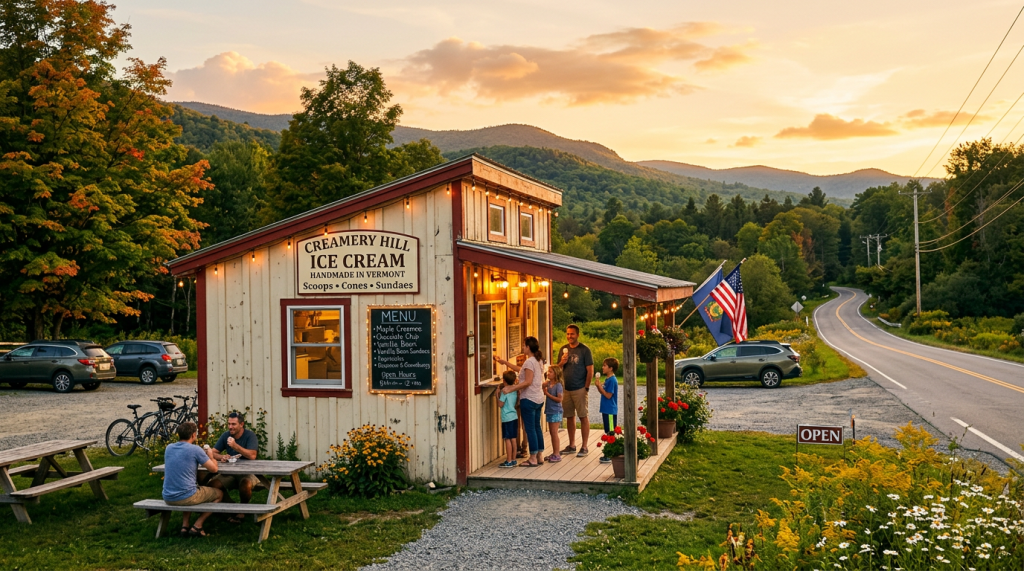
    One year ago today we mapped out Vermont’s ultimate ice cream road trip, and honestly, it still holds up as the perfect summer afternoon plan. From maple creemees at Morse Farm to the lakeside scoops on the Champlain Islands, this trail covers all the sweet spots worth pulling over for. Whether you’re tackling one loop or making a weekend of it, there’s a cone waiting for you somewhere on these backroads.
  • Top Vermont Summer Festivals You Can’t Miss

    Top Vermont Summer Festivals You Can’t Miss

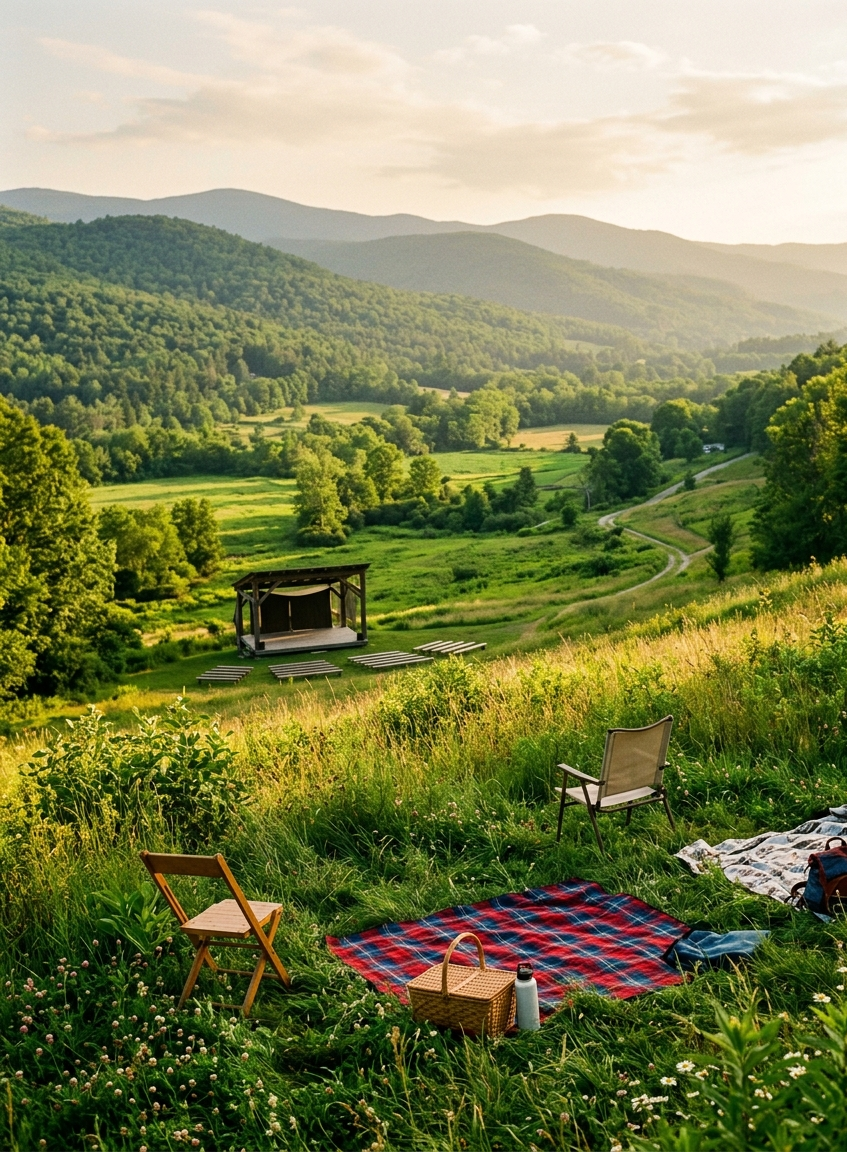
    There’s a moment every Vermont summer when the dirt road dust settles, a brass band starts up somewhere in a field, and you realize you’d happily drive an hour and a half for this. For me it was a Sunday in Glover, sitting on a grassy hillside watching papier-mâché beasts the size of pickup trucks lurch across a field while a sourdough rye loaf got passed down the row. I’d come for the spectacle. I stayed because it felt like the whole point of moving to Vermont was sitting right there in front of me.

    Summer here doesn’t announce itself with one big event. It’s spread out, town by town, weekend by weekend, often down a road your GPS isn’t fully sure about. The festivals worth the drive are rarely the ones with the biggest billboards. They’re the ones a neighbor mentions in passing, the kind you only really learn by living here a while.

    We’re past the early-June stretch now, so a few of the season’s headliners have already come and gone. The good news is that the back half of a Vermont summer is arguably the better half. Here’s what’s still ahead, the ones I tell people about when they ask what makes a Vermont summer feel like a Vermont summer.

    What summer festivals are still happening in Vermont this year?

    Plenty, and the timing actually works in your favor. The festivals clustered into late June, July, and August tend to be the slower, more rooted ones, less polished and more local. If you’re new to the state, or still in the daydreaming phase of relocating to Vermont, these are the ones that teach you the most about the place.

    You learn which towns show up big, which crowds skew local versus tourist, and how far Vermonters will genuinely travel for a good time. (Further than you’d think. Distance here is measured in scenery, not minutes.)

    Vermont Renaissance Faire in Essex Junction

    The closest one on the calendar is the Vermont Renaissance Faire, June 27 and 28 at the Champlain Valley Exposition. This is its tenth year, and from what I hear it’s shaping up to be the biggest one yet, with knights, pirates, fairies, jousting, mead makers, and food from local chefs.

    It’s silly in the best way, and kids lose their minds over it. There’s a whole encampment to wander, plenty of shade, and enough going on that nobody gets bored. If you’ve got family visiting in late June, this is an easy yes.

    West Burke Strawberry Festival

    The same weekend, way up in the Northeast Kingdom, the West Burke Strawberry Festival takes over the village park on June 26. It’s about as wholesome as a Vermont evening gets. Shortcake, barbecue, live music, dancing, and a few hundred of your soon-to-be neighbors.

    These hometown festivals are where you start recognizing faces, which is a quiet milestone when you’re new here. The drive up Route 5A alone is worth the trip.
    Are Vermont summer festivals good for families?

    Most of them, yes, and that’s not an accident. A lot of these events grew out of small-town agricultural traditions, so kids running around in the grass is the default setting, not a disruption.

    The Renaissance Faire and the Strawberry Festival both land squarely in family territory. But the one I’d build a whole afternoon around is Bread and Puppet up in Glover.

    Bread and Puppet Circus in Glover

    This is my favorite, the one that converts people. Bread and Puppet Theater runs its Circus and Pageant every Sunday from July 19 through August 31 at the farm in Glover, starting at 3 in the afternoon. Tickets are fifteen dollars, and no one gets turned away for lack of funds, which tells you most of what you need to know about the spirit of the thing.

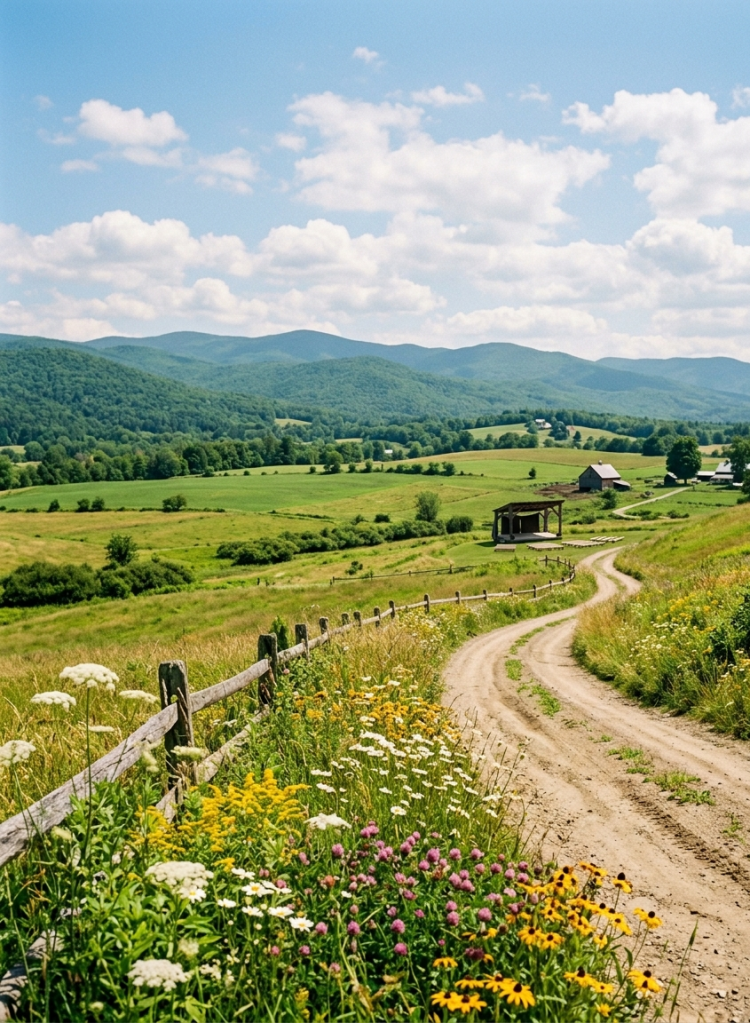
    It’s part circus, part protest, part something older than both. Stilt dancers, a loud and joyful brass band, giant puppets that manage to be funny and unsettling at once. Afterward they serve their famous rye bread with aioli, and you can browse the Cheap Art press for posters and pamphlets. The drive up Route 122 is half the experience, all rolling farmland and the kind of quiet that makes the show land harder when it starts.

    It runs rain or shine, kids welcome, dogs tolerated if they behave. Pack water, since there’s none on site, and settle in.
    Which Vermont festivals are worth a longer road trip?

    A few are worth pointing the car a real distance for. Vermont is small, but a drive from the Kingdom down to the southern border still eats a good chunk of your day, so these are the ones I’d build a trip on.

    Vermont Brewers Festival in Burlington

    Mid-July brings the Vermont Brewers Festival to the Burlington waterfront, July 17 and 18. It’s been running for decades now, and it’s the rare beer festival actually put on by the brewers themselves. Dozens of Vermont breweries, over a hundred beers, live music, food trucks, and Lake Champlain going gold behind it all as the sun drops toward the Adirondacks.

    If you want to feel the Burlington version of Vermont lifestyle in one evening, this is a strong contender. Walk it, bike it, or grab a rideshare, but don’t drive yourself home from this one.

    Best of Vermont Summer Festival in Ludlow

    Down in Ludlow, the Best of Vermont Summer Festival lands August 22 and 23 out at Okemo Field, eleven to five each day. Two days of music, artisans, cheese and maple makers, and craft beverage producers. It’s a tidy crash course in everything the state is proud of, which makes it a smart stop if you’re still figuring out the geography and the culture.

    New World Festival in Randolph

    And right at the seam between summer and fall, the New World Festival takes over downtown Randolph on September 6. It’s Vermont’s big Celtic and Québécois music celebration, more than thirty years deep now, with a dozen-plus acts across five stages, called dances, and street performers. Kids under twelve get in free.

    The sound of it spilling through a small downtown is something else. If you’ve got Maritime or French-Canadian roots, it hits somewhere tender.

    Why do people move to Vermont after a summer like this?

    I get asked some version of this a lot, usually by someone who came up for a long weekend and felt something they didn’t expect. The honest version of why people move to Vermont is rarely about a single festival. It’s about the accumulation.

    It’s the realization that an entire town will turn out for a strawberry shortcake. That a theater company will hand you free bread after a show about the state of the world. That the drive between two events is so consistently beautiful you stop minding the distance.

    Summer is when Vermont makes its best argument, and it keeps making it well past the Fourth of July. The festivals are scattered, sometimes inconvenient, often down a road you’ve never heard of. That’s the feature, not the flaw. They reward people willing to go a little out of their way, which, come to think of it, describes most of the folks who end up staying.

    I still drive up to Glover most summers. The bread tastes the same, the puppets are different every year, and the field is always full of people who, like me, decided the drive was the point.

    Shop Green Mountain Peaks on Etsy

    Bring a little piece of Vermont into your home with our curated collection of gifts, apparel, and seasonal favorites. From cozy hoodies and crewnecks to Vermont-themed gift boxes and cookbooks, each item is designed to celebrate the Green Mountain spirit.

    • Vermont-inspired designs and gift sets
    • Printed and packaged with care
    • Ships directly to your door
    Visit Our Etsy Shop

    Discover gifts, apparel, and Vermont treasures made to share and enjoy year-round.
  • Family Life in Vermont: What to Expect

    Family Life in Vermont: What to Expect

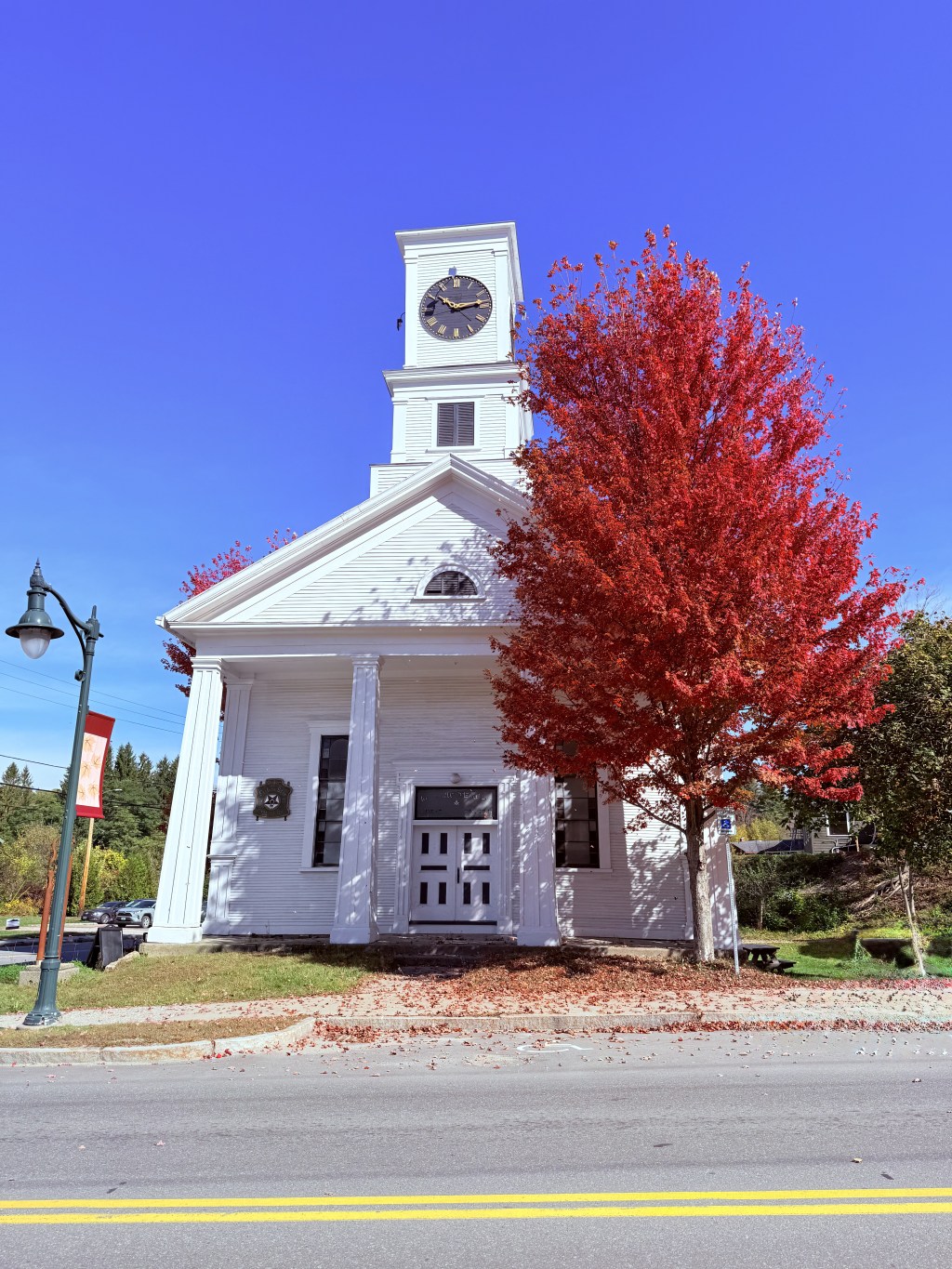
    johnson, vermont in autumn

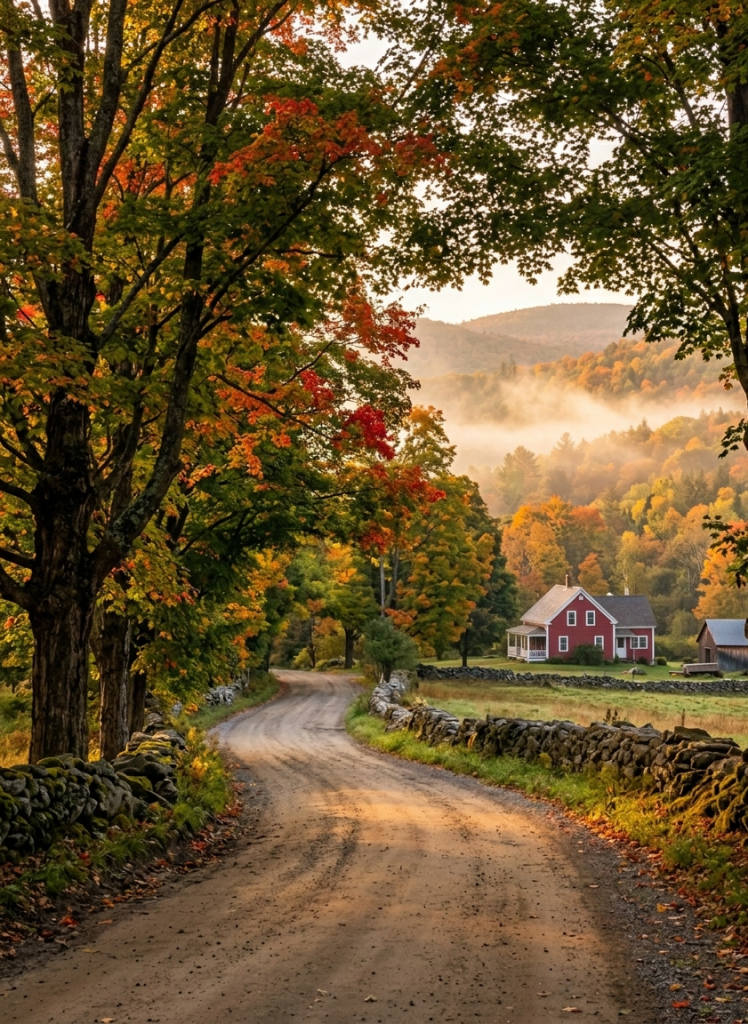
    There is a particular kind of afternoon that happens in Vermont in early October, the kind where the light goes golden and flat around 4 PM, the maples are doing something almost embarrassing with color, and the school bus rolls down a dirt road past a weathered red barn with nobody in a hurry about any of it. Kids pile off and disappear into the woods behind their houses with sticks and boots and zero supervision. It is a scene that plays out the same way it always has, and it is one of the reasons so many families are asking the same question right now: what is it actually like to raise kids in Vermont?

    Moving to Vermont with kids is not a small decision. The winters are real. The job market is specific. The nearest Target might be forty minutes away. But for families who want something quieter, slower, and genuinely connected to the outdoors and to a community, Vermont delivers in ways that are hard to find anywhere else right now.

    Here is an honest look at what family life in Vermont is actually like, from the practical stuff to the parts nobody mentions until you are already here.

    What Is It Actually Like to Raise Kids in Vermont?

    Slower, But Not in a Bad Way

    The pace of daily life in Vermont takes some getting used to, especially if you are coming from a city or suburb where everything is immediate. Grocery runs double as social events. School pickup turns into a twenty minute conversation. The hardware store guy knows your kid’s name within a month.

    For kids, that slowness tends to be a gift. There is more unstructured time here. More room to be bored and then figure out what to do with that boredom. More freedom to roam in a way that feels genuinely old fashioned, in the best sense.

    That said, Vermont families are not sitting around doing nothing. The activities just look different. Soccer practice on a lumpy field in the rain. Skiing on weekday afternoons at local mountains. Maple sugaring in the mud season. 4H projects. Town meeting attendance that kids actually take seriously because their parents do.

    Community Is Closer Than You Expect

    Vermont is a genuinely community oriented place. Small towns function like extended families. You will know your neighbors faster here than almost anywhere else, partly because you need each other and partly because the culture still values showing up.

    School communities especially tend to be tight. In smaller towns, a graduating class might be thirty kids who have known each other since kindergarten. For some families, that closeness is exactly what they wanted. For others, it can feel like there is less room for reinvention. It is worth thinking honestly about which kind of family you are before you commit to a small town school district.

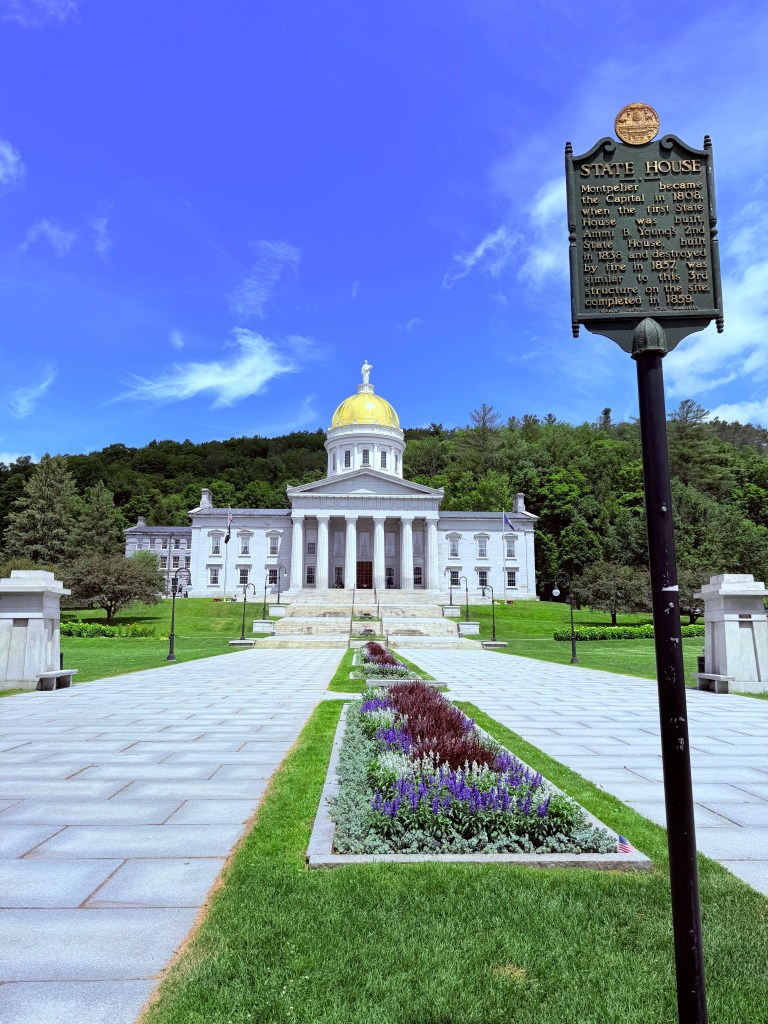
    vermont state house in montpelier

    Where Do Families Actually Move When They Come to Vermont?

    The Towns That Keep Coming Up

    Not every Vermont town is equally set up for family life. Some of the most talked about spots are popular for good reason. Others are worth a closer look if you want something slightly off the beaten path.

    Stowe comes up constantly, and for good reason. The schools are solid, the outdoor access is exceptional, and the town has enough infrastructure to feel livable year round, not just during ski season. The tradeoff is cost. Stowe has become genuinely expensive, and housing inventory is tight.

    Morrisville is the town right next door to Stowe, and it is where a lot of families land when they want the same access without the Stowe price tag. It has a real downtown, a good school, and a community that feels less transient than some of the resort adjacent areas.

    Johnson is a little further out and has that classic Vermont small town feel, with Johnson State College giving it some cultural energy and the Lamoille River running right through it. For families who want more space and more quiet, it is worth a serious look.

    Waterbury and Middlesex tend to attract families who want easy access to Montpelier (the state capital, which has good services and a strong local food scene) while staying in a more rural setting. The commute corridor along I-89 makes this stretch practical for families with one partner working in the greater Burlington area.

    Burlington and its suburbs, including Williston, Shelburne, and South Burlington, are the most urban option Vermont offers. If you need a coffee shop that is actually open on Sunday morning, proximity to an airport, or a pediatric specialist within twenty minutes, the Burlington metro area is probably where you belong.

    What About Schools?

    Vermont school quality varies a lot by district, and this is one area where families should do their homework before committing to a specific town. The state has gone through significant consolidation in recent years, and some smaller towns now tuition their students to larger nearby schools rather than maintaining their own.

    For families with strong opinions about school choice, Vermont has a longstanding tradition of town tuitioning that gives families in certain districts more flexibility than you might expect. It is worth asking specifically about the arrangement in any town you are seriously considering.

    Independent and private school options exist too, particularly in the Burlington area and in some of the more well established communities further south. Families relocating from areas with a strong independent school culture sometimes find exactly what they are looking for here, and sometimes find the options thinner than expected.

    What Do Families Struggle with Most After Moving to Vermont?

    The Winter Is Longer Than You Think

    Everyone says this, and everyone still underestimates it. Vermont winter starts in November and goes through April in a meaningful way. There are beautiful stretches in there, genuinely magical ones, but there are also gray weeks in February where the cold is relentless and the mud has not started yet so there is nothing to signal that spring is coming.

    Families who thrive here tend to either ski or have made peace with winter in some other active way. Families who white knuckle it through every February tend to leave within two or three years. It is not a small thing. Talk honestly with your family about how you handle cold, dark, and limited daylight before you commit.

    Finding Your People Takes Time

    Vermont is warm but it is not quick. Long time Vermonters are genuinely friendly, but the transition from acquaintance to actual friend can take a year or two. This is especially true for families settling into rural areas where the social fabric is already well established.

    The families who find their footing fastest are usually the ones who get involved early: in the school community, in local sports, in a church or community organization, or in some kind of volunteer work. Vermont rewards showing up. It just does not hand you a welcome basket the moment you arrive.

    Services Are Spread Out

    If your child has a specialist they need to see regularly, or if you are used to having immediate access to children’s services, therapy, pediatric care, or certain kinds of extracurricular programming, you will need to plan ahead here. Vermont has good medical care in its regional centers, but rural families often drive thirty to sixty minutes for appointments that would have been five minutes away somewhere else.

    This is not a dealbreaker for most families, but it is a real adjustment. The practical side of living in Vermont with kids requires building in more time and more patience for logistics than most people are used to.

    What Do Kids Love About Growing Up in Vermont?

    The Outdoors Is Not Optional, It Is the Culture

    Kids who grow up in Vermont spend a disproportionate amount of time outside compared to their peers in most other states. Not because they are being forced to, but because there is always something to do out there and the culture around them makes it normal to be out in it.

    Skiing and snowboarding are practically rites of passage. Most schools have ski programs, and lift ticket prices through youth programs are genuinely accessible compared to what you would pay elsewhere.

    In the warmer months, it is hiking, swimming holes, fishing, mountain biking, and spending time at fairs and farm events that feel like they were designed for kids. Vermont 4H programs, county fairs, and agricultural traditions give children a relationship with where food comes from that is increasingly rare.

    The Creative and Cultural Life Is Richer Than the Size Suggests

    Vermont punches above its weight culturally. There are strong arts programs in many schools, local theater, robust library systems in even small communities, and a genuine culture around music, craft, and making things. Farmers markets are social events as much as anything else, and children grow up participating in them as vendors, helpers, and regulars.

    The food culture here is worth mentioning on its own. Kids in Vermont grow up eating well, often in a genuinely hands on way, whether that is through school gardens, CSA shares, or just having maple syrup and locally made cheese as normal parts of the grocery rotation.

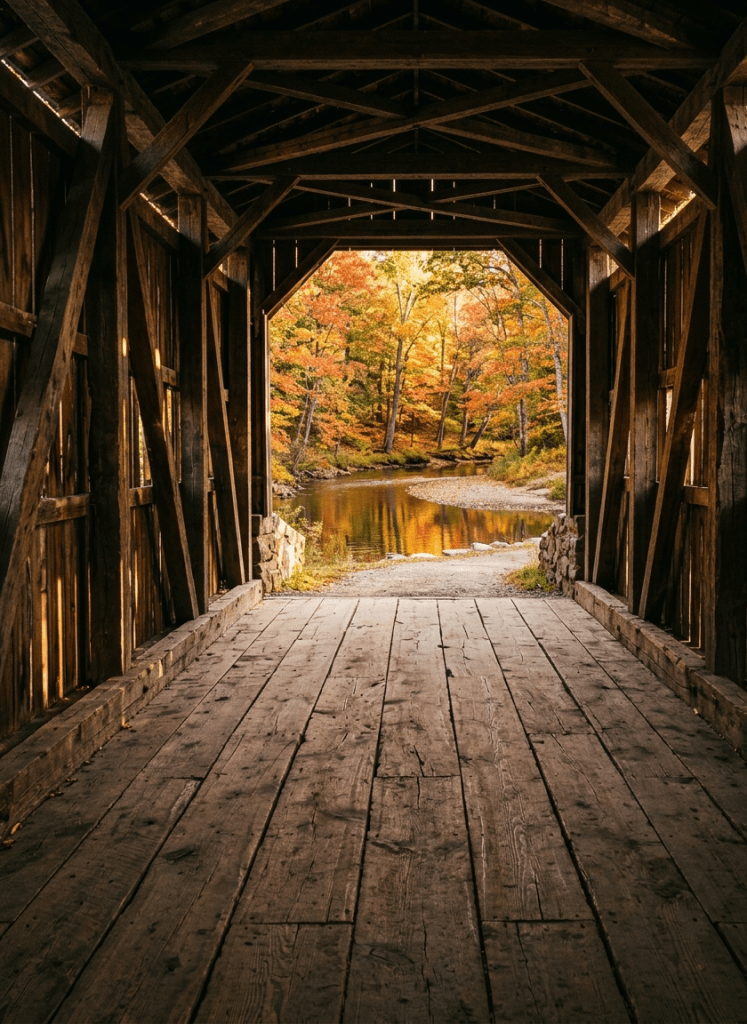
    covered bridge in vermont in autumn

    Is Moving to Vermont Right for Your Family?

    The Families Who Tend to Stay

    The families who put down roots here tend to share a few things. They genuinely wanted a slower pace, not just as an aesthetic but as a lifestyle. They came prepared for real winters. They were willing to trade convenience for community and space. And they gave Vermont time to reveal itself, which it does, but not always on the timeline people expect.

    Vermont is not a place that will dazzle you immediately. It is a place that grows on you. The first mud season is not pretty. The first February can feel endless. But the first spring, when the sap is running and the kids are outside until 7 PM and a neighbor drops off a jar of something homemade and asks if you need anything, that is when most families understand why they came.

    A Few Things Worth Knowing Before You Sign a Lease

    • Housing inventory is limited in most desirable areas, and the market has been competitive in recent years. Come with your financing in order and be ready to move when something right appears.
    • Heating costs are real. Factor in the cost of oil, propane, or wood into your monthly budget, especially if you are looking at older Vermont homes.
    • Internet access varies significantly by town and neighborhood. If you work remotely, verify the actual connectivity options at any specific address before committing.
    • Vermont has a strong small business and farming culture. If someone in your family has been thinking about a side business, a small farm, a craft, or a local service, Vermont is one of the better places to try it.
    • The outdoor gear costs add up. Skiing, hiking, camping, and cold weather gear for growing kids is a real budget line here.

    Living in Vermont with kids is not for every family. But for the ones it fits, it fits in a way that is hard to explain to people who have not experienced it yet. Something about the combination of community, land, season, and pace makes childhood here feel like something worth choosing on purpose.

    There is a reason so many people who grew up here come back, and a reason the families who arrived for a fresh start are still here a decade later, with kids in the same schools their neighbors went to, learning the same mountains, the same mud, the same rhythms of a place that does not try to be anything other than exactly what it is.

  • Vermont Living: The Allure of Community and Nature

    Vermont Living: The Allure of Community and Nature

    There is something that happens to people the first time they drive through Vermont in October. The hills go impossibly red and orange, the air has that cold-clean smell that wakes you right up, and somewhere along a two-lane road lined with sugar maples, the thought creeps in: what if I just stayed?

    For a lot of people, that thought eventually turns into a lease, then a purchase, then a whole life built around maple syrup, mud season, and knowing your neighbors by name. Vermont has been quietly pulling people in for decades, and the pace of that movement has only picked up over the last several years.

    So what is actually drawing people here? And once they arrive, what makes them stay? I have spent enough time talking with transplants and watching people settle into northern Vermont communities to have a pretty good sense of the answer. It is not one thing. It is a hundred small things that stack up.

    The Quality of Life Is Different Here

    People who move to Vermont from bigger cities often describe the shift in the same way. Life feels manageable again. The commute is short or gone entirely. The grocery store is not crowded. You can get a table at a restaurant on a Friday night without a reservation.

    That might sound small, but the cumulative effect of those frictions disappearing is significant. People report sleeping better, feeling less stressed, and actually having time to cook dinner or take a walk after work. There is a reason Vermont consistently ranks near the top of national health and wellbeing indexes. The pace here does something good for people.

    In Lamoille County and the towns around Stowe, Morrisville, Hyde Park, and Johnson, you also get access to outdoor recreation that most people in the country would have to drive hours to reach. Hiking, skiing, snowshoeing, kayaking, mountain biking. It is not a weekend getaway. It is Tuesday evening after work.

    autumn road in vermont

    Remote Work Changed Everything

    The shift to remote work opened Vermont up to a wave of people who had always wanted to live here but assumed their careers would not allow it. Once the laptop became the office, suddenly the location question was wide open.

    Vermont leaned into this hard. The state launched a program called Remote Worker Grants that offered financial incentives for people who relocated here and worked remotely for out-of-state employers. It was one of the first programs of its kind in the country, and it attracted national attention. People who had been daydreaming about Vermont suddenly had a concrete reason to make the move.

    The timing lined up with something broader too. A lot of people spent the early 2020s reconsidering what they wanted from where they lived. Proximity to a downtown office became less important. Square footage, outdoor access, community connection, and affordability (relative to major metro areas) moved up the list. Vermont offered all of those things in a package that was genuinely hard to find elsewhere.

    Vermont Towns Actually Feel Like Communities

    This one is harder to quantify but it is probably the most important factor in why people stay. Vermont towns are real communities in a way that a lot of places in the country are not anymore.

    Town meeting is still a thing here. People show up on the first Tuesday of March and vote in person on local budgets, road projects, and school questions. You know your select board members. You run into your kids’ teachers at the farmers market. The librarian knows your name. These are not quaint nostalgic details. They are the texture of a life that feels connected and rooted.

    Small towns like Johnson and Hyde Park in Lamoille County have that quality in abundance. They are not destination towns. There are no ski resort gondolas or trendy restaurant strips. What they have is a tight fabric of people who look out for each other, volunteer for things, and show up when it matters. For people coming out of anonymous urban environments, that can feel genuinely revolutionary.

    The Outdoor Life Is Not a Selling Point, It Is the Point

    winter waking trail

    Anyone who moves to Vermont and does not end up spending real time outside is going to have a rough adjustment. The outdoors is not an amenity here. It is woven into how people structure their time and their relationships.

    In winter, that means skiing or snowshoeing or just learning to embrace cold in a way that you probably never did before. Stowe has some of the best terrain in the East. Bolton Valley, Smugglers Notch, and Jay Peak are all within easy reach of northern Vermont. Cross-country skiing trails run through the woods and across farm fields in a way that feels completely different from anything you find in more developed parts of the country.

    Spring and summer shift the whole rhythm. The Long Trail passes through, hiking options are everywhere, and the rivers come alive. Camping by a fire in the Green Mountains, cooking over an open flame with real wood smoke, watching the sky go dark without any light pollution competing with the stars. There is a quality to those evenings that is hard to describe to someone who has never experienced it.

    Fall is what gets people emotional. Leaf peeping in Vermont is not hype. It is genuinely one of the most beautiful seasonal transitions you will see anywhere in the world, and living here means you get to experience it every year instead of fighting traffic for one weekend of it.

    Vermont Is a Good Place to Raise a Family

    For people with kids, or thinking about having kids, Vermont tends to score very well on the things that matter most. Schools are generally strong, particularly in communities that are committed to them. The crime rate is among the lowest in the country. Kids here have a real childhood, with room to roam, clean air, and the kind of independence that is hard to give children in denser, more guarded environments.

    There is also something to be said for growing up in a place with four real seasons and deep roots in agriculture, craftsmanship, and community. Vermont has its own identity, and kids who grow up here tend to carry that with them. They learn where food comes from. They participate in town life. They develop a relationship with the land that most of their peers elsewhere simply do not have.

    The Food and Farm Culture Is the Real Deal

    Vermont has a food scene that punches way above its weight for a state with fewer than 650,000 people. The farm-to-table movement did not arrive here as a trend. It has always just been how things work when you are surrounded by working farms, sugar bushes, cheesemakers, and craft breweries.

    The farmers markets in towns like Morrisville and Stowe run through the growing season and draw incredible vendors. Local maple syrup shows up in everything from cocktails to glazed meats. The cheese alone is worth the move. Cabot, Jasper Hill, and dozens of smaller producers make Vermont one of the premier dairy and cheese regions in the country.

    For people who care about knowing where their food comes from, Vermont makes that easy. You can buy a half cow from a farm twenty minutes away. You can pick your own blueberries in August. You can get a CSA share that fills your fridge with vegetables you actually recognize and taste like something.

    porch with coffee during stick season

    What Keeps People Here Once They Arrive

    Moving anywhere requires optimism. Staying requires something deeper. The people who put down real roots in Vermont tend to point to the same things: the sense of belonging, the physical beauty that never gets old, and the feeling that their choices and their values are reflected in the community around them.

    Vermont is not a perfect place. Winters are long and genuinely cold. The housing market in desirable areas has gotten more competitive in recent years. There are rural access challenges and income gaps that are real. Anyone considering a move here should come with eyes open to the full picture.

    But the people who stay do so because something clicks into place here that did not click before. The pace fits. The community holds. The view from the front porch on a clear November morning makes everything feel worth it. That is a hard thing to walk away from once you have found it.

    Thinking About Making the Move to Vermont?

    If you are somewhere in the research phase, the best thing you can do is spend real time here across different seasons. A long weekend in July is beautiful. A week in February will tell you a lot more about whether Vermont is actually right for you.

    Northern Vermont in particular, the towns spread across Lamoille County and the surrounding areas, offers a version of this state that is less about tourism infrastructure and more about actual Vermont life. It is quieter, more affordable than the resort towns, and full of the kind of community fabric that people who end up staying here are usually looking for.

    Come with curiosity. Take your time. Talk to people. Vermont has a way of telling you whether it is the right fit, and it does not usually take long.

    Vermont has been here a long time. It is not going anywhere. Take your time getting here right.

  • Discover Vermont’s Best Farm Stands This Summer

    Discover Vermont’s Best Farm Stands This Summer

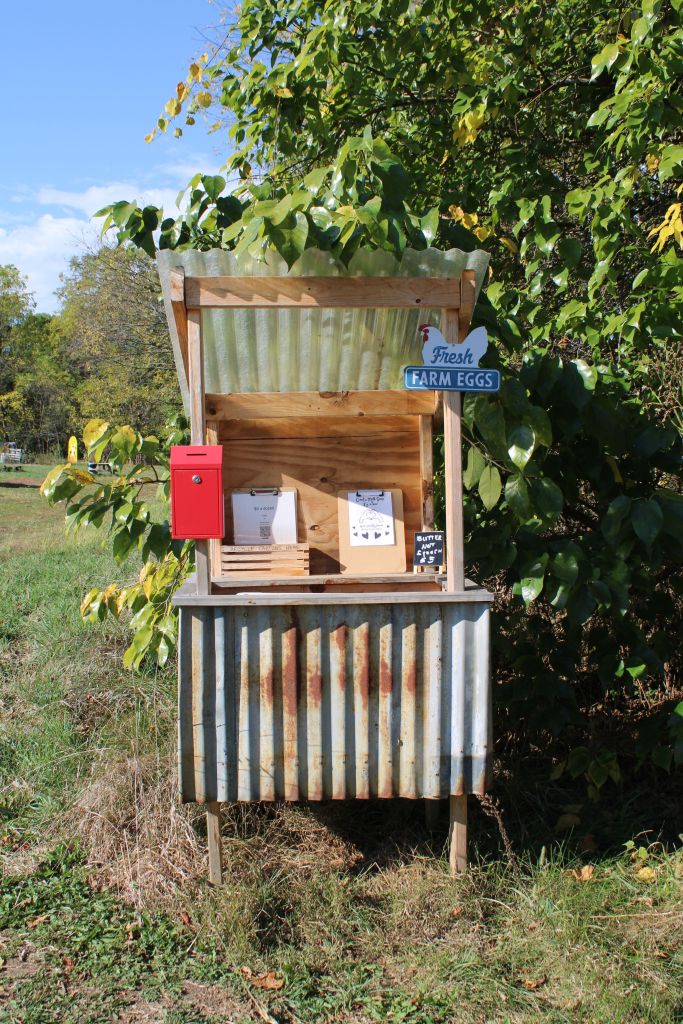
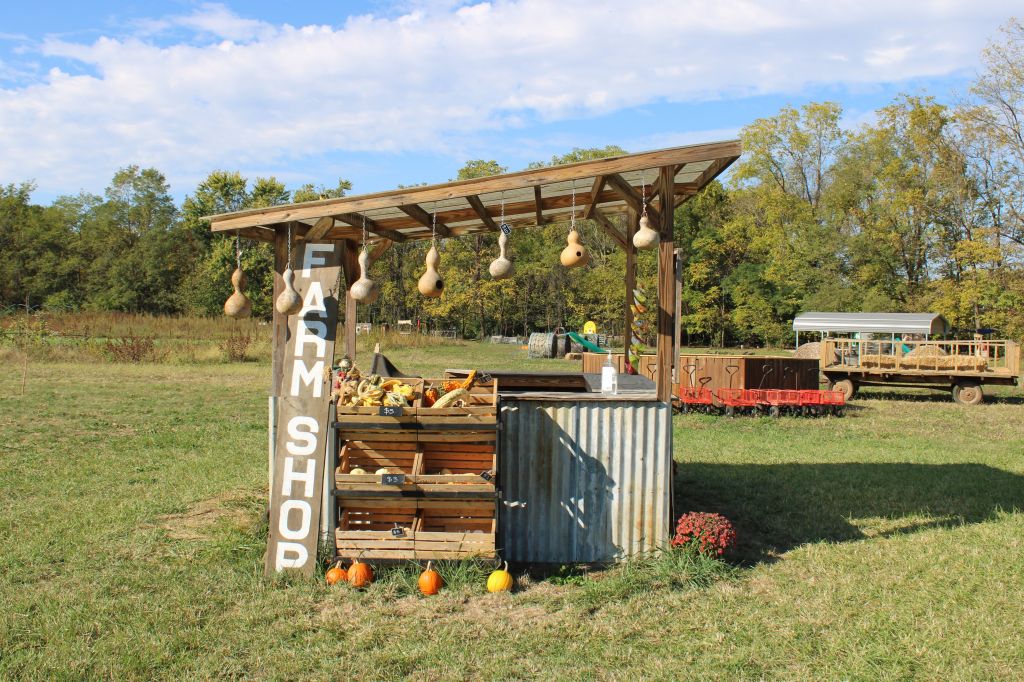
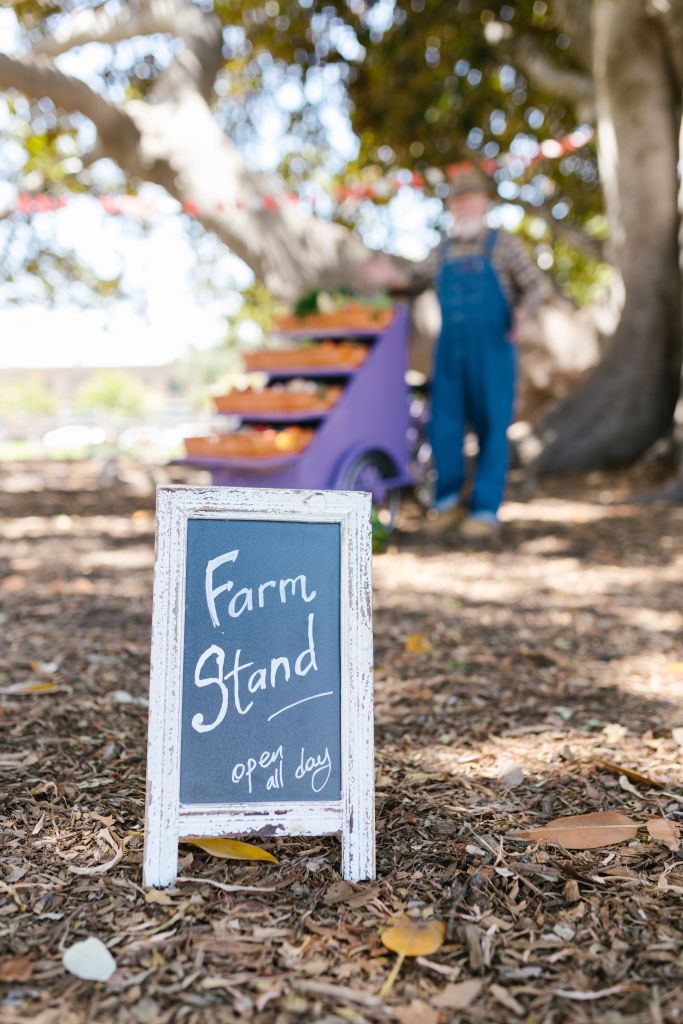
    farm stand

    There’s a moment every June that feels like a collective exhale across Vermont. The last of the mud season mess has dried up, the hillsides have gone full green, and suddenly, out of nowhere, the hand-painted signs start appearing along the roadsides. “Strawberries. Lettuce. Eggs.” Sometimes just an arrow pointing down a gravel road. That’s how you know summer has officially arrived here.

    Farm stands are one of those things that sound simple but end up meaning a lot more once you’ve actually lived a Vermont summer around them. They’re not just a place to grab vegetables. They’re where you learn which farms have the sweetest corn, which ones keep goats, and which ones leave an honor box out front because the farmer is somewhere in the back field and trusts you completely.

    Whether you’re a local stocking up your kitchen, a tourist exploring back roads, or someone considering a move to the area and trying to understand what everyday life here actually feels like, Vermont farm stands are one of the best places to start.

    When Do Vermont Farm Stands Open for Summer?

    Most farm stands in Vermont start opening in late May or early June, though the exact timing depends a lot on what they’re selling and where they’re located. Higher elevation farms tend to open a bit later. A stand in the Champlain Valley might have fresh greens by Memorial Day weekend, while one tucked up in Lamoille County might not be fully stocked until mid-June.

    The early season offerings are usually things like salad greens, radishes, snap peas, herbs, and whatever cold-hardy crops the farmer planted under row cover back in April. Local eggs are almost always available from the start, and many stands carry maple syrup and jam year-round regardless of season.

    By late-July the selection really explodes. That’s when the summer squash starts piling up faster than any family can eat it, the first ears of corn start showing up, and the tomatoes are just barely starting to come in. August is peak season. If you’re visiting Vermont in August and you skip the farm stands, you’re genuinely missing out on the best version of this state.

    farm stand

    What Makes Vermont Farm Stands Different

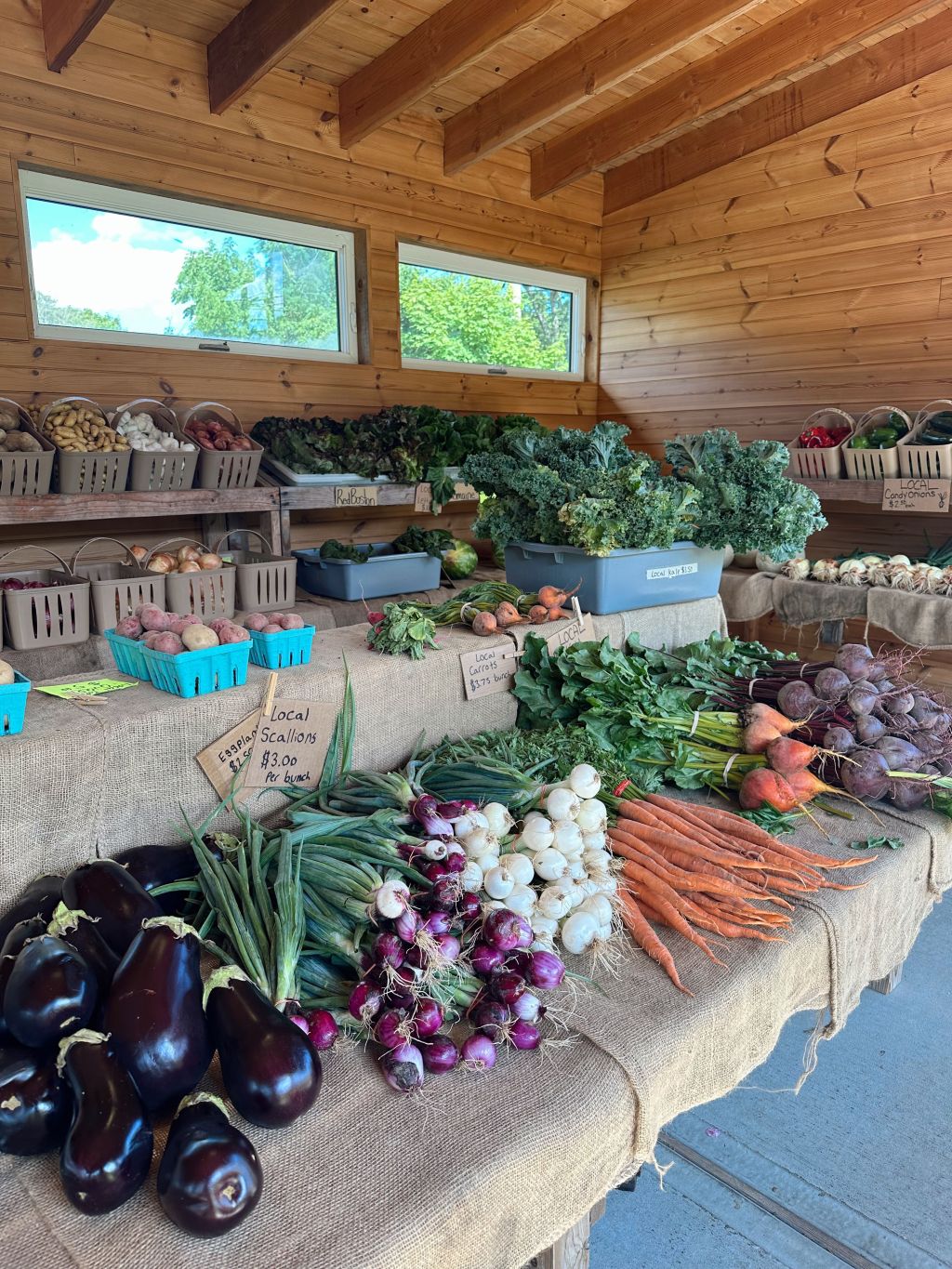
    If you’ve only ever bought produce at a farmers market or a grocery store, walking up to a real Vermont farm stand for the first time is a different experience. A lot of them are small structures right on the property, sometimes just a covered table or a converted shed. The farmer might be twenty feet away in the greenhouse, or they might not be visible at all.

    Many stands still operate on the honor system. You take what you want, check the posted prices on a handwritten card, and leave your cash in a jar or a little lock box. There’s something about that arrangement that says a lot about the culture here. It works because people respect it.

    The produce is also just fresher than almost anything you’ll find elsewhere. Some of it was harvested the same morning. Tomatoes that were on the vine at sunrise, corn picked before the sugar starts converting to starch, herbs that still smell like the field. Once you eat a tomato like that, the grocery store version feels like a completely different food.

    A lot of stands also carry things you won’t find in any supermarket. Heirloom varieties with names like Mortgage Lifter or Green Zebra, dried beans in colors you’ve never seen, squash varieties that look almost sculptural. Farmers here often grow for flavor and interest rather than shipping durability, which means the selection can be genuinely surprising.

    Finding Farm Stands Across Northern Vermont

    The Lamoille County area is full of farm stands worth seeking out. The towns of Hyde Park, Morrisville, Johnson, and Cambridge all have working farms nearby, and the back roads connecting them are exactly the kind of place where a hand-painted sign will catch your eye and send you down a dirt road you weren’t planning to take.

    The Stowe area has several options within easy reach, and the drive out toward Wolcott or Craftsbury from there passes through farm country where stands tend to pop up along Route 14 and the roads running off it. If you’re staying in Stowe and want to put together a real Vermont meal from scratch, you don’t need to go far.

    The Burlington area and the Champlain Valley have some of the most established farm operations in the state, with stands that have been running for decades. Farms out toward Shelburne, Williston, and Charlotte tend to have longer hours and more reliable stock because they’re drawing from larger operations. But the stands out in the smaller towns have a different feeling, quieter and more personal.

    farm stand

    A Few Tips for Finding Stands You’d Never Find Otherwise

    The best farm stands in Vermont are rarely the ones on the main road with a big sign. Here’s how locals actually find them.

    • Drive the back roads on purpose. Take a route you don’t need to take and pay attention. Stands on dirt roads often have the most interesting selection because smaller farms grow more variety.
    • Ask at the general store or the local diner. Someone behind the counter will almost always know which farms are selling what right now, and they’ll point you somewhere you’d never find on your own.
    • Check the bulletin board at the library or the co-op. Vermont farmers still post there, and you’ll find a handwritten index card announcing something like “garlic scapes, pick-up Thursdays.”
    • Look for stands attached to CSA farms. Even if you’re not a member, many farms sell surplus at a small stand on the property and welcome anyone who stops by.
    • Follow local town Facebook groups. Farmers post availability in real time, sometimes just saying “first tomatoes ready, come get them” with a photo.

    What to Buy (and What to Do with It)

    If you’re new to farm stand shopping, it helps to go in with a little flexibility. You’re not necessarily going to find everything on a list. You’re going to find what’s good right now, and the point is to build around that.

    Early summer is the time for things like salad greens, radishes, and sugar snap peas eaten raw on the way home. A bunch of fresh basil from a Vermont farm in June smells almost incomprehensibly good, and if you grab a few heirloom tomatoes to go with it later in the summer, you have the makings of something simple and genuinely excellent.

    Mid-summer is corn season, and in Vermont that means sweet corn that needs almost nothing. A lot of locals just boil it for a few minutes and eat it with butter and salt. Some people grill it in the husk. Either way, if you buy it the same day it was picked, you’ll understand why people plan their summers around it.

    Late summer brings the full tomato harvest, winter squash starting to come in, dried beans, and the kind of peppers and eggplant that make you want to roast everything. It’s also when the apple orchards start showing the first early varieties, and some farm stands share space with the orchard operation.

    farm stand

    Farm Stands as Part of Vermont Life

    One of the things people notice when they spend real time in Vermont, not just a weekend but a whole season or longer, is how connected the food still is to the land around it. You can have a salad at dinner where you actually know which road the farm is on, where the farmer’s last name is on the sign at the end of the driveway.

    That kind of connection is something a lot of people say they’re looking for when they talk about wanting to move somewhere like Vermont. And honestly, it’s real. Farm stands are one of the most straightforward expressions of it.

    They’re also just a genuinely nice part of a summer day. Stopping at a stand on the way home, picking up whatever looks good, figuring out dinner from there. It’s a slower way of doing things, and in Vermont, that’s usually the point.

    If you’re exploring Vermont for the first time this summer, or if you’re a local and you want to know more of what’s happening in the hills around here, sticking to the back roads is almost always the right call. The farm stands are out there waiting.

    Shop Green Mountain Peaks on Etsy

    Bring a little piece of Vermont into your home with our curated collection of gifts, apparel, and seasonal favorites. From cozy hoodies and crewnecks to Vermont-themed gift boxes and cookbooks, each item is designed to celebrate the Green Mountain spirit.

    • Vermont-inspired designs and gift sets
    • Printed and packaged with care
    • Ships directly to your door
    Visit Our Etsy Shop

    Discover gifts, apparel, and Vermont treasures made to share and enjoy year-round.
  • Discover Vermont: Authentic Experiences Off the Beaten Path

    Discover Vermont: Authentic Experiences Off the Beaten Path

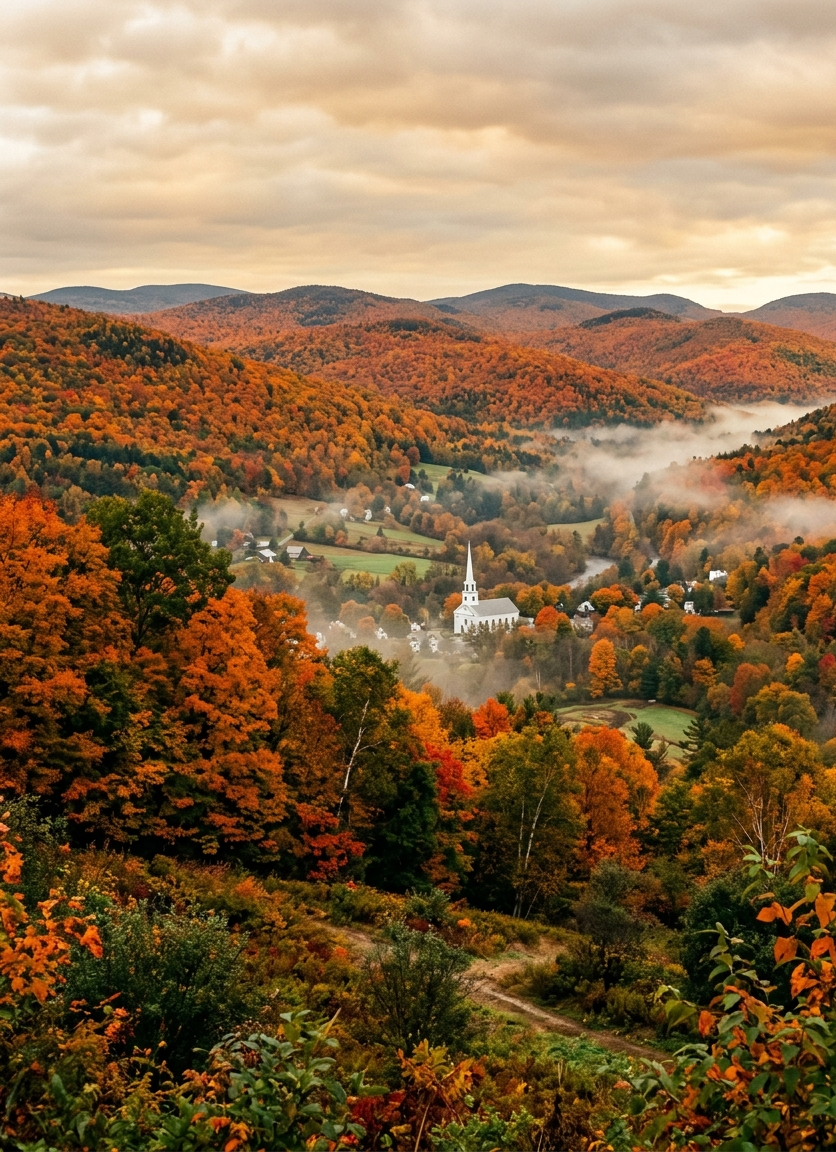
    autumn in vermont

    Vermont has a way of sneaking up on you. You come for a long weekend, maybe just to catch the fall foliage or ski a few runs, and then you find yourself standing at the edge of a covered bridge or eating the best bowl of cheddar soup you have ever tasted and thinking: I need more time here. There is always more time needed in Vermont.

    Whether you are visiting for the first time, spending a season here, or you have lived in the Northeast Kingdom your whole life and somehow still have not done everything on this list, consider this your guide. These are twenty things worth doing in Vermont before you go. Not tourist traps. Not the same recycled list you find everywhere. Just the real stuff.

    The Classics That Deserve Their Reputation

    1. Watch the Foliage From a Back Road

    Everyone talks about fall foliage in Vermont, and yes, the hype is real. But the difference between a foliage experience and a foliage memory is the road you take. Skip Route 100 on a Saturday in October and instead wind through Craftsbury, Greensboro, or the hills above Johnson. Pull over when the urge hits. There is no rush here.

    2. Eat a Maple Creemee

    Soft serve made with real Vermont maple syrup is not something you can replicate at home. It is creamy in a way that feels almost unfair. Find one at a local farm stand or sugarhouse rather than a chain. The ones sold roadside near a working sugarbush taste noticeably better, and half of that is probably just the setting.

    3. Visit a Working Sugarhouse in March

    Mud season gets a bad reputation, but early spring is when Vermont’s most iconic tradition comes alive. Sugarhouses across the state open their doors during sugaring season, and you can watch the whole process up close, smell the steam rolling off the evaporators, and taste fresh maple syrup poured over snow. The Vermont Maple Sugar Makers Association keeps an updated list of open farms each year.

    4. Cross a Covered Bridge on Foot

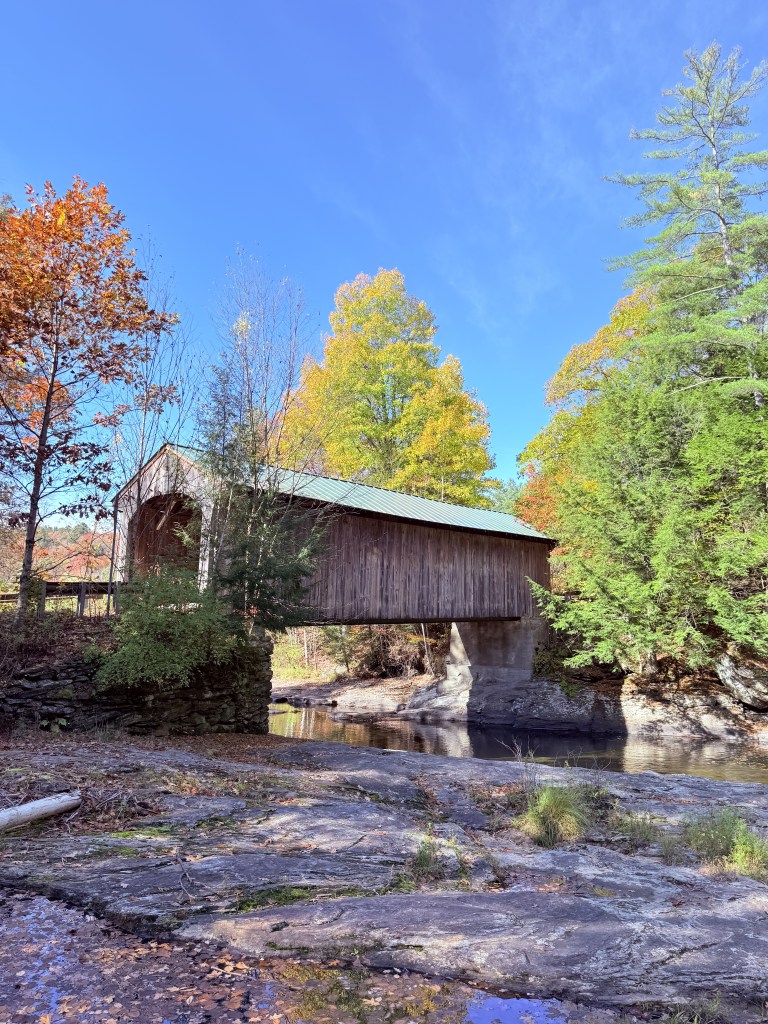
    Vermont has more than a hundred covered bridges still standing, and the experience of walking through one quietly, no car rushing past, is something completely different from driving through. The bridges near Stowe, Montgomery, and Northfield are particularly beautiful in any season. Stop in the middle and just listen to the water below.

    covered bridge in autumn in vermont

    Get Into the Vermont Outdoors

    5. Hike to a Fire Tower

    Vermont has several old fire lookout towers that are still climbable, and the views from the top are worth every step. Spruce Mountain in Plainfield, Elmore Mountain in Lake Elmore, and Belvidere Mountain up in Eden each offer a different experience. Clear days reward you with views that stretch into New Hampshire, New York, and Canada.

    6. Swim in a Swimming Hole

    Vermonters guard their swimming holes with a certain quiet loyalty, and you understand why the moment you arrive at one. Cold, clear water fed by mountain streams, rocks to jump from, and an informal social code that basically amounts to: be cool and leave no trace. Bingham Falls near Stowe is a well-known one. The falls at Texas Falls in Hancock are also worth the short walk in.

    7. Ski or Snowboard a Classic Vermont Mountain

    Stowe and Killington get most of the attention, and rightfully so. But there is something to be said for a smaller mountain on a quiet Tuesday in January when the lift lines are nonexistent. Mad River Glen is co-op owned, single-chair, and proudly old school. Bolton Valley stays uncrowded and has terrain that surprises you. Pick the one that fits your style and go more than once.

    8. Paddle a Lake at Sunrise

    Lake Champlain is the obvious choice, and it is magnificent. But smaller lakes like Caspian Lake in Greensboro, Shadow Lake in Glover, or Elmore Lake offer a stillness that is hard to find anywhere else. Get out early, before the wind picks up, and you will understand what people mean when they say Vermont has a quietness that feels alive.

    9. Walk a Stretch of the Long Trail

    The Long Trail is the oldest long-distance hiking trail in the country, running 273 miles from the Massachusetts border to the Canadian line. You do not need to thru-hike it to appreciate it. Pick a section, pack lunch, and spend a half day in the Green Mountains. The stretch around Mount Mansfield or the Camel’s Hump ridge line gives you classic Vermont alpine scenery without requiring a week off work.

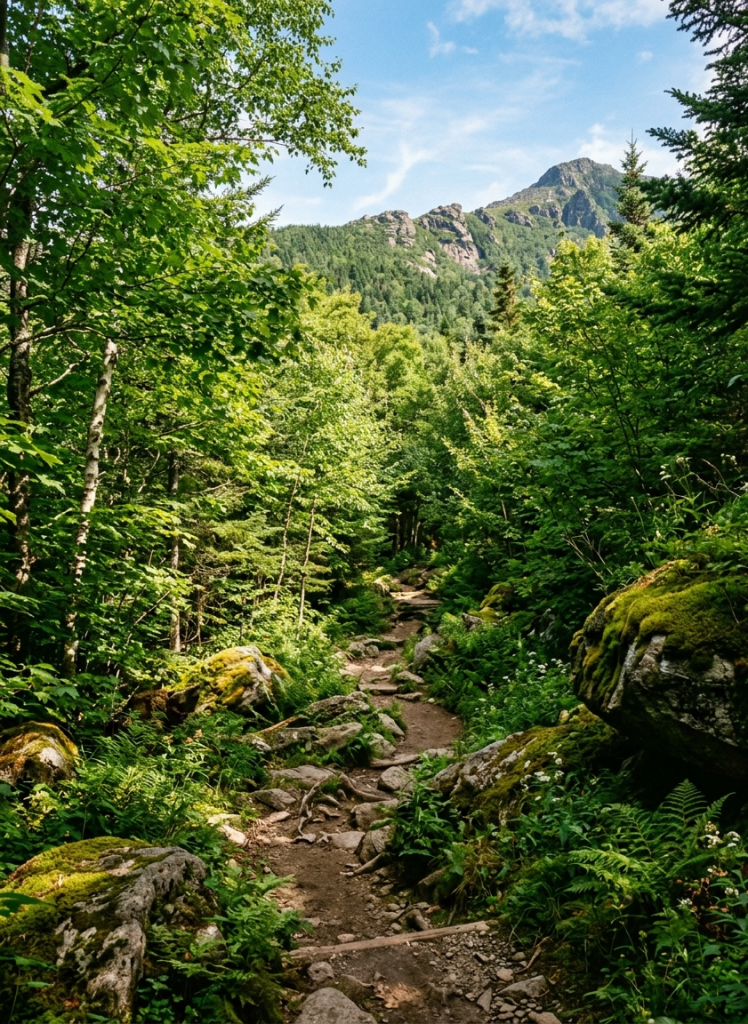
    summer hiking trail in vermont

    Dig Into Vermont Food and Drink

    10. Do a Vermont Cheese Tour

    Vermont is home to more than 50 artisan cheesemakers, and many of them welcome visitors. Cabot is the most famous name, but places like Jasper Hill Farm in Greensboro Bend, Neighborly Farms in Randolph Center, and Consider Bardwell Farm near Manchester are equally worth visiting. Buy something wrapped in paper, take it home, and eat it with crackers and local honey.

    11. Have Breakfast at a Diner That Has Not Changed in Decades

    There are still diners in Vermont where the coffee comes in a ceramic mug before you even ask, where the pie is made by someone in the back, and where the booths are vinyl and the floor is linoleum. The Miss Lyndonville Diner, the Blue Benn in Bennington, and Miss Bellows Falls Diner all carry that energy. Arrive hungry.

    12. Drink a Vermont Craft Beer at the Source

    The Heady Topper pilgrimage to The Alchemist in Stowe is practically a Vermont rite of passage at this point. But beyond that, breweries like Hill Farmstead in Greensboro, Foam Brewers in Burlington, and Lost Nation in Morrisville are worth a visit on their own terms. Drink something draft that does not travel outside the state. That is the whole point.

    13. Eat a Full Meal at a Farm-to-Table Restaurant

    Vermont’s food scene punches well above its weight given the state’s size. Restaurants here have long-standing relationships with local farms, and it shows on the plate. Places like Hen of the Wood in Waterbury and Burlington, The Inn at Weathersfield, or even smaller spots tucked into places you would never expect offer meals that genuinely reflect the season and the region.

    Small Towns Worth Your Full Attention

    14. Spend a Saturday Morning in Stowe Village

    Most people come to Stowe for the mountain, but the village itself is worth slowing down for. Walk Main Street, pop into the independent shops, get coffee somewhere that is not a chain, and watch the locals do their weekend errands. The farmers market runs seasonally and is genuinely good. It is the kind of town that makes you understand why people move here and then never leave.

    15. Wander Woodstock and Actually Go Inside Something

    Woodstock is beautiful, and yes, it can feel a little polished. But it has real substance too. The Billings Farm and Museum is one of the best living history farms in New England. The covered bridge right in the center of town is the most photographed in Vermont for a reason. Give it more than a drive-through.

    16. Explore Burlington’s Church Street and the Waterfront on the Same Day

    Burlington is a small city that earns its reputation as one of the most livable places in the country. Church Street is the pedestrian shopping and dining corridor, and the waterfront sits along Lake Champlain with a bike path, views of the Adirondacks, and enough going on in summer to keep you there all day. The combination of the two in a single afternoon is a very good Vermont day.

    The Unexpected and the Underrated

    17. Find a Roadside Farm Stand and Buy Something You Did Not Plan On

    One of Vermont’s most underrated pleasures is the honor-system farm stand. A wooden box, a price list, and fresh produce or eggs sitting in the open air. They are everywhere once you start looking. Stop at one even if you do not need anything. It is the kind of small transaction that reminds you where food actually comes from.

    18. Visit During an Off-Season Weekend

    Mud season has a bad reputation, but a rainy April weekend in Vermont when the crowds are gone and the rivers are running full and the sugarhouses are still going is quietly one of the best times to be here. Same goes for that window between ski season and summer. Vermont off-peak is for people who really want to see it.

    19. Go to a Town Meeting or a Local Event

    Vermont still holds traditional town meetings, one of the oldest forms of direct democracy in the country. If you can attend one, do. Even if you are just passing through, local events like community suppers, contra dances, library fundraisers, and harvest festivals give you a version of Vermont that no amount of scenic driving will show you.

    20. Just Sit Somewhere and Do Nothing for a While

    Vermont has a pace that rewards stillness. Find a bench, a porch, a rock by the river, a field that overlooks hills you cannot name. Sit there without a destination and without your phone and let Vermont do its thing. That might sound like nothing, but it is actually the whole point of being here.

    One More Thing Before You Go

    This list could be twice as long and still leave things out. Vermont is the kind of place where the best moment you have might be the one you stumble into by accident, a conversation at a general store, a sunset you caught from a dirt road you took by mistake, a farm dog who joined you for part of your hike.

    Keep the list in your back pocket, but leave room for the stuff that is not on it.

    Shop Green Mountain Peaks on Etsy

    Bring a little piece of Vermont into your home with our curated collection of gifts, apparel, and seasonal favorites. From cozy hoodies and crewnecks to Vermont-themed gift boxes and cookbooks, each item is designed to celebrate the Green Mountain spirit.

    • Vermont-inspired designs and gift sets
    • Printed and packaged with care
    • Ships directly to your door
    Visit Our Etsy Shop

    Discover gifts, apparel, and Vermont treasures made to share and enjoy year-round.
  • Top Family Day Trips in Vermont for Summer Adventures

    Top Family Day Trips in Vermont for Summer Adventures

    Summer in Vermont is made for family adventures. From a swim at Warren Falls to a hike up to Sterling Pond, this post covers the best day trips across the state, including farms, rainy day options, and where to find the best maple creemees. Worth a bookmark if you have kids in tow this summer.

  • Unmissable June Activities in Vermont for 2026

    Unmissable June Activities in Vermont for 2026

    spring in vermont

    June is the month Vermont finally exhales. The mud season mud is gone, the black flies are winding down, and the whole state shifts into something that feels genuinely celebratory. If you have been waiting for the right moment to visit, or if you live here and want to actually make the most of the season, June gives you more reasons to get outside and show up somewhere than almost any other month.

    I have lived through enough Vermont Junes to know that the events calendar this time of year is not just filler. These are the kinds of gatherings that remind you why people move here, stay here, and drive three hours to get here on a Friday afternoon. Some are big enough to draw visitors from across New England. Others are the kind of small-town thing that you stumble into and never forget.

    Here is a honest look at the June Vermont events worth building a trip around in 2026, with a few notes on what makes each one feel like the real Vermont.

    Burlington Discover Jazz Festival (June 3 to 7)

    If you have never been to Burlington for the Discover Jazz Festival, put it on the list now. This is the 43rd year of the festival, and it has earned every bit of its reputation as one of the most beloved events in the state. The lineup spans free outdoor performances all over the city, from Church Street to the Waterfront Park, plus ticketed shows at The Flynn and other venues.

    What makes it special is how woven into the city it feels. You can be grabbing a coffee on Church Street and suddenly there is live jazz spilling out of a doorway. The performances happen at all hours and in all kinds of spaces, which means you end up discovering parts of Burlington you might not have found otherwise.

    This year’s festival is curated by Jason Moran, a MacArthur Fellow and pianist who has framed the whole thing around jazz as a living, evolving art form. That means the lineup leans adventurous, not just nostalgic. Plan to check the schedule ahead of time because the free shows go fast in terms of good spots, and the ticketed events can sell out well before the weekend.

    Burlington in early June is also just genuinely lovely. The lake is right there, the restaurants are fully back in season, and the evenings are long enough to walk the waterfront after a show and still catch the last of the light.

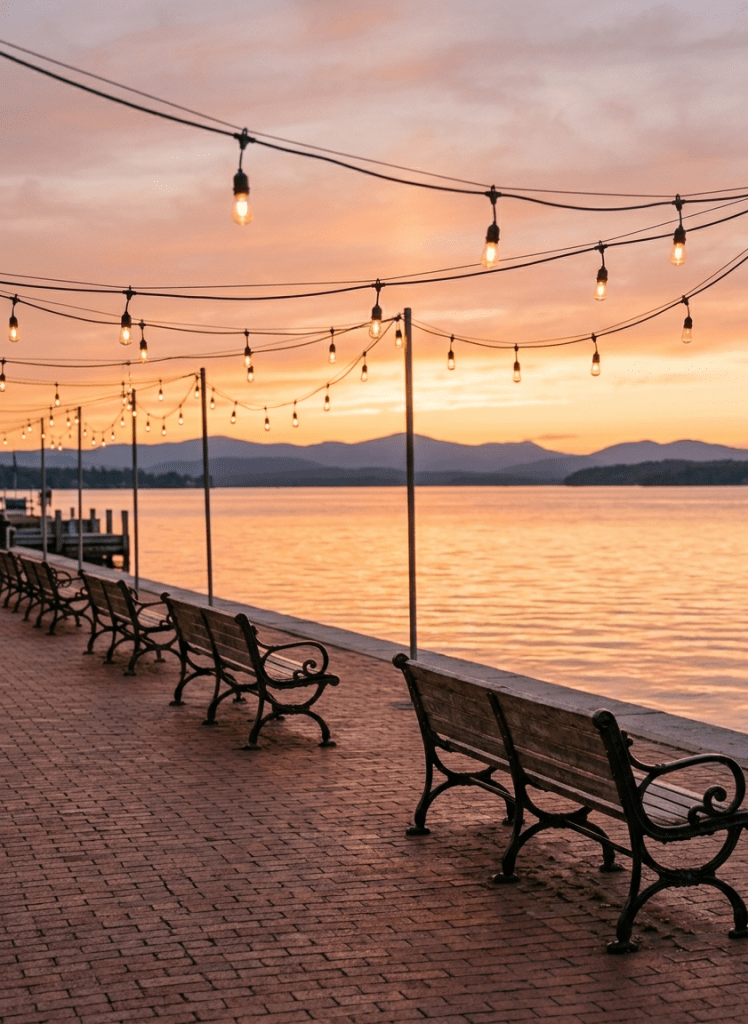
    sunset over a lake

    Vermont Days: Free Admission at State Parks and Historic Sites (June 10 and 11)

    Vermont Days is one of those events that locals sometimes take for granted but really should not. For two full days in mid-June, the Vermont Department of Forests, Parks and Recreation opens state parks for free. That means day-use fees are waived at parks across the state, and many historic sites join in with free or discounted admission as well.

    If you have been meaning to finally visit Elmore State Park, Smugglers Notch State Park, or any of the other gems scattered across northern Vermont, this is the weekend to do it. The crowds are manageable compared to peak July and August, the greenery is at its absolute richest, and everything feels fresh in a way that mid-summer heat tends to flatten out.

    For families especially, Vermont Days is worth circling on the calendar. Packing a picnic, hiking a trail, and swimming in a lake without paying a park entry fee feels like a genuine gift from the state. It is also a good nudge for people who are new to Vermont or thinking about relocating here, to get out and actually see how much natural beauty is within an hour of almost anywhere in the state.

    Saint Johnsbury Pet Parade (June 6)

    I know this one sounds quirky, but bear with me. The Saint Johnsbury Pet Parade is in its 76th year in 2026, and it is exactly the kind of thing that makes you understand why people love small-town Vermont. This is a real community event, not a performative one. Registration opens at 8:30 in the morning at the Fairbanks Museum, the parade lines up at 9:30, and it steps off at 10 sharp.

    This year’s theme is celebrities, which means you will see dogs dressed as pop stars, cats in tiny suits, and probably a few animals the owners will describe as “inspired by” someone famous. It is the kind of event where the joy is completely unironic, and that is exactly why it works.

    Saint Johnsbury itself is worth the trip even if you time it wrong. The Fairbanks Museum and Planetarium is one of those places that stops you in your tracks, and the Athenaeum down the street has an art gallery that feels almost impossibly good for a town this size. If you are considering a move to the Northeast Kingdom, this is a solid introduction to what makes the area feel like home.

    Quechee Hot Air Balloon, Craft and Music Festival (June 19 to 21)

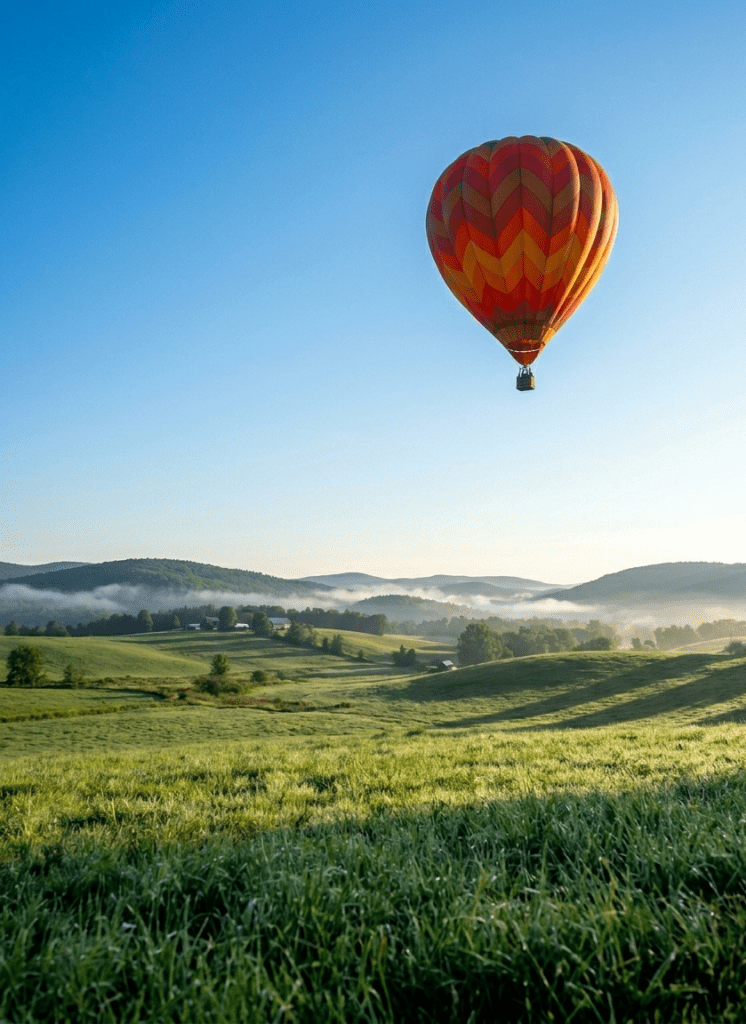
    The Quechee Balloon Festival is the longest-running hot air balloon festival in New England, and it earns that title every single year. Watching a dozen or more balloons rise over the Upper Valley on a clear June morning is one of those Vermont experiences that photographs cannot fully capture. The scale of it, the quiet inflation, the way they drift, it is genuinely something.

    Beyond the balloons, the festival includes tethered and untethered balloon rides, live music, and more than 50 craft and vendor booths. There is a kids zone, food vendors, and a beer and wine garden. It is the kind of full weekend event where you can arrive on Friday evening and still feel like you have not seen everything by Sunday afternoon.

    Quechee is in the Upper Valley, which puts it closer to the New Hampshire border than to Burlington, but it is an easy drive from most of central Vermont. The village itself is charming, and Quechee Gorge is right nearby if you want to tack on a short hike. June 19 to 21 is a solid weekend to build a trip around if you are coming from out of state, especially since the weather in late June tends to cooperate.

    hot air balloon over rolling hills

    Wellwood Orchards Strawberry Festival (June 20)

    There are few things more Vermont than a strawberry festival at a working orchard, and the Wellwood Orchards Strawberry Festival in Springfield delivers. This is a one-day event on June 20, and it is the kind of thing that sells out or fills up quickly, so plan accordingly.

    Wellwood is a real working orchard with a long history in the Springfield area. The strawberry festival celebrates the early summer harvest in a way that feels genuinely agricultural rather than just themed. Expect fresh strawberries, strawberry shortcake, and the kind of relaxed farm atmosphere that is hard to manufacture anywhere else.

    Springfield sits in the Okemo Valley region, which gives you good options for combining the festival with a longer trip. There are hiking trails, quiet roads for cycling, and enough small towns nearby to make a whole weekend out of it. If you are a fan of farm-to-table eating or you just want to taste something that was growing in Vermont soil two days ago, this one is worth the drive.

    Naulakha Estate Rhododendron Tour, Dummerston (June 5 to 7)

    This one is more niche, but it is genuinely special. The Naulakha Estate in Dummerston is the former home of Rudyard Kipling, who lived there in the 1890s and wrote The Jungle Books on the property. The estate is normally accessible only to overnight guests through Landmark Trust USA, but every June it opens to the public for the annual Rhododendron Tour.

    The main draw for garden lovers is the famous rhododendron tunnel, which runs the length of a football field and is at peak bloom in early June. The grounds include sweeping views of the Vermont countryside, and the house itself is a fascinating piece of literary history.

    On Friday June 5, there is an evening cocktail party with access to the estate, hors d’oeuvres, and live music. Saturday and Sunday are self-guided day tours from 10 AM to 4:30 PM. You can bring a picnic and spend the afternoon at your own pace. It is a rare chance to see a property that is usually very private, and the setting is as beautiful as the history is interesting.

    Community Concerts on the Green, Middlesex (Weekly Through September)

    This one is less of a single event and more of a reason to keep coming back. Community Concerts on the Green in Middlesex runs weekly from late May through early September, and the June dates are some of the best. The setting is exactly what it sounds like: a town green, folding chairs, people showing up with blankets and coolers, and live music that tends to skew local and genuinely good.

    These concerts are free, family-friendly, and low-key in the best way. There is no big production behind it. It is just community showing up for community, which is something Vermont does quietly but consistently well. If you are new to the area or visiting from somewhere more urban, it is a good way to feel what the social fabric here actually feels like on a Tuesday evening.

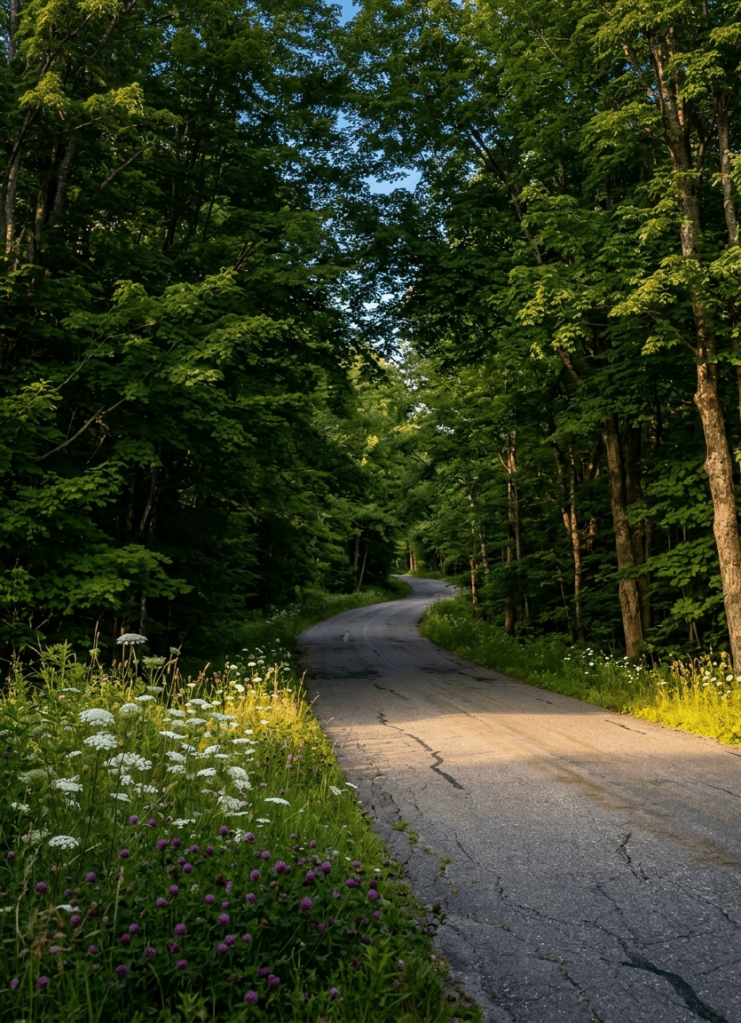
    vermont backroad in the summer

    Planning a June Trip to Vermont: A Few Practical Notes

    June in Vermont does fill up, especially around big events like the Jazz Festival and the Balloon Festival. If you are planning a trip around one of these events, book accommodations early. Small inns, bed and breakfasts, and vacation rentals in and around Burlington, Stowe, and the Upper Valley tend to go quickly once the summer season kicks in.

    The weather in early June can still be unpredictable. Pack a layer even if the forecast looks warm, because Vermont evenings have a way of cooling down fast, especially in the hills. By the last week of June, you are usually in true summer territory, but early June mornings can still surprise you.

    Gas up before you head into more rural areas. It sounds obvious until you are halfway to Saint Johnsbury on a Saturday morning and realize the next station is further than you planned for. Vermont’s beauty is closely tied to its spaciousness, and spaciousness means a little more planning goes a long way.

    If you are exploring Vermont with an eye toward relocating here, June is one of the best months to visit. The communities are alive, the landscape is at its greenest, and you get a real sense of how people actually live here rather than just what the postcards show.

    June Is When Vermont Earns It

    Every season here has its argument. Fall has the foliage. Winter has the skiing. But June has this particular quality of arrival, where the state feels like it has fully opened up after months of holding back. The farms are running, the trails are clear, the events are stacking up on the calendar, and the days are long enough to fit more into them than seems possible.

    Whether you are coming for a weekend, planning a longer trip, or just looking for an excuse to finally get to that part of Vermont you have been meaning to explore, June gives you plenty of reasons to go.

    Pick one event and build around it. You will likely find more to do than you expected.

    Shop Green Mountain Peaks on Etsy

    Bring a little piece of Vermont into your home with our curated collection of gifts, apparel, and seasonal favorites. From cozy hoodies and crewnecks to Vermont-themed gift boxes and cookbooks, each item is designed to celebrate the Green Mountain spirit.

    • Vermont-inspired designs and gift sets
    • Printed and packaged with care
    • Ships directly to your door
    Visit Our Etsy Shop

    Discover gifts, apparel, and Vermont treasures made to share and enjoy year-round.
  • Spring Kayaking Guide: Explore Vermont’s Scenic Waterways

    Spring Kayaking Guide: Explore Vermont’s Scenic Waterways

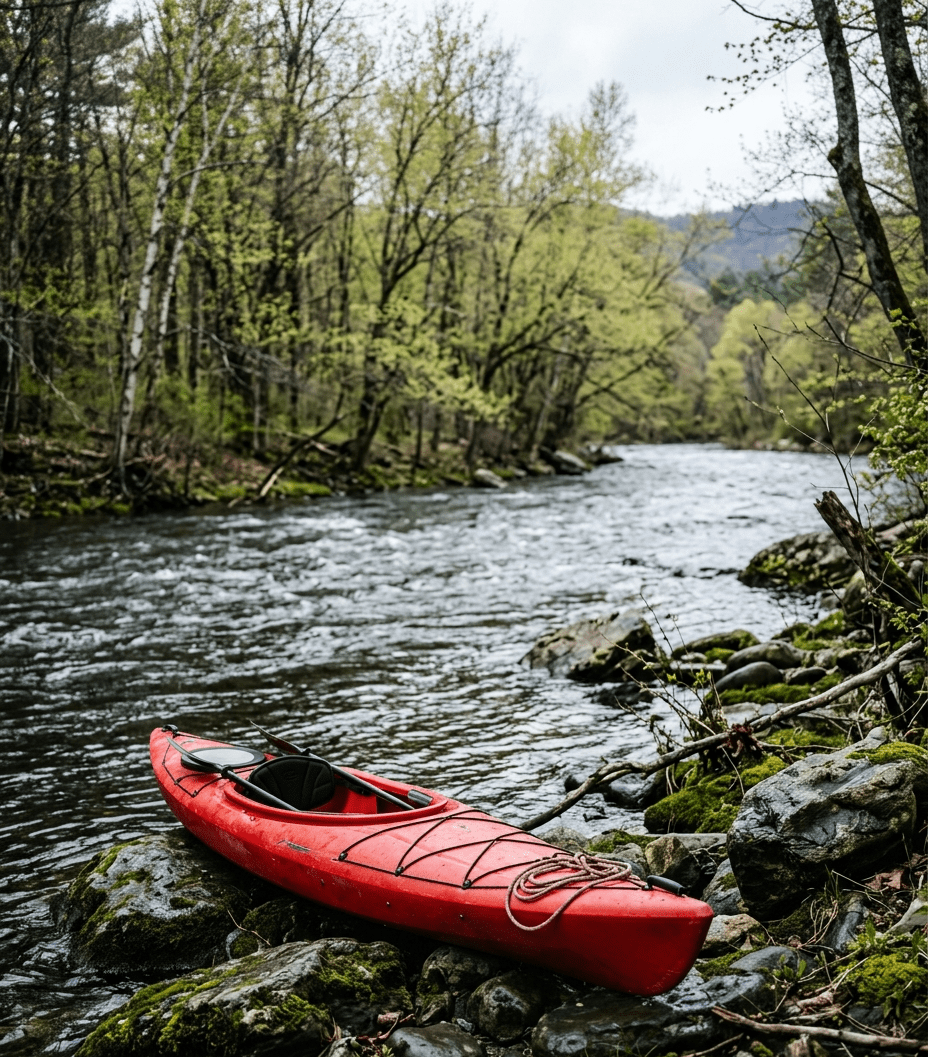
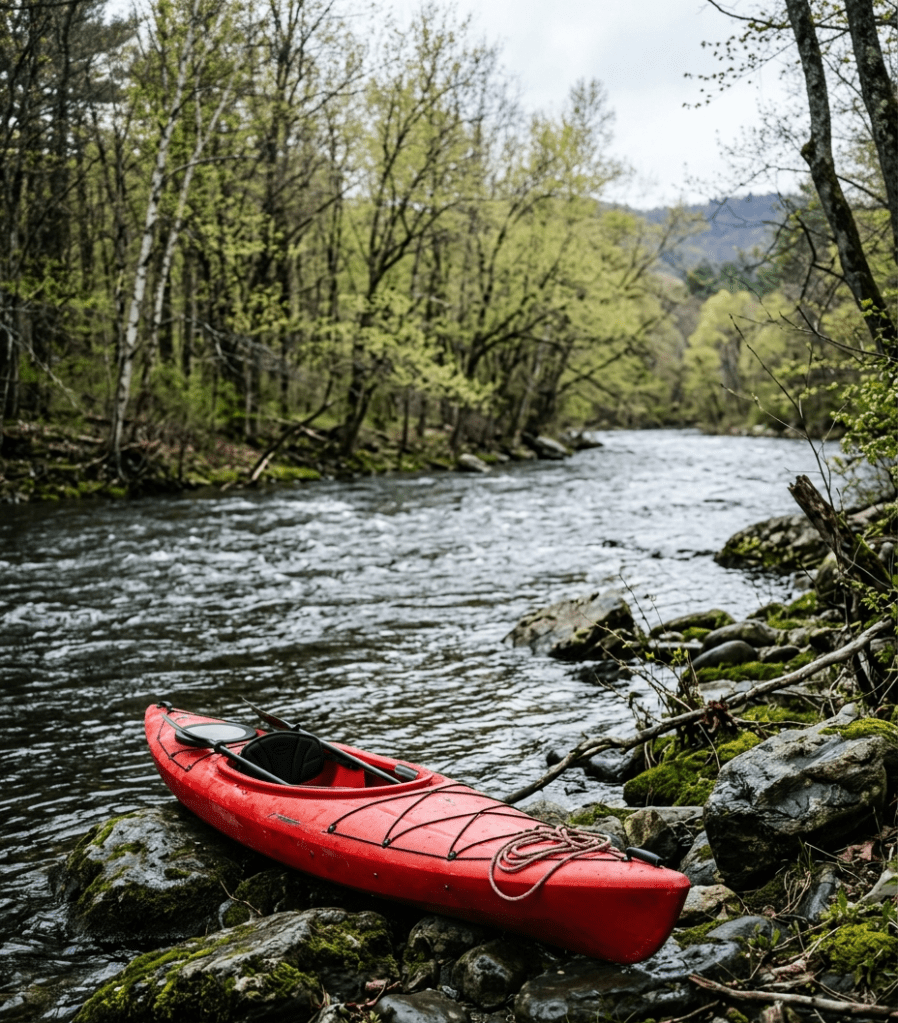
    kayak on river bank in vermont

    There is something about paddling in Vermont in the spring that feels almost stolen. The water is still cold enough to keep most people home, the trees are just starting to wake up, and the rivers are full and fast from snowmelt. If you time it right, you can spend an entire morning on the water without seeing another soul.

    I have been paddling Vermont’s rivers and lakes for years now, and spring is genuinely my favorite season to do it. Not because it is the easiest (it is not), but because everything feels alive in a way it simply does not in July. The birdsong is relentless. The water is crystal clear. And the Adirondacks and Green Mountains framing the horizon are still capped with snow while you are drifting through a valley turning green.

    Whether you are a seasoned kayaker looking for moving water, a casual paddler hoping for a calm lake morning, or someone brand new to the sport visiting Vermont for the first time, there is a perfect spot here for you. This is my honest rundown of the best rivers and lakes for spring paddling in Vermont, built from real time on the water and conversations with people who know these places well.

    Why Spring Is Such a Good Time to Paddle in Vermont

    The obvious reason is water levels. Vermont rivers are at their most dramatic in April and early May, fed by snowmelt from the mountains and the wet shoulder-season weather. Rivers that feel lazy and shallow by August are powerful and exciting in the spring.

    But the less obvious reason is the scenery. Spring in Vermont happens fast. One week the hillsides are bare gray and brown, and the next they are covered in the most electric shade of green you have ever seen. Paddling through that transition, especially in early May, is genuinely one of the most beautiful things you can do in this state.

    One thing to keep in mind: spring paddling requires a little more preparation than summer paddling. Water temperatures are cold, often in the 40s and low 50s. If you are paddling moving water, you should wear a wetsuit or drysuit, bring a partner, and check water levels before you go. The USGS Water Resources website and American Whitewater both have real-time gauge data for Vermont rivers. Check them before every trip.

    The Best Rivers for Spring Paddling in Vermont

    The Lamoille River

    The Lamoille is close to home for me, and it is honestly one of the most underrated paddling rivers in the state. It runs from Greensboro all the way to Lake Champlain, and different sections offer completely different experiences depending on what you are looking for.

    For beginners or anyone wanting a relaxed float, the stretch between Johnson and Morrisville is gentle and scenic. You pass through farmland and forest, and the views back toward Sterling and Elmore are stunning in the spring. Experienced paddlers tend to head farther upstream for more technical water, but I would not overlook the lower sections just because they are calm.

    The Lamoille corridor is also one of the best places in the state for spring bird watching from the water. I have spotted great blue herons, ospreys, and mergansers on a single morning trip through there in May. Bring waterproof binoculars if you have them.

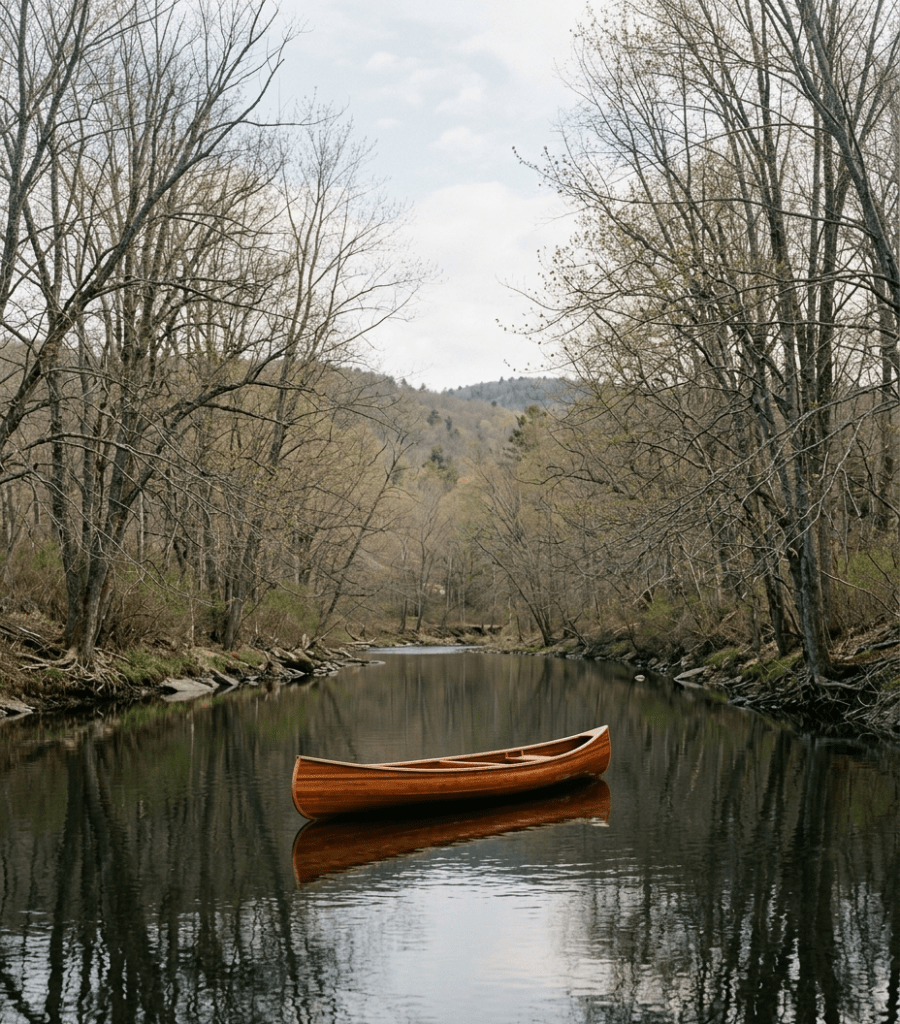
    canoe floating in Vermont river

    The Mad River

    The Mad River runs through the Mad River Valley, which is already one of Vermont’s most beloved pockets. In the spring, the river earns its name. Water levels are high, the current is strong, and several stretches offer genuine whitewater for intermediate and advanced paddlers.

    The section near Waitsfield is a local favorite. It is accessible, has good put-in and take-out points, and gives you enough of a challenge to feel it in your shoulders by the time you are done. The valley walls are steep and forested, so even on a gray spring day it feels dramatic.

    If you are newer to rivers, I would recommend waiting until mid-May when levels drop a bit, or sticking to the calmer lower stretch near the confluence with the Winooski. The Mad in April is not a beginner river.

    The Winooski River

    The Winooski is one of Vermont’s great rivers, and it cuts a beautiful path from the Northeast Kingdom through the heart of the state before emptying into Lake Champlain near Burlington. There are dozens of possible put-in points depending on what kind of paddling you want.

    The stretch between Montpelier and Waterbury is particularly good in the spring. You get a mix of flatwater and mild riffles, farmland and wooded gorges, and easy access in and out. It is a great full-day trip for intermediate paddlers who want to cover some distance without any gnarly whitewater.

    Closer to Burlington, the river flattens out and widens as it approaches the delta. Paddling the lower Winooski in May, watching the river grass fill in and the red-winged blackbirds stake out territory in the cattails, is one of those Vermont experiences that quietly becomes a favorite memory.

    The West River

    If you are willing to drive south, the West River in Windham County is one of the great spring whitewater destinations in New England. The Ball Mountain Dam release schedule, managed by the Army Corps of Engineers, creates some of the best predictable whitewater conditions in Vermont.

    The section between Jamaica State Park and Townshend is the classic run. Class II and III rapids, big scenery, and the kind of organized paddling energy you get when a spot has a real local community around it. Jamaica State Park also has camping, which makes a weekend trip easy to plan.

    Check release schedules before you go. Paddling the West without a release is a very different experience than paddling it during one.

    The Best Lakes for Spring Paddling in Vermont

    Lake Champlain

    Lake Champlain is an obvious answer, but it deserves the mention because it is genuinely one of the most spectacular paddling environments in the entire northeastern United States. The lake stretches 120 miles, borders Vermont and New York, and dips into Quebec. There is a lifetime of paddling here.

    In the spring, the lake can be moody and dramatic in the best possible way. The winds are unpredictable, so paddling close to shore and in the protected bays is the smart move, especially in April. The Inland Sea, the shallow northern section between Grand Isle and the mainland, is perfect for spring paddling. It warms up faster than the main lake, the bays offer wind protection, and the views toward the Green Mountains to the east are flat-out beautiful.

    Sand Bar State Park in Milton has one of the best put-in spots on the lake, and the paddle across to Sand Bar Wildlife Area and back is a lovely morning trip. Watch for loons on the water in May. They come back to Lake Champlain to nest every spring and their calls across the water are something you will not forget.

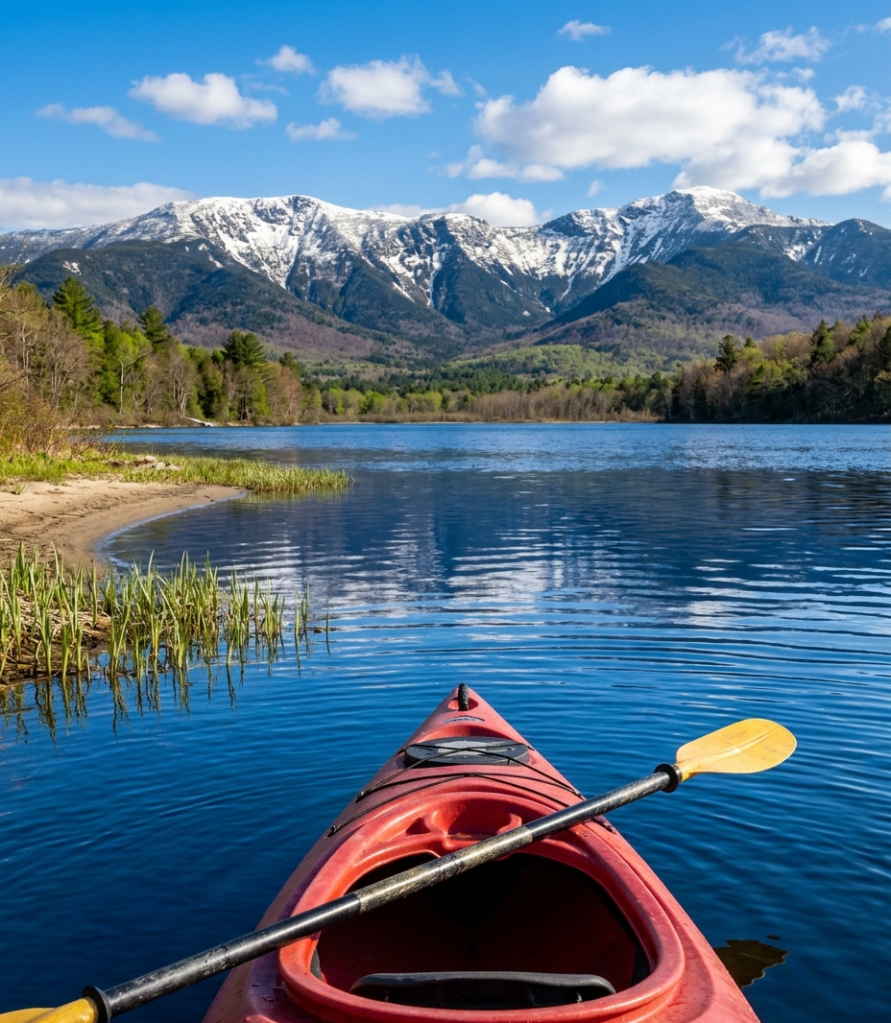
    kayak with snow capped mountains

    Waterbury Reservoir

    Waterbury Reservoir sits between Waterbury and Stowe, surrounded by state forest. It is calm water, reliably pretty, and because it is off the main tourist circuit, you often have it mostly to yourself in the early season.

    The reservoir is long and narrow, which makes it ideal for kayaking and stand-up paddleboarding. You can launch from the public access area at the north end and paddle south into the quiet coves and forested shoreline. On a clear May morning with Camel’s Hump visible above the treeline, it is genuinely hard to believe you are only ten minutes off the highway.

    Water temperatures are cold through most of May, so dress accordingly. But the flat water and the protected setting make this one of the more forgiving spring paddles in the state for newer paddlers who are not ready for rivers yet.

    Lake Elmore

    Lake Elmore in Lamoille County is one of my personal favorites for a spring morning. It is small and manageable, easy to circumnavigate in a couple of hours, and the state park has a good public launch. Mount Elmore rises straight up from the southeastern shore, and the reflections on still water in the early morning are the kind of thing that makes people reach for their cameras.

    Because it is smaller and relatively shallow, Lake Elmore warms up faster than the bigger bodies of water, which means paddling conditions are comfortable a little earlier in the season. It is a great place to take someone who has never been on the water before. Accessible, peaceful, and quietly stunning.

    Groton State Forest Ponds

    Groton State Forest in Caledonia County is one of Vermont’s least visited gems, and the collection of ponds inside the forest (Ricker Pond, Lake Groton, Noyes Pond, and others) are perfect for spring flatwater paddling. Loons nest here. The forest is dense and the shorelines are largely undeveloped. It feels remote in a way that very few places within two hours of Burlington actually feel.

    Lake Groton is the largest of the group and has a public boat launch. Ricker Pond State Park has camping. If you are looking for a spring paddling trip that doubles as a quiet overnight getaway, this is one of the best options in the state.</p

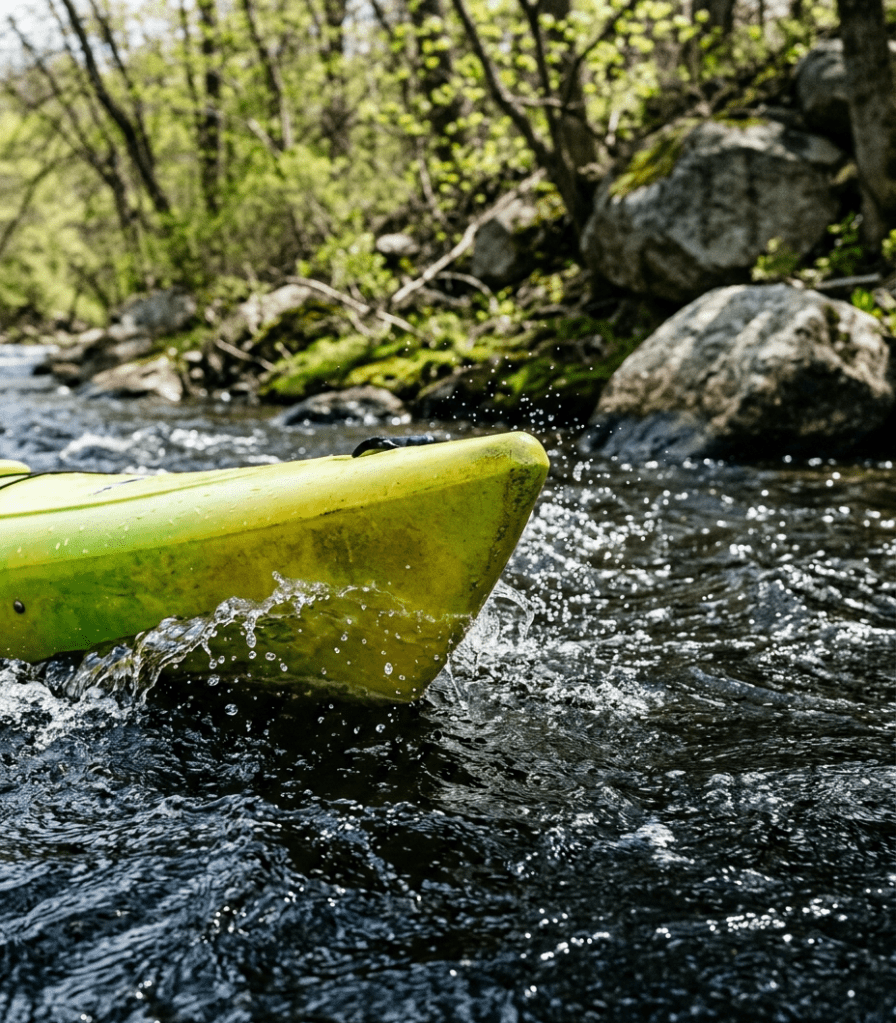
    yellow kayak with water splashing over it

    A Few Practical Things Worth Knowing

    Where to Rent Gear in Vermont

    If you do not own a kayak or canoe, there are good rental options around the state. Umiak Outdoor Outfitters in Stowe has been outfitting Vermont paddlers for decades and they know the local water as well as anyone. Several state park campgrounds also offer canoe and kayak rentals, including those at Groton State Forest and Burton Island State Park on Lake Champlain.

    Stand-up paddleboards have become popular at a lot of Vermont lakes, and you can find SUP rentals near most of the major lakes during the warmer parts of spring.

    Checking Conditions Before You Go

    For rivers, always check current gauge levels at waterdata.usgs.gov before you paddle. American Whitewater (americanwhitewater.org) has Vermont-specific river guides with recommended gauge levels for each run. For lakes, local wind and weather forecasts matter a lot, especially on Lake Champlain where conditions can change quickly.

    Water temperatures on Vermont lakes and rivers in April and early May are typically in the 40 to 52 degree range. Cold water immersion is genuinely dangerous. Wear a wetsuit or drysuit on moving water, always wear a PFD, and paddle with a buddy until conditions warm up in late May and June.

    Leave the Place Better Than You Found It

    Vermont paddlers tend to have a strong ethic around the water. Pack out everything you bring in, stay off sensitive shoreline vegetation, and give nesting birds a wide berth in the spring, especially loons and herons. These places feel wild and clean because people treat them that way.

    Getting Out There

    Spring paddling in Vermont is one of those experiences that stays with you long after the season is over. The cold air, the high water, the way the whole landscape feels like it is just waking up. There is nothing quite like it, and you do not need to be an expert paddler to enjoy it.

    Pick one of the calmer lakes for your first spring outing. Get comfortable with the gear and the conditions. Then work your way toward the rivers when you are ready. Vermont has more good water than most people realize, and most of it is right there waiting.

    Spring does not last long here. It is worth getting out while you can.

    Shop Green Mountain Peaks on Etsy

    Bring a little piece of Vermont into your home with our curated collection of gifts, apparel, and seasonal favorites. From cozy hoodies and crewnecks to Vermont-themed gift boxes and cookbooks, each item is designed to celebrate the Green Mountain spirit.

    • Vermont-inspired designs and gift sets
    • Printed and packaged with care
    • Ships directly to your door
    Visit Our Etsy Shop

    Discover gifts, apparel, and Vermont treasures made to share and enjoy year-round.
  • The Magic of Vermont’s Spring Fire Pit Evenings

    The Magic of Vermont’s Spring Fire Pit Evenings

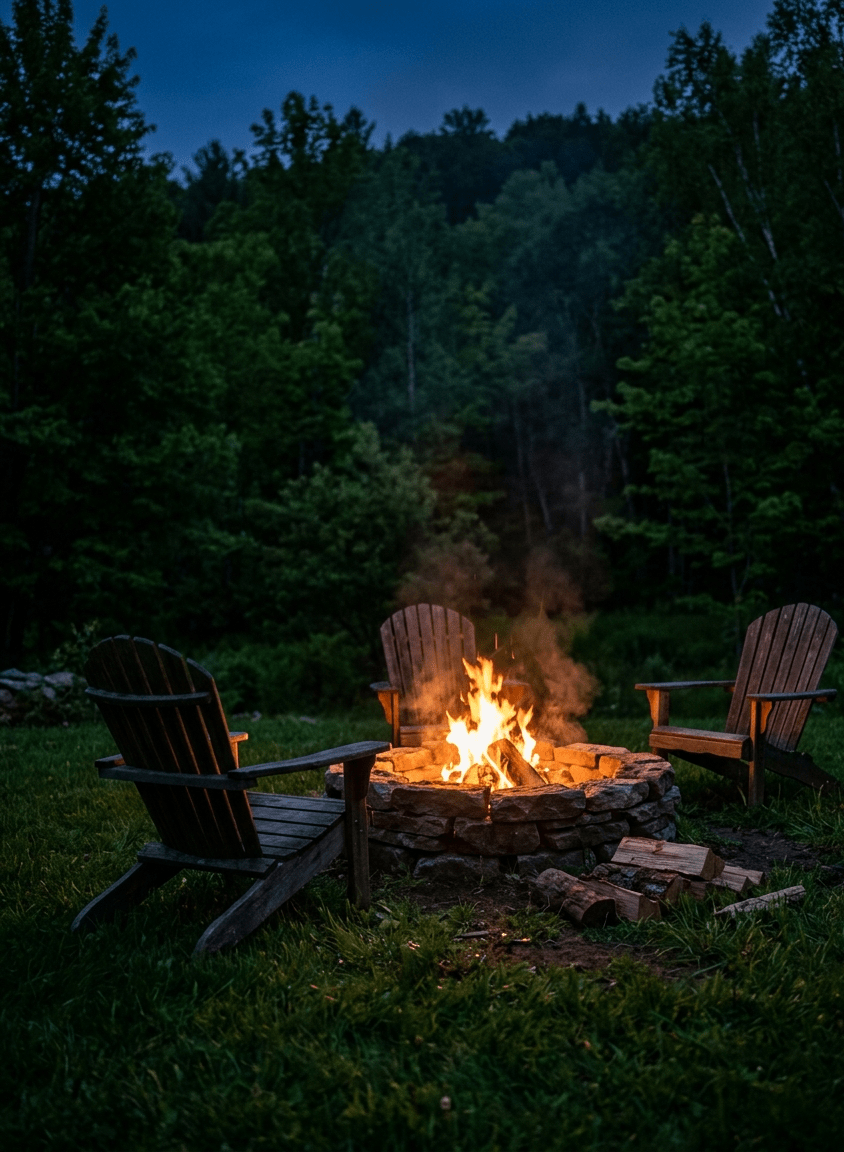
    There is a moment every spring in Vermont when you know the season has actually turned. It is not the calendar date, and it is not the first warm afternoon. It is the evening you finally drag the chairs back out to the fire pit, stack some wood, and light it without feeling like you are rushing the season.

    That moment usually comes somewhere in May, after mud season has done its worst and the ground has firmed up enough to stand on without losing a boot. The air still has a bite to it after the sun goes down. The peepers are going full volume in whatever wet patch is nearest to your yard. And the fire feels like exactly the right response to all of it.

    This is one of my favorite Vermont rituals, and it does not get talked about nearly as much as foliage or maple season. But if you live here, or if you have spent a real stretch of time here in the warmer months, you know exactly what I mean.

    When the Fire Pit Comes Back Out

    Mud season in Vermont is real and it is humbling. From late March through most of April, the ground is saturated, the dirt roads are soft, and everything feels a little suspended. You are not quite in winter anymore but you are not in spring either. You are just waiting.

    When it finally breaks, it breaks fast. The grass starts to green up almost overnight. People are outside again. And the first fire of the season feels less like a choice and more like a necessity, a way of marking the shift and celebrating the fact that the long part is over.

    There is something about that first fire in May that tastes better than any fire in July. Maybe it is the relief. Maybe it is the contrast with what just came before. Either way, it sets the tone for the whole season ahead.

    The People Who Appear

    Fire pits have a gravity to them that I cannot fully explain. Light one in your backyard and people materialize. Not because you planned anything or sent a message, just because there is a fire and that is enough of a reason.

    Neighbors you have waved to all winter end up pulling up a chair. Someone brings something to drink. Someone else shows up with food. By the time it is fully dark you are deep into a conversation that started nowhere in particular and went somewhere good, and nobody is checking their phone because there is no reason to.

    Vermont evenings in late May and June have a particular quality that I think people who visit in the summer sometimes miss because they are here for the daytime version of the state. The evenings are long and cool and quiet in a way that feels specific to this place. There is still a chill after the sun drops, just enough that the fire stops being decorative and starts being genuinely useful.

    That balance, warm enough to be outside, cool enough to want the fire, is the sweet spot. It usually lasts through June and into early July before the actual summer heat settles in.

    What We Cook Over It

    I am going to be honest: once you get comfortable cooking over a real fire, the gas grill starts to feel like a shortcut. Food cooked over open flame is different. There is smoke involved, and patience, and a kind of attention that does not feel like work because you are already sitting outside with a drink and good company.

    I have been cooking over the fire at home using the open fire grill from OakStoke Steelworks. It stakes into the ground, swings over the fire, and handles actual flame without any issues. For anyone who takes the cooking side of this seriously, it is worth looking into. But a simple grate works fine if you are just getting started.

    The ingredients matter more than the equipment anyway. Vermont in spring and early summer has good things to cook. Local farms are starting to have product again. The farmstand down the road is open. You do not need to plan much.

    A Few Things Worth Cooking Over a Real Fire This Time of Year

    • Asparagus in a cast iron skillet with butter and a little salt. Vermont asparagus season is short and it is worth doing this at least once while it lasts.
    • Sausage from a local farm cooked low and slow over the coals. The difference between this and a grocery store product is significant and worth paying for.
    • Foil packet potatoes with onion, olive oil, and whatever herbs you have. Bury them near the coals for forty minutes and let them do their thing.
    • Early corn in the husk laid directly on the grate. It steams in its own leaves and comes off the fire tasting like summer.

    None of this is complicated. The fire does most of the work. You just have to be willing to slow down enough to let it.

    Vermont Evenings in May and June Are Their Own Thing

    Peak foliage gets all the attention when people talk about Vermont seasons, and fair enough. But I would put a clear June evening up against any foliage weekend for the quality of being here. The light lasts until almost nine. The hillsides are that particular shade of green that only shows up for a few weeks before it deepens and settles into summer. The air smells like it just rained even when it did not.

    Early summer in Vermont also comes with sound. Peepers in May give way to the full chorus of June nights, birds going until dark, the occasional distant loon if you are near water. Sitting outside with a fire going while all of that is happening around you is an experience that I think people who only visit Vermont in fall or ski season are genuinely missing.

    There is also something to be said for how uncrowded it is. June in Vermont, outside of graduation weekends and holiday weekends, is quiet. The tourist wave has not really arrived yet. The roads are open. The restaurants have tables. It is the locals’ season, and the fire pit is very much part of it.

    You Do Not Need Much to Make This a Habit

    The tendency to over-engineer the fire pit is real and worth resisting. You do not need a purpose-built outdoor living space or matching furniture or any of the things that get marketed alongside this lifestyle. You need wood, something to contain the fire, a few chairs that are already outside, and enough time to let it burn for a couple of hours.

    In Vermont you can usually find good hardwood within ten minutes of wherever you are. Birch and maple are both common, both burn well, and both smell like exactly what a Vermont fire should smell like. The rest of it is just showing up and letting the evening do what evenings here do.

    Once you do it a few times it becomes a weekly thing without really deciding to make it one. Someone texts to ask if you are having a fire and you realize you were already planning on it. That is when it stops being an activity and starts being just how you live.

    This Is the Part of Vermont Living That Is Hard to Explain

    Vermont has a reputation for being slow and a little resistant to urgency, and I think that reputation is accurate and worth protecting. This is a state that still runs on town meetings and dirt roads and people who grow things and fix things and know their neighbors by name. The backyard fire fits right into that world.

    It is slow. It cannot be rushed without ruining it. It asks you to sit still and stay a while and not have a plan beyond the fire burning down. That is either frustrating or exactly what you needed, and most people who end up loving Vermont eventually figure out that it was the latter.

    If you are visiting Vermont this spring or summer, try to build a fire pit evening into your trip somewhere. If you are thinking about moving here, know that this is part of what the life actually looks like on an ordinary Tuesday in June. It is not dramatic or photogenic in an obvious way. It is just really, really good.

    The chairs are already out. The wood is stacked. Tonight seems like the right night.