Discover Vermont, One Story at a Time 🏔️

Local culture, season adventures, small towns,
and the honest side of life in the Green Mountains


Category: vermont lifestyle

Discover the heart of Vermont living. From small-town charm and local traditions to seasonal adventures, cozy corners, and community stories, this section explores what makes life in the Green Mountains so unique, authentic, and beautifully simple.

  • Discovering the Hidden Charms of Vermont’s Northeast Kingdom

    Discovering the Hidden Charms of Vermont’s Northeast Kingdom

    A wide open Vermont landscape in the Northeast Kingdom, looking out across rolling forested hills and farmland under a pale blue autumn sky, golden light raking across the scene from a low angle, a weathered red barn partially visible at the edge of the frame

    The Northeast Kingdom is where Vermont’s distances get longer and the land gets bigger. Here’s what living there is like, from land and outdoor access to long drives, the local economy, and serious winters.

    I’ve updated this post and moved it to my real estate site. Read the full post on soldoutvermont.com: https://soldoutvermont.com/blog/living-in-vermonts-northeast-kingdom/

  • Discover Vermont: Authentic Experiences Off the Beaten Path

    Discover Vermont: Authentic Experiences Off the Beaten Path

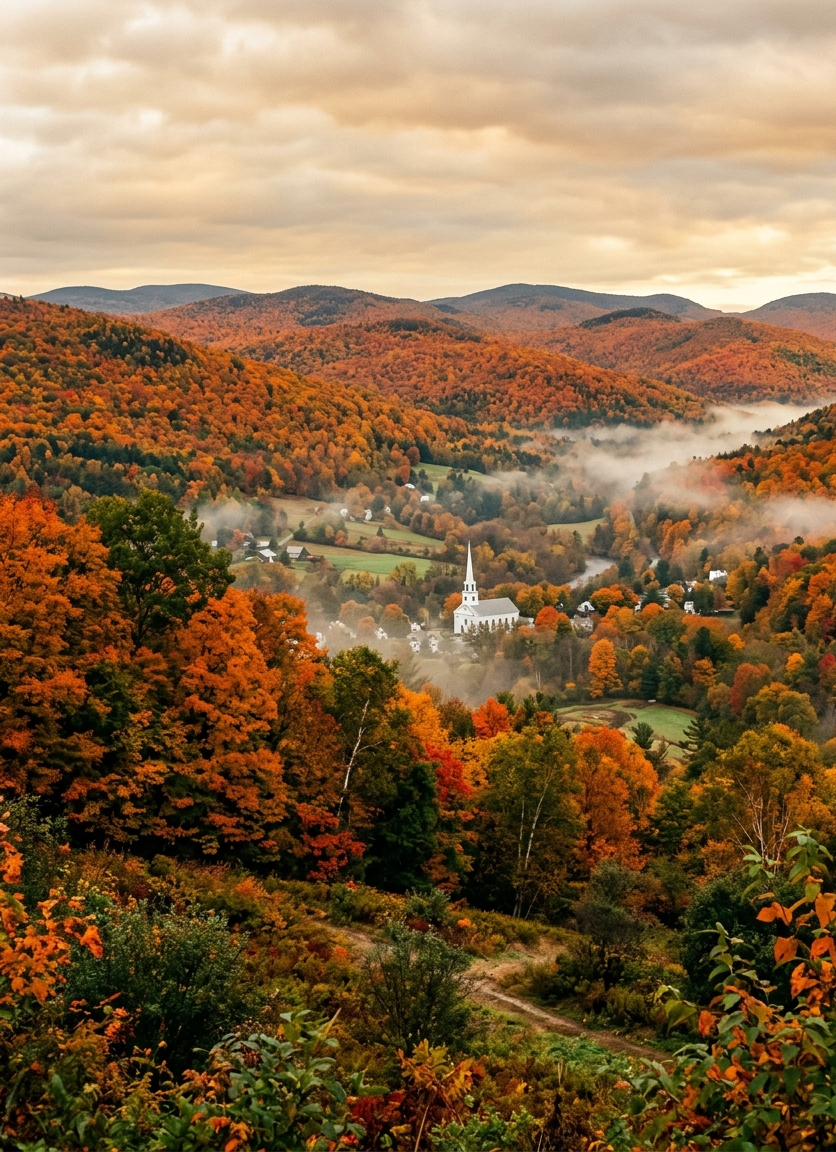
    autumn in vermont

    Vermont has a way of sneaking up on you. You come for a long weekend, maybe just to catch the fall foliage or ski a few runs, and then you find yourself standing at the edge of a covered bridge or eating the best bowl of cheddar soup you have ever tasted and thinking: I need more time here. There is always more time needed in Vermont.

    Whether you are visiting for the first time, spending a season here, or you have lived in the Northeast Kingdom your whole life and somehow still have not done everything on this list, consider this your guide. These are twenty things worth doing in Vermont before you go. Not tourist traps. Not the same recycled list you find everywhere. Just the real stuff.

    The Classics That Deserve Their Reputation

    1. Watch the Foliage From a Back Road

    Everyone talks about fall foliage in Vermont, and yes, the hype is real. But the difference between a foliage experience and a foliage memory is the road you take. Skip Route 100 on a Saturday in October and instead wind through Craftsbury, Greensboro, or the hills above Johnson. Pull over when the urge hits. There is no rush here.

    2. Eat a Maple Creemee

    Soft serve made with real Vermont maple syrup is not something you can replicate at home. It is creamy in a way that feels almost unfair. Find one at a local farm stand or sugarhouse rather than a chain. The ones sold roadside near a working sugarbush taste noticeably better, and half of that is probably just the setting.

    3. Visit a Working Sugarhouse in March

    Mud season gets a bad reputation, but early spring is when Vermont’s most iconic tradition comes alive. Sugarhouses across the state open their doors during sugaring season, and you can watch the whole process up close, smell the steam rolling off the evaporators, and taste fresh maple syrup poured over snow. The Vermont Maple Sugar Makers Association keeps an updated list of open farms each year.

    4. Cross a Covered Bridge on Foot

    Vermont has more than a hundred covered bridges still standing, and the experience of walking through one quietly, no car rushing past, is something completely different from driving through. The bridges near Stowe, Montgomery, and Northfield are particularly beautiful in any season. Stop in the middle and just listen to the water below.

    covered bridge in autumn in vermont

    Get Into the Vermont Outdoors

    5. Hike to a Fire Tower

    Vermont has several old fire lookout towers that are still climbable, and the views from the top are worth every step. Spruce Mountain in Plainfield, Elmore Mountain in Lake Elmore, and Belvidere Mountain up in Eden each offer a different experience. Clear days reward you with views that stretch into New Hampshire, New York, and Canada.

    6. Swim in a Swimming Hole

    Vermonters guard their swimming holes with a certain quiet loyalty, and you understand why the moment you arrive at one. Cold, clear water fed by mountain streams, rocks to jump from, and an informal social code that basically amounts to: be cool and leave no trace. Bingham Falls near Stowe is a well-known one. The falls at Texas Falls in Hancock are also worth the short walk in.

    7. Ski or Snowboard a Classic Vermont Mountain

    Stowe and Killington get most of the attention, and rightfully so. But there is something to be said for a smaller mountain on a quiet Tuesday in January when the lift lines are nonexistent. Mad River Glen is co-op owned, single-chair, and proudly old school. Bolton Valley stays uncrowded and has terrain that surprises you. Pick the one that fits your style and go more than once.

    8. Paddle a Lake at Sunrise

    Lake Champlain is the obvious choice, and it is magnificent. But smaller lakes like Caspian Lake in Greensboro, Shadow Lake in Glover, or Elmore Lake offer a stillness that is hard to find anywhere else. Get out early, before the wind picks up, and you will understand what people mean when they say Vermont has a quietness that feels alive.

    9. Walk a Stretch of the Long Trail

    The Long Trail is the oldest long-distance hiking trail in the country, running 273 miles from the Massachusetts border to the Canadian line. You do not need to thru-hike it to appreciate it. Pick a section, pack lunch, and spend a half day in the Green Mountains. The stretch around Mount Mansfield or the Camel’s Hump ridge line gives you classic Vermont alpine scenery without requiring a week off work.

    summer hiking trail in vermont

    Dig Into Vermont Food and Drink

    10. Do a Vermont Cheese Tour

    Vermont is home to more than 50 artisan cheesemakers, and many of them welcome visitors. Cabot is the most famous name, but places like Jasper Hill Farm in Greensboro Bend, Neighborly Farms in Randolph Center, and Consider Bardwell Farm near Manchester are equally worth visiting. Buy something wrapped in paper, take it home, and eat it with crackers and local honey.

    11. Have Breakfast at a Diner That Has Not Changed in Decades

    There are still diners in Vermont where the coffee comes in a ceramic mug before you even ask, where the pie is made by someone in the back, and where the booths are vinyl and the floor is linoleum. The Miss Lyndonville Diner, the Blue Benn in Bennington, and Miss Bellows Falls Diner all carry that energy. Arrive hungry.

    12. Drink a Vermont Craft Beer at the Source

    The Heady Topper pilgrimage to The Alchemist in Stowe is practically a Vermont rite of passage at this point. But beyond that, breweries like Hill Farmstead in Greensboro, Foam Brewers in Burlington, and Lost Nation in Morrisville are worth a visit on their own terms. Drink something draft that does not travel outside the state. That is the whole point.

    13. Eat a Full Meal at a Farm-to-Table Restaurant

    Vermont’s food scene punches well above its weight given the state’s size. Restaurants here have long-standing relationships with local farms, and it shows on the plate. Places like Hen of the Wood in Waterbury and Burlington, The Inn at Weathersfield, or even smaller spots tucked into places you would never expect offer meals that genuinely reflect the season and the region.

    Small Towns Worth Your Full Attention

    14. Spend a Saturday Morning in Stowe Village

    Most people come to Stowe for the mountain, but the village itself is worth slowing down for. Walk Main Street, pop into the independent shops, get coffee somewhere that is not a chain, and watch the locals do their weekend errands. The farmers market runs seasonally and is genuinely good. It is the kind of town that makes you understand why people move here and then never leave.

    15. Wander Woodstock and Actually Go Inside Something

    Woodstock is beautiful, and yes, it can feel a little polished. But it has real substance too. The Billings Farm and Museum is one of the best living history farms in New England. The covered bridge right in the center of town is the most photographed in Vermont for a reason. Give it more than a drive-through.

    16. Explore Burlington’s Church Street and the Waterfront on the Same Day

    Burlington is a small city that earns its reputation as one of the most livable places in the country. Church Street is the pedestrian shopping and dining corridor, and the waterfront sits along Lake Champlain with a bike path, views of the Adirondacks, and enough going on in summer to keep you there all day. The combination of the two in a single afternoon is a very good Vermont day.

    The Unexpected and the Underrated

    17. Find a Roadside Farm Stand and Buy Something You Did Not Plan On

    One of Vermont’s most underrated pleasures is the honor-system farm stand. A wooden box, a price list, and fresh produce or eggs sitting in the open air. They are everywhere once you start looking. Stop at one even if you do not need anything. It is the kind of small transaction that reminds you where food actually comes from.

    18. Visit During an Off-Season Weekend

    Mud season has a bad reputation, but a rainy April weekend in Vermont when the crowds are gone and the rivers are running full and the sugarhouses are still going is quietly one of the best times to be here. Same goes for that window between ski season and summer. Vermont off-peak is for people who really want to see it.

    19. Go to a Town Meeting or a Local Event

    Vermont still holds traditional town meetings, one of the oldest forms of direct democracy in the country. If you can attend one, do. Even if you are just passing through, local events like community suppers, contra dances, library fundraisers, and harvest festivals give you a version of Vermont that no amount of scenic driving will show you.

    20. Just Sit Somewhere and Do Nothing for a While

    Vermont has a pace that rewards stillness. Find a bench, a porch, a rock by the river, a field that overlooks hills you cannot name. Sit there without a destination and without your phone and let Vermont do its thing. That might sound like nothing, but it is actually the whole point of being here.

    One More Thing Before You Go

    This list could be twice as long and still leave things out. Vermont is the kind of place where the best moment you have might be the one you stumble into by accident, a conversation at a general store, a sunset you caught from a dirt road you took by mistake, a farm dog who joined you for part of your hike.

    Keep the list in your back pocket, but leave room for the stuff that is not on it.

    Shop Green Mountain Peaks on Etsy

    Bring a little piece of Vermont into your home with our curated collection of gifts, apparel, and seasonal favorites. From cozy hoodies and crewnecks to Vermont-themed gift boxes and cookbooks, each item is designed to celebrate the Green Mountain spirit.

    • Vermont-inspired designs and gift sets
    • Printed and packaged with care
    • Ships directly to your door
    Visit Our Etsy Shop

    Discover gifts, apparel, and Vermont treasures made to share and enjoy year-round.

  • Why Stowe, Vermont Is the Perfect Place to Live

    Why Stowe, Vermont Is the Perfect Place to Live

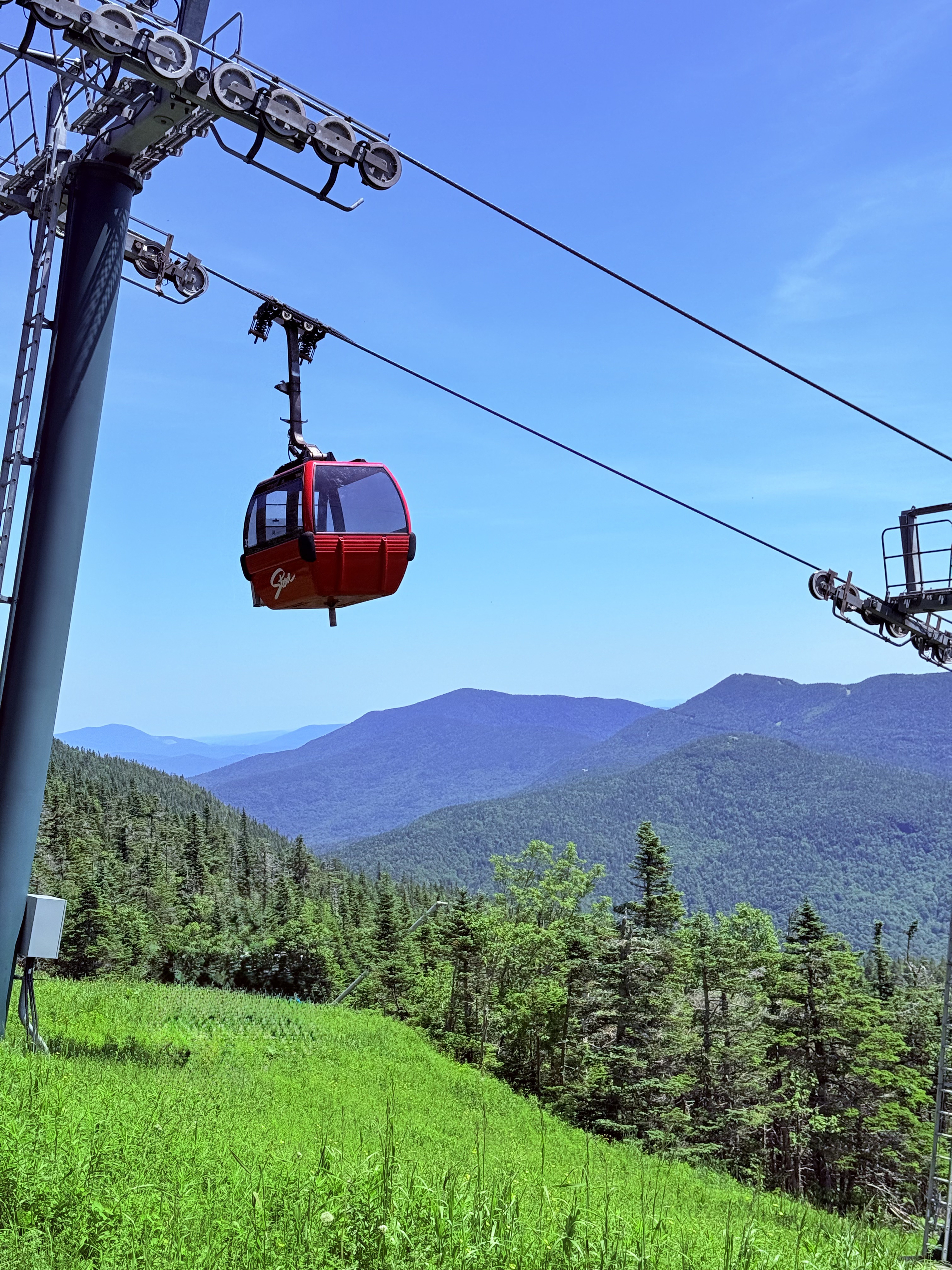
    Red gondola cabin above green slopes with mountain views at Stowe

    Stowe is a resort town with a working downtown, and daily life there runs on both. Here’s what living in Stowe is like through the year, from the recreation path and Mount Mansfield to local events.

    I’ve updated this post and moved it to my real estate site. Read the full post on soldoutvermont.com: https://soldoutvermont.com/blog/living-in-stowe-vermont/

  • Top Family Day Trips in Vermont for Summer Adventures

    Top Family Day Trips in Vermont for Summer Adventures

    Summer in Vermont is made for family adventures. From a swim at Warren Falls to a hike up to Sterling Pond, this post covers the best day trips across the state, including farms, rainy day options, and where to find the best maple creemees. Worth a bookmark if you have kids in tow this summer.

  • Unmissable June Activities in Vermont for 2026

    Unmissable June Activities in Vermont for 2026

    spring in vermont

    June is the month Vermont finally exhales. The mud season mud is gone, the black flies are winding down, and the whole state shifts into something that feels genuinely celebratory. If you have been waiting for the right moment to visit, or if you live here and want to actually make the most of the season, June gives you more reasons to get outside and show up somewhere than almost any other month.

    I have lived through enough Vermont Junes to know that the events calendar this time of year is not just filler. These are the kinds of gatherings that remind you why people move here, stay here, and drive three hours to get here on a Friday afternoon. Some are big enough to draw visitors from across New England. Others are the kind of small-town thing that you stumble into and never forget.

    Here is a honest look at the June Vermont events worth building a trip around in 2026, with a few notes on what makes each one feel like the real Vermont.

    Burlington Discover Jazz Festival (June 3 to 7)

    If you have never been to Burlington for the Discover Jazz Festival, put it on the list now. This is the 43rd year of the festival, and it has earned every bit of its reputation as one of the most beloved events in the state. The lineup spans free outdoor performances all over the city, from Church Street to the Waterfront Park, plus ticketed shows at The Flynn and other venues.

    What makes it special is how woven into the city it feels. You can be grabbing a coffee on Church Street and suddenly there is live jazz spilling out of a doorway. The performances happen at all hours and in all kinds of spaces, which means you end up discovering parts of Burlington you might not have found otherwise.

    This year’s festival is curated by Jason Moran, a MacArthur Fellow and pianist who has framed the whole thing around jazz as a living, evolving art form. That means the lineup leans adventurous, not just nostalgic. Plan to check the schedule ahead of time because the free shows go fast in terms of good spots, and the ticketed events can sell out well before the weekend.

    Burlington in early June is also just genuinely lovely. The lake is right there, the restaurants are fully back in season, and the evenings are long enough to walk the waterfront after a show and still catch the last of the light.

    sunset over a lake

    Vermont Days: Free Admission at State Parks and Historic Sites (June 10 and 11)

    Vermont Days is one of those events that locals sometimes take for granted but really should not. For two full days in mid-June, the Vermont Department of Forests, Parks and Recreation opens state parks for free. That means day-use fees are waived at parks across the state, and many historic sites join in with free or discounted admission as well.

    If you have been meaning to finally visit Elmore State Park, Smugglers Notch State Park, or any of the other gems scattered across northern Vermont, this is the weekend to do it. The crowds are manageable compared to peak July and August, the greenery is at its absolute richest, and everything feels fresh in a way that mid-summer heat tends to flatten out.

    For families especially, Vermont Days is worth circling on the calendar. Packing a picnic, hiking a trail, and swimming in a lake without paying a park entry fee feels like a genuine gift from the state. It is also a good nudge for people who are new to Vermont or thinking about relocating here, to get out and actually see how much natural beauty is within an hour of almost anywhere in the state.

    Saint Johnsbury Pet Parade (June 6)

    I know this one sounds quirky, but bear with me. The Saint Johnsbury Pet Parade is in its 76th year in 2026, and it is exactly the kind of thing that makes you understand why people love small-town Vermont. This is a real community event, not a performative one. Registration opens at 8:30 in the morning at the Fairbanks Museum, the parade lines up at 9:30, and it steps off at 10 sharp.

    This year’s theme is celebrities, which means you will see dogs dressed as pop stars, cats in tiny suits, and probably a few animals the owners will describe as “inspired by” someone famous. It is the kind of event where the joy is completely unironic, and that is exactly why it works.

    Saint Johnsbury itself is worth the trip even if you time it wrong. The Fairbanks Museum and Planetarium is one of those places that stops you in your tracks, and the Athenaeum down the street has an art gallery that feels almost impossibly good for a town this size. If you are considering a move to the Northeast Kingdom, this is a solid introduction to what makes the area feel like home.

    Quechee Hot Air Balloon, Craft and Music Festival (June 19 to 21)

    The Quechee Balloon Festival is the longest-running hot air balloon festival in New England, and it earns that title every single year. Watching a dozen or more balloons rise over the Upper Valley on a clear June morning is one of those Vermont experiences that photographs cannot fully capture. The scale of it, the quiet inflation, the way they drift, it is genuinely something.

    Beyond the balloons, the festival includes tethered and untethered balloon rides, live music, and more than 50 craft and vendor booths. There is a kids zone, food vendors, and a beer and wine garden. It is the kind of full weekend event where you can arrive on Friday evening and still feel like you have not seen everything by Sunday afternoon.

    Quechee is in the Upper Valley, which puts it closer to the New Hampshire border than to Burlington, but it is an easy drive from most of central Vermont. The village itself is charming, and Quechee Gorge is right nearby if you want to tack on a short hike. June 19 to 21 is a solid weekend to build a trip around if you are coming from out of state, especially since the weather in late June tends to cooperate.

    hot air balloon over rolling hills

    Wellwood Orchards Strawberry Festival (June 20)

    There are few things more Vermont than a strawberry festival at a working orchard, and the Wellwood Orchards Strawberry Festival in Springfield delivers. This is a one-day event on June 20, and it is the kind of thing that sells out or fills up quickly, so plan accordingly.

    Wellwood is a real working orchard with a long history in the Springfield area. The strawberry festival celebrates the early summer harvest in a way that feels genuinely agricultural rather than just themed. Expect fresh strawberries, strawberry shortcake, and the kind of relaxed farm atmosphere that is hard to manufacture anywhere else.

    Springfield sits in the Okemo Valley region, which gives you good options for combining the festival with a longer trip. There are hiking trails, quiet roads for cycling, and enough small towns nearby to make a whole weekend out of it. If you are a fan of farm-to-table eating or you just want to taste something that was growing in Vermont soil two days ago, this one is worth the drive.

    Naulakha Estate Rhododendron Tour, Dummerston (June 5 to 7)

    This one is more niche, but it is genuinely special. The Naulakha Estate in Dummerston is the former home of Rudyard Kipling, who lived there in the 1890s and wrote The Jungle Books on the property. The estate is normally accessible only to overnight guests through Landmark Trust USA, but every June it opens to the public for the annual Rhododendron Tour.

    The main draw for garden lovers is the famous rhododendron tunnel, which runs the length of a football field and is at peak bloom in early June. The grounds include sweeping views of the Vermont countryside, and the house itself is a fascinating piece of literary history.

    On Friday June 5, there is an evening cocktail party with access to the estate, hors d’oeuvres, and live music. Saturday and Sunday are self-guided day tours from 10 AM to 4:30 PM. You can bring a picnic and spend the afternoon at your own pace. It is a rare chance to see a property that is usually very private, and the setting is as beautiful as the history is interesting.

    Community Concerts on the Green, Middlesex (Weekly Through September)

    This one is less of a single event and more of a reason to keep coming back. Community Concerts on the Green in Middlesex runs weekly from late May through early September, and the June dates are some of the best. The setting is exactly what it sounds like: a town green, folding chairs, people showing up with blankets and coolers, and live music that tends to skew local and genuinely good.

    These concerts are free, family-friendly, and low-key in the best way. There is no big production behind it. It is just community showing up for community, which is something Vermont does quietly but consistently well. If you are new to the area or visiting from somewhere more urban, it is a good way to feel what the social fabric here actually feels like on a Tuesday evening.

    vermont backroad in the summer

    Planning a June Trip to Vermont: A Few Practical Notes

    June in Vermont does fill up, especially around big events like the Jazz Festival and the Balloon Festival. If you are planning a trip around one of these events, book accommodations early. Small inns, bed and breakfasts, and vacation rentals in and around Burlington, Stowe, and the Upper Valley tend to go quickly once the summer season kicks in.

    The weather in early June can still be unpredictable. Pack a layer even if the forecast looks warm, because Vermont evenings have a way of cooling down fast, especially in the hills. By the last week of June, you are usually in true summer territory, but early June mornings can still surprise you.

    Gas up before you head into more rural areas. It sounds obvious until you are halfway to Saint Johnsbury on a Saturday morning and realize the next station is further than you planned for. Vermont’s beauty is closely tied to its spaciousness, and spaciousness means a little more planning goes a long way.

    If you are exploring Vermont with an eye toward relocating here, June is one of the best months to visit. The communities are alive, the landscape is at its greenest, and you get a real sense of how people actually live here rather than just what the postcards show.

    June Is When Vermont Earns It

    Every season here has its argument. Fall has the foliage. Winter has the skiing. But June has this particular quality of arrival, where the state feels like it has fully opened up after months of holding back. The farms are running, the trails are clear, the events are stacking up on the calendar, and the days are long enough to fit more into them than seems possible.

    Whether you are coming for a weekend, planning a longer trip, or just looking for an excuse to finally get to that part of Vermont you have been meaning to explore, June gives you plenty of reasons to go.

    Pick one event and build around it. You will likely find more to do than you expected.

    Shop Green Mountain Peaks on Etsy

    Bring a little piece of Vermont into your home with our curated collection of gifts, apparel, and seasonal favorites. From cozy hoodies and crewnecks to Vermont-themed gift boxes and cookbooks, each item is designed to celebrate the Green Mountain spirit.

    • Vermont-inspired designs and gift sets
    • Printed and packaged with care
    • Ships directly to your door
    Visit Our Etsy Shop

    Discover gifts, apparel, and Vermont treasures made to share and enjoy year-round.

  • Spring Kayaking Guide: Explore Vermont’s Scenic Waterways

    Spring Kayaking Guide: Explore Vermont’s Scenic Waterways

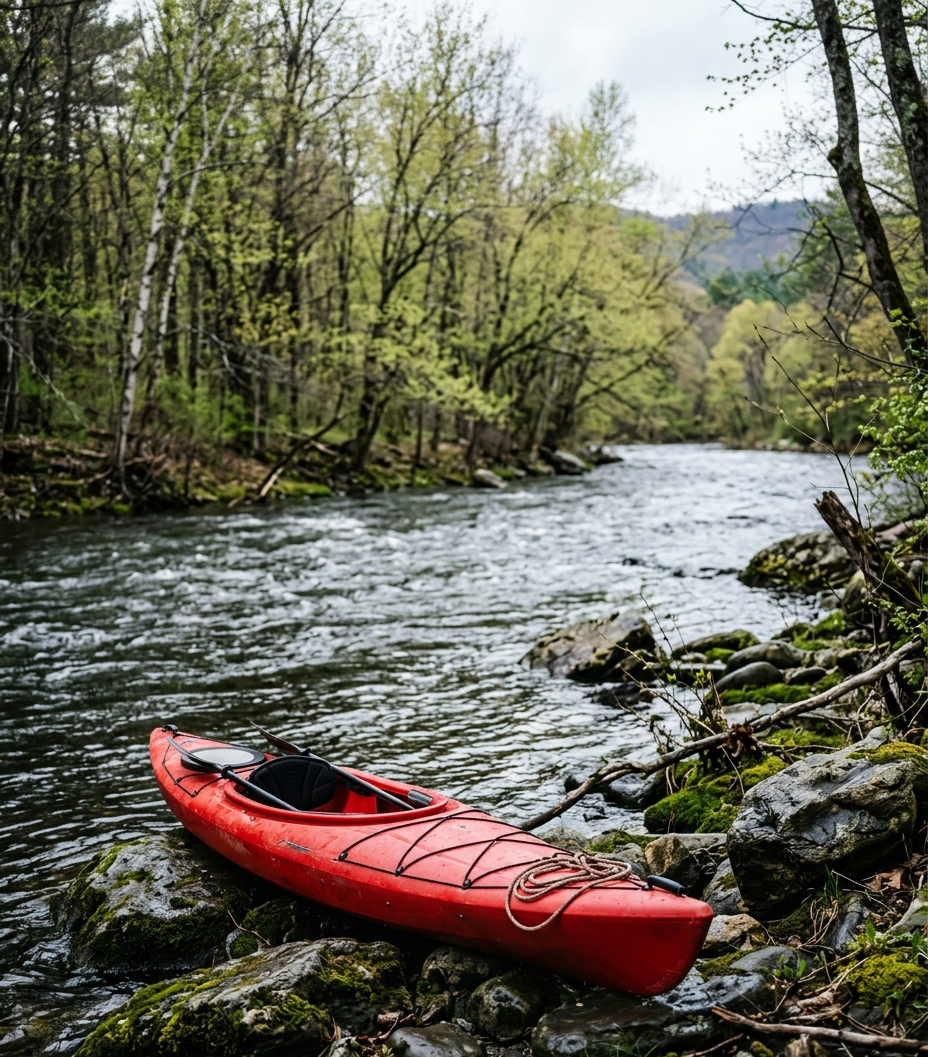
    kayak on river bank in vermont

    There is something about paddling in Vermont in the spring that feels almost stolen. The water is still cold enough to keep most people home, the trees are just starting to wake up, and the rivers are full and fast from snowmelt. If you time it right, you can spend an entire morning on the water without seeing another soul.

    I have been paddling Vermont’s rivers and lakes for years now, and spring is genuinely my favorite season to do it. Not because it is the easiest (it is not), but because everything feels alive in a way it simply does not in July. The birdsong is relentless. The water is crystal clear. And the Adirondacks and Green Mountains framing the horizon are still capped with snow while you are drifting through a valley turning green.

    Whether you are a seasoned kayaker looking for moving water, a casual paddler hoping for a calm lake morning, or someone brand new to the sport visiting Vermont for the first time, there is a perfect spot here for you. This is my honest rundown of the best rivers and lakes for spring paddling in Vermont, built from real time on the water and conversations with people who know these places well.

    Why Spring Is Such a Good Time to Paddle in Vermont

    The obvious reason is water levels. Vermont rivers are at their most dramatic in April and early May, fed by snowmelt from the mountains and the wet shoulder-season weather. Rivers that feel lazy and shallow by August are powerful and exciting in the spring.

    But the less obvious reason is the scenery. Spring in Vermont happens fast. One week the hillsides are bare gray and brown, and the next they are covered in the most electric shade of green you have ever seen. Paddling through that transition, especially in early May, is genuinely one of the most beautiful things you can do in this state.

    One thing to keep in mind: spring paddling requires a little more preparation than summer paddling. Water temperatures are cold, often in the 40s and low 50s. If you are paddling moving water, you should wear a wetsuit or drysuit, bring a partner, and check water levels before you go. The USGS Water Resources website and American Whitewater both have real-time gauge data for Vermont rivers. Check them before every trip.

    The Best Rivers for Spring Paddling in Vermont

    The Lamoille River

    The Lamoille is close to home for me, and it is honestly one of the most underrated paddling rivers in the state. It runs from Greensboro all the way to Lake Champlain, and different sections offer completely different experiences depending on what you are looking for.

    For beginners or anyone wanting a relaxed float, the stretch between Johnson and Morrisville is gentle and scenic. You pass through farmland and forest, and the views back toward Sterling and Elmore are stunning in the spring. Experienced paddlers tend to head farther upstream for more technical water, but I would not overlook the lower sections just because they are calm.

    The Lamoille corridor is also one of the best places in the state for spring bird watching from the water. I have spotted great blue herons, ospreys, and mergansers on a single morning trip through there in May. Bring waterproof binoculars if you have them.

    canoe floating in Vermont river

    The Mad River

    The Mad River runs through the Mad River Valley, which is already one of Vermont’s most beloved pockets. In the spring, the river earns its name. Water levels are high, the current is strong, and several stretches offer genuine whitewater for intermediate and advanced paddlers.

    The section near Waitsfield is a local favorite. It is accessible, has good put-in and take-out points, and gives you enough of a challenge to feel it in your shoulders by the time you are done. The valley walls are steep and forested, so even on a gray spring day it feels dramatic.

    If you are newer to rivers, I would recommend waiting until mid-May when levels drop a bit, or sticking to the calmer lower stretch near the confluence with the Winooski. The Mad in April is not a beginner river.

    The Winooski River

    The Winooski is one of Vermont’s great rivers, and it cuts a beautiful path from the Northeast Kingdom through the heart of the state before emptying into Lake Champlain near Burlington. There are dozens of possible put-in points depending on what kind of paddling you want.

    The stretch between Montpelier and Waterbury is particularly good in the spring. You get a mix of flatwater and mild riffles, farmland and wooded gorges, and easy access in and out. It is a great full-day trip for intermediate paddlers who want to cover some distance without any gnarly whitewater.

    Closer to Burlington, the river flattens out and widens as it approaches the delta. Paddling the lower Winooski in May, watching the river grass fill in and the red-winged blackbirds stake out territory in the cattails, is one of those Vermont experiences that quietly becomes a favorite memory.

    The West River

    If you are willing to drive south, the West River in Windham County is one of the great spring whitewater destinations in New England. The Ball Mountain Dam release schedule, managed by the Army Corps of Engineers, creates some of the best predictable whitewater conditions in Vermont.

    The section between Jamaica State Park and Townshend is the classic run. Class II and III rapids, big scenery, and the kind of organized paddling energy you get when a spot has a real local community around it. Jamaica State Park also has camping, which makes a weekend trip easy to plan.

    Check release schedules before you go. Paddling the West without a release is a very different experience than paddling it during one.

    The Best Lakes for Spring Paddling in Vermont

    Lake Champlain

    Lake Champlain is an obvious answer, but it deserves the mention because it is genuinely one of the most spectacular paddling environments in the entire northeastern United States. The lake stretches 120 miles, borders Vermont and New York, and dips into Quebec. There is a lifetime of paddling here.

    In the spring, the lake can be moody and dramatic in the best possible way. The winds are unpredictable, so paddling close to shore and in the protected bays is the smart move, especially in April. The Inland Sea, the shallow northern section between Grand Isle and the mainland, is perfect for spring paddling. It warms up faster than the main lake, the bays offer wind protection, and the views toward the Green Mountains to the east are flat-out beautiful.

    Sand Bar State Park in Milton has one of the best put-in spots on the lake, and the paddle across to Sand Bar Wildlife Area and back is a lovely morning trip. Watch for loons on the water in May. They come back to Lake Champlain to nest every spring and their calls across the water are something you will not forget.

    kayak with snow capped mountains

    Waterbury Reservoir

    Waterbury Reservoir sits between Waterbury and Stowe, surrounded by state forest. It is calm water, reliably pretty, and because it is off the main tourist circuit, you often have it mostly to yourself in the early season.

    The reservoir is long and narrow, which makes it ideal for kayaking and stand-up paddleboarding. You can launch from the public access area at the north end and paddle south into the quiet coves and forested shoreline. On a clear May morning with Camel’s Hump visible above the treeline, it is genuinely hard to believe you are only ten minutes off the highway.

    Water temperatures are cold through most of May, so dress accordingly. But the flat water and the protected setting make this one of the more forgiving spring paddles in the state for newer paddlers who are not ready for rivers yet.

    Lake Elmore

    Lake Elmore in Lamoille County is one of my personal favorites for a spring morning. It is small and manageable, easy to circumnavigate in a couple of hours, and the state park has a good public launch. Mount Elmore rises straight up from the southeastern shore, and the reflections on still water in the early morning are the kind of thing that makes people reach for their cameras.

    Because it is smaller and relatively shallow, Lake Elmore warms up faster than the bigger bodies of water, which means paddling conditions are comfortable a little earlier in the season. It is a great place to take someone who has never been on the water before. Accessible, peaceful, and quietly stunning.

    Groton State Forest Ponds

    Groton State Forest in Caledonia County is one of Vermont’s least visited gems, and the collection of ponds inside the forest (Ricker Pond, Lake Groton, Noyes Pond, and others) are perfect for spring flatwater paddling. Loons nest here. The forest is dense and the shorelines are largely undeveloped. It feels remote in a way that very few places within two hours of Burlington actually feel.

    Lake Groton is the largest of the group and has a public boat launch. Ricker Pond State Park has camping. If you are looking for a spring paddling trip that doubles as a quiet overnight getaway, this is one of the best options in the state.</p

    yellow kayak with water splashing over it

    A Few Practical Things Worth Knowing

    Where to Rent Gear in Vermont

    If you do not own a kayak or canoe, there are good rental options around the state. Umiak Outdoor Outfitters in Stowe has been outfitting Vermont paddlers for decades and they know the local water as well as anyone. Several state park campgrounds also offer canoe and kayak rentals, including those at Groton State Forest and Burton Island State Park on Lake Champlain.

    Stand-up paddleboards have become popular at a lot of Vermont lakes, and you can find SUP rentals near most of the major lakes during the warmer parts of spring.

    Checking Conditions Before You Go

    For rivers, always check current gauge levels at waterdata.usgs.gov before you paddle. American Whitewater (americanwhitewater.org) has Vermont-specific river guides with recommended gauge levels for each run. For lakes, local wind and weather forecasts matter a lot, especially on Lake Champlain where conditions can change quickly.

    Water temperatures on Vermont lakes and rivers in April and early May are typically in the 40 to 52 degree range. Cold water immersion is genuinely dangerous. Wear a wetsuit or drysuit on moving water, always wear a PFD, and paddle with a buddy until conditions warm up in late May and June.

    Leave the Place Better Than You Found It

    Vermont paddlers tend to have a strong ethic around the water. Pack out everything you bring in, stay off sensitive shoreline vegetation, and give nesting birds a wide berth in the spring, especially loons and herons. These places feel wild and clean because people treat them that way.

    Getting Out There

    Spring paddling in Vermont is one of those experiences that stays with you long after the season is over. The cold air, the high water, the way the whole landscape feels like it is just waking up. There is nothing quite like it, and you do not need to be an expert paddler to enjoy it.

    Pick one of the calmer lakes for your first spring outing. Get comfortable with the gear and the conditions. Then work your way toward the rivers when you are ready. Vermont has more good water than most people realize, and most of it is right there waiting.

    Spring does not last long here. It is worth getting out while you can.

    Shop Green Mountain Peaks on Etsy

    Bring a little piece of Vermont into your home with our curated collection of gifts, apparel, and seasonal favorites. From cozy hoodies and crewnecks to Vermont-themed gift boxes and cookbooks, each item is designed to celebrate the Green Mountain spirit.

    • Vermont-inspired designs and gift sets
    • Printed and packaged with care
    • Ships directly to your door
    Visit Our Etsy Shop

    Discover gifts, apparel, and Vermont treasures made to share and enjoy year-round.

  • The Magic of Vermont’s Spring Fire Pit Evenings

    The Magic of Vermont’s Spring Fire Pit Evenings

    There is a moment every spring in Vermont when you know the season has actually turned. It is not the calendar date, and it is not the first warm afternoon. It is the evening you finally drag the chairs back out to the fire pit, stack some wood, and light it without feeling like you are rushing the season.

    That moment usually comes somewhere in May, after mud season has done its worst and the ground has firmed up enough to stand on without losing a boot. The air still has a bite to it after the sun goes down. The peepers are going full volume in whatever wet patch is nearest to your yard. And the fire feels like exactly the right response to all of it.

    This is one of my favorite Vermont rituals, and it does not get talked about nearly as much as foliage or maple season. But if you live here, or if you have spent a real stretch of time here in the warmer months, you know exactly what I mean.

    When the Fire Pit Comes Back Out

    Mud season in Vermont is real and it is humbling. From late March through most of April, the ground is saturated, the dirt roads are soft, and everything feels a little suspended. You are not quite in winter anymore but you are not in spring either. You are just waiting.

    When it finally breaks, it breaks fast. The grass starts to green up almost overnight. People are outside again. And the first fire of the season feels less like a choice and more like a necessity, a way of marking the shift and celebrating the fact that the long part is over.

    There is something about that first fire in May that tastes better than any fire in July. Maybe it is the relief. Maybe it is the contrast with what just came before. Either way, it sets the tone for the whole season ahead.

    The People Who Appear

    Fire pits have a gravity to them that I cannot fully explain. Light one in your backyard and people materialize. Not because you planned anything or sent a message, just because there is a fire and that is enough of a reason.

    Neighbors you have waved to all winter end up pulling up a chair. Someone brings something to drink. Someone else shows up with food. By the time it is fully dark you are deep into a conversation that started nowhere in particular and went somewhere good, and nobody is checking their phone because there is no reason to.

    Vermont evenings in late May and June have a particular quality that I think people who visit in the summer sometimes miss because they are here for the daytime version of the state. The evenings are long and cool and quiet in a way that feels specific to this place. There is still a chill after the sun drops, just enough that the fire stops being decorative and starts being genuinely useful.

    That balance, warm enough to be outside, cool enough to want the fire, is the sweet spot. It usually lasts through June and into early July before the actual summer heat settles in.

    What We Cook Over It

    I am going to be honest: once you get comfortable cooking over a real fire, the gas grill starts to feel like a shortcut. Food cooked over open flame is different. There is smoke involved, and patience, and a kind of attention that does not feel like work because you are already sitting outside with a drink and good company.

    I have been cooking over the fire at home using the open fire grill from OakStoke Steelworks. It stakes into the ground, swings over the fire, and handles actual flame without any issues. For anyone who takes the cooking side of this seriously, it is worth looking into. But a simple grate works fine if you are just getting started.

    The ingredients matter more than the equipment anyway. Vermont in spring and early summer has good things to cook. Local farms are starting to have product again. The farmstand down the road is open. You do not need to plan much.

    A Few Things Worth Cooking Over a Real Fire This Time of Year

    • Asparagus in a cast iron skillet with butter and a little salt. Vermont asparagus season is short and it is worth doing this at least once while it lasts.
    • Sausage from a local farm cooked low and slow over the coals. The difference between this and a grocery store product is significant and worth paying for.
    • Foil packet potatoes with onion, olive oil, and whatever herbs you have. Bury them near the coals for forty minutes and let them do their thing.
    • Early corn in the husk laid directly on the grate. It steams in its own leaves and comes off the fire tasting like summer.

    None of this is complicated. The fire does most of the work. You just have to be willing to slow down enough to let it.

    Vermont Evenings in May and June Are Their Own Thing

    Peak foliage gets all the attention when people talk about Vermont seasons, and fair enough. But I would put a clear June evening up against any foliage weekend for the quality of being here. The light lasts until almost nine. The hillsides are that particular shade of green that only shows up for a few weeks before it deepens and settles into summer. The air smells like it just rained even when it did not.

    Early summer in Vermont also comes with sound. Peepers in May give way to the full chorus of June nights, birds going until dark, the occasional distant loon if you are near water. Sitting outside with a fire going while all of that is happening around you is an experience that I think people who only visit Vermont in fall or ski season are genuinely missing.

    There is also something to be said for how uncrowded it is. June in Vermont, outside of graduation weekends and holiday weekends, is quiet. The tourist wave has not really arrived yet. The roads are open. The restaurants have tables. It is the locals’ season, and the fire pit is very much part of it.

    You Do Not Need Much to Make This a Habit

    The tendency to over-engineer the fire pit is real and worth resisting. You do not need a purpose-built outdoor living space or matching furniture or any of the things that get marketed alongside this lifestyle. You need wood, something to contain the fire, a few chairs that are already outside, and enough time to let it burn for a couple of hours.

    In Vermont you can usually find good hardwood within ten minutes of wherever you are. Birch and maple are both common, both burn well, and both smell like exactly what a Vermont fire should smell like. The rest of it is just showing up and letting the evening do what evenings here do.

    Once you do it a few times it becomes a weekly thing without really deciding to make it one. Someone texts to ask if you are having a fire and you realize you were already planning on it. That is when it stops being an activity and starts being just how you live.

    This Is the Part of Vermont Living That Is Hard to Explain

    Vermont has a reputation for being slow and a little resistant to urgency, and I think that reputation is accurate and worth protecting. This is a state that still runs on town meetings and dirt roads and people who grow things and fix things and know their neighbors by name. The backyard fire fits right into that world.

    It is slow. It cannot be rushed without ruining it. It asks you to sit still and stay a while and not have a plan beyond the fire burning down. That is either frustrating or exactly what you needed, and most people who end up loving Vermont eventually figure out that it was the latter.

    If you are visiting Vermont this spring or summer, try to build a fire pit evening into your trip somewhere. If you are thinking about moving here, know that this is part of what the life actually looks like on an ordinary Tuesday in June. It is not dramatic or photogenic in an obvious way. It is just really, really good.

    The chairs are already out. The wood is stacked. Tonight seems like the right night.

  • Spring Wildlife Watching in Northern Vermont

    Spring Wildlife Watching in Northern Vermont

    There is a specific kind of morning in late May in northern Vermont where the light is still low, the fields are wet with dew, and something is standing at the edge of the tree line that was not there a second ago. A white-tailed deer, a wild turkey, sometimes a fox trotting along the fence row with somewhere important to be. If you have never driven a back road in Vermont during spring, this is the version of the state that people who live here know best.

    Spring is not a subtle season here. After a long winter and the slog of mud season, the green-up happens fast and the wildlife moves with it. From late April through early June, the roadsides and fields of northern Vermont turn into some of the most consistently rewarding places in New England to see wild animals going about their lives.

    You do not need a guided tour or a spotting scope. You mostly just need to slow down and pay attention.

    Why Spring Is the Best Season for Vermont Wildlife Watching

    The short answer is that everything is moving at once. Animals that spent the winter deep in the woods or hunkered in low spots are coming out to feed on new growth, find mates, and raise young. The vegetation has not fully leafed out yet, which means sightlines are longer than they will be in July. And the light in May, especially in the early morning and the hour before sunset, is extraordinary.

    This is different from fall foliage season, which draws people to Vermont for the color. Spring wildlife watching is quieter, less crowded, and in some ways more rewarding because you are watching the state wake up rather than wind down. The roadsides that will be packed with leaf-peepers in October are yours in May, and the animals have not yet retreated into the full cover of summer.

    Plan your drives for dawn and dusk if you can. That is when deer, turkeys, foxes, and black bears are most likely to be visible in open areas. Overcast days in May are often surprisingly active, especially around wetlands where herons and shorebirds are feeding in the shallow margins.

    What You Are Likely to See on a Drive Through Northern Vermont

    The honest answer is that it depends on where you go and how slowly you drive, but here is what shows up consistently.

    White-Tailed Deer

    Deer are the most reliable spring sighting in Vermont. They move out of winter cover as the grass comes in, and you will see them in fields and meadows in the early morning and evening hours. A doe with a fawn is possible by late May. Drive any stretch of Route 15 between Morrisville and Johnson at dusk and you are very likely to see deer in the fields along the Lamoille River.

    Wild Turkeys

    Turkeys are having a moment in Vermont. The population has grown considerably over the past two decades and you will see them year-round, but spring is when they are most visible and most interesting. Toms strut and fan their tails in open meadows during mating season, and flocks of hens move through agricultural fields and roadsides with a kind of unhurried confidence. If you have never seen a full-display tom turkey up close, it is genuinely impressive.

    Black Bears

    Bears emerge from their dens in spring hungry and looking for food. They are most often spotted in the early morning near berry-producing shrubs, agricultural areas, and forest edges. Sightings are not rare in northern Vermont, but they require some patience. The Northeast Kingdom and the hill towns east of Morrisville are productive areas. A bear sighting is one of those Vermont experiences that feels significant the first time it happens, especially if you are used to wildlife meaning squirrels and pigeons.

    Red Foxes

    Fox pups are born in late winter, and by May the adults are very active hunting rodents in fields and meadows to feed them. You will sometimes see a fox trotting a fence line or sitting in tall grass watching for movement. Old farm properties with a mix of open field and brushy edge habitat are reliable fox territory throughout northern Vermont.

    The Best Routes for Wildlife Watching in Northern Vermont

    You do not have to go far from the main roads to find good wildlife habitat, but the back roads are where the real encounters happen. Here are the stretches worth building a slow drive around.

    • Route 15 through the Lamoille Valley (Morrisville to Hyde Park to Johnson). This corridor follows the Lamoille River through wide agricultural bottomland. Deer, turkeys, and herons are common. Drive it at dusk with your windows down.
    • Route 100 north from Stowe toward Lowell and Jay. This is one of the most scenic spring drives in the state. The road passes through remote hill country with beaver ponds, wetland edges, and stretches where you might not see another car for twenty minutes. Bear sightings happen here.
    • The roads around Missisquoi National Wildlife Refuge near Swanton. This is one of the best birding spots in Vermont and a reliable area for waterfowl, osprey, and great blue herons during spring migration and nesting season.
    • Route 108 through Smugglers’ Notch (once it reopens, typically in late May). The notch itself is dramatic, but the farmland on the Jeffersonville side in the morning is reliably good for deer and turkeys.
    • Back roads around Lake Carmi State Park in Franklin. Less visited than many Vermont destinations, this is excellent habitat for wading birds and waterfowl, and the surrounding farmland is good for mammals at dawn.

    Birds Worth Watching For (Even If You Are Not a Birder)

    You do not have to be a birder to appreciate what is happening in Vermont’s fields and wetlands in May. A few species are distinctive enough that they tend to catch people off guard, in the best way.

    The bobolink is worth mentioning first because its call is unlike anything else. It sounds mechanical and bubbly at the same time, like something a science fiction prop designer would invent. Bobolinks nest in Vermont hayfields and you will hear them before you see them, hovering and singing over tall grass from late May onward. They are grassland birds that have declined in many places as land use has changed, which makes hearing them in a Vermont field feel genuinely lucky.

    Great blue herons are reliable near any slow-moving water. They stand completely still in the shallows and then move with a speed that seems impossible for a bird that large. Osprey have returned to Vermont in strong numbers and you will often see them hovering over rivers and ponds before diving for fish. The Lamoille River corridor and Lake Carmi are both good spots.

    Red-winged blackbirds are worth mentioning not because they are rare but because their call is the sound of a Vermont spring. The moment the males start singing from cattails and fence posts, you know the season has turned for real.

    The Moose Question

    Everyone asks about moose, and the honest answer is: they are real, they are worth looking for, and they are not guaranteed even in the best habitat. Vermont’s moose population has faced pressure from a warming climate and the winter tick, which has reduced numbers in some areas. But moose are still present, especially in the Northeast Kingdom and in the remote hill country of northern Lamoille County.

    Spring is actually a genuinely good window for moose sightings for one specific reason: they are drawn to roadsides to lick mineral salts that accumulate from road treatment during winter. Wetland edges, willow thickets, and shallow pond margins near the Canadian border region are your best options. Dawn is the most reliable time.

    If you do see a moose near a road, stay in your vehicle. They are enormous (a cow moose can weigh 700 pounds), and they are not as predictable as deer. Give them time and space and they will usually move on their own.

    How to Watch Without Getting in the Way

    The best wildlife watching in Vermont happens when you are quiet and still. Pulling slowly to the side of a back road and turning off your engine will get you farther than driving up a farm lane or stepping out into a field. Animals key on movement and noise, and a parked car is far less threatening to them than a person standing in the open.

    Resist the instinct to get closer. A good photo from a respectful distance is better than a stressed animal that has to flee. This is especially true for bears with cubs and birds on nests, both of which are common in late spring.

    Five minutes of patience in the right spot will often produce more than an hour of driving. Find a wetland edge, a field margin, or a stretch of river valley, stop, and just watch what is already there.

    What This Has to Do With Living Here

    One of the things people who move to northern Vermont mention most often is that the wildlife stops being scenery and starts being neighbors. A fox den under the shed. Turkeys crossing the driveway in November. A bear in the compost pile. A moose standing in the back field at six in the morning.

    This is part of what rural Vermont actually means. The wildlife corridors and the habitat that supports these animals are the same landscape that shapes where towns are, where farms sit, and where people build houses. It is not separate from Vermont life. It is threaded through it.

    If you are thinking about what it would be like to live here year-round, a slow spring drive north is one of the better ways to start understanding what that actually looks like on an ordinary morning.

    You do not need a destination. Just a full tank, a slow pace, and your windows down.

    Shop Green Mountain Peaks on Etsy

    Bring a little piece of Vermont into your home with our curated collection of gifts, apparel, and seasonal favorites. From cozy hoodies and crewnecks to Vermont-themed gift boxes and cookbooks, each item is designed to celebrate the Green Mountain spirit.

    • Vermont-inspired designs and gift sets
    • Printed and packaged with care
    • Ships directly to your door
    Visit Our Etsy Shop

    Discover gifts, apparel, and Vermont treasures made to share and enjoy year-round.

  • Discover Vermont’s Spring: Hills Turn Green and More

    Discover Vermont’s Spring: Hills Turn Green and More

    Spring in Vermont is not a gentle, predictable thing. It doesn’t arrive on cue, and it doesn’t ease you in. One week the hillsides are bare and gray, the kind of gray that makes you wonder if color even exists anymore. Then, sometime in late April or early May, something shifts. The hills go green, and when they do, it happens fast enough to feel like a surprise every single time.

    If you’ve only ever seen Vermont in fall or summer, spring is worth planning a trip around. It’s quieter, stranger, and in some ways more beautiful than any other season. Here’s what you’ll actually find when you come.

    Spring Comes Slowly Here (And That’s the Point)

    Vermonters talk about mud season the way people talk about a difficult relative. There’s love there, but it’s complicated. Mud season is real. Unpaved roads turn soft, driveways become obstacles, and boots become essential in ways that feel extreme if you’re coming from somewhere warmer.

    But mud season is also the honest face of spring in Vermont. The snow melts from the top down, the ground thaws unevenly, and everything smells like earth and cold water and something on the verge of waking up. If you lean into it instead of fighting it, mud season has its own charm. Locals tend to get philosophical about it right around the time the first crocuses push through.

    April is the month most people skip on their Vermont travel calendar, and that’s understandable. But it’s also the month when the state feels most like itself: raw, honest, and completely uninterested in performing for anyone.

    The Color Change Nobody Talks About

    Everyone knows about Vermont foliage. The fall color gets talked about endlessly, photographed obsessively, and planned around months in advance. Spring green is less famous, but if you’ve stood on a hillside in early May and watched the color move up from the valley floors toward the ridgelines, you understand why it belongs in the same conversation.

    The green that comes in spring is a specific shade. It’s not the deep, saturated green of July. It’s brighter, almost electric, and it shows up gradually against the gray and brown of bare trees. First the willows go, turning a yellow-green that’s almost luminous near water. Then the hillsides start to show color at lower elevations, and you can watch the treeline slowly change as weeks pass.

    If you’re driving Route 2 through the Northeast Kingdom, or winding south on Route 12 through the hills above Northfield, or heading up Route 100 into the Mad River Valley, pay attention to the way different elevations hold different colors at the same time. You can be looking at green in the valley while the ridgeline above you is still bare. It’s a layered thing, and it only happens in spring.

    What Week to Come If You Want Peak Green

    The window for peak spring green in Vermont is roughly early to mid May, though it shifts depending on where you are in the state and how the winter played out. Southern Vermont and lower elevations tend to green up a week or two ahead of the Northeast Kingdom and higher terrain.

    If you’re aiming for that moment when the hills are fully lit up and the air still has some cold edge to it, target the first two weeks of May. You’ll get the green, the wildflowers (more on those shortly), the waterfalls running high, and the quiet that comes before the summer crowd arrives. It’s a good window.

    Waterfalls and Rivers Running Full

    Vermont has waterfalls worth visiting in any season. But in spring, when snowmelt is coming off the mountains and the ground is still saturated, those waterfalls turn into something else entirely. The volume doubles and triples, the sound carries further than you’d expect, and standing near a Vermont waterfall in April feels genuinely powerful.

    The rivers are worth watching too. The Lamoille, the Winooski, the Mad River, the Black River out of Springfield – they all run high and fast in spring, and the color of the water shifts with the melt. There’s a milky blue-gray tint to snowmelt water that’s different from summer flow, and it looks almost surreal against the bare-branched trees and muddy riverbanks.

    If you’re walking near any high water, use common sense. Spring rivers are cold and faster than they look. Stay on established paths and respect the banks. But do go see them. It’s one of those Vermont experiences that doesn’t make it into the glossy brochures, and it should.

    Wildflowers Before the Canopy Closes

    Here’s something most visitors don’t know: Vermont’s forest floor is at its most beautiful before the leaves come in. For a few weeks in late April and early May, sunlight still reaches the ground, and what grows there is worth stopping for.

    Trout lilies show up along stream banks and in damp, open forest, their mottled leaves followed by small yellow flowers that nod toward the ground. Trillium opens in patches under maples and beeches, white and precise against the leaf litter. Spring beauties carpet entire hillsides in some spots. If you know to look, the show is remarkable.

    The window closes quickly. Once the trees leaf out, the light disappears and the forest floor shifts into a different kind of green. This particular moment, the brief overlap of wildflowers and bare canopy, is one of the things Vermont does that nobody adequately prepares you for.

    Old carriage roads, rail trails, and any forest path that runs along a stream are good places to look. You don’t need to go deep into the backcountry. Some of the best wildflower walks are close to towns, on land that’s been quietly doing this every spring for centuries.

    What’s Actually Open (And What Isn’t Yet)

    Spring is shoulder season in Vermont, which means you get the landscape without the crowds, but you also need to plan around some closures and limited hours. Plenty of restaurants in smaller towns run winter schedules through April, which might mean closed Mondays and Tuesdays or shorter hours on weekdays. It’s worth a quick call before you drive somewhere specifically to eat.

    The things that are open, though, are often better in spring. Farmers markets start coming back online in May. A few begin even earlier in the season, particularly in larger towns. The vendors are happy to see people, the atmosphere is unhurried, and the early-season offerings (maple products, greenhouse starts, storage vegetables, winter preserves) are genuinely interesting.

    Local breweries and small food producers are often more accessible in spring than in July, when they’re slammed. If you’ve ever wanted to actually talk to the person making the thing you’re buying, spring is when that’s easiest.

    The Sugar Season Overlap

    If you come in late March or early April, you may catch the very tail end of maple season. Vermont’s sugaring season is driven by weather, not calendar, so it can run anywhere from February into April depending on the year. Some sugarhouses stay open for visitors through early spring, and if you can get inside one during or just after boiling season, do it.

    The smell of a working sugarhouse is hard to describe. Hot sap, woodsmoke, steam, and sweetness all at once. It’s one of those specifically Vermont things that you don’t forget. Even if the boiling has finished by the time you arrive, many sugarhouses sell direct through spring and are worth visiting for the products alone.

    Small Towns in Spring Feel Different

    Vermont’s small towns are worth visiting any time of year, but spring has a particular energy to it. The tourists haven’t arrived yet in full force, locals are emerging from a long winter, and there’s something like collective exhale happening across every village green and general store parking lot.

    Towns like Johnson, Hardwick, and Morrisville in Lamoille and Caledonia counties have that feeling in spring. The hardware stores get busy again. The diners fill up with contractors and farmers. The library posts a list of local events that actually sounds like things people want to do. It’s a community in the process of reopening, and if you pay attention, it’s one of the most human things Vermont shows you.

    Summer Vermont is beautiful. But spring Vermont is specific and local in a way that feels more real to the people who actually live here.

    A Few Things Worth Knowing Before You Go

    Vermont roads take a beating over winter, and spring is when that shows up. Frost heaves (the bumps and buckles caused by freezing and thawing ground under the pavement) are marked with signs, but the signs don’t cover everything. Drive slower than you think you need to on back roads, especially in April.

    The weather in spring is genuinely unpredictable. A warm, sunny morning can turn into a cold, rainy afternoon without much warning. Pack layers, bring a rain jacket, and don’t make plans that can’t tolerate a weather change. The people who have the best time in Vermont spring are the people who treat the weather as part of the adventure instead of an inconvenience.

    One more thing worth knowing: black flies arrive in late May in Vermont, and they’re serious. If you’re hiking or spending time near water and trees after Memorial Day, bring insect repellent and consider a head net if you’re sensitive to bugs. Early May is usually before they arrive in full force, which is one more reason that early May window is particularly good.

    Spring here is not polished. It’s wet and unpredictable and sometimes still cold enough to see your breath. But the hills go green in a way that genuinely stops you, and the quiet before summer arrives is its own kind of gift. Come with good boots and an open schedule, and Vermont in spring will give you something to come back for.

    Shop Green Mountain Peaks on Etsy

    Bring a little piece of Vermont into your home with our curated collection of gifts, apparel, and seasonal favorites. From cozy hoodies and crewnecks to Vermont-themed gift boxes and cookbooks, each item is designed to celebrate the Green Mountain spirit.

    • Vermont-inspired designs and gift sets
    • Printed and packaged with care
    • Ships directly to your door
    Visit Our Etsy Shop

    Discover gifts, apparel, and Vermont treasures made to share and enjoy year-round.

  • Moving to Vermont: Essential Insights for New Residents

    Moving to Vermont: Essential Insights for New Residents

    Vermont is quieter, more rural, and more demanding than the postcard version. Here’s what everyday life is really like, from mud season and class 4 roads to heating bills, broadband, and becoming part of a town.

    I’ve updated this post and moved it to my real estate site. Read the full post on soldoutvermont.com: https://soldoutvermont.com/blog/what-living-in-vermont-is-really-like/