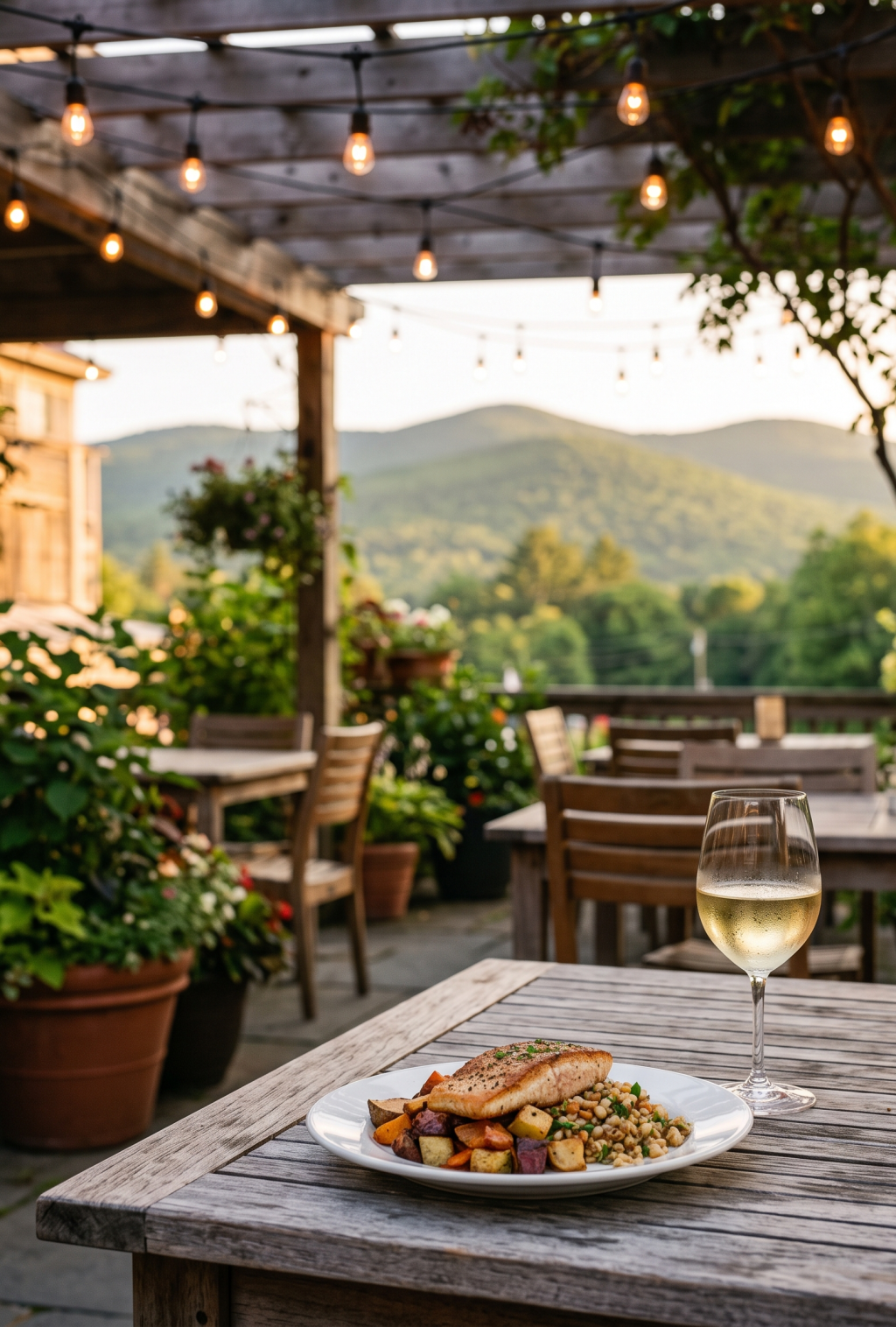
There is a farm stand on Route 100 that I have been stopping at since before I can remember, the kind with a coffee can for change and a chalkboard that just says “corn, tomatoes, whatever Gram picked today.” Every July, the line of cars pulls off onto the gravel shoulder like clockwork. That little stand, more than any restaurant menu, is what farm to table actually means around here. It is not a trend. It is just how people eat when the season allows it, and it is one of the quiet reasons so many people end up moving to Vermont in the first place.
Summer is when this whole way of eating shows off. The farms are full, the porches are open, and the restaurants across Lamoille County and the surrounding hills lean hard into whatever came out of the ground that morning. If you are visiting, this is the season to plan your meals around. If you already live here, you probably have your regular spots. And if you are thinking about relocating to Vermont, the food scene tells you almost everything you need to know about the pace of life you would be signing up for.
Where can you actually find farm to table restaurants in Vermont?
The honest answer is almost everywhere, but some corners of the state built their whole identity around it. Waterbury and Stowe, just down the road from each other, have quietly become one of the most talked about small food regions in New England. You do not need a reservation months out or a special occasion. You just need to be hungry and willing to wait a little on a summer Saturday.
Hen of the Wood in Waterbury is usually the first name that comes up, and for good reason. The restaurant sits inside an old grist mill building, all exposed brick and low light, and the kitchen leans into foraging as much as farming. Wild mushrooms, local trout, whatever the surrounding hills are offering that week. It is the kind of place that made people outside Vermont start paying attention to what our chefs were doing with what we already had.
A quieter option in Stowe village
Cork, tucked into downtown Stowe, is a smaller, more intimate version of the same philosophy. It is chef driven, the wine list leans natural, and the menu shifts with the seasons rather than sitting still all year. It feels like the kind of restaurant a local would take you to on a Tuesday night, not just a special occasion spot.
For something more casual, Doc Ponds in Stowe comes from the same team behind Hen of the Wood, but the mood is completely different. Think good beer, a record player going, and pub food built around the same local sourcing, just dressed down. It is a good spot after a long hike or a lazy beach day at the Ten Bends.
What makes farm to table dining different in Vermont than other places?
In a lot of cities, farm to table is a marketing phrase. Here, it is closer to a logistics problem. The farm really might be down the road. The cheese on your plate might have been made by someone the chef went to high school with. That closeness changes the way menus get written. Instead of a fixed menu that never moves, you get chalkboard specials that change because a farmer showed up with a case of strawberries nobody was expecting.
It also changes the pricing conversation a little. Sourcing from small local farms instead of large distributors usually costs more, and you will notice it on the check. What you are paying for is freshness and a direct line back to the land, not a supply chain that crossed several state lines to get to your plate.
Ask where it comes from
If you want to know whether a place is really farm to table or just borrowing the phrase, ask your server where the produce or meat comes from. In my experience, the real ones light up when you ask. They will tell you the farm name, sometimes the farmer’s first name, sometimes what the weather did to that crop this year. If the answer is vague, that tells you something too.
Do people really move to Vermont because of the food?
It comes up more than you would think. People considering relocating to Vermont often talk about the mountains first, or the quiet, or wanting their kids to grow up somewhere slower. But food is almost always somewhere on that list too, even if it is not the headline reason. Living in Vermont means your grocery run in July includes a stop at a farm stand, and your favorite restaurant probably has a chalkboard instead of a laminated menu. That rhythm, tied to the seasons instead of a corporate supply calendar, is part of the Vermont lifestyle people are chasing when they start looking at listings up here.
Where do locals actually eat in the summer?
Tourists tend to gravitate toward the well known names in Stowe, and they should, those places earned their reputation. But locals scatter out a little more. A lot of summer eating around here happens standing up at a farmers market, not sitting down at a table.
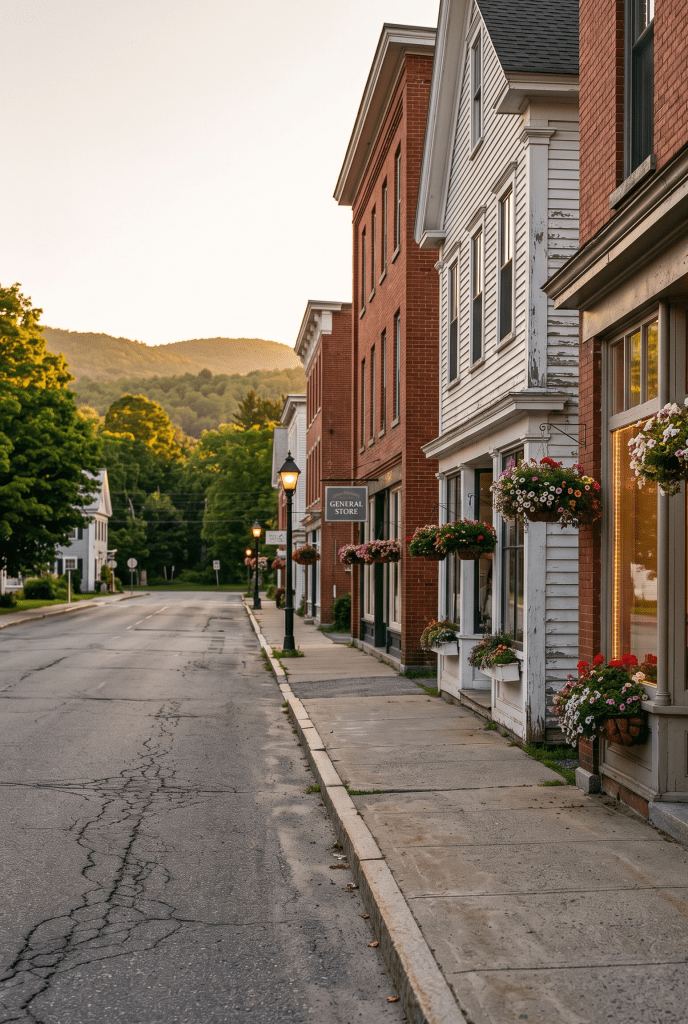
The Stowe Farmers Market and the smaller markets that pop up around Morrisville and Johnson through the summer are where a lot of actual weekday meals get built. You show up for eggs and end up leaving with a loaf of sourdough, a jar of someone’s hot honey, and dinner plans that did not exist twenty minutes earlier.
- Fresh corn and tomatoes by midsummer, straight off the truck
- Maple products that never stopped being relevant just because it is not syrup season
- Local cheese, often from farms you can visit the same afternoon
What should you order at a Vermont farm to table restaurant this summer?
My rule is simple. Whatever the special says, order that. The regular menu items are good, but the specials are where a kitchen shows you exactly what came in that morning. If a place lists a specific farm name next to a dish, that is usually the one worth ordering.
Vermont cheddar shows up on almost everything from burgers to mac and cheese, and there is a reason for that beyond nostalgia. It is genuinely good, and it is genuinely local. Same goes for anything involving Vermont raised beef or pork. If a menu mentions grass fed or pasture raised, it is not just a buzzword up here, it usually means the animal grew up an hour from your table.
A note on small towns off the beaten path
Do not overlook the smaller towns while you are exploring. Places like Cambridge and Hyde Park do not always have the destination restaurant with a national write up, but they have the kind of small, unpretentious spots where the cook knows your order by the second visit. That is its own kind of Vermont small town charm, and honestly it might be the more accurate picture of what living in Vermont actually feels like day to day.
Every summer I try to hit at least one new farm stand I have never stopped at before, just to see what it has. Most years, it turns into a new favorite.

Leave a Reply